WRLD

Search

#Societate
HotNews.ro 4d

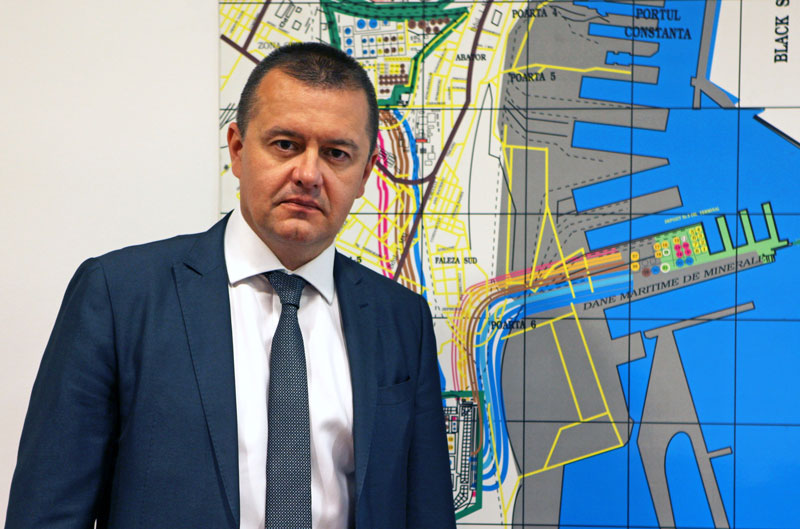
Oil Terminal confirmed that Gabriel Daraban has resigned from the position of commercial director on the day when DIICOT conducted searches related to serious allegations in the oil sector, without the company being involved in this criminal case. #OilTerminal #GabrielDaraban #DIICOT (translated)
hotnews.ro
Ce spune Oil Terminal despre demisia lui Gabriel Daraban de la conducerea companiei
2806
Mediafax.ro 5d

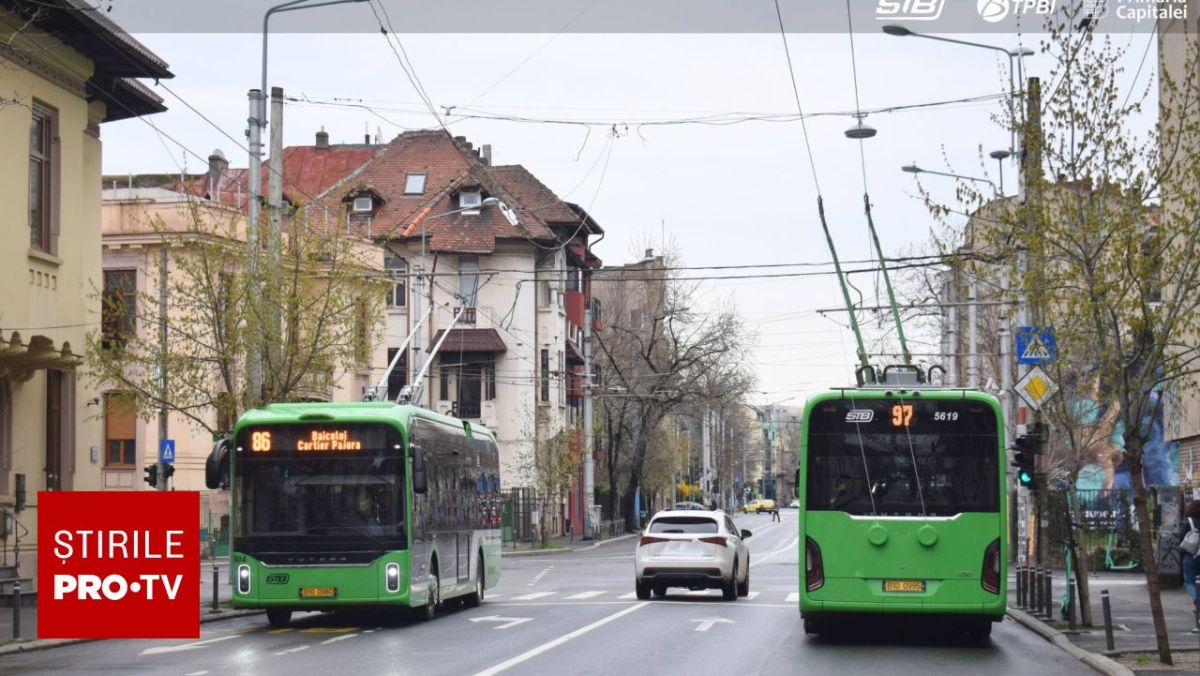
The Bucharest Transport Company (STB) announces massive layoffs, with notices issued for 796 employees and the elimination of over 1,700 positions, in the context of a critical financial situation that threatens the company with bankruptcy. #STB #concedieri #transportpublic (translated)

www.mediafax.ro
Concedieri masive la STB. Sute de angajați au primit preavize. Compania este amenințată de faliment
2481
Stirile ProTV 5d

The Bucharest Transport Company (STB) announced a drastic restructuring, involving 796 layoffs and the elimination of another 919 vacant positions, in the context of significant debts and financial losses. #STB #concedieri #restructurare (translated)

stirileprotv.ro
Restructurare drastică la STB: 796 de concedieri, inclusiv șoferi și vatmani. Salarii compensatorii de până la 40.000 de lei
2368
Francesco Sciortino 7d
researcher

The CEO of Proxima Fusion, Francesco Sciortino, estimates that the company could achieve a net energy gain in the early 2030s. #FuziuneNucleară #EnergiaVerde #InovațieTehnologică (translated)

3519
S
Sergei Sokolov 7d

Sergei Sokolov, editor-in-chief: "Not only has Novaya Gazeta been destroyed, but the entire Russian society has." #NovayaGazeta #jurnalismindependent #libertateapresei (translated)

2724
Mediafax.ro 2w

Geoffrey Hinton, Nobel Prize laureate and pioneer of artificial intelligence, warns that the technology could cause a "digital Chernobyl" through cyberattacks on essential infrastructures, emphasizing the significant risks it poses to society. #inteligentaartificiala #CernobilDigital #riscuriAI (translated)

www.mediafax.ro
Un laureat Nobel avertizează că inteligența artificială ar putea provoca un „Cernobîl digital”. Ce riscuri vede Geoffrey Hinton
2863
HotNews.ro 2w

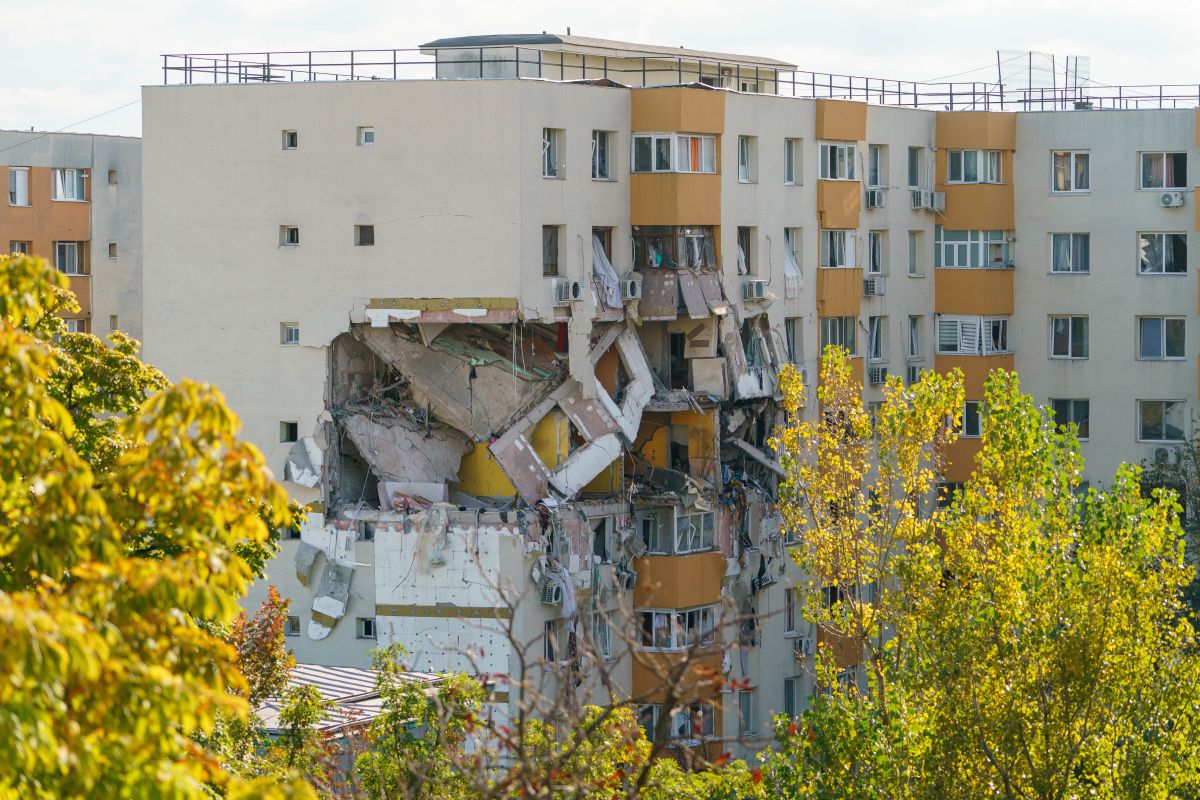
Six defendants, including the company Distrigaz, have been sent to trial for negligence following the explosion in the Rahova neighborhood of Bucharest on October 17, 2025, which resulted in the death of four people and the destruction of numerous apartments and cars. #explozie #Rahova #sistemgaze (translated)

hotnews.ro
Șase inculpați, inclusiv Distrigaz, trimiși în judecată după explozia din Rahova soldată cu patru morți
2520
HotNews.ro 2w

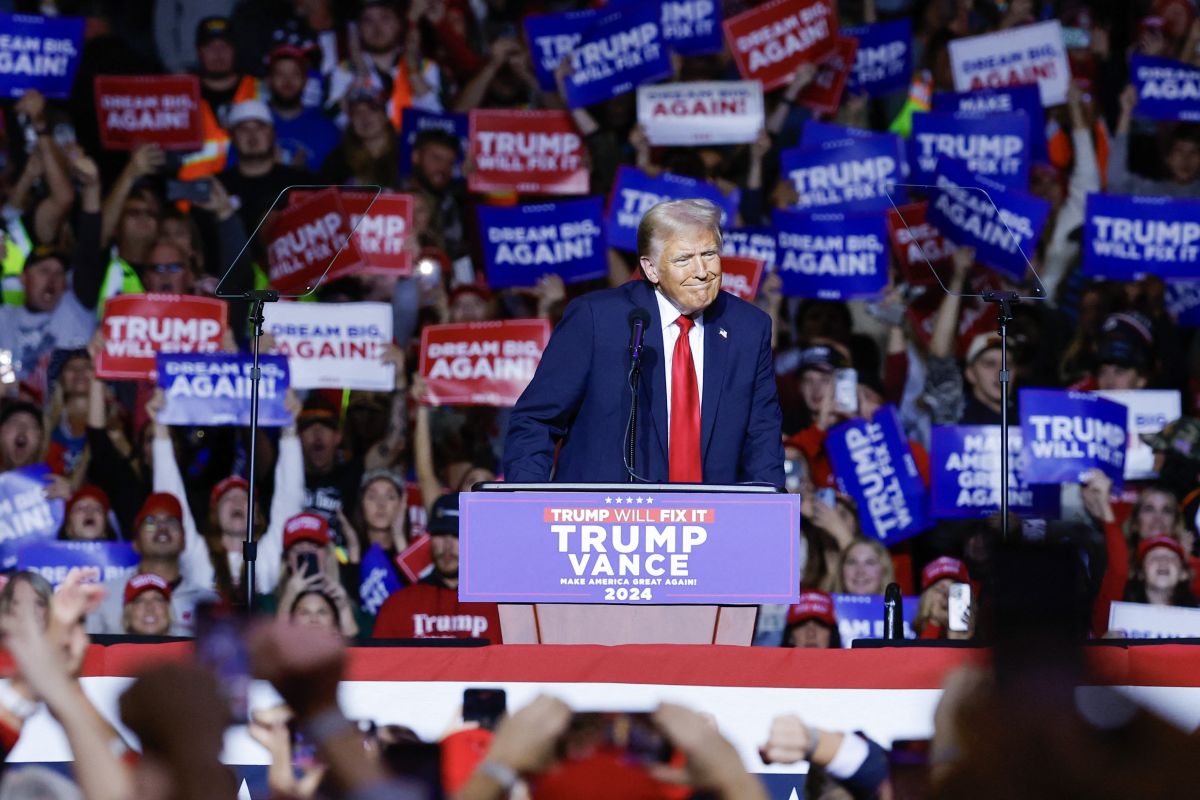
U.S. elections: Two toxic years under Trump's leadership left behind a divided American society, worsening relations with traditional allies and normalizing behaviors considered unacceptable for a leader of the "free world." #Alegeri2024 #DonaldTrump #PoliticaAmericana (translated)

hotnews.ro
Alegeri SUA: Doi ani toxici. Asta am trăit cu toții, indiferent dacă suntem sau nu de acord cu Trump. Votul de azi din America are o miză uriașă și pentru Europa
2984
adevarul.ro 2w

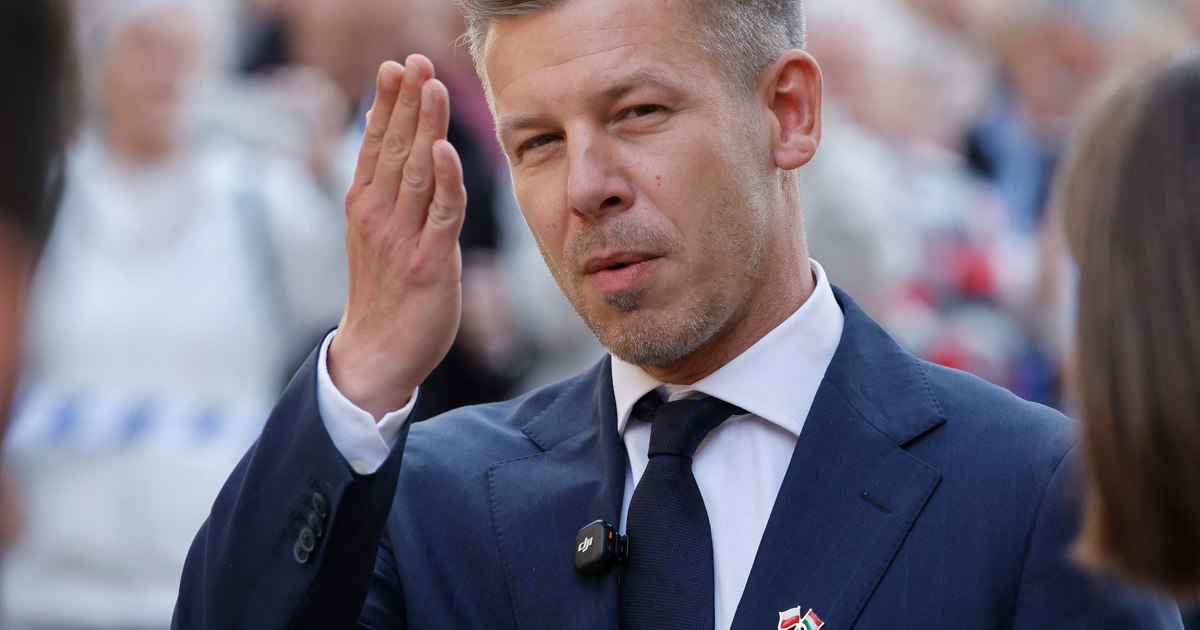
Hungary will reveal the identities of tens of thousands of informers who collaborated with the security services between 1945 and 1989, in an effort aimed at helping society confront the past and regain public trust. #Ungaria #Informatori #TrecutComunism (translated)

adevarul.ro
„Trădători în fiecare familie”. Ungaria va dezvălui identitatea informatorilor din perioada comunistă
3673
Digi24 2w

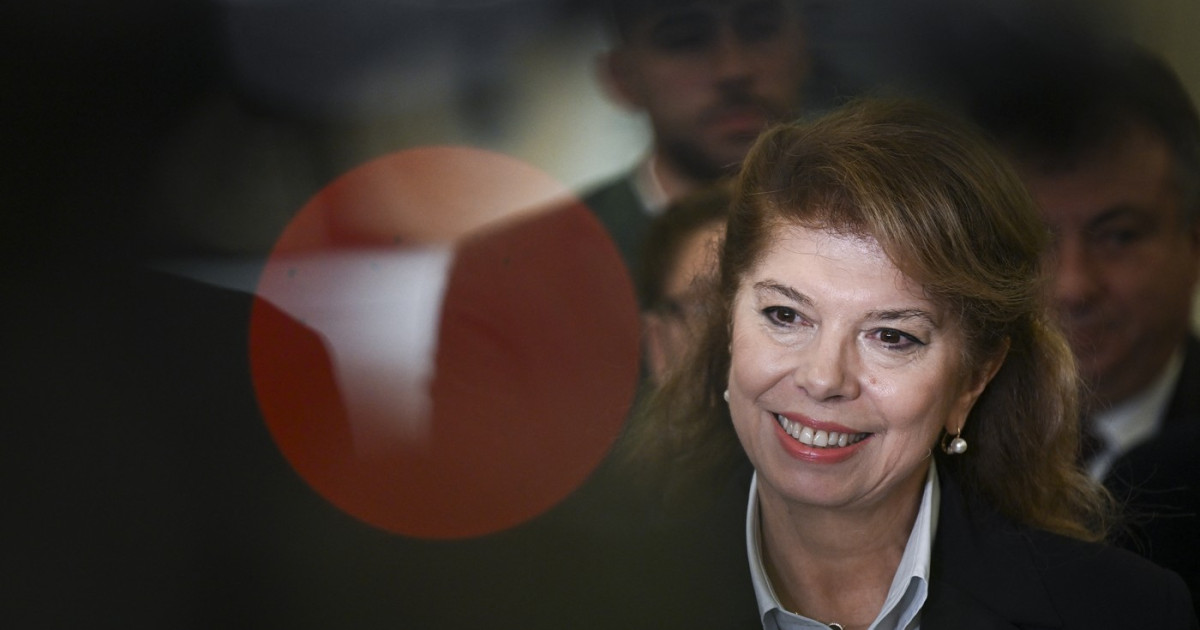
Iliana Iotova, supported by former president Rumen Radev, is on her way to becoming the first elected female president in Bulgaria, after Andrei Ghiurov acknowledged his defeat and emphasized the importance of unity in Bulgarian society. #IlianaIotova #alegeri #Bulgaria (translated)

www.digi24.ro
Iotova, pe cale să devină prima femeie președinte aleasă în Bulgaria. Ghiurov și-a recunoscut înfrângerea. Ce mesaje au transmis
3332
Stirile ProTV 2w

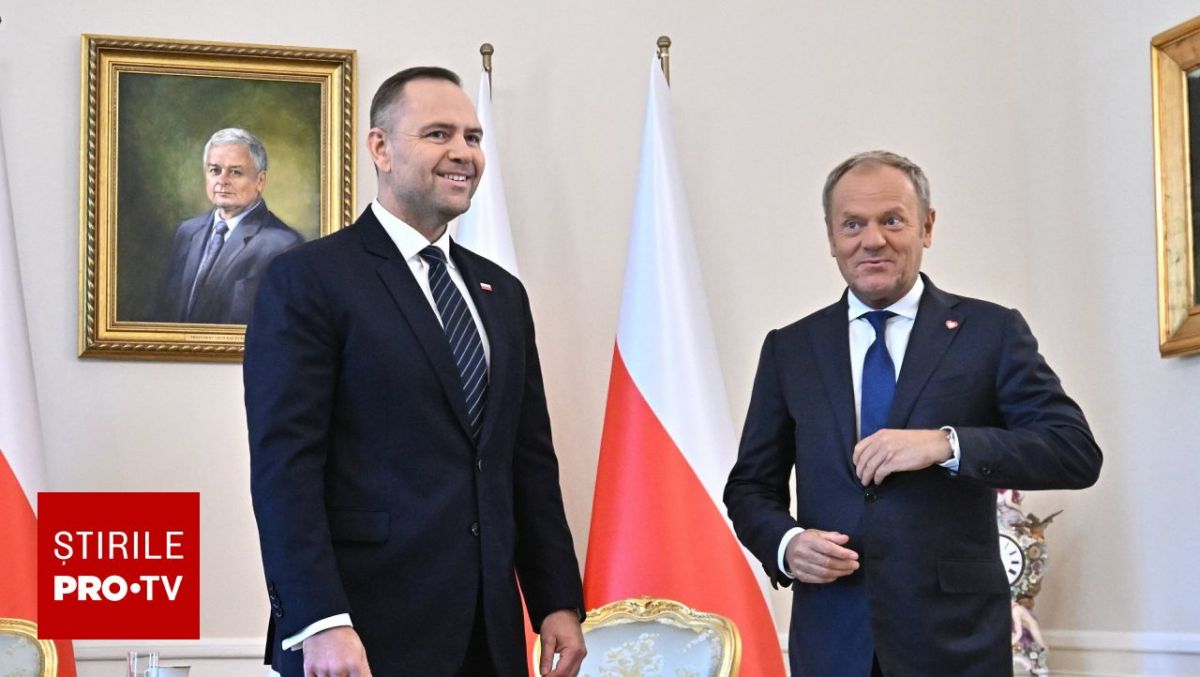
Poland is facing a deep constitutional crisis as a result of the conflict between President Karol Nawrocki and Prime Minister Donald Tusk regarding control of the Constitutional Tribunal, which has caused protests and rising tensions in society. #Polonia #CrizăConstituțională #Justiție (translated)

stirileprotv.ro
Cum a ajuns Polonia în criză constituțională. Miza conflictului dintre președintele Karol Nawrocki și premierul Donald Tusk
2873
Digi24 2w

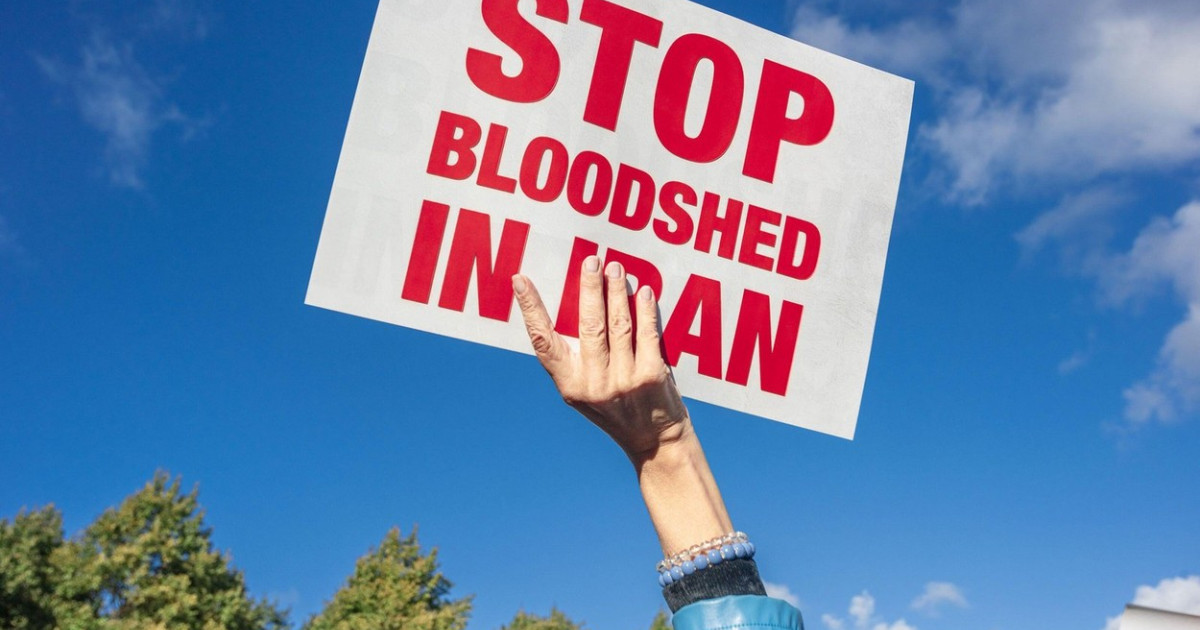
Young people from Generation Z in Iran, despite the regime's repression, assert that society will not accept the transformation of Iran into a North Korea and that the struggle for freedom and fundamental rights will continue. #Iran #GeneratiaZ #proteste (translated)

www.digi24.ro
„Iranul nu va deveni niciodată Coreea de Nord”. Mesajul tinerilor din Generația Z, în ciuda represiunii regimului
2532
Digi24 2w

The article analyzes the impact of the midterm elections on November 3 on American politics, emphasizing that polarization and the already profound changes in society suggest there is no way back to the previous state, regardless of the outcome. #AlegeriSUA #PoliticaAmericana #DonaldTrump (translated)

www.digi24.ro
De ce nu mai există cale de întoarcere pentru politica americană – miză uriașă la alegerile din 3 noiembrie
3227
adevarul.ro 3w

The article reveals how sabotage networks in Romania, coordinated by Russia, recruit vulnerable individuals through the promise of substantial remuneration to carry out acts of sabotage, emphasizing that these activities are not carried out by well-trained spies, but by ordinary people often excluded from society. #sabotaj #Rusia #securitate (translated)

adevarul.ro
Cine sunt oamenii care acceptă banii Rusiei pentru a da foc unor obiective strategice. SRI: „Nu vă imaginați un fel de James Bond”
3116
adevarul.ro 3w

The article celebrates 11 years since the tragic fire at the Colectiv club in Bucharest, which occurred on October 30, 2015, resulting in the deaths of 65 people and hundreds of injuries, generating a wave of protests and emotion in Romanian society. #Colectiv #30octombrie #tragedie (translated)

adevarul.ro
30 octombrie, o zi neagră în istoria României. 11 ani de la Colectiv: filmul incendiului care a cutremurat țara
2655
Silvia Uscov 3w
Romanian lawyer (born 1986)

The author of the post wrote that a possible solution for Romania could take shape in Serbia. He argued that the "Students' List" had shown how a movement started from society could become a credible electoral alternative: students had mobilized people and supported a list of professionals. #România #Serbia #Studenți #RO #RS (translated)

3009
Silvia Uscov 3w
Romanian lawyer (born 1986)

The author asked if there was still a need for lawyers and wrote that a recent debate regarding a legislative proposal had stirred resentment towards them. He associated the reactions with a drafting error, lack of a communication strategy, an unfavorable past, and tensions in society. #avocați #dezbatere #legislatie #RO (translated)

3010
G
Gelu 3w

Don't change the time! Change the schedule, not the time! The biological rhythm is regulated by the Sun, not the clock. Time is not a work schedule that we can shift at will. Time is the measure by which we organize our lives, and nature has its own rhythm. The Earth does not change its rotation twice a year. The sun does not rise earlier because we decided to move the clock forward. Animals, birds, insects, and plants follow their biological rhythms related to light, darkness, and the natural succession of seasons. Humans are part of this nature. Our bodies have their own biological clock, fundamentally influenced by light. And when we officially move the clocks by one hour, we are not changing the course of nature, but rather asking humans to abruptly adapt to an administrative convention. Why do this every spring and reverse it every autumn? Is it natural to change the time or to adapt our schedules? Let's consider the majority of people: workers, farmers, students, teachers, parents, retirees, people who must adhere to a schedule set by others. They cannot always modify their schedules at will. They need to wake up at a certain hour, get to work, take a child to school, or comply with the public transport timetable. In contrast, there are people and organizations that have the opportunity to adapt their schedules based on the season, natural light, or the needs of their activities. If, for some people, changing their schedule is feasible, why impose the time change on everyone? Let's take a hypothetical example: if 10% of people have the freedom to adapt their schedule, is it fair to change the time for all those who do not have this freedom? Would it not be more logical to change the schedule where needed, rather than change the time by which the entire society organizes itself? Stores can modify their opening hours. Factories can adapt their shifts. Institutions can adjust their schedules, and schools and public transport can analyze timetables according to local conditions and people's needs. We do not all have to operate on the same schedule to live by the same time. Nature does not need our approval to follow its rhythm. In spring, the days lengthen. In autumn, the days shorten. This is the natural rhythm of the Earth, which we can observe without moving even a single clock hand. If we want to start activities earlier in summer, we can start sooner. If winter requires a different schedule, we can adapt it. But why change the official time, get used to a new convention, and then revert to the old one? Would it not be simpler to keep the same time all year round and organize our activities according to the season? I do not claim that all living beings measure time in hours and minutes. I assert something more important: their biological rhythms are linked to the natural cycle of light and darkness, not to the numbers we display on the clock. And humans should take this truth into account when organizing their lives. The economy must serve people, not people be permanently forced to adapt to the economy. One argument presented in favor of changing the time is the more efficient use of natural light or the reduction of energy consumption. But the actual effects depend on the country, season, population habits, and how energy is used. If we want to save energy, let's examine actual consumption. If we want more light during activities, let's adapt the schedules. If we want to improve work organization, let's change the timetables where possible. There is no need to change the time for the whole society to achieve flexibility in certain areas. The schedule is a tool we can adapt. The time should be a stable reference. We cannot stop the seasons. We cannot modify the Earth's rotation. We cannot ask nature to adapt to our clock. But we can organize our lives more wisely. Instead of moving the clock hands twice a year, we can learn to adapt our schedules to the reality around us. Instead of changing the time for everyone, we can allow each field to find the appropriate schedule, within the bounds of the law and with respect for people's rights. Let's keep the time stable and make the schedules flexible! Let's leave time in peace. Twice a year, millions of people are forced to change their clocks, schedules, and biological rhythms to adapt to an administrative decision. It is said that changing the time brings economic or energy benefits. However, in modern society, these advantages are increasingly contested, while the disadvantages are felt by nearly the entire population. People, animals, and plants do not live by the clock on the wall, but by the natural rhythms of the Earth. The human body is regulated by the alternation of light and darkness. When we artificially move the time forward or back, we disturb this balance. Many people sleep worse, feel more tired, and need days or weeks to readjust. Living beings do not change their schedules twice a year. Birds do not migrate by the clock, cows do not produce milk according to the official hour, and dogs do not understand why their owner takes them for a walk an hour earlier. Nature follows the sun, not administrative decisions. There is also a principle issue. For a relatively small percentage of people and activities that would benefit from more light in the evening, the schedule of the entire society is modified. About 90% of people are forced to adapt, even though they did not ask for this and do not gain direct advantages. It would be more logical for the sectors that need a different schedule to adapt it themselves. Stores can open earlier or later. Factories can modify their work shifts. Schools, institutions, and companies can adjust their schedules as needed. It is much easier for certain organizations to change the schedule in a targeted manner than to change the official time for the entire population. Moreover, modern technology has greatly diminished the argument for saving energy. Lighting now represents a smaller proportion of total consumption, while air conditioning, computers, and other equipment operate regardless of time changes. The time should serve people, not people be obliged to serve the time. A modern society can function efficiently without moving the clock hands twice a year. Stability, health, and respect for natural rhythms are stronger arguments than the tradition of a measure introduced in another era. Therefore, the most rational solution is to keep the same time throughout the year and adapt schedules where necessary, rather than changing the lifestyle rhythm of an entire population. Why should we keep the same time all year? Changing the time twice a year represents an artificial intervention in the natural rhythm of society. Although it was introduced with the intention of saving energy, numerous modern studies show that the benefits are minimal, while the social, medical, and economic costs are significant. 1. The biological rhythm is regulated by the Sun, not the clock. The human body operates according to an internal biological clock, synchronized with the natural alternation of day and night. Research in chronobiology shows that artificial changes in time disrupt sleep, concentration, and metabolism. In the days following the switch to summer time: - sleep disorders increase; - more traffic accidents occur; - productivity at work decreases; - there is an increase in the risk of heart attacks and other cardiovascular problems. In practice, millions of people are forced to suffer a slight "jet lag" without having traveled anywhere. 2. Nature does not change the time. Animals and plants regulate their activity according to light. Birds, insects, domesticated and wild animals do not change their schedules just because the government decides to move the clock forward by one hour. Farmers often observe that cows continue to adhere to their biological schedule regardless of the change in official time. The same happens with many other living beings. In reality, we are changing the clock display, not the position of the Sun in the sky. 3. Economic benefits are diminishing. Changing the time was introduced in an era when lighting consumed a significant proportion of the energy used by the population. Today: - lighting is much more energy-efficient; - the main consumption comes from air conditioning, heating, servers, computers, and appliances; - estimated savings are very low or even nonexistent in many states. In contrast, the economic costs are real: - employee productivity decreases after the time change; - absenteeism increases; - additional costs associated with accidents and medical problems arise; - computer and logistics systems need to be periodically adjusted. 4. It is unfair to change the schedule of all for the needs of a minority. If certain economic sectors find it useful to start activities earlier in summer, they can adapt their schedules. For example: - stores can operate from 07:00 to 21:00 instead of 08:00 to 22:00; - factories can alter shifts; - public institutions can temporarily adjust working hours; - schools and companies can decide locally what schedule is optimal. It is much simpler for 10% of organizations to change their schedule than for 100% of the population to change their biological clock. 5. Stability means efficiency. Transport, information systems, international economic activities, and public services function more smoothly when the official time remains constant. One hour throughout the year: - reduces scheduling errors; - simplifies transport and communications; - eliminates confusion regarding timetables; - provides predictability for citizens and companies. Conclusion The sun does not change its time. The Earth does not change its time. Nature does not change its time. Only humans move the clock hands and then endure the consequences of this decision. Instead of modifying the schedule of an entire society twice a year, it is more logical to keep the same time constantly and allow those fields that need a different schedule to adapt their programs individually. This way, natural biological rhythms are respected, economic costs are reduced, and the comfort of the majority of the population is increased. A modern society needs flexibility in scheduling, not the constant change of the clock. (translated)

926
Bogdan Ivan 4w

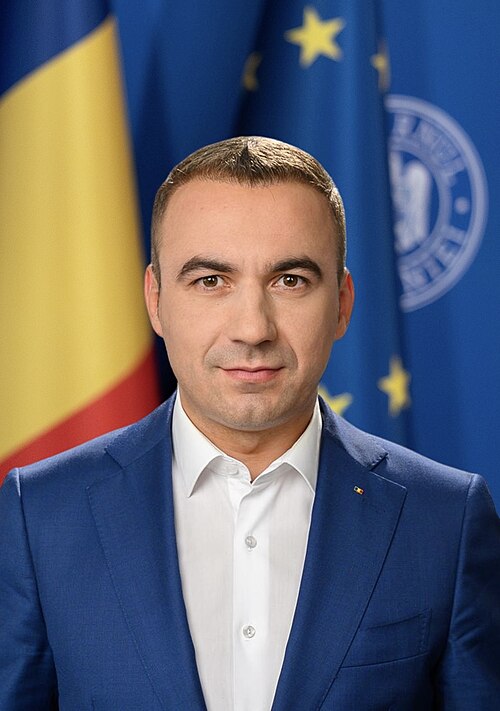
"What happened in Bistrița, where a teacher and a student were stabbed by a minor, must be a wake-up call for society as a whole. Algorithms cannot turn children into criminals. A tragedy should not have to occur for the law to set clear limits on social platforms. Beyond the seriousness of this case, we have a problem that we can no longer afford to ignore: children have access to a digital world designed to capture their attention, but inadequately regulated to protect their safety. Platforms earn billions from user attention. It is unacceptable for the responsibility for the consequences on minors to rest solely with parents and teachers.” Bogdan Ivan stated that the new rules must include real mechanisms for age verification, as well as guarantees regarding the protection of personal data. #BogdanIvan #protectiaCopiilor #legislatieSociala (translated)

Bogdan Ivan a anunțat un proiect de lege care interzice accesul copiilor sub 14 ani la rețelele sociale, după atacul de la Bistrița
www.digi24.ro
3371
Bogdan Ivan 4w

What happened in Bistriţa, where a teacher and a student were stabbed by a minor, must be an alarm signal for the whole society. For his part, the vice president of PSD, Bogdan Ivan, who also leads the PSD Bistriţa-Năsăud county organization, emphasized the need to regulate access to digital platforms for minors. #SiguranțaCopiilor #RețeleSociale #LegislațieRomână (translated)

Propunerea unor deputați PSD după atacul de la școala din Bistrița. Interdicție pe rețelele sociale pentru copiii sub 14 ani
stirileprotv.ro
2906