BETA nonprofit public democratic european moderated

Search

#Turín

Le finali di Champions League 2028 e 2029 si disputeranno rispettivamente a Monaco di Baviera e a Barcellona! A Torino si disputerà la finale di Conference League del 2028. UEFA Champions League 2028: Munich Football Arena, Munich 2029: Camp Nou, Barcelona UEFA Women’s Champions League 2028: Parc Olympic Lyonnais, Lyon-Décines 2029: National Stadium of Wales, Cardiff UEFA Europa League 2028: National Arena, Bucharest 2029: National Stadium Serbia, Belgrade UEFA Conference League 2028: Juventus Stadium, Turin 2029: Puskás Aréna, Budapest UEFA Super Cup 2027: Johan Cruyff Arena, Amsterdam 2028: Astana Arena, Astana #ChampionsLeague #Football #UEFA


🚨🏟️ OFFICIAL: UEFA Conference League next two Finals stadiums have been decided. 2028: Juventus Stadium, Turin 🇮🇹 2029: Puskás Aréna, Budapest 🇭🇺 https://t.co/Fqi8R3RYSG #UEFA #ConferenceLeague #FootballFinals #IT #HU

A woman with health problems has gone missing in the Raseiniai district; she is 165 cm tall, of average build, has short blond hair and blue eyes, was wearing a blue jacket and floral shirt, and the police are asking for the public's help in finding her. (translated)

Raseinių rajone dingo sveikatos problemų turinti moteris – policija prašo pagalbos

🚨 TIAFOE A TURIN DANS LE VISEUR ! 🇺🇸 Malgré sa défaite en demi-finales de l’US Open, Frances Tiafoe, 6e à la race, garde un gros objectif pour la fin de saison : se qualifier pour les ATP Finals. 🗣️ « Je vais probablement m’apitoyer sur mon sort pendant quelques jours, mais après ça, je vais me remettre au travail et me bouger pour aller à Turin. JE VEUX Y ÊTRE. 💪 C’est la preuve que tu as réalisé une très bonne saison du début à la fin. C’était un gros objectif que j’avais inscrit sur mon tableau, et je veux y arriver. » #Tennis #ATPFInals #Tiafoe

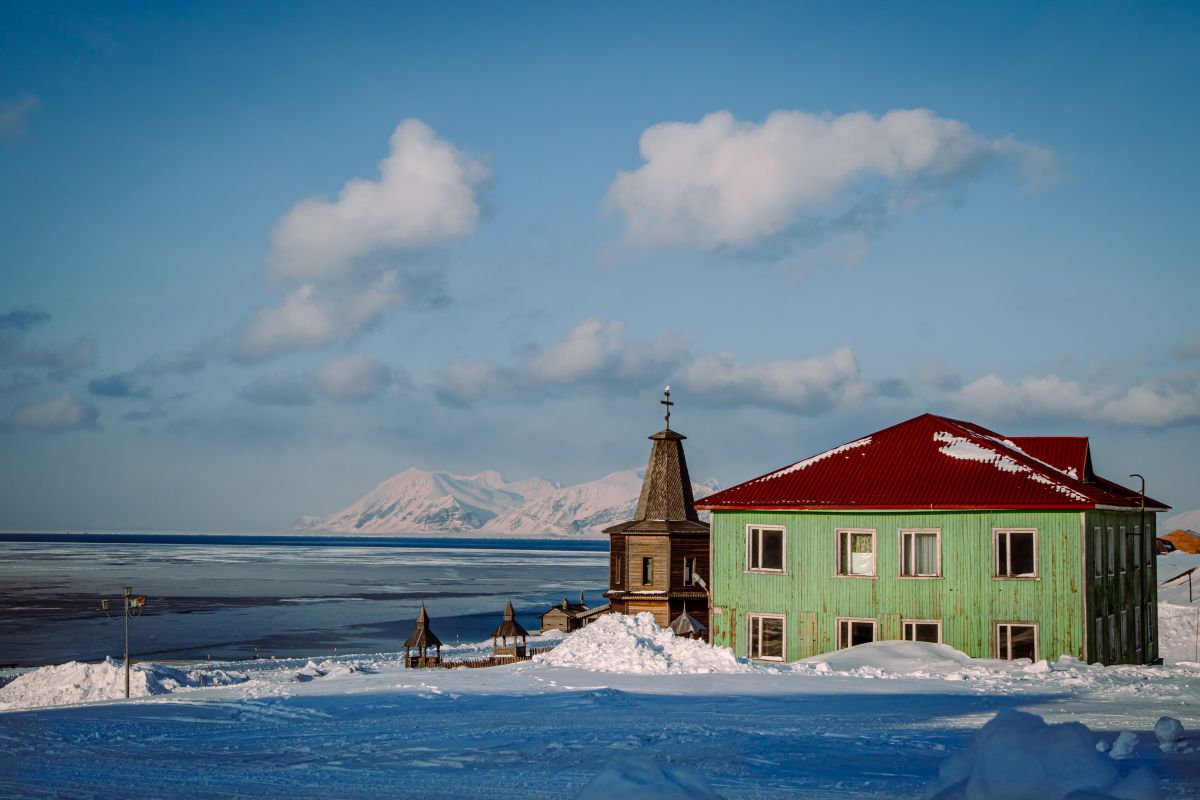
NATO allies monitored and thwarted a secret Russian operation near Svalbard, during which an attempt was made to test a technology capable of damaging underwater fiber optic cables, which are essential for global internet connectivity. (translated)

NATO atskleidė slaptą rusų operaciją prie Svalbardo

🔴 Ferrari : les journalistes de @wearetherace ont souligné que « des sources bien informées au sein du paddock laissent entendre que ce qui s’est passé à Monza pas été bien accueilli par les dirigeants de la Scuderia ». On a laissé entendre que ces événements pourraient entraîner une réévaluation de la position de Vasseur et qu’il y a beaucoup à approfondir concernant les décisions clés prises cette saison. - Dans le collimateur : une certaine complaisance concernant la modification de la procédure de départ, le choix de privilégier l’aérodynamique au détriment du groupe motopropulseur et, enfin, l’absence d’un code interne entre les pilotes qui a fini par ne pas maximiser les chances de remporter le titre. Les noms qui pourraient être envisagés pour un éventuel remplacement de Vasseur sont bien connus : Antonello Coletta et Christian Horner. - « À Maranello, et surtout à Turin, on y réfléchit. On ne peut pas continuer ainsi. Même Fred Vasseur l’a compris, malgré un contrat qui vient d’être renouvelé, son avenir à la tête de l’écurie est incertain. À Maranello, les pressions sont nombreuses, et elles viennent d’en haut, ce qui pourrait déclencher un changement. Pas tout de suite, il faut s’y préparer. Mais Monza pourrait avoir des effets révolutionnaires ». Le Corriere Della Serra a donc évoqué un possible « grand tournant chez Ferrari » et a enfin souligné : « Il n’y a pas de plan B au-delà du manager français. La Ferrari de Vasseur est sous surveillance. Par la Ferrari d’Elkann, qui ne peut pas continuer à faire comme si de rien n’était ». (https://t.co/PYMx4cvrPH) #Ferrari #Formule1 #Vasseur

BobbyD 1w

Băbăieți, FEREASCĂ DUMNEZEU! AfD rupe urna și experții noștri au rezolvat misterul: RUȘII! 😂 Radu Tudor spune că greșelile politice din Germania au fost „amplificate și grosolan manipulate hibrid de Rusia”. Bă, dar posibilitatea ca germanilor să li se fi luat pur și simplu de politica propriilor conducători mai există? Sau și nemulțumirea vine prin conducta de gaz din Rusia? 😂 - AfD ia 44%! - PUTIN! - Dar au votat germanii. - MANIPULAȚI! - Aveți dovezi? - NU DERANJAȚI NARATIVUL! Și mai comic: articolul însuși arată că afirmația despre „prima victorie regională AfD după război” e greșită. AfD câștigase deja Turingia în 2024. Ăștia, dacă le arde becul în baie, nu cheamă electricianul. VERIFICĂ ÎNTÂI CE FĂCEA PUTIN LA ORA AIA! 😂 #politică #Germania #AfD

Čtyři čeští středoškoláci přivezli z Itálie jedenáct medailí. Mimo geologickou komunitu o tom skoro nikdo neví. Koncem srpna skončila v Turíně 19. mezinárodní olympiáda věd o Zemi (IESO). Do laboratoří Turínské univerzity a do piemontských geoparků přijelo 166 studentů ze 42 zemí. Česká čtveřice v silné konkurenci posbírala dvě zlata, sedm stříbrných medailí a dva bronzy. Přírodovědecká fakulta Masarykovy univerzity (@muni_cz) to oznámila na sociálních sítích. Jména studentů zatím nezveřejnila a hlavní sdělovací prostředky mlčely. IESO není běžná zeměpisná olympiáda. Je to týdenní prověrka znalostí Země jako jednoho komplexního systému, který zahrnuje horniny, počasí, oceány, ledovce, vesmír i jejich vzájemné souvislosti. Každý stát smí vyslat pouze čtyři středoškoláky a dva mentory. Českou účast dlouhodobě zaštiťuje Ústav geologických věd v Brně a výběr reprezentantů probíhá prostřednictvím národní Geologické olympiády. Osm dní soutěže mělo přesný rytmus. Po slavnostním zahájení zamířili studenti do terénu a následně lanovkou Skyway Monte Bianco k ledovcům pod Mont Blancem. V neděli absolvovali až šestihodinový písemný test z geologie, geofyziky, meteorologie, oceánografie, astronomie a životního prostředí. V pondělí je čekaly čtyři laboratorní úlohy a v úterý obhajoba výzkumného projektu o alpských ledovcích. Jak může jeden tým získat jedenáct medailí? Soutěž totiž probíhá v několika disciplínách současně: hodnotí se individuální test, praktická část, mezinárodní terénní výzkum – v němž je český reprezentant losován do týmu například s Indem a Indonésanem – a týmový výzkumný projekt. Nestačí tedy jen napsat test. Studenti musejí měřit v terénu, zpracovat data a své závěry obhájit v angličtině před odbornou porotou. Práce v terénu nebyla žádný výlet. Mezi oficiální lokality patřily Sacra di San Michele nad údolím Susa, římská zlatá rýžoviště Bessa u Bielly, geopark Valsesia s jedním z nejlepších řezů zemskou kůrou na světě a ledovce pod Mont Blancem. Klášter Sacra di San Michele stojí na skalním ostrohu, kde na povrch vystupují horniny z horního pláště Země. Právě zde se mezinárodní týmy učily číst krajinu v praxi, nikoli jen z učebnic. Loni v čínském Ťi-ningu získalo Česko osm medailí a vedení výpravy to označilo za jeden z nejlepších výsledků v historii. Letos je cenných kovů jedenáct. Od prvního startu v Japonsku v roce 2016 česká stopa na IESO sílí, mimo odbornou veřejnost o tom však téměř nikdo neví. Rozdíl v přístupu ukazuje Indie. Tamní tým vybojoval devět medailí. Dne 4. září studenty osobně přijal ministr pro vědy o Zemi a o jejich úspěchu informovaly deníky The Times of India i The Indian Express. Indonésie zveřejnila jména, školy i podrobnosti o tom, kdo získal zlato v terénním výzkumu. Írán ohlásil vítězství v reportérské soutěži. Česko se muselo spokojit s příspěvkem na fakultním profilu. Dne 1. září zahájil ministr školství Robert Plaga (@RobertPlaga) školní rok na učilišti v Kutné Hoře. Mluvil o řemesle i o tom, že se nechce fotit s prvňáčky. O jedenácti medailích z Turína, jejichž výpravu jeho resort prostřednictvím Masarykovy univerzity hradí, však neřekl nic. Ani Ministerstvo školství, mládeže a tělovýchovy (@msmtcr) výsledek nepředalo médiím. Zatímco sportovní medaile z Itálie plnily v únoru hlavní zprávy, tento vědecký úspěch z téže země zcela zapadl. Není to vina čtyř úspěšných studentů, ale dlouhodobý problém našich škol, univerzit i ministrů. Česká věda umí vychovat světovou špičku, ale málokdy dokáže své úspěchy veřejně prezentovat. Dokud si takový úspěch nevydobude tiskovou konferenci, zůstane zavřený ve fakultním zpravodaji. A my se pak divíme, že o české geologii mimo obor nikdo neslyšel. P. S.: Příběhy o mimořádných úspěších českých studentů by měly rezonovat daleko za hranicemi sociálních sítí jedné fakulty. Lajk, komentář, sdílení i sledování pomohou dostat tento příběh k dalším čtenářům. Víte někdo další detaily? Znáte jména této úspěšné čtveřice? Napište je do komentářů. Pomozte dostat do médií celý příběh. #ČeskáVěda #Geologie #IESO

"RadioText-RadioSoftware (1983–1989)": The First (Forgotten) Radio Programme of Computer Science Dissemination in Italy SOURCE: https://www.linkedin.com/pulse/radiotext-radiosoftware-19831989-first-forgotten-sardella-ph-d--eqief/ Radiosoftware represents Italy's absolute pioneer in broadcasting digital literacy education over the airwaves in the Belpaese. Abstract This paper reconstructs the history of Radiosoftware, the first Italian radio programme which anticipated by over a decade the dissemination of microtelematics, computing, and digital technology, as well as modern methods of digital software distribution. Established in 1983 at Radio Popolare and subsequently developed as a national initiative on Rai Radio 3 from 1984 to 1989, Radiosoftware represents the first Italian radio programme to broadcast educational content and transmit executable software for home computers over the airwaves. Through analysis of its technical evolution, educational content, and cultural impact, this article demonstrates how the initiative constituted a significant precedent in national computer literacy, the democratisation of access to software, and the development of amateur programming communities, establishing itself as the progenitor of a media ecosystem dedicated to technological dissemination that has extended into the contemporary era. Keywords: history of Italian computing, technological dissemination, digital broadcasting, computer literacy, Radio Popolare Introduction: The Dawn of Computing Dissemination in Italy In the landscape of Italian digital media history, a fundamental chapter remains little explored in academic literature: that of computing dissemination through radio broadcasting in the 1980s. In an era characterised by the absence of network connectivity and economic and geographical barriers to accessing computer technologies, radio configured itself as a democratic instrument for the diffusion of nascent digital culture. Radiosoftware emerges in this context as an absolutely pioneering initiative in Italy, anticipating not only analogous Italian experiences but also positioning itself amongst the first European experiments in software transmission over the airwaves. Its genesis at Radio Popolare in 1983 and subsequent evolution as a national programme on Rai Radio 3 bear witness to a trajectory of technical and pedagogical innovation that merits in-depth analysis. Contenuto dell’articolo The Original Phase: Radio Popolare (1983) The birth of Radiosoftware at Radio Popolare in 1983 constitutes the foundational moment of radio-based computing dissemination in Italy. In a period when personal computers still represented niche objects, the programme set out to systematically explore programming languages, hardware architectures, and practical applications of home computing, addressing a heterogeneous audience composed of students, teachers, hobbyists, and professionals. This first incarnation established the conceptual paradigms that would characterise the entire subsequent tradition: linguistic accessibility, pedagogical vocation, attention to the social and cultural dimensions of technology, and promotion of active listener participation. Contenuto dell’articolo The National Evolution: From Radiotext to Radiosoftware (1984–1989) The experience gained at Radio Popolare found systematic development in the national initiative coordinated by Rai Radio 3. The pilot phase, denominated Radiotext, commenced on 11 May 1984 as an experimental segment within the current affairs programme Un certo discorso, presented by Pasquale Santoli. Eight 30-minute episodes, broadcast on Fridays at 16:00 with Sunday repeats, tested the technical feasibility and public interest in the transmission of executable software through audio signals. Curated by Luigi Grimaldi and Giovanni Sighele of the Lega Informatica of Florence, in collaboration with Arci Media, the pilot phase demonstrated the viability of the concept. In autumn 1984, the format consolidated with the definitive denomination Radiosoftware, expanding to one-hour episodes and maintaining its placement within Un certo discorso. Contenuto dell’articolo The third season, inaugurated on 7 February 1986, introduced a thematic structuring articulated in three distinctive segments: "Hard & soft news" (updates and reviews), "Studiare con il computer" (educational applications), and "Radio + informatica" (experimental intersections between broadcasting and computing). This phase evidenced a growing pedagogical sophistication and greater attention to formal educational applications. In late 1986, the programme acquired editorial autonomy, transforming into an independent transmission with nocturnal weekend scheduling. 1987 marked a significant technical innovation with the introduction of the 4800 bit/s hardware interface developed by the RAI Research Centre in Turin, which enabled direct connection to the RS-232 serial port, overcoming the limitations of the audio-cassette method. The concluding phase, from February to June 1989, adopted a brief daily format (10 minutes, Monday to Friday at 19:45), concentrating on MS-DOS-compatible software. Despite the announcement of a cycle for 1990, no national transmission is documented beyond June 1989. Contenuto dell’articolo The Audio-Cassette Method (1984–1987) The initial methodology replicated the cassette loading mechanisms typical of 1980s home computers. Programmes were encoded as sequences of audio impulses—electronic noises incomprehensible to the human ear—which listeners recorded onto blank audiocassettes by connecting a tape recorder to the radio's audio output. The recorded cassette was subsequently played through the computer's cassette interface, which decoded the signals, loading the software into memory. This approach, based on modulation techniques similar to frequency-shift keying (FSK), guaranteed compatibility with heterogeneous platforms such as the ZX Spectrum 48K, Commodore 64, Olivetti M10, subsequently extended to the Apple II, MSX, BBC Micro, Olivetti M24 and M28. Each episode transmitted sequentially platform-specific versions for each system. Whilst accessible and revolutionary for mass distribution in pre-Internet Italy, this method presented significant limitations: low transmission speed, susceptibility to errors induced by radio interference or ambient noise, and the necessity for precise volume and timing adjustments. Contenuto dell’articolo The RAI-Radiosoftware Hardware Interface (1987) In 1987, the RAI Research Centre in Turin developed an advanced interface documented in CCIR reports as the RAI-Radiosoftware system. The principal innovation consisted of direct transmission at 4800 bits/s utilising biphase modulation organised in packets, enabling connection to the computer's RS-232 serial port without cassette intermediation. The interface was designed for operating system independence, with management software adaptable for MS-DOS, CP/M, and potential future extensions to Macintosh. For Olivetti M24 and M28 computers, a version with an internal card was available. The Research Centre additionally developed management software, test cassettes, and manuals, considering initial commercialisation at approximately 90,000 lire. This technical evolution represented a significant advancement in terms of speed, reliability, and usability, whilst maintaining the audio-cassette method in parallel to guarantee universal access. Contenuto dell’articolo Types of Software Transmitted The catalogue of software distributed through Radiosoftware reflected a broad range of applications: practical utilities (thematic databases on fashion, music, itineraries, and personalised diets), educational tools (didactic programmes for secondary schools, upper secondary schools, and conservatoires), recreational software (games such as the Olympic pentathlon for the Commodore 64), graphic demonstrations, and creative tools (bases for musical composition and digital comics). Particularly significant was the introduction, from the third season onwards, of educational software developed in collaboration with the Ministry of Public Education, designed specifically for scholastic use across various disciplines, not limited to computing. Contenuto dell’articolo Community Participation: The ORSA Section The Osservatorio Radiofonico del Software Autoprodotto (ORSA) [Radio Observatory of Self-Produced Software], reintroduced in the third season from February 1986, constituted a space dedicated to the transmission of programmes created by listeners. This feature transformed Radiosoftware into a bidirectional platform, anticipating collaborative logics that would characterise, decades later, open-source communities and participatory digital cultures. The "listeners' post" section within "Hard & soft news" additionally facilitated continuous dialogue with the public, integrating feedback, questions, and suggestions into the programming. Questionnaires distributed at the end of cycles and surveys conducted by specialist magazines such as Sperimentare con l'elettronica e il computer provided further mechanisms for evaluation and editorial orientation. Contenuto dell’articolo Institutional Collaborations and School Experiments In 1987, Radiosoftware collaborated with the ITIS Enrico Fermi in Rome to produce a series of transmissions dedicated to the development and application of educational software in scholastic contexts. The initiative involved experimental reception centres in 60 Italian schools, where students and teachers utilised the specialised interfaces developed by the RAI Research Centre to capture and load directly the transmitted software. These experiments positioned Radiosoftware as an operational instrument of pedagogical innovation, extending its impact beyond the hobbyist user base towards formal integration within the national education system. Contenuto dell’articolo Comparison with European Experiences Although Radiosoftware represents the first Italian national initiative, it was not the first European experiment in radio transmission of software. In the Netherlands, the programme Hobbyscoop on the public broadcaster NOS began transmitting computer programmes via radio around 1979–1980, subsequently developing the Basicode standard (from 1982). This standardised format utilised a restricted subset of BASIC commands and platform-specific translation routines, guaranteeing portability across heterogeneous architectures through FSK modulation at 1200 bps. Contenuto dell’articolo In the United Kingdom, The Chip Shop on BBC Radio 4, presented by Barry Norman and launched in 1984, included a "takeaway" service that transmitted Basicode programmes during nocturnal hours on VHF. Contenuto dell’articolo Technical and Cultural Differentiation Unlike approaches based on Basicode, which privileged portability at the interpreted language level, Radiosoftware transmitted platform-specific executable files, often in machine code, encoded as audio tones analogous to cassette loading signals. This choice reflected different priorities: maximising performance and the specific capabilities of each architecture rather than guaranteeing universal compatibility through a standardised language. The subsequent introduction of the 4800 bit/s interface with RS-232 connection represented a further differentiation, bypassing cassette recording entirely. These technical specificities bear witness to an autonomous development pathway, oriented towards the characteristics of the Italian computing market and ecosystem. Contenuto dell’articolo Transition towards Telesoftware Between 1988 and 1989, Radiosoftware was progressively accompanied and superseded by telesoftware transmitted through Televideo, RAI's teletext system. Technically defined by the RAI Research Centre in collaboration with Olivetti, the system became operational in 1989 following scholastic experiments coordinated with the Ministry of Public Education and Seleco in 1988. Telesoftware represented a natural evolution that shifted distribution from radio to television, offering advantages in terms of bandwidth capacity and already widespread reception infrastructure. This transition reflected broader trends in media convergence and the evolution of digital broadcasting technologies. Contenuto dell’articolo Obsolescence and the Rise of the Internet The emergence of the Internet in the 1990s rendered obsolete both radio-based and teletext-based methods of software distribution. Bidirectional digital networks offered incomparable speed, scalability, and interactivity, radically transforming the paradigms of software access and distribution. However, the conceptual legacy of Radiosoftware persists: the idea of mass distribution of executable digital content through broadcasting channels anticipated logics that re-emerge in modern over-the-air distributions of firmware and software updates for mobile devices and IoT. Contenuto dell’articolo The Ecosystem of Italian Radio-Based Computing Dissemination COMPLETE TIMELINE From the birth of computing dissemination on radio to the contemporary digital ecosystem 🟦 1983 — THE ORIGIN Radiosoftware – Radio Popolare (1983) The first Italian programme entirely dedicated to computing, programming languages, and personal computers. The absolute progenitor of the Italian tradition of radio-based technological dissemination. 🟦 THE 1980s — THE FIRST HEIRS 1984–1989 — Bit, Byte & Musica – Radio Popolare Technology, electronics, early networks, hacker culture. Continues the pioneering spirit of Radiosoftware, exploring the countercultural and communal dimensions of nascent computing. 1987–1990 — Decoder / Cyberpunk – Radio Popolare First systematic discussions of BBS, cryptography, alternative telematics, anticipating themes that would become central in the Internet era. 🟩 THE 1990s — THE INTERNET ERA 1993 — Golem – Radio3 Critical reflection on media and digital technologies, situating technological transformation within a broader cultural and philosophical framework. 1994 — Eta Beta – Radio1 Innovation, information society, digital transformation. Technological dissemination for a general audience in the phase of initial digital literacy. 1995 — Internetworkcity – Radio Deejay Presented by Claudio Cecchetto and Marco Camisani Calzolari, represents the first pop-commercial programme dedicated to the Internet, introducing email, websites, chat, and cyber culture to the mass public with accessible language and a massified educational approach. 1996–1999 — Mediamente (radio version) – RAI Dissemination on the Internet, networks, digital culture, with particular attention to the social and cognitive implications of emerging technologies. 1997–2000 — Cybernet / Tecnologie e Libertà – Radio Sherwood Free software, digital rights, civic networks. Continuation of the critical and communal tradition inaugurated by Radio Popolare, with focus on the political and libertarian dimensions of technology. This timeline evidences how Radiosoftware does not represent an isolated phenomenon, but rather the point of origin of a continuous tradition that has traversed over four decades. From the programming languages and over-the-air software transmission of the 1980s, through explorations of BBS and alternative telematics, to mass literacy on the Internet in the 1990s and critical reflections on free software and digital rights, a connecting thread emerges that testifies to the role of radio as a privileged space for the cultural mediation of emerging technologies. Contenuto dell’articolo Contemporary Recognition and Archival Preservation In recent years, Radiosoftware has acquired renewed attention as a pioneering initiative in the history of Italian computing. In 2024, contributions by scholars such as Andrea Fortuna have described the programme as a fascinating chapter in the diffusion of personal computing in Italy, underscoring its innovative approach to the distribution of executable software in the pre-Internet era. RAI has preserved selections from the initial phase of the programme through digital platforms such as RaiPlay Sound, where a dedicated playlist in the "Via Asiago 10" series includes several pilot episodes from 1984, originally broadcast on Rai Radio 3. Preservation efforts by enthusiasts have further contributed to maintaining accessible portions of the programme's legacy, with partial audio recordings and listener interviews available on dedicated websites. Radiosoftware constitutes a significant case study from multiple disciplinary perspectives. From the standpoint of media history, it represents an innovation in the utilisation of radio broadcasting, extending its functionalities beyond the transmission of audio content towards the distribution of executable code. In computing history, it testifies to strategies of democratisation of software access in contexts characterised by scarcity of resources and infrastructure. From a pedagogical standpoint, it anticipates models of distributed and community learning that re-emerge in modern online educational platforms. The participatory dimension embodied by the ORSA section prefigures collaborative dynamics that would characterise open-source cultures. Its position as progenitor of a continuous media ecosystem dedicated to technological dissemination—from Radio Popolare through national public broadcasters to the experiences of the 1990s—underscores the role of radio broadcasting as essential cultural infrastructure in the processes of national digital literacy. In an era when over-the-air distribution of software updates has become ordinary practice for billions of connected devices, Radiosoftware emerges not as an antiquarian curiosity, but as a conceptual antecedent that illuminates often-neglected technological genealogies. Its rediscovery and archival preservation constitute essential operations for a complete understanding of the roots of Italian digital culture.

"RadioText-RadioSoftware (1983–1989)": The First (Forgotten) Radio Programme of Computer Science Dissemination in Italy

The retail chain "Depo" was instructed to retrieve and destroy a hazardous product containing 87% lead, which does not meet EU requirements and poses a chemical risk. (translated)

Prekybos tinklas „Depo“ gavo nurodymą: pavojingą gaminį su švinu ne tik susigrąžinti, bet ir sunaikinti

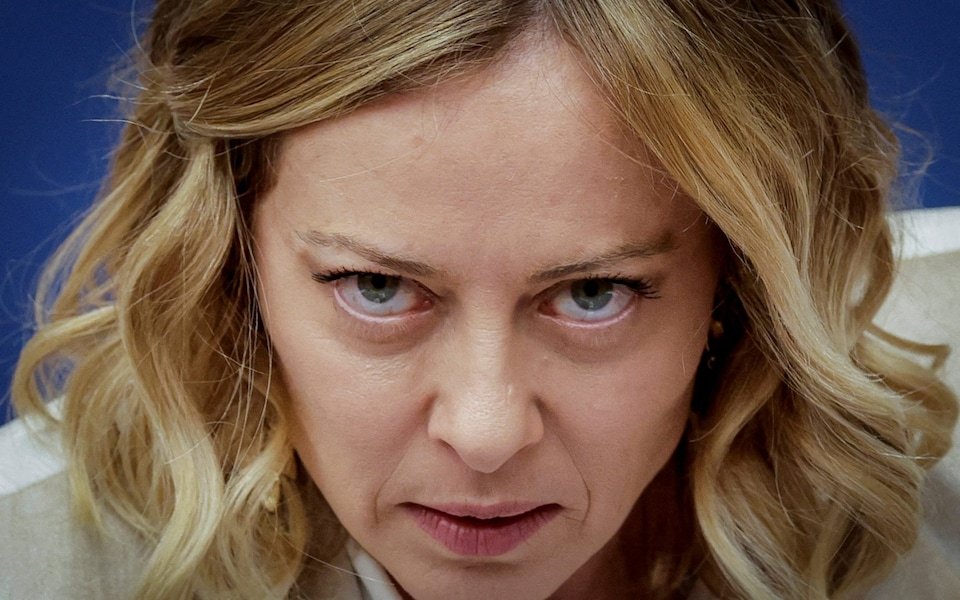
🔴🇮🇹 ALERTE INFO - Colère de Giorgia Meloni après la libération, seulement 48 heures après son arrestation, d’un homme de 42 ans originaire du Bangladesh accusé d’agression sexuelle sur une fille de 13 ans à Turin. Le juge a pourtant retenu de "graves indices de culpabilité", le témoignage de l’adolescente étant notamment corroboré par les caméras de surveillance. Mais l’homme a été remis en liberté avec obligation de pointage, le juge prenant en compte l’absence d’antécédents, sa coopération et le fait qu’il ait déclaré : "J’ai fait une erreur, je suis désolé." Le parquet avait demandé son maintien en prison et fait désormais appel. Giorgia Meloni dénonce une décision qui « brise toute la chaîne en 48 heures » et demande : "Qui va expliquer cela à cette famille ?" Le ministre italien de la Justice a envoyé des inspecteurs au tribunal de Turin. (RaiNews / The Telegraph) #Justice #GiorgiaMeloni #AgressionSexuelle

🚨💣 ÚLTIMA HORA: ¡El Atlético de Madrid aprieta para lograr la cesión de Nicolás Tagliafico para el lateral izquierdo! El Olympique de Lyon le abre las puertas al que también quiere la Juventus de Turín. @marca https://t.co/qdjgp54bBl #AtléticoDeMadrid #Fichajes #Fútbol

🚨 Nick Woltemade 🇩🇪 est arrivé à Turin pour s’engager avec la Juventus ! 🦓🤍🖤 https://t.co/hzrDyXIEpR #Juventus #Transfert #SerieA

#Juventus: #Sarr è atterrato a Torino // Sarr has landed in Turin 🛬⚪️⚫️ https://t.co/q76xYDMt0u #Juventus #Torino #Calcio

⚪️⚫️🛩️ Pape Matar Sarr has just landed in Turin to join Juventus from Spurs. https://t.co/ak0YMjj9VD #Juventus #PapeMatarSarr #TransferNews #IT #GB

#Juventus: #Sarr è atteso questa sera a Torino // Sarr is expected to be in Turin this evening ⚪️⚫️ #Juventus #Calcio #Sarr

🚨💣 ÚLTIMA HORA: Esta misma mañana, la Juventus de Turín le ha reiterado al Atlético de Madrid que Nico González NO SALDRÁ DEL CLUB. [🏅: @mattemoretto/@radiomarca] https://t.co/7B3cOOvfD0 #Juventus #AtléticoDeMadrid #NicoGonzález

🚨💣 ÚLTIMA HORA: El Atlético de Madrid y la Juventus de Turín están en negociaciones por Jonathan David. Las partes están discutiendo si la cesión será con opción de compra o compra obligatoria. La entidad italiana quería a Alexander Sørloth, pero el jugador Noruego no saldrá del Atlético de Madrid. @_Morik92_ #AtléticoDeMadrid #Juventus #Fútbol

🚨💣 ÚLTIMA HORA: La Juventus de Turín le ha comunicado a Nico González que NO SALDRÁ del club tras su decisivo papel en el último triunfo frente al Parma. @marca https://t.co/dsa0m0q7Ua #Juventus #Fútbol #NicoGonzález

🚨🚨 MAXI DEAL EN COURS ENTRE L'ATLÉTICO ET LA JUVENTUS !! 🔄😱 👉 Jonathan David et Nico Gonzalez rejoindraient l'Atlético Madrid. 👉 Alexander Sørloth ferait le chemin inverse vers Turin. (@LaStampa) https://t.co/zQaWrmZdHo #Transferts #Football #AtléticoMadrid