Thousands of people have protested across Spain to demand that Congress validate two housing decrees, amidst uncertainty over the support of the parties and the imminent collapse of the decree that regulates indefinite rentals. (translated)

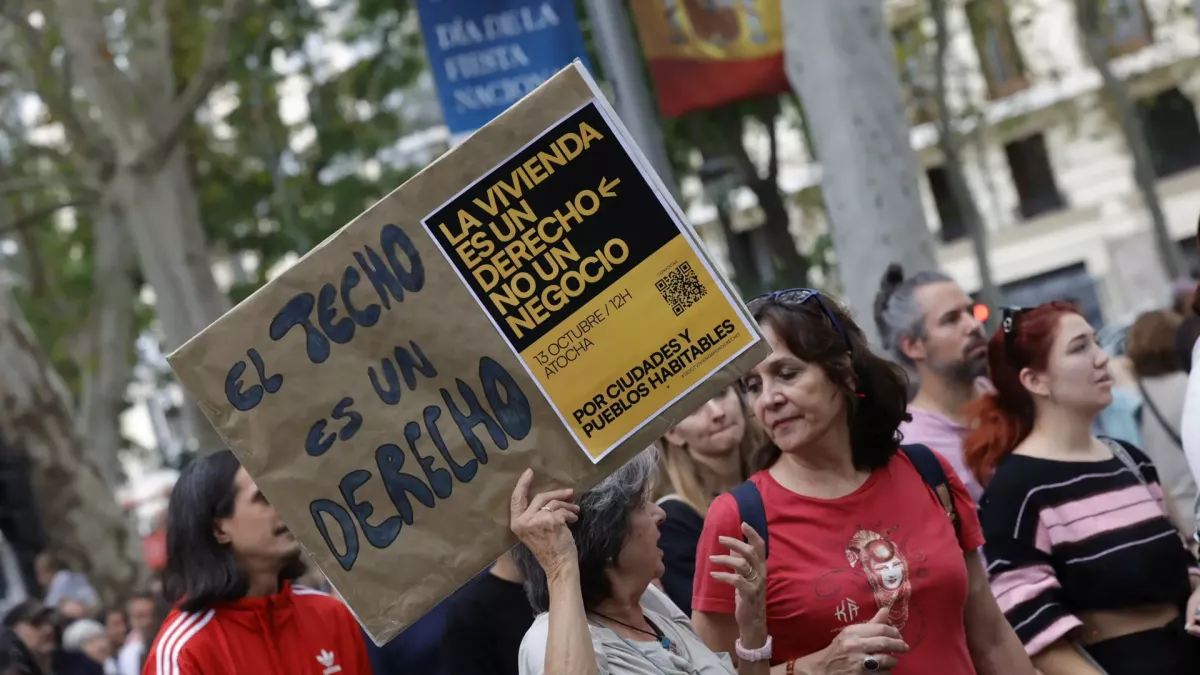
Thousands of people have protested across Spain to demand that Congress validate two housing decrees, amidst uncertainty over the support of the parties and the imminent collapse of the decree that regulates indefinite rentals. (translated)

The rental market in Spain has seen the withdrawal of 4,290 homes in just three days due to fears of new government decrees that will affect rentals, according to the Rental Observatory. (translated)

The Popular Party warns of a wave of lawsuits over the government's sloppy housing decrees, which they believe worsen the rental situation and promote squatting. (translated)

The housing decree, which aims to protect tenants, ignores the needs of both those who need to rent and the owners, who are mainly ordinary people who support the rental market in Spain. (translated)

My housing decree: 1. Dedicate more resources to building public housing. (the current levels are lamentable) 2. Free up land and streamline permits. (to this day this is used by municipalities to gain more power) 3. Improve public transport and infrastructure to make underpopulated areas attractive. 4. Tax incentives for companies and workers who move to underpopulated areas. 5. Limit tourist housing in tense areas. (we need to choose whether we want cities to be for their residents or for tourists) 6. Toughen the conditions to convert residential housing into vacation rentals. 7. Raise taxes on empty homes for long periods and provide incentives to owners who rent out those homes. (If investment funds or foreigners want to have homes, they should at least contribute to increasing the supply in the rental market or pay, and those taxes should be allocated to public housing) 8. Facilitate the rehabilitation of abandoned buildings and homes. 9. Increase urban density where possible. 10. Provide legal security to rentals to increase the supply. (toughen anti-squat laws and stop introducing new regulations frequently) What would yours be? I'm listening. (translated)
"Pay attention to this, because without realizing it, they have revealed themselves. 'The vast majority of property owners in this country are going to leave.' Several things on this: He just admitted that they are not owners who are going to live in the homes, they are vulture funds that will take their capital somewhere else, they will stop speculating in this country. Those empty homes are what this government must expropriate and put up for social rent, but not at market price, at social price. Currito, Ayuso doesn’t even want you to have an indefinite rental contract, nor does she want them to stop raising rents and let you rot if you have no resources. DO YOU SEE IT OR NOT. DAMN. THEY ARE ON THE FACE. This is what I have been demanding from this government FOR MANY MONTHS. Beyond whether they give us numbers or not, we need to unmask these ultraliberals. This is politics, DOING THINGS." (translated)
What is happening in Spain is not a 15-M, but a coordinated strategy of the left to go to the elections of 2027. The objective of PSOE, Podemos, and Sumar is to present themselves in the general elections without bad headlines—such as evictions—and to have an excuse to blame the right, if they govern, for the skyrocketing housing prices. None of this is about solving the rental problem: interventionism has proven to be very detrimental, as it destroys supply. Feijóo will have the true 15-M of housing. A 'fake' 15-M against the right. My column in EL PAÍS. (translated)
The new housing royal decree extends the extension of rental contracts until 2029, benefiting 1.9 million tenants in Spain, which represents approximately five million people. (translated)

The government estimates that nearly five million people will benefit from the extension of rents if the housing decree is approved this Friday in Congress. (translated)

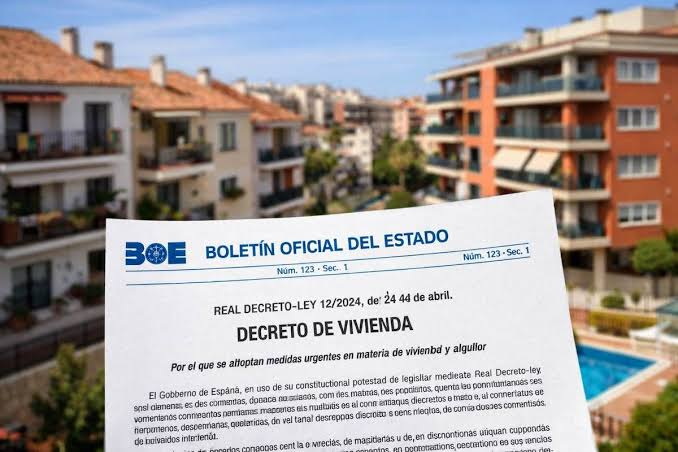
The Spanish Parliament is facing uncertainty over the approval of two housing decrees, crucial for addressing the rental crisis that affects millions of people, as the parties debate their content and the necessary support for their implementation. (translated)

The average rental price in Spain has increased by 40% since 2015, with a continuous rise over a decade, which has led millions of tenants to live suffocated by the financial burden of rent. (translated)

The new regulation on room rentals in Spain will limit prices only in the stressed areas, thus offering greater protection to tenants by subjecting these contracts to the Law of Urban Leases. (translated)

The housing tax reform introduced by the Spanish government includes bonuses for landlords who reduce rental prices, penalties for owners of empty apartments, and a new deduction for tenants that could mean savings of up to 1,160 euros per year. (translated)

The government has decided to extend a 100% tax rebate on income tax to all autonomous communities for landlords who reduce rental prices, thereby improving the measures of the housing decree that previously only applied to stressed areas. (translated)

The Spanish government, by intervening in the rental market to address the housing crisis, is imposing a disproportionate burden on small property owners, which has raised criticisms about the effectiveness and consequences of its measures. (translated)

The case of Rosario Piudo, an elderly woman evicted in 2004 at the age of 86 for not paying 39 euros due to an administrative error, shocked Spain and highlighted the injustices of the rental system. (translated)