WRLD

Search

#economii
adevarul.ro 7d

The article emphasizes the urgent need for climate change to be officially recognized as a global health emergency to compel governments to allocate the necessary funds for adapting health systems and economies to their devastating impact, highlighting the call of an international research conducted by 146 experts before COP 31, which warns of the alarming increase in deaths caused by extreme climate events. #schimbări_climatice #urgență_sanitară #reziliență_climatică (translated)
adevarul.ro
Noul front de luptă deschis pentru Europa și noua urgență sanitară mondială

2386
Digi24 2w

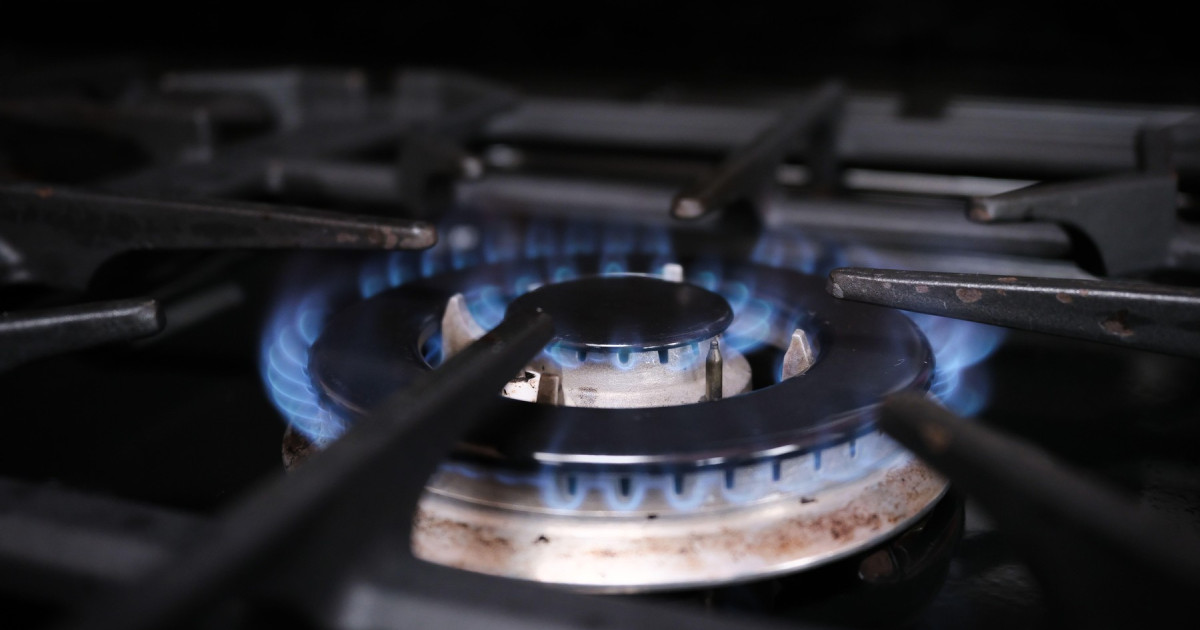
Iranian authorities are asking citizens to reduce natural gas consumption by 10% before winter, promising financial rewards for savings made, in the context of an energy crisis exacerbated by attacks on gas infrastructure. #crizaGazelor #iarna2026 #Iran (translated)

www.digi24.ro
Criză de gaze în Iran înaintea iernii. Cine reduce consumul primește bani, promit autoritățile
2516
G
Gelu 2w

Don't change the time! Change the schedule, not the time! The biological rhythm is regulated by the Sun, not the clock. Time is not a work schedule that we can shift at will. Time is the measure by which we organize our lives, and nature has its own rhythm. The Earth does not change its rotation twice a year. The sun does not rise earlier because we decided to move the clock forward. Animals, birds, insects, and plants follow their biological rhythms related to light, darkness, and the natural succession of seasons. Humans are part of this nature. Our bodies have their own biological clock, fundamentally influenced by light. And when we officially move the clocks by one hour, we are not changing the course of nature, but rather asking humans to abruptly adapt to an administrative convention. Why do this every spring and reverse it every autumn? Is it natural to change the time or to adapt our schedules? Let's consider the majority of people: workers, farmers, students, teachers, parents, retirees, people who must adhere to a schedule set by others. They cannot always modify their schedules at will. They need to wake up at a certain hour, get to work, take a child to school, or comply with the public transport timetable. In contrast, there are people and organizations that have the opportunity to adapt their schedules based on the season, natural light, or the needs of their activities. If, for some people, changing their schedule is feasible, why impose the time change on everyone? Let's take a hypothetical example: if 10% of people have the freedom to adapt their schedule, is it fair to change the time for all those who do not have this freedom? Would it not be more logical to change the schedule where needed, rather than change the time by which the entire society organizes itself? Stores can modify their opening hours. Factories can adapt their shifts. Institutions can adjust their schedules, and schools and public transport can analyze timetables according to local conditions and people's needs. We do not all have to operate on the same schedule to live by the same time. Nature does not need our approval to follow its rhythm. In spring, the days lengthen. In autumn, the days shorten. This is the natural rhythm of the Earth, which we can observe without moving even a single clock hand. If we want to start activities earlier in summer, we can start sooner. If winter requires a different schedule, we can adapt it. But why change the official time, get used to a new convention, and then revert to the old one? Would it not be simpler to keep the same time all year round and organize our activities according to the season? I do not claim that all living beings measure time in hours and minutes. I assert something more important: their biological rhythms are linked to the natural cycle of light and darkness, not to the numbers we display on the clock. And humans should take this truth into account when organizing their lives. The economy must serve people, not people be permanently forced to adapt to the economy. One argument presented in favor of changing the time is the more efficient use of natural light or the reduction of energy consumption. But the actual effects depend on the country, season, population habits, and how energy is used. If we want to save energy, let's examine actual consumption. If we want more light during activities, let's adapt the schedules. If we want to improve work organization, let's change the timetables where possible. There is no need to change the time for the whole society to achieve flexibility in certain areas. The schedule is a tool we can adapt. The time should be a stable reference. We cannot stop the seasons. We cannot modify the Earth's rotation. We cannot ask nature to adapt to our clock. But we can organize our lives more wisely. Instead of moving the clock hands twice a year, we can learn to adapt our schedules to the reality around us. Instead of changing the time for everyone, we can allow each field to find the appropriate schedule, within the bounds of the law and with respect for people's rights. Let's keep the time stable and make the schedules flexible! Let's leave time in peace. Twice a year, millions of people are forced to change their clocks, schedules, and biological rhythms to adapt to an administrative decision. It is said that changing the time brings economic or energy benefits. However, in modern society, these advantages are increasingly contested, while the disadvantages are felt by nearly the entire population. People, animals, and plants do not live by the clock on the wall, but by the natural rhythms of the Earth. The human body is regulated by the alternation of light and darkness. When we artificially move the time forward or back, we disturb this balance. Many people sleep worse, feel more tired, and need days or weeks to readjust. Living beings do not change their schedules twice a year. Birds do not migrate by the clock, cows do not produce milk according to the official hour, and dogs do not understand why their owner takes them for a walk an hour earlier. Nature follows the sun, not administrative decisions. There is also a principle issue. For a relatively small percentage of people and activities that would benefit from more light in the evening, the schedule of the entire society is modified. About 90% of people are forced to adapt, even though they did not ask for this and do not gain direct advantages. It would be more logical for the sectors that need a different schedule to adapt it themselves. Stores can open earlier or later. Factories can modify their work shifts. Schools, institutions, and companies can adjust their schedules as needed. It is much easier for certain organizations to change the schedule in a targeted manner than to change the official time for the entire population. Moreover, modern technology has greatly diminished the argument for saving energy. Lighting now represents a smaller proportion of total consumption, while air conditioning, computers, and other equipment operate regardless of time changes. The time should serve people, not people be obliged to serve the time. A modern society can function efficiently without moving the clock hands twice a year. Stability, health, and respect for natural rhythms are stronger arguments than the tradition of a measure introduced in another era. Therefore, the most rational solution is to keep the same time throughout the year and adapt schedules where necessary, rather than changing the lifestyle rhythm of an entire population. Why should we keep the same time all year? Changing the time twice a year represents an artificial intervention in the natural rhythm of society. Although it was introduced with the intention of saving energy, numerous modern studies show that the benefits are minimal, while the social, medical, and economic costs are significant. 1. The biological rhythm is regulated by the Sun, not the clock. The human body operates according to an internal biological clock, synchronized with the natural alternation of day and night. Research in chronobiology shows that artificial changes in time disrupt sleep, concentration, and metabolism. In the days following the switch to summer time: - sleep disorders increase; - more traffic accidents occur; - productivity at work decreases; - there is an increase in the risk of heart attacks and other cardiovascular problems. In practice, millions of people are forced to suffer a slight "jet lag" without having traveled anywhere. 2. Nature does not change the time. Animals and plants regulate their activity according to light. Birds, insects, domesticated and wild animals do not change their schedules just because the government decides to move the clock forward by one hour. Farmers often observe that cows continue to adhere to their biological schedule regardless of the change in official time. The same happens with many other living beings. In reality, we are changing the clock display, not the position of the Sun in the sky. 3. Economic benefits are diminishing. Changing the time was introduced in an era when lighting consumed a significant proportion of the energy used by the population. Today: - lighting is much more energy-efficient; - the main consumption comes from air conditioning, heating, servers, computers, and appliances; - estimated savings are very low or even nonexistent in many states. In contrast, the economic costs are real: - employee productivity decreases after the time change; - absenteeism increases; - additional costs associated with accidents and medical problems arise; - computer and logistics systems need to be periodically adjusted. 4. It is unfair to change the schedule of all for the needs of a minority. If certain economic sectors find it useful to start activities earlier in summer, they can adapt their schedules. For example: - stores can operate from 07:00 to 21:00 instead of 08:00 to 22:00; - factories can alter shifts; - public institutions can temporarily adjust working hours; - schools and companies can decide locally what schedule is optimal. It is much simpler for 10% of organizations to change their schedule than for 100% of the population to change their biological clock. 5. Stability means efficiency. Transport, information systems, international economic activities, and public services function more smoothly when the official time remains constant. One hour throughout the year: - reduces scheduling errors; - simplifies transport and communications; - eliminates confusion regarding timetables; - provides predictability for citizens and companies. Conclusion The sun does not change its time. The Earth does not change its time. Nature does not change its time. Only humans move the clock hands and then endure the consequences of this decision. Instead of modifying the schedule of an entire society twice a year, it is more logical to keep the same time constantly and allow those fields that need a different schedule to adapt their programs individually. This way, natural biological rhythms are respected, economic costs are reduced, and the comfort of the majority of the population is increased. A modern society needs flexibility in scheduling, not the constant change of the clock. (translated)

915
HotNews.ro 2w

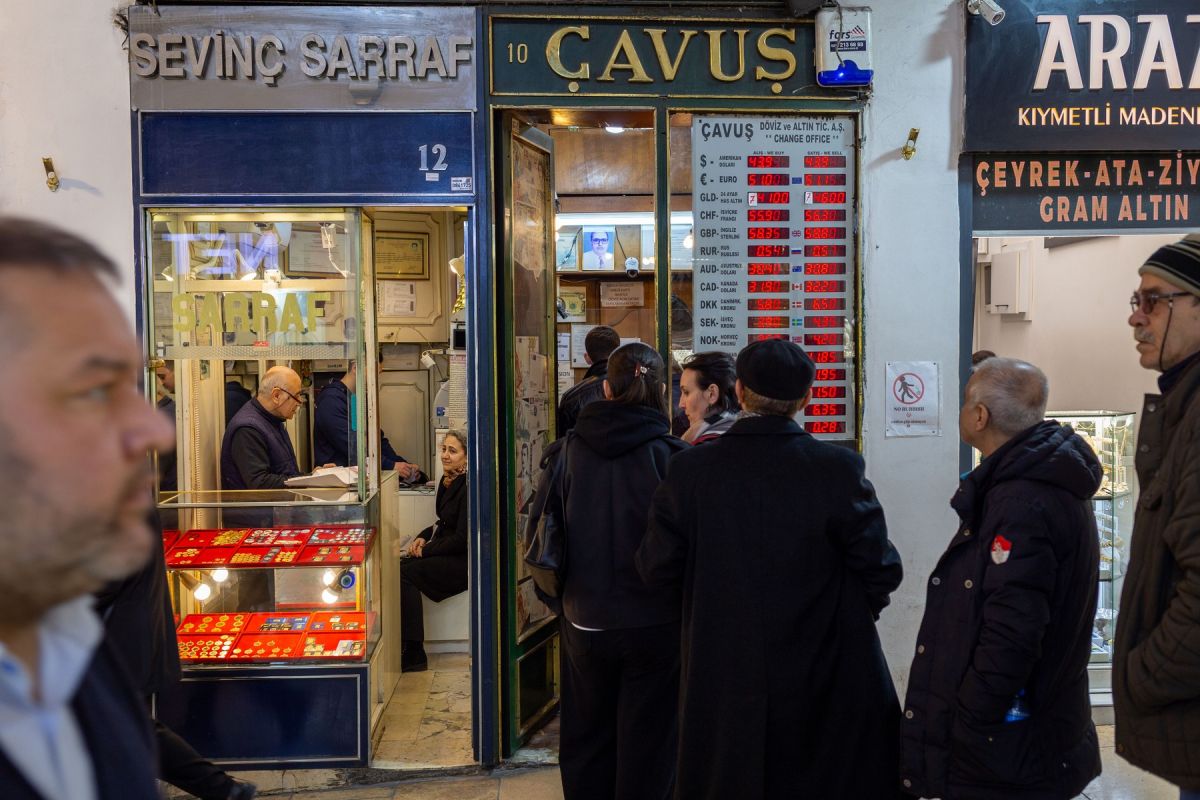
The Turks who have placed their savings in investment funds fear that they will not recover their money after the Parliament approved a law regulating the liquidation of funds, leaving uncertainty regarding compensation for investors affected by the recent crisis. #FonduriInvestiții #CrizăEconomică #Turcia (translated)

hotnews.ro
„M-am culcat bogat și m-am trezit sărac”: Turcii ce și-au pus economiile în fonduri de investiții se tem că nu își vor mai vedea banii
2409
adevarul.ro 2w

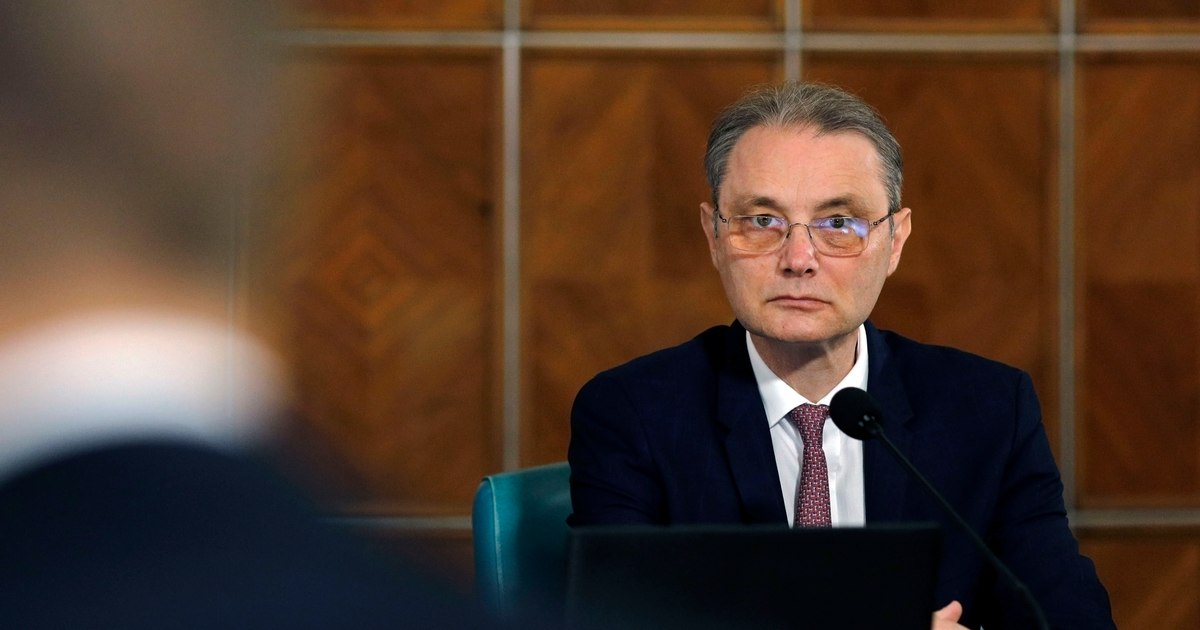
Prime Minister Luca Niculescu assured that the second pillar of private pensions will remain unchanged, responding to concerns about possible changes and emphasizing the importance of the predictability of this system for the savings of Romanians. #PilonII #pensieprivată #încredere (translated)

adevarul.ro
„Nimeni nu se atinge de Pilonul II de pensii”. Ce se află în spatele asigurărilor date de premier
3218
HotNews.ro 2w

Prime Minister Luca Niculescu reaffirmed that the Pillar II of pensions will not undergo changes and will remain as it is, emphasizing the importance of predictability for the savings of Romanians. #Pilonul2 #pensii #actualitate (translated)

hotnews.ro
Luca Niculescu, noi precizări despre Pilonul 2 de pensii
3105
Mediafax.ro 2w

Prime Minister Luca Niculescu stated that Pillar 2 of pensions will remain unchanged, highlighting its importance for the savings of millions of Romanians. #Pensiile #Politica #România (translated)

www.mediafax.ro
Luca Niculescu: Nimeni nu se atinge de Pilonul 2 de pensii
3220
Digi24 2w

The contribution to health social insurance (CASS) applied to the child-raising allowance will be eliminated starting January 1, 2027, announced the proposed minister Florin Manole, even though the implementation of the measure depends on finding budget savings to cover the estimated financial impact of over 500 million lei. #CASS #indemnizație #creștereacopilului (translated)

www.digi24.ro
CASS pentru indemnizația de creștere a copilului ar urma să fie eliminată de la 1 ianuarie 2027. Anunțul lui Florin Manole
3453
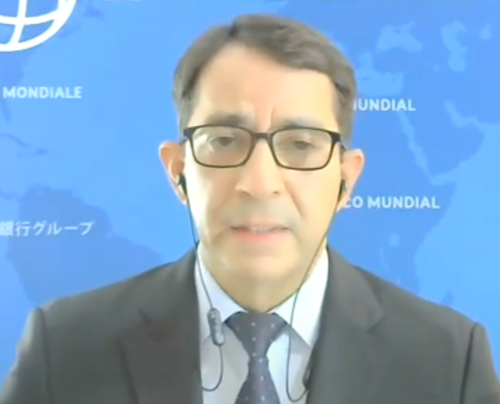
Ayhan Köse 2w

Today's resilience does not guarantee tomorrow's resilience. People are wondering what the next shock will be, because every six months, if not every three months, a new one appears," Kose warned. #FMI #BancaMondială #economiiEmergente (translated)

Reuniunile FMI și Băncii Mondiale, încheiate fără măsuri concrete pentru economiile în curs de dezvoltare
stirileprotv.ro
2768
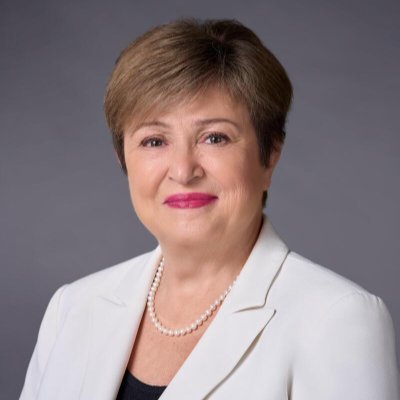
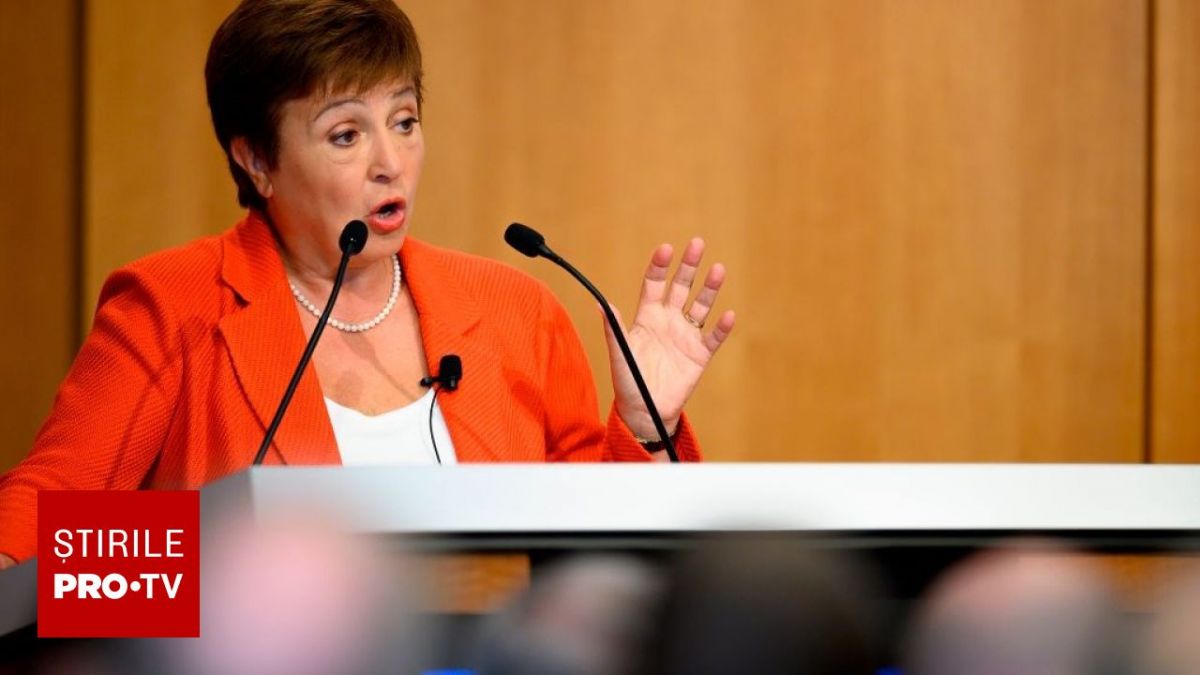
Kristalina Georgieva 2w
Bulgarian economist and CEO

We are in a situation where we have many more questions than answers. I warn everyone not to be fooled by those who claim to have the answers. They are misleading you," declared Georgieva, referring especially to the challenges posed by artificial intelligence. #FMI #BancaMondială #economiiEmergente (translated)

Reuniunile FMI și Băncii Mondiale, încheiate fără măsuri concrete pentru economiile în curs de dezvoltare
stirileprotv.ro
2768
Stirile ProTV 2w

The annual meetings of the IMF and World Bank concluded without concrete measures for developing economies, despite the significant economic challenges they are facing. #FMI #BancaMondială #economiiEmergente (translated)

stirileprotv.ro
Reuniunile FMI și Băncii Mondiale, încheiate fără măsuri concrete pentru economiile în curs de dezvoltare
2768
adevarul.ro 3w

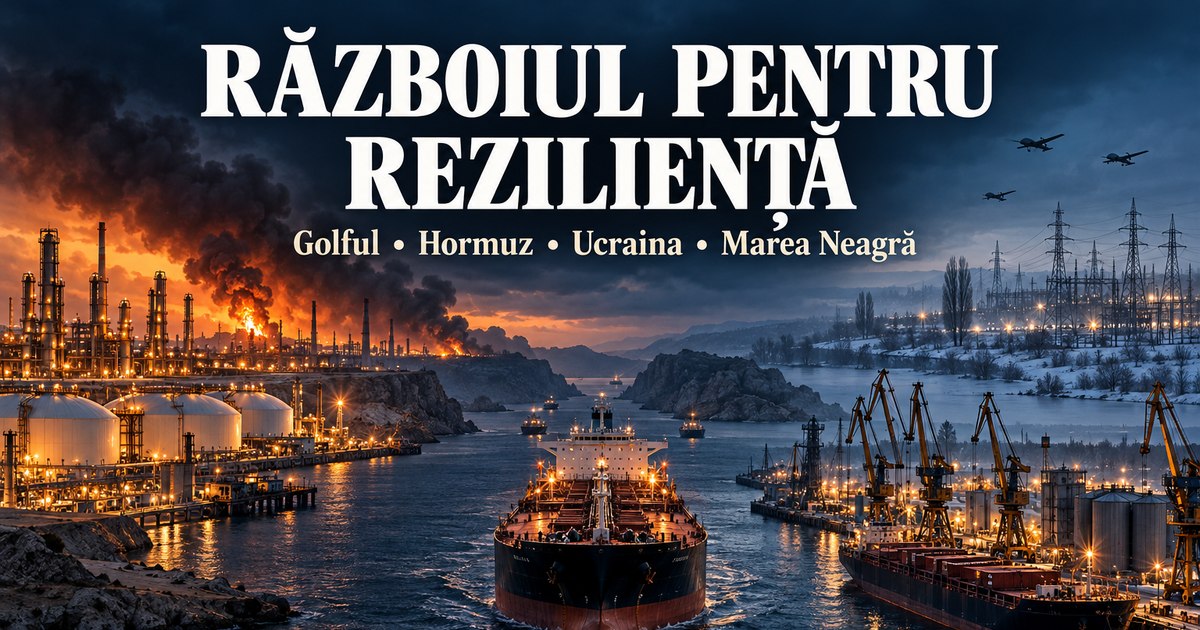
The war in Ukraine and the confrontations in the Persian Gulf highlight the strategy of targeting the energy and commercial infrastructure of enemies to destabilize their societies and economies, thus transforming each conflict into a struggle for economic resilience and social cohesion. #RăzboiUcraina #Infrastructură #SecuritateEnergie (translated)

adevarul.ro
Războiul care stinge lumina și scumpește pâinea
2658
Digi24 3w

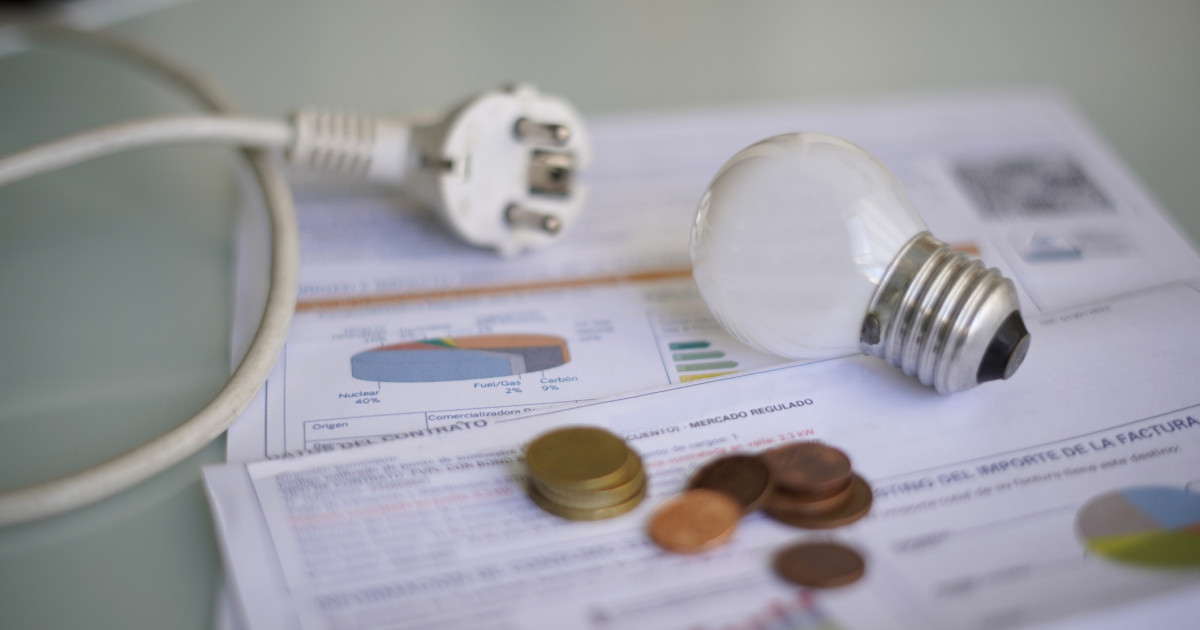
The energy vouchers granted to Romanians with low incomes, worth 50 lei, are not enough to cover the increase in bills, and many families are forced to make drastic savings in the face of rising costs. #vouchereenergie #facturi #ajutorsocial (translated)

www.digi24.ro
Voucherele de energie, prea mici ca să acopere majorarea facturilor. „Mă acopăr cu două plăpumi ca să nu mai consum”
2663
Stirile ProTV 3w

The International Monetary Fund has projected a contraction of Romania's GDP by 0.5% in 2026, being one of the two European economies whose economy will decline, alongside Ireland. #FMI #economieromânească #PIB (translated)

stirileprotv.ro
FMI: România și Irlanda, singurele economii din Europa care scad în 2026. Cu cât se va contracta PIB-ul nostru
2897
adevarul.ro 3w

The International Monetary Fund (IMF) has warned that Romania and Ireland will be the only European economies to contract this year, with an estimated decline of 0.5% for Romania. #România #FMI #economia (translated)

adevarul.ro
FMI avertizează că România şi Irlanda sunt singurele economii europene care se vor contracta în acest an
2897
HotNews.ro 3w

China continues to buy gold non-stop, motivated by the desire to reduce its dependence on the U.S. dollar and to provide a safe haven for domestic savings in the context of economic uncertainty and the decline of other investments. #Economie #Aur #China (translated)

hotnews.ro
China cumpără aur fără oprire. Ce înseamnă asta
3013
Guido Crosetto 3w
Italian politician

Considering that this crisis, which initially arose in Hormuz and has now spread to Bab el-Mandeb, creates major difficulties for European economies and, implicitly, for European citizens, I believe that Europe should play a much more important role than it has so far in trying to bring peace," Crosetto stated. #MareaRoșie #UniuneaEuropeană #Houthi (translated)

UE întâmpină dificultăți în consolidarea misiunii din Marea Roșie, în timp ce rebelii houthi își intensifică atacurile
www.digi24.ro
2782
Mediafax.ro 3w

Luca Niculescu, the designated prime minister, emphasized the necessity of accelerating negotiations for the formation of a government with full powers, stating that the unstable political situation in Romania necessitates the urgent adoption of a credible budget and support measures for the population and the economy in the context of rising energy prices. #PoliticaRomania #Guvernare #StabilitateEconomică (translated)

www.mediafax.ro
Luca Niculescu: We should consider a committed political agreement
3246
Kristalina Georgieva 3w
Bulgarian economist and CEO

AI, whether we like it or not, is already here. Strong investments in artificial intelligence infrastructure keep global economic growth at around 3%, generating significant benefits for many Asian economies that provide hardware components, such as Thailand, the managing director of the International Monetary Fund (IMF), Kristalina Georgieva, said on Monday, Reuters reports, according to Agerpres. #InteligenţăArtificială #FMI #CreştereEconomică (translated)

Investiţiile în IA menţin creşterea economică globală la aproximativ 3%. Sefa FMI: „Fie că ne place sau nu, e deja aici”
stirileprotv.ro
3363
Stirile ProTV 3w

Investments in artificial intelligence contribute to maintaining global economic growth at around 3%, having a significant impact on Asian economies, according to statements from IMF Managing Director Kristalina Georgieva. #InteligenţăArtificială #FMI #CreştereEconomică (translated)

stirileprotv.ro
Investiţiile în IA menţin creşterea economică globală la aproximativ 3%. Sefa FMI: „Fie că ne place sau nu, e deja aici”
3363