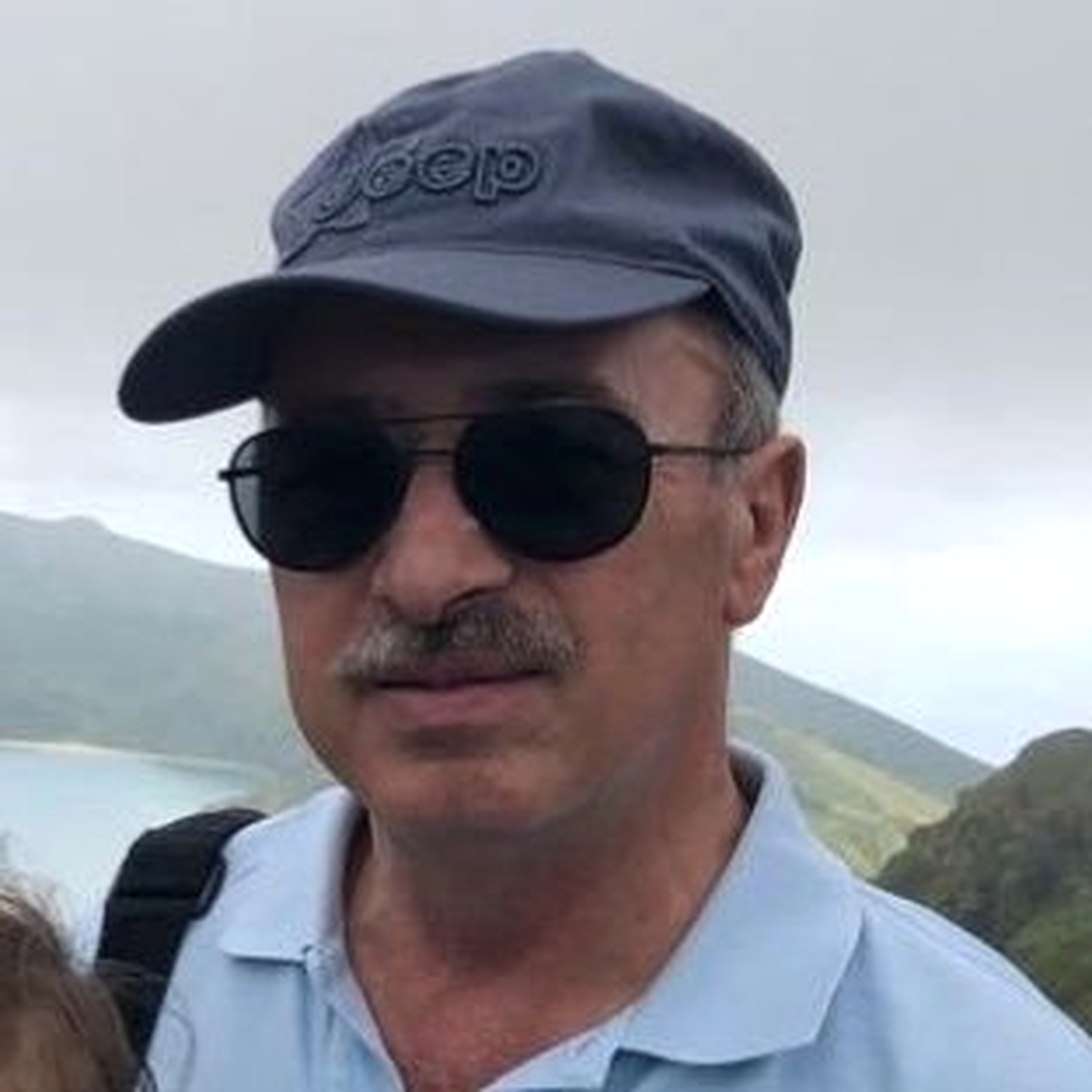
Hermínio Cerqueira - The Author https://herminiocerqueira.com/pt (translated)
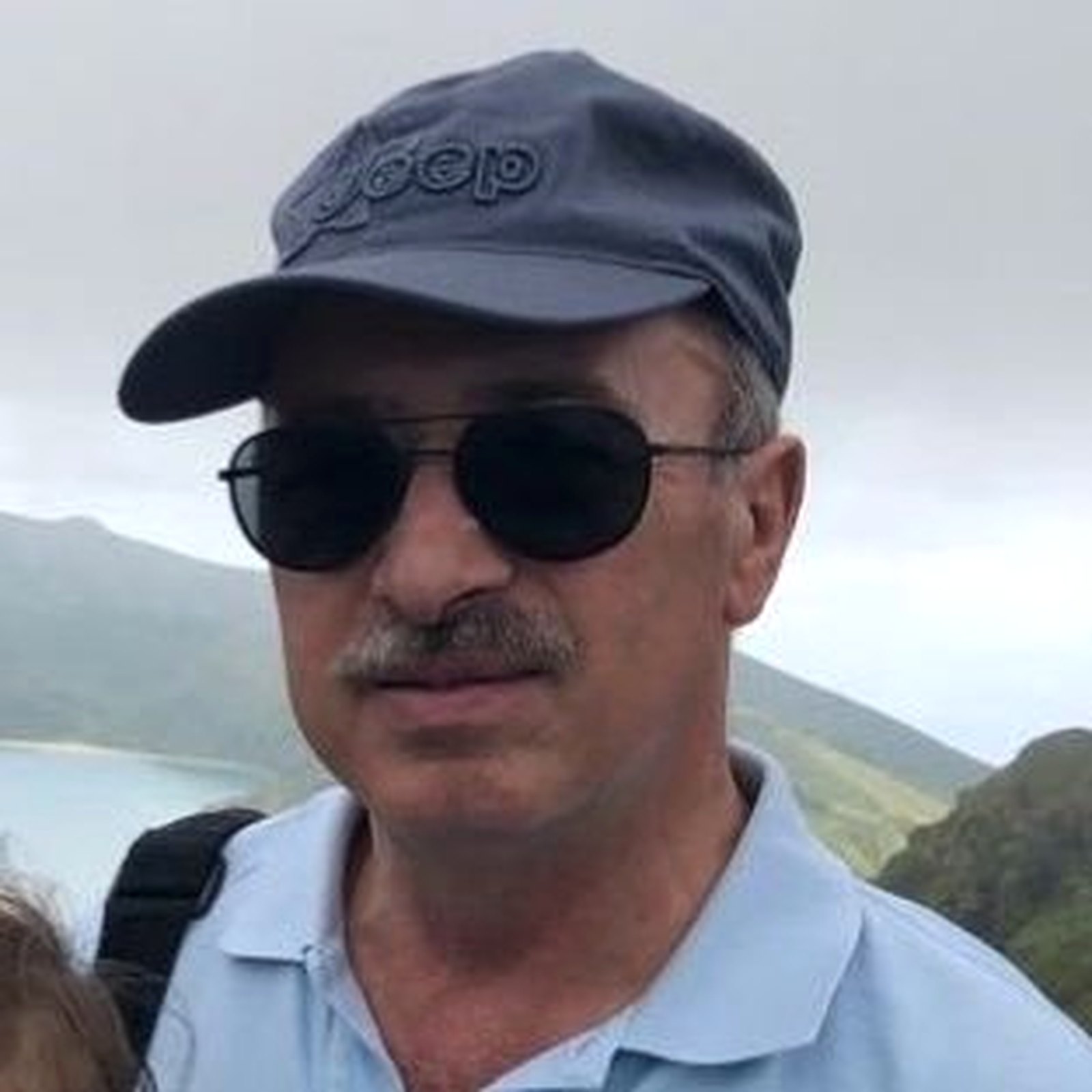
herminiocerqueira.com
Hermínio Cerqueira — Literatura, estratégia e futuro
Hermínio Cerqueira - The Author https://herminiocerqueira.com/pt (translated)
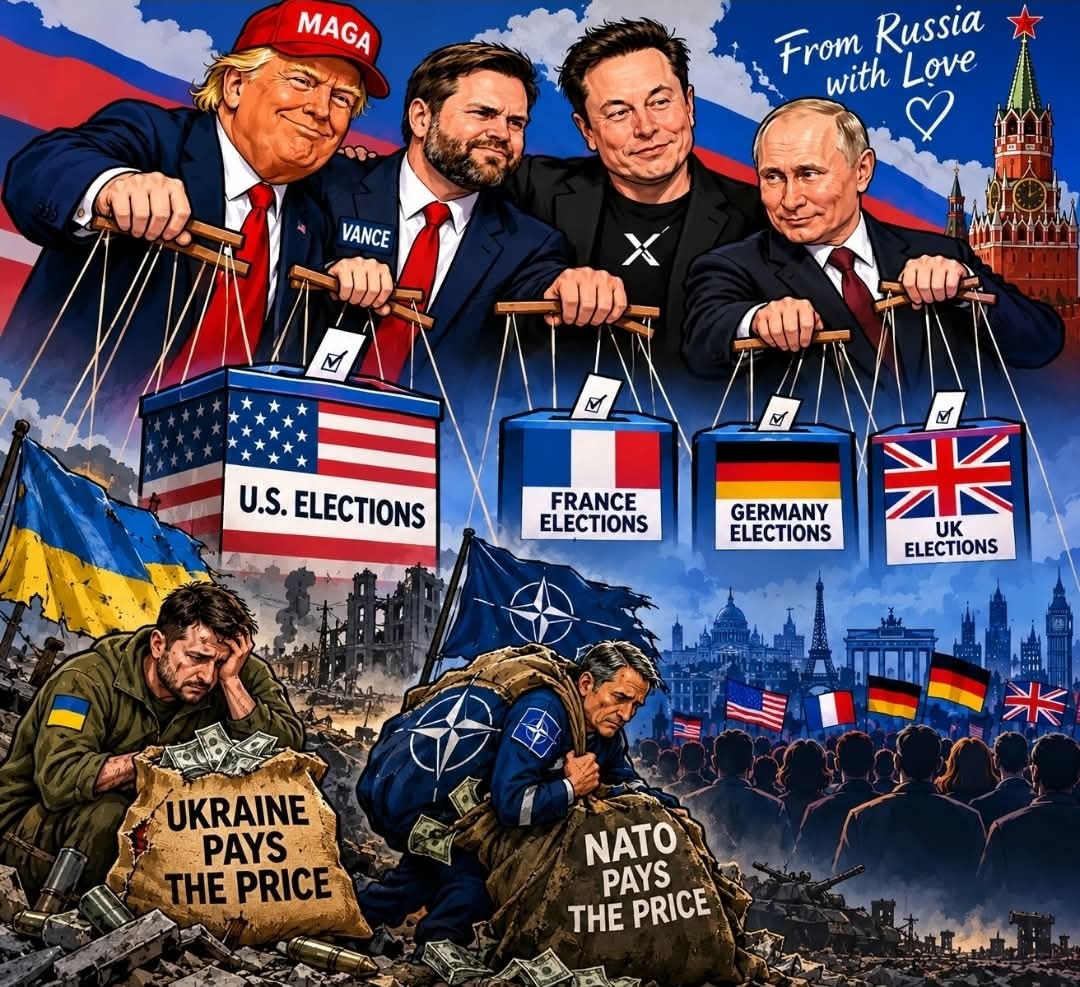
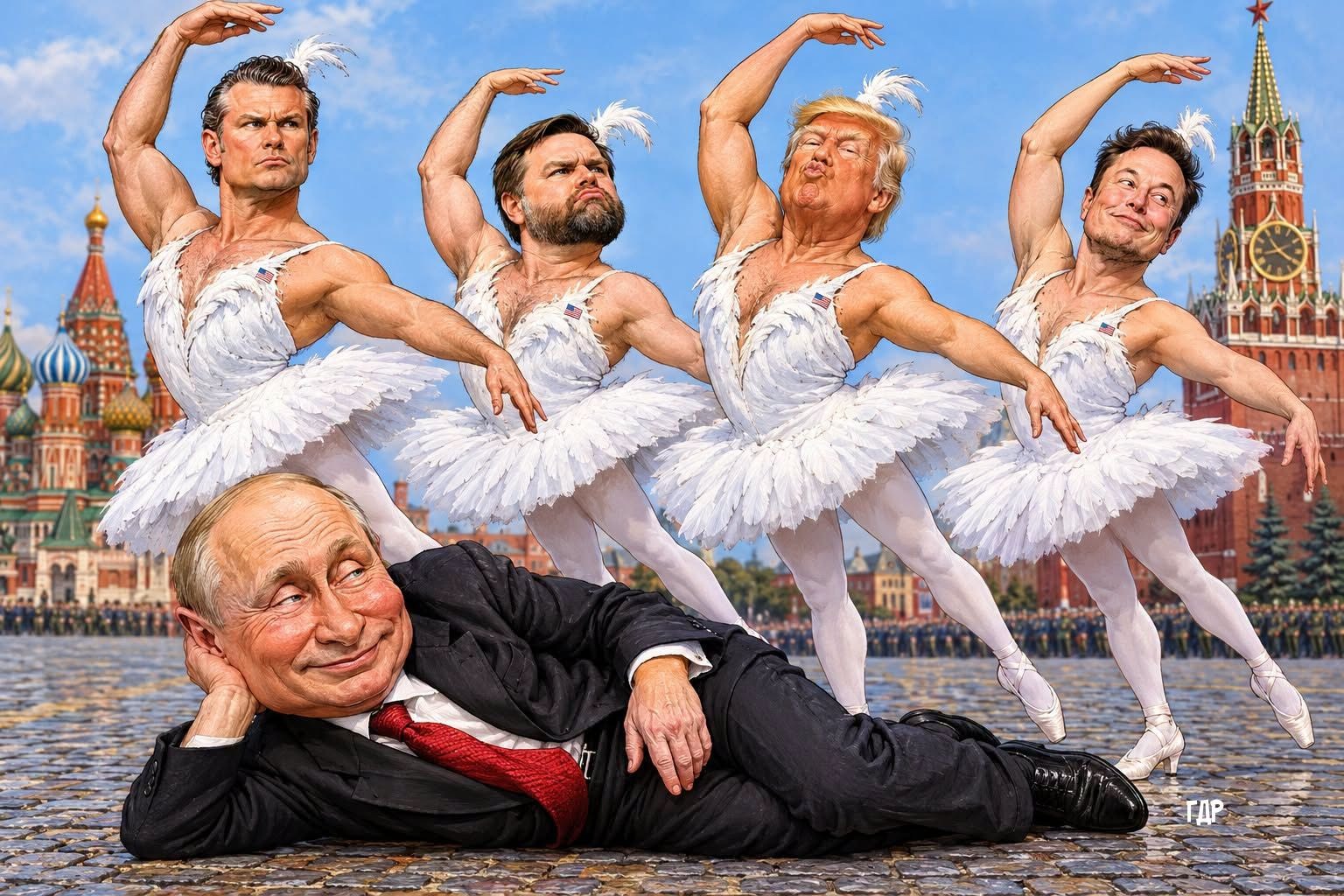
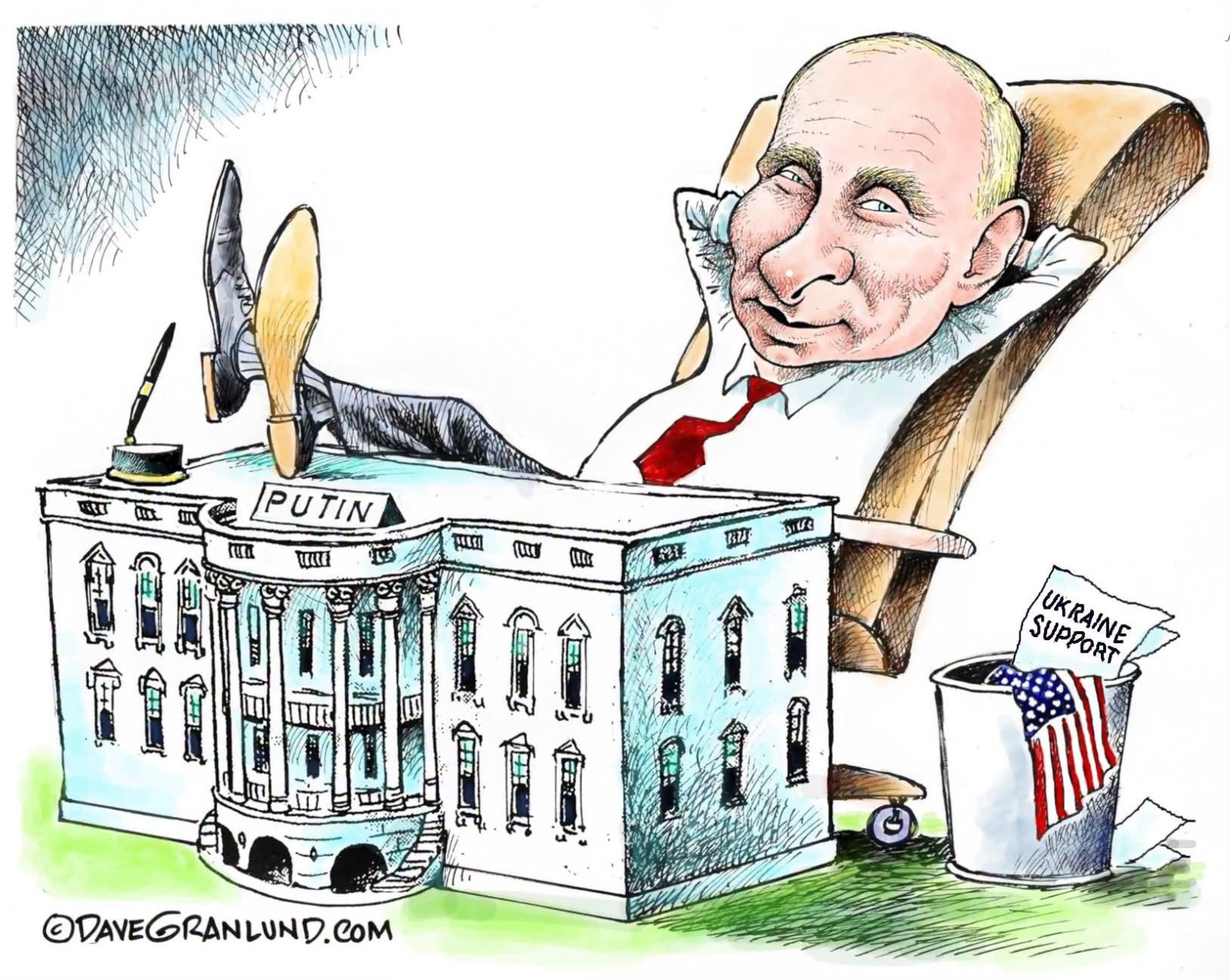
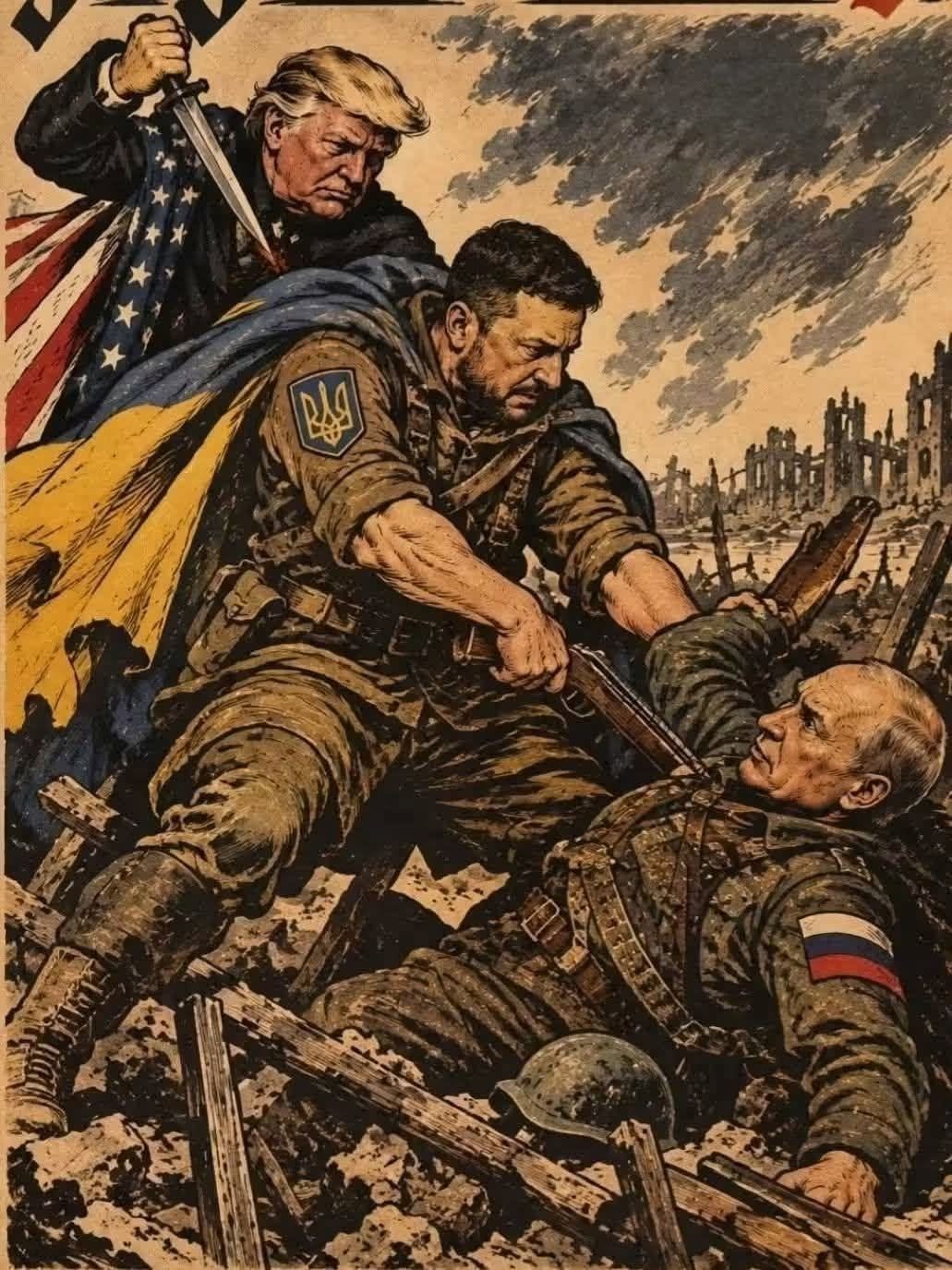
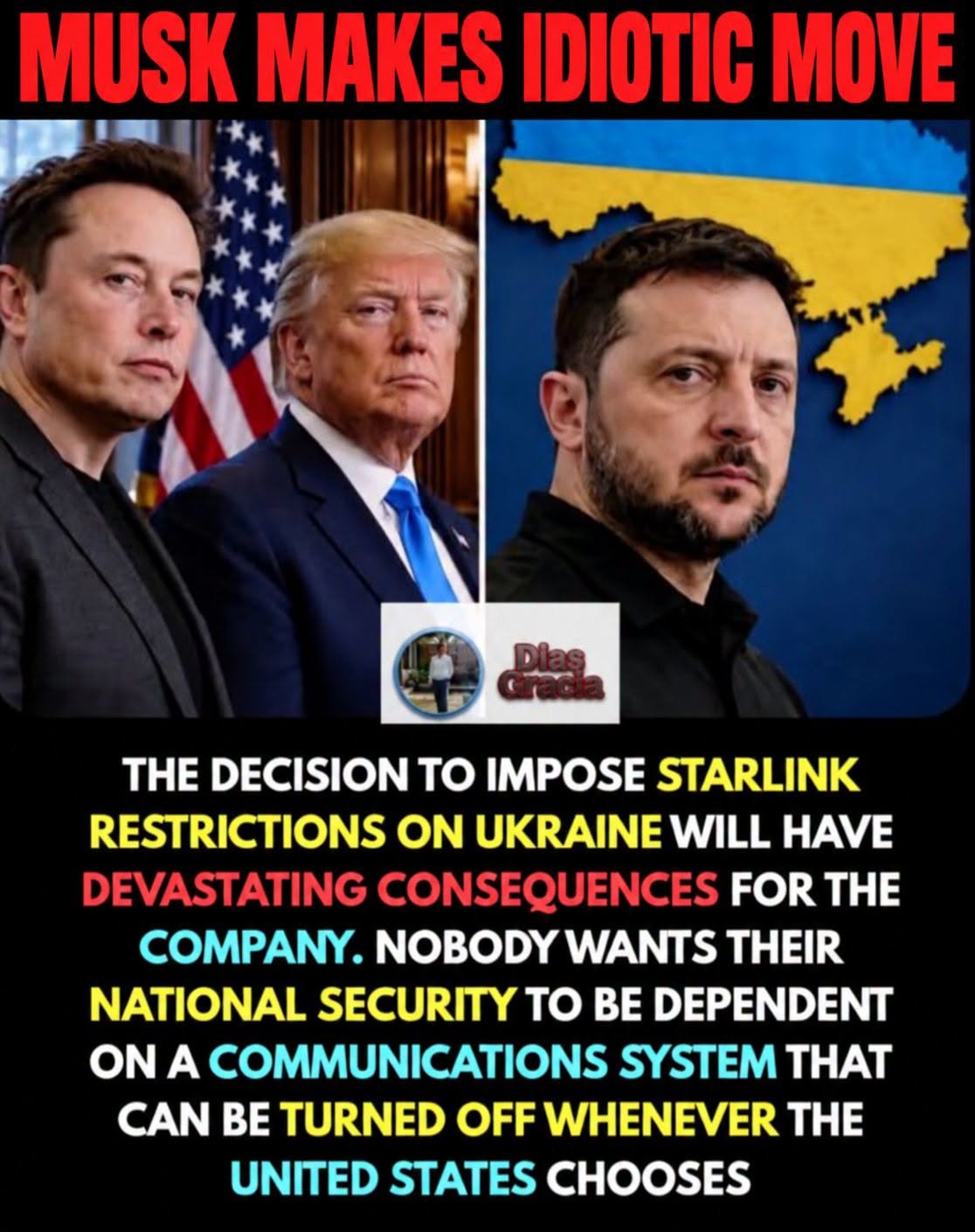
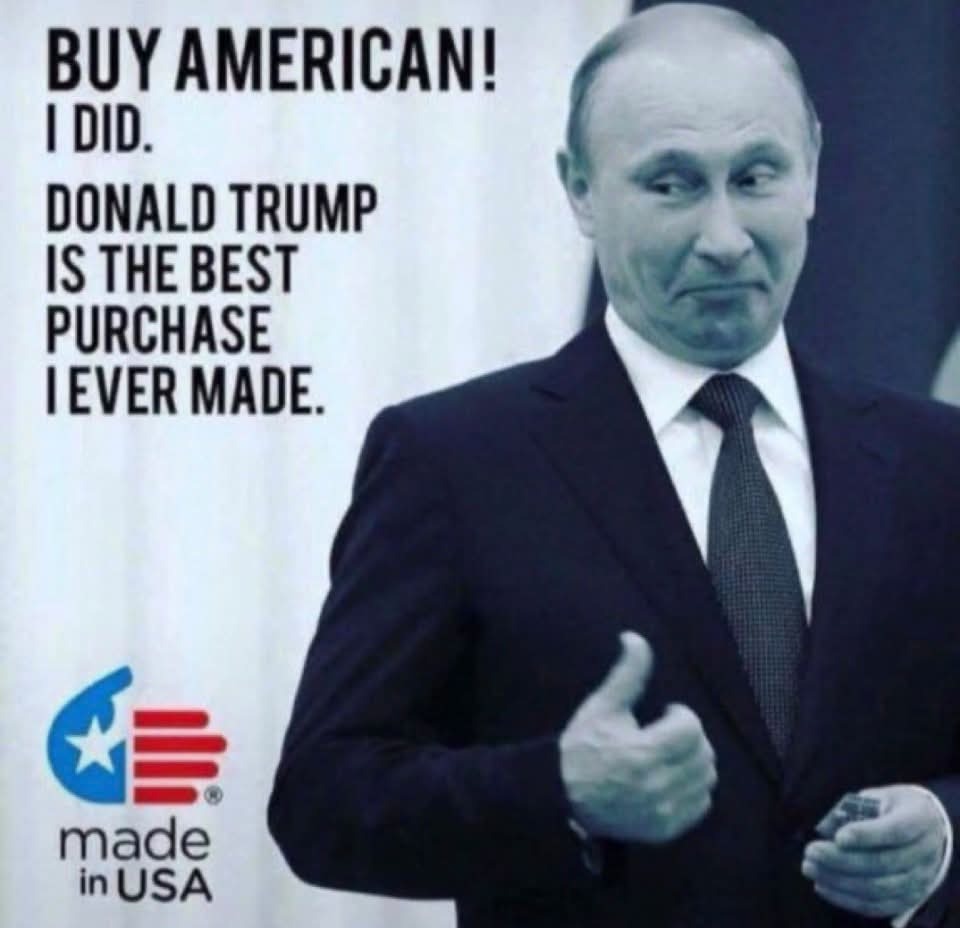
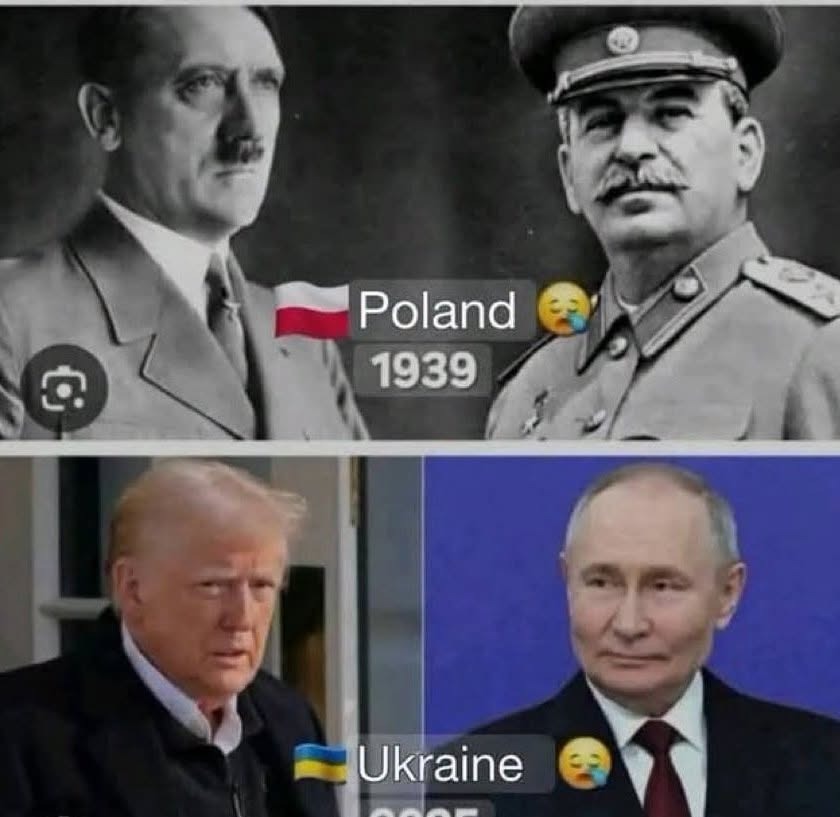
**Putin wants Trump and Xi to help him divide Ukraine.** **Putin proposes a summit with Trump and Xi to discuss an agreement on Ukraine** *Zelensky would not be included in the proposed negotiations, as the Russian leader seeks to negotiate an end to the war on terms favorable to Moscow.* The Russian president, Vladimir Putin, proposed that he, President Trump, and Chinese leader Xi Jinping meet next month to talk about Ukraine, in an attempt to negotiate an end to the four-year conflict on terms favorable to Moscow, according to people familiar with the discussions. The plan represents Putin's effort to capitalize on the rapprochement between Trump and the Russian leader, which has alarmed Ukraine and its allies in Washington and Europe. A summit of this kind — without the participation of Ukrainian President Volodymyr Zelensky — would be unprecedented and trigger alarms in European capitals and elsewhere. ## What's at stake The proposal would reportedly take place on the sidelines of the APEC summit in Shenzhen, China, on November 18–19. Putin is said to have floated the idea in a phone call with Trump on October 9; Kremlin spokesman Dmitry Peskov confirmed that talks about a possible meeting are underway, but without an agenda or agreement defined. The central point is not just "ending the war": it's **who decides the future of Ukraine**. Excluding Zelensky — and, implicitly, the European Union — would transform peace into an agreement among powers over territory, security, and spheres of influence, rather than negotiations with the invaded country. ## Critique of Putin Putin is trying to convert the invasion into a negotiation of great powers. By proposing a sort of "new Yalta," he seeks three gains: to legitimize Russia's territorial gains, to divide Western allies, and to present Russia as an equal partner to the U.S. and China. His logic is cynical: a country that launched an aggressive war wants the victims and European neighbors to be mere objects of decision. Any "peace" shaped without Kyiv will have little legitimacy and low chances of lasting because Ukraine will continue to have the capacity and will to resist. ## Critique of Trump Trump may not have accepted the summit yet, but his reluctance to immediately refuse is dangerous. By leaving the door open for a meeting without Zelensky, he risks validating Putin's premise: that Ukraine's fate can be resolved by Washington, Moscow, and Beijing. There is also a serious contradiction: Trump presents himself as the man capable of "ending the war," but a hasty peace that rewards aggression would not be peace — it would be a pause that encourages the next invasion. And the report of a potential agreement on Russian diesel, arising in the same conversation, reinforces the perception that economic and personal interests may weigh more than European security. ## Critique of Xi Xi stands to gain a lot by accepting to host or mediate: it places China at the center of the reorganization of European security without bearing the cost of war. However, his neutrality is fictitious; Beijing maintained close economic and political ties with Moscow during the invasion and has an interest in weakening American influence in Europe. If Xi participates in a format that excludes Ukraine, he will cease to be a mediator and become a co-author of a geopolitical arrangement. This would be especially serious for Central and Eastern European countries, which view the defense of Ukraine as a matter of principle and their own security. ## The decisive test A conference can only be legitimate if it includes Ukraine as a participant with full veto rights and involves the European partners who finance and support its defense. Without this, it is not diplomacy: it is an attempt to **divide influence at the expense of a sovereign country**. https://www.wsj.com/world/russia/putin-floats-a-summit-with-trump-and-xi-to-de (translated)
Please provide the text you would like me to translate. (translated)
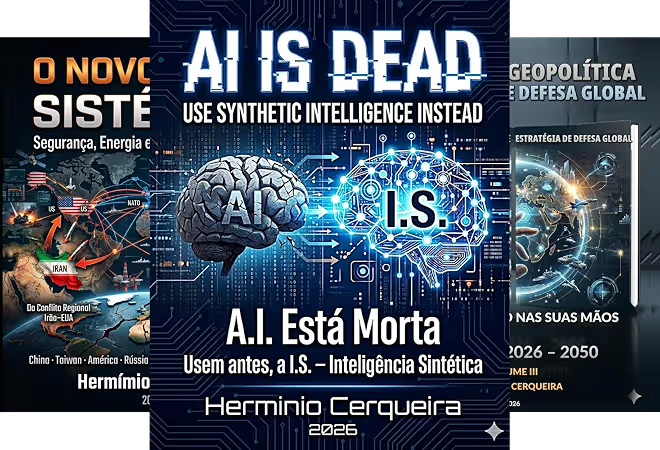
HERMINIO CERQUEIRA - OS MEUS LIVROS & eBOOKS Hermínio Cerqueira (Autor) Sobre Hermínio Cerqueira: Nascido em LIsboa a 13 de Abril de 1953 , vivi os tempos nefastos do Estado novo numa família da classe média onde felizmente havia abundância ,ao contrário de muitos outros amigos de infância, onde tudo faltava e pouco havia a esperar. Esse facto fez de mim , aluno do lieu Camões, as escola da elite salazarista e marcelista, mas onde também eram tolerados homens de muito valor e nada comprometidos com o regime. Para além doutros houveram 3 que me marcaram para sempre, os meus professores Dr Virgilio Ferreira, Dr Mário Dionisio e João Neves. É deles que herdei o gosto pelas Línguas Portuguesa , Francesa e Inglesa . Nos tempos do Estado Novo saber outras línguas abria as porta aquilo que a PIDE a Censura do Estado Novo tudo faziam para nos limitar o acesso. Durante anos escrevi milhares de milhares de textos sem nunca os reunir e publicar num livro, Chegou a ora, espero que seja bem acolhido e seja um bom contributo , sobretudo para despertar consciências adormecidas. Autor Investigador Analista de Estratégia e Política Internacional Hermínio Cerqueira é autor e investigador independente nas áreas da política internacional, estratégia global, geopolítica, poder marítimo, segurança internacional e grandes transformações do sistema mundial contemporâneo. O seu trabalho centra-se na análise estratégica de longo prazo, na relação entre poder político, poder militar, economia e tecnologia, e na forma como os grandes líderes e as grandes potências moldam a História. A sua abordagem combina análise histórica, pensamento estratégico clássico e estudo das dinâmicas actuais do sistema internacional, procurando identificar padrões, ciclos de poder e tendências geopolíticas que influenciam o futuro das nações. A sua investigação procura cruzar História, Estratégia, Política e Economia, com o objectivo de produzir uma visão clara, acessível e estrategicamente fundamentada sobre o mundo actual e o mundo que está a emergir. https://www.amazon.es/-/pt/dp/B0H38GGP3V?binding=paperback&ref=dbs_dp_rwt_sb_pc_tpbk
Claim it. Contact us at [email protected]