WRLD

Jaunius Varnas

@jauniusvarnas wrld.org
1 followers · 2 following
Mention
Jaunius Varnas 10h

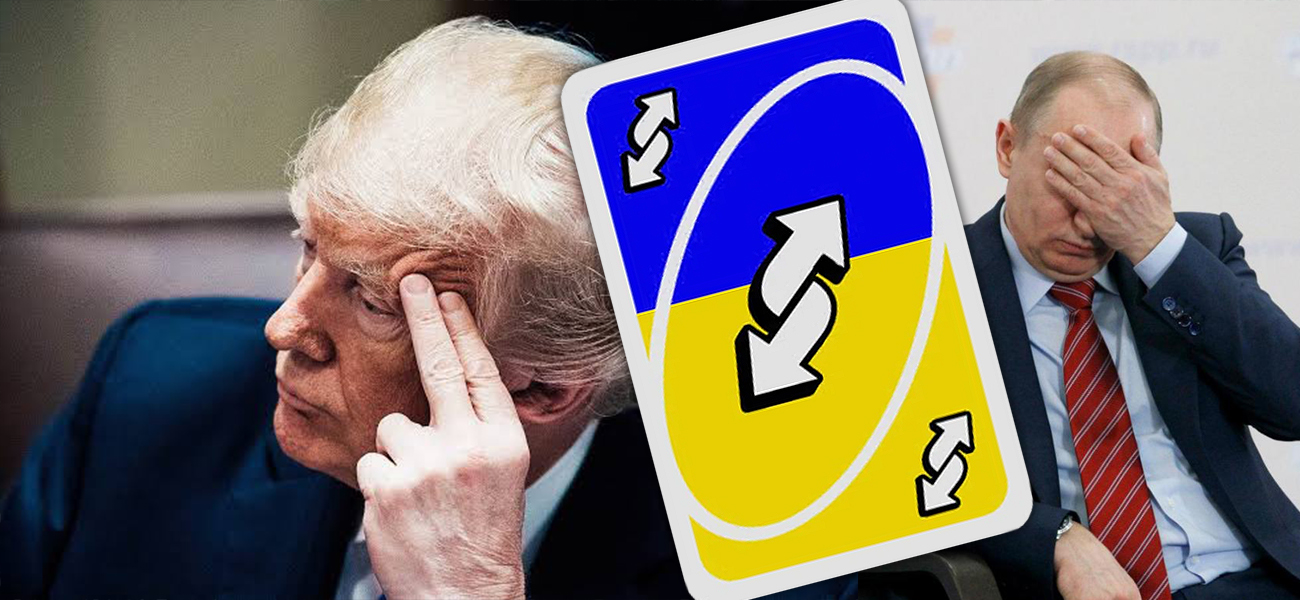
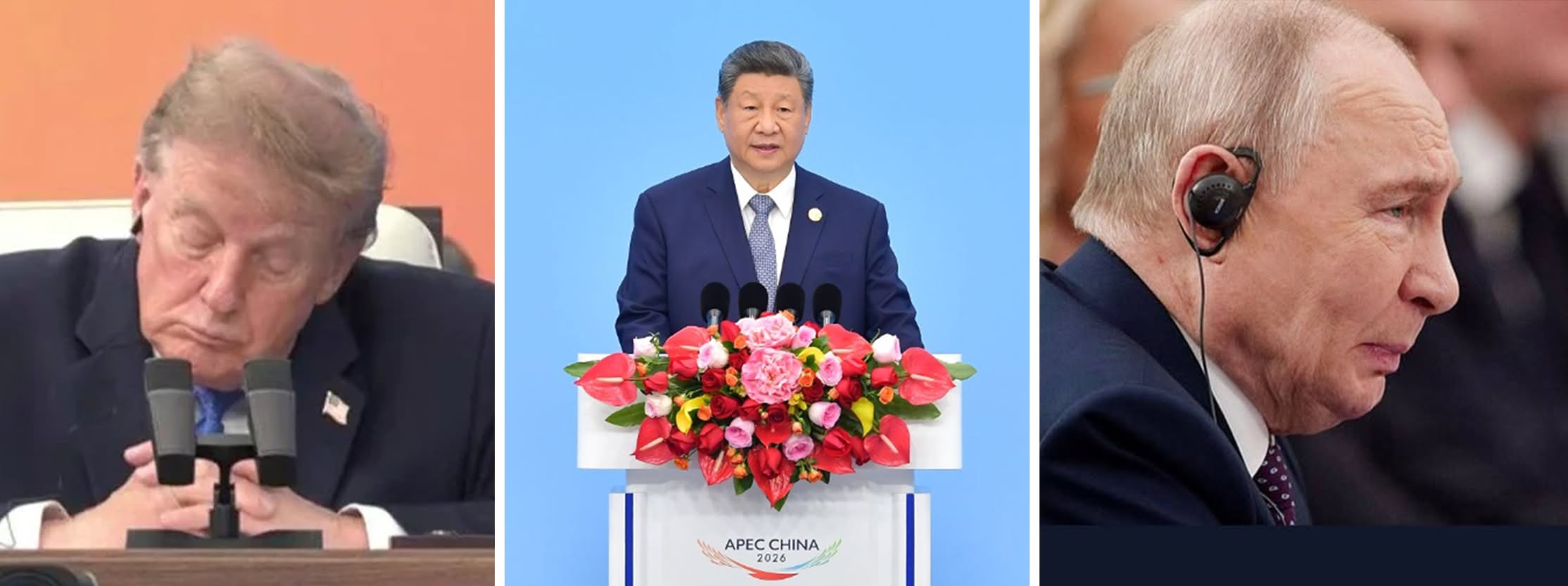
TRAPS FOR FOOLS This little collection of photos pretty much sums up the entire meeting of the three... Everyone was worried they would divide up the world. BUT the fake tsar was HUMILIATED and pushed into a corner, while the "master" of the art of the deal himself FELL ASLEEP and made a fool of himself. Only the Chinese guy was left standing. Xi once warned trump about the Thucydides Trap. Well, this meeting made it crystal clear which two FORMER empires are losing their power... But seriously... nobody divided anything up, and they didn't really agree on anything significant either. BECAUSE these three characters have far too many conflicting goals and see the world in completely different ways. P.S. I really liked how Polish Prime Minister Donald Tusk described trump after his bear hug with putin at this meeting: "God, protect us from such friends."
Jaunius Varnas 2w

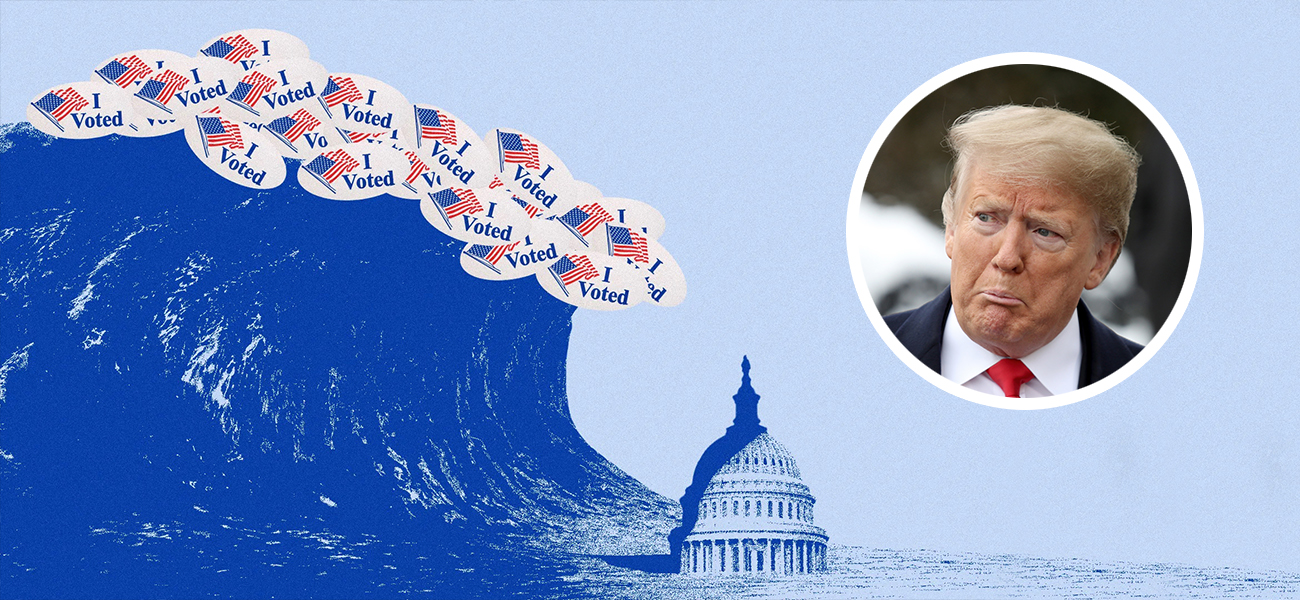
CAN DEMOCRATS RESTRICT TRUMP? So after that whole blue wave in America's elections, the most important question is – what happens next? How can Democrats actually stop Trump or limit his powers when it comes to all his ridiculous moves? A lot of people are celebrating the Democrats' victory as if these had been presidential elections, almost giving the impression that Trump is now completely screwed. Meanwhile, the other side, let's say MAGA fans, are claiming that this defeat means absolutely nothing and that Trump still has enough power as president to keep doing whatever he wants. Well, the reality is somewhere in the middle, and that's exactly what I'll try to explain. When it comes to impeachments, passing new sanctions against Russia and so on, Trump can veto pretty much anything in many cases. That means Democrats would need a two-thirds majority in Congress to override the president. And that's practically impossible, unless Trump goes so far off the rails that even Republicans decide they want to take him down. So let's put aside all the scenarios where Trump can simply oppose Congress and focus only on the areas where Democrats can ACTUALLY put pressure on him. With their majority, Democrats will have significantly more power to change things in US domestic politics, but foreign policy decisions are mainly in the hands of the president. And since what matters much more to us is America's future foreign policy, that's where we'll mainly focus. Now, for those expecting some major changes regarding the war in Ukraine or Iran... unfortunately, the situation is complicated. BUT not entirely hopeless. First, let's keep in mind that Democrats will only take control on January 3 next year. WHICH MEANS that until then, Trump still has two full months to make a whole lot of trouble. And knowing how many times Trump changes his mind and tactics in a single month, that's STILL a very long time. So we can only really look at what might change from the beginning of next year. The key points: **1)** From January 3, 2027, Trump will effectively have to operate within the limits of existing laws. Right now, while Trump and the Republicans still have an absolute majority, there are cases where Trump and his administration are effectively overstepping certain constitutional boundaries. BUT... since Republicans hold the majority in Congress, they can delay investigations into such violations, expand Trump's powers, or simply turn a blind eye to some of his scandals. From January 3, all that advantage disappears on these issues. Democrats will be able to launch investigations into various violations and even initiate presidential impeachment proceedings. I've already mentioned that actually removing him through impeachment is almost impossible, BUT... it would still be a lengthy legal process that would take Trump's attention away from other international schemes he might want to pursue. **2)** Trump won't be able to ratify certain major international agreements without Senate approval. Let's say, for example, some kind of supposed peace deal with the Russians to end the war. Democrats will have the tools to intervene and refuse to approve such agreements. Congress also has certain powers to block arms sales to other countries. So if Trump somehow got the idea to sell weapons to the wrong people, Democrats could block that too. The best example here would be when Xi visited Trump and Trump casually suggested that the US could sell weapons to China... Well, Democrats could definitely save not only America but all of us from that kind of stupidity. **3)** If Trump needs to appoint a new judge, a new Secretary of Defense, Secretary of State, ambassadors or military commanders (generals), he won't be able to do so without Democratic approval. This probably matters most when it comes to military leadership, because Trump has recently been very keen on purging anyone who doesn't agree with his wishes. So the president will either have to work within the existing military leadership structure or risk being forced to accept a commander who is more acceptable to Democrats. **4)** Going back a little to impeachment and other investigations. Democrats will have the right to summon Republicans and members of Trump's team to testify before Congress. If you don't show up – you can face 1 to 4 months in prison. If you show up, lie, and get caught – up to 5 years in prison. So someone, somewhere might start sweating and end up revealing more than Trump would like. More about domestic scandals, more about behind-the-scenes deals with the Russians or Israel, and all of this would ultimately further DESTROY the Republican Party's public image. At the same time, it would also make it harder for the White House to get anything done. Congress can also demand access to documents. And here we're talking about all those Epstein files too. This won't happen with a single order, of course. There will be lengthy legal proceedings and political battles, but it is actually possible. **5)** I think this is the BIGGEST card Democrats have. The annual budget has to be approved every year. The functioning of the US government is quite often directly affected by a government shutdown when no agreement can be reached on the annual budget. Republicans themselves used this exact tactic when they had the majority, dragging out approval of military aid for Ukraine for a VERY long time. And exactly the same thing can happen to Trump. A Democratic Congress could simply refuse to allocate enough money for Trump's war in Iran. Or it could agree to provide the necessary funding for one of Trump's projects only on the condition that money is also allocated to support Ukraine, and so on. In other words, the possibilities are practically endless. A Democratic Congress could also rush to introduce and vote on new legislation they want to pass. Let's say, theoretically, Democrats decide to restore aid to Ukraine. Trump then vetoes those bills. In February, Trump submits his annual government funding plan for approval. And that's when Congress has to approve the various funding sectors. So imagine Democrats saying: "Either you approve funding for Ukraine, or we delay approval of your budget, and our soldiers don't get paid because there's no authorization to allocate the money." This is a simplified theoretical example, but essentially that's more or less how it works. A Democratic Congress will have much greater power over funding decisions, and Trump will be forced to negotiate. --------- So that's how it ultimately works out – Democrats won't exactly have a huge amount of power to influence Trump's foreign policy directly, BUT... They will have the power to influence him through domestic politics, and in that way they can still pressure Trump into changing his foreign policy, BECAUSE... Trump will simply be forced to compromise with Democrats in order to: 1) Get the funding he needs for his projects; 2) Get Democrats to approve his international agreements that require formal documentation; 3) Get Democrats to approve his new appointments to government positions. Everything will come down to internal negotiations, not one side having absolute power over every issue. This has been a fairly simplified explanation of the whole US domestic political system, BUT... The bottom line is that Trump's freedom of political action will be significantly reduced. BECAUSE he will no longer be able to act as arbitrarily as he does under Republican control. + That ridiculous MAGA wing of the Republican Party has, you could say, practically collapsed. The remaining Republicans will now think very carefully about whether to take part in the president's ridiculous schemes or whether it's better to save face and prepare for future elections. And all those investigations carried out by Democrats will play a role in this too. The more of Trump's dirty tricks come to light, the more Republicans will want to distance themselves from him. And the president's powers will shrink accordingly. --------- So that's the story behind all these changes in the US government following the elections, which, once again, will only take effect on January 3 next year. Until then, though, buckle up. We're definitely going to see more than one international outrage from Trump. Both the Russians and Israel still have plenty of time to take advantage of Trump's services without any restrictions. --------- Follow Me for more! And have a good day!

806
Jaunius Varnas 3w

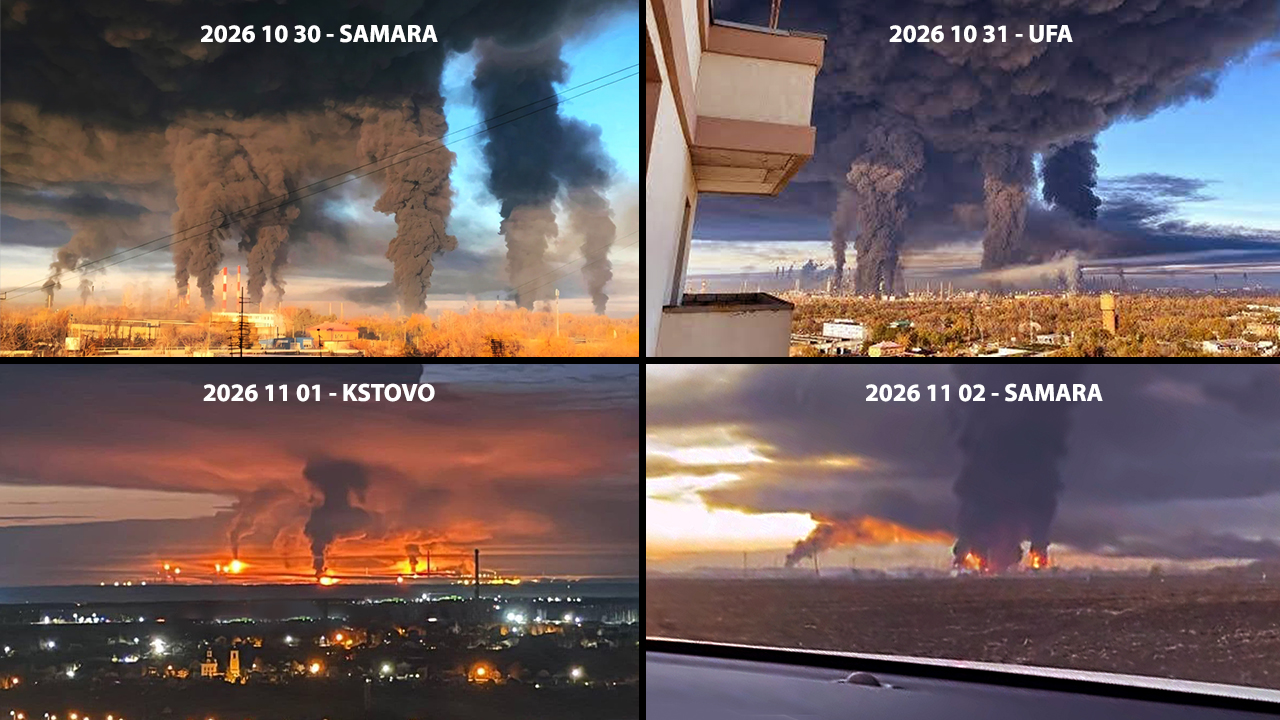
MORDOR IN FLAMES Over the past few days, we've been treated to quite a few images worthy of becoming photo of the month from the russian wasteland. For the fifth day in a row, Ukraine has been striking russian oil industry facilities harder than ever. I wouldn't be surprised if we get more footage tomorrow as well. @ October 30 – oil refinery in the samara region. @ October 31 – ufa oil refinery. @ November 1 – kstovo oil refinery. @ November 2 – samara fuel storage and distribution hub (the largest in Europe). @ November 3 – yaroslavl oil refinery. Around 10% of russia's oil refining capacity has been knocked offline in just a few days – and these particular facilities account for that share. As a result, additional fuel sales restrictions have been introduced in the affected regions. Meanwhile, various estimates put the overall share of russian oil refining capacity currently disrupted somewhere between 30% and 50%. This is a constantly changing figure, because the russians fix something, then the Ukrainians come along and smash it again. So, the footage from these attacks is looking pretty damn good, and it immediately reminds me of that story about Budanov reportedly finding out that the USA had struck a diesel deal with russia, getting absolutely furious, walking out of the negotiations and telling the Americans: "we will burn down all those refineries". Budanov himself personally denied these rumours, but I'll personally choose to believe this legend, because judging by what's been happening over the past few days, the story certainly seems to fit. And speaking of the refineries themselves, these are definitely among the more important ones, with substantial refining capacities. Also, take a look at how many separate fire hotspots can be seen in the photographs. The Ukrainians have started attacking these facilities much more extensively, rather than just targeting a single critical point. In other words, they're making a REAL effort to shut them down completely and for a long time. And to achieve that greater level of damage, Ukraine has started carrying out these attacks in several waves of drones. One wave breaks through the protective anti-drone nets, while the next targets critical processing units. And, as I mentioned, the goal is to damage as many complex and difficult-to-repair parts of the refining process as possible. That's the news and some beautiful footage for today.

692
Jaunius Varnas 3w

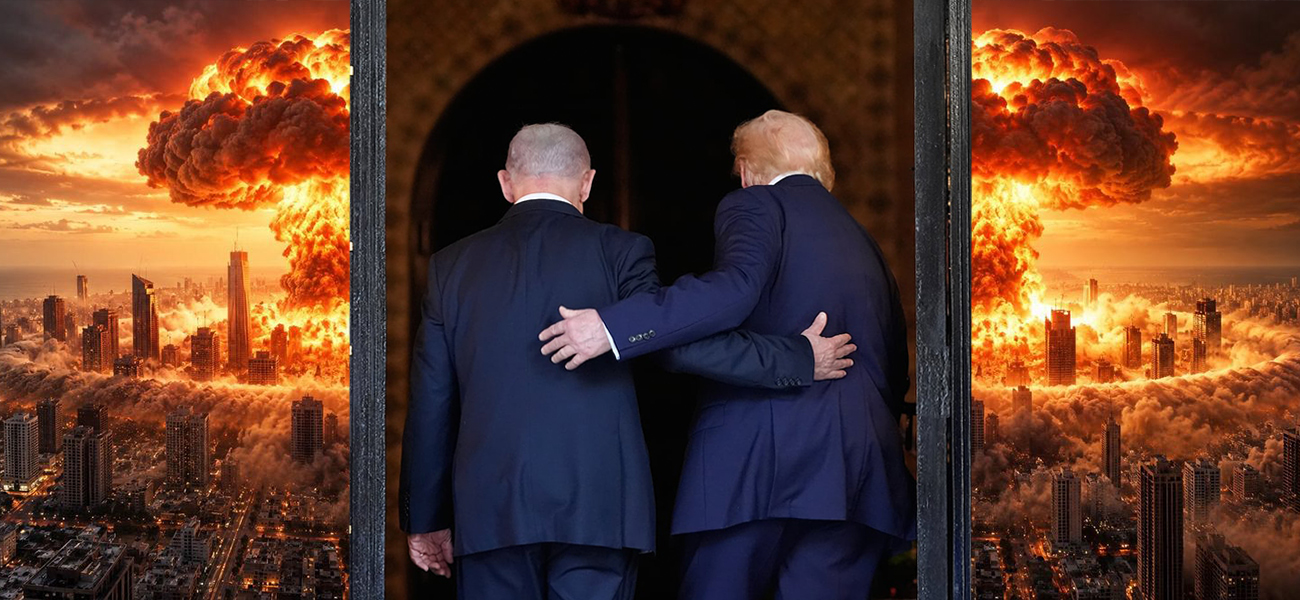
GRANDPAS' ELECTION GAME So, what caught my eye were the recent ALREADY public statements by trump that new attacks on Iran are being prepared immediately after the elections... The fact that preparations were underway had been known for some time, but personally, I was surprised that he started making this public right before the elections. Because for a long time, he himself had been bullshitting about how exactly after the elections, they would be seeking an agreement with Iran. And EVEN more importantly - fuel prices were supposed to go down after the elections! It's all bullshit, obviously. Just lying to the voters, BUT... why start talking about continuing the war right before the elections, when the majority of voters don't want either the war or rising prices at gas stations??? I think it's worth remembering the fact that America has the most corrupt president, and his actions are influenced not only by the fake tsar from russia, but also by another old man from Israel. That is netanyahu, with a large Jewish lobbying network in America, private deals with the kushners, witkoffs, and trump himself. In Israel, as we know, elections have already taken place, and netanyahu failed to get his pre-election fireworks out of trump, but it's worth explaining what he was trying to achieve: netanyahu starts bullshitting again about Iran's atomic bomb. On October 21, he once again publicly started talking about how those guys are DEFINITELY DEFINITELY making that bomb AGAIN right now. Then he posted an atomic explosion in Tel Aviv on social media (he probably learned how to post from trump by now). And, of course, he AGAIN tried to tell everyone that the only way to eliminate the threat is to destroy the Iranian regime. Again, I'm not saying Iran is run by a bunch of good guys. No, no. But I simply don't believe the jew who has been telling us for about 35 years that Iran will DEFINITELY DEFINITELY have a bomb next week. And + every now and then he also suspects other neighbors of developing those bombs. Those atomic bombs are really in fashion in the Middle East. Personally, I trust USA intelligence more, which very CLEARLY said even before the war, earlier this year - NO, they are definitely not making a bomb and there is no such THREAT as being portrayed. Israel and USA have recently intensified air military exercises over Syria. A new Iranian attack was being simulated. And at the same time, Israel, taking advantage of the situation, repeatedly sent dozens of fighter jets with an aerial refueling aircraft through Syria, across Iraq, directly toward Iran. So that it would look as if they were flying to attack. And then, right near the border, they turned around. In other words, they were provoking Iran, hoping that Iran would see it as a threat and attack. Moreover - USA has ALREADY delivered new Patriot air defense systems and a replenishment of missiles to Israel. AT THE SAME TIME as supplying Ukraine with barely two missiles per month, even when the Ukrainians have made actual missile purchases. Cash in the pocket has a lot of influence, and the Jews, as I already mentioned, don't spare money when it comes to trump's family. Why is all this being done? BECAUSE netanyahu wanted to provoke an extension of the conflict before the elections and take advantage of it. After all, only he can protect Israel from an existential threat. BUT... a) Iran did not fall for the provocations. b) Even the Israeli army chief publicly clashed with netanyahu because he refused to launch military actions before the elections. c) trump also refused to launch an attack before the elections taking place in America. And that's how it turned out, netanyahu's existential threat stories no longer worked in the Israeli elections, and the elections ended with neither side managing to secure a majority. So now intense negotiations are underway to form coalitions. The bloc controlled by netanyahu, which also includes super extreme radical parties, has 53 seats. And the political opponent Gadi Eisenkot's party - 48 seats. And then there are the Arab parties, which unexpectedly gathered as many as 19 seats. So there are some nuances there, but to put it simply, if the Arabs form a coalition with Gadi, then Israel will have a new prime minister. So WHY does netanyahu now need to renew the war with Iran so badly? @ To maintain and strengthen the coalition with the radicals. Well, because netanyahu somehow needs a political majority, and to achieve that, it just so happened that in recent years he had to unite forces with extreme parties led by radicals of VERY questionable reputation. @ To divert attention from the investigations into the October 7, 2023 hamas attack. BECAUSE recently there have been huge protests in Israel demanding answers as to WHY security failed to work the way it was supposed to. And netanyahu has been dragging out these investigations for a long time. @ The fact that public support is expected in the face of a threat, but this is already such an outdated and overused trick that it simply no longer works even in Israel. So, here's the situation now: 42 days are given to form a coalition. During this time, netanyahu needs to launch new attacks against Iran. This time, WIN, meaning actually overthrow the Iranian regime, thereby strengthening his leadership position and convincing other parties to join his coalition. And THEN netanyahu will remain prime minister. And I suspect THAT is WHY netanyahu is pressuring trump to launch military actions sooner, and that's why trump may also be starting to prepare the public for new fireworks even before the elections. And it's also important to understand that Israel CANNOT start a war alone. BECAUSE they simply don't have the capabilities to do it ON THEIR OWN. It's critically important for netanyahu that USA starts first and netanyahu acts only as a supporting ally, rather than the one escalating the war. Well... because public opinion, coalition, and so on... you understand. So the whole pre-election interesting part now is that trump, I repeat - EVEN BEFORE the elections, starts talking about war, when this is completely unacceptable to American voters. And that automatically reduces the Republicans' chances of securing a majority in Congress. And then there is a possibility that the Democrats will be able to disrupt trump's military actions. And then the already SUPER small chances of defeating the Iranian regime become even smaller. Of course, it's likely that trump will start attacks anyway, because he is simply committed to Israel (don't look for some personal 5D masterplan by trump here, he's not capable of that). And then finally netanyahu may be able to retire, and as a result, the influence of Israel's radical parties will weaken. One way or another, after this whole story of election games, it's worth mentioning that Iran also already has plans for a response, and if necessary, it will not only cut the internet cables in the Strait of Hormuz, but also shoot back pretty hard. AGAIN across the entire region. And then, obviously, the whole story of rising fuel prices will drag on for even longer. And obviously, even more Patriot missiles will be used up, which will then be begrudged to Ukraine. That's all for today about the delusions of old farts trying to change the world. P.S. Hey, follow me for more interesting geopolitics stories.

694
Jaunius Varnas 3w

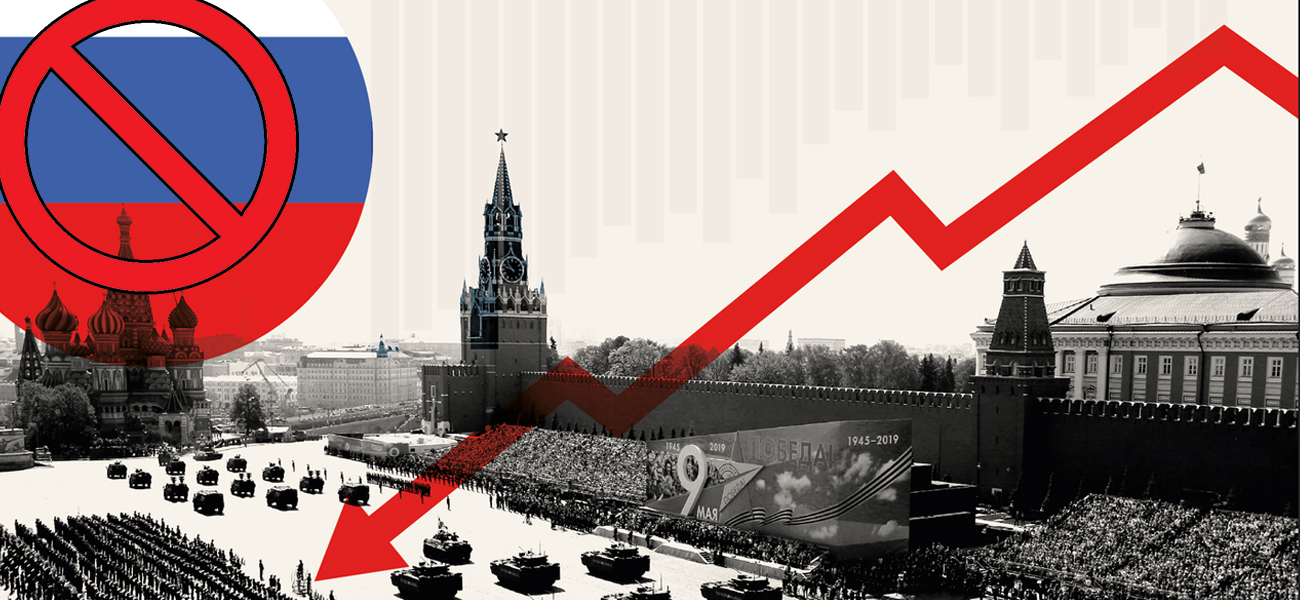
russia's MILITARY POTENTIAL CEILINGS There is no country that can wage war forever. There are plenty of myths about russia and how it can keep fighting and fighting, but there are things no country can overcome. These are simply economic and industrial ceilings that cannot just be expanded indefinitely. Especially when you're the most sanctioned country in history. Sit back, get comfortable — today I'm bringing you a BIG and very detailed article. Next year, russia will increase its military budget. And spending on it will account for around 35% of russia's entire annual budget. That's just according to the officially reported figures. And based on what we saw last year, we know that russia spends considerably more on the war than it reports. But when it comes to all this increased funding for the war machine, there's one BIG catch — russia doesn't exactly have the money for it. To keep its war industry running, russia is forced to significantly cut the budgets of other government sectors — education, healthcare, social services, and the national economy (infrastructure, agriculture, and so on). In other words, it's increasing the war industry's budget by cannibalizing other sectors. And it's ALSO very important to understand that even then, russia is no longer able to generate enough revenue to fully finance its annual budget. As a result, the state budget deficit keeps growing every year. And that's when the russians start selling their gold, diamonds, or printing A LOT of money to plug that budget hole. Whenever I try to explain how russia's economic situation keeps deteriorating, there are always commenters who say something along the lines of: "So what? They can still fight as long as they want, and you can talk about their problems all you like. Nobody's going to stop them." Well, THIS is where I'll try to explain why I think they're starting to reach the limits of their industrial capacity and, more generally, the limits of their offensive capabilities. When you shrink the civilian economy, investment declines, productivity falls, unemployment increases, prices rise, and it becomes more expensive for industry to manufacture things. On top of that, there's the growing global fuel crisis, which also drives up production costs. And russia ALSO has an existing labor shortage, and now it's going to carry out mobilization as well. That means it will independently remove, quite possibly, several hundred thousand men from the labor market. Whether that happens all at once or over the course of a year no longer matters — what matters is that those people will be taken out of the workforce. This creates a situation where russia is essentially destroying itself. It's increasing its military budget, but because it's cutting funding to other sectors and global economic problems are piling on, inflation rises so much that the larger military budget no longer translates into producing a whole lot more. Because everything simply costs MORE. And if we look at the war industry as a whole, there aren't many places left to expand because there aren't enough specialists. The only real option may be to try to redistribute the existing industrial capacity. For example, using the same budget, the same workers, and the same amount of materials to produce fewer tanks but more drones and missiles (I know this is a rough comparison, but the point still stands). Since I mentioned tanks, their production lines are also struggling to catch up with previous production levels. For example, russia used to refurbish a lot of old tanks from storage depots. But since those depots are now almost depleted, it has to manufacture more NEW tanks. And producing a new one costs MORE and takes longer. Tanks are just one example, but you have to understand that a similar situation applies to many other things. Instead of using old Soviet stockpiles, russia now has to manufacture a lot more equipment from scratch. THEREFORE, an increasing military budget in russia does not mean they'll have A LOT more of everything. NO. It simply means that everything costs them more. And looking ahead, it will cost them EVEN MORE, while they'll get less out of it. EVEN IF we take into account that China is still helping russia, we also have to understand that China isn't doing it for free. And no matter how many natural resources russia can send to China in exchange for technology, as inflation rises, the cost of those exchanges also increases. And as we know, China has been conducting those exchanges in its own favor since the beginning of the war. And once again, we run into the same ceilings — more trade does not necessarily mean a bigger war. More of everything is simply needed because everything is getting more expensive. There's an interesting situation unfolding in the world right now, where trump's war in Iran and the global fuel problems are simultaneously hurting russia's war industry as well. On top of that, I'm convinced that this entire promised wave of mobilization will also be russia's last serious attempt to push forward. RIGHT NOW, at THIS VERY MOMENT, a fundamental turning point in the war is taking place, and it's not being talked about very much. You could say the turning point was the expansion of Ukraine's drone forces, the attacks on oil facilities, the destruction of logistics, or something else. BUT all of this ultimately comes down to one BIG factor. russia is starting to reach the peak of its military potential. After this entire mobilization (whatever its size), they won't be able to carry out another one on the same scale. Well... they technically could, but each subsequent wave would be progressively weaker and of lower quality. At the same time, russia's military industry is starting to reach its ceilings. Looking ahead, not only will it have nowhere left to expand, but it's very likely to start contracting for the very same reason it grew in the first place — cuts to the budgets of other government sectors and the resulting inflation. Just take something as simple as cuts to healthcare funding. You might ask, what do hospitals have to do with the war industry? Well, if the state doesn't provide enough money to treat people, it's likely that more health problems will emerge, and that will affect the labor market. Which, in turn, will affect production — including the war industry. SO, I suspect that after 2027 (yes, unfortunately, that's still a long way off), russia will still be able to continue the war, but the pace of its war industry and its offensive operations will inevitably decline. THEN, let's take into account that russia is already suffering absolutely insane losses this year in exchange for increasingly smaller amounts of occupied territory. So let's understand that this is happening while russia can still maintain at least its current offensive pace and industrial production. What happens if any one of those factors contracts? We have a real-life example of what happens then — today, russia can no longer recruit enough people in a single month to replace the number being killed in the war. As a result, russian occupation forces are gradually retreating every month, and the occupiers are losing the territory they had captured. 2027 will still be the year when russia plugs this gap. In other words, whatever it can no longer recruit voluntarily, it will force into the front lines through mobilization. And then we'll have a whole range of other problems, which I've essentially already mentioned. russia will voluntarily reduce its own workforce (and let's add those who flee the country). Unmotivated, untrained, and poorly equipped soldiers at the front will achieve increasingly fewer results. The war industry will become more expensive while producing less for the front. russia will start facing problems filling the gaps created by its own shortages. When russia reaches these ceilings, it will certainly still be able to continue the war, but it will no longer be able to maintain the same pace. Especially the pace of its offensive operations on the front. THEREFORE... I can't say that Ukraine will definitely start reclaiming more of its territory, because we don't know how Ukraine itself will manage its funding. BUT the conditions are there, and Ukraine still has some cards it hasn't played yet. Here, let's also remember the ballistic missiles that are still to come into play. They won't be some complete WOW moment that changes everything. BUT they will allow Ukraine to destroy russia's industry much more aggressively, which is ultimately still one of the most important factors, because it eventually affects the quality of russia's offensive operations as well. BECAUSE having more people does not mean capturing more territory if those people are not properly supplied and supported from the rear. And then we get to the part I've actually been talking about for a very long time. What else can russia do if its offensive potential on the front starts to collapse? I'll repeat myself — russia is trying to compensate for the lack of frontline forces by intensifying its air attacks. And that creates the illusion that its offensive never stops and that russia is constantly escalating. + This is also an attempt to break Ukrainian civilians and make them demand that their government enter negotiations with russia. Historically, however, this kind of tactic has very rarely worked, regardless of which country we're talking about. Offensive operations on the front and air attacks are two different things. russia's frontline capabilities are shrinking, and that's why it is forced to carry out mobilization. That mobilization won't help it achieve A LOT more victories, BUT it will buy time — time it can use specifically to intensify its air attacks. And once again, it's the same thing — continuing a war does not necessarily mean fighting a successful war. russia, seeing that it cannot achieve victories on the front, is redirecting more of its industrial capacity toward producing drones and missiles. BUT we also have to understand that this does not necessarily mean producing a whole lot MORE drones and missiles forever. Because, as I've already explained, there are limits to production due to inflation, rising manufacturing costs, and labor shortages. ALSO, when it comes to missiles, they face a similar situation to russia's old tanks. Just as russia spent several years pulling old tanks out of storage and refurbishing them, it is also still mainly using its huge Soviet-era missile stockpiles, which it is MODIFYING. To maintain the pace of its attacks, it is EVEN converting missiles from its S-400 air defense systems into ballistic attack missiles. In other words, it's cannibalizing its own air defense resources to maintain its offensive capabilities RIGHT NOW. And you should understand that this kind of strategy also has its ceilings. This kind of strategy could create VERY serious problems for the russians when Ukraine ramps up its own ballistic missile production and russia itself starts needing more DEFENSIVE missiles — the very ones it is currently converting. So, when you combine the fact that Soviet stockpiles, although large, are not infinite and will eventually run out, with the fact that you cannot manufacture everything new in such large quantities or so quickly, and with the fact that everything russia produces from scratch becomes increasingly expensive over time... And when you also factor in the labor shortage affecting the drone and missile industries... We can predict that even the intensity of russia's air attacks has ceilings, and those ceilings will eventually be reached. Now, someone will say that I've explained all this rather abstractly, without numbers and so on. Fine, here are a few: Between 2023 and 2025, production in some key defense-related industrial categories doubled. HOWEVER, by 2026, growth had slowed significantly. Transport equipment: just +23.3% (instead of doubling), metal products: just +12.6% (instead of doubling), electronics and optical equipment: just +2.1% (instead of doubling). These are just a few examples. russia can allocate more and more money to its war industry, but that doesn't necessarily mean it can proportionally manufacture more weapons. EVEN MORE IMPORTANT — in September 2026, employment in manufacturing was already declining for the tenth consecutive month, while production volumes were falling again. This is NOT the collapse of production, but it clearly shows that the military industry is starting to reach its ceilings, which is exactly what I'm talking about. And those ceilings are being reached precisely because, once again, other government sectors are having their budgets cut, resulting in rising production costs. + Global economic consequences, economic sanctions, and Ukrainian strikes on factories. Now, if some of you are thinking of bringing up Ukraine and how it has the same problems, I'll dare to say that it's NOT quite the same. Over these several years of war, Ukraine has expanded its military industry so dramatically that its main obstacle is something else — a lack of funding. In other words, Ukraine is nowhere near reaching the limits of its production capacity. And on the front, we're already seeing more or less equal capabilities, and in some areas even an advantage for Ukrainian forces, with what they currently have. In 2025, zelensky said that Ukraine's war industry was operating at only 60% capacity. Well, in 2026, that situation is changing, because Ukraine is receiving considerably more funding. It's a fact that Ukraine also has its own problems and faces the same inflation, but when it comes to the ability to increase production volumes, it still has plenty of room to do so. After all this, there are a few rather unpleasant factors left. YES, russia's military potential will definitely shrink, BUT that doesn't mean the war will definitely end because of it. russia will still be able to continue the war, albeit at a weaker pace. At this point, we can expect russia to make indirect attempts to start peace negotiations, and we will likely see a shift in its propaganda messaging. When they see that they no longer have the potential to continue fighting at the same pace and that their objectives are UNACHIEVABLE, they will EXACTLY start claiming that their military objectives have ALREADY been achieved and that the war can now be ended. Why would they do that? Well, because it will be the best negotiating position they can possibly have. After that, it will start getting weaker. How do I come to this conclusion? Just look at what's happening in the war in Iran — the war is supposedly ongoing, but it's not really going on anymore, and there is NO agreement. America can no longer continue its offensive, so trump keeps saying that the military objectives have already been achieved and that they won the war a long time ago. It's just that Iran refuses to surrender. The same thing will happen with the russians: When they see that they are losing the initiative, they will start claiming that the war has been won and that it's time to end it. At this point, russia will, of course, still demand its own terms, and if those terms are not implemented, it will resort to increasingly terrorist attacks. And then it will be up to Ukraine to decide whether to keep fighting a little longer to weaken russia's position even further, or to sit down at the negotiating table. The sad reality is that by that point, Ukraine itself will have been battered so badly that it will neither have the resources to continue the war nor much desire to keep shedding blood. That desire is already gone, and it never existed in the first place. But in this war, Ukraine is defending itself, so it has no choice. And there's one more dangerous factor. By dragging out the war, russia is trying to wait for political winds to shift in its favor in Europe and elsewhere. And this is where russia is also using another huge pool of financial resources to try to influence political parties in the Western world and spread propaganda among the public. The next major barrier will be the November elections in America.

580
Jaunius Varnas 4w

MUCH ADO ABOUT NOTHING Okey, this is NEW to me. NEW that I'm trying a fresh European social network, which I hope will succeed and NEW to me that I'm trying to write english analysis. I'm a geopolitics writer from Lithuania who has a dedicated reader base on facebook and growing my base on youtube. So this is just me trying to reach a bigger European audience. Hope you like it. Now with my post: Have you noticed that we've gone right back to early 2025? And how quickly regimes change their propaganda narratives whenever the situation shifts or they see an opportunity? We've just had two weeks that really felt like a repeat of early 2025. Suddenly, there's pressure to end the war AGAIN. Suddenly, concessions to Russia and excuses for its actions AGAIN. Pressure on Ukraine AGAIN. The same fake negotiators travelling to meet the fake tsar and sucking up to him AGAIN. Military aid to Ukraine being blocked AGAIN. New/same proposals to end the war AGAIN. And suddenly, kremlin propaganda is treating the americans as friends AGAIN. AND NOTHING... Nothing will change, because it always hits the same wall. russia demands territories that never belonged to it, that it does not control and that it cannot conquer. The Americans want Ukraine to accept this condition because trump simply wants the war to end, no matter the terms. Well... Ukraine refuses to be blackmailed. Once again. Okay, there is one small difference. In early 2025, trump was trying to show that he was delivering on his promises AFTER the election. In late 2026, he's trying to convince the next wave of voters that he's still relevant BEFORE the election. The really interesting part is that Ukraine is in a much better position today than it was in early 2025. Back then, Trump told Zelensky that he had no cards. Now he's asking Zelensky not to play the entire hand of cards he actually holds. YES, there was a bit of panic among all of us. It's certainly not pleasant when the USA starts throwing obstacles in Ukraine's way. The good thing is that these episodes have always been temporary. Because the whole world quickly finds out what the americans have done, and eventually they run out of room to manoeuvre. First, because it becomes embarrassing. Second, because they often end up creating problems for themselves. Every restriction on intelligence sharing, every starlink restriction and every suspension of weapons deliveries is seen around the world for what it is: blackmail. And after every trump-style act of blackmail, America suddenly starts losing economic partners and arms customers, while Europe accelerates the development of its own systems and works to free itself from dependence on the United States. And this latest attempt by trump to portray putin as the saviour of the US economy and Zelensky as the man to blame for high diesel prices? I'd say it has backfired spectacularly. Trump's approval rating has fallen to 31%. Meanwhile, Zelensky's approval rating has surged AGAIN, reaching 57% in polls towards the end of October. Well... as I've said before. Every time trump attacks Zelensky, and especially every time he starts shouting that Zelensky should be removed from office, Zelensky refuses to back down and stands up for Ukraine. And the Ukrainian people rally behind him. So, after all this déjà vu nonsense, trump himself revealed two days ago that musk had restricted starlink operations in Ukraine and had supposedly been asked to restore the connection. (The fact is, both of them had a hand in this.) And the news media quickly started reporting that everything was back to normal. BUT... no. Nothing has actually been fixed. Yesterday, trump once again started saying that if the restrictions are still in place, he will most definitely sort everything out. In other words, we're seeing the same stalling tactics as with the restrictions on intelligence sharing. In short, musk got angry because Ukraine is striking russian data centres. And trump is probably just as angry for exactly the same reason. Because these attacks undermine his election propaganda campaign. Speaking of data centres, today the Ukrainians struck a particularly SIGNIFICANT one. The target was a data centre belonging to russia's federal xax service. Why does this matter? It stores and processes tax records and other government information. If the damage is extensive, this could cause the russian authorities far more trouble than a disruption to online payments. Unfortunately, all we know so far is that the building's exterior was damaged. Whether the interior was affected remains unclear. Now, back to those boomerangs coming back to hit America after its blackmail tactics. European telecommunications companies are ALREADY discussing how to join forces and strengthen a common European mobile communications network. To make this possible, the European Commission decided earlier this year that, once certain agreements with foreign partners expire, some frequencies used by European satellites would be allocated to European companies rather than foreign ones. Well... put simply, spaceX and its starlink service could lose access to certain frequency bands in Europe. And the Americans are furious about it. Meanwhile, following all this starlink nonsense, the Ukrainians are joining forces with Finland's NOKIA and ICEYE to develop their own domestic satellite communications system. And this brings us to the main point: trump's blackmail tactics are coming back to hurt him and his best friend, the fake tsar, in a big way. russia will NOT get territories that never belonged to it and should never belong to it. Instead, it will ultimately destroy itself in this senseless war. By trying to pressure Ukraine, trump has effectively thrown a spanner in the republicans' works just before the elections. Europe has started calling trump what he is: a traitor. And Ukraine, together with Europe, is moving even further away from America's hostile administration while gaining greater independence. It will be a very strange period if, as we hope, America really does experience a Blue Wave in the elections. The Democrats, with a majority in Congress, will try to rebuild relations with Europe and help Ukraine, while a politically isolated president will probably obstruct their efforts out of spite over his election defeat. Either way, we still have a long way to go before the elections. And as the rift between Europe and America continues to widen, we're also seeing growing US pressure on Europe and attempts to interfere in our internal affairs. Returning to starlink, trump and musk are already publicly ranting that Europe will face consequences if it tries to restrict the activities of American companies on our continent. And this interference in European affairs is also clearly visible in Trump's comments about the protests taking place across Europe. I'll be publishing several detailed articles about that over the weekend. Meanwhile, several significant decisions concerning Ukraine were made in Europe this week: 1) Ukraine has been allowed to purchase weapons through NATO's procurement agency. In other words, procurement should become faster and more cost-effective. 2) EU leaders have expressed support for Ukraine's steps towards EU membership. More and more negotiating clusters are being opened. 3) The EU has also unanimously rejected the idea of territorial concessions. 4) There is also increasingly serious discussion about a new, additional €70 billion aid package for Ukraine for 2027. Once again, there are cautious references to those frozen russian assets. It's probably an unlikely option, but it would certainly be nice to see it happen. I won't try to come up with some magical conclusion. The point is simply that we shouldn't worry too much that some Trump might suddenly force Ukraine into capitulation or somehow make it accept concessions. And we shouldn't expect the war to end just yet, either. Not because we don't desperately want this nightmare of terror to end, but because russia simply isn't ready to stop fighting. All those Kremlin statements about being willing to negotiate are nothing more than an attempt to extract concessions in advance. So, once again, this is a good time to support Ukrainian soldiers' fundraising campaigns. Still, I can at least wish you all a good weekend. --------- P.S. I use capital letters for those that I respect, and small letters to those that I have no respect. You get it. Follow me for more in-depth articles about Europe, Ukraine, USA, war with russia, war with Iran, Middle East, China and all kinds of interesting geopolitics topics. The following ones will be about the ongoing protests/riots in Europe.

930