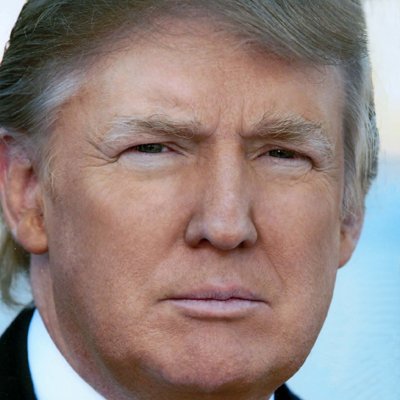
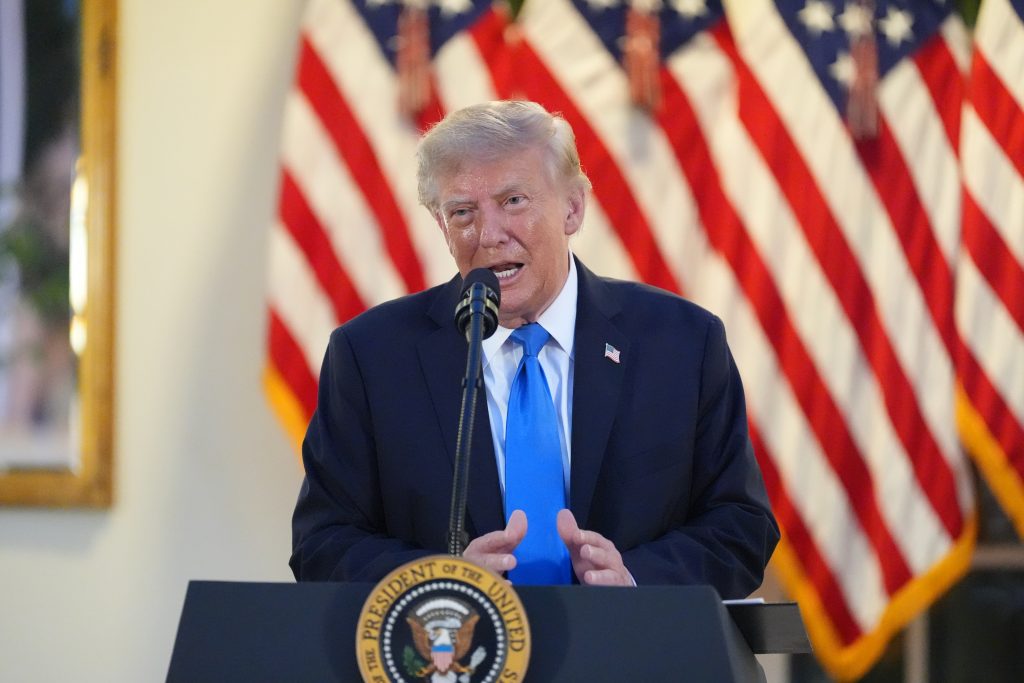
Donald Trump proposed to rename the Strait of Hormuz to "Trump Strait" in a post on Truth Social, amid rising tensions with Iran. (translated)

Donald Trump proposed to rename the Strait of Hormuz to "Trump Strait" in a post on Truth Social, amid rising tensions with Iran. (translated)

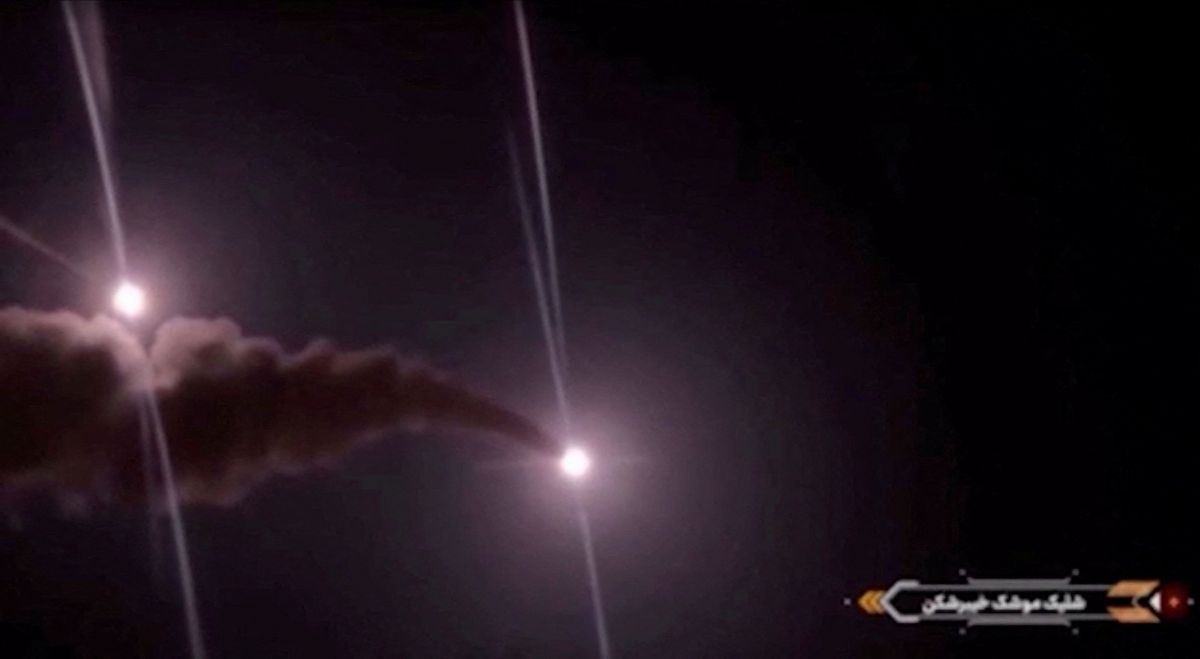
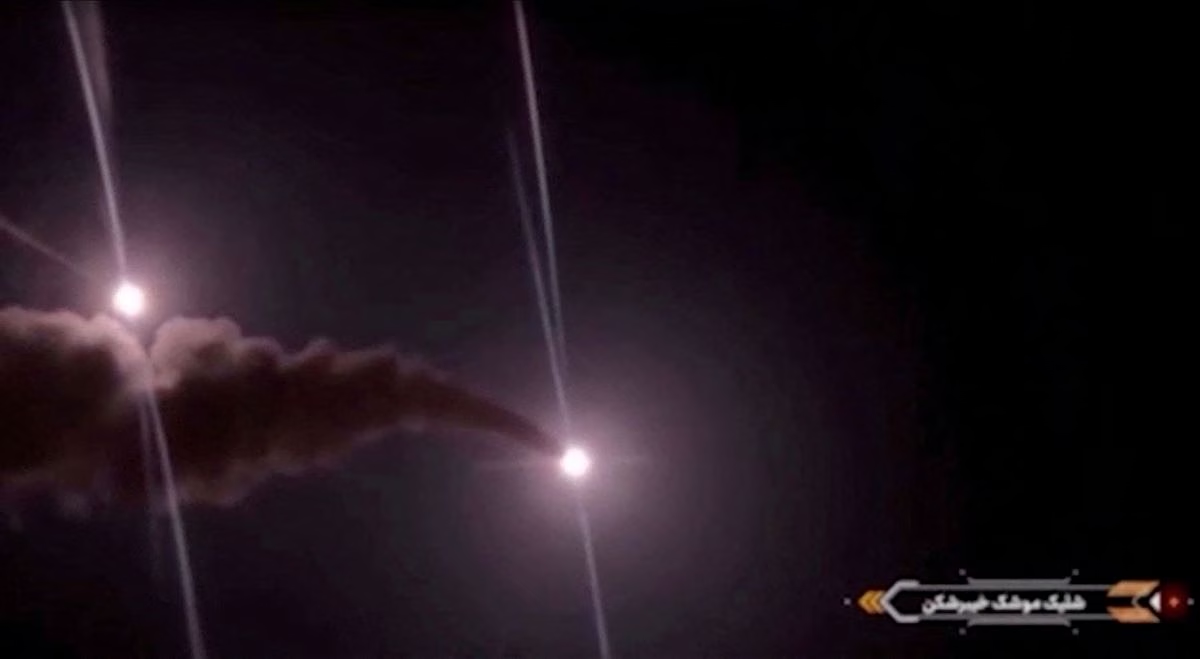
A new US military operation targets the Revolutionary Guard in Iran, with explosions reported near the Strait of Hormuz. (translated)

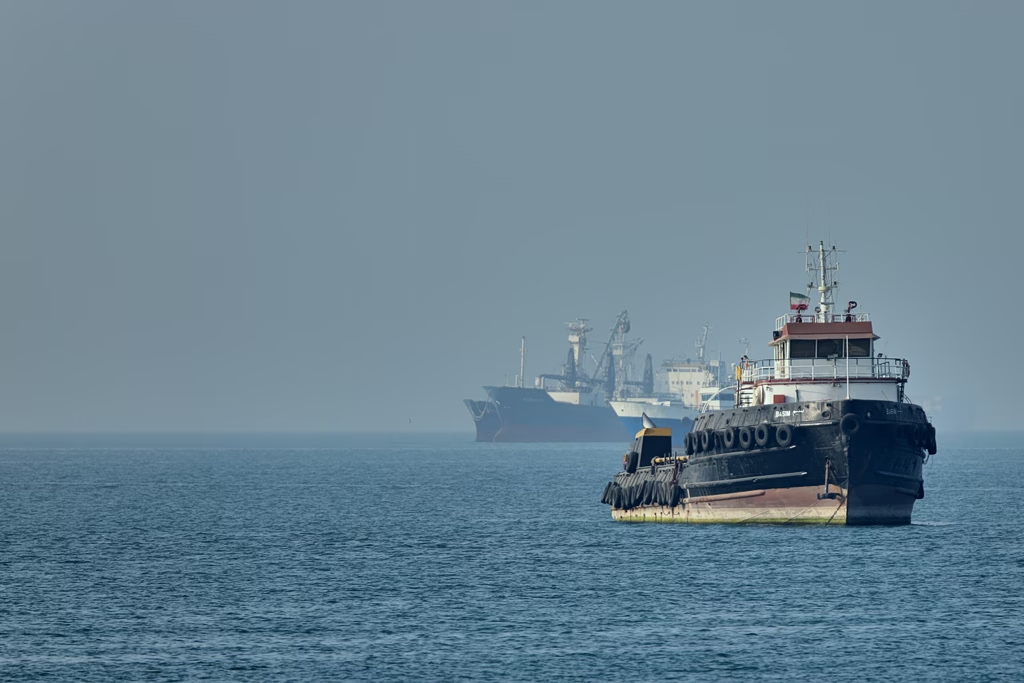
The United States carried out airstrikes on Iranian targets around the Strait of Hormuz, with President Trump threatening more intense bombings in the event of a counterattack from Tehran. (translated)
The American army denied the information from Tehran regarding a tanker hitting mines in the Strait of Hormuz, describing these statements as misinformation. (translated)
Tehran announced that a "super tanker pirate" was damaged by mines in the Strait of Hormuz, in a worsening of the crisis in the Middle East after recent American attacks. (translated)

American forces carried out an offensive operation in the Strait of Hormuz, bombing Iranian missile launchers, causing deaths and promising revenge from Tehran. (translated)

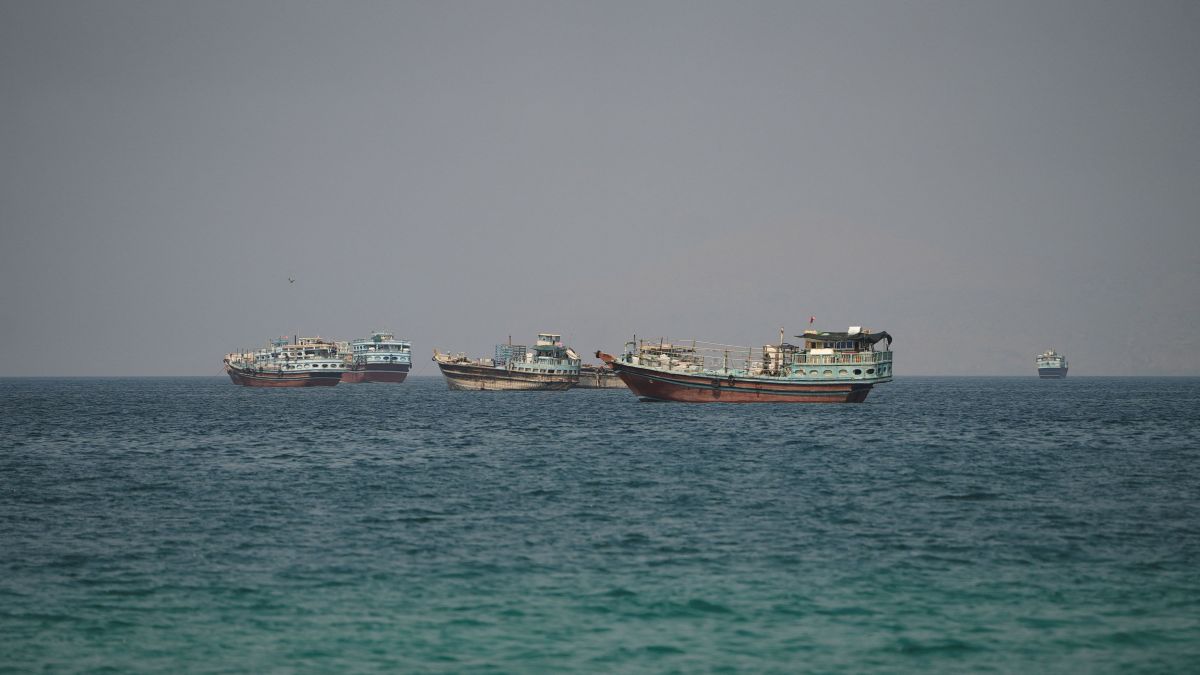
In the strategically important Strait of Hormuz, during the six months of the war between the USA-Israel and Iran, 68 incidents have been recorded, with at least 20 deaths, while most of the affected ships were flying the Liberian flag, and there was a significant increase in the frequency of attacks after the collapse of the Washington-Tehran agreement. (translated)
Iran has escalated tensions in the Strait of Hormuz by drawing up a blacklist of 45 oil tankers that it accuses of violating transit rules and warns of severe sanctions, while the US threatens tougher economic penalties amid the ongoing crisis. (translated)

The United States has established a military maritime corridor in the Strait of Hormuz to facilitate the transport of millions of barrels of oil daily, taking responsibility for safe passage through special plans and military protection against potential attacks. (translated)

The situation in the Strait of Hormuz indicates that Iran is losing ground regarding its control over them, as there has been an increase in transit under U.S. protection, favoring navigation through the Oman route, despite Tehran's threats and demands. (translated)

The head of the Iranian negotiators, Mohammad Bagher Ghalibaf, announced that the Strait of Hormuz will remain closed until the United States fulfills its commitments under the June agreement protocol, including lifting the naval blockade and economic sanctions. (translated)
Donald Trump warned today that the U.S. will bomb Oman if it tries to obstruct a deal for the Strait of Hormuz, while talks between Iran and Oman continue without the intervention of Washington. (translated)
The threats from Iran against Donald Trump have emerged following his intention to proclaim the Strait of Hormuz as "American territory," with the Iranian military responding with harsh rhetoric and announcing financial rewards for the elimination or capture of American soldiers. (translated)

Iranian General Amir Khatami threatened Donald Trump following the American president's statements regarding the control of the Strait of Hormuz, emphasizing that Iran has forces ready to defend the area and offering a bounty of $30,000 for anyone who kills or captures an American soldier. (translated)
The Iranian Deputy Foreign Minister, Kazem Gharibabadi, responded to Donald Trump's statement regarding the declaration of the Strait of Hormuz as American territory, stating that the strait remains Iranian and cannot be seized either by aircraft carriers or by other means, warning that the dispute will continue as long as the U.S. does not accept its defeat. (translated)

Iran cites environmental damage from shipping in the Strait of Hormuz to impose transit fees, arguing that the countries and shipping companies that benefit have a moral and legal obligation to contribute to addressing this damage. (translated)
The secretary of the Supreme National Security Council of Iran, Mohsen Rezaei, stated that the Strait of Hormuz will remain closed until the United States accepts Iran's terms, including ending the war and releasing Iranian funds that are frozen abroad. (translated)
Donald Trump, who was preparing a quick solution to the dispute with Iran through the release of the Strait of Hormuz, is facing serious challenges as Tehran sets new strict demands, such as billions of dollars in American payments and the withdrawal of American troops, indicating that it is ready for a prolonged conflict. (translated)

Donald Trump announced that his administration chooses to lower the rhetoric against Iran and focus on economic pressure, while the agreement for the reopening of the Strait of Hormuz remains pending. (translated)

The senior Iranian official, Mohammad Bagher Zolghadr, set strict conditions for the U.S. for the resumption of traffic in the Strait of Hormuz, warning that they will remain closed if U.S. policy does not change and demanding an end to attacks and sanctions against the Islamic Republic. (translated)