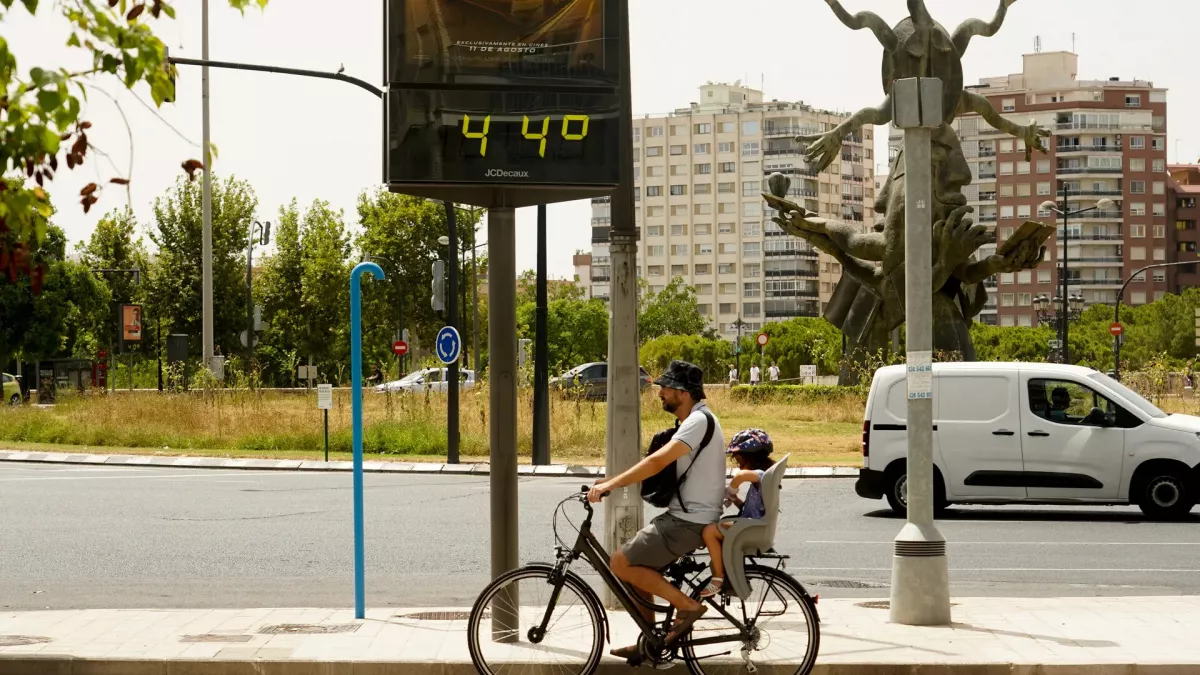
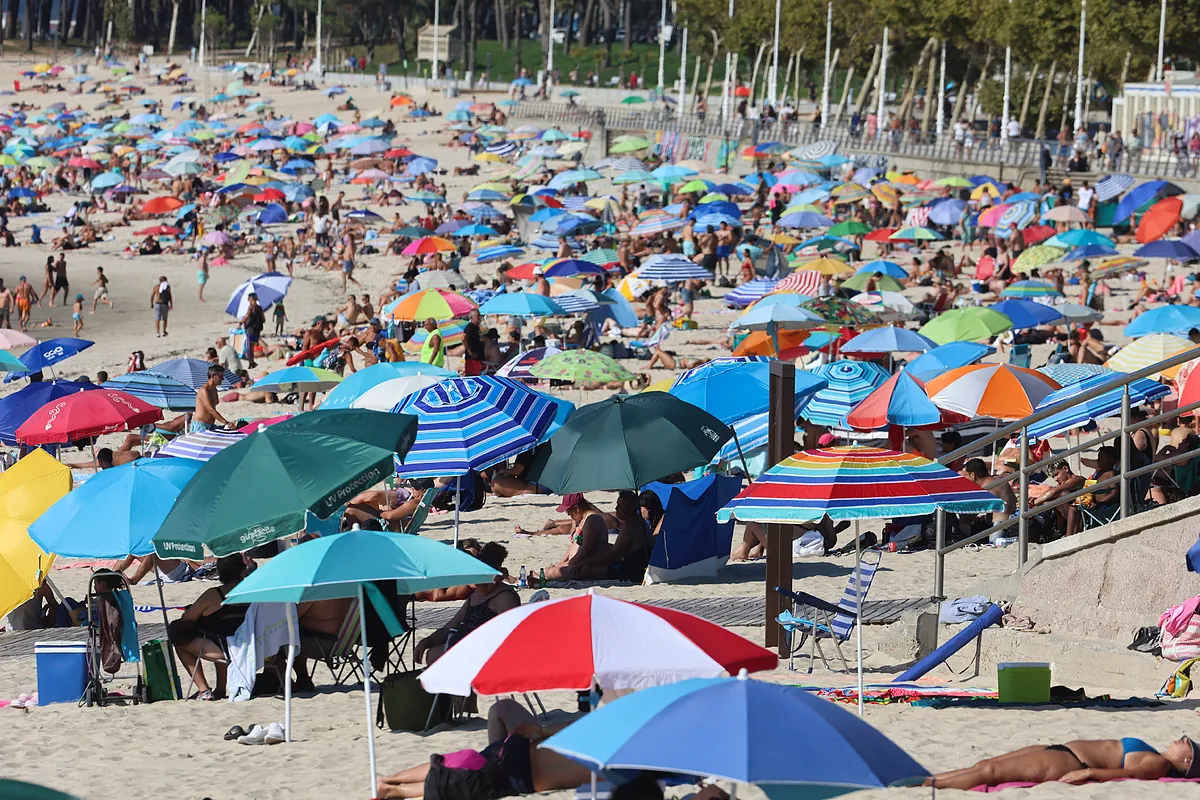
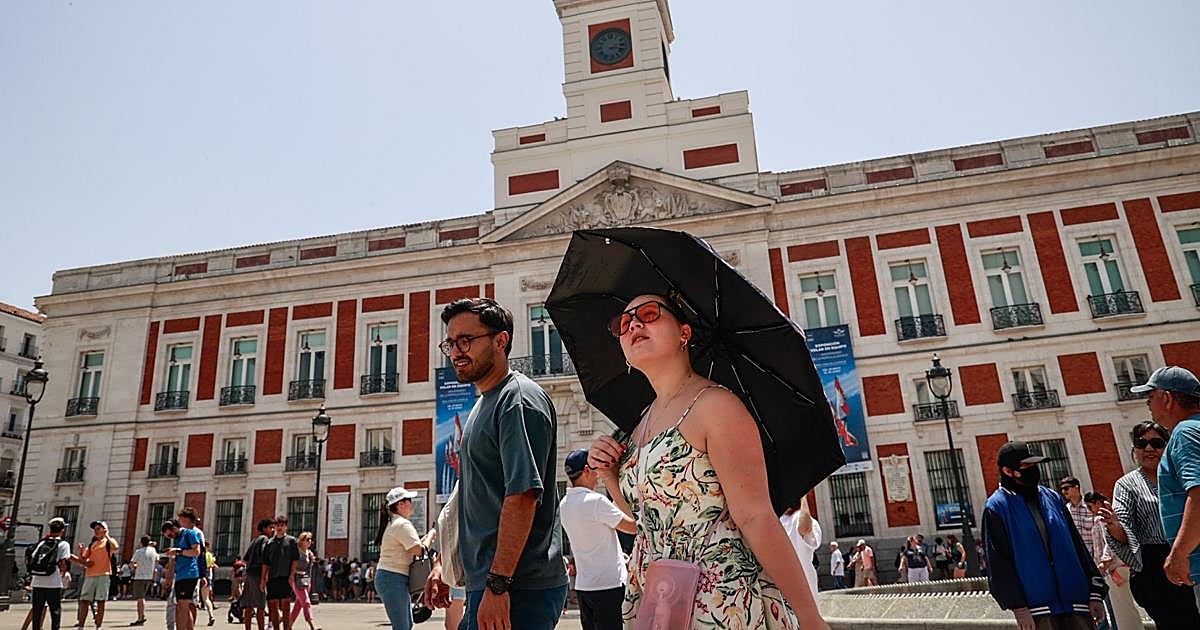
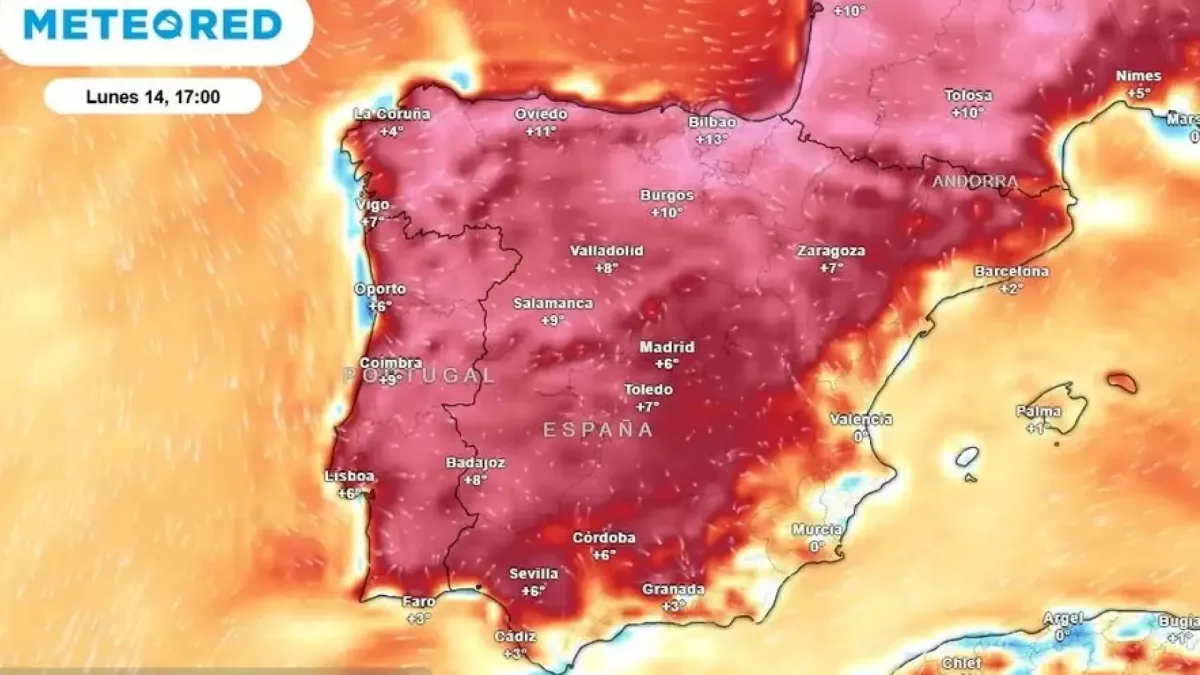
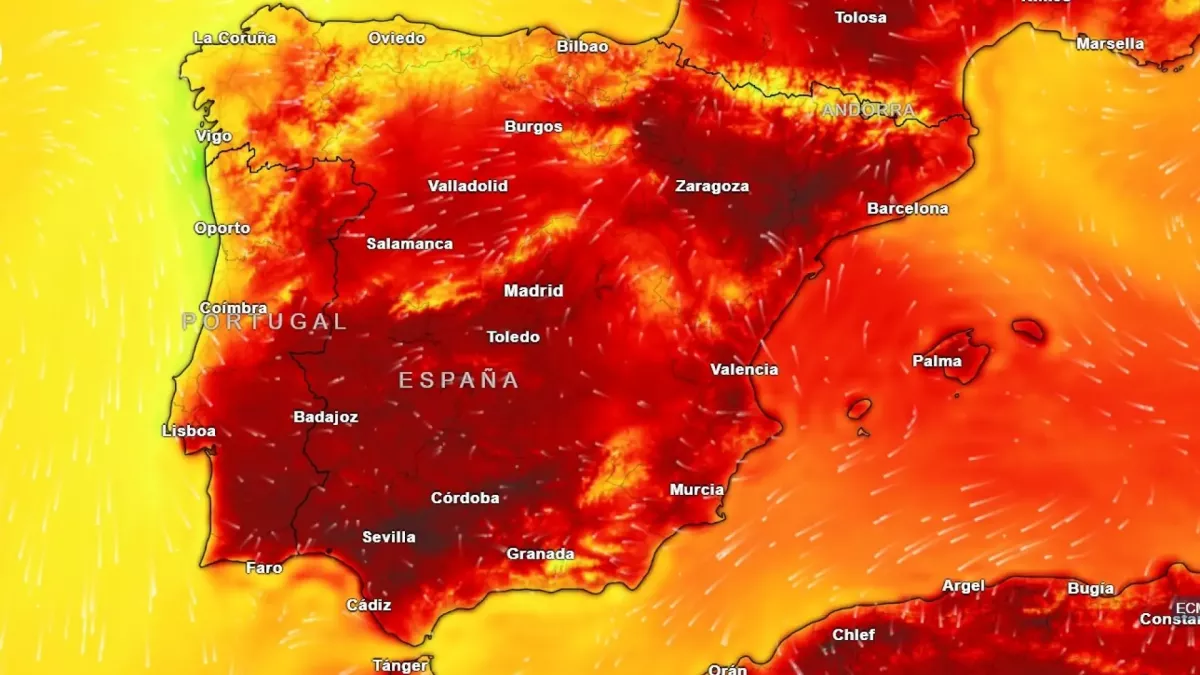
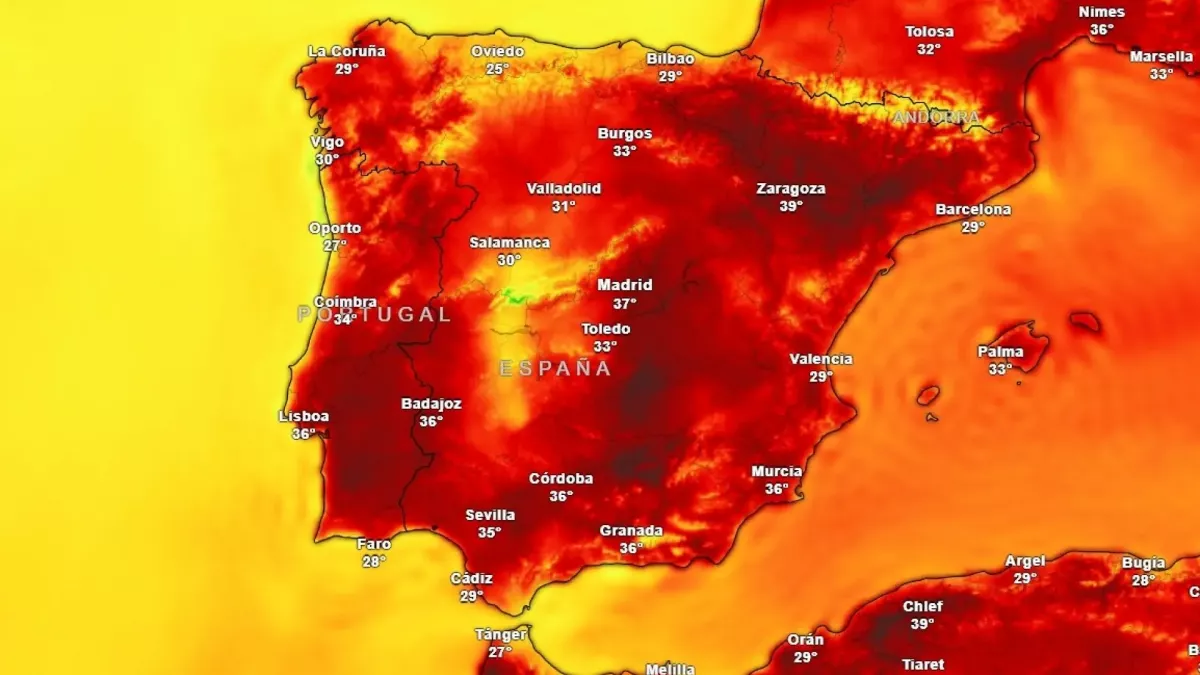
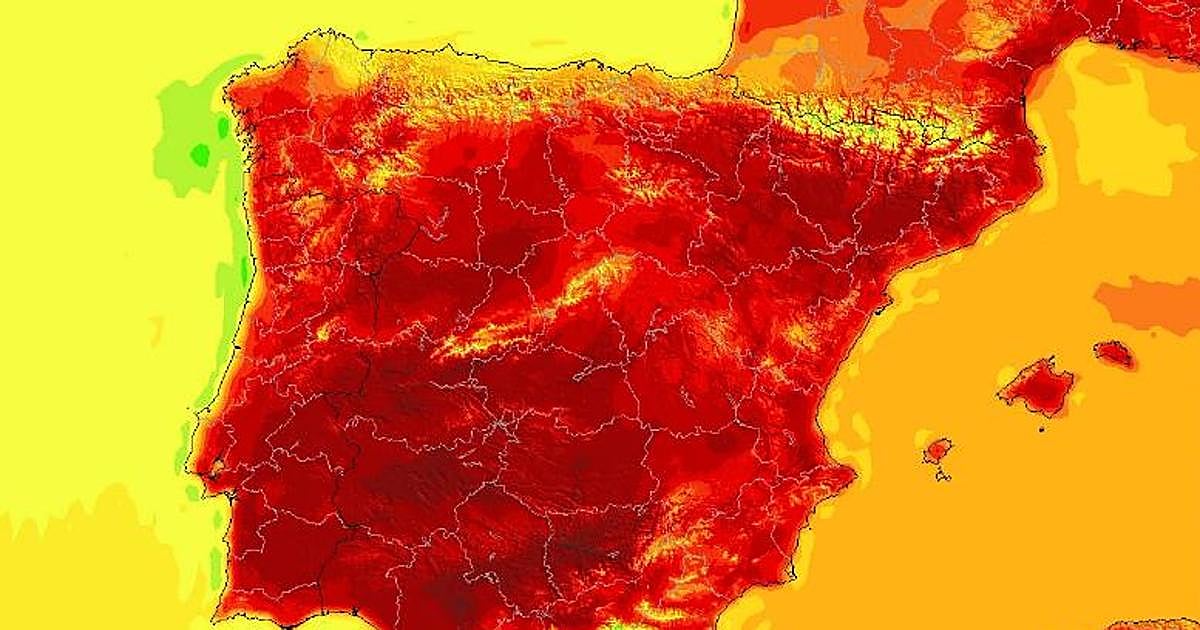
A tongue of Saharan dust is affecting air quality in Spain, causing a change in the color of the sky and high temperatures exceeding 40ºC. (translated)

A tongue of Saharan dust is affecting air quality in Spain, causing a change in the color of the sky and high temperatures exceeding 40ºC. (translated)

Mario Picazo warns that Spain will experience a return of extreme heat this weekend, with temperatures that could reach up to 45 degrees and the appearance of equatorial nights. (translated)

The heat will intensify this Thursday with maximums reaching 40 degrees in several provinces of Spain, and warnings will be issued in 11 communities, although it is expected that temperatures will begin to ease from Saturday. (translated)

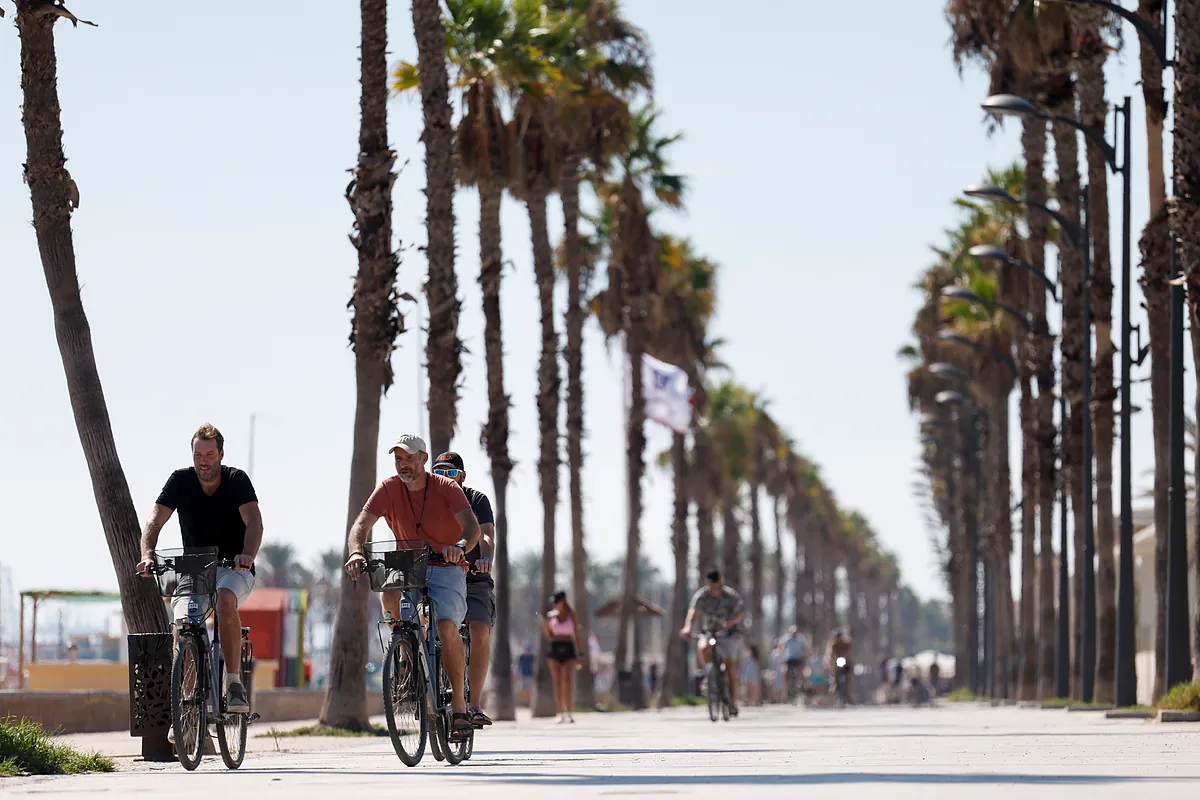
The extreme heat of this summer has significantly altered the routine of people in Spain, increasing mortality and limiting physical activity, especially among the elderly, who suffer from physical and cognitive deterioration due to the high temperatures. (translated)

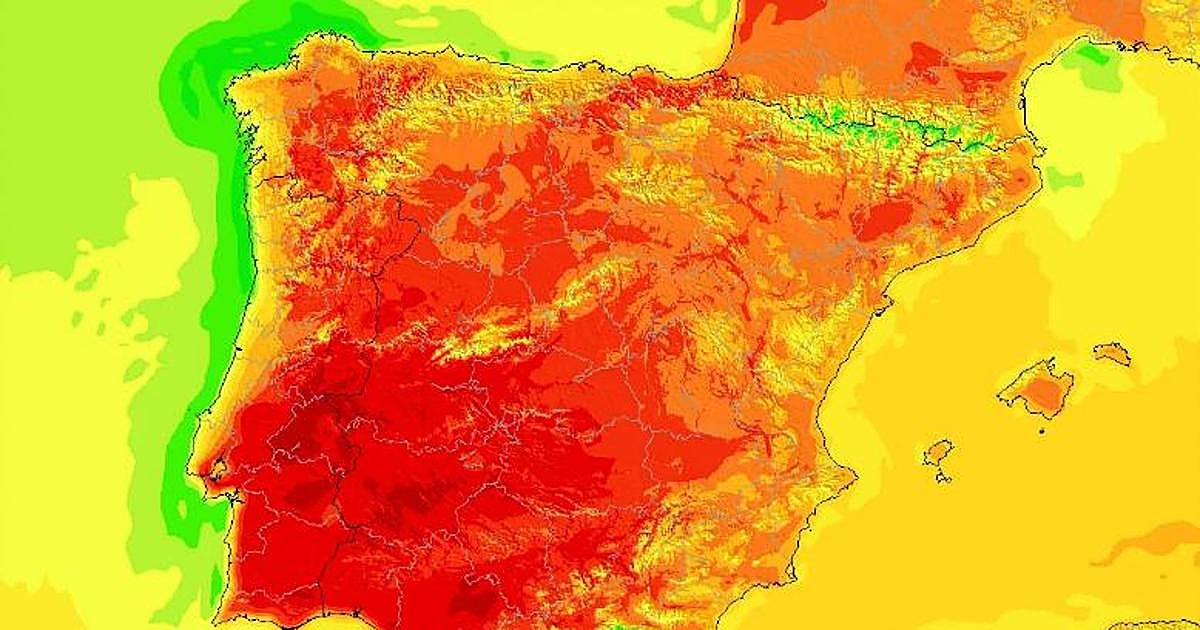
The intense heat episode affecting a large part of Spain will reach temperatures of up to 43 ºC this Thursday, exceeding usual values for this time of year and generating alerts in various regions of the country. (translated)

Aemet has alerted about the return of extreme heat to Spain, with temperatures that can reach up to 42 degrees, affecting eight communities on alert. (translated)

Aemet has issued warnings for high temperatures in five autonomous communities, where highs of up to 39 degrees are expected, especially in the south and in the Ebro valley, with a notable increase in heat anticipated for the coming days. (translated)

Aemet has activated yellow and orange alerts in Spain due to a new heat dome that will cause temperatures of up to 42 ºC in several communities over the next few days. (translated)

The summer of 2026 has been recorded as the hottest in the Spanish mainland since 1961, exceeding the average temperature by 2.5 degrees compared to the average of the period 1991-2020, according to the State Meteorological Agency (Aemet). (translated)

About a million residents of Barcelona live in vulnerable areas where high temperatures and socioeconomic disadvantage combine, according to a study by the Institute of Government and Public Policies. (translated)

A recent study from Northwestern University has identified 33 health diagnoses linked to extreme heat, revealing that their negative effects go beyond heatstroke and include kidney problems, metabolic disorders, and consequences for mental health, emphasizing the urgency of protecting vulnerable communities against this phenomenon exacerbated by climate change. (translated)

A Greenpeace study revealed that almost 79% of poor elderly people in Hong Kong face physical or mental discomfort due to extreme heat, with over 70% underestimating the risks and a lack of awareness about heatstroke prevention and government support. (translated)

Climatologists warn that the extreme heat experienced in Europe in 2026, with temperatures that occurred in places like Sardinia, will be the new normal due to climate change, resulting in thousands of deaths and significant changes in the population's habits. (translated)
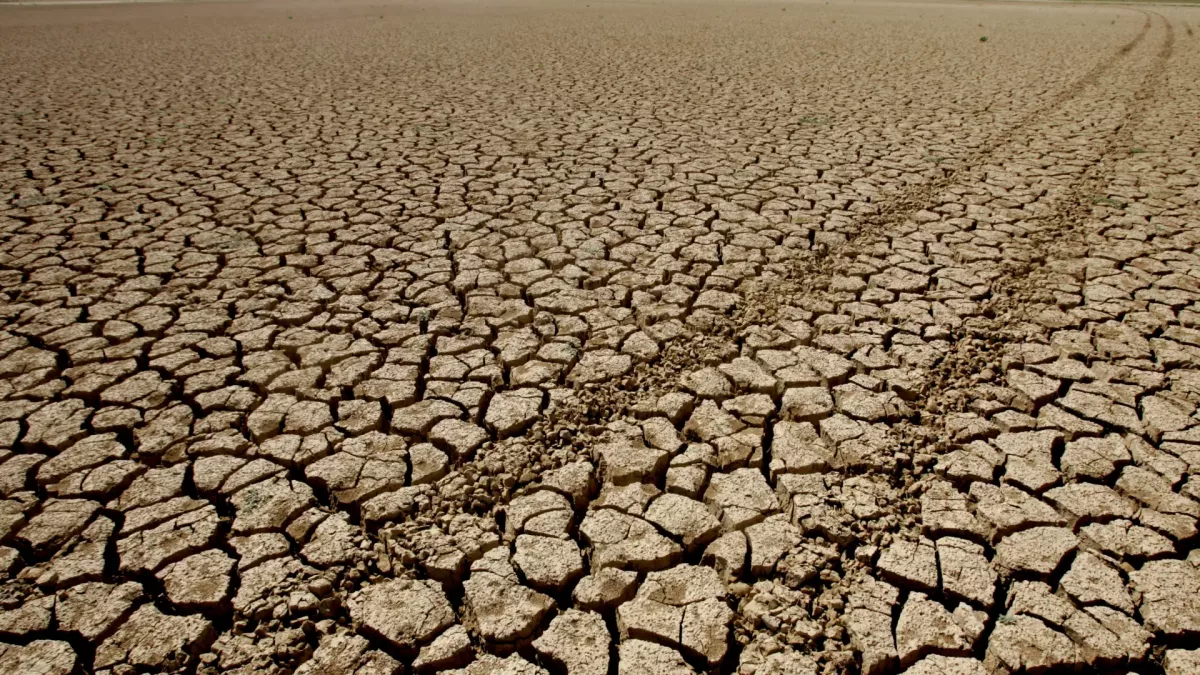
The drought and extreme heatwaves have led French producers to anticipate a 23% drop in potato harvests for 2026, resulting in economic losses of at least 400 million euros and a yield that could be the lowest in more than three decades. (translated)

The Valencia Community is under a red alert for heat, with maximum temperatures exceeding 42 degrees and an extreme risk of wildfires. (translated)

🔥 The extreme heat continues to concentrate today in the eastern peninsula. AEMET maintains red alerts in areas of Valencia and Alicante, with highs that can reach 42-44 ºC, as well as widespread orange warnings in Aragon, Catalonia, Murcia, Almería, and other areas of the Mediterranean. Tomorrow (translated)
A video that claimed to show a melted traffic light in Verona due to a heatwave has been debunked, as the deformation was caused by a fire in a nearby car, not by high temperatures. (translated)

A study by The Lancet Public Health reveals that people over 60 are more vulnerable to extreme heat due to their lower heat tolerance, which could result in 22% of this group facing dangerous temperatures for at least one month each year if global temperatures rise by 1.5 degrees. (translated)