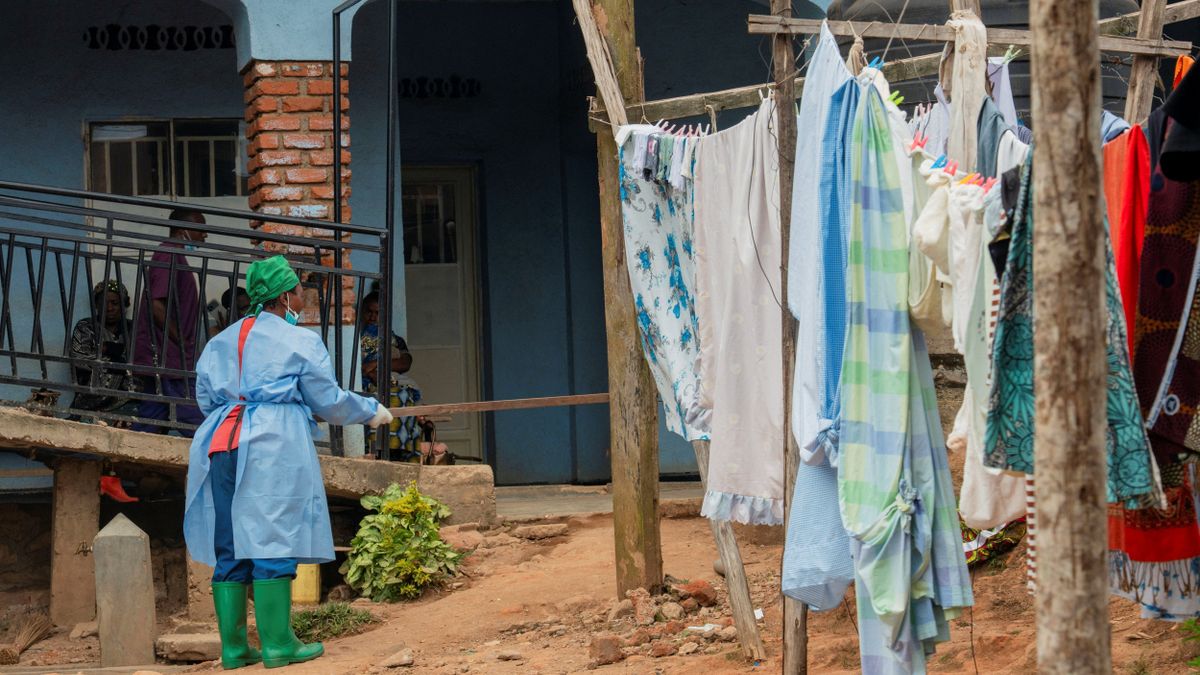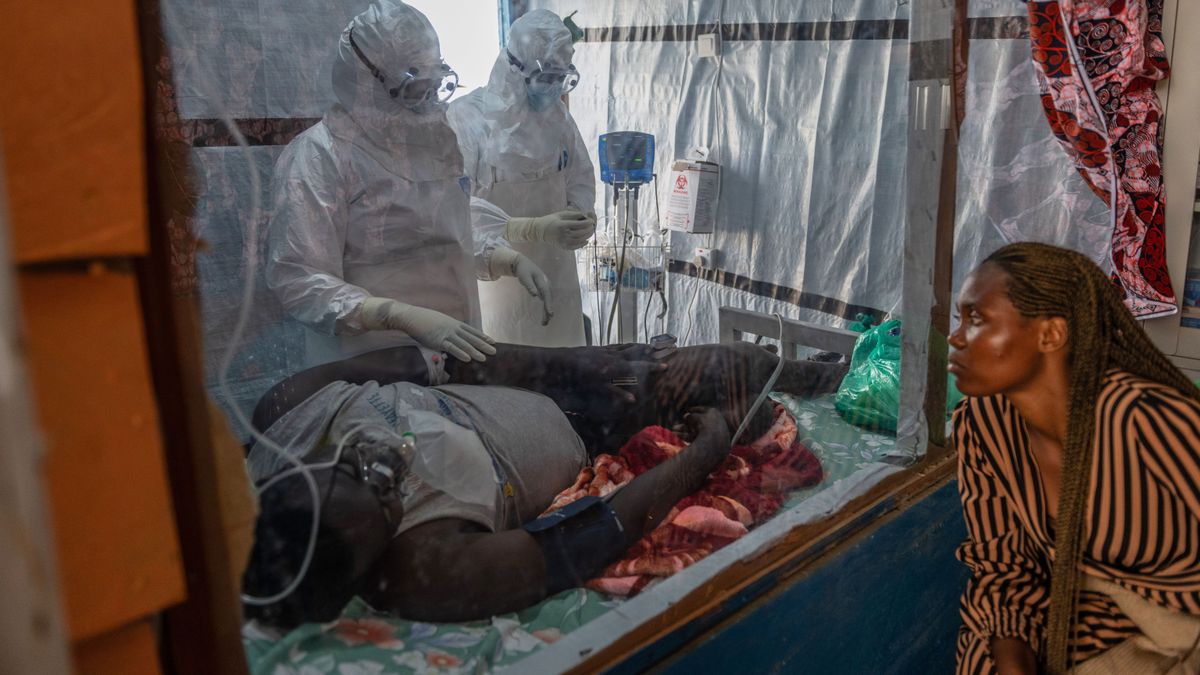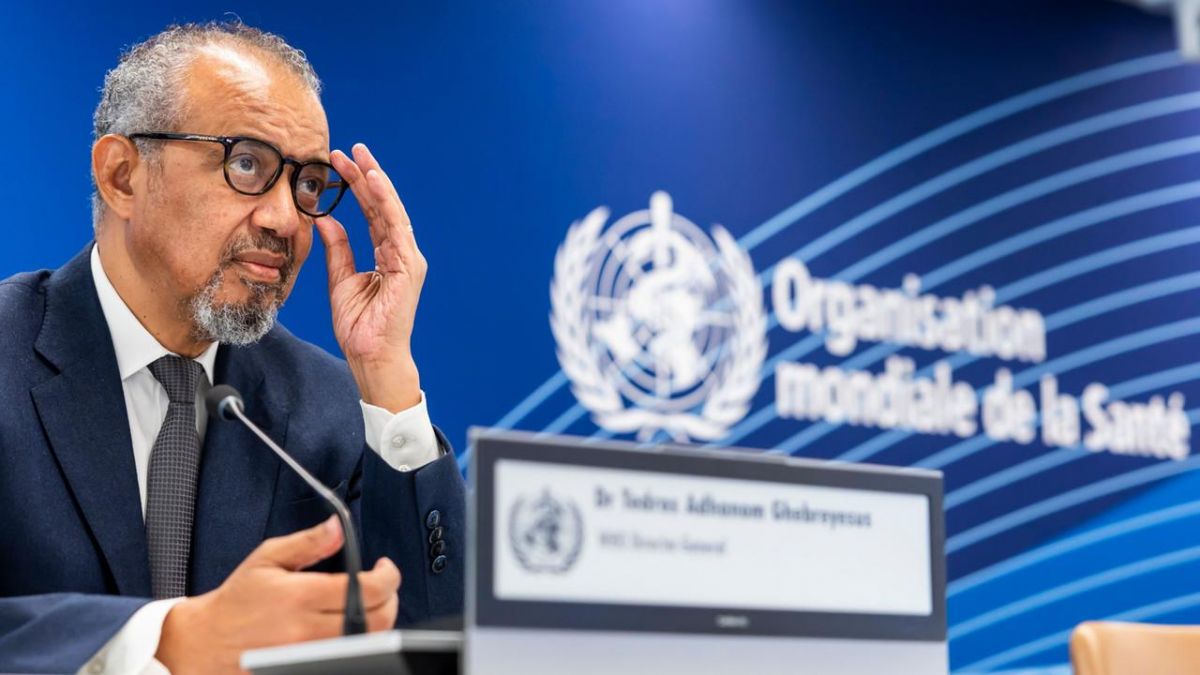
WHO Director-General Tedros has called on the international community to provide more resources for the fight against the Ebola epidemic in the Democratic Republic of the Congo, where more than 3,000 people have died since May 2026. (translated)

WHO Director-General Tedros has called on the international community to provide more resources for the fight against the Ebola epidemic in the Democratic Republic of the Congo, where more than 3,000 people have died since May 2026. (translated)

In the worst Ebola epidemic in the history of the Democratic Republic of the Congo, more than 3,000 people have now died, while 6,186 infections have been recorded, and the current measures to combat the epidemic are being severely hampered by armed conflicts in the affected regions. (translated)

In the Democratic Republic of Congo, over 6,000 cases have been confirmed since the outbreak of the Ebola epidemic, with experts assuming a high number of unreported cases, and the situation is exacerbated by the lack of a specific vaccine. (translated)

In the Democratic Republic of the Congo, Ebola vaccinations have begun, although the vaccine used was not specifically developed against the currently circulating Bundibugyo strain, which offers hope for less severe disease courses and mortality, but does not guarantee complete protection. (translated)

In the DR Congo, vaccinations against Ebola are starting, but it remains unclear whether the vaccine used is effective against the currently circulating Bundibugyo variant. (translated)

After 42 days without new Ebola cases, Uganda reports the end of the outbreak, while the number of cases in the Democratic Republic of Congo continues to rise and initial tests with the Ervebo vaccine have begun. (translated)

In the last three months, the Ebola epidemic in the Democratic Republic of Congo has claimed the lives of 2500 people, while the infection spreads faster than health workers can respond, with a call from Pope Leo XIV for global assistance to combat the crisis. (translated)

The Democratic Republic of the Congo receives 70,000 doses of the Ervebo Ebola vaccine from the WHO to combat the current outbreak, although it is unclear whether the vaccine is effective against the prevailing Bundibugyo virus variant, which is to be tested through a clinical study. (translated)

In the Democratic Republic of Congo, seven more health zones are affected by Ebola, causing the number of infected and dead to rise further, and the situation is aggravated by a lack of treatment options and a weak healthcare infrastructure. (translated)

The number of confirmed Ebola cases in the Democratic Republic of Congo has exceeded 5,000, making the current epidemic the largest in the country's history with 2,378 deaths, while health officials warn that efforts to combat the disease are failing due to weak health infrastructures and resistance from the local population. (translated)
The Ebola outbreak in the Democratic Republic of the Congo has reached an unprecedented scale, with over 5,000 confirmed cases and nearly 2,400 deaths, while the actual number of infections is likely even higher, as there is neither a vaccine nor a specific treatment available. (translated)

Germany has increased its Ebola aid for the Democratic Republic of the Congo by eleven million euros due to the dramatic Ebola outbreak, which has already infected over 5,000 people and killed 2,325, while the EU and the UN are also providing additional funds to combat the rapid spread of the disease. (translated)

Germany announces additional aid of eleven million euros due to the worst Ebola outbreak in the history of the Democratic Republic of Congo, to provide effective support to health workers on the ground amidst armed conflicts. (translated)

The Ebola epidemic in the Democratic Republic of the Congo, declared three months ago, has become the deadliest in the country's history with 2,325 deaths and 4,945 confirmed cases, surpassing the previous epidemic from 2018 to 2020. (translated)

The Ebola epidemic in the Democratic Republic of the Congo has become the deadliest in the country's history, with 2,325 deaths and 4,945 confirmed cases, surpassing the previous record from the epidemic that lasted from 2018 to 2020. (translated)
In the Democratic Republic of the Congo, Ebola continues to spread, with confirmed cases in the city of Buta in the Bas Uele province, affecting six provinces now with over 4,500 cases and 2,128 deaths recorded since May, while the exact situation remains unclear from February to May and a suitable vaccine for the current outbreak of the Bundibugyo type does not yet exist. (translated)

The Ebola epidemic in the Democratic Republic of Congo is spreading alarmingly quickly, and the WHO warns of an unprecedented scale that could overshadow the outbreak in West Africa between 2014 and 2016, with already over 4,300 infection cases and more than 2,000 deaths reported. (translated)

The WHO warns that the current Ebola epidemic in the Democratic Republic of the Congo could become the worst in history, as the number of cases is rising rapidly and essential measures to contain it, such as adequate contact tracing and improved healthcare, have not yet been implemented sufficiently. (translated)

The number of Ebola deaths in the Democratic Republic of the Congo has surpassed 2,000, reaching a concerning milestone, as many cases of the disease were misdiagnosed and the virus circulated prior to the official outbreak in February, significantly complicating efforts to combat the epidemic. (translated)

The maternal mortality rate in the Democratic Republic of the Congo has nearly doubled since the Ebola outbreak, as many pregnant women avoid important doctor's visits out of fear of isolation, leading to an alarming shadow crisis in one of the most dangerous regions for mothers and newborns. (translated)