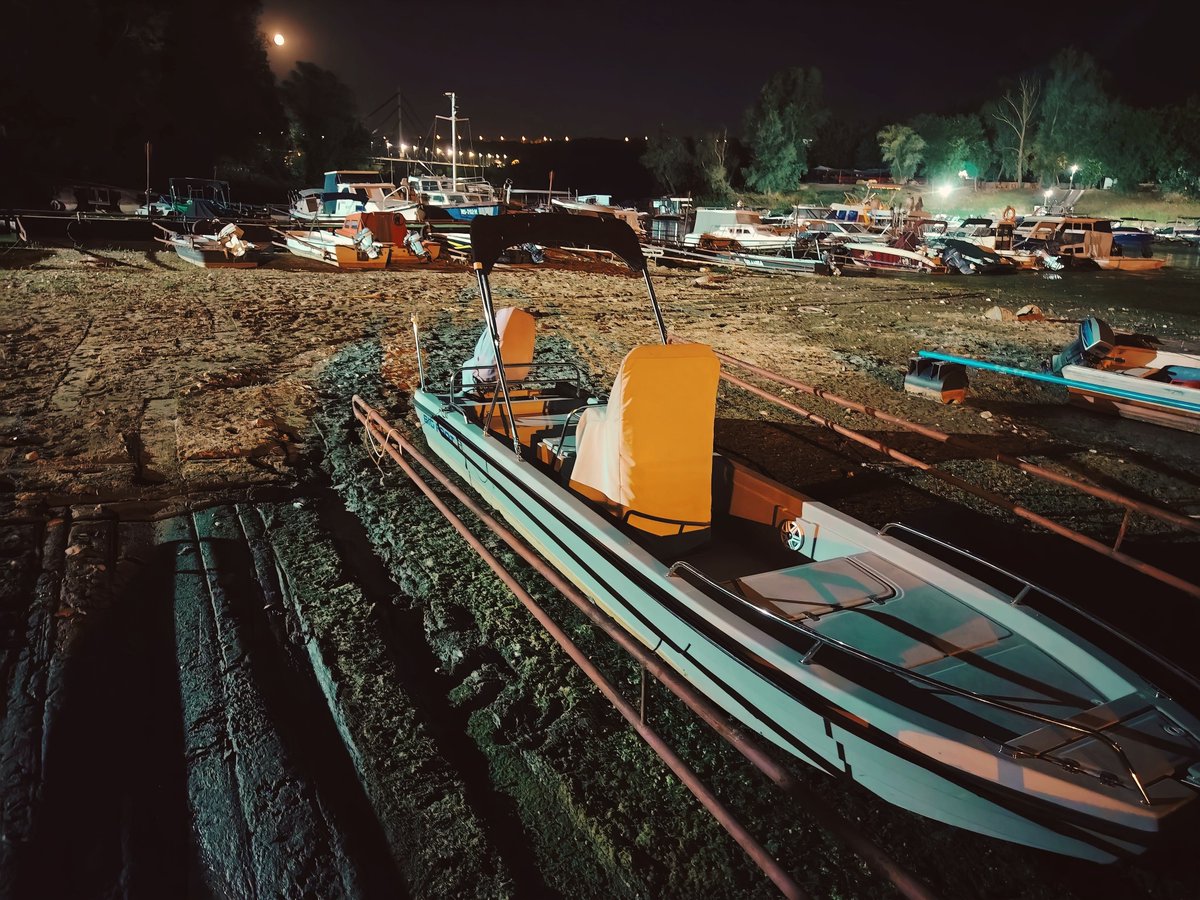

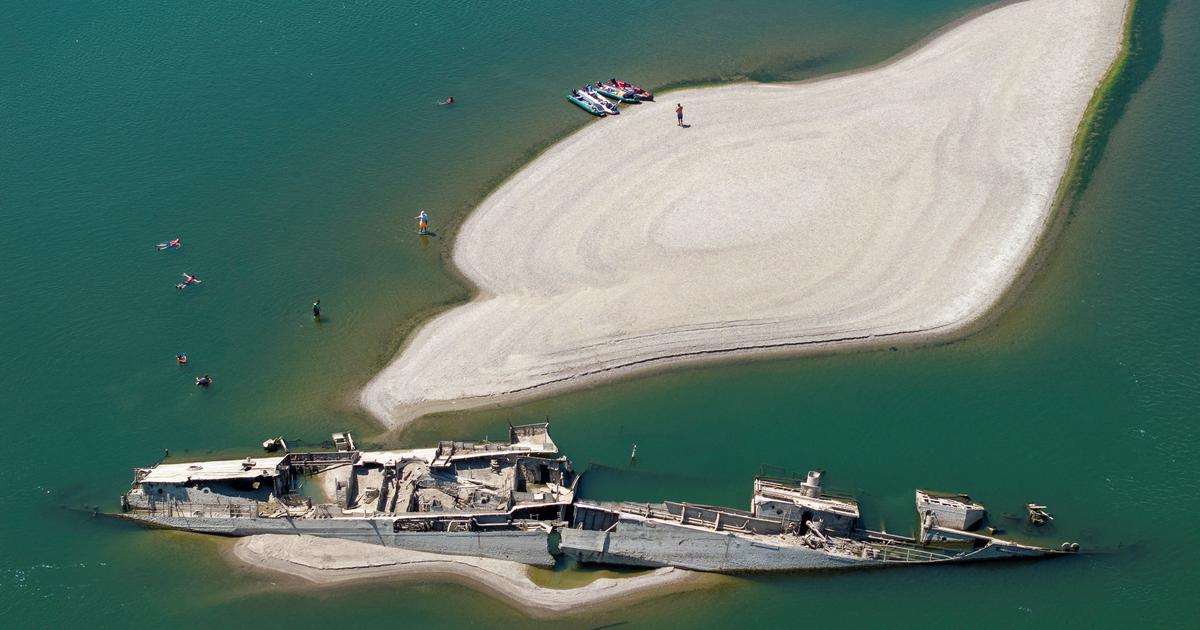
Članak opisuje kako su valovi vrućine i suša uzrokovali rekordno niske vodostaje europskih rijeka, poput Dunava i Rajne, što ugrožava transport, proizvodnju energije i turizam te otkriva povijesne ostatke na dnu rijeka. #Dunav #Rajna #klimatske_promjene
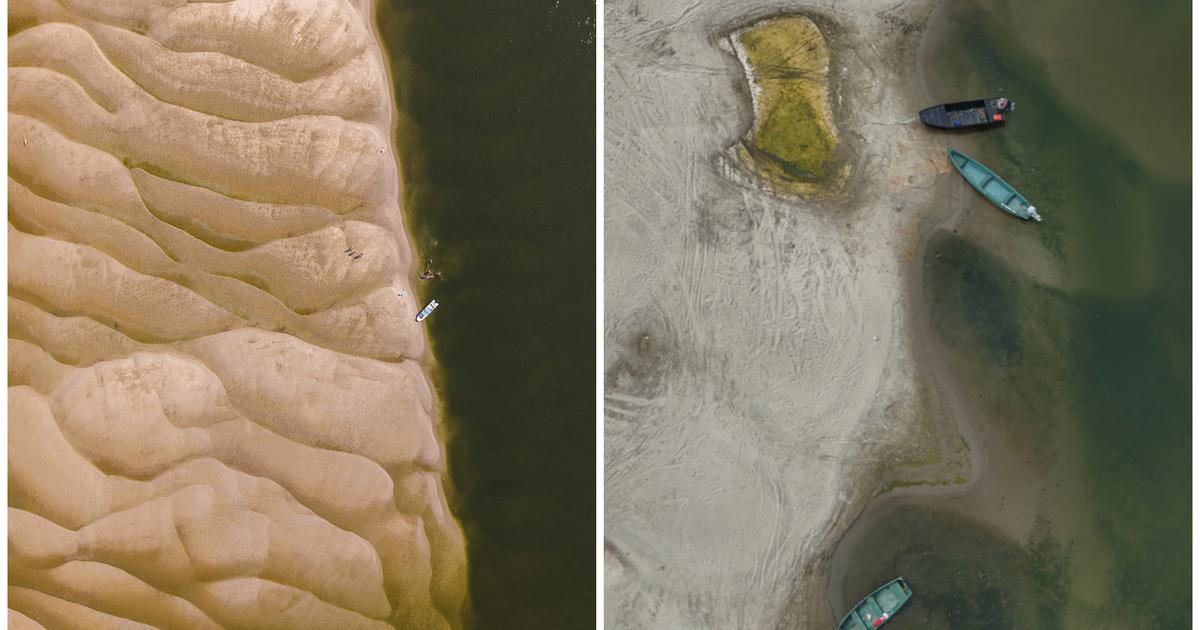
Zbog ekstremne suše bunari u Batini su presušili, a vodostaj Dunava dosegao je povijesni minimum od minus 140 centimetara, što je izazvalo velike probleme mještanima koji ovise o vodi iz bunara za zalijevanje vrtova. #suša #Dunav #Batina

Hrvatska se suočava s alarmantnim posljedicama klimatskih promjena, jer rijeke poput Dunava i Drave dosežu povijesno niske razine, dok ekstremni ugođaji s vrućinama i zagrijavanjem Jadranskog mora postaju nova stvarnost. #klimatskepromjene #suša #toplinskiVal
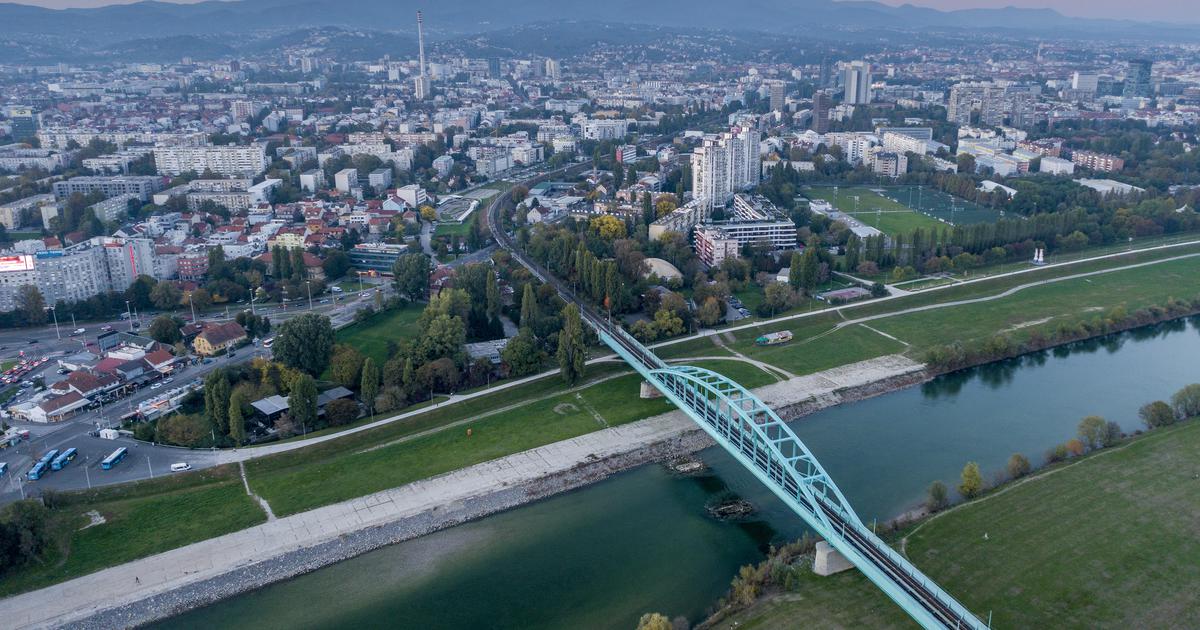
Hidrologi upozoravaju da se Hrvatska suočava s nezapamćenom hidrološkom krizom zbog dugotrajne suše i visokih temperatura, pri čemu su vodostaji rijeka Save, Drave i Dunava pala na povijesne minimume, a najdramatičnija situacija je na Dunavu u Batini, gdje bi bez značajnijih kiša moglo doći do potpunog presušivanja manjih vodotoka s teškim posljedicama za ekosustave, poljoprivredu i opskrbu pitkom vodom. #klimatskepromjene #hidrološkakriza #vodostaji
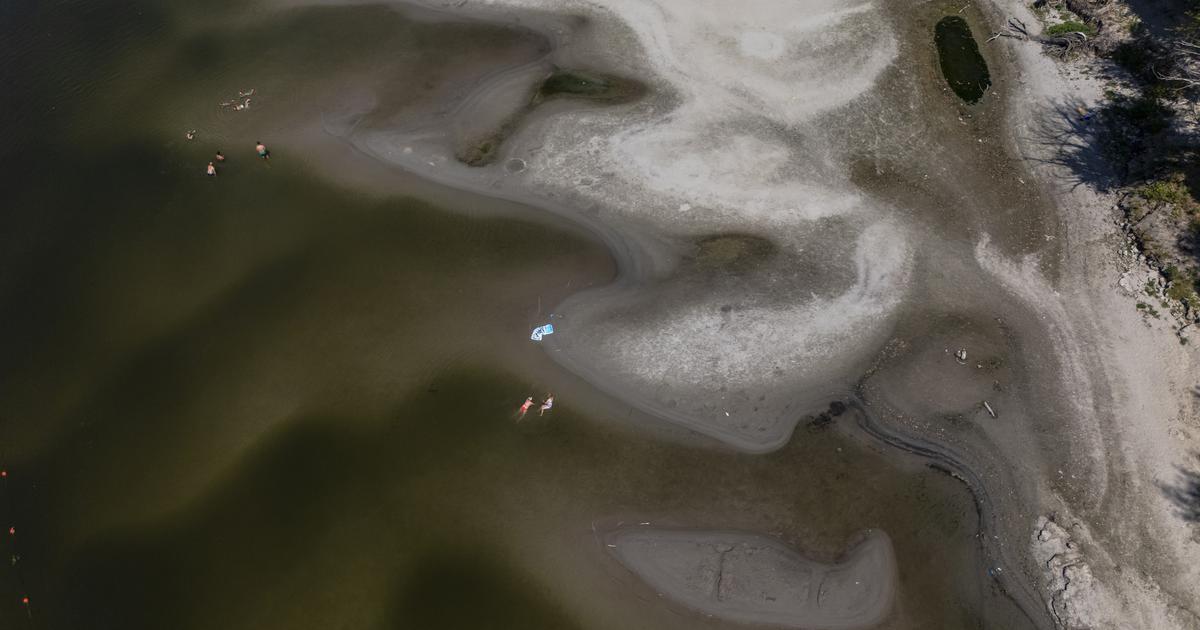

Europa se suočava s rekordnim temperaturama, a suša i niske razine vode u rijekama izazivaju smanjenje proizvodnje električne energije u nuklearnim elektranama, dok Dunav ostavlja čamce na suhom u luci. #toplinskiVal #suša #Dunav

Europa se suočava s jednom od najtežih hidroloških kriza u novijoj povijesti, gdje visoke temperature i dugotrajni suše dovode do rekordno niskih vodostaja na rijekama poput Dunava i Drave, što rezultira obustavom industrijskih aktivnosti, problemima s opskrbom energijom te ozbiljnim posljedicama za poljoprivredu i vodene ekosustave. #hidrološkaKriza #europskaSuša #toplinskiValovi
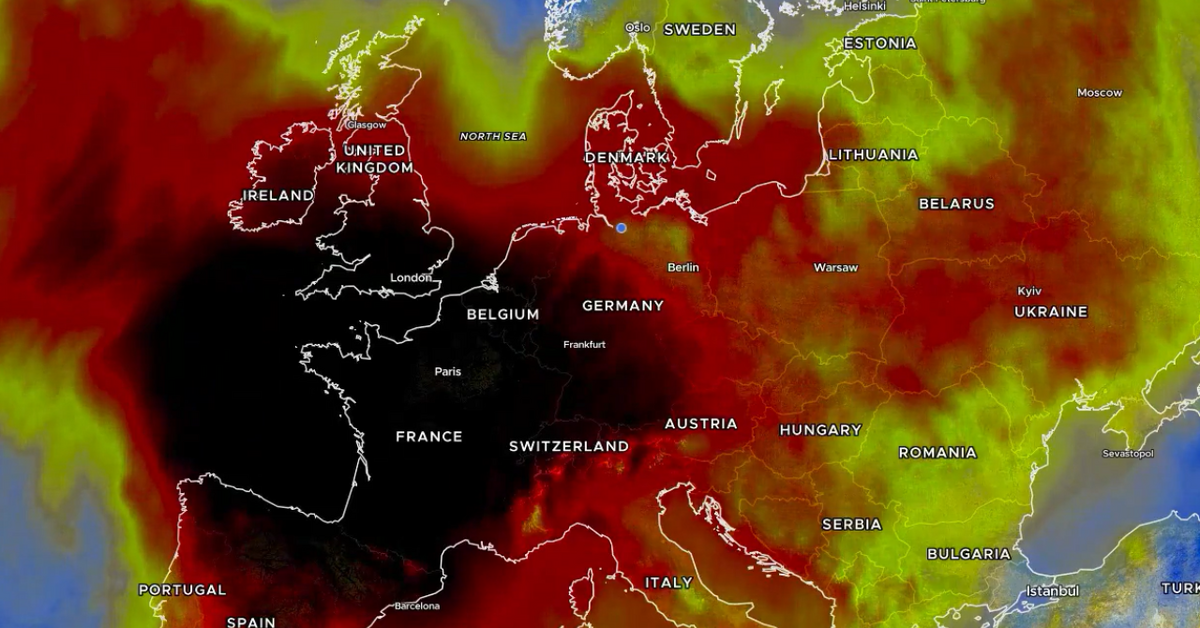
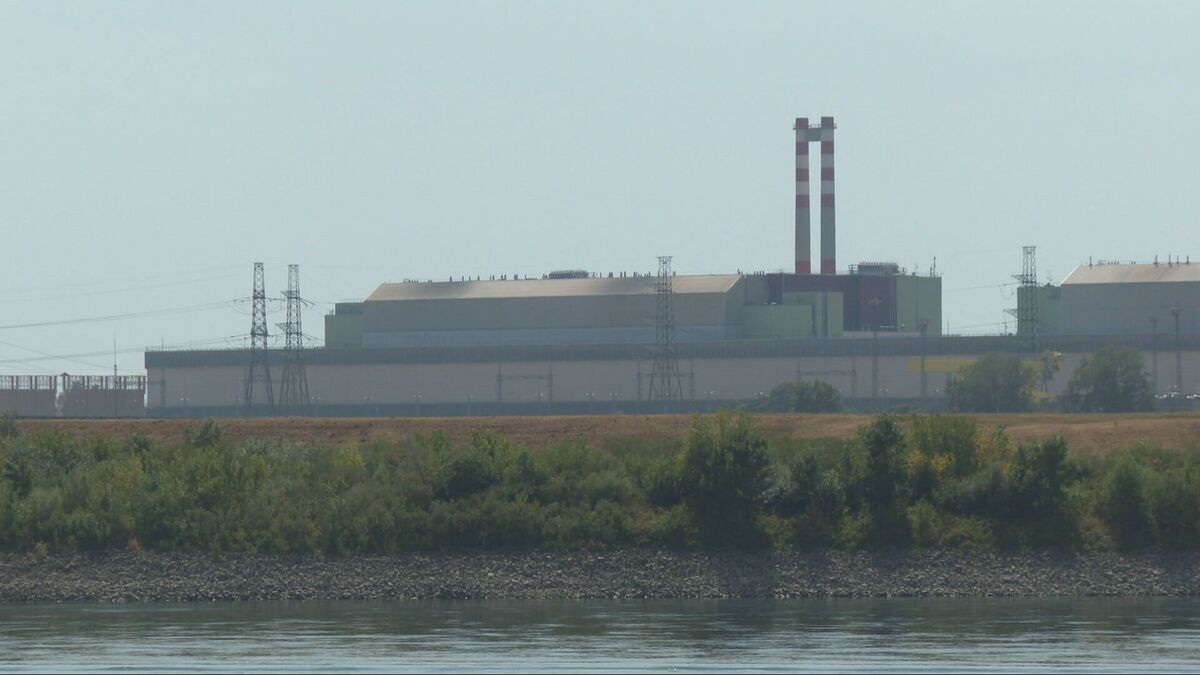
Zbog rekordno niskog vodostaja Dunava, Mađarska se suočila s dramatičnom situacijom na svom nuklearnom postrojenju Paks, koje je tijekom noći bilo na milimetar od potpunog gašenja, naglašavajući ranjivost energetske infrastrukture na klimatske promjene. #Mađarska #Dunav #klimatskePromjene
U članku se izvještava o rekordno niskim razinama vode na rijekama Dunavu i Dravi, koje su dovele do ozbiljnih problema s hidrološkom sušom u Hrvatskoj i srednjoj Europi, uz naglašavanje učinaka na energetsku proizvodnju, poljoprivredu i vodoopskrbu. #hidrološkaSuša #Dunav #Drava
Nuklearna elektrana Krško suočava se s ozbiljnim problemima zbog dramatično niskih vodostaja Dunava uzrokovanih klimatskim promjenama i ekstremnom sušom, što može dovesti do njenog gašenja unatoč trenutnom radu rashladnih tornjeva. #vodostaj #klimatskepromjene #Dunav

Ekipa Dnevnika Nove TV posjetila je mađarsku nuklearnu elektranu Paks koja se zbog rekordno niskog vodostaja Dunava zatvara, uz upozorenja o ozbiljnoj energetskoj krizi koja prijeti Mađarskoj i Bruxellesu. #energetskakriza #nuklearnaelektrana #Dunav
Kriza s rekordno niskim vodostajima europskih rijeka, posebno Dunava, ozbiljno ugrožava opskrbu električnom energijom i teretni promet, što dovodi do smanjenja kapaciteta nuklearnih i hidroelektrana te povećanih troškova uvoza struje. #klimatskoneprilike #vodostaj #energija
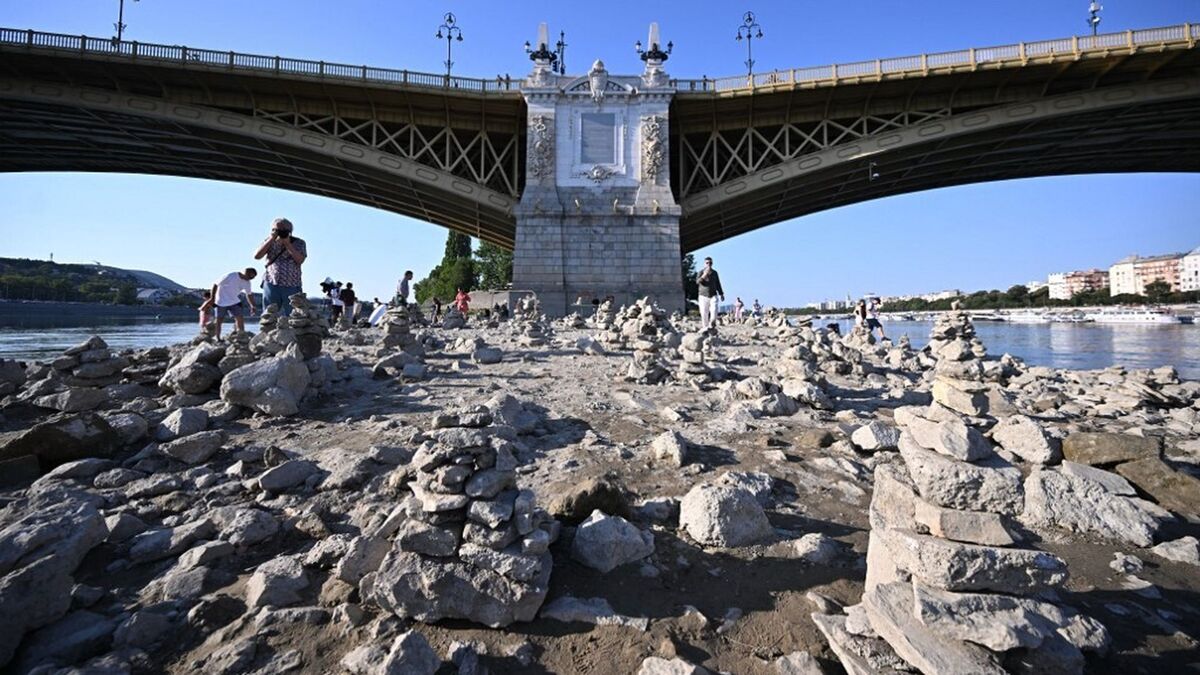
Zbog sve češćih toplinskih valova i rekordno niskih vodostaja rijeka poput Rajne i Dunava, europske rijeke postaju ključni pokazatelj posljedica klimatskih promjena, što otežava industrijski prijevoz i povećava cijene energenata te potencijalno vodi do pustinje. #rijeke #klimatskePromjene #suša
Mađarski premijer Peter Magyar upozorio je na kritičnu energetski situaciju u zemlji zbog rekordno niskog vodostaja Dunava, što će uzrokovati potpuni prestanak rada nuklearne elektrane Paks, koja proizvodi polovicu električne energije, tijekom sljedećih pet dana. #EnergijskaKriza #Mađarska #NuklearnaElektrana


Magyarország kritikus energiahelyzete miatt a Paksi Atomerőmű történetében először fordulhat elő, hogy a Duna rekordközeli alacsony vízállása miatt egyszerre kell leállítani mind a négy blokkot, ami az ország energiabiztonságát soha nem látott próbatétel elé állítja. #PaksiAtomerőmű #energiaválság #DunaVízszint
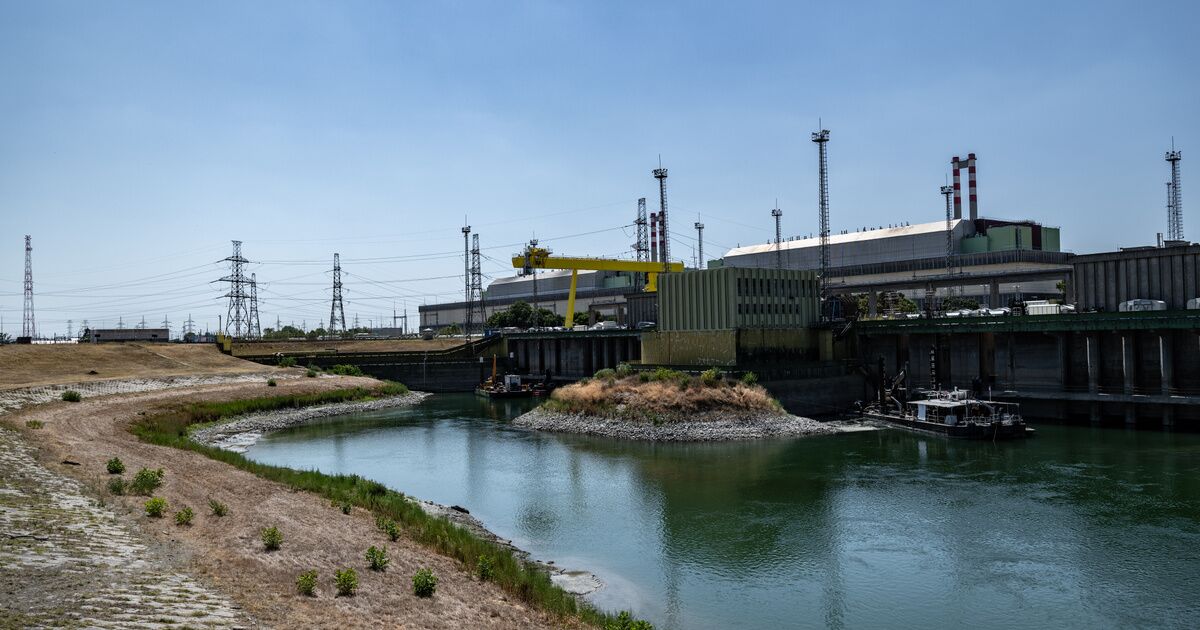
Mađarska se suočava s ozbiljnim problemima zbog rekordno niskog vodostaja Dunava, što je prisililo nuklearnu elektranu Paks na obustavu rada, a premijer Peter Magyar upozorava na nadolazeću krizu s potencijalnim nestancima struje i potrebu za smanjenjem potrošnje električne energije. #suša #Mađarska #električnaEnergentika


Fabryka Schneider Electric w Dunavecse na Węgrzech, mimo swojego niepozornego wyglądu, odgrywa kluczową rolę w europejskiej transformacji energetycznej, produkując istotne komponenty dla inteligentnych sieci energetycznych, które są niezbędne do efektywnego rozdzielania energii elektrycznej w kontekście rosnącego zapotrzebowania i presji na dekarbonizację. #ZielonyŁad #transformacjaenergetyczna #technologie
Mađarska je prvi put u 40 godina zatvorila svoju jedinu nuklearnu elektranu Paks zbog rekordno niskog vodostaja Dunava, što izaziva ozbiljne brige o opskrbi električnom energijom u nadolazećim danima kada se očekuju ekstremne temperature. #Mađarska #nuklearnaenergetika #vodostaj
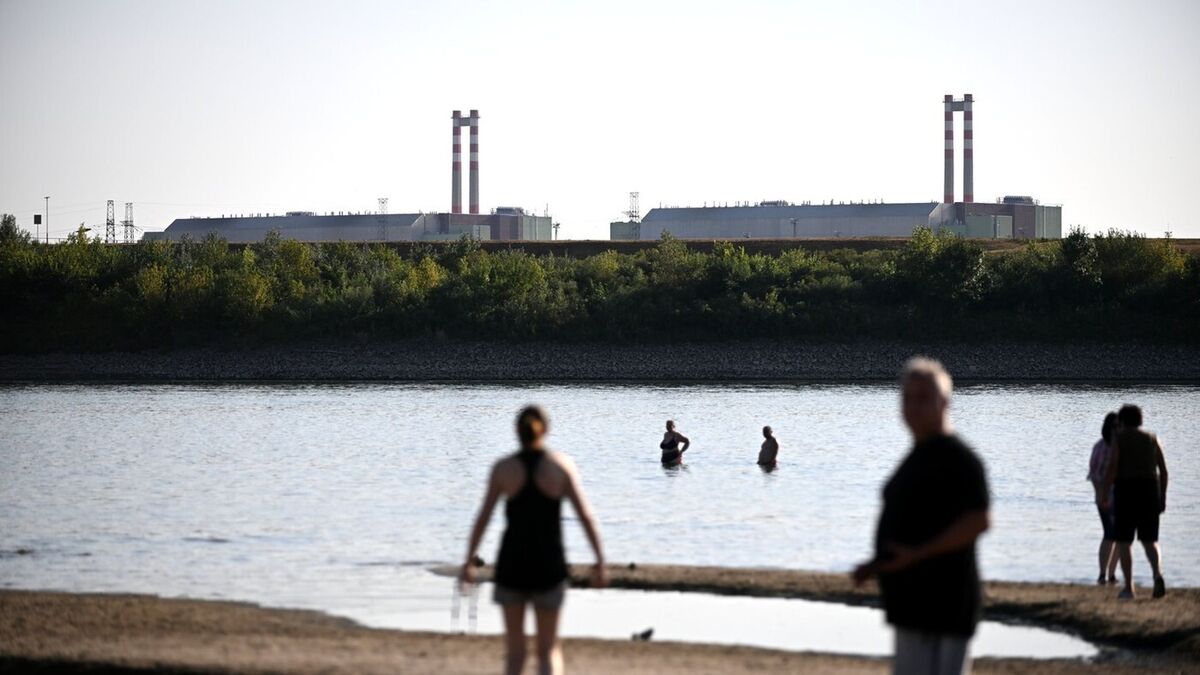
Evropu ovoga ljeta zahvaća jedna od najtežih suša u posljednjim godinama, s procjenama da će šteta od presušenih rijeka, poput Rajne i Dunava, te ekstremnih vrućina do 2029. doseći čak 126 milijardi eura godišnje, što dodatno pogoršava već postojeće klimatske promjene. #suša #klimatske promjene #Europa
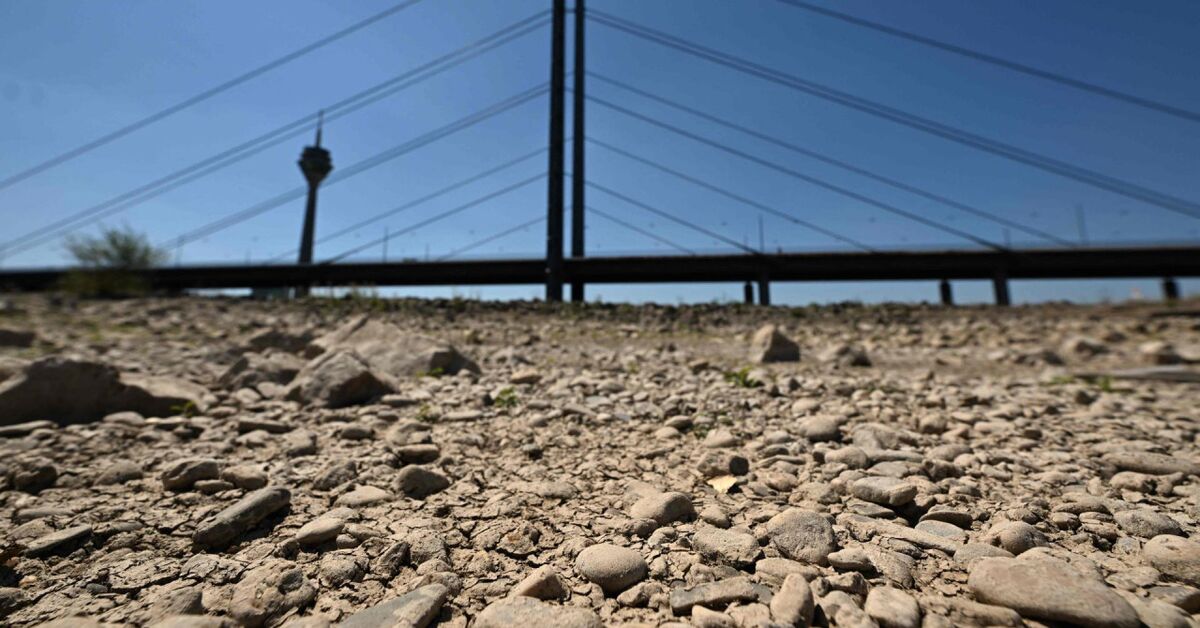

Tu je nekad kažu knjige bilo more, čekalo me pa presušilo. Dunavac 01. Avgust 2026. https://t.co/N7B6QUZO4j #knjige #more #Dunavac