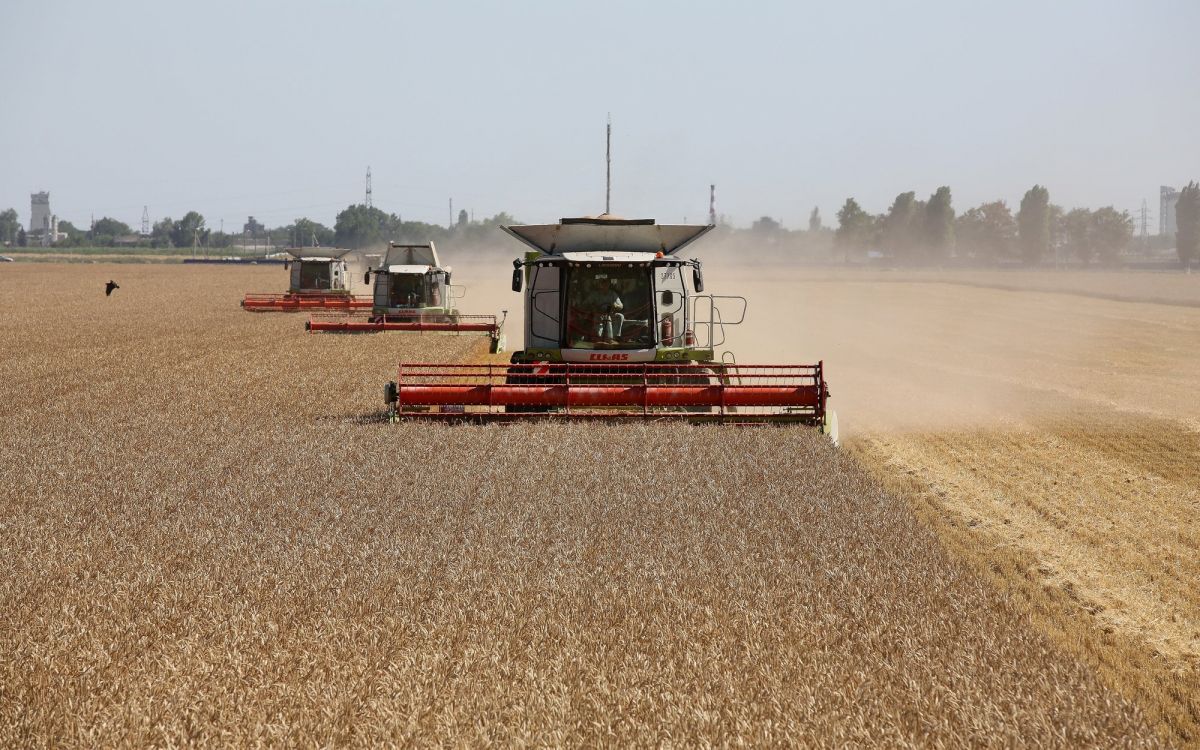
Russia is struggling with a grain crisis caused by damage to key export terminals by Ukrainian drones, forcing the Kremlin to seek alternative routes, although Arctic ports are not adapted for this type of transport. (translated)

Russia is struggling with a grain crisis caused by damage to key export terminals by Ukrainian drones, forcing the Kremlin to seek alternative routes, although Arctic ports are not adapted for this type of transport. (translated)

The largest grain terminal in Novorossiysk has suspended operations due to drone attacks, resulting in the paralysis of Russian grain exports, and forecasts indicate a drastic decline in exports and a potential global food crisis. (translated)
Ukrainian grain exports are stuck in the country due to Russian attacks in the Black Sea, drought in the Danube region, and a lack of trust from allies, which could lead to a global increase in food prices by 25-30%, while Kyiv seeks alternative land routes through EU countries, which, however, do not solve the problem of transport costs or replace sea exports. (translated)
Two main grain ports in Novorossiysk, NZT and NKHP, suspended operations after the attack, resulting in the death of two people and a lack of water supply in the city, and according to forecasts, Russian grain exports may fall to their lowest level since 2016 due to blockades in the Black Sea and the Sea of Azov. (translated)
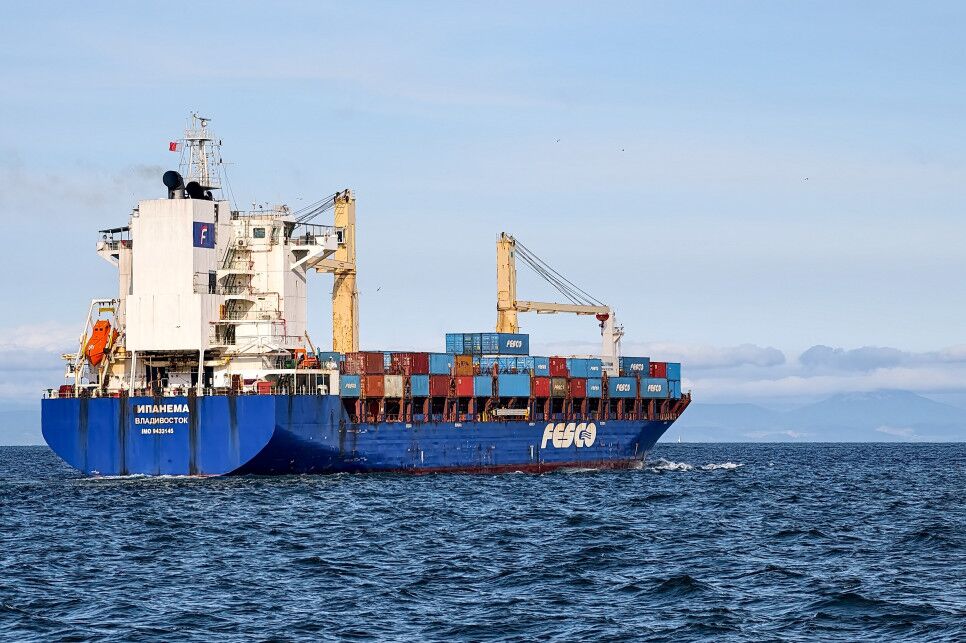
The Russian company FESCO has suspended its voyages in the Black Sea due to the deteriorating navigation safety following a Ukrainian drone attack on one of its ships, which could lead to further complications in grain exports and an increase in their prices on global markets. (translated)

Russian authorities plan to arm ships transporting grain across the Sea of Azov with machine guns and rocket launchers in response to attacks by Ukrainian drones, which could lead to significant losses in exports, estimated at between 0.5 to 1.5 million tons per month. (translated)
Wołodymyr Zełenski ostrzegł, że Rosja może nasilić ataki na statki na Morzu Czarnym w celu zablokowania eksportu zboża, co potwierdzają ostatnie incydenty, a także zapowiedział kontynuację rozmów pokojowych z USA. #MorzeCzarne #Rosja #eksportzboża
Ceny pszenicy na europejskiej giełdzie Euronext wzrosły o 7% w związku z blokadą rosyjskiego transportu zboża przez Ukrainę oraz eskalacją konfliktów zbrojnych, co budzi obawy o na przyszłość eksportu z tych krajów. #Pszenica #EksportZboża #KonfliktyZbrojne

Ukraina intensyfikuje ataki dronowe na rosyjskie tankowce i statki towarowe na Morzu Azowskim, co skłoniło Rosję do zamknięcia drogi wodnej przez Cieśninę Kerczeńską, kluczowej dla eksportu zboża i surowców, co już wpłynęło na wzrost cen pszenicy na rynku. #MorzeAzowskie #eksportzboża #UkrainaRosja