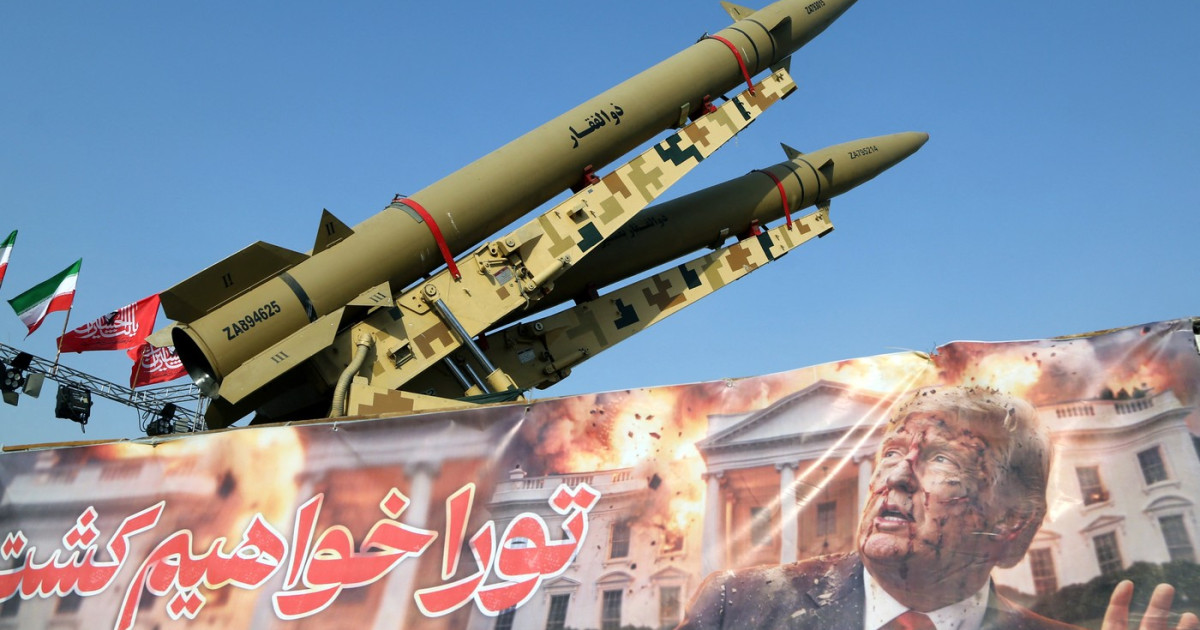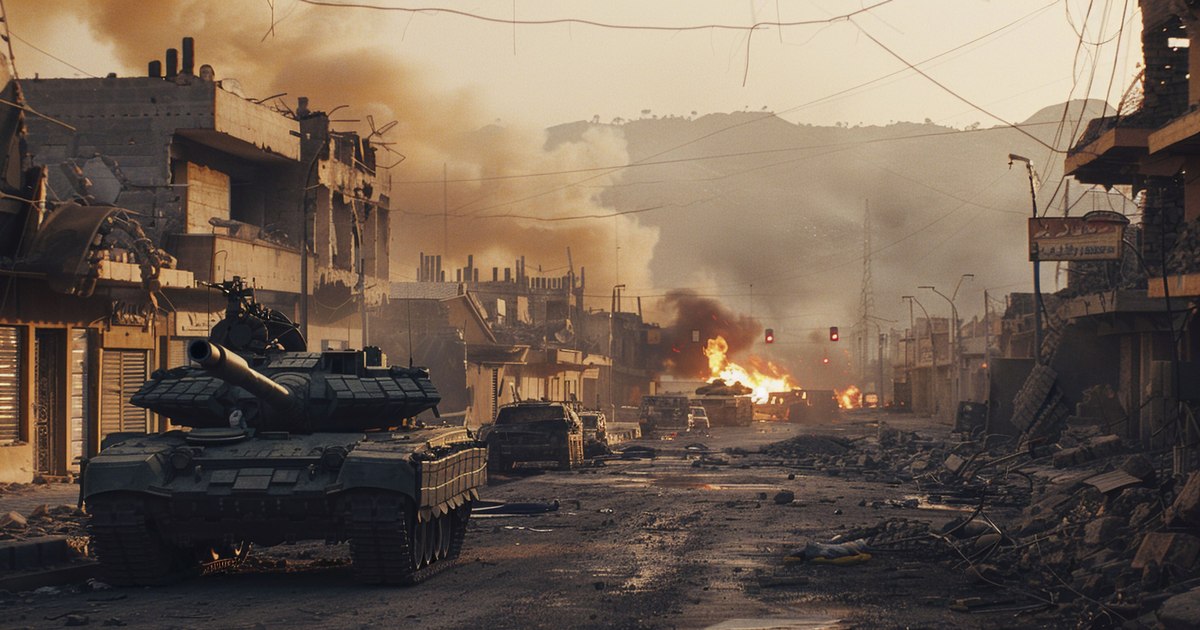
Iran could expand its attacks in the Persian Gulf and could block oil exports in response to the escalation of the conflict with the United States, which has seen a recent intensification of attacks. (translated)

Iran could expand its attacks in the Persian Gulf and could block oil exports in response to the escalation of the conflict with the United States, which has seen a recent intensification of attacks. (translated)

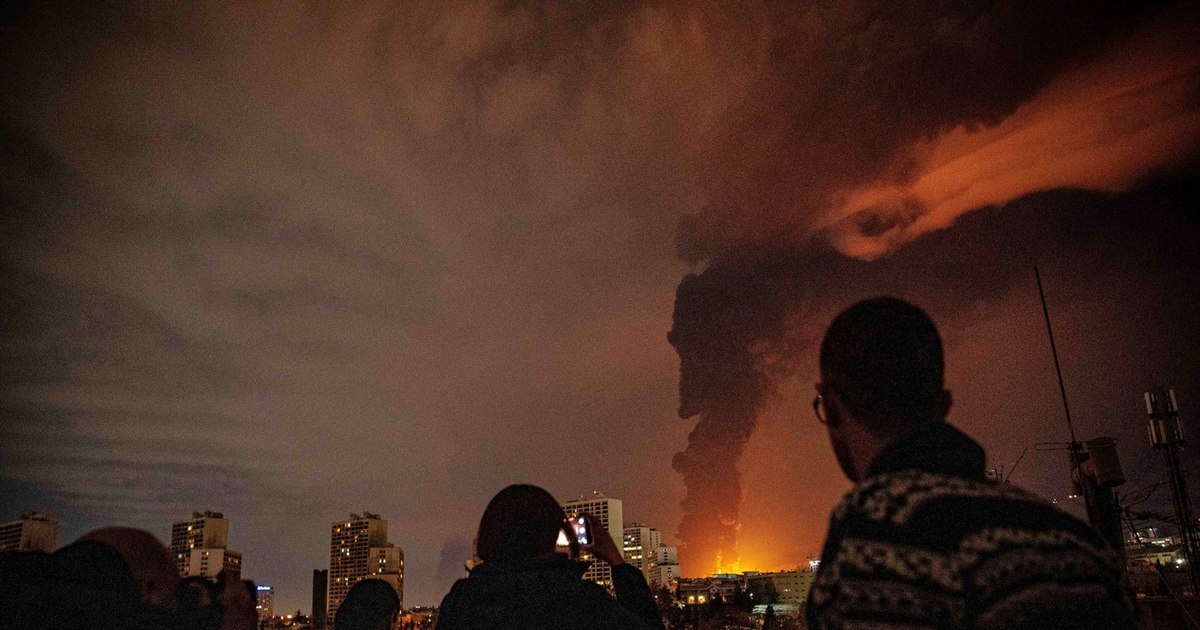
Iran attacked U.S. military bases in the Gulf in response to the latest American strikes, thus increasing tensions in the region and affecting oil prices. (translated)

The visit of Chinese President Xi Jinping to Egypt marks a significant shift in alliances in the Middle East, against the backdrop of tensions generated by the conflict in Iran and efforts to strengthen economic and military relations between Cairo and Beijing. (translated)

Iran is changing its leadership and preparing for a long-term war with the USA, amidst escalating tensions and internal discontent generated by the precarious economic situation. (translated)

The Pentagon is analyzing the possibility of withdrawing American troops from the Persian Gulf following Iranian attacks on military bases, which could significantly change the U.S. military presence in the Middle East and raise questions about the ability of regional allies to defend themselves. (translated)

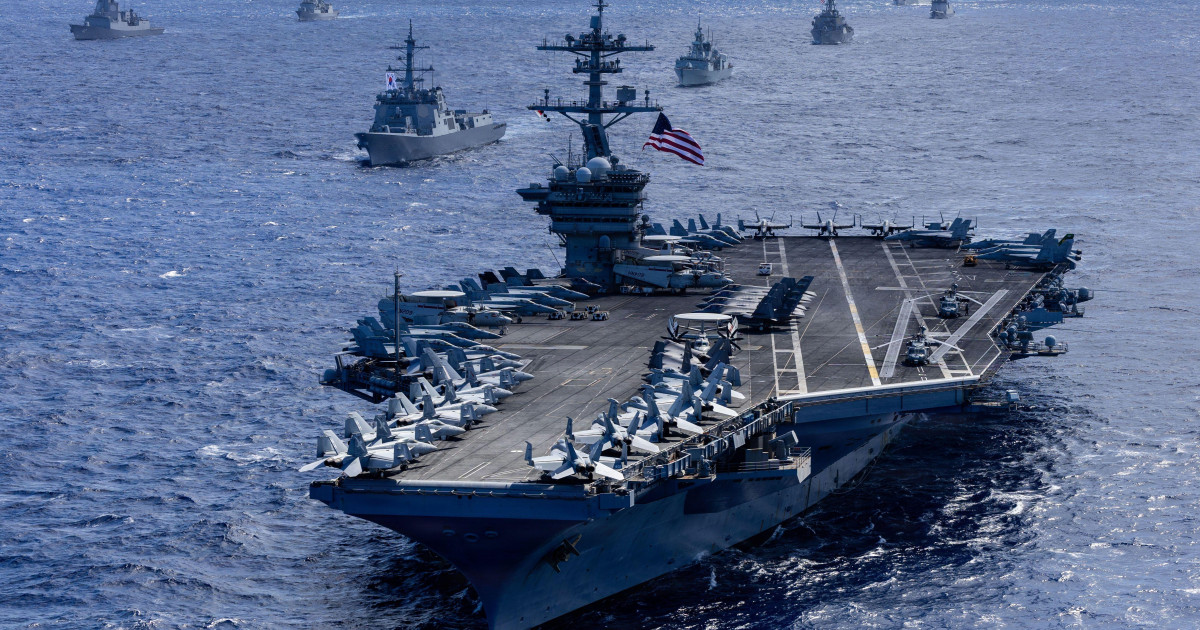
The aircraft carrier Abraham Lincoln will be withdrawn from the Middle East due to deteriorating conditions aboard and technical problems, and will be replaced by the aircraft carrier George Washington, while several American senators are requesting details about the crew's situation. (translated)

The US decided to move the aircraft carrier USS George Washington to the Middle East due to supply issues and concerns about the mental health of the soldiers on the USS Abraham Lincoln, which has already been at sea for over 260 days. (translated)
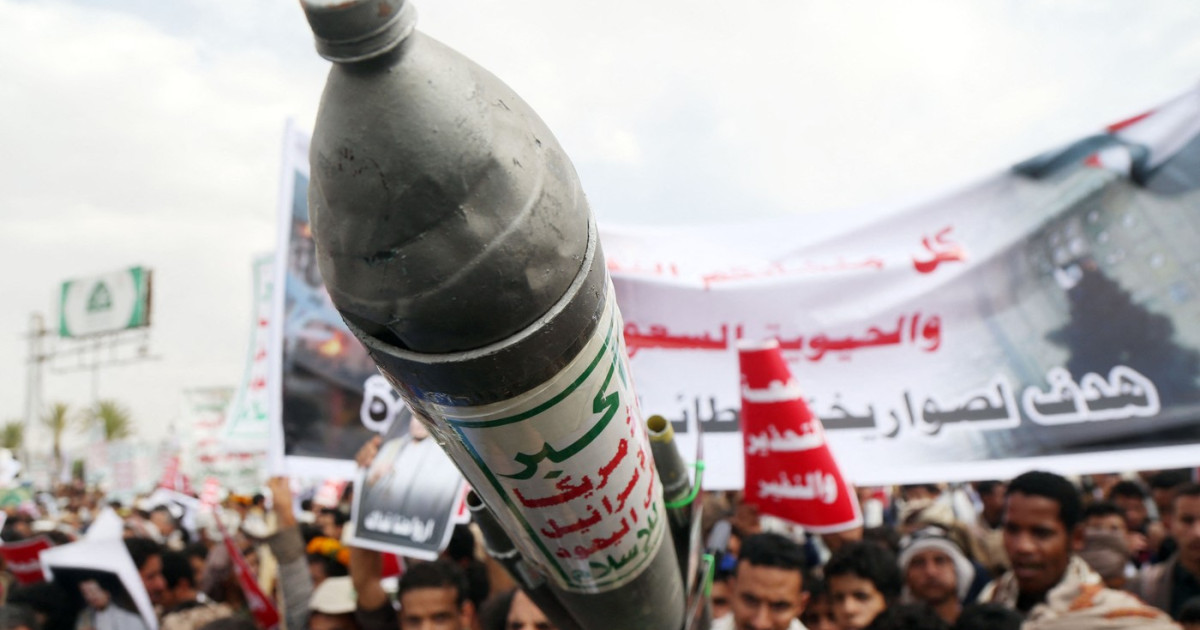
Saudi Arabia is preparing for possible coordinated attacks from Iraqi militias collaborating with Iran-backed Houthis, in the context of escalating tensions in the Middle East, according to a statement from a Saudi official. (translated)
The rivalry between Israel and Turkey has shifted from controlled diplomatic crises to open military competition in a complex regional context, with Turkey strengthening its influence in the Middle East, while its relationship with the United States is transforming, and Israel is expressing concerns about the military balance. (translated)

Saudi Arabia, Turkey, and Pakistan signed a defense pact in Jeddah, strengthening their military cooperation in the context of rising tensions in the Middle East. (translated)
Iran has announced that it is in the final stage of negotiations with Oman for an agreement regarding the Strait of Hormuz, essential for global oil transport, amid rising tensions in the Middle East and disruptions to naval traffic. (translated)
Tensions are rising in the Middle East, with Israel conducting controlled attacks in southern Lebanon, while discussions between the United States and Iran suggest an imminent agreement to reopen the Strait of Hormuz, despite the escalation of violence and attacks claimed by Houthi rebels on Saudi oil tankers. (translated)
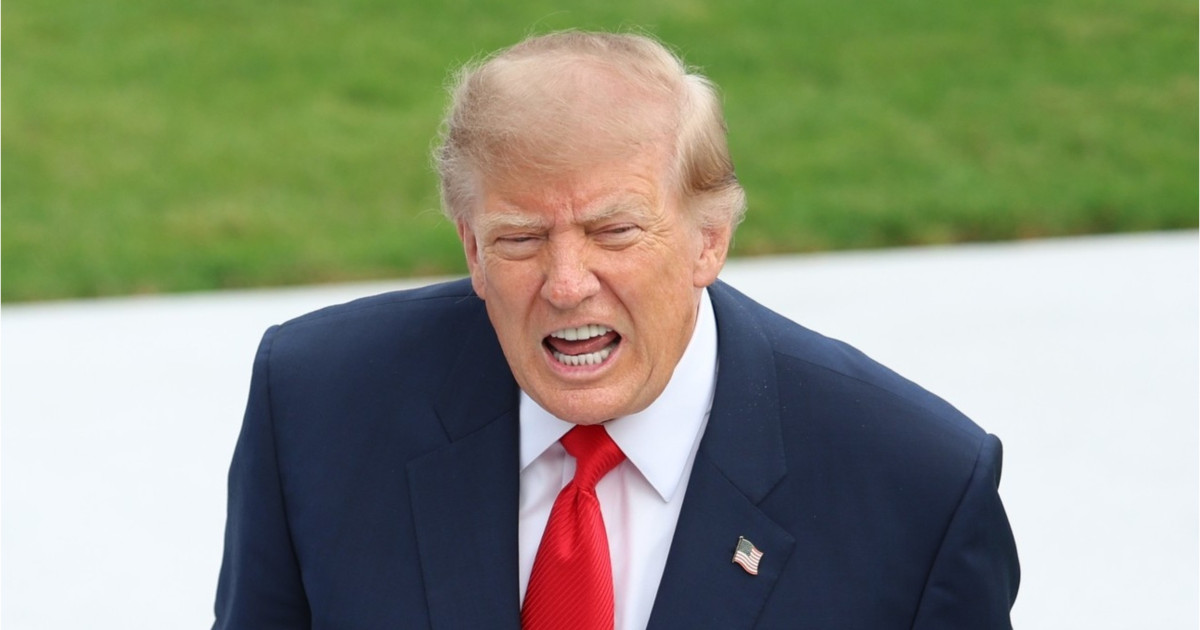
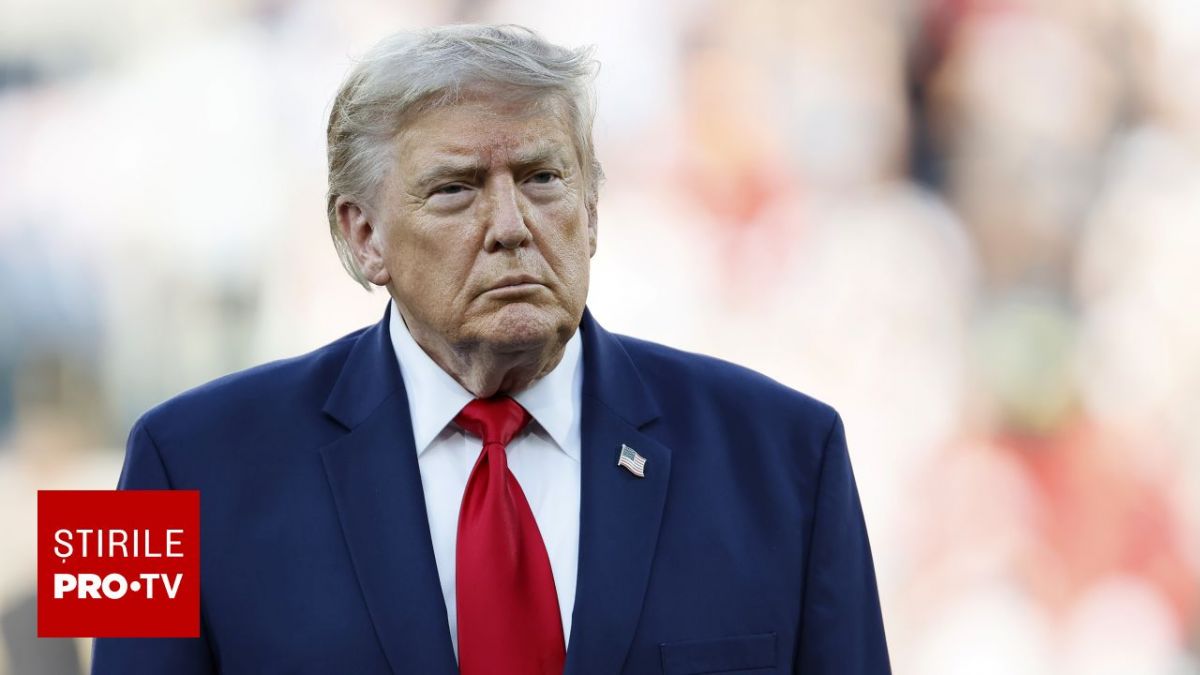
President Donald Trump decided to cancel the planned attacks against Iran, influenced by the call from Saudi Crown Prince Mohammed bin Salman, as well as pressure from allies and the resource issues of the American military in the context of rising tensions in the Middle East. (translated)

The spring of 2026 marks a new phase of international conflicts, in which confrontations in the Persian Gulf and the war in Ukraine become interconnected, with effects on the security and economy of the involved countries, while Ukraine faces an acute military resource crisis, evident in the lack of interceptors for air defense. (translated)

President Donald Trump stated that the United States will no longer launch attacks against Iran in order to allow for a quick conclusion of an agreement, claiming that the decision was made in collaboration with Israel and that, in the case of an agreement, Iran should fully open the Strait of Hormuz and eliminate the nuclear threat. (translated)

President Donald Trump announced that Middle Eastern allies have agreed on an agreement to end the war in Iran, which will lead the U.S. to suspend attacks in the conflict that has lasted for five months. (translated)
The U.S. embassies in the Middle East urge American citizens to leave the region due to a possible escalation of conflict, emphasizing the unpredictable nature of the Iranian regime and the associated risks, including recent attacks on American targets. (translated)

The US embassies in several countries in the Middle East are urging American citizens to "consider" leaving the region, given the heightened risks of escalating tensions in light of recent threats made by President Donald Trump against Iran. (translated)
Iran has resumed hostilities in the Middle East through a surprise attack, choosing to take risks instead of remaining passive, which indicates a fundamental change in its military strategy and a greater willingness to influence the course of the war on its own terms, in the context of rising tensions with the US and its allies. (translated)

American President Donald Trump stated that the United States will respond "strongly" to Iranian attacks on American bases in Jordan, thereby resuming the escalation of conflict in the Middle East, as Iranian missiles targeted American forces, and following these attacks, the American military carried out counterattacks in Iraq, resulting in casualties among pro-Iranian groups. (translated)