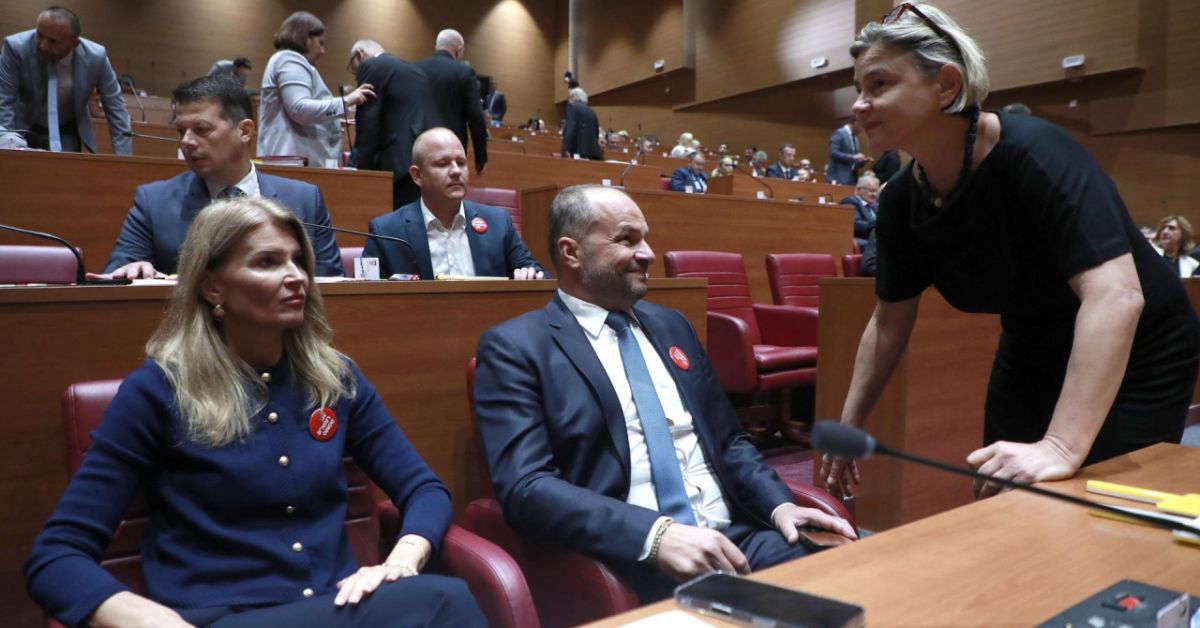
The whole country is on its feet due to citizens' fear of 37,000 tons of waste in the heart of Lika, while the Prime Minister claims that it is hysteria caused by the opposition and the media. (translated)

The whole country is on its feet due to citizens' fear of 37,000 tons of waste in the heart of Lika, while the Prime Minister claims that it is hysteria caused by the opposition and the media. (translated)

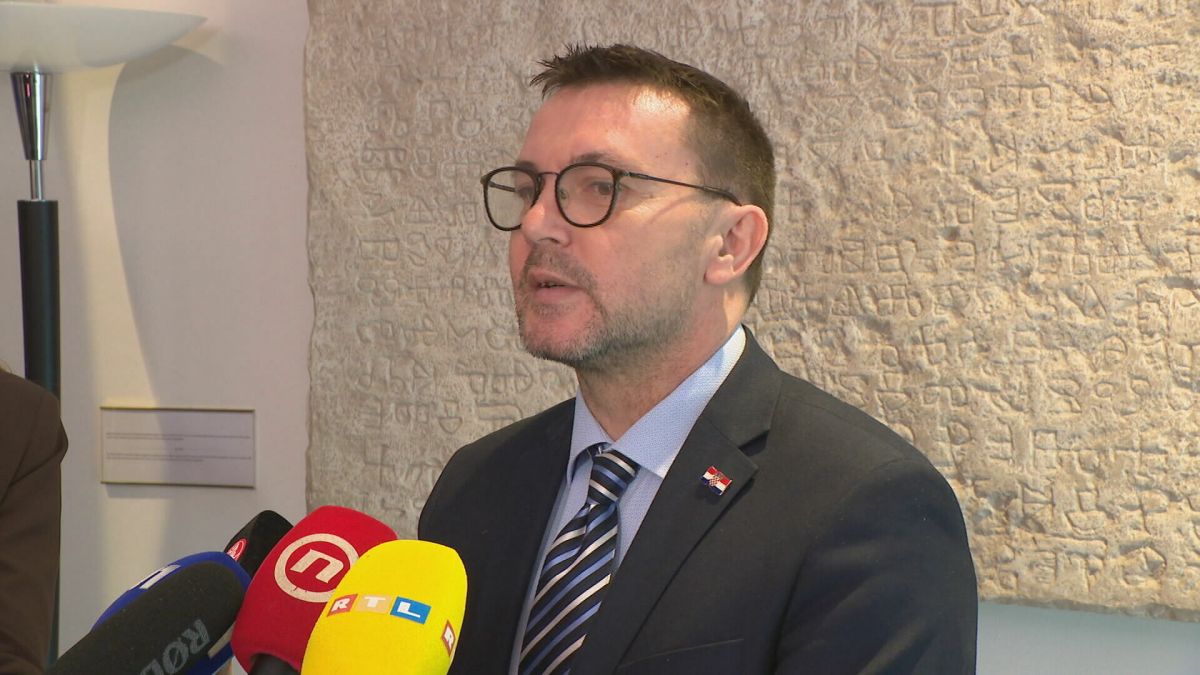
Zvonimir Troskot warned about hazardous waste in Lički Osik with high concentrations of heavy metals and cyanide, which is being transported at night to an unknown location, and analyses have shown chemical contamination of plastics, raising concerns among local residents. (translated)

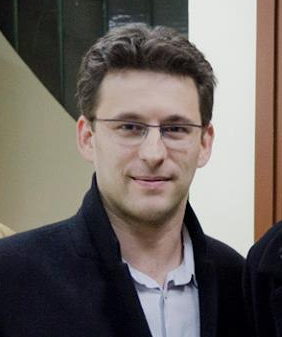
Deputy Mostov Zvonimir Troskot announced the results of an independent analysis confirming the presence of lead, antimony, and PAH compounds in plastic from Lički Osik, emphasizing that local residents financed the test themselves for 5000 euros, and requesting urgent remediation measures and the declaration of a state of emergency due to serious waste contamination in the area. (translated)

The HDZ has accused Mayor Tomislav Tomašević of insufficient actions regarding the tar pits in Savica, where 33,000 tons of hazardous waste are located, claiming that these pits and the Jakuševac landfill are the two most dangerous ecological bombs in Croatia. (translated)
Božo Kovačević emphasized in the show Novi dan that organized crime in Gospić is connected to the highest levels of government, warning about the nexus between transnational crime and state institutions, and criticizing the lack of accountability of the authorities regarding the issue of illegal waste disposal. (translated)
Member of Parliament from Most, Marin Miletić, and Senj councilor Hrvoje Bezjak requested urgent remediation of the hazardous waste dump in Sveti Juraj, an environmental analysis, and health checks for residents due to potential impacts on their health. (translated)
The city HDZ warned of the presence of 33,000 tons of hazardous industrial waste in the Savica lakes in Zagreb, claiming that Mayor Tomislav Tomašević has not taken any measures during his five-year term. (translated)

The Zagreb HDZ warns that near the Petruševec water pumping station, which supplies 150,000 citizens of Zagreb, there are 33,000 tons of hazardous industrial waste, and criticizes Mayor Tomašević for inaction despite many years of knowledge about this problem. (translated)
The president of the Zagreb HDZ, Ivan Matijević, criticizes the city government of Tomislav Tomašević for not carrying out the remediation of 33,000 tons of hazardous waste in Savica, which he claims they have known about since the beginning of their term. (translated)

Marko Rakar in his analytical text highlights that the ecocide in Gospić, caused by the burial of 37,000 tons of techno-genic waste, cannot be compensated for as there has been irreversible destruction of habitats and pollution of groundwater, and the responsibility for this problem lies with the previous governments that failed to react in a timely manner. (translated)
Although dangerous flame retardants, such as polybrominated diphenyl ethers (PBDE), have been banned in Europe for more than twenty years, research shows that they are still present in the environment and represent a continuous threat to human health due to their ability to accumulate in the body and potentially associated health risks. (translated)

In Gospić, nearly 37,000 tons of illegally disposed hazardous waste have been discovered, while the local government, despite inspection bans, has again issued permits for polluters to operate, revealing more serious problems in Croatian bureaucracy and waste control. (translated)
Representative of Most, Zvonimir Troskot, requested the declaration of a state of emergency due to the risk of drinking water contamination and the necessity for urgent remediation of polluted areas, along with a suspension of waste imports. (translated)
In Zagreb, a mass fish die-off has been reported in the Sava River, which is suspected to have been caused by pollution from the City Wastewater Channel, while the relevant institutions are carrying out inspections and water analyses to determine the cause of the event. (translated)
The Association Ecology of the City has warned of a massive fish kill in the Sava River, resulting from the discharge of unknown wastewater from the CUPOV Zagreb facility, and has urged the relevant authorities to take immediate action and remedy the damage. (translated)
From the extraordinary session of the Parliament, I expect clear answers: what has been done, what are the deadlines, and what are the next steps in the waste remediation in Gospić. Without politicization – the priority is the health of people and the environment. A systematic solution is also needed for similar cases throughout Croatia. (translated)
A new report warns of the growing problem of illegal waste trading in the European Union, where criminal networks increasingly target countries with weak oversight and mild penalties, and the case of illegal waste disposal in Gospić further highlights the seriousness of this ecological threat. (translated)

In Gospić, there are large quantities of illegally dumped waste, around 37,000 tons, which poses a serious ecological threat and danger to human health, which is why citizens and local initiatives have called for urgent remediation, and the President of the Republic has convened an extraordinary session of the Parliament to discuss a solution to this problem. (translated)
The article highlights how the findings from Gospić uncovered a serious problem of illegal waste disposal, with HAZU warning that independent waste removal is not sufficient without changing the existing system, emphasizing the need for systematic analysis and environmental monitoring and strengthening control over disposal processes. (translated)

The President of the Republic of Croatia, Zoran Milanović, submitted a request for an extraordinary session of the Parliament, seeking urgent remediation of the hazardous waste landfill in Gospić, constant monitoring of groundwater, and the appointment of the chief state inspector due to citizens' concerns for health and the environment. (translated)