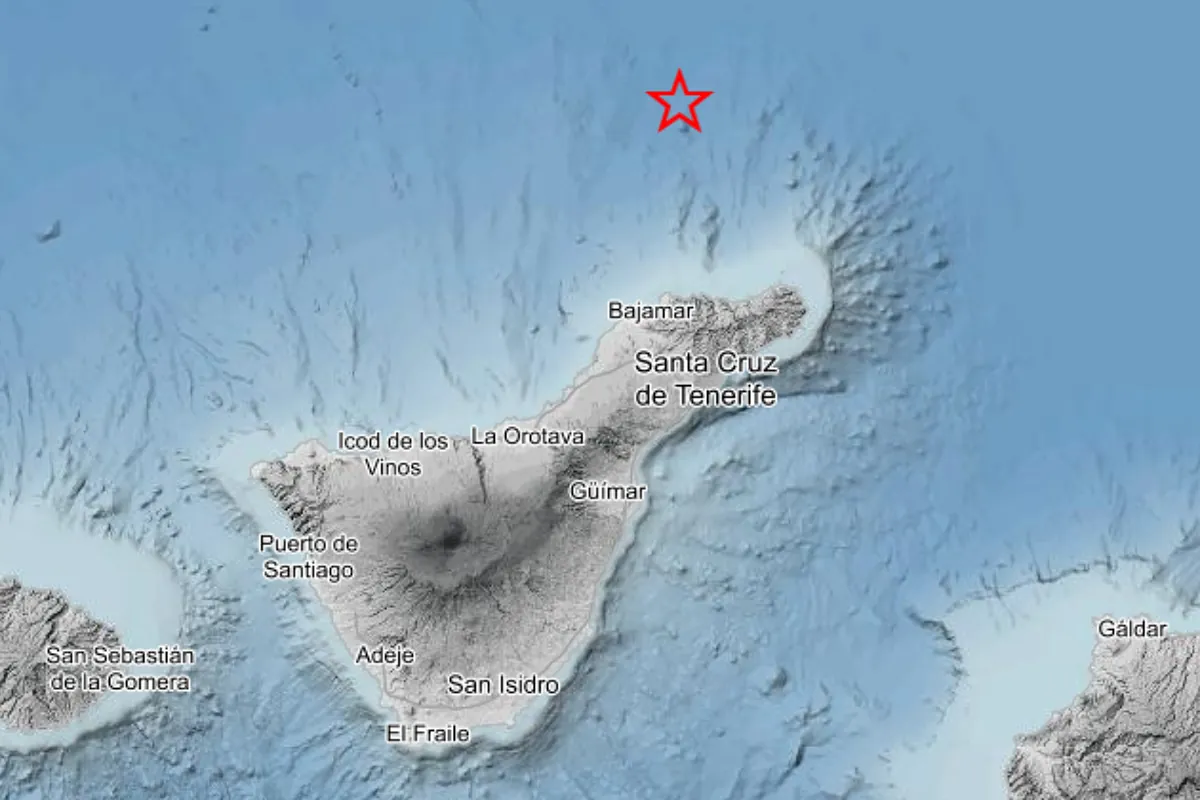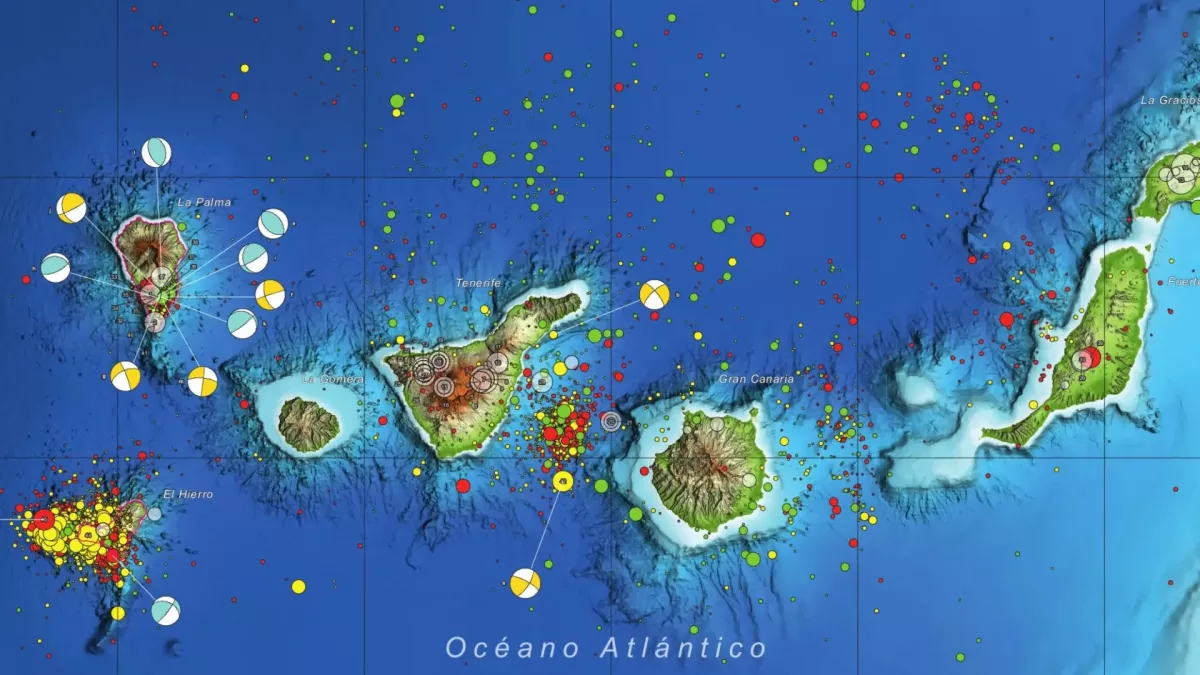
Researchers have identified a large accumulation of magma beneath Tenerife, suggesting a possible connection between the anomalous seismicity and processes occurring tens of kilometers deep. (translated)
Researchers have identified a large accumulation of magma beneath Tenerife, suggesting a possible connection between the anomalous seismicity and processes occurring tens of kilometers deep. (translated)

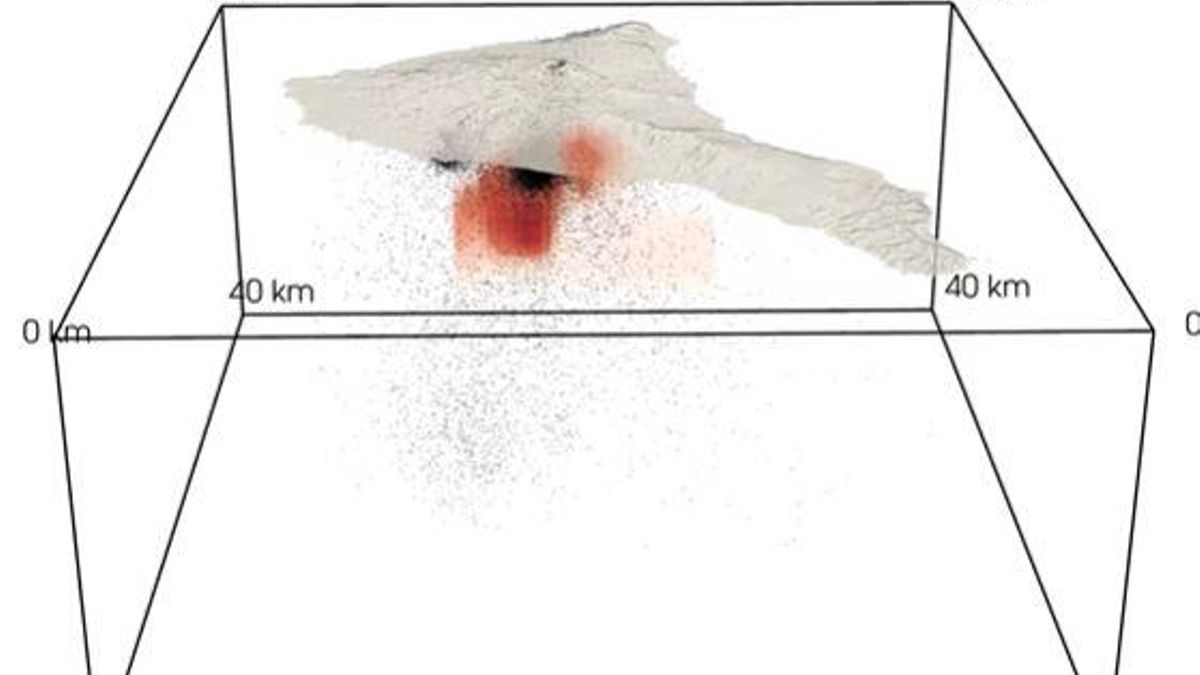
An investigation by the Volcanological Institute of the Canary Islands has identified a large accumulation of magma beneath Tenerife, correlating this finding with the anomalous seismicity observed since 2016 and providing a 3D image of the underground structure of the island. (translated)

A recent study has discovered a large accumulation of magma at a depth of between 10 and 30 kilometers beneath Tenerife, coinciding with an increase in seismic activity on the island since 2016, although the risk of eruption is still considered low. (translated)

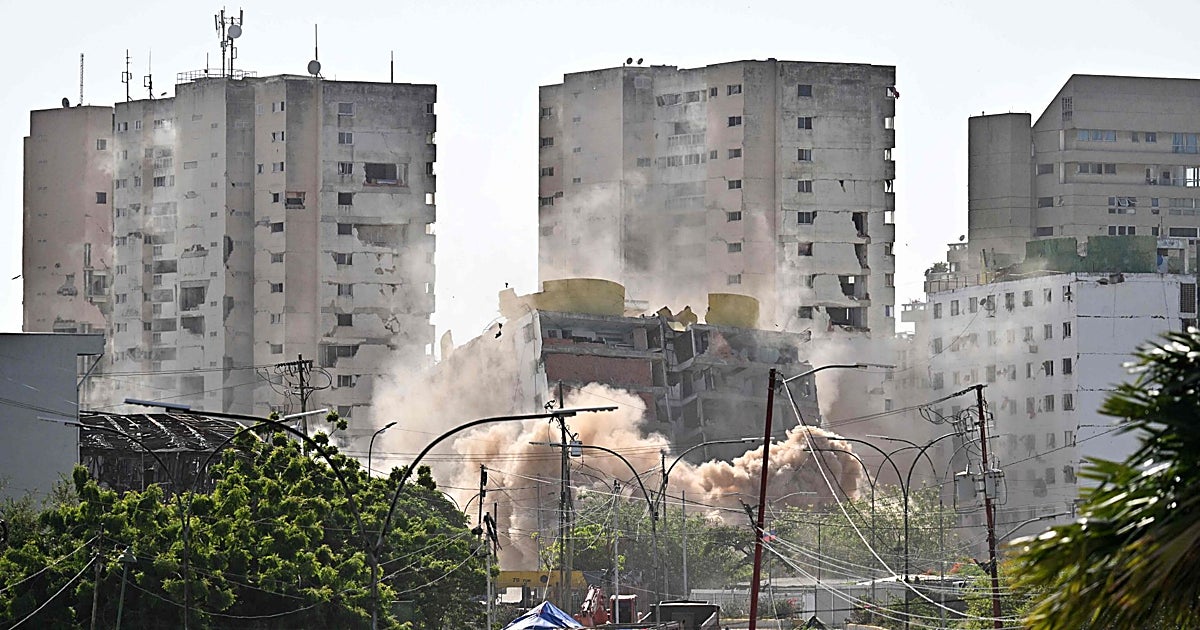
So far this year, nearly ten earthquakes of magnitude 7 or higher have been recorded in different countries such as Venezuela, Colombia, and Indonesia, raising concerns about a possible increase in seismic activity, but scientists assure that this is simply a coincidence and that there are still many unknowns about the behavior of earthquakes. (translated)

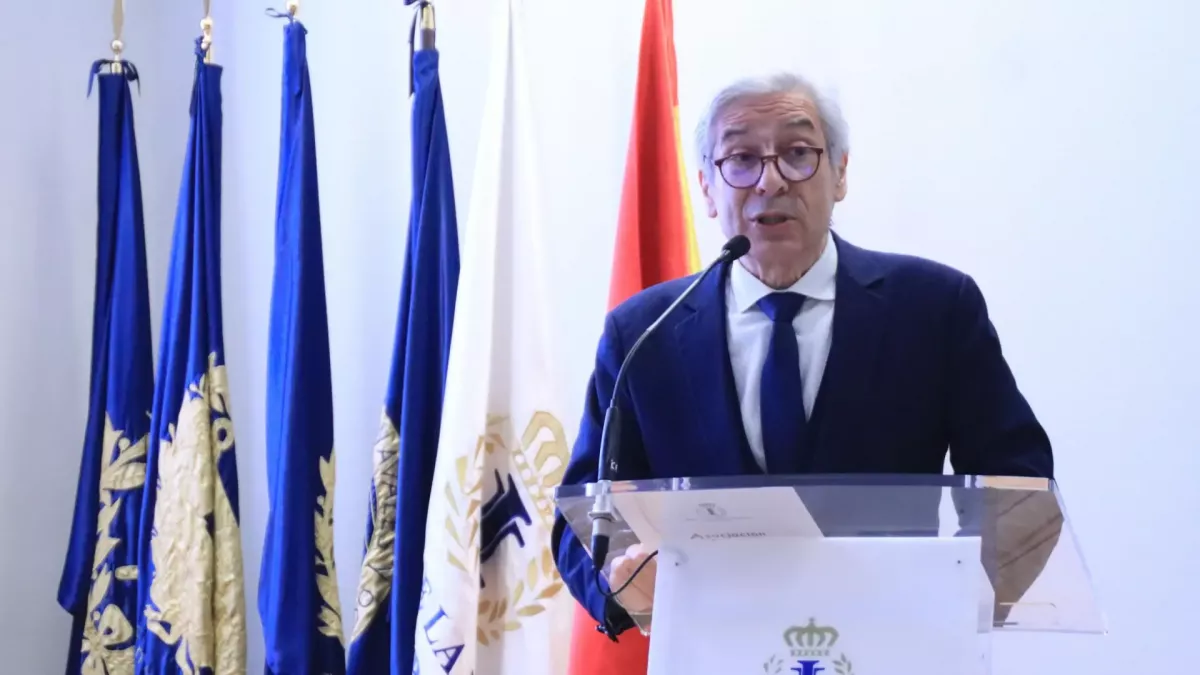
Ramiro Aurín, spokesperson for the Association of Civil Engineers, has highlighted the recent series of earthquakes in Granada as an opportunity to correct the lack of application of European regulations on seismicity in Spain and has proposed a forensic audit of critical infrastructure in risk areas to prevent future significant damage. (translated)

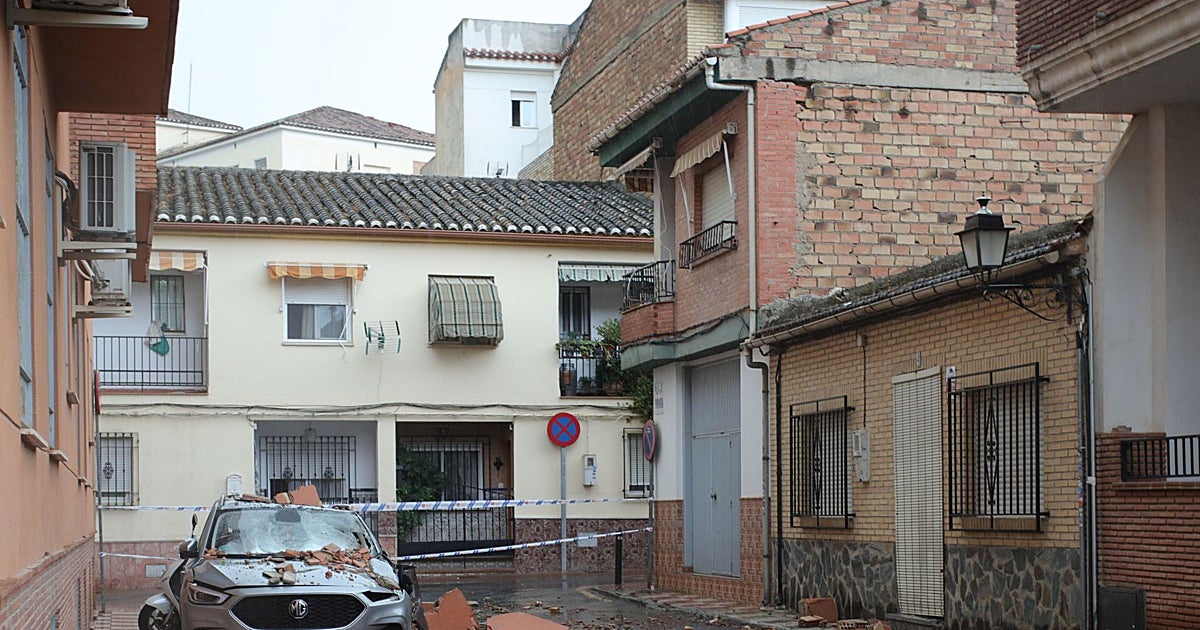
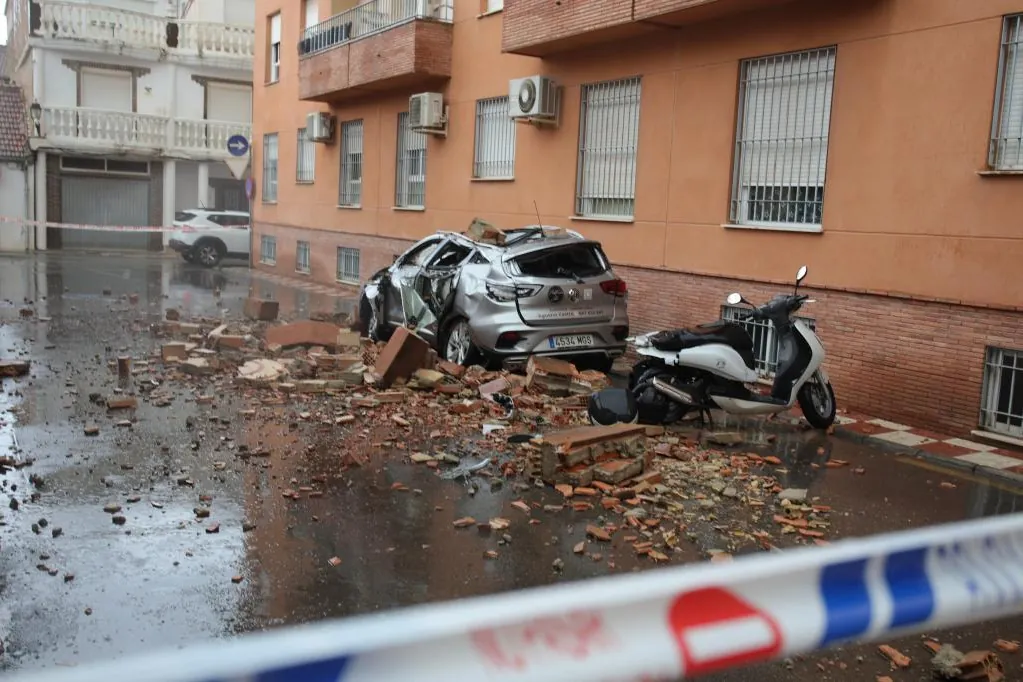
Granada is facing a climate of uncertainty after two earthquakes of magnitude 4.8 in a few days, which have left injuries and damage to buildings, while experts warn about the risk of additional aftershocks and the inability to predict future quakes. (translated)

Granada experienced an earthquake of magnitude 4.8, the strongest since 1955, which caused minor material damage and surprised hundreds of thousands of residents, although most were already familiar with the seismicity of the region. (translated)

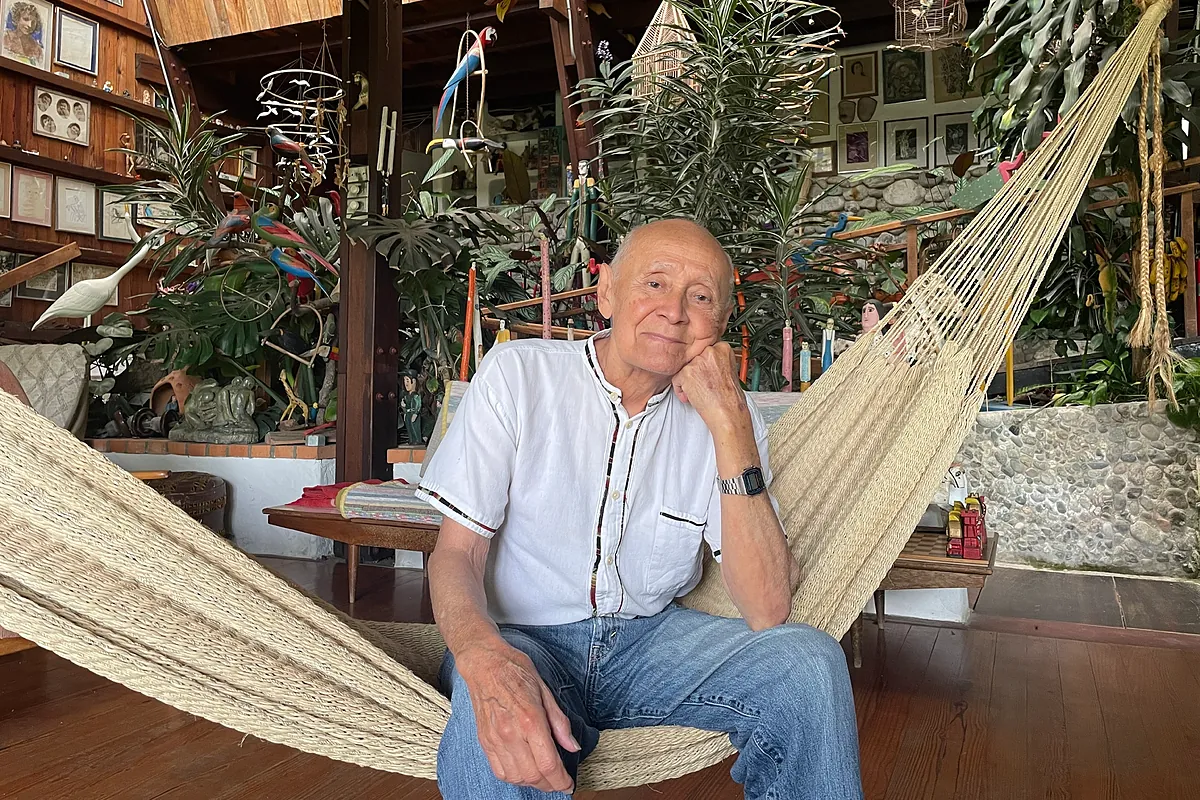
Raúl Estévez, geofísico venezolano, advierte en una entrevista que el reciente doble terremoto en el occidente de Venezuela era predecible y era el cierre de un ciclo de liberación de energía que comenzó hace décadas, subrayando la necesidad de restaurar la red de estaciones sísmicas en el país y la importancia de preparar a la población para futuras eventualidades. #TerremotosVenezuela #Geofísica #Sismicidad