We have a huge ass. I don't know how long it will last, but it's incredible how we won 6 out of 6 in the last 2 matches. We did everything to lose it, and we won in the end. I hope it gives us the chance to be champions. (translated)
We have a huge ass. I don't know how long it will last, but it's incredible how we won 6 out of 6 in the last 2 matches. We did everything to lose it, and we won in the end. I hope it gives us the chance to be champions. (translated)

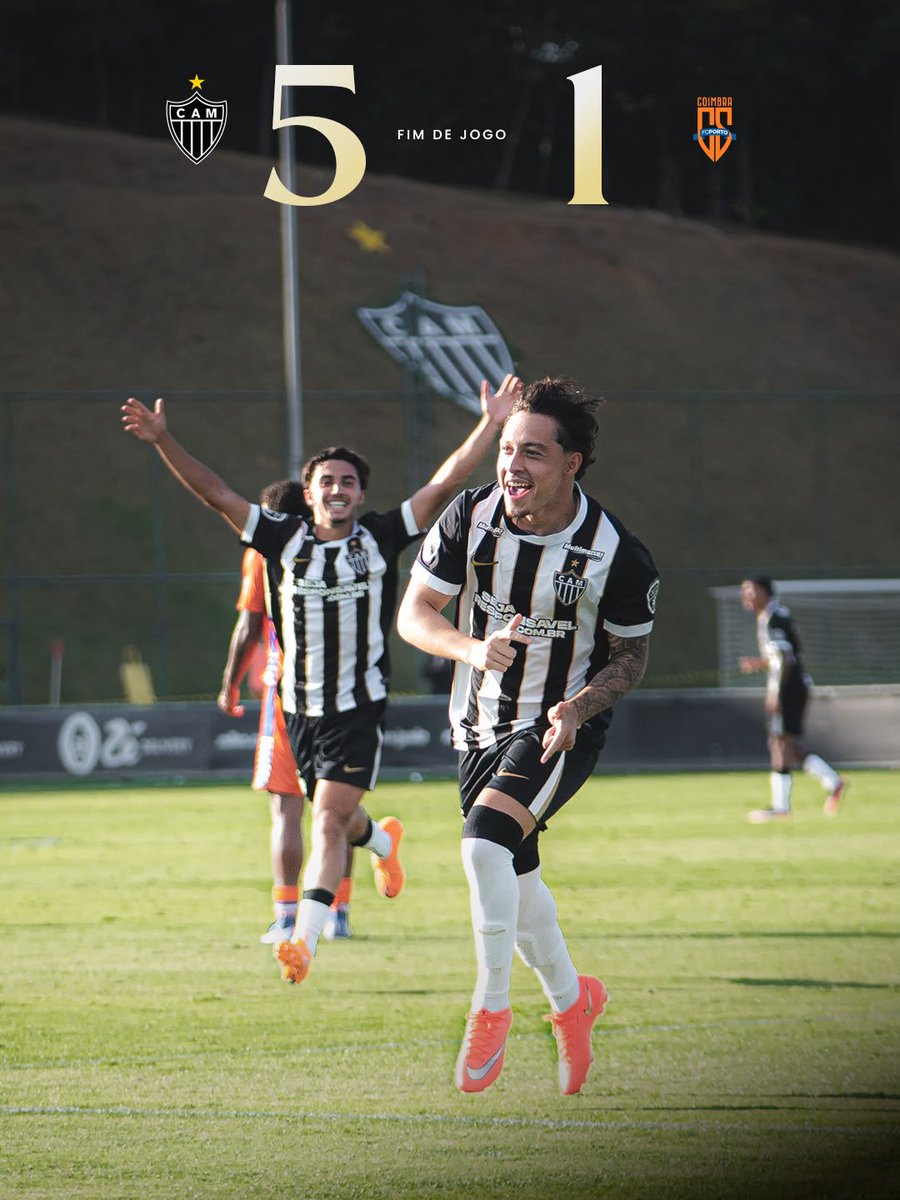
With a great performance, the #CriasDoGalo thrashed Coimbra and took the advantage in the semifinals of the Mineiro Championship! ⚽ Wanderson, Mosquito, Natã (2x), and Cauã Soares scored! (translated)

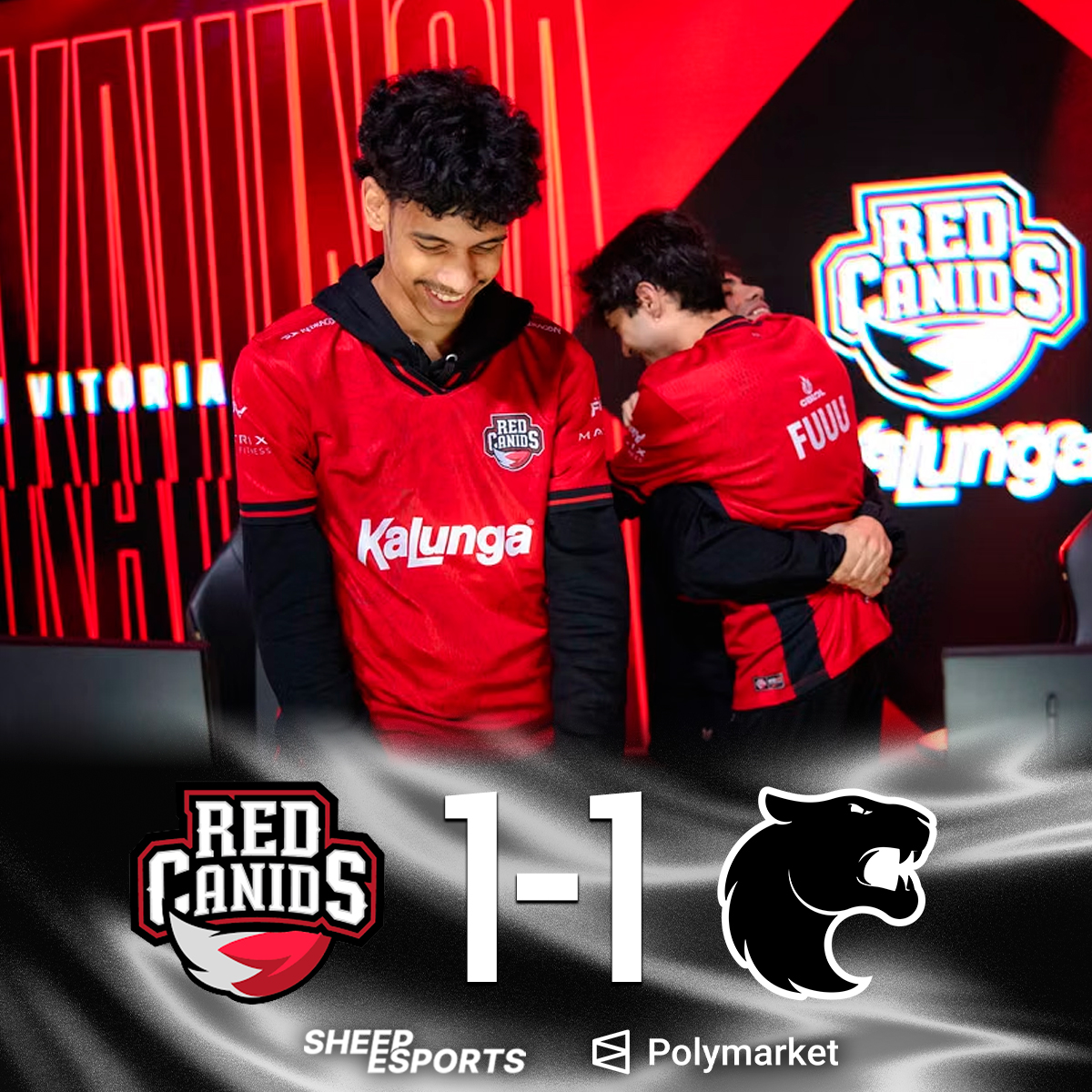
A painful defeat for RED, considering everything they did in this series and how they grew in the playoffs, but it's a huge point for Tockers and the staff who achieved a top 4 and an international championship with this lineup. On the other hand, FURIA is in bad shape, and the two teams for tomorrow are quite happy with today's series. (translated)

WE HAVE A SERIES! RED Canids TURN THE GAME around and tie the series against FURIA. A GOOD match from Fuuu on Cassiopeia! The mid laner of the pack has fully entered the championship! (translated)

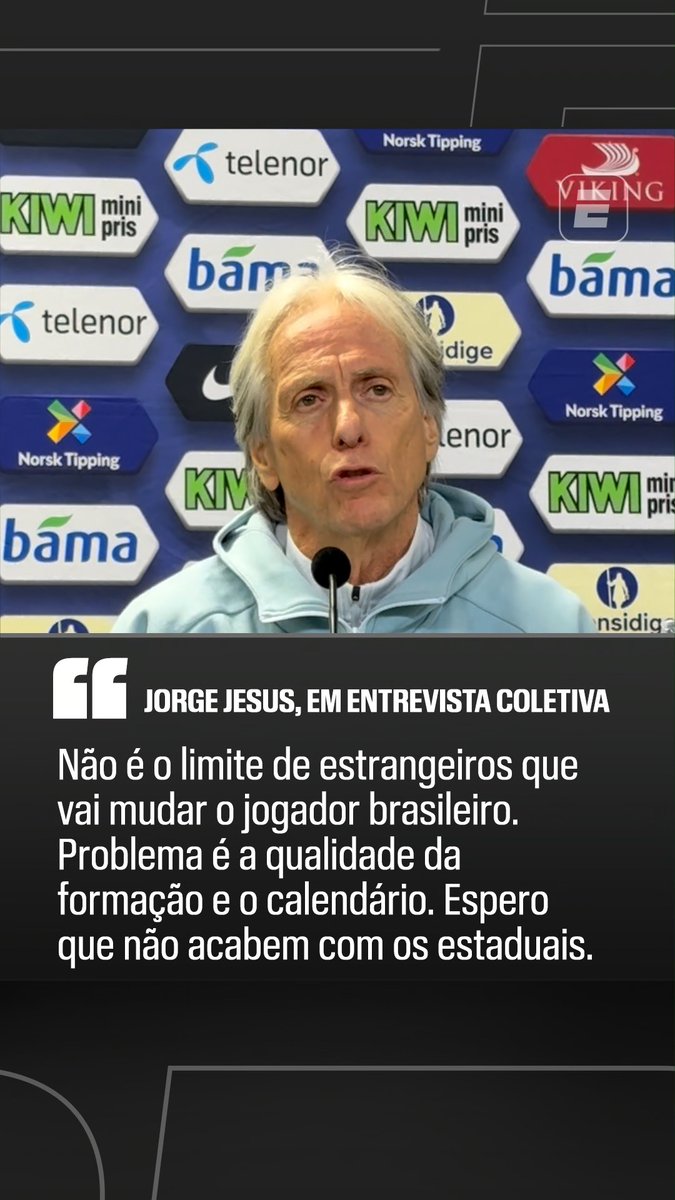
Jorge Jesus commented on the REDUCTION OF FOREIGNERS in the Brazilian Championship: "The problem is the QUALITY of FORMATION and the CALENDAR" (translated)
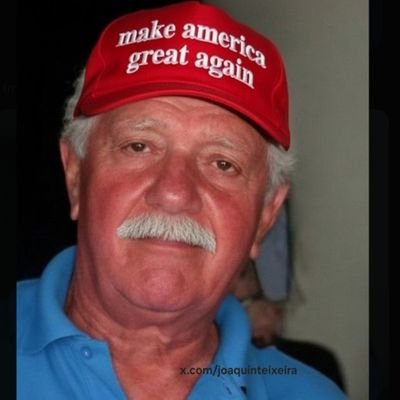
It's friends... next year if the PT wins, the only championship the people will watch is the CUBAN LEAGUE on TV Brazil with narration by Fábio Porchat and comments from Mili Lacombe. Brazilian football will end. Think carefully before voting. (translated)

🚨 Flamengo estimates a loss of R$ 400 million per year due to the end of bets. The main loss is the master sponsorship contract of R$ 268 million per year, which also includes amounts for Olympic sports and women's football. Another impact may come from the contract of about R$ 63 million with Brax for the advertising boards of the Brasileirão. Most advertisers were betting houses. In the Campeonato Carioca, there is also an agreement with Brax and naming rights for betting houses. Fla receives about R$ 27 million, with a good part of the rights paid by Globo to Brax and the rest coming from commercial revenue. The calculation also includes other sponsors and resources from laws that incentivize Olympic sports. The club also estimates having 100,000 shirts produced by Adidas with the master sponsor's brand that cannot be sold, in addition to the loss of royalties. There are also possible impacts on the COPA DO BRASIL and the BRASILEIRÃO, competitions with naming rights for bets. With all this, Flamengo calculates a loss of around R$ 400 MILLION PER YEAR. If the scenario is confirmed, Rubro-Negro will have to REVIEW EXPENSES for 2027. (translated)


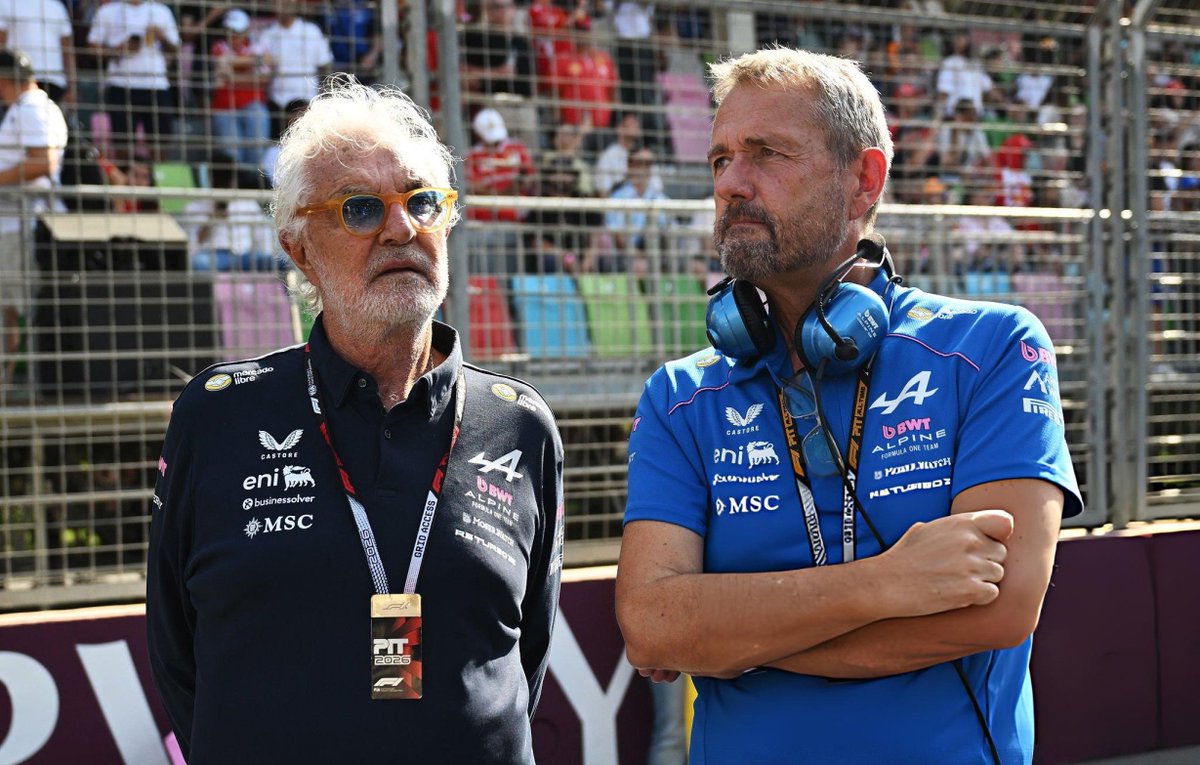
Flavio Briatore: "Obviously I am very disappointed with today's race result, as we know we lost valuable points in the championship fight. Incidents like this should not happen, especially when we were doing well with both cars in point-scoring positions. I feel very sad for the team and for Pierre, who did a great job all weekend, and I also apologize to Lando [Norris] and McLaren for ruining their race. I know Franco has taken full responsibility for it, as he should; in fact, he braked too late considering the context of the race and the restart with the safety car. It was a very bad maneuver for a driver of his experience. I want to take some time to reflect on this and consider what actions need to be taken, so that we can learn from it and avoid a situation like this in the future." (translated)
Tkzin became the third player with the most aces in Champions history with just ONE match. He is also the only player to achieve 3 aces in a single match in international championships. (translated)

The consequences of the incident caused by Colapinto are serious. It's not just about him, but about the team, his teammate, and a crucial battle for points in the championship. If Alpine needed anything, it was double points and this blew everything up. What a pity. (translated)
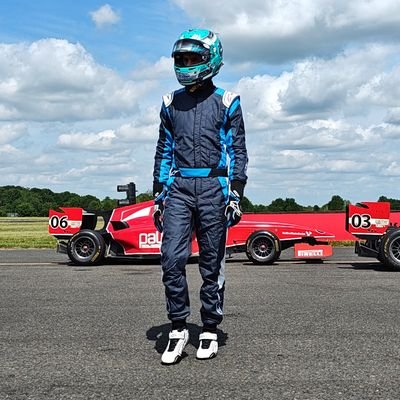
Franco's error, he already accepted it and apologized as he should. There was a big speed differential with the cars ahead, he didn't calculate it well, he blocked from far away because it was dirty and from there the car was totally out of control. The hardest part is losing all those points in the drivers' championship. Making a mistake is within the possibilities, now we have to get out of this and recover quickly. We have to keep pushing, think about the next race and recover the lost points. (translated)
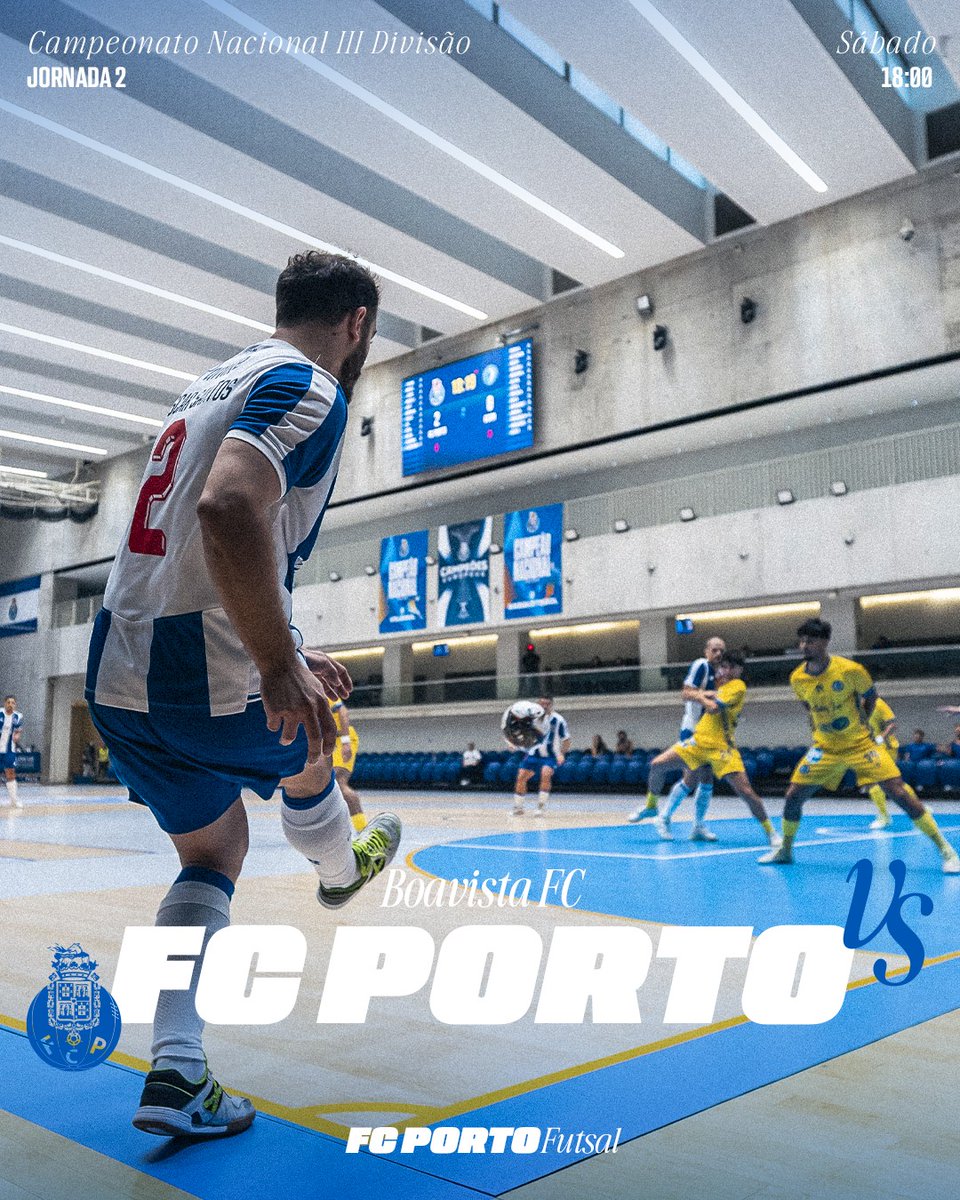
Matchday 2 of the National Championship of the III Division⚽ Match behind closed doors❌ #FCPortoFutsal (translated)

And the bizarre thing is: Rafael couldn't celebrate being a champion because there could be more races. Tsolov didn't know whether to accept the defeat or to hold on to hope for a turnaround in the possible races. (translated)
It was tough, but Rafa won the F2 race 2 and now has a 7-point lead over Tsolov in the championship. He finished behind Dunne on the track, but the Irishman was penalized for crossing the pit entry line. Dunne, Câmara, and Tsolov finished within less than 2 seconds of each other. (translated)


What a race from F2 early in the morning. Invicta showed off their strategy and we got a bit lucky with Dunne's penalty (maybe champion). Now we just have to hope that the FIA ends the championship today, no need for more racing, kkkkkkkk. (translated)

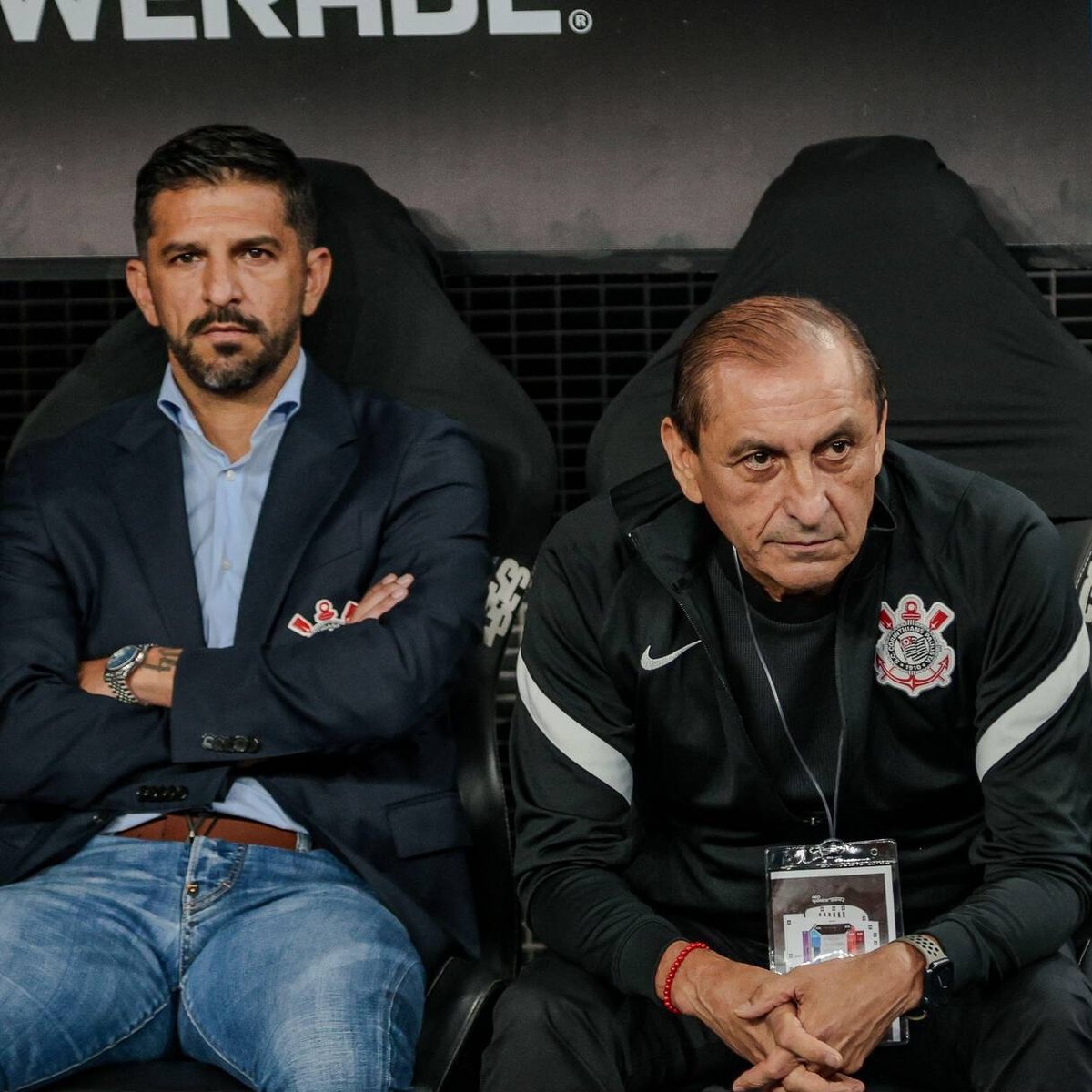
IF Diniz is fired, Ramón Díaz is the favorite! | If Fernando Diniz cannot overcome the bad phase at Corinthians, Ramón Díaz is the favorite to succeed the coach in charge of the alvinegro. The Argentine has the support of Timão fans and members of the club's board. As coach of Corinthians, he won the Paulistão 2025, surpassing Abel Ferreira's Palmeiras in the state championship final. (translated)

Brazil spent years discussing how to regulate sports betting. Congress approved it, the government regulated it, companies paid to operate legally in the country, made investments, and began to comply with rules for supervision, taxation, and consumer protection. One cannot create a rule, get companies and institutions to commit based on it, and then overnight change the entire regulatory framework. No regulation is untouchable. If there are problems, the rules need to be improved. If they need to be stricter, let them be. Those who violate the law should be punished. But there is a fundamental difference between improving regulation and simply dismantling it. This is a matter of legal certainty. And legal certainty is not only of interest to betting companies. It matters to anyone, company, or institution that invests, contracts, and makes long-term plans in Brazil trusting in the rules established by the state itself. The change heavily impacts Brazilian sports. A decision of this magnitude affects professional football, youth categories, women's football, Olympic sports, and championships. Brazilian sports cannot be analyzed solely from the financial reality of the highest-earning clubs. And it is not just the clubs that are affected; it is a chain that receives an immediate impact: direct and indirect jobs, communication, marketing, and technology companies, suppliers, arenas, service providers, and an entire economic chain. It also affects public revenue. The regulated market generates resources through taxes and allocations provided by law, which reach the public coffers and are directed to areas of societal interest. Weaken the legal market can produce a particularly bad combination: less resources for sports and less revenue for the country. And will the Brazilian be better protected? This may be one of the central questions of this discussion. Prohibiting companies that operate legally does not mean ending betting. The game does not disappear, and the underground market, which represents a significant portion of the activity, will grow and occupy this space. A survey by the Locomotiva Institute, conducted in May 2026 across the country with 2,291 bettors, indicates the relevant presence of practices associated with the illegal market. A study by LCA Consultores, based on this research, estimates that between 38% and 44% of the value bet online in Brazil currently occurs on clandestine platforms. There is one particularly important piece of data: the estimated share of the illegal market decreased after regulation, moving from the range of 41% to 51% in 2025 to 38% to 44% in the first half of 2026. The game will not end with a stroke of a pen. What ends is the part that Brazil can regulate, supervise, tax, and hold accountable. And the result may be less security for investors, fewer resources for sports and the country, and less capacity for oversight of the activity. Brazil needs to combat illegal gambling. It needs to protect its population. But it also needs to preserve legal certainty, investment capacity, and the sustainability of its sports institutions. Brazilian sports cannot be weakened by a decision that does not eliminate gambling, does not eliminate the illegal market, and still puts at risk the investments, jobs, and commitments built within the rules that the country itself established. (translated)

🚨 NOW! Official statement from Flamengo: "Brazil spent years discussing how to regulate sports betting. Congress approved it, the government regulated it, companies paid to operate legally in the country, made investments, and began to comply with oversight, taxation, and consumer protection rules. One cannot create a rule, lead companies and institutions to make commitments based on it, and then, overnight, change the entire regulatory framework. No regulation is untouchable. If there are problems, the rules need to be improved. If they need to be stricter, then let them be. Those who violate the law must be punished. But there is a fundamental difference between improving regulation and simply dismantling it. This is a matter of legal certainty. And legal certainty is not only of interest to betting companies. It matters to anyone, company, or institution that invests, contracts, and makes long-term plans in Brazil relying on the rules established by the State itself. The change hits Brazilian sports hard. A decision of this magnitude affects professional football, the youth categories, women's football, Olympic sports, and championships. Brazilian sport cannot be analyzed solely based on the financial reality of the highest-revenue clubs. It is not just the clubs that are affected; it is a chain that receives an immediate impact: direct and indirect jobs, communication, marketing and technology companies, suppliers, arenas, service providers, and an entire economic chain. It also affects public revenue. The regulated market generates resources through taxes and legal allocations, which reach public coffers and are directed to areas of interest to society. Weakening the legal market can produce an especially bad combination: fewer resources for sports and less revenue for the country. And will the Brazilian be more protected? This may be one of the central questions of this discussion. Prohibiting legally operating companies does not mean ending betting. The game does not disappear, and the clandestine market, which represents a significant portion of the activity, will grow and occupy that space. Research from Instituto Locomotiva, conducted in May 2026 nationwide with 2,291 bettors, points to the relevant presence of practices associated with the illegal market. A study by LCA Consultores, based on this research, estimates that between 38% and 44% of the online betting value in Brazil currently takes place on clandestine platforms. There is a particularly important data point: the estimated participation of the illegal market decreased after regulation, dropping from that range of 41% to 51% in 2025 to 38% to 44% in the first half of 2026. The game will not end with a stroke of a pen. What ends is the part that Brazil can regulate, oversee, tax, and hold accountable. And the result may be less security for investors, fewer resources for sports and the country, and less oversight capacity over the activity. Brazil needs to combat illegal gambling. It needs to protect its population. But it also needs to preserve legal certainty, investment capacity, and the sustainability of its sports institutions. Brazilian sports cannot be weakened by a decision that does not eliminate gambling, does not eliminate the illegal market, and still puts at risk the investments, jobs, and commitments built within the rules that the country itself established." 🗞️ @simpraisa (translated)


Official note from Flamengo: Brazil spent years discussing how to regulate sports betting. Congress approved it, the government regulated it, companies paid to operate legally in the country, made investments, and began to comply with oversight, taxation, and consumer protection rules. One cannot create a rule, lead companies and institutions to commit based on it, and then, overnight, change the entire regulatory framework. No regulation is untouchable. If there are problems, the rules need to be improved. If they need to be stricter, then let them be. Those who violate the law should be punished. But there is a fundamental difference between improving regulation and simply dismantling it. This is a matter of legal security. And legal security is not only of interest to betting companies. It is of interest to anyone, company, or institution that invests, contracts, and makes long-term plans in Brazil, trusting the rules established by the State itself. The change strikes at the heart of Brazilian sports. A decision of this magnitude affects professional football, youth categories, women's football, Olympic sports, and championships. Brazilian sports cannot be analyzed solely from the financial reality of the clubs with the highest revenue. And it is not only the clubs that are affected; it is a chain that receives an immediate impact: direct and indirect jobs, communication, marketing and technology companies, suppliers, arenas, service providers, and an entire economic chain. It also impacts public revenue. The regulated market generates resources through taxes and allocations provided by law, which go to public coffers and are allocated to areas of societal interest. Weakening the legal market could produce a particularly bad combination: less funding for sports and less revenue for the country. And will Brazilians be better protected? This may be one of the central questions of this discussion. Prohibiting companies that operate legally does not mean ending betting. The game does not disappear, and the underground market, which represents a significant portion of the activity, will grow and fill that space. A survey by the Locomotiva Institute, conducted in May 2026 across the country with 2,291 bettors, points to a significant presence of practices associated with the illegal market. A study by LCA Consultores, based on this research, estimates that between 38% and 44% of the value bet online in Brazil currently occurs on clandestine platforms. There is one particularly important piece of data: the estimated share of the illegal market fell after regulation, moving from the range of 41% to 51% in 2025 to 38% to 44% in the first half of 2026. The game will not end with a stroke of a pen. What will end is the part of the activity that Brazil can regulate, oversee, tax, and hold accountable. The result may be less security for investors, fewer resources for sports and for the country, and less oversight capacity over the activity. Brazil needs to combat illegal gambling. It needs to protect its population. But it also needs to preserve legal security, investment capacity, and the sustainability of its sports institutions. Brazilian sports cannot be weakened by a decision that does not eliminate gambling, does not eliminate the illegal market, and still jeopardizes investments, jobs, and commitments built within the rules established by the country itself. (translated)


In this championship vibe, I wanted to say that the last episode of the Masters London vlog has been released. Thank you all for the incredible year it has been. I hope you continue to follow my journey next year. Thank you! 🫶🫶 (translated)






