North Korea officializes the break with South Korea by removing references to "peaceful unification" from the Workers' Party statute and redefining inter-Korean relations as being between two hostile states. (translated)

North Korea officializes the break with South Korea by removing references to "peaceful unification" from the Workers' Party statute and redefining inter-Korean relations as being between two hostile states. (translated)

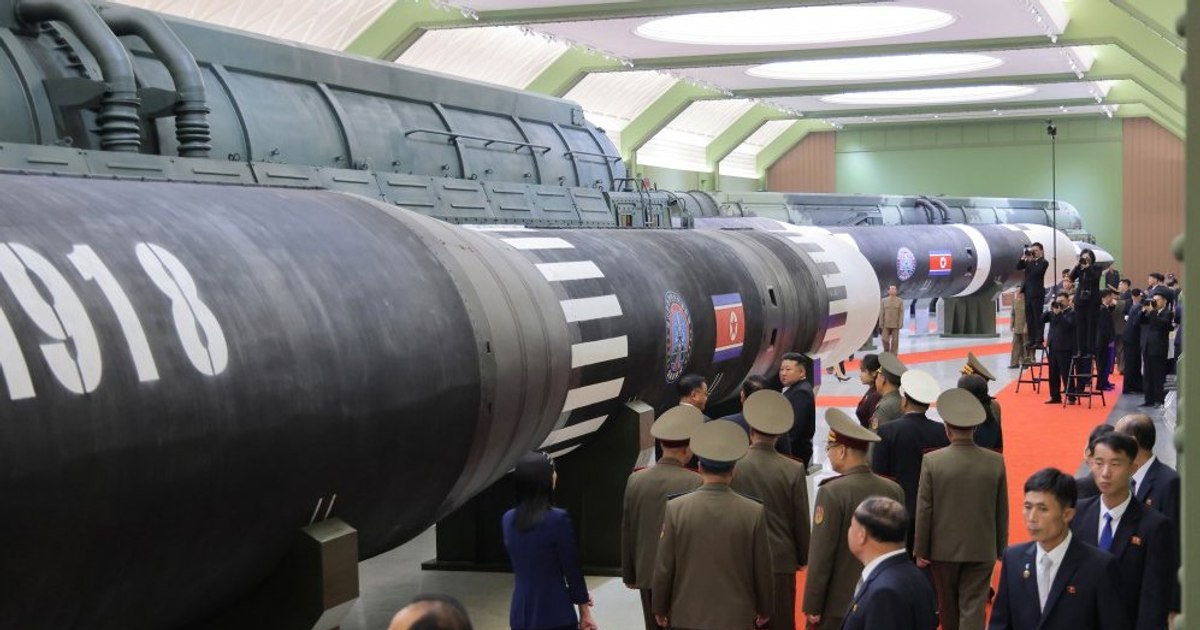
North Korea announced that it will strengthen its nuclear arsenal, emphasizing that the United States' policy remains unchanged and considering that its nuclear weapons are essential for sovereignty. (translated)
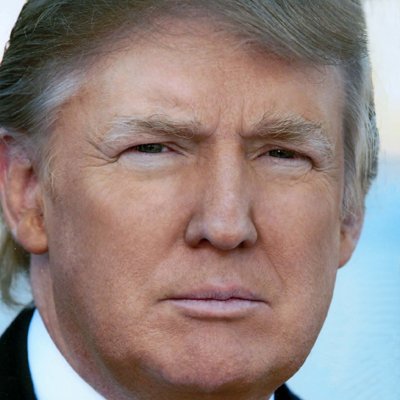
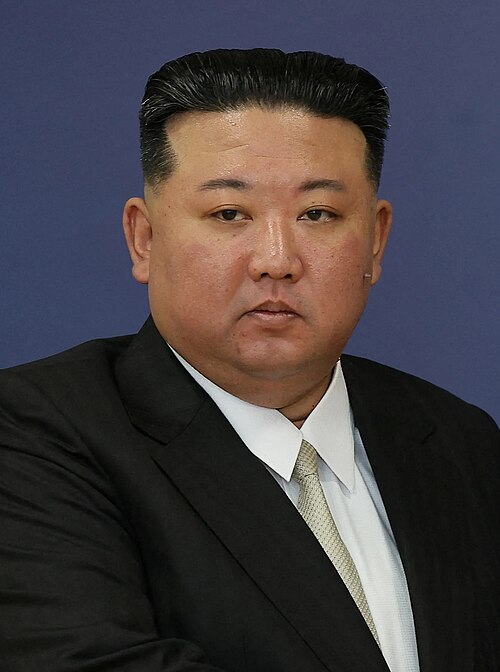
Trump reiterates his interest in negotiations with Kim Jong-un, in the context of experts warning that a new round of diplomacy could lead to a nuclear war, given that the North considers its nuclear arsenal essential for the regime's survival. (translated)
The article discusses the risks posed by Donald Trump's "Korean" policy, suggesting that his approach based on personal diplomacy could lead to a nuclear catastrophe, given the increase in North Korea's nuclear arsenal and the undermining of security in the region. (translated)

Donald Trump's decision to reduce military exercises with South Korea and to resume dialogue with Kim Jong Un raises concerns about the security commitments of the United States, prompting a reassessment of the trust of allies in Asia, such as Japan, Taiwan, and India, in the context of increasing military pressure from China. (translated)

The warming of the Arctic opens new maritime routes for trade, while drought affects traditional routes, prompting Russia, China, and South Korea to intensify their interest in northern transport, transforming the region into a vital geopolitical stake. (translated)

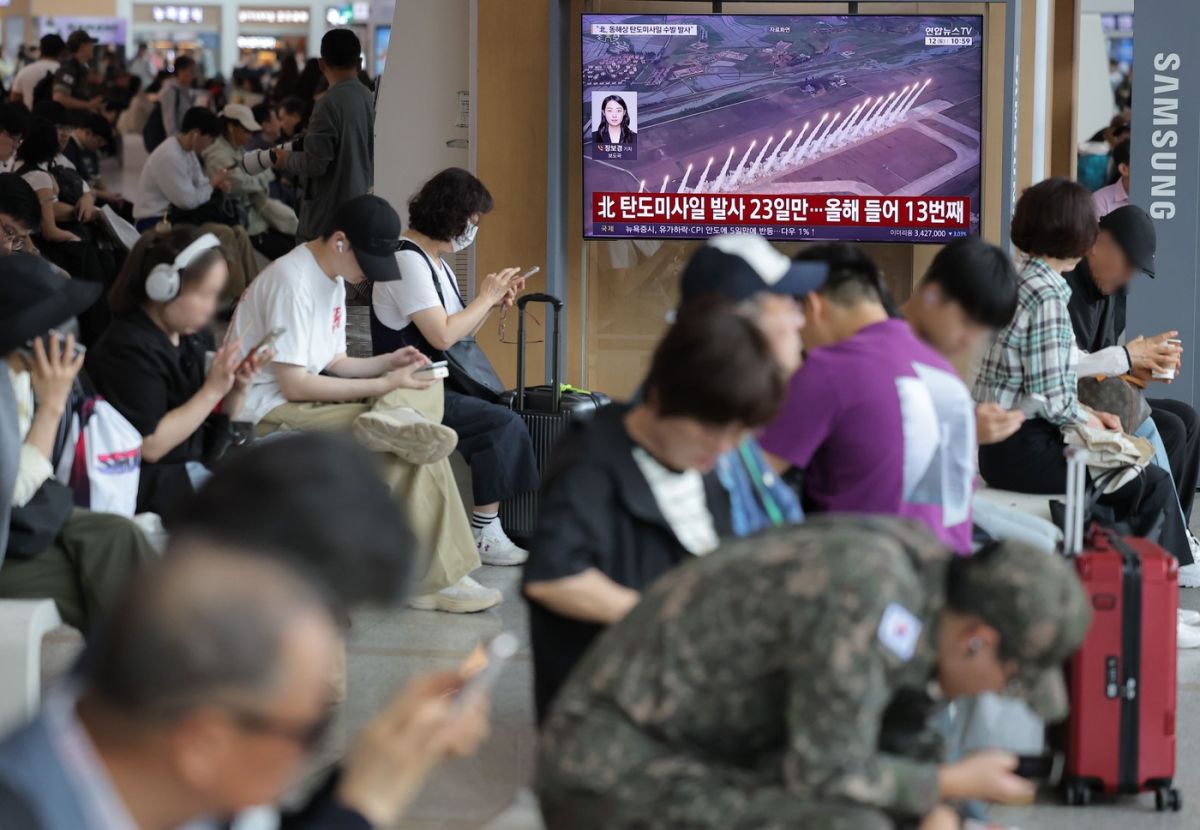
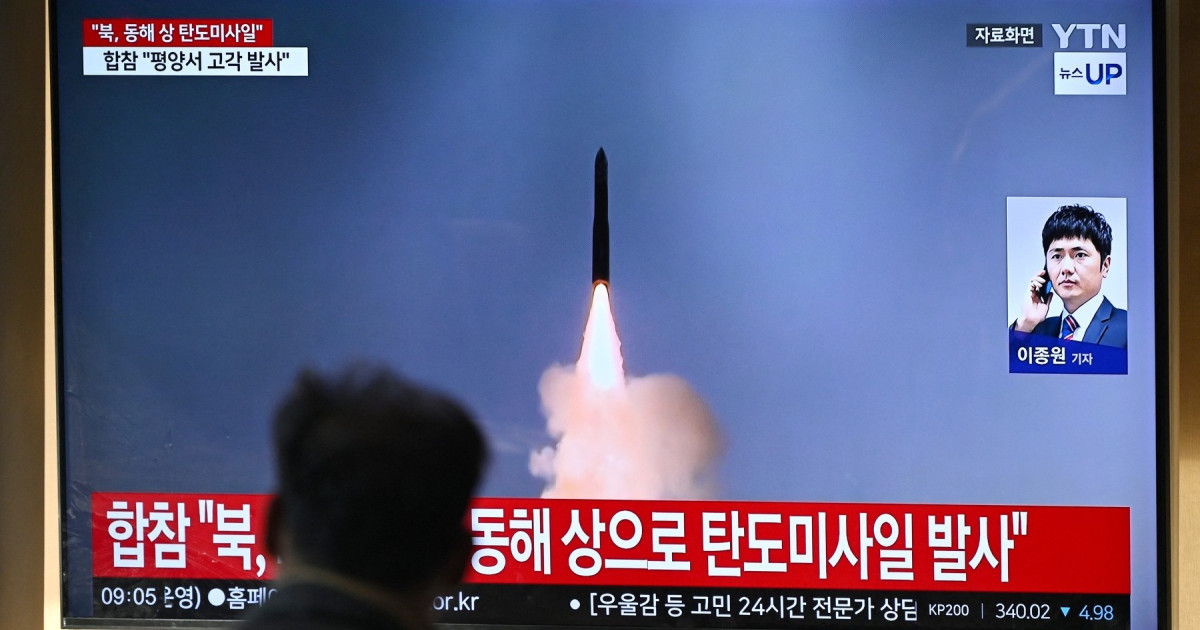
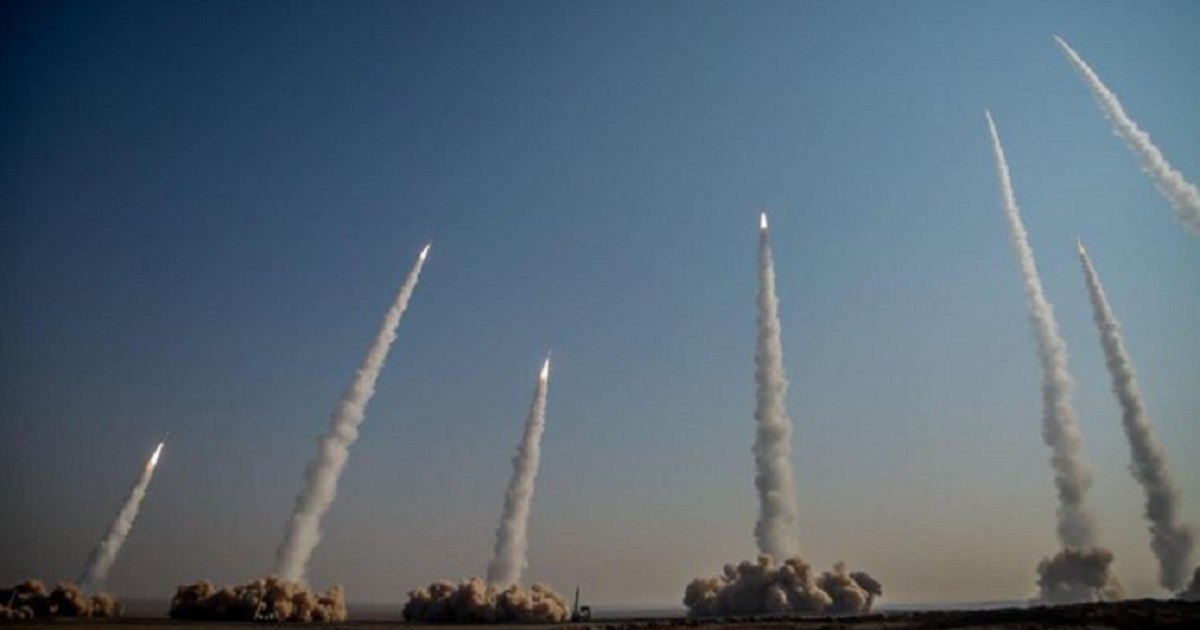
North Korea launched over 10 short-range ballistic missiles towards the Sea of Japan, in the context of joint military exercises by the United States and South Korea, provoking a condemnation from Seoul and a review of security measures. (translated)

North Korea launched ten ballistic missiles while American President Donald Trump announced a planned meeting with Kim Jong Un for this year, in the context of a reduction of American military exercises in the region. (translated)

South Korea estimates that North Korea has between 80 and 120 nuclear weapons, a figure significantly higher than that suggested by Donald Trump, who claimed that Pyongyang would have 57 nuclear weapons, while Seoul refuses to officially acknowledge North Korea's nuclear status and relies on the nuclear protection of the USA. (translated)

The President of the USA, Donald Trump, announced that he will have a meeting with North Korean leader Kim Jong Un this year, unusually revealing that North Korea possesses 57 "very powerful" nuclear weapons, in the context of having ordered the suspension of military exercises with South Korea, which he considers to be a hostile message. (translated)

Donald Trump declared that he intends to meet again with Kim Jong Un, emphasizing that North Korea possesses 57 "very powerful" nuclear weapons and called for a reduction of joint military exercises with South Korea. (translated)

Russian Foreign Minister Sergei Lavrov announced an unprecedented alliance between Russia and North Korea, highlighting joint efforts to create a "new world order" based on multipolarity and cooperation in the context of the conflict in Ukraine. (translated)

Russia may again seek assistance from North Korea to replace up to 20,000 soldiers from the border regions, in order to redirect its troops to the front in Ukraine, in the context of a severe personnel crisis on this battlefield. (translated)
Donald Trump threatened South Korea, an ally, after its president refused to provide assistance in the conflict with Iran, expressing his dissatisfaction with the costly American military involvement in South Korean defense, in the absence of mutual support in conflicts. (translated)
Donald Trump threatened Oman with bombings after the ceasefire with Iran expired, emphasizing that he would not accept Tehran developing nuclear weapons and criticizing South Korea for its lack of action against Iran. (translated)

Kim Jong Un reaffirmed, in a message to Vladimir Putin, the closeness between North Korea and Russia, emphasizing that cooperation will continue in all sectors, in the context of Pyongyang's support for Russia in the war in Ukraine. (translated)

Russia is accelerating its missile production, intensifying attacks on Ukrainian cities, and seeking new soldiers, including from North Korea, against the backdrop of growing fears that Vladimir Putin is preparing for a new escalation of the conflict in Ukraine, especially ahead of the parliamentary elections in Russia, to strengthen his image as a leader. (translated)

North Korean leader Kim Jong Un expressed support for Russian President Vladimir Putin, stating that he is proud of the relationship between North Korea and Russia, in the context of Ukraine accusing Pyongyang of preparing to deploy soldiers to support Russia in the war against Ukraine. (translated)
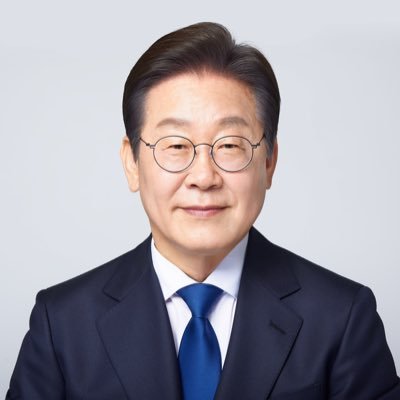
South Korean President Lee Jae Myung has requested the resumption of dialogue with North Korea to reach a peace agreement that would replace the armistice from the Korean War and has promoted measures to reduce tensions, in the context of the extremely tense relations between the two countries. (translated)

An extreme heat wave hits Asia, breaking temperature records in South Korea, Japan, and Hong Kong, and causing massive destruction of crops, with potatoes rotting in the ground and dead animals, bringing serious financial problems for farmers. (translated)