BETA nonprofit public democratic european moderated

Search

#exoplanet

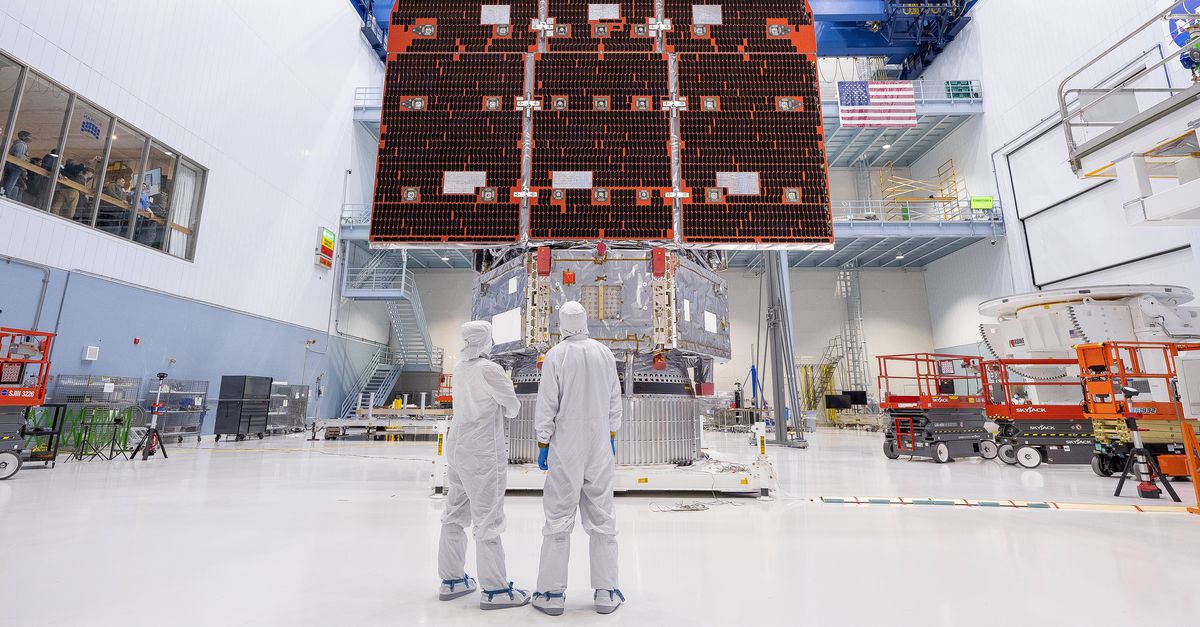
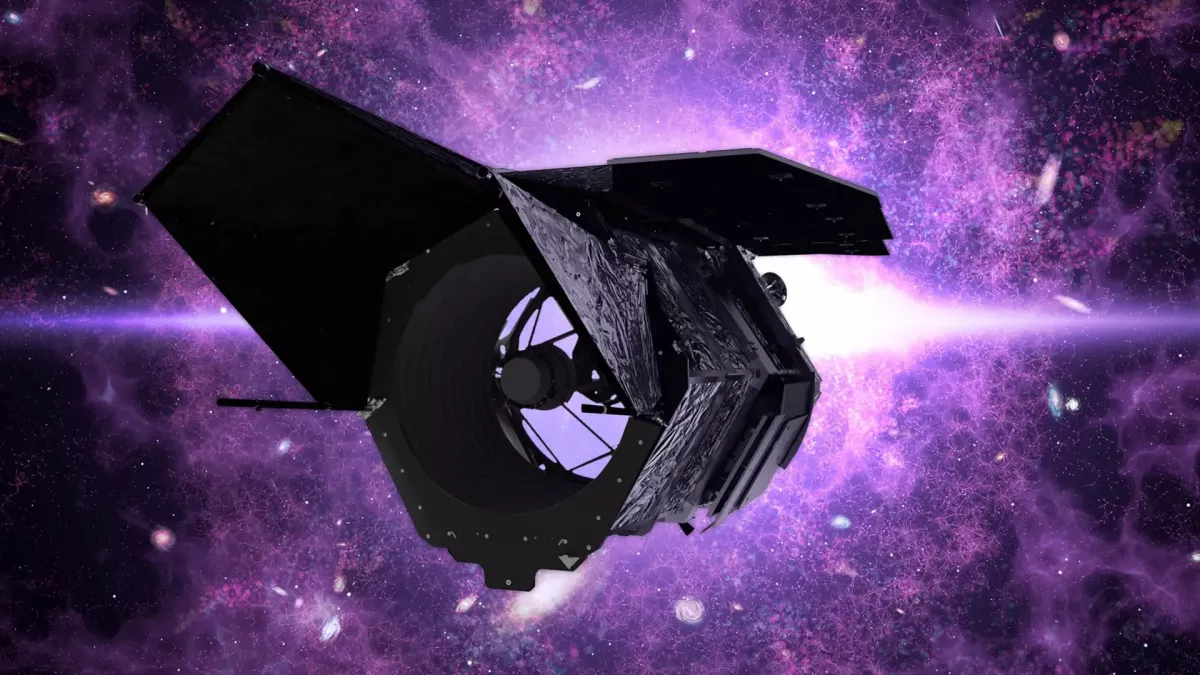
The Roman space telescope, with a mirror equal to that of the Hubble, has the ability to capture 100 times more field of view, which will allow it to explore the universe and study phenomena such as dark energy and exoplanets more efficiently. (translated)

Tiene el mismo espejo que el Hubble, pero capta 100 veces más cielo de una sola vez: así es el telescopio Roman

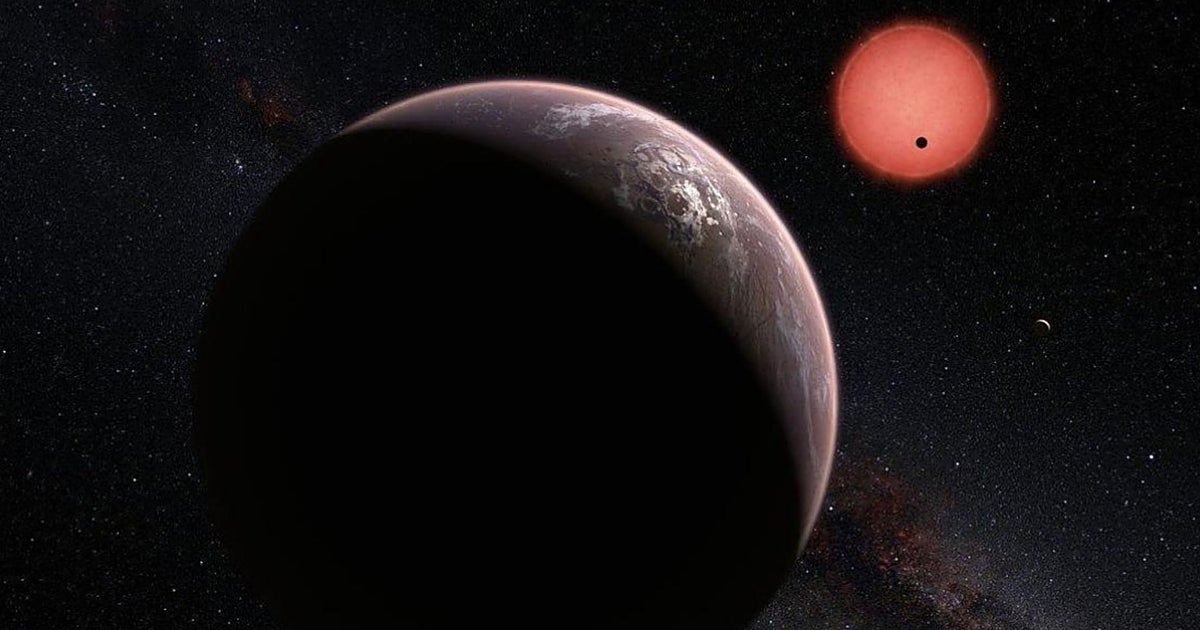
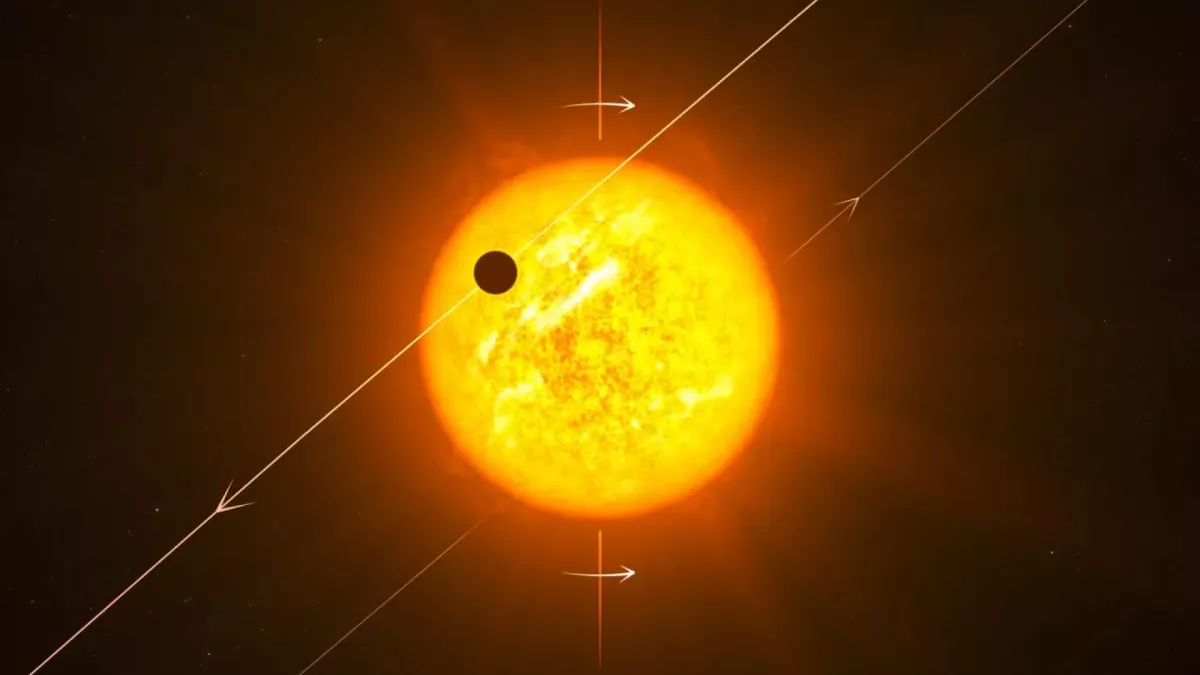
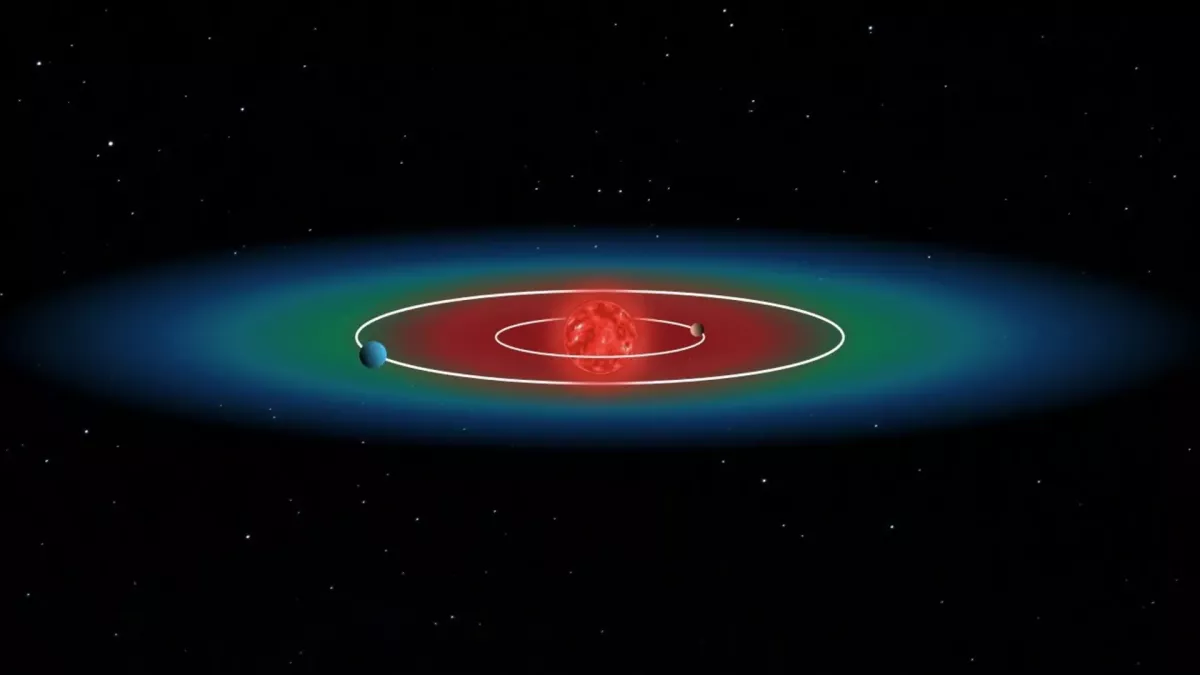
The Institute of Astrophysics of Andalusia (IAA-CSIC) has confirmed a new planetary system, TOI-1752, located approximately 337 light-years from Earth, which includes an extremely hot planet close to its star, which could be a lava world, and another medium-sized planet in the optimistic habitable zone, which could have liquid water. (translated)

Confirman un nuevo sistema planetario con un posible mundo de lava y otro potencialmente habitable
Kurier 3d

NASA has launched the Nancy Grace Roman Space Telescope into orbit, which is expected to deliver its first images in 2027 and will enable the exploration of exoplanets, black holes, and the mysteries of dark matter and dark energy. (translated)

NASA schickte neues Super-Teleskop ins All

The planetary system TOI-1752, located 337 light-years from Earth, harbors two planets with radically different characteristics: one, TOI-1752 b, is a lava world due to its proximity to the star, while the other, TOI-1752 c, is located in the optimistic habitable zone, where liquid water could exist under certain conditions. (translated)

Un sistema planetario a 337 años luz con dos planetas radicalmente distintos: uno en la zona habitable y otro de lava
E

A study led by Spanish scientists has confirmed the existence of two exoplanets in the planetary system TOI-1752, located 337 light-years from Earth, one of which is an extremely hot lava world and the other could be potentially habitable. (translated)

Un mundo de lava y otro potencialmente habitable: así son los dos exoplanetas confirmados desde el Observatorio del Teide
Novinky 3d

NASA successfully launched the Nancy Grace Roman telescope into space, which aims to study exoplanets, dark matter, and energy from an orbit around the second Lagrange point during its five-year mission. (translated)

Nový atlas vesmíru? NASA poslala na oběžnou dráhu teleskop Nancy Grace Romanové

NASA has launched the Nancy Grace Roman space telescope, which will explore the Universe and could discover up to 100,000 exoplanets, with a field of view 100 times larger than Hubble and James Webb. (translated)

NASA lansează un nou telescop spațial | Roman ar putea descoperi până la 100.000 de planete în afara Sistemului Solar

NASA unveils a new look at the universe 🔭✨ The Nancy Grace Roman space telescope will study dark energy and dark matter, chart millions of galaxies, and search for thousands of exoplanets. A telescope designed to view the cosmos on an unprecedented scale. (translated)

The new space telescope Nancy Grace Roman has been successfully launched into space to investigate, among other things, the distribution of dark matter and the expansion of the universe, as well as to discover exoplanets. (translated)

Neues Weltraumteleskop ins All gestartet

The NASA Nancy Grace Roman telescope has successfully launched and aims to explore the universe with a field of view one hundred times greater than that of Hubble, revolutionizing our understanding of dark energy, exoplanets, and other astrophysical phenomena. (translated)

Despega Roman, el telescopio de la NASA con un campo de visión cien veces mayor que Hubble

NASA launched the "Nancy Grace Roman" space telescope, valued at 4 billion dollars, with the aim of investigating cosmic mysteries such as dark energy, dark matter, and exoplanets, traveling to Lagrange Point 2 and having a planned mission of five years. (translated)

NASA a lansat telescopul Roman, în valoare de 4 miliarde de dolari. Misiunea ar putea schimba ce știm despre Univers

NASA has launched the Nancy Grace Roman telescope, the largest panoramic observatory ever built, with the mission of exploring the universe and unraveling mysteries such as dark energy and exoplanets. (translated)

NASA lança maior telescópio espacial para explorar universo

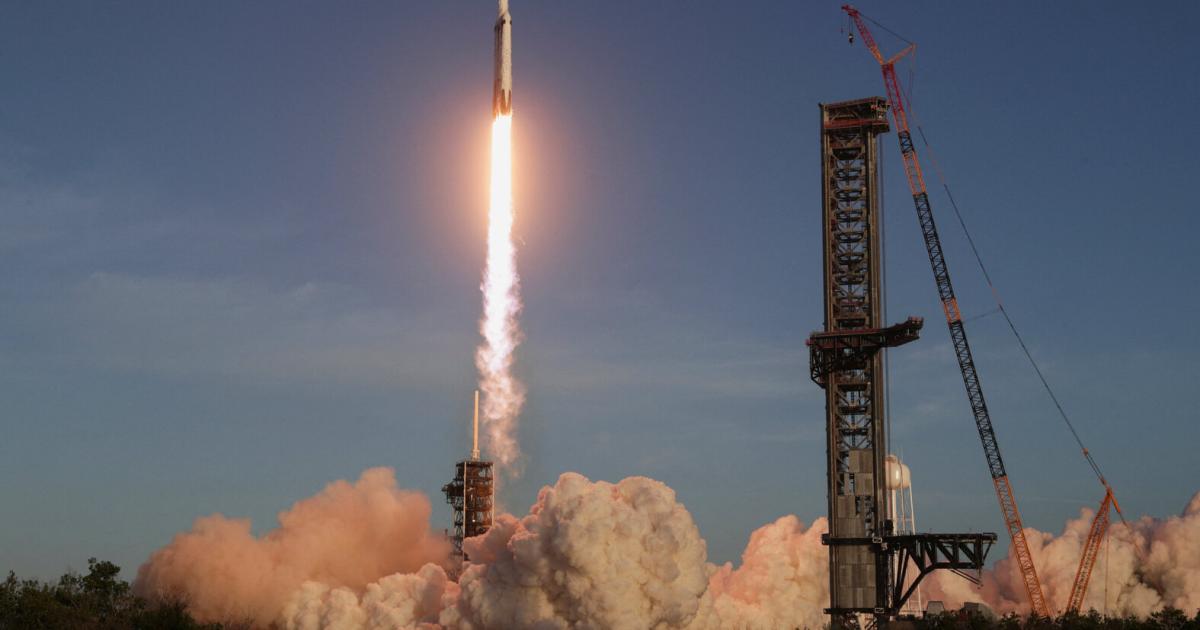
The new Nancy Grace Roman Space Telescope from NASA has been launched into space with a SpaceX Falcon Heavy rocket and is expected to reach its orbit in about a month to study exoplanets, stars, and black holes. (translated)

Raumfahrt: Neues Weltraumteleskop der Nasa startet ins All

The new space telescope "Nancy Grace Roman" was launched by NASA using a SpaceX Falcon Heavy rocket and is intended to assist astronomers in the exploration of exoplanets, exploding stars, and black holes as it reaches its final orbit 1.6 million kilometers away from Earth in one month. (translated)

Neues Weltraumteleskop „Nancy Grace Roman“ gestartet
E

The Nancy Grace Roman telescope, which will be launched by NASA with the aim of investigating exoplanets, dark matter, and mapping millions of galaxies, represents an important technological advance in astronomy and honors the legacy of its first director, Nancy Grace Roman. (translated)

El telescopio Nancy Grace Roman, un prodigio tecnológico para estudiar los enigmas del cosmos
V

Nancy Grace Roman, NASA's latest space telescope, will be launched on August 30 and will investigate the mysteries of dark matter and energy, as well as discover new exoplanets and map our galaxy, with its unprecedented wide field of view and advanced technology. (translated)

Het nieuwste lid van Nasa’s elitevloot van ruimtetelescopen krijgt een ongekend brede blik op de hemel
D

The new Nancy Grace Roman Space Telescope is launching into space to explore dark energy and exoplanets with its large field of view. (translated)

Mit Spionagespiegel für die Astronomie: Das Roman-Teleskop startet ins All
Novinky 3w

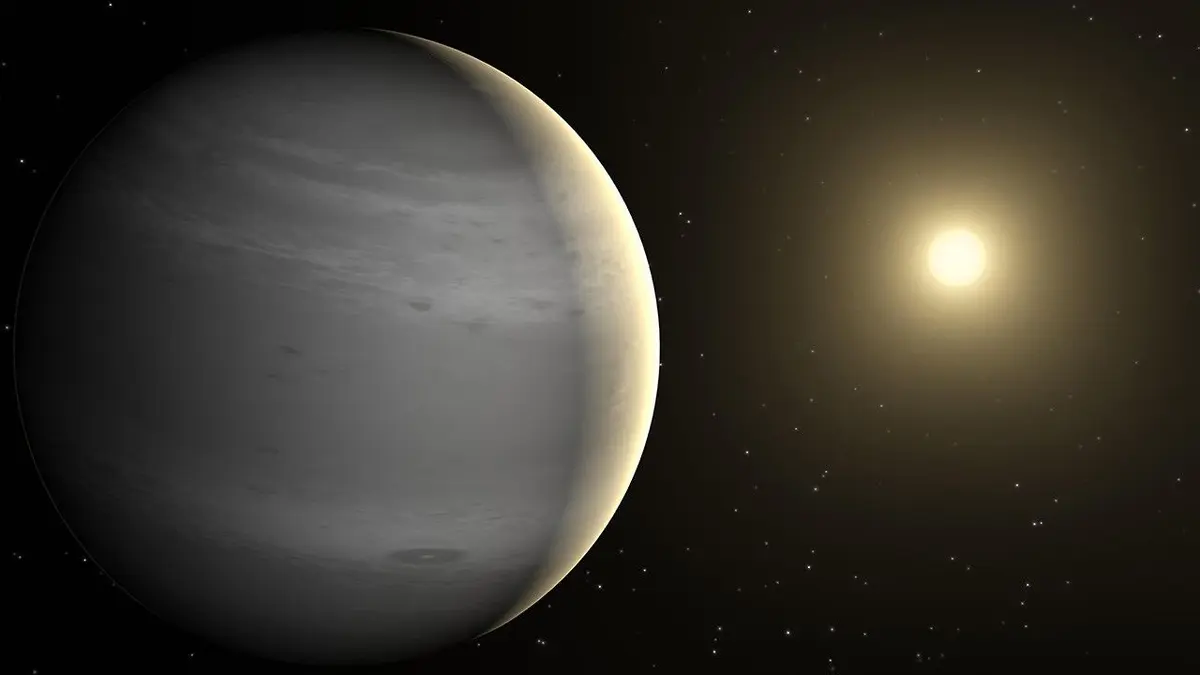
Scientists have discovered two extremely fluffy planets, TOI-791 b and TOI-791 c, orbiting a young star located 1110 light-years away, whose mass is only a fraction of Jupiter's mass and which represent fascinating objects for studying the formation and evolution of planetary systems. (translated)

Extrémně nadýchané planety. Jsou velké jako Jupiter, ale váží jen zlomek