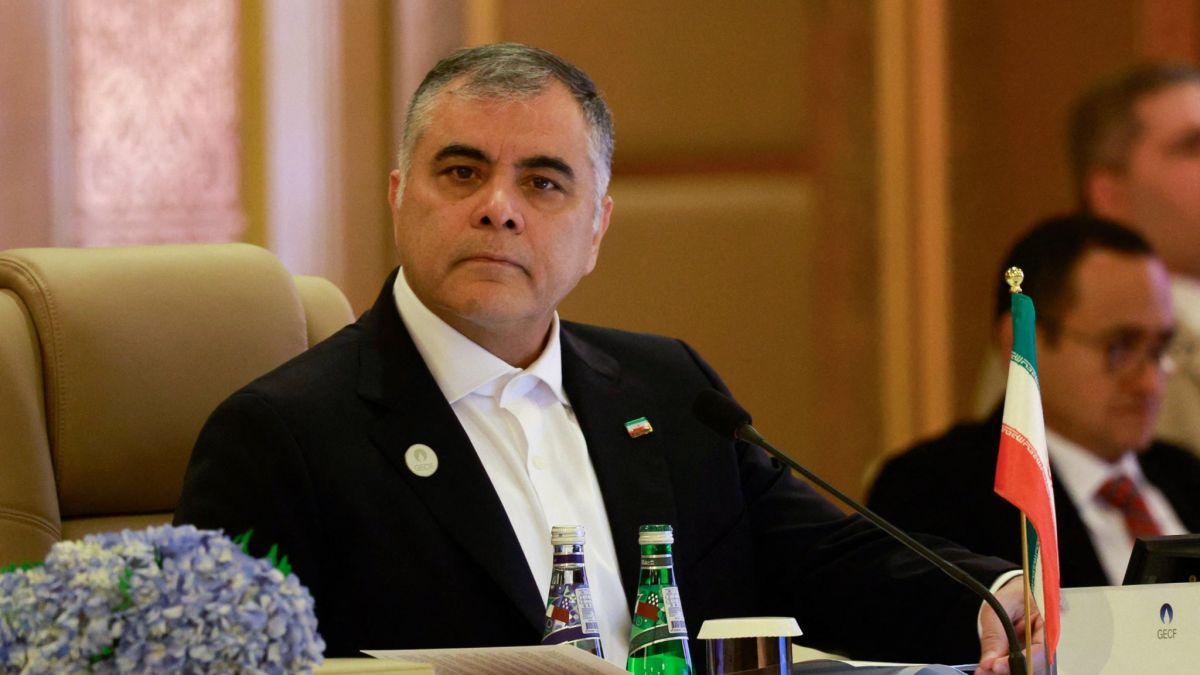
Colombian President Abelardo de la Espriella proposed a controversial measure to detain the most dangerous inmates on ships at sea to reduce the escapes of drug traffickers, an idea that raises concerns among human rights advocates. (translated)

Colombian President Abelardo de la Espriella proposed a controversial measure to detain the most dangerous inmates on ships at sea to reduce the escapes of drug traffickers, an idea that raises concerns among human rights advocates. (translated)

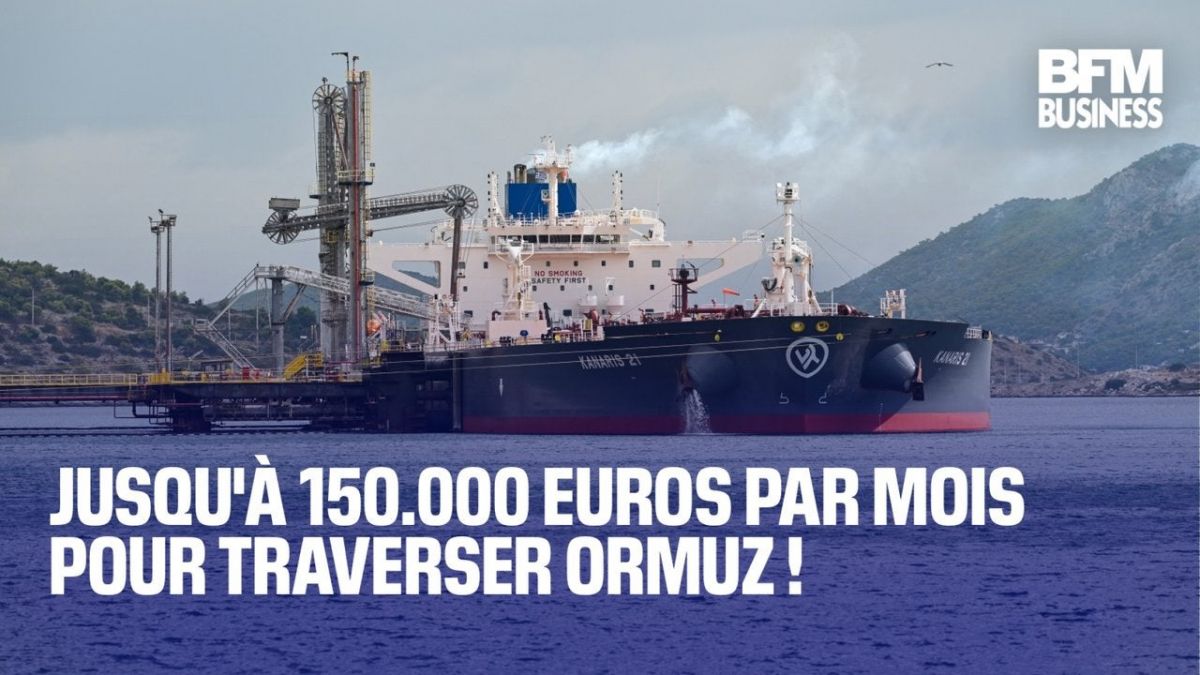
Maritime traffic in the Strait of Hormuz has reached its lowest level in four months, with only two ships crossing on Monday, due to new U.S. economic sanctions against Iran and the repercussions of the war, whereas before the conflict, between 130 and 140 ships passed daily. (translated)

A tanker was seriously damaged by an unknown projectile in the Strait of Hormuz, near Oman, as ships in the region have been regularly attacked since the beginning of the Israeli-American offensive against Iran. (translated)

In the face of rising attacks in the Red Sea and soaring insurance prices, Saudi Arabia is considering forcing its insurers to cover oil tankers through a pool of financial institutions to mitigate the growing risks associated with the war in Iran and threats from Houthi rebels. (translated)

The UN Secretary-General, António Guterres, proposed a mechanism to secure the passage of ships carrying fertilizers in the Strait of Hormuz. (translated)

The Houthi rebels from Yemen claimed responsibility for a ballistic missile attack against a Saudi tanker in the Red Sea, causing a fire on board and prompting other ships to flee, as part of their blockade against the Saudi fleet. (translated)

Iran has threatened to seize ships that do not comply with its transit rules in the Strait of Hormuz, warning that fines and confiscations could be imposed on violators, according to statements from the Persian Gulf Strait Authority (PGSA). (translated)

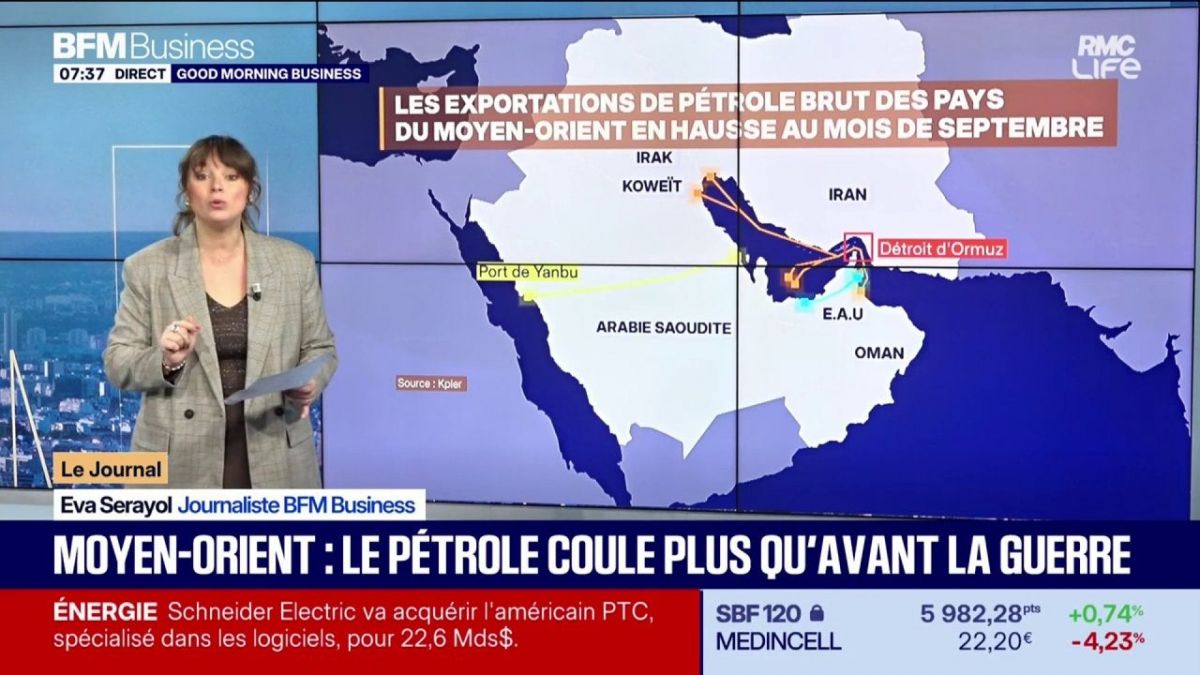
A tanker caught fire off the Saudi port of Yanbu after being hit by an unknown projectile, while Houthi rebels from Yemen, supported by Iran, are intensifying their attacks against Saudi ships as part of an ongoing regional conflict. (translated)
Starting in September, the Panama Canal will reduce its daily traffic capacity from 36 to 32 ships due to a significant decrease in rainfall caused by the El Niño climate phenomenon, which could lead to further long-term operational consequences. (translated)

The Panama Canal will reduce the number of ships allowed to pass due to the decrease in rainfall caused by El Niño, from 36 to 34 ships per day starting September 3, and to 32 starting September 15, in order to ensure the sustainability of its operations. (translated)
The Panama Canal will reduce the number of ships allowed to pass through due to decreased rainfall caused by the El Niño phenomenon, going from 36 to 34 ships per day starting September 3, and then to 32 starting September 15. (translated)

The Indian and Japanese defense ministers agreed to strengthen their cooperation in maritime security and to jointly develop military vessels, combining Japan's technological expertise with India's production capabilities, as part of their commitment to a free and open Indo-Pacific. (translated)

The United Arab Emirates has suspended all its trade and financial exchanges with Iran in response to the launch of two missiles, accusing Tehran of targeting ships, while the Strait of Hormuz remains closed, exacerbating tensions in the Middle East. (translated)

Maritime traffic in the Strait of Hormuz, vital for the passage of hydrocarbons, has dramatically decreased from 130 ships per day before the war between the United States and Iran to only 12 currently, due to ongoing tensions between the two countries. (translated)

The United Arab Emirates accused Iran of attacking two ships of the ADNOC oil company in the Strait of Hormuz, describing these actions as piracy and calling for the secure reopening of this essential waterway. (translated)

Hugo De Stoop, former CEO of Euronav, is launching an ambitious project aimed at making ship recycling both sustainable and profitable, in response to the dangerous and manual way in which 85 to 90% of large ships are currently dismantled in Southeast Asia. (translated)

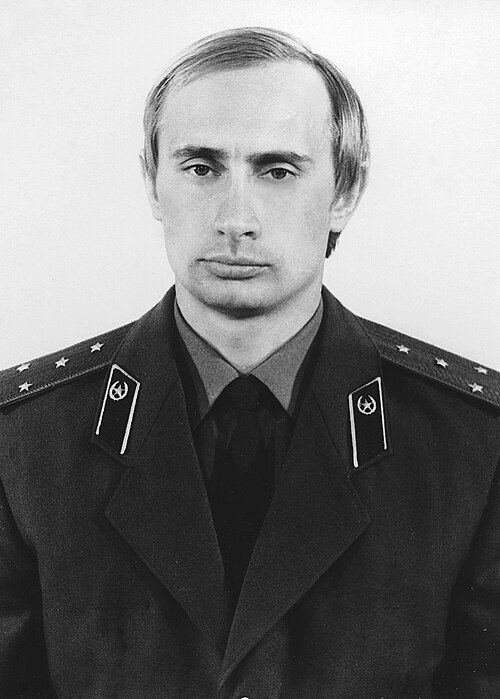
Vladimir Putin threatened to seize Western ships in retaliation for the boarding of Russian vessels, while Ukrainian soldiers are lacking food and water after months of fighting without adequate rotation. (translated)

Marschall Truchot addresses Putin's threat to seize European ships, highlighting the current geopolitical tensions and their implications for maritime security in Europe. (translated)

Vladimir Putin threatened to seize Western ships in response to European countries boarding vessels suspected of belonging to the Russian phantom fleet. (translated)

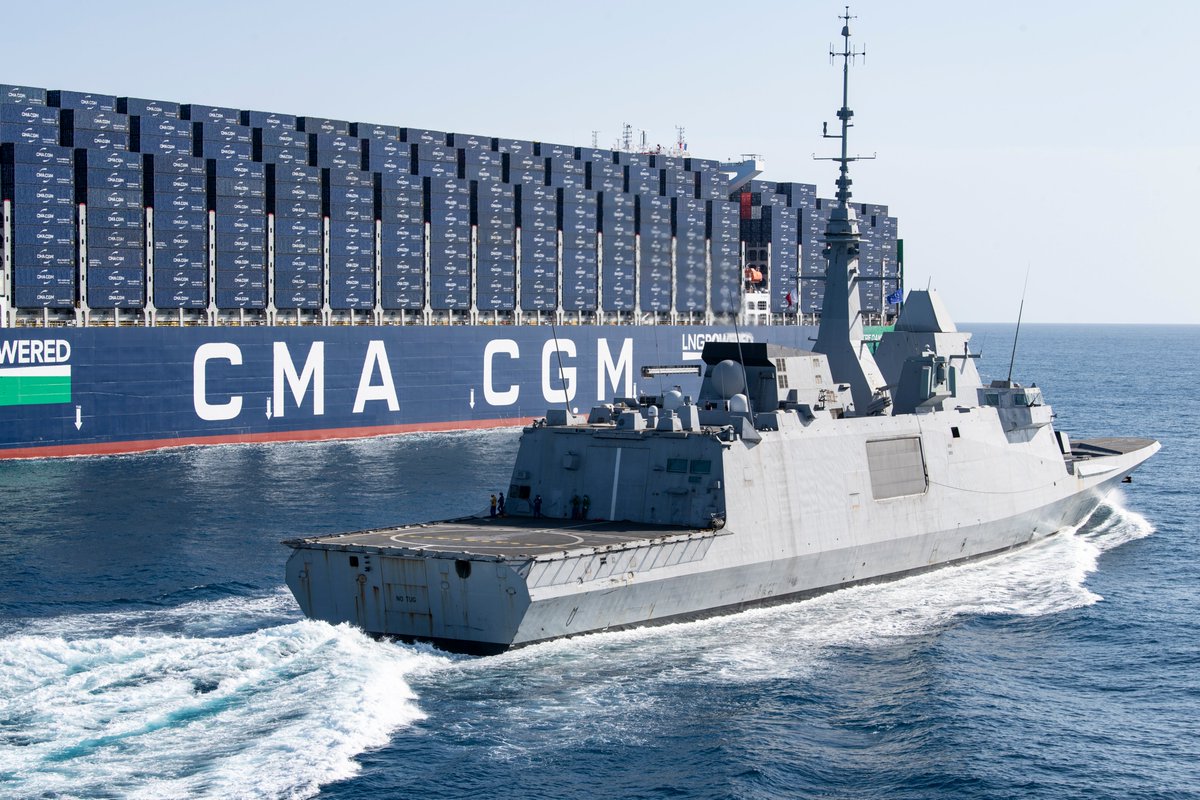
Vladimir Putin has threatened to seize Western ships in response to the boarding of vessels suspected of belonging to the Russian phantom fleet by European countries, including Sweden and France, accused of undermining the sanctions imposed on Moscow. (translated)