“Com ou sem o Irão, o petróleo e o gás continuarão a fluir da região do Golfo Pérsico, e isso está a acontecer”
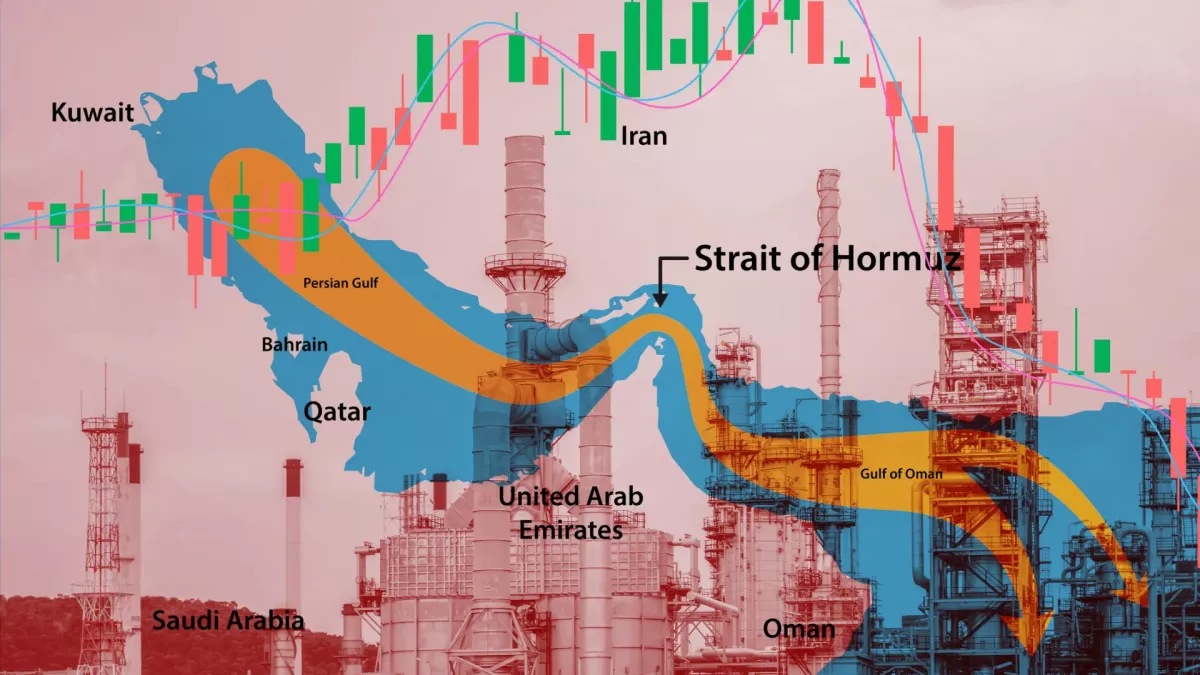
U.S. Energy Secretary Chris Wright revealed that more than 17 million barrels of oil passed through the Strait of Hormuz, reaching levels prior to the conflict with Iran, indicating that Tehran is losing its ability to control the flow of the global economy. (translated)

The Trump Administration has formalized the entry of the U.S. into the exploitation of Venezuelan oil, securing a 35% stake in the business matrix and guaranteed access to 20% of the production, while Chevron and Eni intensify their investments in the country. (translated)

Wall Street remains attentive to the rising tensions in the Middle East, particularly the exchanges of strikes between the United States and Iran that are driving up oil prices and exacerbating inflation concerns, as the New York Stock Exchange opens without a clear direction after consecutive declines. (translated)

Alejandro Betancourt, a controversial businessman, emerges as a key player in Donald Trump's oil strategy in Venezuela, playing a central role in the agreement allowing the United States to take control of the country's vast oil resources. (translated)

#AHORA | Bloomberg: Chevron planea invertir en Venezuela $7 mil millones en un período de cinco años, lo que doblaría su producción petrolera en Venezuela. #Chevron #Venezuela #Petróleo
The price of 95 octane gasoline is rising again, reaching 2.058 euros per liter, the highest amount since July 2022, due to the increase in oil prices related to the geopolitical situation. (translated)

The Venezuelan army approved a historic oil agreement with the United States, allowing them to exploit 17 oil fields with a production potential of 65 billion barrels, following the capture of President Nicolas Maduro. (translated)

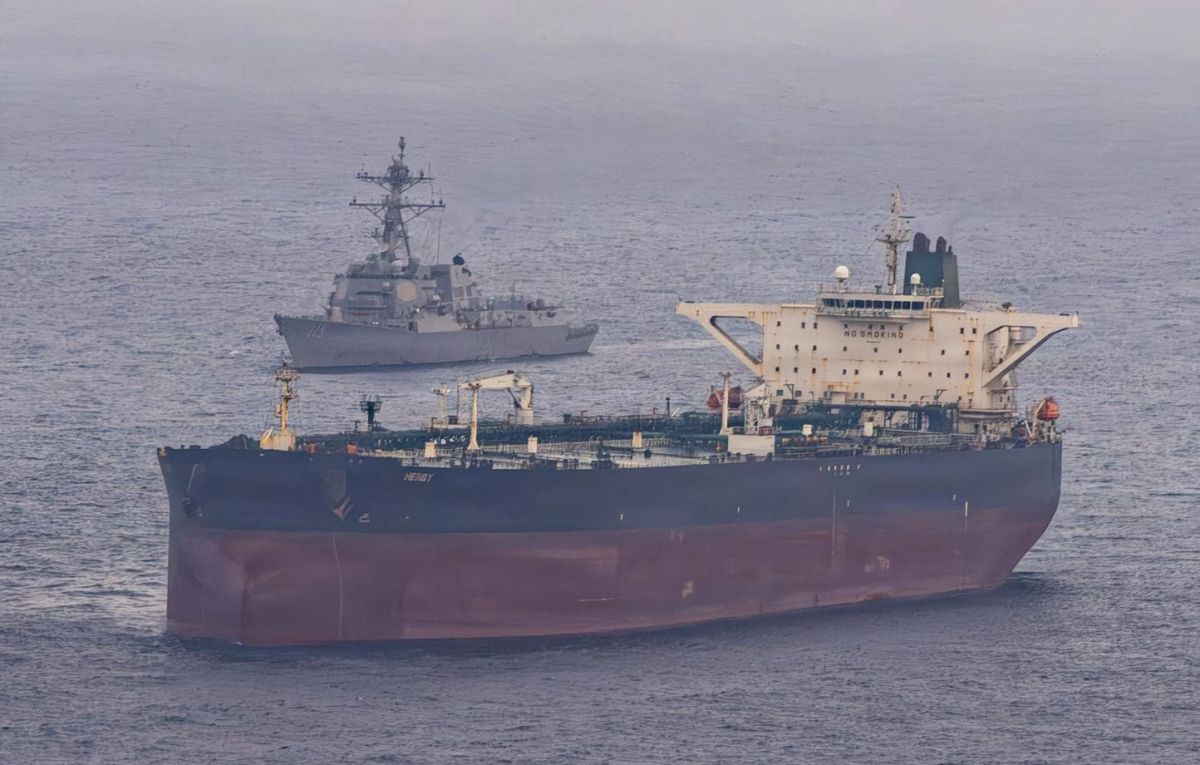
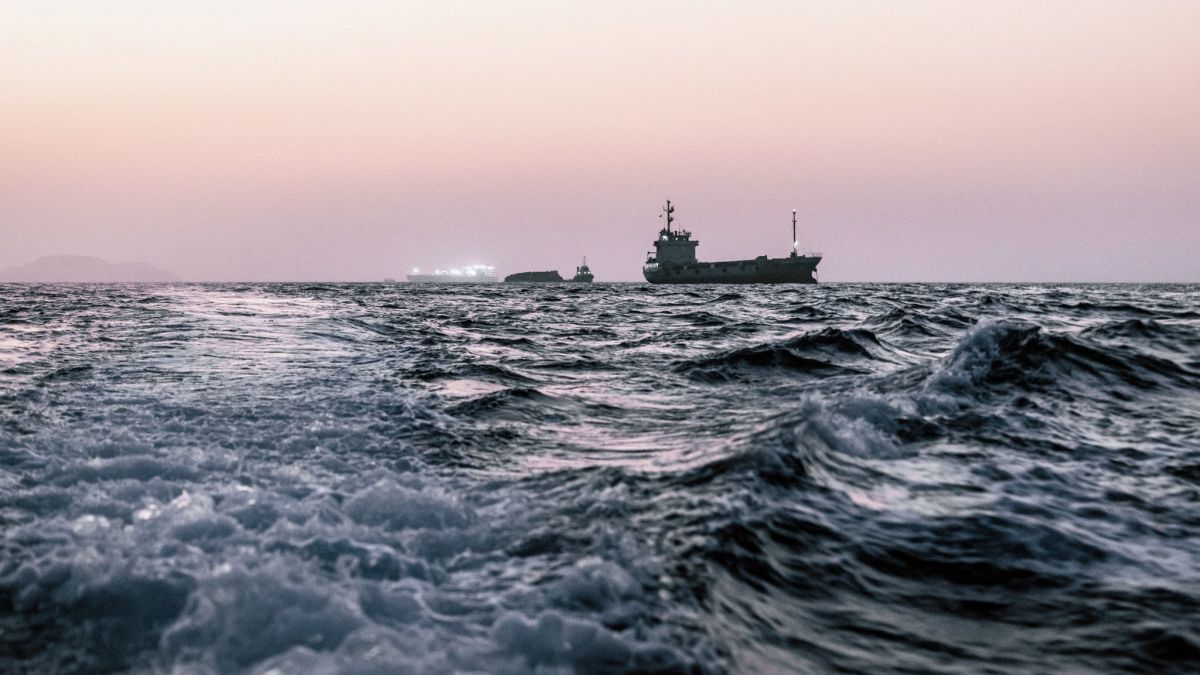
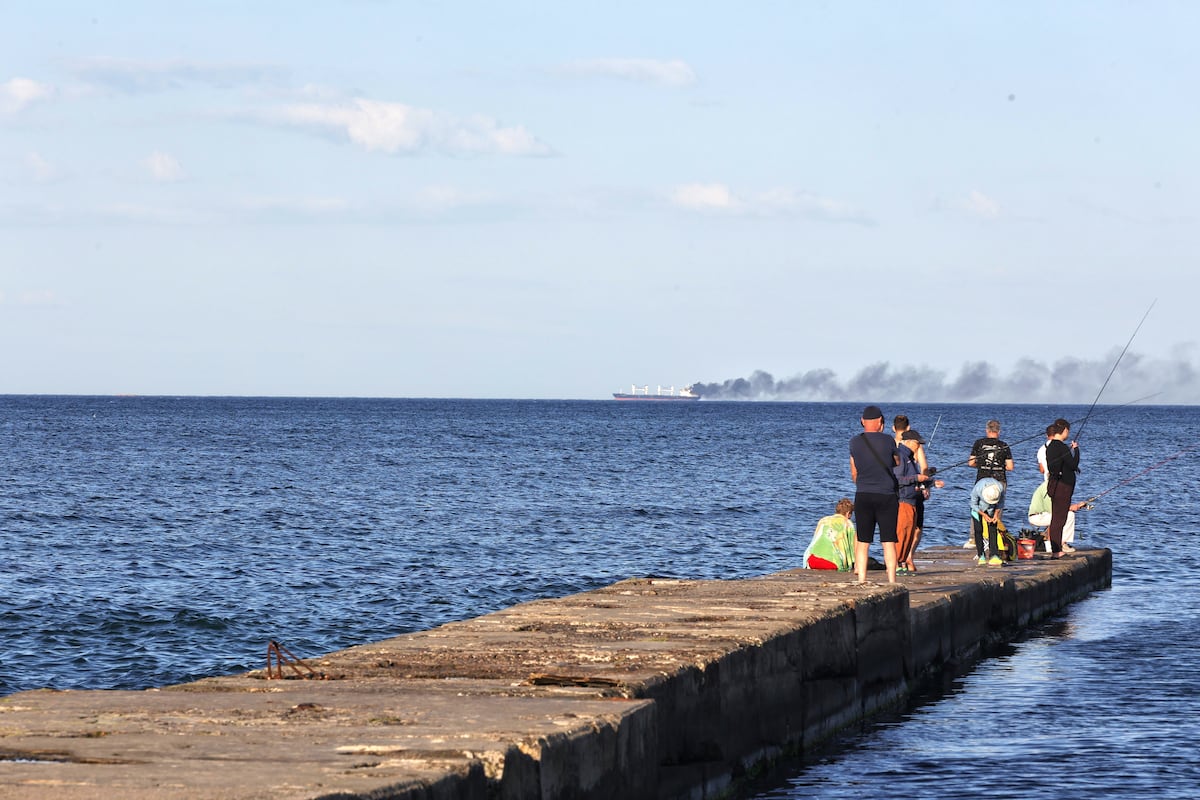
The United States carried out strikes against Iranian tankers for the first time, targeting the Revolutionary Guards in the Strait of Hormuz. (translated)

Donald Trump has forged a oil deal that cedes 22% of Venezuela's reserves to a company linked to Alejandro Betancourt, generating alarm about the mortgaging of the country's future and consolidating U.S. control over Caracas in what is seen as a de facto protectorate. (translated)

The article reports on the recent military attacks between the United States and Iran, including Iranian missiles and drones against American bases, which resulted in deaths and injuries, exacerbating tensions in the region and causing an increase in oil prices. (translated)

The Venezuelan military leadership has expressed its support for the oil agreement with the United States, emphasizing that this decision seeks peace and does not represent subordination. (translated)

The Venezuelan oil company Blue Energy Partners, led by Alejandro Betancourt and backed by the Trump Administration, plans to send more than 50 drilling rigs to Venezuela in an effort to boost the country's crude production, which has been declining. (translated)

Iran threatened to respond militarily to the United States if the naval blockade intensifies, reiterating that no one will be able to export oil from the Persian Gulf in such a scenario. (translated)
Alejandro Betancourt, a businessman linked to chavismo and under investigation for money laundering, has gained control of Venezuela's oil production for the next 100 years after alliances with the government of Donald Trump. (translated)

The United States and Venezuela have reached a 100-year concession agreement with the company North American Blue Energy Partners to exploit oil fields in Venezuela, which includes production rights and significant investment in the country's oil infrastructure. (translated)

European oil and gas prices are experiencing a sharp increase after the recent American strikes in Iran and the response announced by Tehran, reaching record levels since 2023. (translated)

The price of European gas has reached its highest level since 2023, rising by more than 6% due to the resumption of hostilities between the United States and Iran, while the price of oil also surged by 5%. (translated)