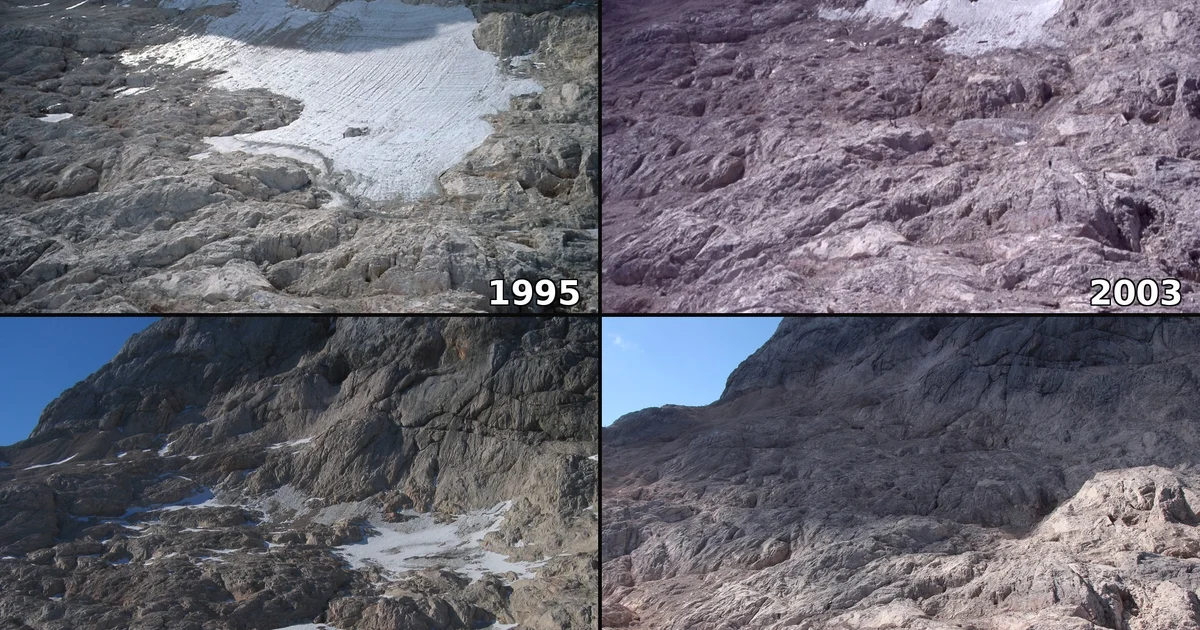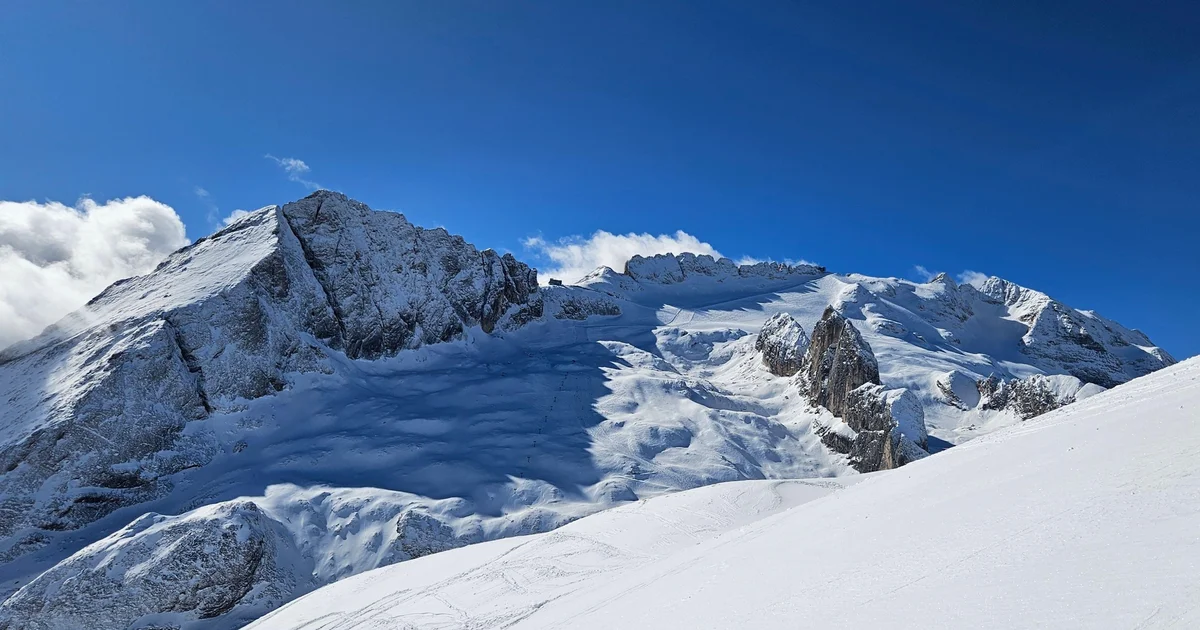
Climate change in the Alps is causing rapid glacier melting, an increase in natural disasters, and changes in ecosystems, which affects the lives of residents and the local economy. (translated)

Climate change in the Alps is causing rapid glacier melting, an increase in natural disasters, and changes in ecosystems, which affects the lives of residents and the local economy. (translated)

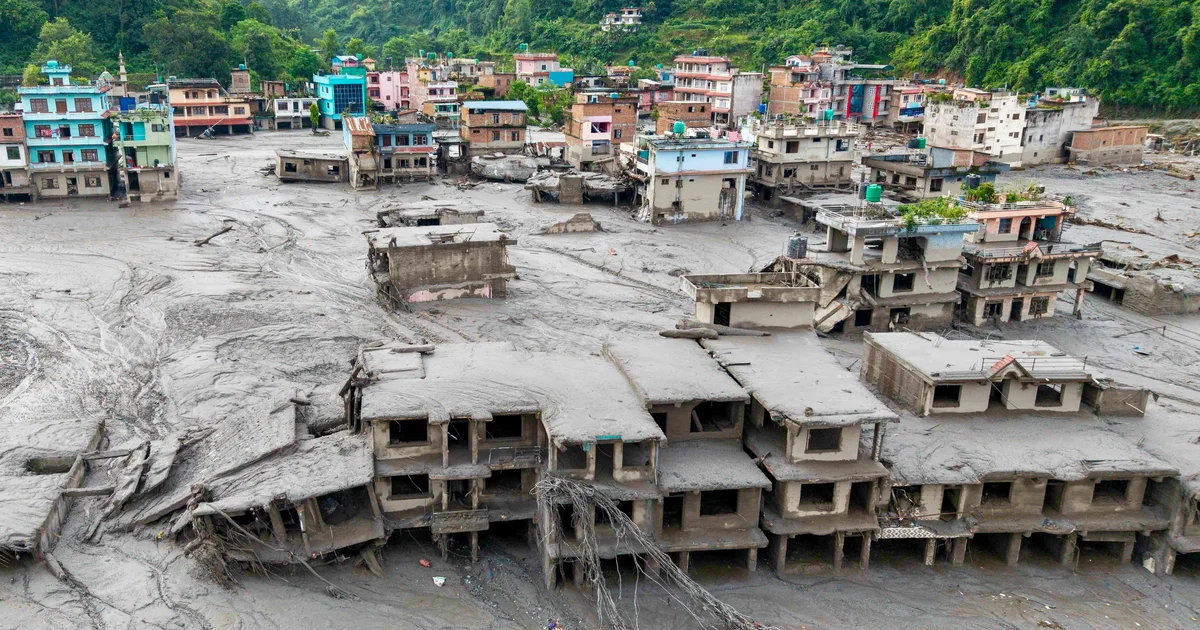
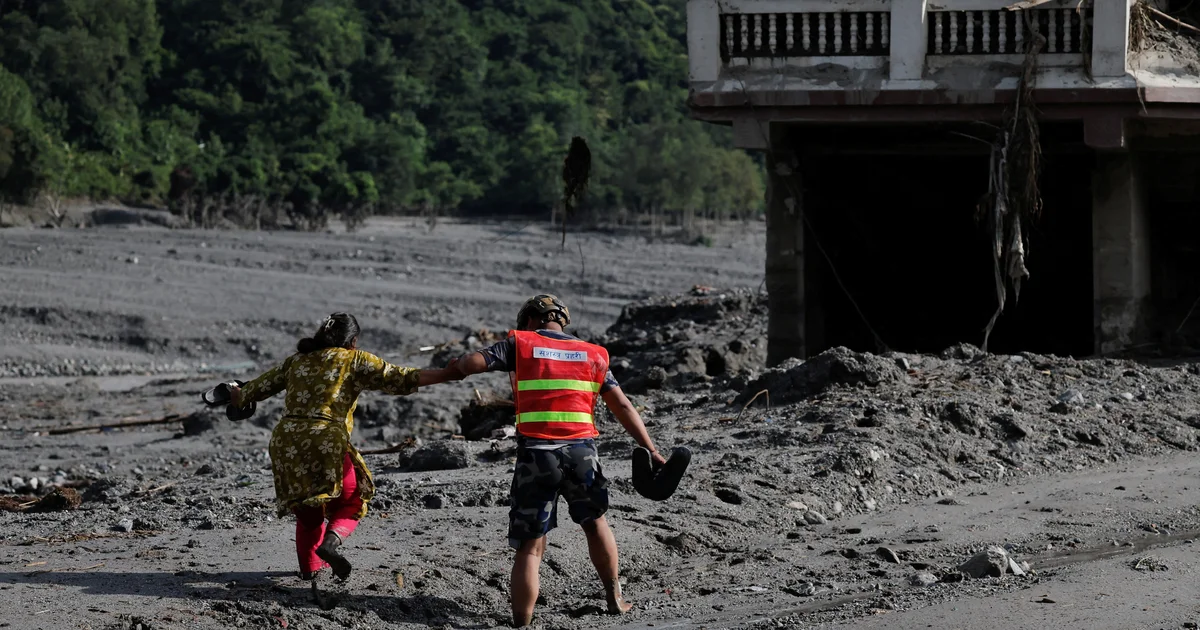
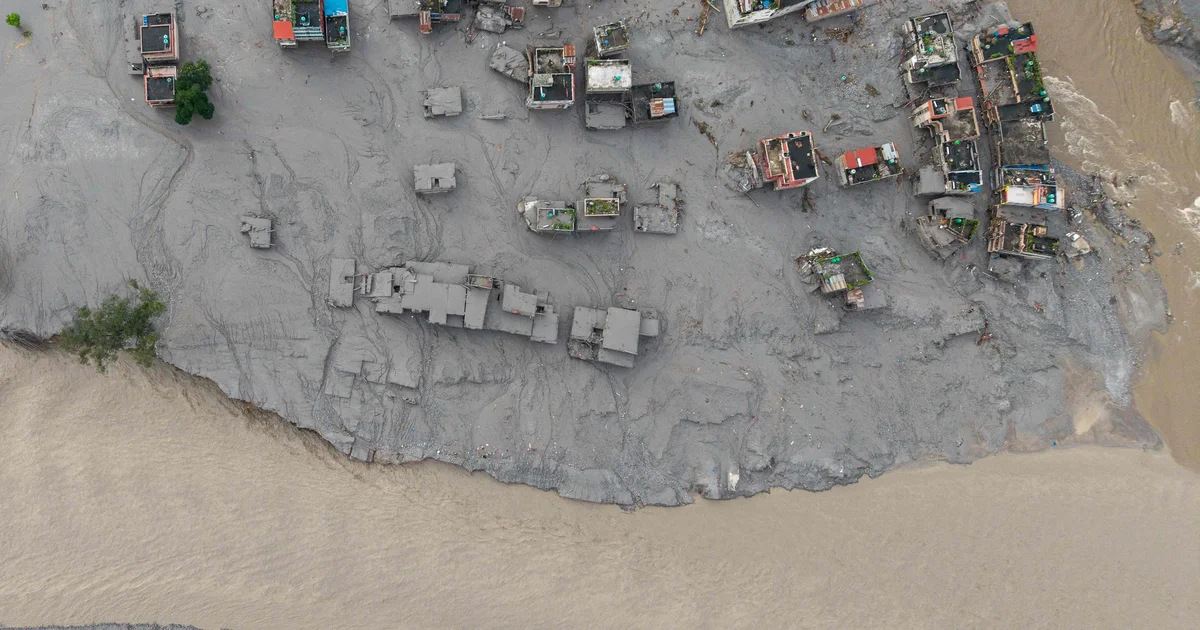
In a natural disaster at the border between Nepal and China caused by a glacial collapse, more than 570 people have lost their lives, and over 1300 are missing, highlighting the fragility of the ecosystem and the impact of global warming. (translated)

Nepal was recently devastated by a continental tsunami triggered by the collapse of part of a glacier in the Himalayas, resulting in a destructive wave of water and mud that affected border settlements and claimed numerous victims and missing persons. (translated)

The average daily sea surface temperature reached a record 21.1 degrees Celsius on August 22, 2026, which represents the highest value since measurements began in 1979 and is a result of climate change and the development of a strong El Niño. (translated)

The extreme heat that has affected Europe this year could cause economic damage amounting to 180 billion euros and could wipe out nearly all expected economic growth, negatively impacting employee productivity as well as agriculture, energy, and transport. (translated)

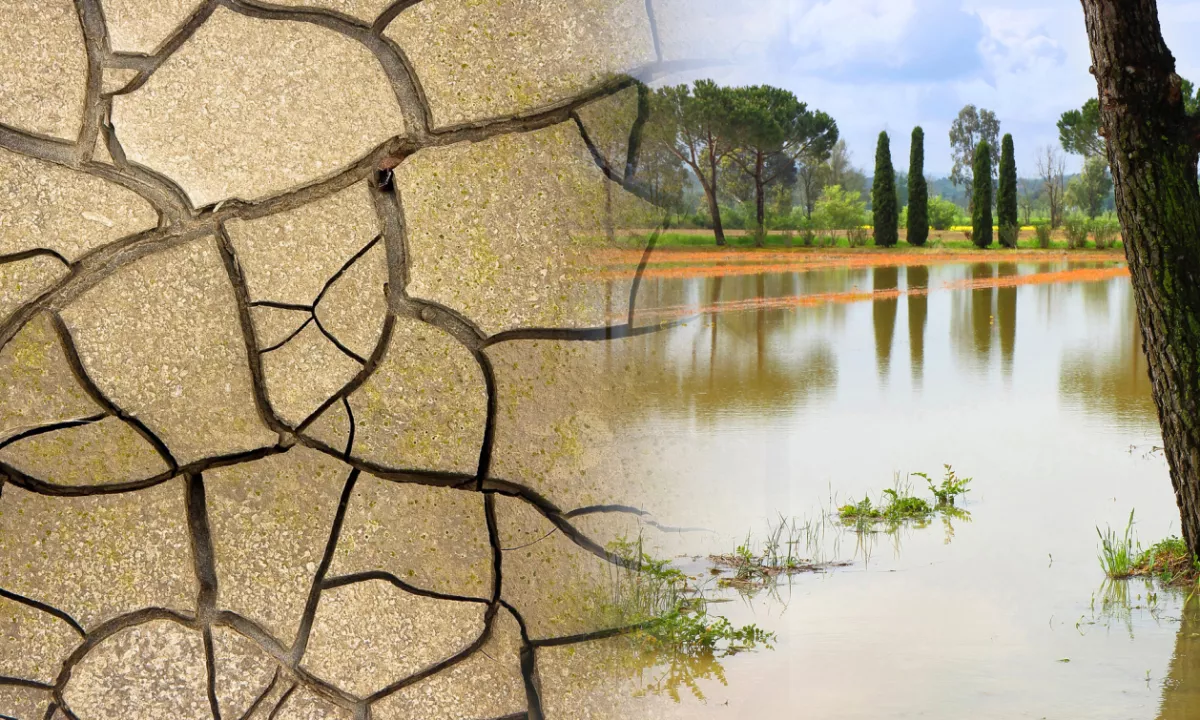
Slovenian meadows are transforming into African steppes due to climate change and extreme weather events, such as drought, which further complicates the situation for locals, while the country continues to insist on subsidies for fossil fuels and denial of reality. (translated)

The article describes how the melting of glaciers in the Alps affects mountain accessibility and safety, which in turn impacts the economy and everyday life, as conditions worsen due to climate change. (translated)

In the Amazon, extreme drought is affecting the composition of gases that plants release, while European forests are indicating changes due to fires, mortality, and pests, which shows the rapidly changing boundaries of ecosystem resilience. (translated)

In the Amazon, researchers have discovered increased emissions of organic compounds following droughts in 2023 and 2024, indicating changes in the forest ecosystem, while Europe is witnessing damage from fires, highlighting the vulnerability of forests as a living system. (translated)

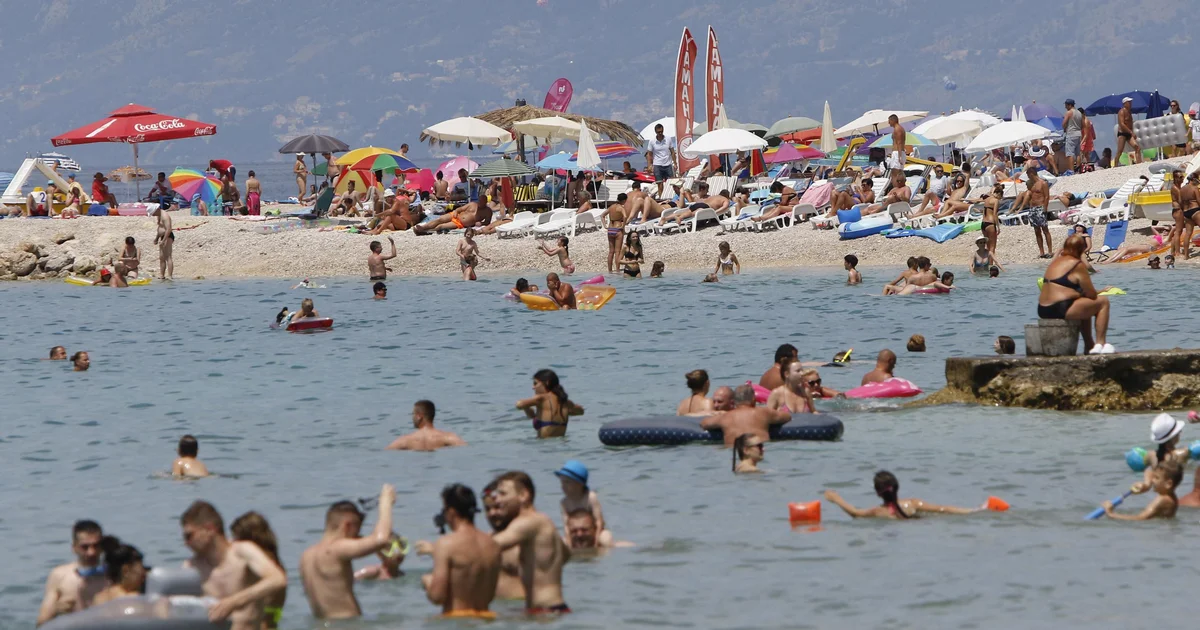
Western Europe is facing record heat and the highest July temperatures in recorded history, which has caused severe droughts and fires, while the average sea level temperature has reached a new record. (translated)

Slovenia has been struggling with extreme heat and drought for several weeks, which is affecting various sectors, while experts warn that we urgently need to adapt to climate change and build a resilience system, as rapid droughts are becoming more frequent. (translated)

The article discusses the critical state of climate change, which causes extreme weather events, ocean warming, and demographic effects, and warns about the consequences this has on the environment and society. (translated)

The consequences of this year's extremely hot summer, caused by climate change, are affecting agricultural production in Europe, which could lead to higher food prices, especially for olive oil, as fires and high temperatures have reduced the yield of grains, vegetables, and olives. (translated)

The issue of climate change is causing a rift at the political top, as extreme weather events are increasing, leading to extensive fires across Europe, while governments and the opposition have differing opinions on the causes and solutions. (translated)

So I've been listening for years that the politics of degrowth - reducing economic activity and the state's interference in our lives - seems to be trending. And I haven't even mentioned that thousands of hectares of forests are burning across Europe and that we have thousands of excess deaths due to the heat. (translated)
A fire near Bordeaux is under control, but it has so far destroyed approximately 42,000 hectares of forest and 240 houses, evacuating around 220,000 people, while slow winds have halted its spread. (translated)

In the interview with Dr. Andreja Sušnik, the increasingly strong turbulence of the weather in Slovenia and Europe is discussed, which is a consequence of climate change, as evidenced by increasingly extreme heat waves, increased drought, and serious health threats to the elderly population. (translated)

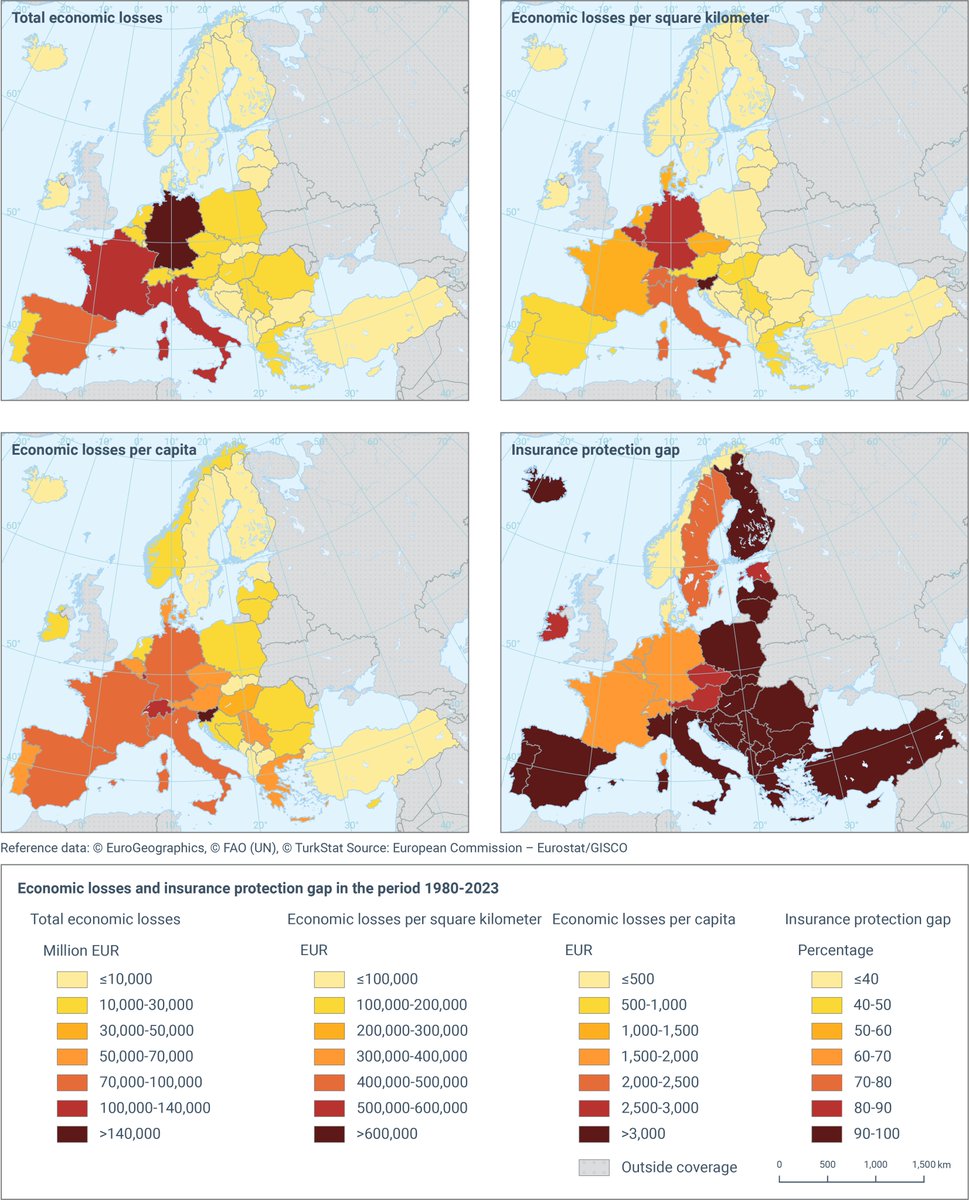
Climate change in Europe is causing increasingly frequent and intense fires, leading to rising insurance premiums, burdens on national budgets, and the necessity of introducing a common European reinsurance scheme to protect households and businesses from natural disasters. (translated)

Economic associations of Belgium, the Netherlands, and Germany are warning of enormous damage due to the (again) low water levels of the Rhine - whose glacial/snow regime is becoming exclusively rainy. In a Belgian financial newspaper, they came up with a brilliant idea on how to prevent this in the future. (translated)
The article discusses how climate change policy has transformed into a global debate after the US first demanded compensation for transboundary damage due to climate change, which has triggered international tensions, especially between the US and Canada. (translated)