The United Nations warns that exceeding the threshold of 1.5°C in global warming is inevitable and urges the management of the impact of this reality, emphasizing that future climate strategies must be rethought. (translated)

The United Nations warns that exceeding the threshold of 1.5°C in global warming is inevitable and urges the management of the impact of this reality, emphasizing that future climate strategies must be rethought. (translated)

The United Nations warns that the 1.5°C threshold for global warming could be exceeded in a few years, which would intensify extreme weather events and require urgent reductions in greenhouse gas emissions to limit the negative effects on the environment and population. (translated)
Pope Leo XIII emphasized the importance of environmental conservation and warned about the connection between wars and the destruction of nature, urging people to "value the Earth" during a special liturgy. (translated)

The devastating flood from the Himalayas has led to the death of over 1,000 people and left 4,400 missing, while rescue operations continue in the affected areas of Nepal and China. (translated)

Ursula von der Leyen, the president of the European Commission, warned that Europe must strengthen its capacity for disaster prevention and management, as wildfires, floods, and extreme weather phenomena are becoming increasingly frequent and can simultaneously affect multiple countries. (translated)

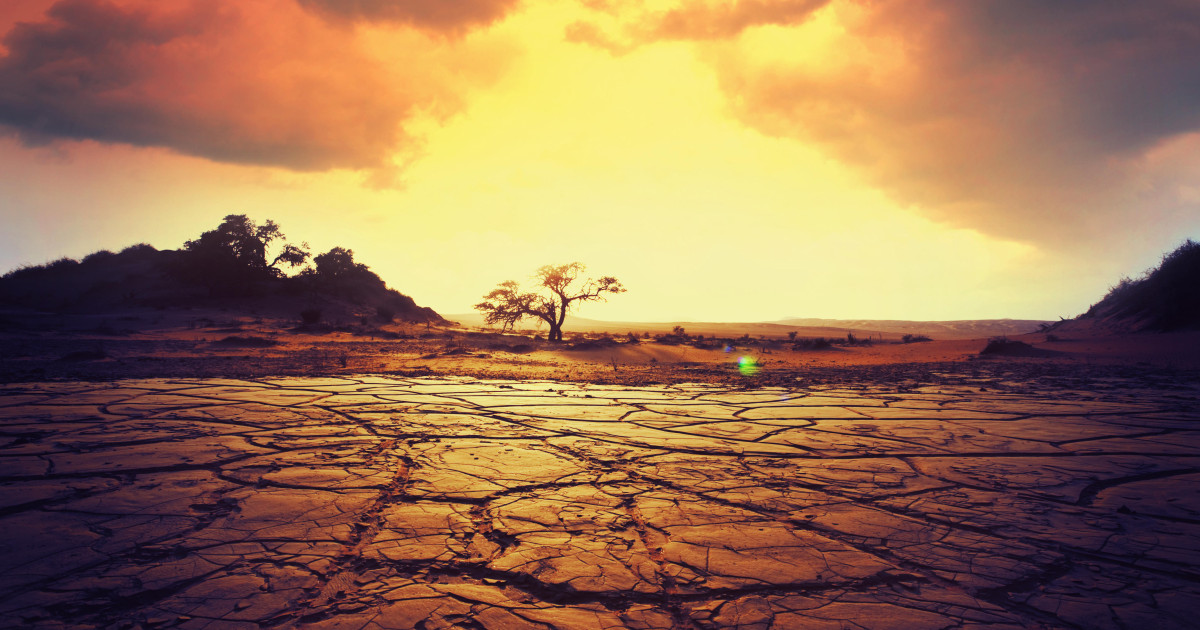
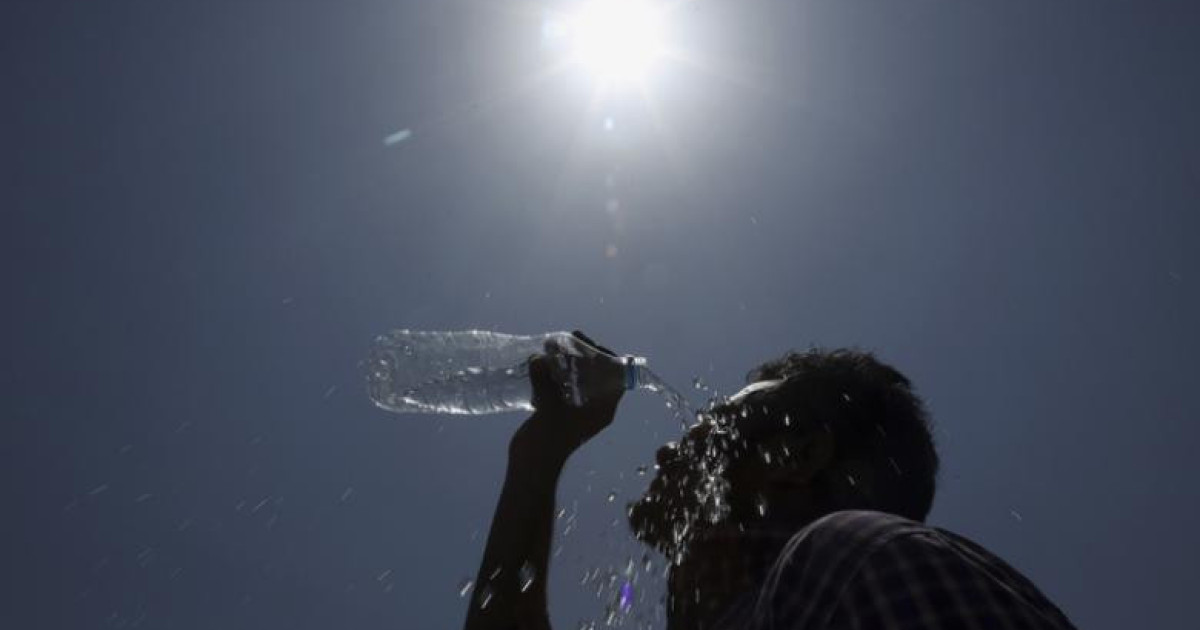
The spring of 2026 marked a brutal change in the lives of Europeans, bringing extreme heat, devastating fires, and drought, highlighting the severe effects of the climate crisis and generating a sense of apocalypse. (translated)

The summer of 2026 in Europe was marked by a "climate hell," characterized by extreme heat waves, devastating wildfires, and severe drought, turning what were once beautiful days of the summer season into a climate nightmare. (translated)

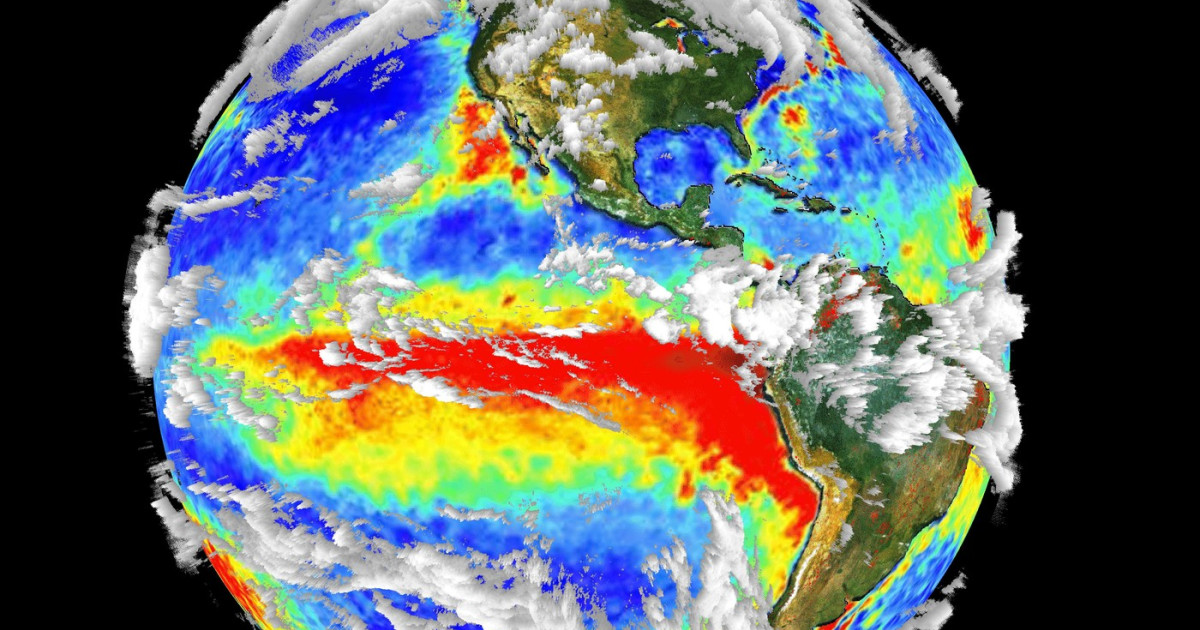
A new study shows that the El Niño phenomenon is becoming increasingly stronger due to climate change, which could amplify extreme weather events worldwide. (translated)

A recent study shows that 560 million children around the world are already affected each year by extreme heat caused by climate change, putting their health at risk. (translated)
The article discusses the silence of European leaders in the face of the climate crisis following the extreme summer of 2026, highlighting the growing gap between voters' demands for concrete climate action and politicians' evasion of addressing this crucial topic. (translated)
The European Commissioner for Climate, Wopke Hoekstra, warns that Europe must urgently invest around 70 billion euros annually in measures to adapt to climate change to avoid even greater costs in the future, given the severe impact of recent climate disasters on the economy and public health. (translated)

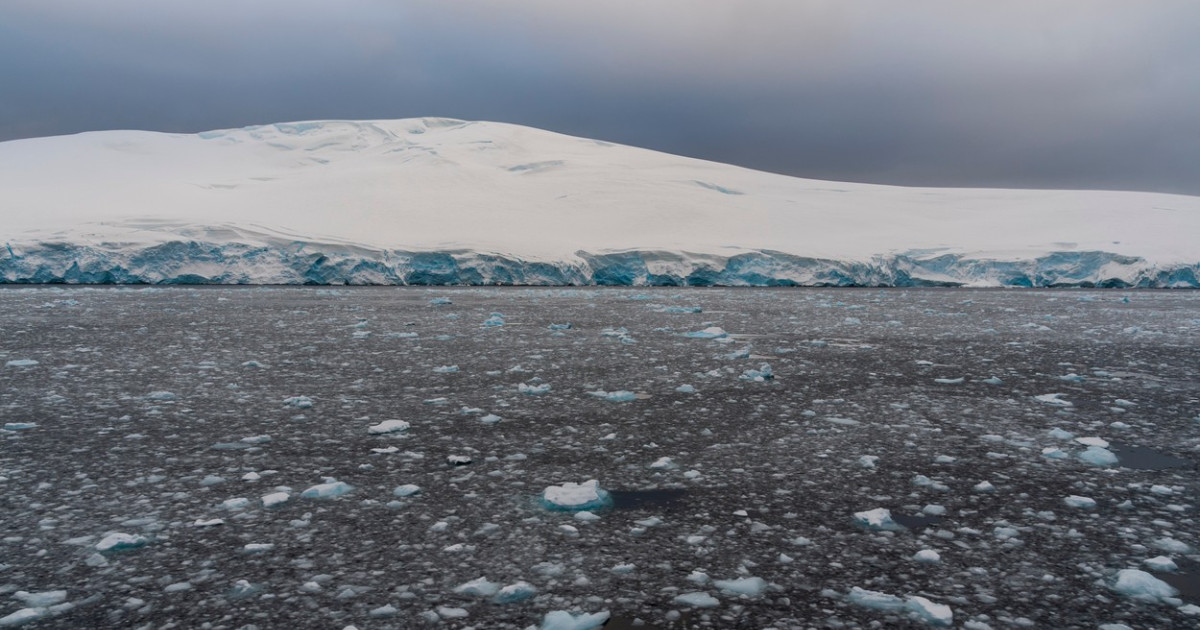
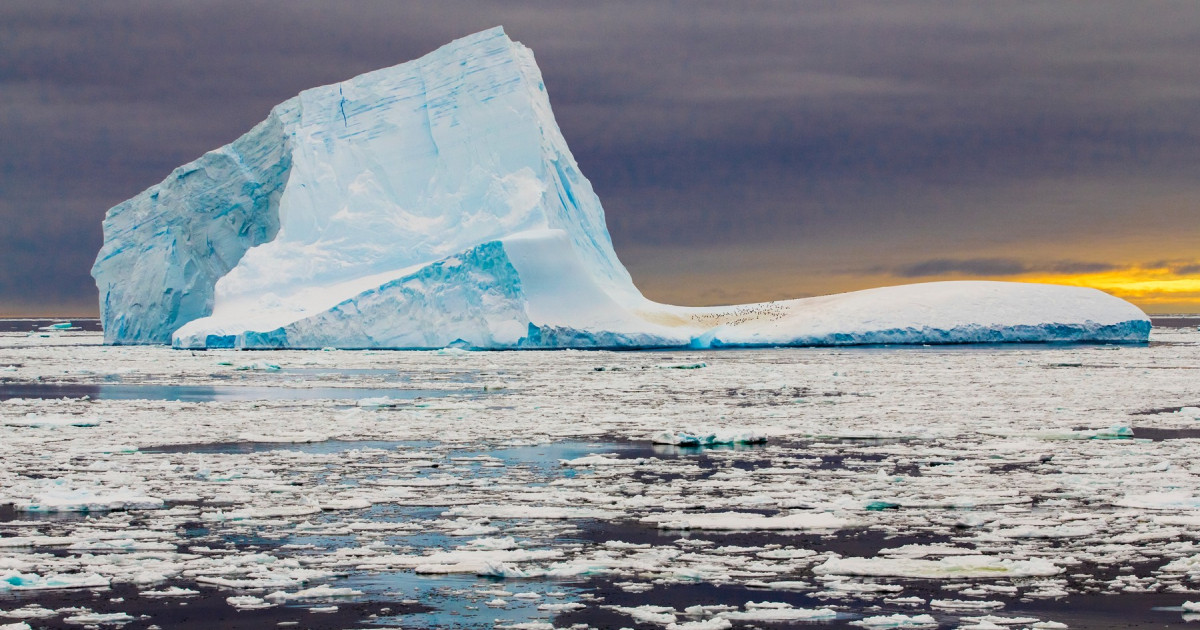
The warming of the Arctic opens new maritime routes for trade, while drought affects traditional routes, prompting Russia, China, and South Korea to intensify their interest in northern transport, transforming the region into a vital geopolitical stake. (translated)

The world's oceans recorded an absolute temperature record of 21.1°C, influenced by climate change and the El Niño phenomenon, an unusual event during this period, with serious implications for marine ecosystems and coastal communities. (translated)

The year 2027 could become the hottest year ever recorded due to the intensification of the El Nino climate phenomenon, which threatens to cause extreme weather conditions globally, amplified by climate change induced by human activities. (translated)

The seas of Europe are experiencing an alarming increase in temperatures, with marine heat waves having up to 6°C above normal values, a phenomenon mainly driven by climate change and fossil fuel burning, which could have serious consequences for ecosystems and coastal communities. (translated)
Human-induced climate change has led to record temperatures in European waters, such as those in the Mediterranean Sea, with severe consequences for marine ecosystems and coastal communities, according to a study conducted by the World Weather Attribution group. (translated)

Water temperatures around Europe have risen by up to 2°C above normal due to human-induced climate change, threatening marine ecosystems and coastal communities, and these extreme conditions can generate severe effects both in the marine and terrestrial environments. (translated)

The devastating wildfires and extreme temperatures have had a significant impact on the European economy, generating costs of billions of euros and threatening future economic growth, which calls into question the European Union's strategy of relaxing environmental measures in favor of competitiveness. (translated)
A pandemic has affected the starfish in the Pacific, leading to the disappearance of billions of specimens due to a disease caused by bacteria, and researchers are collaborating with the indigenous Samish community to save the species by breeding and releasing lab-raised specimens into the wild, considering that their disappearance threatens the entire marine ecosystem. (translated)
The great rivers of Europe, such as the Rhine, Danube, and Po, are facing record low levels due to a severe drought, which affects freight transport, industrial production, and the operation of nuclear plants, putting the continent in front of a major ecological and economic crisis. (translated)