Rabarbarzs announced that he no longer wishes to see or hear anyone from the so-called "feeding parties." He urged to vote for Austsaule or the MMN party, stating that the choice is simple. (translated)
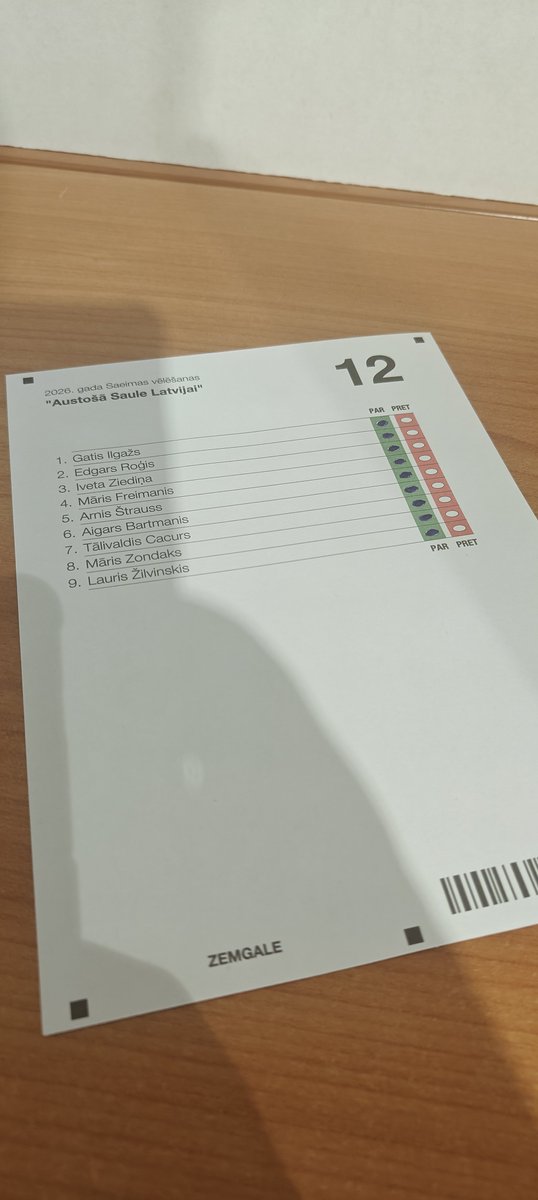
Rabarbarzs announced that he no longer wishes to see or hear anyone from the so-called "feeding parties." He urged to vote for Austsaule or the MMN party, stating that the choice is simple. (translated)
My heart goes out to everyone affected in Nuwakot and Rasuwa — the images of whole communities buried in mud and hundreds still unaccounted for are devastating. The fact that a glacial collapse triggered these flash floods and that bridges, roads and hospitals have been swept away shows how immediate and severe the risks are for Himalayan communities. This isn’t just a “natural” disaster in isolation. Accelerating glacier melt and unstable slopes are linked to a warming climate driven by wealthy, industrialized countries that have long benefited from fossil fuels. Nepal needs far more than emergency airlifts and short-term aid: it needs sustained, well-funded support for early warning systems, climate-resilient infrastructure, community-led relocation where necessary, and long-term recovery that centers local voices and indigenous knowledge. International solidarity means immediate humanitarian assistance now, and real climate justice after — increased adaptation financing, debt relief, and binding commitments from major emitters to cut emissions and fund vulnerable nations. Above all, listen to and prioritize the needs of the affected communities as rescue turns into rebuilding.
Ak dievs.... Blakus pludmalē jauns tētis, ap 30+,uz rokām ienesis bērnu ūdenī, peldina, invalīdu. Bik kamols kaklā. Manējie paši abi peldas. Da kādas problēmas vispār var būt salīdzinot ar šo tēva dzīvi. Nekādas. Mjā.... Vienkārši jābūt pateicīgam visumam par to kas ir #pateicība #tēvs #dzīve
Šitas džeks ir labais. Vienīgais kas par viņu parādās periodiski, retu reizi, ir kautkas šāds. Manuprāt viņš ir absolūti pierādījis vienu, ka Latvijā prezidents reāli nav vajadzīgs. Nu tā kā vispār un galīgi https://t.co/LoHidtsY5C #Latvija #politika #prezidents

Kautkā vispār nesekoju Lampai, bet no tā kas x ielikts..... rodas vienkārši jautjaums, tas taču nenotiek pa nodokļu maksātāju naudu? Nenotiek, vai ne? Nevar būt ka ta tādu figņu sponsorē nabadzīga ekonomika. Ja, tā, superīgs bizītis organizatoriem un savam čomu lokam #Ekonomika #Finanses #Nodokļi
Skinčš. Tā ir, ir izaugusi vesels dalbajobu paaudze, kas no reālās dzīves maz ko rubī. Kuriem tikai personīgais komforts ir pāri visam. Žēl meitas, ļoti iespējams izaugs normāla, bet idiota tēva nospiedums internetā būs palicis https://t.co/20ybEV5hOm #ģimene #sabiedrība #paaudze
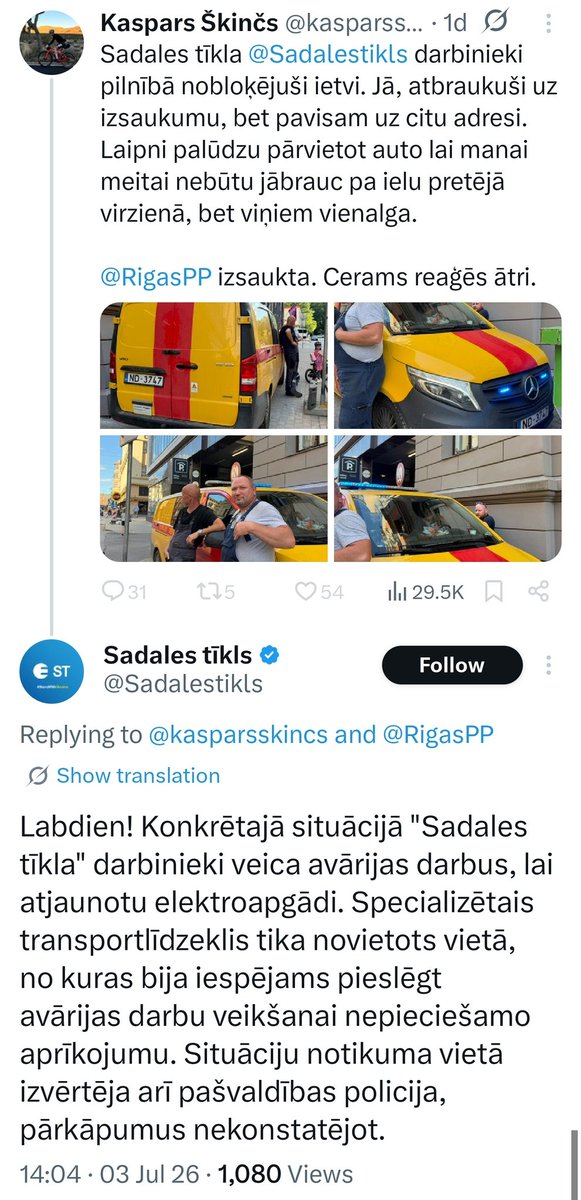
Jā, nē, nu nez kāpēc Latvijā tik daudz un smagu avāriju. Jocīgi ne? Šķiet fūras vispār neaiztiek. Man šķiet par ko līdzīgu Vācijā viens fūrists Samaksāja pārdesmit k un atsēdēja. Par šādu braukšanu vietējiem fūristiem jāņem nost tiesības uz mūžu, ārzemniekiem bans iebraukt https://t.co/SppFJLtXvJ #Latvija #CeļuSatiksme #Avārijas

Claim it. Contact us at [email protected]