“When “Reasonable Doubt” Becomes Unreasonable There is a fundamental problem with the way “reasonable doubt” can be applied: it can turn the absence of certainty into a weapon against the evidence. We will never possess the complete picture of a past event. No courtroom has a time machine. Evidence is necessarily incomplete, witnesses are imperfect, and some facts will remain unknown. That is precisely why the answer cannot be to give hypothetical possibilities the same weight as documented facts. “What if?” is not evidence. You can invent an alternative explanation for almost anything. But if every conceivable alternative is allowed to undermine a conclusion supported by substantial evidence, then the evidentiary process becomes an exercise in imagination rather than reason. This is where Occam’s Razor matters. Occam’s Razor does not claim that the simplest explanation is automatically true. It says that we should not multiply assumptions unnecessarily. If one explanation accounts for the evidence and another requires a chain of unsupported assumptions, the latter should not suddenly acquire equal status merely because it cannot be logically ruled out. The same principle should apply to reasonable doubt. The relevant question should not be: “Can I imagine another possibility?” It should be: “What evidence makes that possibility reasonable?” Otherwise, we commit a basic logical error: allowing the merely possible to defeat the demonstrable. A person should never be convicted because guilt is merely possible. But neither should a coherent, overwhelmingly supported evidentiary picture be dismissed because absolute certainty is impossible. The law cannot establish metaphysical truth. It can only evaluate evidence. And when evidence is incomplete, the rational response is not to pretend every imaginable scenario deserves equal weight. We should follow the evidence, prefer explanations that require fewer unsupported assumptions, and demand evidence for doubt just as we demand evidence for belief. Otherwise, “reasonable doubt” risks becoming nothing more than a veto granted to imagination over evidence
Woltaire


Συνταγματική Αναθεώρηση: Δημοψηφίσματα. Προσπαθούμε να απαντήσουμε 1.Τι είναι το δημοψήφισμα και τι είδους δημοψηφίσματα υπάρχουν; Ποια η χρησιμότητα του θεσμού; 2. Η εφαρμογή του θεσμού παγκοσμίως και ιδίως στις ΗΠΑ και στην Ευρώπη. Αναφορές σε πρόσφατα παραδείγματα (Ισλανδία, ΗΠΑ, Ιταλία, Ελβετία) 3. Τι προβλέπει το ελληνικό Σύνταγμα; 4. Ποια η πρόταση αναθεώρησης της ΝΔ; 5.Τι πρέπει να αλλάξει; 6. Τι έγινε ειδικά με τον νόμο για τα τοπικά δημοψηφίσματα; 7. Λίγα λόγια για την νομοθετική πρωτοβουλία πολιτών. https://www.youtube.com/watch?v=NtC7okVtSis


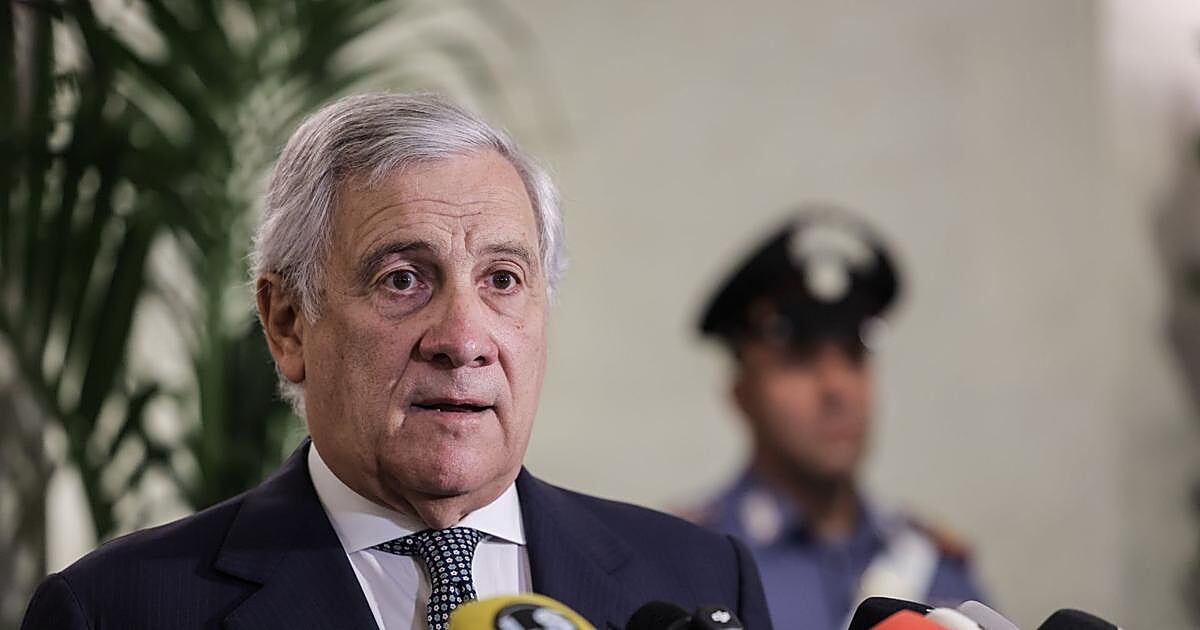
El ministro italiano de Asuntos Exteriores, Antonio Tajani, defiende la decisión de Italia de suspender el acuerdo Schengen por la crisis migratoria en Ceuta, argumentando que esta medida cuenta con el respaldo de 21 países europeos y presumiendo de una caída significativa de la inmigración irregular en Italia bajo las políticas de su gobierno, a pesar de las críticas y las cifras de muertes en el Mediterráneo. #Italia #Inmigración #Schengen