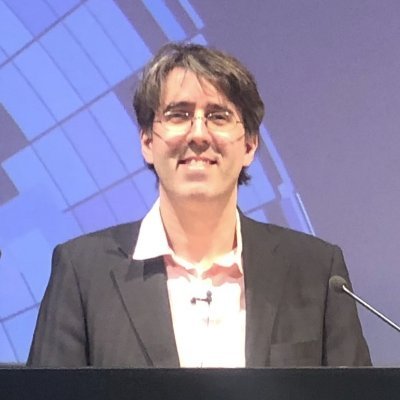
Portuguese microbiologist and ageing researcher
Adam Salmon told MHealthspan that rapamycin appeared to extend lifespan in primates, specifically marmosets, by 10–15%.
Adam Salmon told MHealthspan that rapamycin appeared to extend lifespan in primates, specifically marmosets, by 10–15%.
The author cited a study by Shinya Yamanaka and colleagues, saying it found that the effects of partial reprogramming varied across cell types. They wrote that this suggested cellular rejuvenation strategies needed to be tailored to different cell types and questioned whether whole-body rejuvenation was feasible.
The author said a recent study found that castration extended lifespan more in older males than in younger ones. They added that, while they understood castration increased lifespan in multiple species, including humans, they had expected the benefits to be greater when it was performed earlier in life.
The author cited Seamus O’Mahony’s writing in The Lancet, where O’Mahony described the longevity industry as exploitative and as a “goldrush without gold.” The author argued that this criticism went too far, while acknowledging that the field was awash with hype.
The post said applications were open to UK and international students, and that the University of Birmingham was waiving international fees. It added that international students would still need to pay about £3,500 for visa and healthcare costs, and shared a link for eligibility details and applications. https://t.co/XJXneD7cFk #InternationalStudents #Scholarships #StudyInUK #UK
The author described the preprint as a major step towards organ cryopreservation, saying it reported functional recovery in human-scale pig kidneys after vitrification and storage at −150°C for up to a year. The author added that the kidneys showed vascular, metabolic and excretory function and produced urine.
The author argued that human longevity depended on planetary health, saying environmental changes disproportionately affected older people and that clean air, safe water, nutritious food and safe temperatures were essential for healthy ageing. They questioned the value of extending lifespans without protecting those conditions.

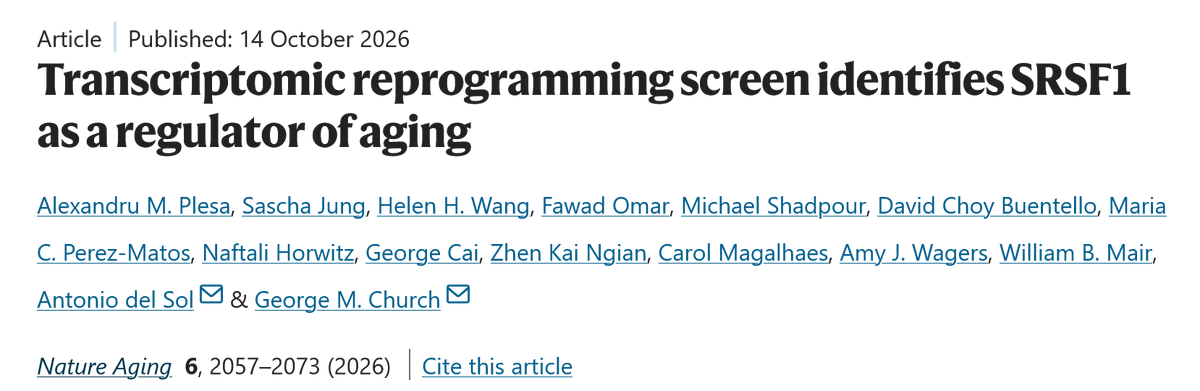
The author wrote that George Church and colleagues had identified SRSF1, an RNA-processing and splicing factor, through a transcriptomic screen, and said it restored youthful profiles in cells. They also reported that activating SRSF1 extended median lifespan by 14% in a small mouse study.
Given the recent interest in organ transplantation and aging, I thought I'd mention our 2018 paper on the topic, where we analysed human data on donors and recipients of different ages and how age affected survival. In a nutshell, older donor age was a poor predictor of survival https://t.co/1YW9ePL8QP #OrganTransplantation #Aging #SurvivalAnalysis #Nospecificcountrycodesarementionedinthetweet.

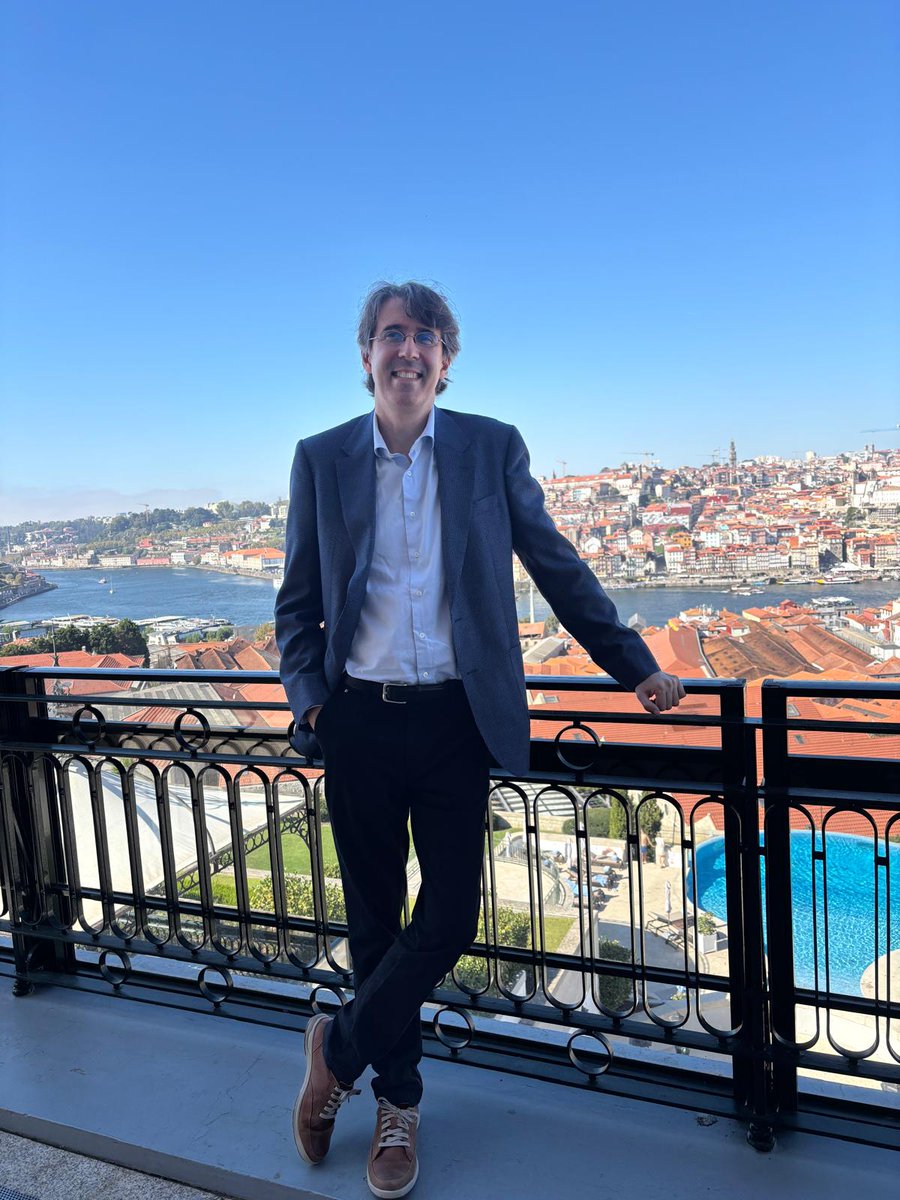
How far can science extend human lifespan? Always a pleasure to be back in my hometown of Porto to discuss the latest advances in ageing and longevity, and to highlight the huge potential of the field to extend lifespan and improve human health. Progress has been slow, I https://t.co/9hpDMCV4zf #Longevity #AgingResearch #HumanHealth #PT
Fascinating study @gladyshev_lab performing heart transplants between donor and recipient mice of different ages. According to epigenetic and transcriptomic clocks, transplanted organs then become younger or older depending on the age of the recipient mouse. It highlights the #HeartTransplants #AgeingResearch #Epigenetics #Thetweetdoesnotmentionanyspecificcountries.Therefore #therearenocountrycodestoreturn.
This is cool 🚀 Using Claude, 950 AI agents searched bacteriophage DNA sequences and found an intriguing new enzyme system similar to CRISPR. @AnthropicAI also established a molecular biology lab to test their discoveries. #AI #Biotech #CRISPR #Nospecificcountrycodesarementionedinthetweet.
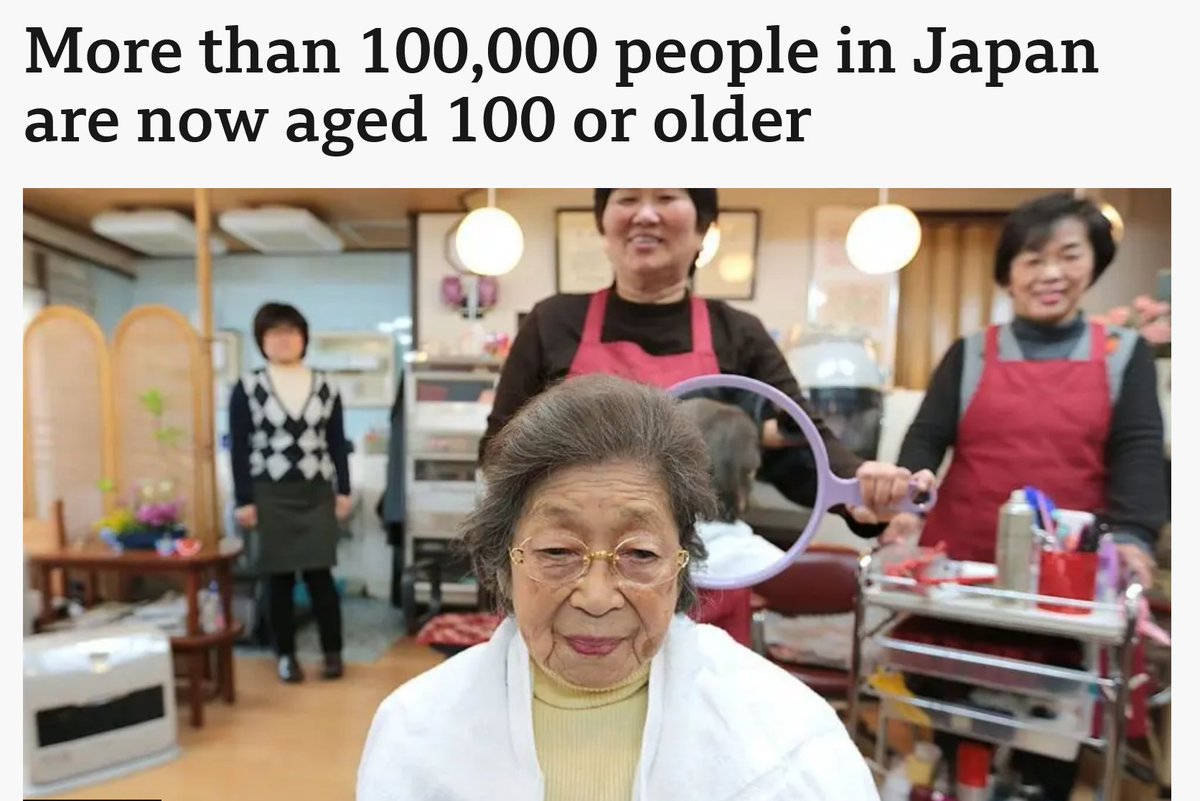
This is a remarkable testament to advances in healthcare, medicine and social structures over the past two centuries. Life expectancy in 1850 was at most 40 years, now in countries like Japan it is over 80 years. It's a major triumph of human civilization. But while we have made https://t.co/FEB1sPN6wm #HealthcareAdvancements #LifeExpectancy #HumanProgress #JP
Fascinating study, showing that cancer cells secrete antioxidants that suppress immunity. When I started in the longevity field, the free radical theory was dominant. Antioxidants were touted as anti-aging. We were among the first to criticize the free radical theory of https://t.co/SOJujOZjYn #CancerResearch #Antioxidants #Longevity #Nospecificcountriesarementionedinthetweet.

Evolution has already run the greatest experiment in longevity. Species are a vast set of natural interventions on the rate of ageing, with huge untapped potential. The challenge now is to uncover how the genome determines how long a species lives. https://t.co/kwvPATCDpU #Evolution #Longevity #Genomics #Nospecificcountriesarementionedinthetweet.

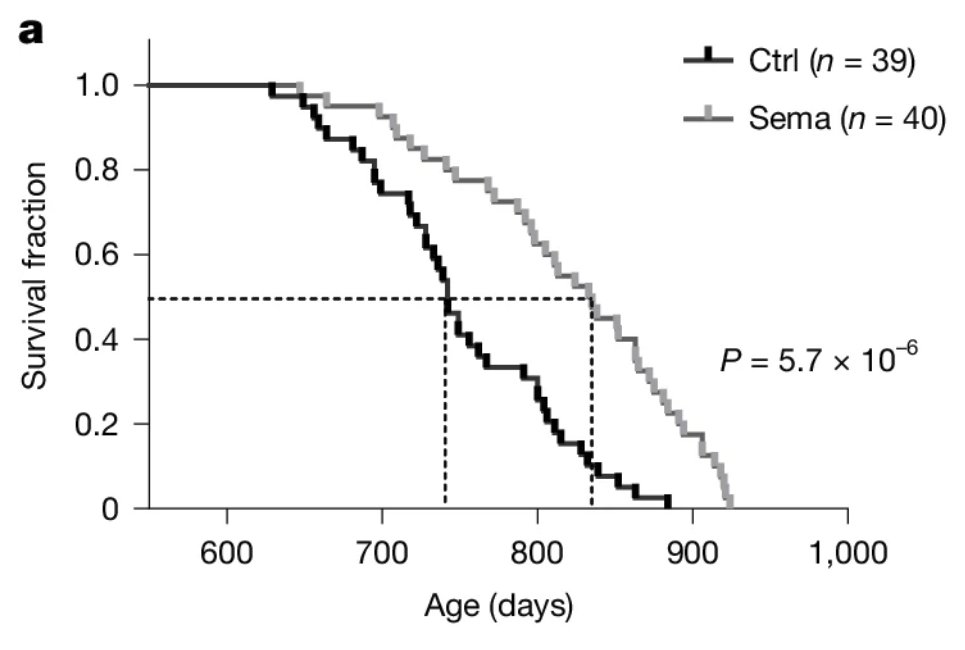
GLP-1 drugs significantly extend lifespan in female mice when given late in life 👀 Semaglutide (Ozempic) also improved physiological function, suggesting it might mimic the effects of caloric restriction. https://t.co/ZSui5qjODd #GLP1 #Semaglutide #LifespanResearch #Therearenospecificcountrycodesrelevanttothistweet.
Epigenetic age ≠ biological age A reminder that epigenetic clocks are interesting and promising tools, but their biology is poorly understood and they have plenty of limitations. For instance, epigenetic age increases with pregnancy and COVID-19, so just because an epigenetic #Epigenetics #BiologicalAge #HealthScience #Therearenospecificcountrycodesmentionedinthetweet.
More coverage @sciencefocus of the recent claims of a limit to human lifespan due to somatic mutations, with some of my thoughts and caveats given the speculative nature of the study. #HumanLifespan #SomaticMutations #ScienceDebate #Nospecificcountrycodesarementionedinthetweet.
I've always found it baffling that the US, the world's wealthiest country, has such a low life expectancy (currently 54th in the world). The US actually spends more per person on healthcare than any country on earth, and still has a life expectancy ~4 years below other wealthy https://t.co/yvEWbbMwtX #HealthCare #LifeExpectancy #USWealth #US

Novo Nordisk's clinical trial for Ziltivekimab, an antibody targeting pro-inflammatory cytokine IL-6, failed 👀 Interestingly, both IL-6 and hsCRP fell with treatment, suggesting an anti-inflammatory effect, yet this did not translate into fewer cardiovascular events. https://t.co/jSZTM1Qxad #NovoNordisk #Ziltivekimab #ClinicalTrials #Nospecificcountriesarementionedinthetweet.

Claim it. Contact us at [email protected]