BETA nonprofit public democratic european moderated

Luciano Magaldi Sardella (PhD)

20 posts

Luciano Magaldi Sardella (PhD)

x-Google IE/Apple EU HQ/Amazon SL, LSE ContrAcademicBookCritic, OxfordUniv ContrAcademicAuthor, Aspire Institute Harvard Business School alumnus.
67 Following

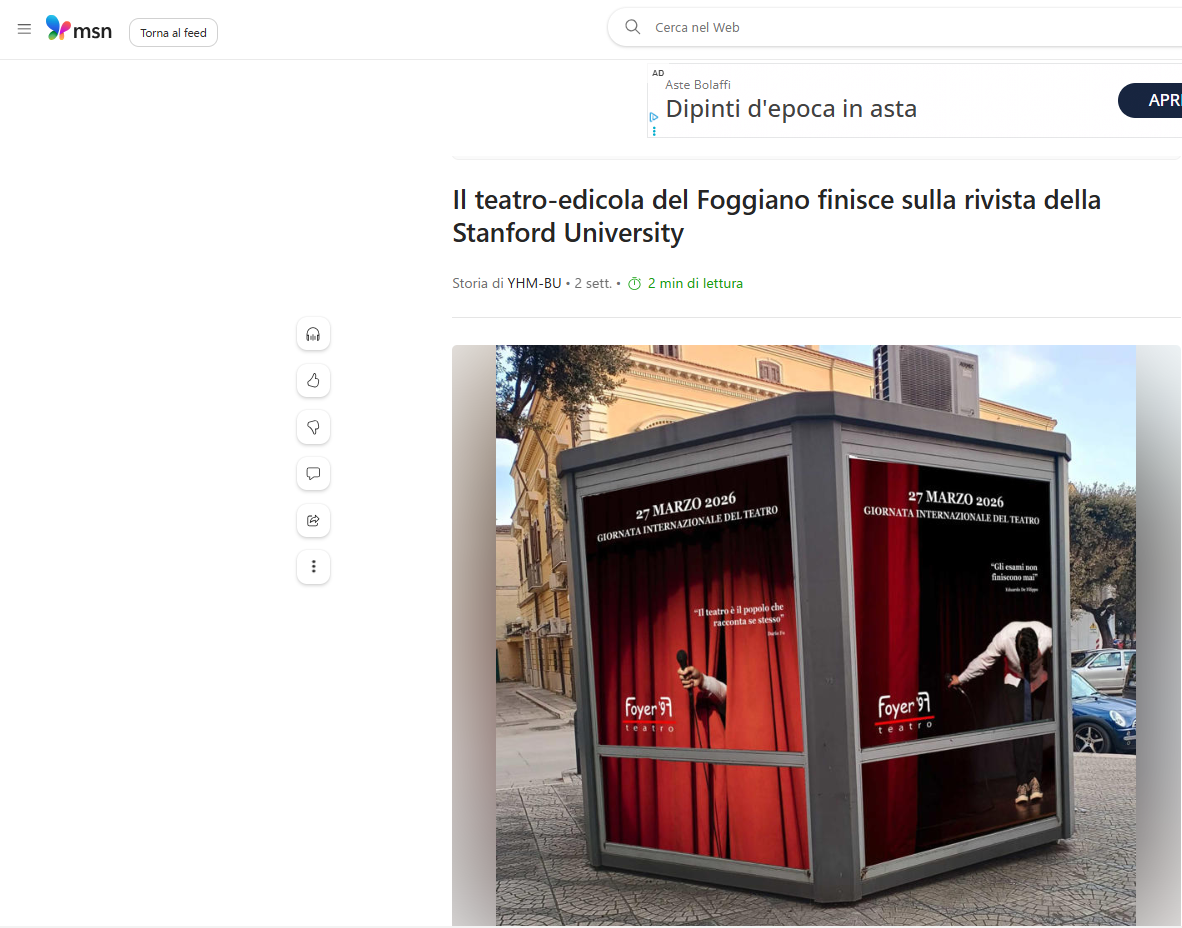
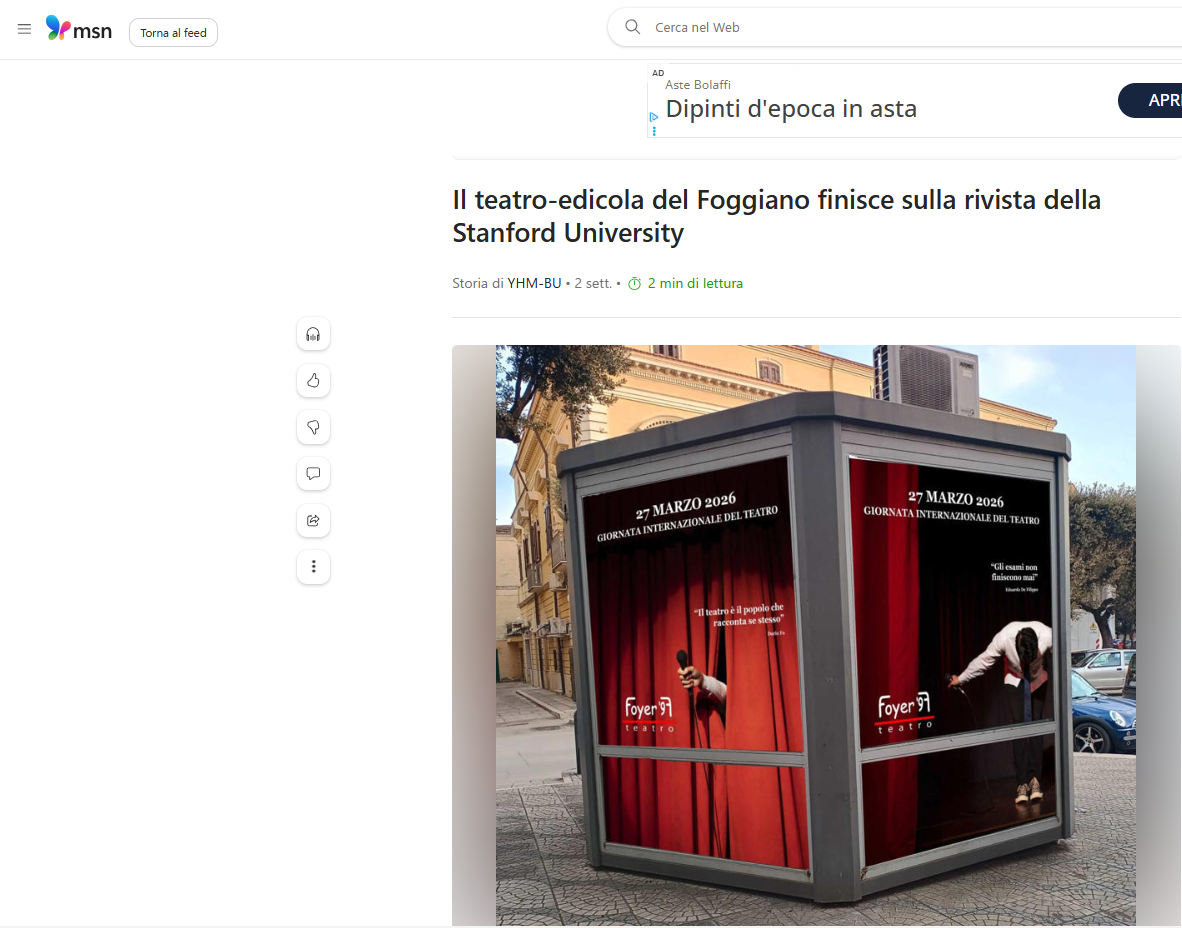
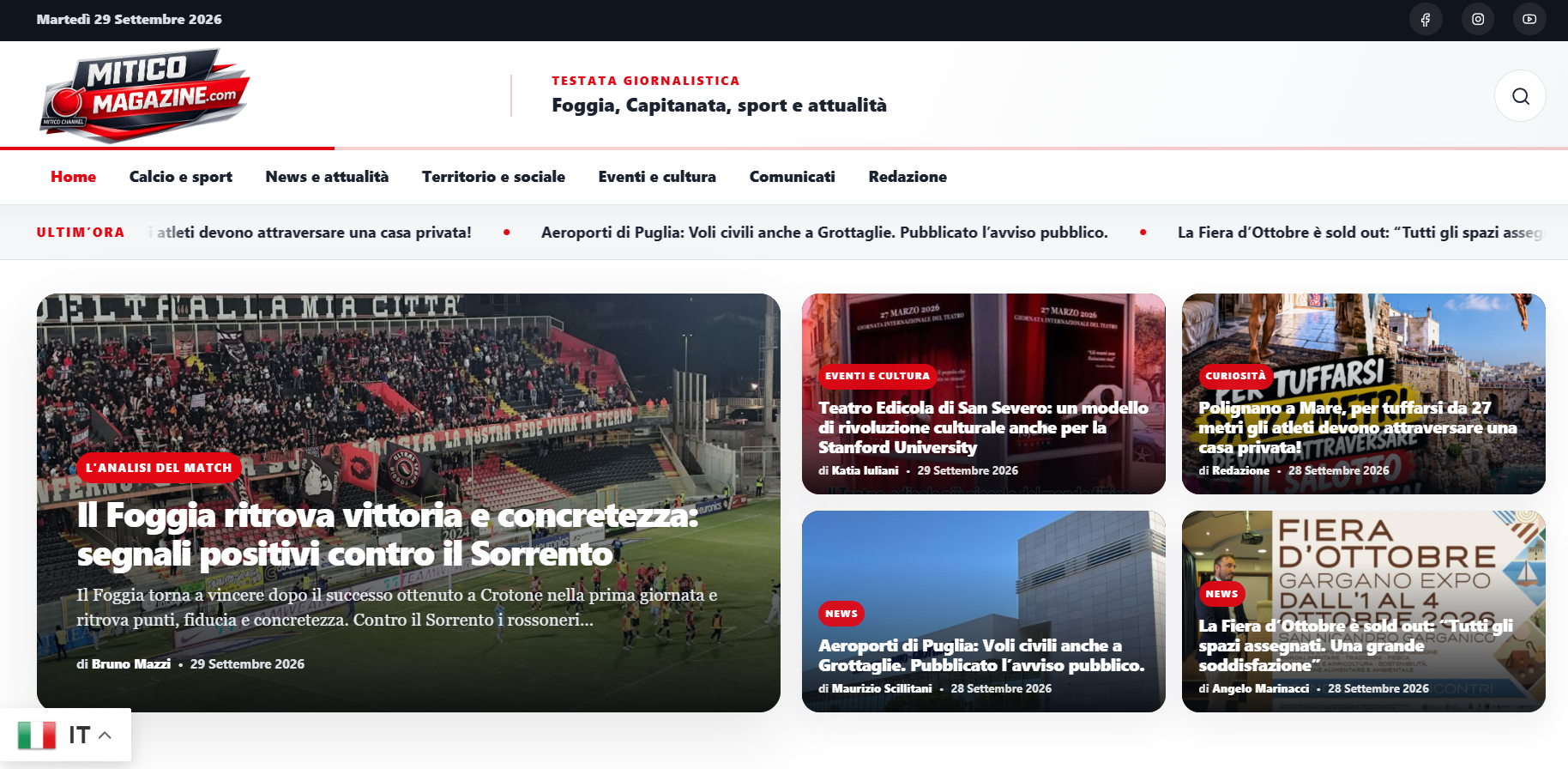
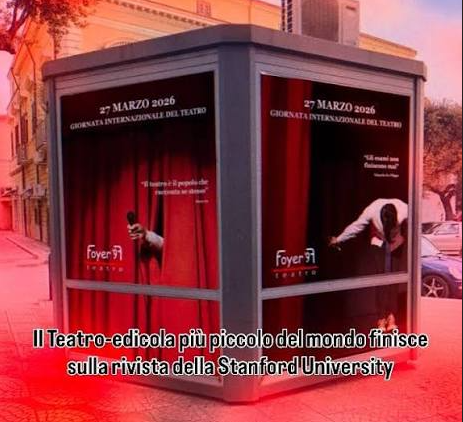
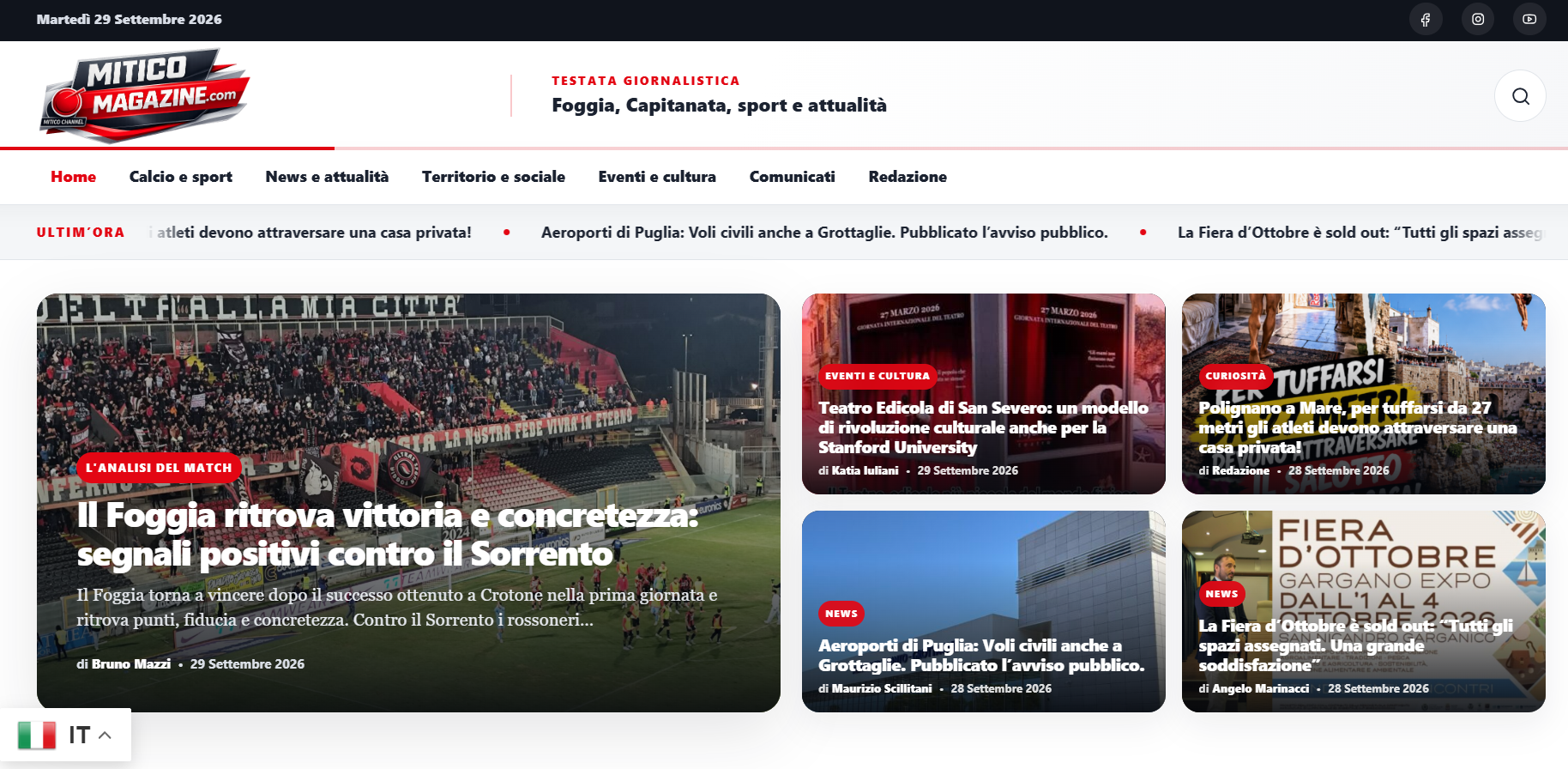
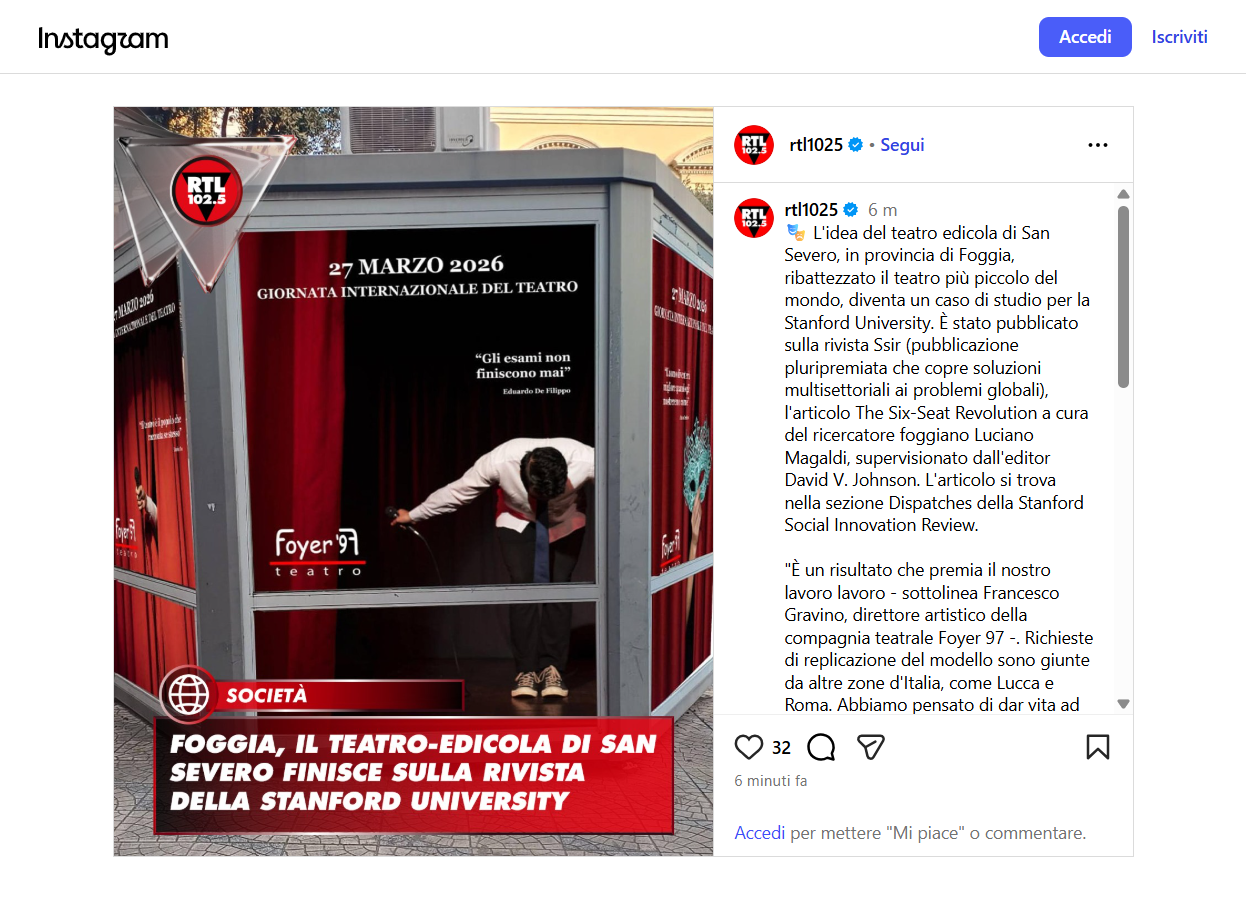
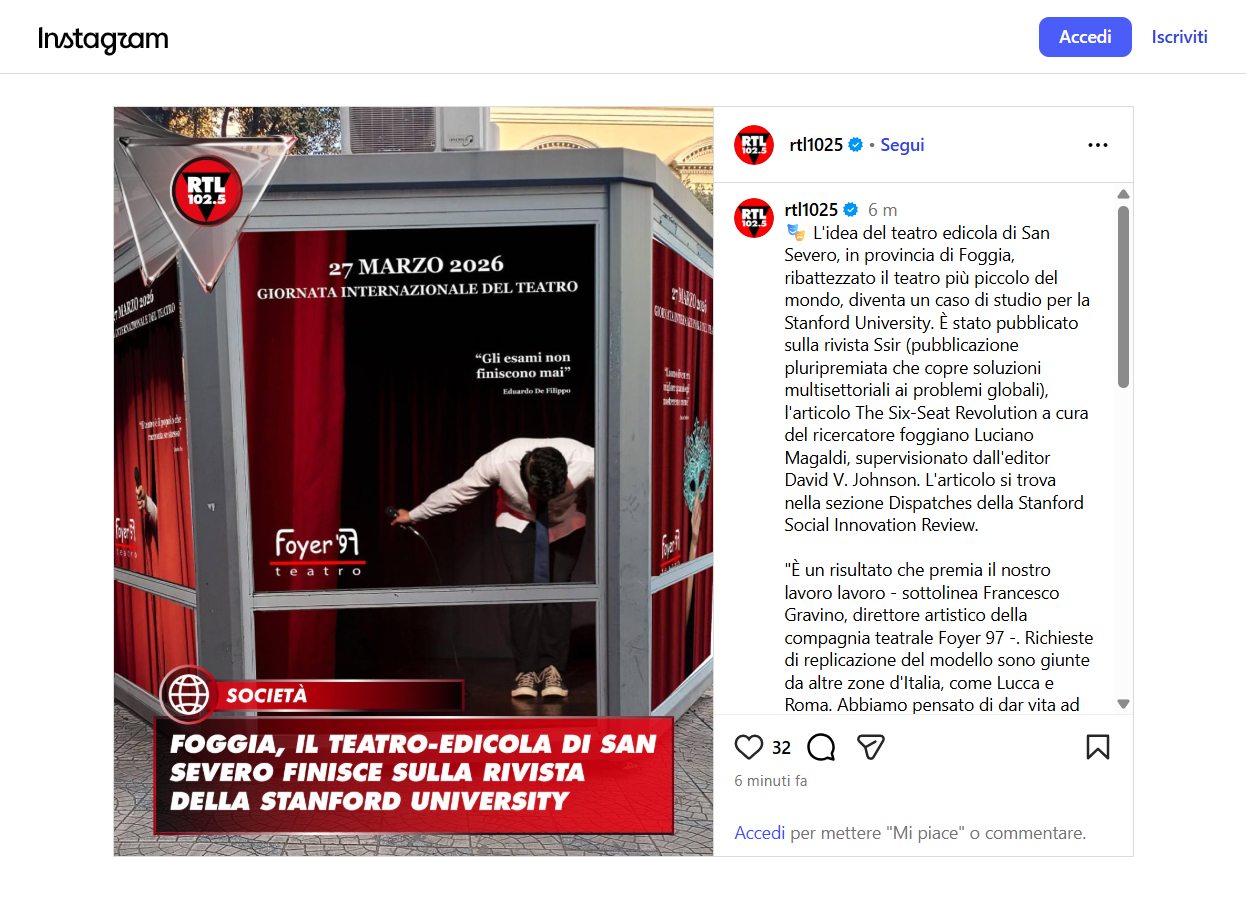
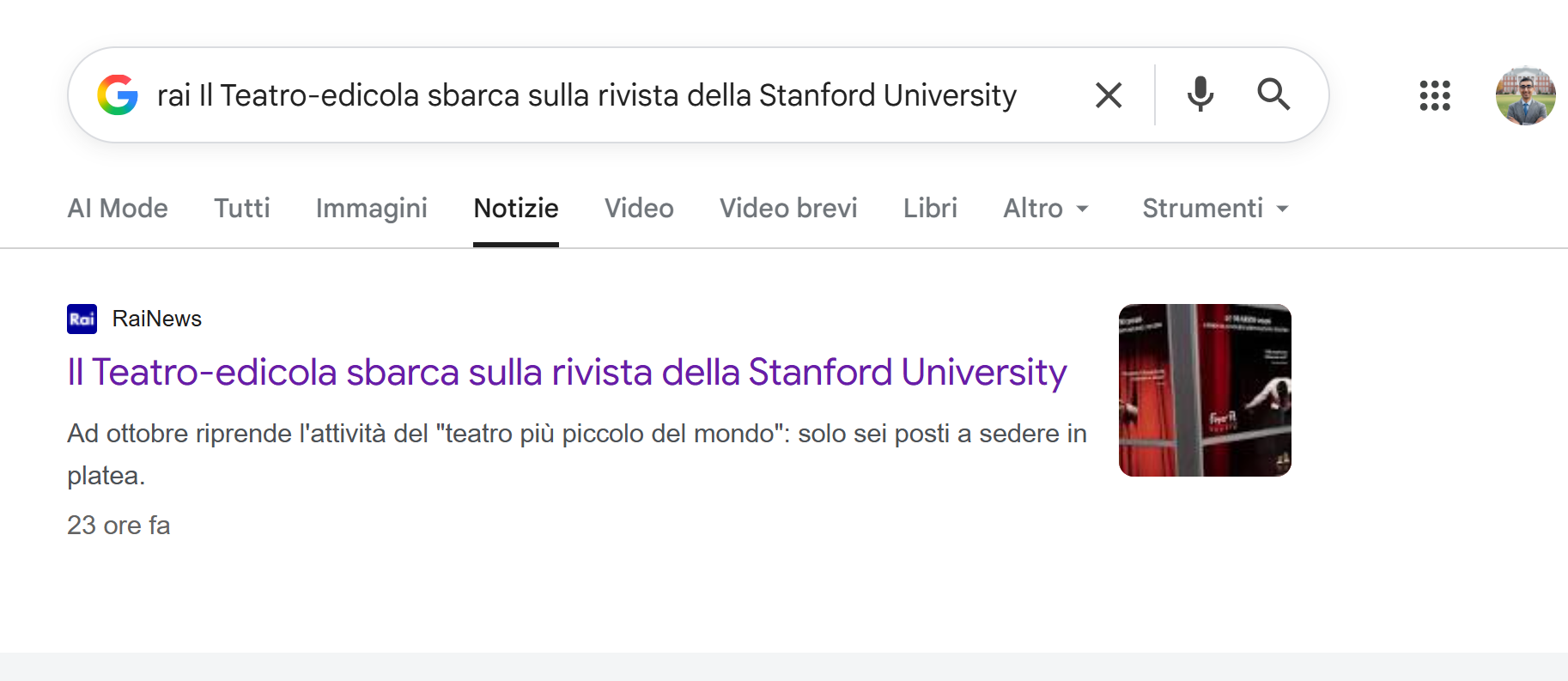
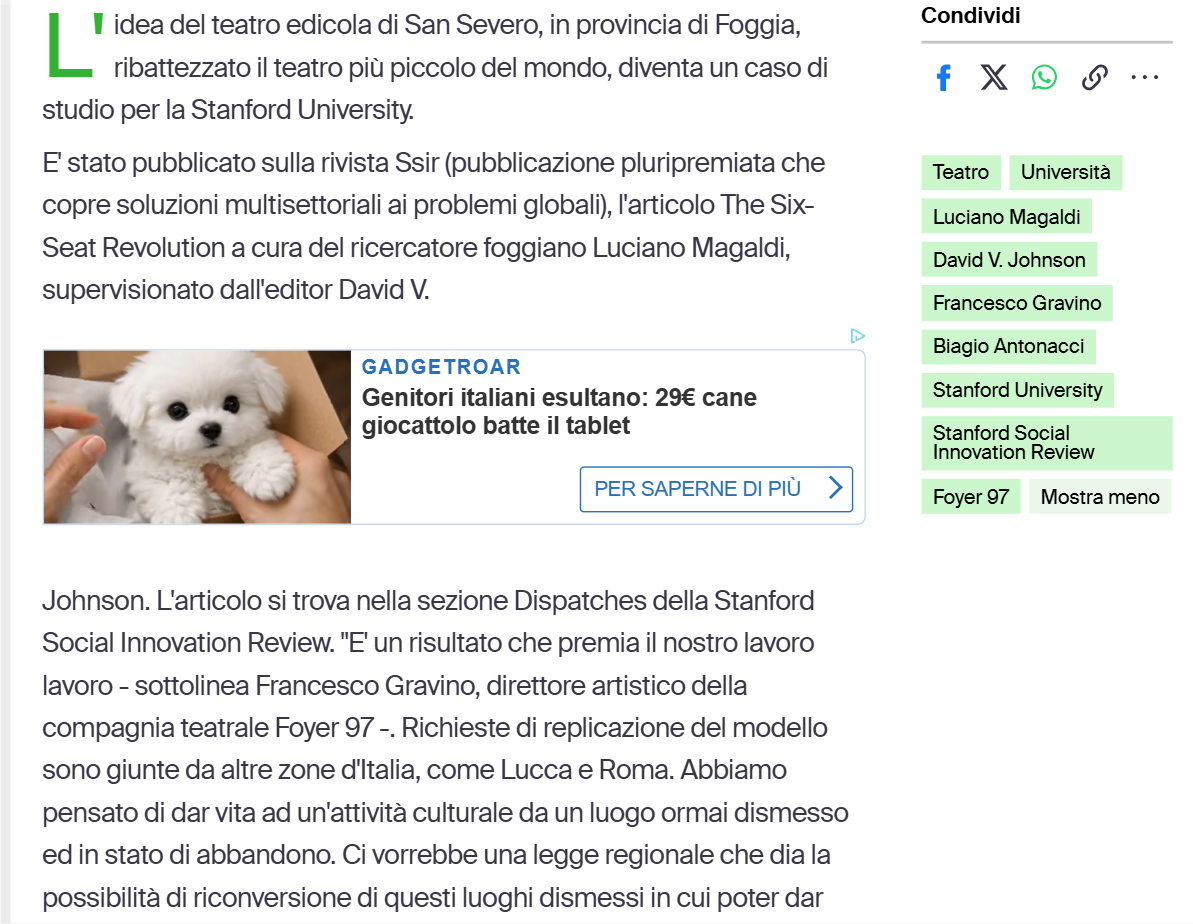
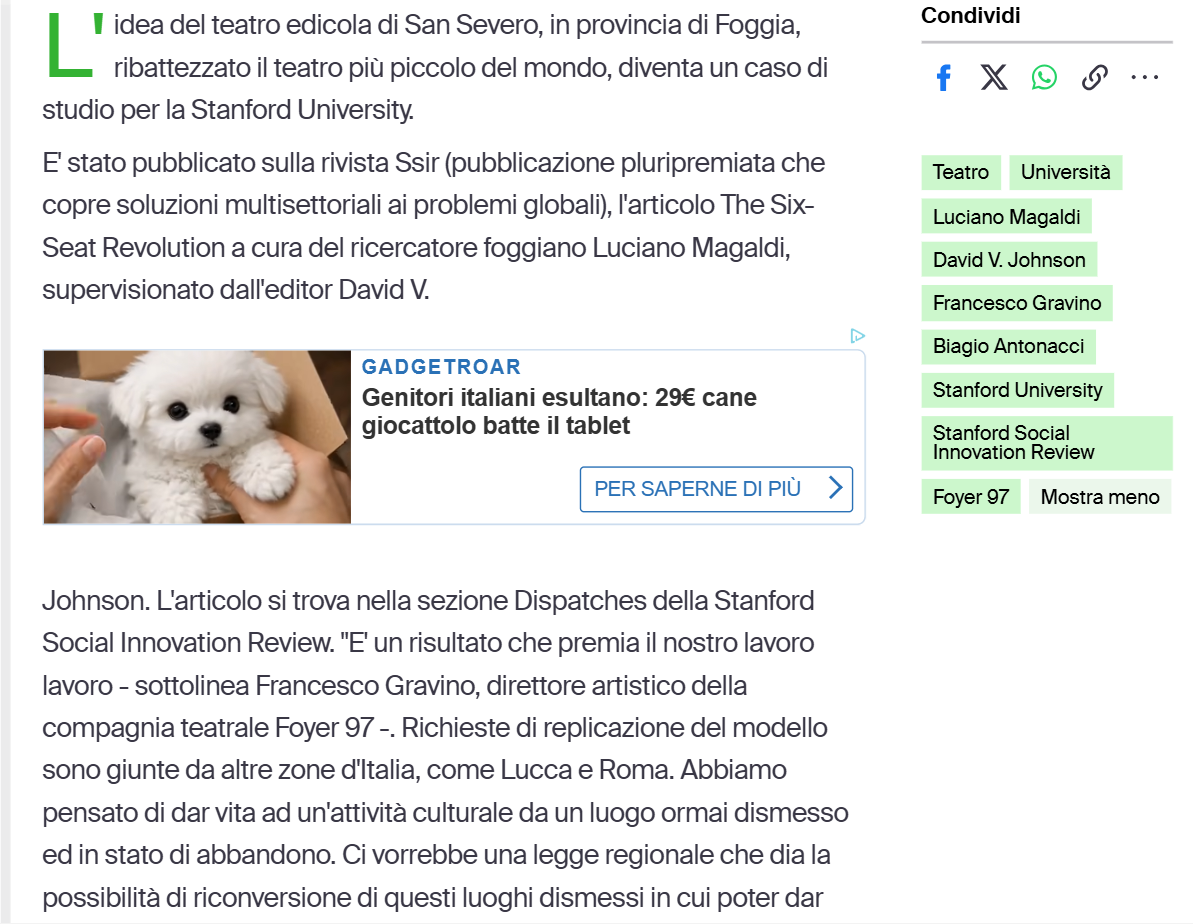
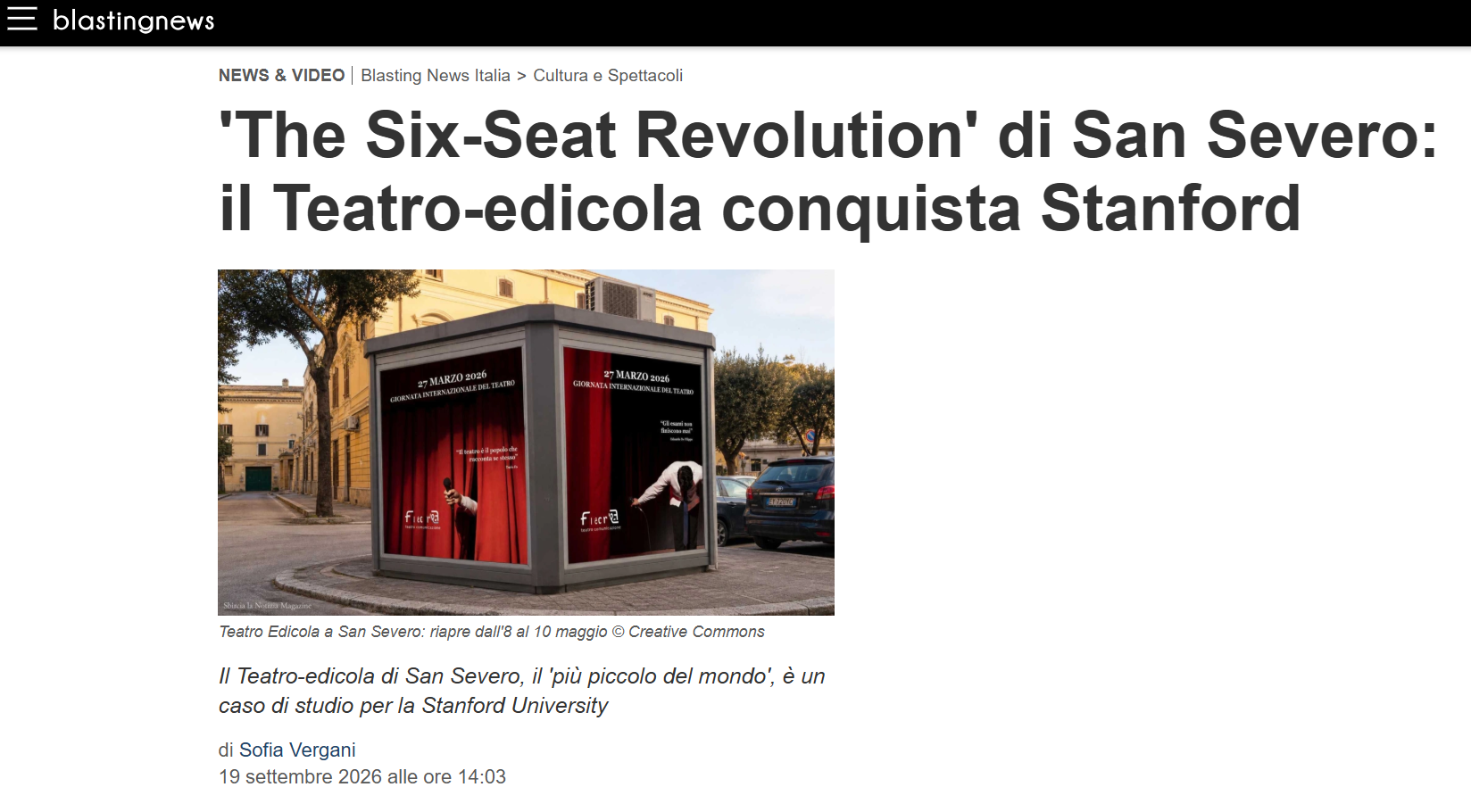
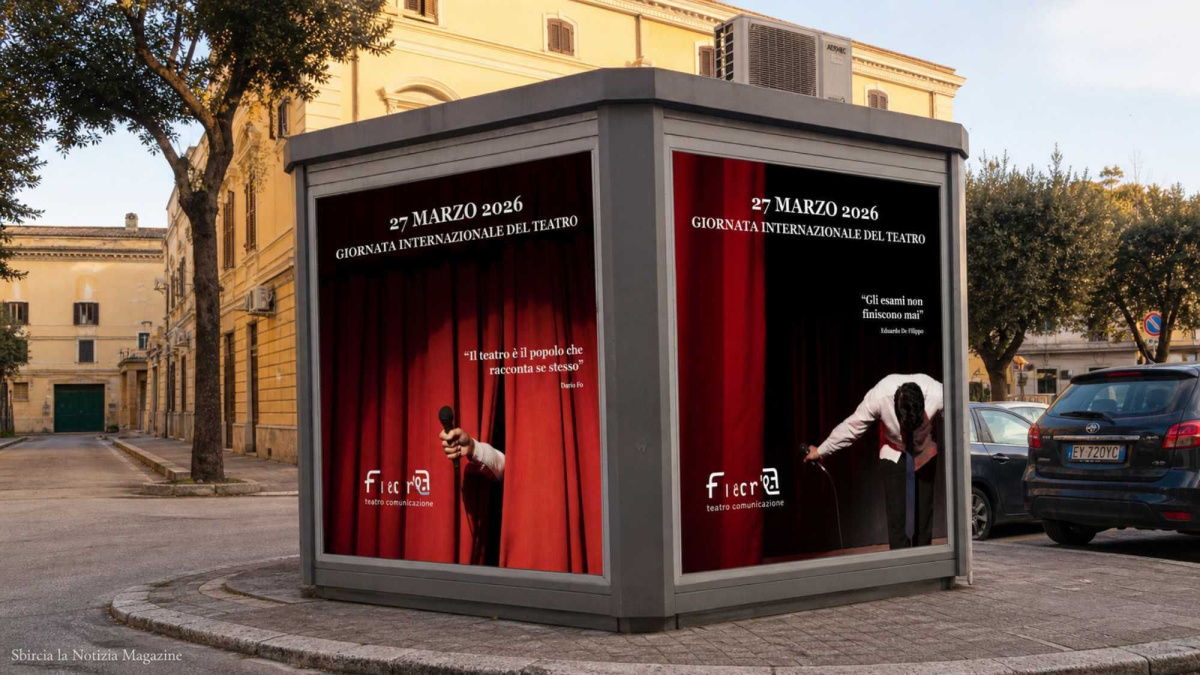
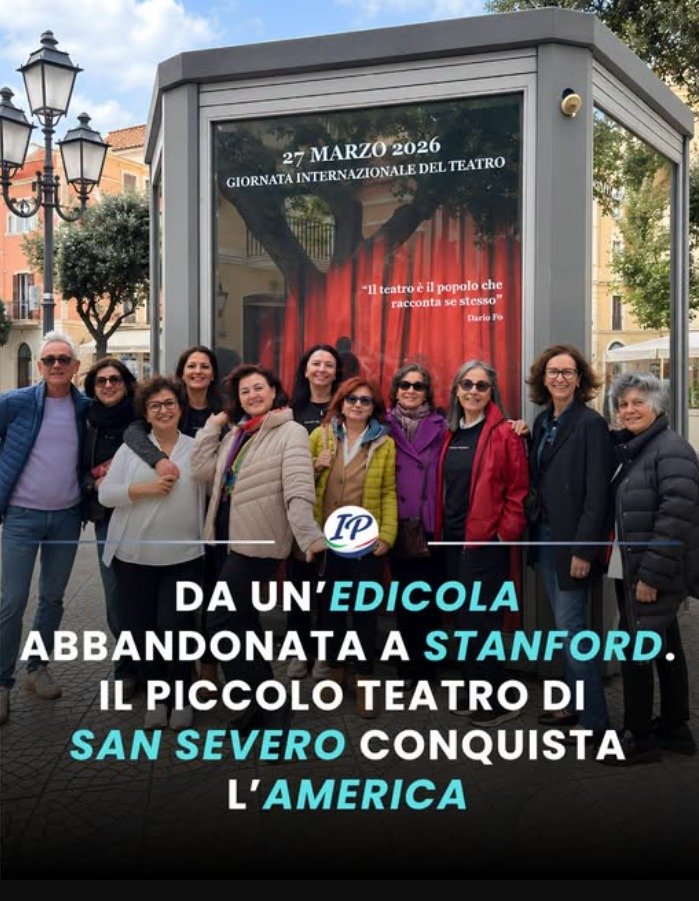
“TEATRO EDICOLA” OF SAN SEVERO BECOMES AN INTERNATIONAL CASE STUDY IN THE “STANFORD SOCIAL INNOVATION REVIEW (SSIR)” — STANFORD UNIVERSITY SOURCE: https://l1nq.com/rruntbb LA GAZZETTA DI SAN SEVERO SAN SEVERO (FG) — Six persons enter a news kiosk. Before them lie no newspapers, magazines, or tobacco, but a theatrical stage measuring less than two square metres. The actors stand but a few paces from the spectators, with scarce any separation betwixt those who perform and those who behold. It is in this manner that in San Severo a place abandoned for years hath begun to live anew. And today that diminutive theatrical experiment hath fallen beneath the glare of international attention. It is the story of the “Teatro Edicola”, the project realised by the company Foyer ’97, under the artistic direction of Francesco Gravino, which hath transformed an old news kiosk in Via Tondi into one of the smallest stages ever conceived. The project commenced on 27th March last, with a formula as simple as it is original: six seats, a stage of most exiguous dimensions, and performances lasting but a few minutes. A minimal distance betwixt public and performers that doth wholly alter the traditional relationship betwixt spectator and theatre. The wager, however, was forthwith rewarded by the public. More than 60 persons attended the performances in a single afternoon, and the three days of the inaugural season registered a complete sold-out. From a local experiment, the “Teatro Edicola” hath thus become a case capable of attracting attention far beyond the confines of the Province of Foggia. In September 2026, the Stanford Social Innovation Review (SSIR), the journal of Stanford University, shall publish upon its website and in its Fall 2026 print edition the reportage “The Six-Seat Revolution”, authored by Dr Luciano Magaldi Sardella and edited by Deputy Editor David V. Johnson. The interest of the American review concerneth not merely the originality of the theatrical proposition. The Teatro Edicola is, in fact, observed as a potential paradigm of social innovation and low-cost urban regeneration. Become a Medium member The idea is particularly compelling in a country such as Italy, wherein numerous news kiosks have ceased their activity and risk becoming vacant interstices within the urban fabric. The question, at bottom, is simple: can a place born to sell newspapers become once more a locus of encounter? In San Severo, the answer hath been entrusted to the theatre. The kiosk hath not been merely restored in a physical sense. It hath changed its function, transforming itself into a place where artists encounter the public directly and where the performance becometh part of the quotidian life of the street. “The theatre cometh into the street wherein thou walkest every day,” Francesco Gravino hath explained, thus synthesising the philosophy underpinning the project. And it is precisely this aspect that hath rendered the experience interesting also upon the plane of its potential replicability. Initial requests for information have already arrived from other cities, amongst them Lucca and Rome, interested in learning of the model and the modalities for its realisation. The strength of the Teatro Edicola resideth also in its apparent disproportion: a minimal investment and space to produce a cultural effect far greater. There is no need for a grand theatre, an auditorium of hundreds of seats, or complex structures. An unused space sufficeth, together with an idea and the will to restore it to the community. That old kiosk in Via Tondi, therefore, recounteth something that goeth beyond the theatre. It recounteth the possibility of rethinking the spaces of our cities, restoring a social function to places that seemed to have definitively lost it.

Encurtador de Link

IL “TEATRO EDICOLA” di SAN SEVERO DIVENTA “CASO STUDIO” INTERNAZIONALE sulla “STANFORD SOCIAL INNOVATION REVIEW (SSIR) — STANFORD UNIVERSITY” SOURCE: https://l1nq.com/rruntbb “LA GAZZETTA DI SAN SEVERO” SAN SEVERO (FG) — Sei persone entrano in un’edicola. Davanti a loro non ci sono giornali, riviste o tabacchi, ma una scena teatrale di meno di due metri quadrati. Gli attori sono a pochi passi dagli spettatori, quasi senza separazione tra chi recita e chi guarda. È così che a San Severo un luogo abbandonato da anni ha ricominciato a vivere. E oggi quella piccola esperienza teatrale è finita sotto i riflettori internazionali. È la storia del “Teatro Edicola”, il progetto realizzato dalla compagnia Foyer ’97, diretta artisticamente da Francesco Gravino, che ha trasformato una vecchia edicola di via Tondi in uno dei palcoscenici più piccoli probabilmente mai immaginati. Il progetto è partito il 27 marzo scorso con una formula tanto semplice quanto originale: sei posti a sedere, uno spazio scenico ridottissimo e spettacoli della durata di pochi minuti. Una distanza minima tra pubblico e interpreti che modifica completamente il tradizionale rapporto tra spettatore e teatro. La scommessa, però, è stata subito premiata dal pubblico. Più di 60 persone hanno assistito agli spettacoli in un solo pomeriggio e le tre giornate della stagione inaugurale hanno fatto registrare il tutto esaurito. Da esperimento locale, il “Teatro Edicola” è diventato così un caso capace di attirare l’attenzione ben oltre i confini della provincia di Foggia. A settembre 2026 la “Stanford Social Innovation Review (SSIR)”, rivista della Stanford University, pubblicherà sul proprio sito e nell’edizione cartacea Fall 2026 il reportage “The Six-Seat Revolution”, firmato dal dr. Luciano Magaldi Sardella e seguito editorialmente dal deputy editor David V. Johnson. L’interesse della rivista americana non riguarda soltanto l’originalità della proposta teatrale. Il Teatro Edicola viene infatti osservato come possibile esperienza di innovazione sociale e rigenerazione urbana a basso costo. L’idea è particolarmente interessante in un Paese come l’Italia, dove sono numerose le edicole che hanno cessato la propria attività e che rischiano di diventare spazi vuoti nel tessuto delle città. Subscribe to the Medium newsletter La domanda, in fondo, è semplice: può un luogo nato per vendere giornali diventare nuovamente un punto di incontro? A San Severo la risposta è stata affidata al teatro. L’edicola non è stata semplicemente recuperata dal punto di vista fisico. Ha cambiato funzione, trasformandosi in un luogo dove gli artisti incontrano direttamente il pubblico e dove lo spettacolo diventa parte della vita quotidiana della strada. “Il teatro viene nella strada dove cammini ogni giorno”, ha spiegato Francesco Gravino, sintetizzando la filosofia alla base del progetto. Ed è proprio questo aspetto ad aver reso l’esperienza interessante anche sul piano della possibile replicabilità. Le prime richieste di informazioni sono già arrivate da altre città, tra cui Lucca e Roma, interessate a conoscere il modello e le modalità per realizzarlo. La forza del Teatro Edicola sta anche nella sua apparente sproporzione: un investimento e uno spazio minimi per produrre un effetto culturale molto più grande. Non servono un grande teatro, una platea da centinaia di posti o strutture complesse. Basta uno spazio inutilizzato, un’idea e la volontà di restituirlo alla comunità. Quella vecchia edicola di via Tondi, dunque, racconta qualcosa che va oltre il teatro. Racconta la possibilità di ripensare gli spazi delle città, restituendo una funzione sociale a luoghi che sembravano averla definitivamente perduta.

Encurtador de Link

Would you inhabit a 3D-printed house erected in eight days? An affordable / mould-resistant / fire-resistant / seismic-resistant / climate-disaster-resilient house. SOURCE: https://www.facebook.com/reel/1420242892872158 A 3D-printed house that genuinely resolves the global housing crisis!!! What you are viewing in the video is no mere exhibition prototype. It is House Zero — the first luxury 3D-printed residence realised in Austin, Texas, by the American firm ICON in collaboration with the practice Lake|Flato Architects. Two hundred square metres, three bedrooms, a drawing room with exposed beams, a designer kitchen, and an independent casita in the garden. Its iconic undulating walls were extruded in a mere eight to ten days. A project so revolutionary as to have been included in TIME's list of the Best Inventions of 2022. But what does it truly signify to dwell in a 3D-printed house? WHAT A 3D-PRINTED HOUSE IS: No bricks or formwork are employed. An enormous robotic arm — ICON's Vulcan system — deposits, layer upon layer, a proprietary special concrete, Lavacrete, a material engineered to be eminently resistant, insulating, and printable. The entire process is governed by software that adjusts the formula every fifteen minutes according to weather conditions. Plaster and structure become one and the same. WHY IT IS THE FUTURE OF CONSTRUCTION: ALL THE ADVANTAGES 1. Record times: The walls of House Zero were completed in eight days, as opposed to the months required by a traditional building site. The site operates twenty-four hours a day, seven days a week, and never ceases for lack of labour. 2. Less waste and greater sustainability: Additive printing uses only the material that is necessary. Site waste and emissions from material transport are reduced to nigh on zero. Moreover, Lavacrete is designed for superior energy efficiency. 3. Lower costs (potentially): Fewer workmen on site, fewer deaths and injuries at work, less time, fewer errors. According to ICON, the system can substantially curtail construction costs and render housing more accessible. 4. Total architectural liberty: The curves, the fluted walls, the integrated niches you see in the video would be exorbitantly expensive or impossible by traditional methods. With 3D printing, form truly follows function. 5. Resilience and insulation: The walls in printed reinforced concrete are more resistant to fire, water, mould, and extreme atmospheric agents, typical of Texas. The thermal inertia of the material guarantees superior insulation. 6. A solution to the housing crisis: It is the technology that ICON is already employing to build entire neighbourhoods of one hundred houses in Texas and for social housing projects in Mexico. The question now is this: having seen it within, would you live in it?

VIVRESTI IN UNA CASA STAMPATA IN 3D COSTRUITA IN 8 GIORNI ? UNA CASA POCO COSTOSA / ANTIMUFFA / ANTINCENDIO / ANTISISMICA / ANTIDISASTRO CLIMATICO UNA CASA STAMPATA IN 3D RISOLVE REALMENTE LA CRISI DEGLI ALLOGGI MONDIALI. SOURCE: https://www.facebook.com/reel/1420242892872158 Quella che vedi nel video non è un prototipo da fiera. È House Zero, la prima casa di lusso stampata in 3D realizzata ad Austin, in Texas, dall'azienda americana ICON insieme allo studio Lake|Flato Architects. 200 metri quadrati, 3 camere da letto, soggiorno con travi a vista, cucina di design e una casita indipendente in giardino. Le sue iconiche pareti ondulate sono state estruse in soli 8-10 giorni. Un progetto talmente rivoluzionario da entrare nella lista delle migliori invenzioni del 2022 di TIME. Ma cosa significa davvero vivere in una casa stampata in 3D? COS'È UNA CASA STAMPATA IN 3D: Non si usano mattoni o casseforme. Un enorme braccio robotico, il sistema Vulcan di ICON, deposita strato dopo strato un cemento speciale, il Lavacrete, un materiale proprietario studiato per essere altamente resistente, isolante e stampabile. Il tutto viene gestito da un software che controlla la formula ogni 15 minuti in base alle condizioni meteo. L'intonaco e la struttura diventano una cosa sola. PERCHÉ È IL FUTURO DELL'EDILIZIA: TUTTI I VANTAGGI 1. Tempi record: Le pareti di House Zero sono state completate in 8 giorni, contro i mesi di un cantiere tradizionale. Il cantiere è attivo 24/7 e non si ferma per mancanza di manodopera. 2. Meno sprechi e più sostenibilità: La stampa additiva usa solo il materiale necessario. Si riducono quasi a zero gli scarti di cantiere e le emissioni da trasporto dei materiali. Lavacrete è inoltre progettato per una maggiore efficienza energetica. 3. Costi più bassi (potenzialmente): Meno operai in cantiere, meno morti/infortuni sul lavoro meno tempo, meno errori. Secondo ICON, il sistema può abbattere i costi di costruzione e rendere la casa più accessibile. 4. Libertà architettonica totale: Le curve, le pareti scanalate, le nicchie integrate che vedi nel video sarebbero costosissime o impossibili con i metodi tradizionali. Con la stampante 3D, la forma segue davvero la funzione. 5. Resistenza e isolamento: Le pareti in cemento armato stampato sono più resistenti a fuoco, acqua, muffe e agenti atmosferici estremi, tipici del Texas. L'inerzia termica del materiale garantisce un isolamento superiore. 6. Soluzione alla crisi abitativa: È la tecnologia che ICON sta già usando per costruire interi quartieri da 100 case in Texas e per progetti di edilizia sociale in Messico. La domanda ora è: dopo averla vista dentro, ci vivresti?

"GIO FESTIVAL (FOGGIA)" CONQUERS HOLLYWOOD AND ENTERS THE RACE FOR THE “OPERA OSCARS” (BEST RECORDING OF MONTH FOR GRAMOPHONE UK) SOURCE: https://www.linkedin.com/pulse/gio-festival-foggia-conquers-hollywood-enters-race-uk-sardella-ph-d--tlaee/ SOURCE 1: https://hollywoodbeatmagazine.com/2026/09/03/giordanos-marina-journey-nominated-for-international-opera-awards/ SOURCE 2: https://www.instagram.com/p/DcWc0dfjBr4/ There comes a moment in the cultural life of a nation when tradition ceases to be mere memory and once again becomes an event. Such is what is now unfolding with Marina by Umberto Giordano: the long‑lost opera, newly reborn through the “GIO Festival” led by Dino De Palma and Gianna Fratta, and today officially nominated for the “International Opera Awards”, the so‑called “Opera Oscars” that each year celebrate the world’s finest achievements in musical theatre. The announcement — reported by the prestigious Californian magazine Hollywood Beat Magazine — marks a historic turning point: a work that remained in obscurity for more than a century now ascends to the international stage, projecting Italian creativity into the very heart of the global cultural industry. It is not merely a recognition; it is a signal. The Teatro Umberto Giordano, the entire organisational engine of the “GIO Festival”, together with all public and private institutions involved, demonstrates once again that when it chooses to honour its treasures, it still has the power to astonish the world. Marina is not simply a rediscovered opera: it is a journey that begins with the archival papers of the “Frederick R. Koch Collection” at Yale University’s “Beinecke Rare Book and Manuscript Library”, passes through the passion of musicologists such as Andreas Gies, ignites in the production of the “GIO Festival”, and — after attracting the attention of “Broadway World” with its six million monthly global readers — now reaches Hollywood, where the international press celebrates its dramatic potency, its luminous vocal writing, and its striking modernity. In an operatic landscape often dominated by the great repertory titles, the nomination of “Marina (1888)” shows that a work can still be rediscovered, reinvented, relaunched. It can speak to the present — and it can do so with the voice of Foggia and of the people of Foggia across the world. For those who cherish culture, music, and history, this is a moment to remember. For those who believe in the value of research and dissemination, it is a victory to celebrate. For those who live opera as a mission, it is an epoch‑making triumph. And now, with its nomination for the International Opera Awards — the global “Opera Oscars” — the journey of Marina and of Umberto Giordano continues. Towards the world. Towards the future. Towards a new chapter in the great Giordanian tradition. At long last, we may say: Welcome back, Umberto!

"GIO FESTIVAL (FOGGIA)" CONQUERS HOLLYWOOD AND ENTERS THE RACE FOR THE “OPERA OSCARS” (BEST RECORDING OF MONTH FOR GRAMOPHONE UK)

“MARINA” DAL “GIO FESTIVAL (FOGGIA)" CONQUISTA HOLLYWOOD, SI CANDIDA AGLI OSCAR DELLA LIRICA (MIGLIOR REGISTRAZIONE PER GRAMOPHONE UK) SOURCE: https://www.linkedin.com/pulse/marina-dal-gio-festival-foggia-conquista-hollywood-si-sardella-ph-d--4fjve/ SOURCE 1: https://hollywoodbeatmagazine.com/.../giordanos-marina.../ SOURCE 2: https://www.instagram.com/p/DcWc0dfjBr4/ C’è un momento, nella vita culturale di un Paese, in cui la tradizione smette di essere memoria e torna ad essere avvenimento. È ciò che sta accadendo con “Marina” di Umberto Giordano, l’opera perduta e finalmente rinata grazie al GIO Festival di Dino De Palma ,e Gianna Fratta, oggi ufficialmente candidata agli “International Opera Awards”, gli “Oscar della lirica” che ogni anno celebrano le eccellenze mondiali del teatro musicale. La notizia, rilanciata dalla prestigiosa rivista californiana “Hollywood Beat Magazine”, segna un passaggio storico: un titolo rimasto nell’ombra per oltre un secolo conquista la ribalta internazionale, proiettando la creatività italiana nel cuore dell’industria culturale globale. Non è solo un riconoscimento ma un segnale: il Teatro Umberto Giordano, tutta la macchina organizzativa del GIO Festival assieme a tutti gli altri enti pubblici e privati coinvolti, quando decide di valorizzare i suoi tesori, sa ancora stupire il mondo. “Marina” non è soltanto un’opera ritrovata ma un viaggio che parte dalle carte d’archivio della collezione “Frederick R. Koch” della “Beinecke Rare Book and Manuscript Library” della Yale University, attraversa la passione dei musicologi come Andreas Gies, si accende nella produzione del GIO Festival e, dopo aver attirato l’attenzione di “Broadway World” con i suoi 6 milioni divisite mondiali mensili, approda ora ad Hollywood, dove la critica internazionale ne celebra la forza drammatica, la scrittura vocale luminosa, la modernità sorprendente. In un panorama lirico spesso dominato dai grandi titoli di repertorio, la candidatura di “Marina” può ancora essere scoperta, reinventata, rilanciata. Può parlare al presente, e può farlo con voce di Foggia e dei foggianoi nel mondo. Per chi ama la cultura, la musica, la storia, questo è un momento da ricordare! Per chi crede nel valore della ricerca e della divulgazione, è una vittoria da celebrare! Per chi vive la lirica come missione, è un trionfo epocale! E ora, con la candidatura agli International Opera Awards, gli “Oscar mondiali della lirica”, il viaggio di “Marina” e di Umberto Giordano continua. Verso il mondo. Verso il futuro. Verso un nuovo capitolo della grande tradizione giordaniana. Finalmente possiamo dire: Bentornato, Umberto !!!

“MARINA” DAL “GIO FESTIVAL (FOGGIA)" CONQUISTA HOLLYWOOD, SI CANDIDA AGLI OSCAR DELLA LIRICA (MIGLIOR REGISTRAZIONE PER GRAMOPHONE UK)

After “Broadway World”, Marina (1888) from the Teatro Umberto Giordano’s “GIO Festival” in Foggia now reaches the Belgian “Opera Gazet” SOURCE: https://medium.com/@ingnucllms/after-broadway-world-marina-1888-from-the-teatro-umberto-giordanos-gio-festival-in-foggia-73ba01e5f50a SOURCE: https://www.operagazet.com/marina-by-giordano-its-world-stage-premiere-in-foggia/ SOURCE: https://www.operagazet.com/marina-by-giordano-its-world-stage-premiere-in-foggia/ From the homepage of “Broadway World” to the pages of an authoritative international magazine: the world stage première of Umberto Giordano’s youthful melodrama now consecrates Foggia as the capital of a “rediscovered verismo”. There is a destiny that waits, patiently, to be fulfilled. It is the destiny of Marina, a one‑act melodrama with music by Umberto Giordano and a libretto by Enrico Golisciani, composed in 1888 for the celebrated Sonzogno competition and subsequently withdrawn by the composer himself, falling into an oblivion that lasted 138 years. That destiny was fulfilled on 5 June 2026 at the Teatro Umberto Giordano in Foggia, with the World Staging Première of the opera, the inaugural event of the first edition of the “GIO Festival” — “Giordano International Opera Festival”, the new international showcase which, from 5 to 20 June, transformed the Capitanata into a widespread stage devoted to the Maestro from Foggia. A cultural enterprise of European breadth, promoted by the Chamber of Commerce of Foggia together with the Municipality and the Province, supported by the Region of Puglia and the Fondazione Monti Uniti, and capable of restoring to history a fundamental fragment of nascent verismo. The Foggia production — directed by Giandomenico Vaccari, conducted and coordinated by Matteo Dal Maso, with sets and costumes by Alfredo Troisi, lighting by Massimo Russo, and soprano Valeria Sepe in the eponymous role — represented not a mere performance, but the scenic resurrection of an opera long believed lost. Its autograph score was rediscovered only recently at Yale University’s “Beinecke Rare Book and Manuscript Library”, within the “Frederick R. Koch” Collection, thanks to the philological work of the conductor and musicologist of Venetian and German heritage, Andreas Gies, who prepared its critical edition. After the transatlantic resonance that saw the “GIO Festival” reach the homepage of “Broadway World” thanks to the world première of Marina, complete with exclusive photographs of the historic debut, a new and prestigious international recognition now arrives. The authoritative Belgian opera magazine “Opera Gazet” dedicates an extensive musicological review to the Foggia event with the article: “ “MARINA” (by Giordano) — ITS WORLD STAGE PREMIÈRE IN FOGGIA”. An arrival far from secondary. If “Broadway World” marked the opera’s transatlantic debut, “Opera Gazet” now seals its critical consecration among the most discerning and specialised audiences: the melomaniacs, scholars, and professionals of the operatic world. From Foggia to New York, from New York to the circuit of the international opera press. The trajectory of Marina confirms what the “GIO Festival” has sought to demonstrate since its inception: Giordano’s legacy is not a local memory, but a living repertoire, capable of conversing with major stages and with the world’s most prestigious cultural outlets. The rediscovery born in Foggia is now a heritage shared by all.

Dopo “Broadway World”, la Marina (1888) del Teatro Umberto Giordano (GIO Festival) di Foggia approda sul belga “Opera Gazet” SOURCE: https://medium.com/@ingnucllms/dopo-broadway-world-la-marina-1888-del-teatro-umberto-giordano-gio-festival-di-foggia-d8a501107038 SOURCE: https://www.operagazet.com/marina-by-giordano-its-world-stage-premiere-in-foggia/ Dalla homepage di “Broadway World” alle pagine dell’autorevole magazine internazionale: la prima scenica mondiale del melodramma giovanile di Umberto Giordano consacra Foggia capitale del verismo ritrovato. FOGGIA, 29 agosto 2026 — Vi è un destino che attende, paziente, di compiersi. È il destino di Marina, melodramma in un atto su musica di Umberto Giordano e libretto di Enrico Golisciani, composta nel 1888 per il celebre concorso Sonzogno e poi ritirata dallo stesso compositore, caduta in un oblio lungo 138 anni. Quel destino si è compiuto il 5 giugno 2026 al Teatro Umberto Giordano di Foggia, con la World Staging Premiere dell’opera, evento inaugurale della prima edizione del GIO Festival — Giordano International Opera Festival, la nuova manifestazione internazionale che dal 5 al 20 giugno ha trasformato la Capitanata in un palcoscenico diffuso dedicato al Maestro foggiano. Un’impresa culturale di respiro europeo, promossa dalla Camera di Commercio di Foggia insieme al Comune e alla Provincia, con il sostegno della Regione Puglia e della Fondazione Monti Uniti, che ha saputo restituire alla storia un tassello fondamentale del verismo nascente. L’allestimento foggiano — regia di Giandomenico Vaccari, direzione e concertazione di Matteo Dal Maso, scene e costumi di Alfredo Troisi, luci di Massimo Russo, nel ruolo eponimo il soprano Valeria Sepe — ha rappresentato non una semplice esecuzione, ma la resurrezione scenica di un’opera creduta perduta, la cui partitura autografa è stata riscoperta solo recentemente presso la Beinecke Rare Book and Manuscript Library della Yale University, nella Frederick R. Koch Collection, grazie al lavoro filologico del direttore d’orchestra e musicologo veneto di origini tedesche, Andreas Gies, che ne ha curato l’edizione critica. Dopo l’eco transatlantica che ha visto il GIO Festival conquistare la homepage di BroadwayWorld grazie alla prima mondiale di Marina, con foto esclusive dello storico debutto, giunge oggi un nuovo, prestigioso riconoscimento internazionale. L’autorevole magazine operistico belga Opera Gazet dedica infatti un’ampia recensione musicologica all’evento foggiano con l’articolo: “ “MARINA” (by Giordano) — ITS WORLD STAGE PREMIÈRE IN FOGGIA”. Un approdo tutt’altro che secondario. Se “Broadway World” ha segnato il debutto transatlantico dell’opera del grande compositore foggiano, Opera Gazet ne suggella la consacrazione critica presso il pubblico più esigente e specializzato: quello dei melomani, degli studiosi e degli addetti ai lavori di tutto il mondo. Da Foggia a New York, da New York al circuito della stampa lirica internazionale. Il percorso di Marina conferma ciò che il GIO Festival ha inteso dimostrare sin dalla sua fondazione: il patrimonio giordaniano non è memoria locale, ma repertorio vivo, capace di dialogare con i grandi palcoscenici e con le più prestigiose testate del mondo. La riscoperta di Foggia è ormai patrimonio di tutti.

La Rivincita del “GIO Festival”: “Broadway World” Celebra “Marina” e il Teatro Umberto Giordano di Foggia (Lettere Meridiane.org by Geppe Inserra) SOURCE: https://www.linkedin.com/pulse/la-rivincita-del-gio-festival-broadway-world-celebra-e-asgue/ SOURCE: https://www.letteremeridiane.org/2026/08/la-rivincita-del-gio-festival-broadwayworld-celebra-marina-e-foggia/ Il GIO Festival è stato a dir poco snobbato da Rai3 Puglia e da altre testate regionali. Ma il festival dedicato a Umberto Giordano, promosso dalla Camera di Commercio di Foggia insieme al Comune e alla Provincia, con il sostegno della Regione Puglia e della Fondazione Monti Uniti, si è preso una bella rivincita, finendo nella home page di BroadwayWorld grazie alla prima mondiale dell’opera Marina, andata in scena il 5 giugno scorso al Teatro Umberto Giordano di Foggia. Non è poco, visto che BroadwayWorld è tra i più importanti siti statunitensi dedicati al teatro e allo spettacolo. Lo sbarco oltreoceano dell’opera del grande compositore foggiano non è sfuggito a Luciano Magaldi Sardella, che ha inviato alla redazione di Lettere Meridiane un approfondito e interessante contributo che potete leggere di seguito. Nell’articolo, l’autore ricostruisce con maestria la straordinaria vicenda della prima opera di Giordano, composta nel 1888 e rimasta per 138 anni senza un allestimento scenico, fino alla storica rappresentazione del 5 giugno scorso al Teatro Giordano. Ma soprattutto racconta come la prima edizione del GIO Festival abbia riportato Foggia al centro della scena lirica internazionale, attraverso il ritrovamento e la valorizzazione di Marina, il coinvolgimento di importanti istituzioni musicali e l’attenzione della stampa americana. Una stimolante riflessione sul riscatto culturale e identitario di una città che troppo a lungo ha portato il nome di Giordano sul frontone del proprio teatro senza riuscire a farne leva di visibilità internazionale. (g.i.) + + + + + Ci sono momenti nella storia di una città in cui il passato e il futuro si stringono la mano sul palcoscenico del presente. Foggia ha vissuto uno di questi momenti la sera del 5 giugno 2026, quando il sipario del Teatro Umberto Giordano si è alzato su Marina, un’opera composta nel lontano 1888 da un pressappoco ventunenne di nome Umberto Giordano, ancora studente al Conservatorio di Musica San Pietro a Majella di Napoli. E quella partitura ha finalmente trovato, dopo centotrentotto anni di silenzio, il suo primo respiro scenico nel mondo. “Non è un evento ordinario. È una svolta. Un vuoto colmato. Una storia riscritta.” Umberto Giordano, uno dei più celebri compositori veristi della fin-de-siècle, nato a Foggia, autore di capolavori come Andrea Chénier, Fedora, Siberia, era rimasto fino ad oggi l’unico grande operista italiano senza un festival interamente dedicato alla sua opera. Un paradosso che pesava come un’ingiustizia storica su una città che porta il suo nome inciso sul frontone del proprio teatro più bello. È il viaggio incredibile di Marina, la prima opera di Umberto Giordano, che dopo 138 anni di oblio ha avuto la sua prima mondiale in forma scenica il 5 giugno 2026 al Teatro Umberto Giordano di Foggia, come evento di apertura del GIO Festival, durante la prima edizione del Giordano International Opera Festival. Il manoscritto, custodito nella Frederick R. Koch Collection della Beinecke Rare Book and Manuscript Library dell’Università di Yale, ha compiuto un viaggio straordinario: dalle biblioteche d’élite della costa est americana al cuore pulsante della Daunia. Nella notte del 5 giugno 2026, al Teatro Umberto Giordano di Foggia, quel silenzio si è finalmente spezzato. Il GIO Festival è nato a Foggia come un grande nuovo progetto culturale promosso dalla Camera di Commercio di Foggia insieme al Comune e alla Provincia, con il sostegno della Regione Puglia, con l’obiettivo di trasformare l’eredità artistica del compositore verista in un motore di valorizzazione territoriale e turismo culturale. Sotto la direzione artistica della direttrice d’orchestra Gianna Fratta e del violinista Dino De Palma, l’evento colma finalmente un vuoto storico. Il modello di riferimento è esplicito e ambizioso: un progetto ispirato ai grandi festival dedicati ai compositori italiani come il Verdi Festival, il Puccini Festival, il Rossini Opera Festival (e così via…) , pur mantenendo una forte dimensione territoriale e partecipativa. Foggia, in altri termini, si candida ufficialmente al tavolo dei grandi. E lo fa con le credenziali che servono: una prima mondiale scenica irripetibile (parallela a quella concertistica del teatro milanese Dal Verme registrata dalla prestigiosa casa discografica lirica Decca Classics), una produzione operistica di qualità (tutta la macchina organizzativa), istituzioni culturali di primo piano al suo fianco (Teatro dell’Opera di Milano, Fondazione Teatro Petruzzelli di Bari). Il festival si è avvalso della collaborazione dell’Orchestra del Conservatorio e del Coro della Fondazione Teatro Petruzzelli di Bari, del Conservatorio Umberto Giordano di Foggia, della Fondazione dei Monti Uniti e della Fondazione Apulia Felix. Una rete di eccellenze che ha conferito alla manifestazione spessore e risonanza nazionale. Il Teatro Umberto Giordano è uno scrigno ottocentesco di rara bellezza, il più antico teatro funzionante storico a ferro di cavallo in Puglia. Eppure per decenni ha vissuto in una sorta di semiclandestinità culturale, relegato ai margini delle rotte liriche che contano, condannato anche da ritari di lavorazioni che ne hanno bloccato l’utilizzo dal 2007 al 2014, inclusa la recente richiesta di adeguamento antincendio. Inoltre, Qualcuno lo chiamava, con quel misto di condiscendenza e rassegnazione tutta provinciale, “teatro di provincia”, destinato solo a raccogliere la denominazione storica di Umberto Giordano. Quell’etichetta è ora destinata a cadere. È proprio a Foggia che questo piccolo capolavoro giovanile ha visto il suo primo allestimento scenico, inserendo la città nella toponomastica internazionale dell’opera lirica. Un posizionamento che non ha precedenti nella storia recente della città. Il Teatro Giordano ha registrato il tutto esaurito nella storica prima in formato scenico della Marina giordaniana, accogliendo centinaia di spettatori, mentre altrettanti hanno seguito lo spettacolo dall’esterno grazie a un maxi schermo allestito per l’occasione. La produzione ha risposto con piena dignità artistica alle aspettative: l’allestimento ha trasportato la vicenda nel periodo della Prima Guerra Mondiale, accentuando il carattere drammatico e realistico dell’opera. Sul podio, l’Orchestra Sinfonica del Conservatorio Umberto Giordano di Foggia diretta da Matteo Dal Maso. Scene e costumi affidati ad Alfredo Troisi, luci curate da Massimo Russo. Un ensemble di talenti che ha reso onore al nome che il teatro porta con orgoglio. Il sigillo definitivo dell’importanza storica di questo momento è arrivato dall’altra parte dell’Atlantico. Broadway World, la più influente testata mondiale di critica e informazione sullo spettacolo dal vivo, arricchito dalle sue oltre 5,5 visualizzazioni mensili nel mondo, ha dedicato all’evento una copertura esclusiva, pubblicando una galleria fotografica integrale della première mondiale scenica a cura di Chloe Rabinowitz e un approfondimento critico di notevole spessore a cura di Rachel Stone. L’articolo della testata americana ha sottolineato il valore storico dell’operazione e il legame tra il compositore e la sua città natale, evidenziando la qualità musicale della partitura, definita sorprendentemente matura rispetto all’età del compositore. Il Teatro Umberto Giordano è così approdato per la prima volta sul sito newyorchese affiancandosi a leggendo comer Los Angeles Opera House, Houston Opera, BBC Classical Music at Royal Opera House, e via dicendo. È lì il suo posto naturale. Doveva esserci già da almeno diversi decenni. Ma finora il mondo conosceva Umberto Giordano, ricordandosi i suoi successi milanesi e non l’opera giovanile scritta tra Foggia e il conservatorio di Napoli, la perduta (e poi ritrovata) Marina (1888). Ma sottolineiamolo: non è un dettaglio secondario. Broadway World non dedica gallerie esclusive ai teatri di provincia. Lo fa per gli eventi che spostano le coordinate della storia della musica, dell’opera, del teatro nei circuiti che contano. E questa volta, quelle coordinate si sono spostate su Foggia grazie al GIO Festival, in nome di Umberto Giordano. Ricordiamo per onor di cronaca, o per chi ancora non lo sapesse, che Il GIO Festival è un nuovo e ambizioso evento a cadenza biennale ideato dalla Camera di Commercio di Foggia, con l’obiettivo di celebrare il genio del compositore foggiano Umberto Giordano e trasformarlo in un potente volano di sviluppo per l’intera Capitanata. Biennale significa continuità, progettualità, visione. Significa che Foggia non vuole essere una meteora nel firmamento operistico, ma una presenza stabile e riconoscibile nel panorama dei festival lirici del circuito internazionale. Andrea Chénier, Siberia e Fedora avevano già portato da almeno un secolo il nome di Giordano al Metropolitan Opera House di New York, dove l’opera viene eseguita ancora oggi con grande partecipazione di pubblico. Ora è Foggia stessa, non solo le sue opere sparse per il mondo, a reclamare il proprio “posto al sole”. Il compositore che la sua città aveva faticato a riconoscere in vita, e di cui conserva il nome sul teatro, sulla piazza e sul conservatorio, può diventare finalmente leva di un riscatto culturale, economico e identitario senza precedenti. Il GIO Festival 2026 non è un punto d’arrivo, spero. Dovrebbe essere il primo capitolo di una storia nuova per Foggia, per la Capitanata, per il Mezzogiorno culturale italiano. Il Teatro Umberto Giordano non è più soltanto un gioiello architettonico da preservare: è diventato ora un luogo di creazione e di ispirazione, capace di attrarre l’attenzione della stampa internazionale e di ospitare eventi che entrano nei libri della lirica mondiale. A chi ancora sussurra che Foggia è una città di provincia, la risposta ora è scritta sui palchi del mondo: la sera del 5 giugno 2026, la periferia è diventata centro.

La Rivincita del “GIO Festival”: “Broadway World” Celebra “Marina” e il Teatro Umberto Giordano di Foggia (Lettere Meridiane.org by Geppe Inserra)

The Vindication of the “GIO Festival”: “BroadwayWorld” Celebrates Marina and the Umberto Giordano Theatre of Foggia SOURCE: https://www.linkedin.com/pulse/vindication-gio-festival-broadwayworld-celebrates-sardella-ph-d--8zzce/ SOURCE: https://www.letteremeridiane.org/2026/08/la-rivincita-del-gio-festival-broadwayworld-celebra-marina-e-foggia/ The GIO Festival has been, to put it mildly, overlooked by Rai3 Puglia and several regional outlets. Yet the festival dedicated to Umberto Giordano — promoted by the Chamber of Commerce of Foggia together with the Municipality and the Province, and supported by the Apulia Region and the Fondazione Monti Uniti — has achieved a remarkable vindication, landing on the homepage of BroadwayWorld thanks to the world première of the opera Marina, staged on 5 June at the Umberto Giordano Theatre in Foggia. This is no small feat, considering that BroadwayWorld is among the most influential American platforms devoted to theatre and the performing arts. The transatlantic debut of the opera by Foggia’s great composer did not escape the attention of Luciano Magaldi Sardella, who submitted to the editorial board of Lettere Meridiane an in‑depth and compelling contribution, reproduced below. In the article, the author masterfully reconstructs the extraordinary story of Giordano’s first opera, composed in 1888 and left without a staged production for 138 years, until its historic performance on 5 June at the Giordano Theatre. Above all, he recounts how the inaugural edition of the GIO Festival has restored Foggia to the centre of the international operatic stage, through the rediscovery and valorisation of Marina, the involvement of major musical institutions, and the attention of the American press. It is a stimulating reflection on the cultural and identity‑driven renaissance of a city that, for far too long, bore Giordano’s name on the façade of its theatre without managing to turn it into a lever of international visibility. (g.i.) + + + + + There are moments in the life of a city when past and future clasp hands upon the stage of the present. Foggia experienced one of these moments on the evening of 5 June 2026, when the curtain of the Umberto Giordano Theatre rose upon Marina, an opera composed in 1888 by a young man of twenty‑one — Umberto Giordano — then a student at the San Pietro a Majella Conservatoire in Naples. After one hundred and thirty‑eight years of silence, that score finally found its first scenic breath in the world. “It is not an ordinary event. It is a turning point. A void filled. A story rewritten.” Umberto Giordano, one of the most celebrated verismo composers of the fin‑de‑siècle — born in Foggia, author of masterpieces such as Andrea Chénier, Fedora, Siberia — had remained, until now, the only great Italian opera composer without a festival entirely dedicated to his oeuvre. A paradox that weighed like a historical injustice upon a city that bears his name engraved on the pediment of its most beautiful theatre. This is the extraordinary journey of Marina, Giordano’s first opera, which after 138 years of oblivion received its world première in scenic form on 5 June 2026 at the Umberto Giordano Theatre in Foggia, as the opening event of the GIO Festival — the inaugural edition of the Giordano International Opera Festival. The manuscript, preserved in the Frederick R. Koch Collection at Yale University’s Beinecke Rare Book and Manuscript Library, has travelled an astonishing path: from the elite libraries of America’s East Coast to the beating heart of the Daunia. On the night of 5 June 2026, at the Umberto Giordano Theatre, that silence was finally broken. The GIO Festival was conceived in Foggia as an ambitious cultural project promoted by the Chamber of Commerce, the Municipality, and the Province, with the support of the Apulia Region, aiming to transform the artistic legacy of the verismo composer into a driver of territorial development and cultural tourism. Under the artistic direction of conductor Gianna Fratta and violinist Dino De Palma, the event at last fills a historical void. Its model is explicit and ambitious: a project inspired by the great festivals dedicated to Italian composers — such as the Verdi Festival, the Puccini Festival, the Rossini Opera Festival — while maintaining a strong territorial and participatory dimension. In other words, Foggia formally claims its seat at the table of the greats. And it does so with the credentials required: an unrepeatable world scenic première (parallel to the concert première at Milan’s Teatro Dal Verme, recorded by the prestigious opera label Decca Classics), a high‑quality operatic production, and the support of leading cultural institutions (Teatro dell’Opera di Milano, Fondazione Teatro Petruzzelli of Bari). The festival benefitted from the collaboration of the Orchestra of the Conservatoire and the Chorus of the Fondazione Teatro Petruzzelli of Bari, the Umberto Giordano Conservatoire of Foggia, the Fondazione Monti Uniti, and the Fondazione Apulia Felix. A network of excellence that lent the event national resonance and stature. The Umberto Giordano Theatre is a nineteenth‑century jewel of rare beauty — the oldest functioning horseshoe‑shaped historic theatre in Apulia. Yet for decades it lived in a state of semi‑clandestine cultural marginality, relegated to the periphery of the operatic routes that matter, hindered by long interruptions in its use from 2007 to 2014, including recent fire‑safety compliance requirements. Some referred to it, with a mixture of condescension and provincial resignation, as a “provincial theatre”, destined merely to bear Giordano’s name. That label is now destined to fall. It is precisely in Foggia that this youthful gem received its first scenic staging, placing the city on the international map of opera. A positioning without precedent in the city’s recent history. The Giordano Theatre recorded a full house for the historic première of Marina, welcoming hundreds of spectators, while many more followed the performance from outside via a large screen installed for the occasion. The production met expectations with full artistic dignity: the staging transposed the narrative to the First World War, heightening the opera’s dramatic and realist character. On the podium, the Symphony Orchestra of the Umberto Giordano Conservatoire conducted by Matteo Dal Maso. Sets and costumes by Alfredo Troisi; lighting by Massimo Russo. An ensemble of talents worthy of the name the theatre proudly bears. The definitive seal of this moment’s historical significance arrived from across the Atlantic. BroadwayWorld, the world’s most influential outlet for live performance criticism and reporting — with over 5.5 million monthly views — dedicated exclusive coverage to the event, publishing a complete photographic gallery of the world scenic première curated by Chloe Rabinowitz and a substantial critical review by Rachel Stone. The American article emphasised the historical value of the undertaking and the bond between the composer and his native city, highlighting the musical quality of the score, deemed surprisingly mature for the composer’s age. For the first time, the Umberto Giordano Theatre appeared on the New York‑based site alongside institutions such as the Los Angeles Opera House, Houston Opera, and BBC Classical Music at the Royal Opera House. It is its natural place. It should have been there decades ago. Until now, the world knew Giordano through his Milanese triumphs, not through the youthful opera written between Foggia and the Naples Conservatoire — the lost (and later rediscovered) Marina of 1888. Let us be clear: this is no minor detail. BroadwayWorld does not grant exclusive galleries to provincial theatres. It does so for events that shift the coordinates of musical and theatrical history within the circuits that matter. This time, those coordinates shifted to Foggia thanks to the GIO Festival, in the name of Umberto Giordano. For the record — and for those who may not yet know — the GIO Festival is a new and ambitious biennial event conceived by the Chamber of Commerce of Foggia, with the aim of celebrating the genius of Umberto Giordano and transforming it into a powerful engine of development for the entire Capitanata. Biennial means continuity, planning, vision. It means that Foggia does not intend to be a meteor in the operatic firmament, but a stable and recognisable presence within the international festival circuit. Andrea Chénier, Siberia, and Fedora had already carried Giordano’s name to the Metropolitan Opera House in New York for more than a century, where his works are still performed to great acclaim. Now Foggia itself — not merely its scattered operatic legacy — claims its rightful “place in the sun”. The composer whom his city struggled to recognise in life, and whose name it preserves on its theatre, its square, and its conservatoire, may finally become the lever of an unprecedented cultural, economic, and identity‑driven renaissance. The GIO Festival 2026 is not, one hopes, a point of arrival. It should be the first chapter of a new story for Foggia, for the Capitanata, and for the cultural South of Italy. The Umberto Giordano Theatre is no longer merely an architectural jewel to be preserved: it has now become a place of creation and inspiration, capable of attracting international press attention and hosting events that enter the annals of world opera. To those who still whisper that Foggia is a provincial city, the answer is now written upon the world’s stages: on the evening of 5 June 2026, the periphery became the centre.

The Vindication of the “GIO Festival”: “BroadwayWorld” Celebrates Marina and the Umberto Giordano Theatre of Foggia

“BROADWAY WORLD” OF NEW YORK WELCOMES THE TEATRO MERCADANTE OF CERIGNOLA IN THE NAME OF THE MASCAGNI FESTIVAL SOURCE: https://www.linkedin.com/pulse/broadway-world-new-york-welcomes-teatro-mercadante-sardella-ph-d--i5mbe/ by Stephi Wild, New York City. SOURCE: https://www.broadwayworld.com/italy/article/Photos-Teatro-Mercadante-and-Teatro-Goldoni-Partner-on-SOUNDTRACK-MASCAGNI-20260827 The most influential theatrical portal in the world, with at least six million global visitors per month, consecrates the cultural twinning between Cerignola and Livorno and the historical restitution of a verismo born in Puglia, southern Italy: there exists a moment when a local history ceases to be peripheral and, by the mere fact of being recounted in the right place, becomes universal history. That moment, for the Teatro Mercadante di Cerignola, has arrived. Broadway World, the bible of international theatre read daily by producers, artistic directors and critics from New York to the West End, has welcomed into its pages the cultural pact between the Mercadante and the Fondazione Teatro Goldoni of Livorno, sealed in spring 2026 by Artistic Director Savino Zaba and the Municipal Administration in the person of the Deputy Mayor and Commissioner for Culture, Maria Dibisceglia. The piece is signed by New York editor Stephi Wild, under the title: “Photos: Teatro Mercadante and Teatro Goldoni Partner on SOUNDTRACK MASCAGNI”. It is no mere detail. Broadway World does not review provincial seasons. When it does, it is signalling to the American and global theatrical system that something, down there, deserves to be seen. The heart of this recognition is Soundtrack Mascagni: the music that inspired cinema, the cinema that celebrated Mascagni, the co-production chosen as the closing event of the VII edition of the Mascagni Festival. A hybrid work, a concert-reading for narrating voice, ensemble, images and sounds, with dramaturgy and text by Vittorio Giacci, performed by the Artists of the Mascagni Academy and the Orchestra of the Teatro Goldoni di Livorno “Massimo de Bernart” conducted by Maurizio Colasanti. On stage, in the guise of an imaginary Mascagni, as narrator and guide through his own musical universe, the actor-director Maurizio Nichetti. A production, as the Italian notes record, “born from the synergy between the Teatro Mercadante di Cerignola and the Teatro Goldoni di Livorno”, which will see on stage the great actor and director Maurizio Nichetti and the Orchestra of the Goldoni, conducted by Maestro Maurizio Colasanti, with direction entrusted to Marco Voleri and Savino Zaba. What Broadway World has intercepted, moreover, is not merely a production but also a historiographical thesis that at last forces the international literature to catch up. For decades, Anglophone biographies have dismissed Pietro Mascagni’s Apulian decade as “years of poverty and obscurity”: the documentary truth, preserved in the Polo Museale of Piano San Rocco, is of a different temper entirely. In December 1886, on tour with the Maresca company, Mascagni stopped in Cerignola, where the mayor then in office, Commendatore Cannone, invited him to remain to conduct the newly founded philharmonic. The composer would stay, save for brief absences, in the house in Via Assunta until 1895, composing no fewer than five operas: Cavalleria rusticana; L’amico Fritz; I Rantzau; Guglielmo Ratcliff; Silvano. A third of his entire operatic output, written in feverish poverty, in an agricultural town of the Ofantine plain. It was there, in July 1888, that the verses of Cavalleria reached him by postcard from Livorno, sent by his poet friends Giovanni Targioni-Tozzetti and Guido Menasci. There, on 27 May 1889, he completed the autograph. The envelope, that morning, bore the postmark of Cerignola. The world premiere at the Costanzi in Rome, on 17 May 1890 before Queen Margherita, was an earthquake. As Zaba has synthesised it, in a formula destined to endure: “Livorno gave Mascagni to the world. Cerignola inspired him and kept the deepest part of his soul.” In fact, the productive parabola sanctioned by BroadwayWorld is exemplary in the way it overturns the traditional North-South axis of cultural projects. It begins on 23 August at the Mascagni Festival in Livorno with Soundtrack Mascagni. Then its debut in Cerignola, in the course of the Mercadante’s forthcoming season. Indeed, with a date already fixed: “Soundtrack Mascagni” will be presented in Cerignola on 24 October as the opening production of the 2026/2027 theatrical season of the Teatro Mercadante. An idea as simple as it is revolutionary: cinema as a lens through which to re-read Mascagni. The composer plundered by Scorsese and Coppola, cited by Visconti as a tutelary deity, already possessed in his own writing — dense, symphonic, almost edited by cuts — a cinematic vocation. Soundtrack Mascagni does not merely celebrate that filiation; it interrogates it. That BroadwayWorld should have chosen to capture precisely this — a provincial theatre that does not seek hospitality but co-produces as an equal with a historic theatre such as the Goldoni — says much about the shifting of Italy’s cultural axis. No longer a South that imports, but a South that generates archives, that preserves autographs, caricatures, unpublished letters, and restores them to the international circuit. For Cerignola, accustomed to being narrated as a land of wheat and not of music, this arrival on Broadway World is more than a press clipping. It is the certification that its Mascagni story is no longer a local footnote, but a necessary chapter in the history of verismo. And that the Mercadante, from a provincial municipal theatre, has entered in full right the ranks of those Mascagni theatres upon which the whole world now looks, and with admiration.

“BROADWAY WORLD” OF NEW YORK WELCOMES THE TEATRO MERCADANTE OF CERIGNOLA IN THE NAME OF THE MASCAGNI FESTIVAL

“BROADWAY WORLD” di NEW YORK OMAGGIA IL “TEATRO MERCADANTE” di CERIGNOLA NEL NOME DEL “MASCAGNI FESTIVAL” SOURCE: https://www.linkedin.com/pulse/broadway-world-di-new-york-omaggia-il-teatro-nel-nome-sardella-ph-d--yqqae/ by Stephi Wild, New York City. SOURCE: https://www.broadwayworld.com/italy/article/Photos-Teatro-Mercadante-and-Teatro-Goldoni-Partner-on-SOUNDTRACK-MASCAGNI-20260827 Il più influente portale teatrale del mondo consacra il gemellaggio culturale tra Cerignola e Livorno e il risarcimento storico di un verismo nato in Puglia: esiste un momento in cui una storia locale cessa di essere periferica e, per il semplice fatto di essere raccontata nel luogo giusto, diventa storia universale. Quel momento, per il Teatro Mercadante di Cerignola, è accaduto… . Broadway World, la bibbia del teatro internazionale con almeno 6 milioni di utenti globali mensili e letta quotidianamente da produttori, direttori artistici e critici da New York al West End, ha accolto nelle sue pagine il patto culturale tra il Mercadante e la Fondazione Teatro Goldoni di Livorno, siglato nella primavera del 2026 dal direttore artistico Savino Zaba e dall’Amministrazione comunale nella persona del Vice Sindaco e Assessore alla Cultura Maria Dibisceglia. A firmare il servizio, uscito nell’edizione del 27 agosto, è Stephi Wild, con il titolo: “Photos: Teatro Mercadante and Teatro Goldoni Partner on SOUNDTRACK MASCAGNI.” Non è un dettaglio. Broadway World non recensisce stagioni provinciali. Quando lo fa, sta dicendo al sistema teatrale anglofono che qualcosa, laggiù, merita di essere visto. Il cuore del riconoscimento è Soundtrack Mascagni: la musica che ha ispirato il cinema, il cinema che ha celebrato Mascagni, la coproduzione che la VII edizione del Mascagni Festival ha scelto come evento di chiusura. Uno spettacolo ibrido, un concerto-reading per voce narrante, ensemble, immagini e suoni, dove drammaturgia e testo sono di Vittorio Giacci, gli interpreti sono gli Artisti della Mascagni Academy e l’Orchestra del Teatro Goldoni di Livorno “Massimo de Bernart” diretta da Maurizio Colasanti. Sul palco, nei panni di un Mascagni immaginario, narratore e guida attraverso il proprio universo musicale, l’attore-regista Maurizio Nichetti. Uno spettacolo, si legge nelle note italiane, “nato dalla sinergia tra il Teatro Mercadante di Cerignola e il Teatro Goldoni di Livorno” che vedrà sul palco il grande attore e regista Maurizio Nichetti e l’Orchestra del Goldoni, diretta dal maestro Maurizio Colasanti, con regia affidata a Marco Voleri e Savino Zaba. Ciò che Broadway World ha intercettato non è solo uno spettacolo. È una tesi storiografica che finalmente forza la letteratura internazionale: per decenni, le biografie anglofone hanno liquidato il decennio pugliese di Pietro Mascagni come “anni di povertà e oscurità”. La verità documentale, custodita nel Polo Museale di Piano San Rocco, è di un’altra tempra. Nel dicembre 1886, in tournée con la compagnia Maresca, Mascagni fece tappa a Cerignola, dove il sindaco allora in carica, il commendatore Cannone, lo invitò a fermarsi per dirigere la neonata filarmonica. Il compositore resterà, salvo momentanee assenze, nella casa di via Assunta sino al 1895, componendo ben cinque opere: Cavalleria rusticana; L’amico Fritz; I Rantzau; Guglielmo Ratcliff; Silvano. Un terzo dell’intera produzione operistica, scritta in una povertà febbrile, in una cittadina agricola della piana ofantina. Fu lì, nel luglio del 1888, che gli arrivarono per cartolina da Livorno, dagli amici poeti Giovanni Targioni-Tozzetti e Guido Menasci, i versi della Cavalleria. Lì, il 27 maggio 1889, chiuse l’autografo. La busta, quel mattino, recava timbro postale di Cerignola. Il debutto mondiale al Costanzi di Roma, il 17 maggio 1890 davanti alla Regina Margherita, fu un terremoto. La parabola produttiva sancita da Broadway World è esemplare per come ribalta la tradizionale direttrice Nord-Sud dei progetti culturali. Si parte ial Mascagni Festival di Livorno con “Soundtrack Mascagni,” poi il debutto anche a Cerignola, nel corso della prossima stagione del Mercadante. Anzi, con data già fissata: “Soundtrack Mascagni” sarà presentato a Cerignola il prossimo 24 ottobre come spettacolo di apertura della stagione teatrale 2026/2027 del Teatro Mercadante. Un’idea tanto semplice quanto rivoluzionaria: il cinema come lente per rileggere Mascagni. Il compositore che Scorsese e Coppola hanno saccheggiato, che Visconti ha citato come un nume, aveva già nella sua scrittura, densa, sinfonica, quasi montata per tagli, una vocazione cinematografica, e “Soundtrack Mascagni” non celebra solo questa filiazione, ma la interroga. Che Broadway World abbia scelto di fotografare proprio questo: un teatro di provincia che non chiede ospitalità ma co-produce alla pari con un teatro di tradizione come il Goldoni, dice molto sullo spostamento dell’asse culturale italiano. Non più il Sud che importa, ma il Sud che genera archivio, che custodisce autografi, caricature, lettere inedite, e le restituisce al circuito internazionale. Per Cerignola, abituata a vedersi raccontare come terra di grano e non di musica, l’approdo su Broadway World è più di una rassegna stampa. È la certificazione che la sua storia mascagnana non è più una nota a piè di pagina locale, ma un capitolo necessario della storia del verismo. E che il Mercadante, da teatro comunale di provincia, è entrato a pieno titolo nel novero dei teatri che il mondo guarda.

“BROADWAY WORLD” di NEW YORK OMAGGIA IL “TEATRO MERCADANTE” di CERIGNOLA NEL NOME DEL “MASCAGNI FESTIVAL”

" 'Made in Europe' o 'Made to Measure?' The Legal Fault Lines of the Industrial Accelerator Act,” Dr. Magaldi Sardella, Prof. Mantuano (Oxford Univ.) SOURCE: https://www.linkedin.com/pulse/made-europe-o-measure-legal-fault-lines-industrial-dr-sardella-ph-d--vwcoe/ SOURCE: https://blogs.law.ox.ac.uk/oblb/blog-post/2026/08/made-europe-or-made-measure-legal-fault-lines-industrial-accelerator-act Today, the Oxford Business Law Blog, Faculty of Law, University of Oxford, has published our latest contribution examining the legal fragilities and regulatory tensions embedded within the Industrial Accelerator Act, the legislative cornerstone of the European Clean Industrial Deal. The Act pledges to revitalise European manufacturing through “Made in EU” preferences across strategic sectors — steel, cement, batteries, electric vehicles, solar technologies, and heat pumps. Yet behind the slogan lies a dense lattice of normative ambiguities, WTO‑related vulnerabilities, and a delicate equilibrium between protectionism, strategic autonomy, and commercial openness. In our article, we analyse: the contradictions inherent in the definition of “Made in Europe”; the Commission’s discretionary power in determining eligible countries; the Council’s new compromise on “partner origin”, more orderly yet still incomplete; the risks posed by a legislative timetable that advances faster than the administrative capacity required to sustain it. Our conclusion? To be genuinely effective, what is “Made in Europe” must also be made to endure: robust in legal terms, coherent in industrial design, and credible in the international arena.

" 'Made in Europe' o 'Made to Measure?' The Legal Fault Lines of the Industrial Accelerator Act,” Dr. Magaldi Sardella, Prof. Mantuano (Oxford Univ.)

" 'Made in Europe' o 'Made to Measure?' The Legal Fault Lines of the Industrial Accelerator Act,” Dr. Magaldi Sardella, Prof. Mantuano (Oxford Univ.) SOURCE: https://www.linkedin.com/pulse/made-europe-o-measure-legal-fault-lines-industrial-dr-sardella-ph-d--uh7he/ SOURCE: https://blogs.law.ox.ac.uk/oblb/blog-post/2026/08/made-europe-or-made-measure-legal-fault-lines-industrial-accelerator-act Oggi è stato pubblicato sull’Oxford Business Law B., Faculty of Law, University of Oxford il nostro nuovo contributo dedicato alle fragilità giuridiche e alle tensioni regolatorie dell’Industrial Accelerator Act, il pilastro legislativo del Clean Industrial Deal europeo. L’Act promette di rilanciare la manifattura europea attraverso preferenze “Made in EU” nei settori strategici (acciaio, cemento, batterie, veicoli elettrici, solare, pompe di calore). Ma dietro lo slogan si nasconde una complessa rete di ambiguità normative, vulnerabilità WTO, e un equilibrio delicato tra protezionismo, autonomia strategica e apertura commerciale. Nel nostro articolo analizziamo: le contraddizioni della definizione di “Made in Europe”; la discrezionalità della Commissione nel definire i paesi eleggibili; il nuovo compromesso del Consiglio sulla “partner origin”, più ordinato ma ancora incompleto; i rischi di un calendario legislativo che corre più veloce della capacità amministrativa di sostenerlo. Conclusione? Per essere davvero efficace, ciò che è “Made in Europe” deve essere anche fatto per durare: solido sul piano giuridico, coerente sul piano industriale, e credibile sul piano internazionale.

" 'Made in Europe' o 'Made to Measure?' The Legal Fault Lines of the Industrial Accelerator Act,” Dr. Magaldi Sardella, Prof. Mantuano (Oxford Univ.)

"BROADWAY WORLD(NEW YORK CITY)" PUBBLICA IN ESCLUSIVA LE FOTO DELLA PRIMA SCENICA MONDIALE DI "MARINA (1888)" AL TEATRO UMBERTO GIORDANO DI FOGGIA SOURCE: https://www.linkedin.com/pulse/broadway-worldnew-york-city-pubblica-esclusiva-le-di-sardella-ph-d--vtkme/ by CHLOE RABINOWITZ SOURCE: https://www.broadwayworld.com/bwwopera/article/Photos-MARINA-Umberto-Giordanos-Lost-Opera-Receives-World-Stage-Premiere-at-GIO-Festival-20260821?fbclid=IwY2xjawT2NhRwZG9mAWV4dG4DYWVtAjEwAGJyaWQRMDQ5ek5hQkxMWVhBOE5LVlFzcnRjBmFwcF9pZBAyMjIwMzkxNzg4MjAwODkyAAEe4n96y7J22kojADqwAArAhonni1Rm_6wdWDWB3zK8mfyTaQXJeYs8rq9CSjY_aem_9q2QndVzG5uXkgAXBVifQg IL "GIO FESTIVAL" DI FOGGIA ENTRA NEI CIRCUITI DELLA STAMPA LIRICA INTERNAZIONALE E NEL CIRCUITO DEI TEATRI CHE CONTANO? QUESTO E' UN OTTIMO INIZIO ! IL TEATRO UMBERTO GIORDANO NON E' PIU' UN TEATRO DI PROVINCIA, COME ALCUNI RIBATTEVANO, MA DIVENTA TESSUTO STORICO LIRICO DI EMERGENTE LIVELLO INTERNAZIONALE ! BRAODWAY WORLD L'HA DESCRITTO UN EVENTO MONDIALE ESCLUSIVO: "Exclusive 2026 Gran Gala Opening of Giordano's Marina (1888) at the World Staging Premiere of Giordano International Opera Festival (GIO Festival) in Foggia's Umberto Giordano Theatre." IL "GIORDANO INTERNATIONAL OPERA FESTIVAL (GIO FESTIVAL) ORA HA TUTTO: - PRIMA SCENICA MONDIALE DI "MARINA (1888)" DI UMBERTO GIORDANO CHE SEGNATO LA STORIA LIRICA MONDIALE; - UMBERTO GIORDANO, COMPOSITORE VERISTA NATO A FOGGIA DI LIVELLO GLOBALE; - SERVIZIO STAMPA LIRICA DI LIVELLO MONDIALE SU BRAODWAY WORLD; - EVENTO OPERISTICO INTERNAZIONALE, ANCHE SE EMERGENTE VISTA LA PRIMA EDIZIONE; - COLLABORAZIONE DI LIVELLO NAZIONALE CON TEATRO DELLA SCALA E FONDAZIONE TEATRO PETRUZZELLI; - TEATRO UMBERTO GIORDANO CHE SPICCA IL SALTO DI QUALITA' NELL' OPERISTICA INTERNAZIONALE. Ecco qui pubblicate le foto esclusive del debutto mondiale di Marina (1888) al Teatro Umberto Giordano di Foggia, segnando una svolta storica nei libri della lirica mondiale e della storia operistica foggiana e nazionale e mondiale di Umberto Giordano. Il tutto sancito e ribadito da "Broadway World", il quale ha pubblicato una galleria fotografica esclusiva che documenta in modo completo e dettagliato la storica prima mondiale dell’opera Marina di Umberto Giordano, presentata al Teatro Umberto Giordano di Foggia in occasione del GIO Festival 2026. La raccolta visiva rappresenta un contributo di grande valore per studiosi, appassionati d’opera e professionisti del settore, offrendo uno sguardo approfondito su ogni elemento della produzione. Produzione scenica: La galleria mostra con chiarezza la visione registica che ha guidato la messa in scena: atmosfere della Prima Guerra Mondiale, tensioni drammatiche, dinamiche familiari e la costruzione di un immaginario visivo coerente con la lettura contemporanea dell’opera. Le immagini catturano la forza narrativa delle scelte sceniche e la cura dei dettagli che hanno caratterizzato questa prima assoluta. Il cast: Le fotografie ritraggono i protagonisti nei momenti più intensi della rappresentazione: - la Marina interpretata da Valeria Sepe, - il Giorgio Lascari di Samuele Simoncini, - le figure di Lambro ed Elia Fabbian, - Daniele interpretato da Cüneyt Ünsal. Ogni scatto restituisce la qualità interpretativa degli artisti e la profondità emotiva dei personaggi. Scenografie e costumi: La documentazione visiva mette in risalto il lavoro di Alfredo Troisi, autore di scene e costumi, e la progettazione luministica di Massimo Russo. Le immagini mostrano ambientazioni curate, tessuti, colori e soluzioni sceniche che hanno contribuito a ricreare un contesto storico credibile e suggestivo. Momenti salienti della serata inaugurale: La galleria include anche fotografie che immortalano l’atmosfera del teatro gremito, la partecipazione del pubblico, l’emozione del debutto e la risposta entusiasta della città. Sono immagini che testimoniano un evento culturale di grande rilevanza, capace di unire comunità, istituzioni e appassionati.

"BROADWAY WORLD(NEW YORK CITY)" PUBBLICA IN ESCLUSIVA LE FOTO DELLA PRIMA SCENICA MONDIALE DI "MARINA (1888)" AL TEATRO UMBERTO GIORDANO DI FOGGIA

“BROADWAY WORLD”, NEW YORK, PUBLISHES EXCLUSIVE PHOTOS OF GIORDANO's MARINA's WORLD STAGE PREMIERE IN TEATRO UMBERTO GIORDANO IN FOGGIA SOURCE: https://www.linkedin.com/pulse/broadway-world-new-york-publishes-exclusive-photos-sardella-ph-d--uxaie/ SOURCE: https://www.broadwayworld.com/bwwopera/article/Photos-MARINA-Umberto-Giordanos-Lost-Opera-Receives-World-Stage-Premiere-at-GIO-Festival-20260821 Has the "GIO Festival" of Foggia now entered the circuits of the international operatic press and the network of theatres that truly matter? This is, by every measure, an excellent beginning. The Umberto Giordano Theatre can no longer be dismissed as a provincial venue, as some once contended; it now emerges as a historic operatic institution of rising international stature. Broadway World itself has described the event as a global exclusive: “Exclusive 2026 Gran Gala Opening of Giordano’s Marina (1888) at the World Staging Premiere of the Giordano International Opera Festival (GIO Festival) in Foggia’s Umberto Giordano Theatre.” The "Giordano International Opera Festival (GIO Festival)" now possesses every requisite hallmark of a major cultural institution: - the world staging premiere of Marina (1888) by Umberto Giordano, marking a turning point in global operatic history; - Umberto Giordano, a verismo composer of international renown, born in Foggia; - world‑class operatic press coverage through Broadway World; - an international operatic event, emerging yet already significant in its inaugural edition; - national‑level collaborations with Teatro alla Scala and Fondazione Teatro Petruzzelli; - the Umberto Giordano Theatre, now making a decisive leap into the sphere of international opera. Here are the exclusive photographs from the world premiere of Marina (1888) at the Umberto Giordano Theatre in Foggia, marking a historic turning point in the annals of world opera and in the cultural history of Foggia, Italy, and the global legacy of Umberto Giordano. All of this has been formally acknowledged and underscored by "Broadway World", which has published an exclusive photographic gallery documenting, with remarkable completeness and precision, the historic world premiere of Giordano’s Marina, presented at the Umberto Giordano Theatre as part of the "GIO Festival" 2026. The visual collection constitutes a contribution of considerable value for scholars, opera enthusiasts and professionals, offering an in‑depth perspective on every element of the production. – Staging and Production: The gallery clearly reveals the director’s vision: First World War atmospheres, dramatic tensions, familial dynamics and the construction of a visual world fully coherent with the contemporary reading of the opera. The images capture the narrative strength of the staging choices and the meticulous attention to detail that distinguished this unprecedented premiere. – The Cast: The photographs portray the principal artists in their most intense moments: - Marina, performed by Valeria Sepe; - Giorgio Lascari, sung by Samuele Simoncini; - Lambro, portrayed by Elia Fabbian; - Daniele, interpreted by Cüneyt Ünsal. Each image conveys the interpretative quality of the performers and the emotional depth of their characters. – Scenery and Costumes: The visual documentation highlights the work of Alfredo Troisi, responsible for sets and costumes, and the lighting design by Massimo Russo. The images display carefully crafted environments, fabrics, colours and scenic solutions that recreate a historically credible and evocative context. – Highlights of the Inaugural Evening: The gallery also includes photographs capturing the atmosphere of the packed theatre, the participation of the audience, the emotion of the premiere and the city’s enthusiastic response. These images bear witness to a cultural event of notable significance, capable of uniting communities, institutions and admirers of the operatic art.

“BROADWAY WORLD”, NEW YORK, PUBLISHES EXCLUSIVE PHOTOS OF GIORDANO's MARINA's WORLD STAGE PREMIERE IN TEATRO UMBERTO GIORDANO IN FOGGIA

The GIO Festival Captures the Attention of Broadway World: International Spotlight on the Staged World Premiere of Umberto Giordano’s Marina SOURCE: https://www.linkedin.com/pulse/gio-festival-captures-attention-broadway-world-staged-sardella-ph-d--pw1qe/ SOURCE: https://www.immediato.net/2026/08/20/il-gio-festival-conquista-broadway-world-riflettori-internazionali-sulla-prima-scenica-di-marina-di-umberto-giordano/ The prestigious American outlet has devoted an extensive feature to the production presented at the Teatro Giordano in Foggia. The opera, composed in 1888 and left without a true staging for almost 140 years, has returned to life within the festival directed by Gianna Fratta and Dino De Palma. The staged world premiere of Marina, a youthful work by Umberto Giordano, has brought Foggia onto the pages of the international press. Broadway World, a US publication specialising in the performing arts, has dedicated a substantial article to the production presented on 5 June at the Teatro Umberto Giordano as part of the GIO Festival. Luciano Magaldi Sardella, in a communication sent to several editorial offices, highlighted the international resonance of the event, noting that it has attracted attention even overseas. The title chosen by Broadway World is unequivocal: “Marina, Umberto Giordano’s Lost Opera, Makes World Stage Premiere in Foggia.” An opera left in the shadows for nearly 140 years Marina was composed in 1888 by Giordano, then barely in his twenties and still a student at the Naples Conservatoire. The opera was submitted to the second edition of the Sonzogno Competition in Milan, but did not win and remained essentially forgotten for decades, even as the composer from Foggia would later achieve acclaim with works such as Andrea Chénier and Fedora. According to the feature, the score received its first concert performance only at the beginning of 2026 at the Teatro Dal Verme in Milan. The Foggia production, however, marked the opera’s true staged debut, in the theatre that bears Giordano’s own name. The staged premiere at the Teatro Giordano The production was presented on 5 June during the GIO Festival. Artistic direction was entrusted to Gianna Fratta and Dino De Palma, while the staging was directed by Giandomenico Vaccari. As reported by Broadway World, the production relocated the narrative to the period of the First World War, emphasising the dramatic and realistic character of the opera. Valeria Sepe performed in the role of Marina, while the Orchestra Sinfonica of the Conservatorio Umberto Giordano in Foggia was conducted by Matteo Dal Maso. The cast also included Samuele Simoncini as Giorgio Lascari, Elia Fabbian and Cüneyt Ünsal, and the Chorus of the Fondazione Teatro Petruzzelli, prepared by Marco Medved. Broadway World celebrates Foggia The American publication underscores the historical significance of the initiative and the bond between the composer and his native city. The symbolic value is considerable: in the theatre named after Giordano, Foggia has hosted for the first time the complete staged version of an opera that had remained outside the repertoire for more than a century. The feature also highlights the musical quality of the score, described as surprisingly mature for the composer’s age and already capable of anticipating elements that would later characterise Giordano’s subsequent works. A festival spanning Foggia, the Gargano and the Monti Dauni The GIO Festival—Giordano International Opera Festival—was promoted by the Chamber of Commerce of Foggia in partnership with the Municipality and the Province, with support from the Region of Apulia and Puglia Culture. The initiative involved not only the provincial capital but also the Gargano and the Monti Dauni, with a programme ranging across opera, jazz, cinema, dance, chamber music and scientific outreach. The festival concluded on 20 June with Andrea Chénier in Piazza Cavour, in a production originating at La Scala in Milan and brought to Foggia for the occasion. Gianna Fratta conducted the Chorus and Orchestra of the Teatro Petruzzelli. Foggia’s image beyond Italy’s borders The prominence achieved by Marina also represents an important result for the region’s cultural profile. The festival’s narrative seeks to enhance Foggia’s cultural heritage through one of its most emblematic figures. The appearance of the production on the pages of Broadway World reinforces this international dimension, transforming the revival of a forgotten opera into an opportunity for cultural promotion for the entire Capitanata.

The GIO Festival Captures the Attention of Broadway World: International Spotlight on the Staged World Premiere of Umberto Giordano’s Marina

Il GIO Festival Conquista Broadway World: Riflettori Internazionali sulla Prima Scenica di “Marina” di Umberto Giordano SOURCE: https://www.linkedin.com/pulse/il-gio-festival-conquista-broadway-world-riflettori-sardella-ph-d--xonke/ SOURCE: https://www.immediato.net/2026/08/20/il-gio-festival-conquista-broadway-world-riflettori-internazionali-sulla-prima-scenica-di-marina-di-umberto-giordano/ La prestigiosa testata statunitense dedica un ampio approfondimento alla rappresentazione andata in scena al Teatro Giordano di Foggia. L'opera, composta nel 1888 e rimasta per quasi 140 anni senza una vera messa in scena, è tornata a vivere nell'ambito del festival diretto da Gianna Fratta e Dino De Palma. a prima mondiale scenica di “Marina”, opera giovanile di Umberto Giordano, porta Foggia sulle pagine della stampa internazionale. A dedicare un ampio approfondimento all’evento è stata Broadway World, testata statunitense specializzata nel mondo dello spettacolo, che ha raccontato la produzione andata in scena il 5 giugno al Teatro Umberto Giordano nell’ambito del GIO Festival. A segnalare l’eco internazionale dell’iniziativa è Luciano Magaldi Sardella, che in una comunicazione inviata alle redazioni ha evidenziato come l’evento abbia ricevuto attenzione anche oltreoceano. Il titolo scelto da Broadway World è eloquente: “Marina, Umberto Giordano’s Lost Opera, Makes World Stage Premiere in Foggia”. Un’opera rimasta nell’ombra per quasi 140 anni “Marina” venne composta nel 1888 da Giordano, allora poco più che ventenne e ancora allievo del Conservatorio di Napoli. L’opera partecipò alla seconda edizione del Concorso Sonzogno di Milano, ma non vinse e rimase sostanzialmente dimenticata per decenni, mentre la carriera del compositore foggiano avrebbe successivamente trovato consacrazione con titoli come “Andrea Chénier” e “Fedora”. La partitura, secondo quanto riportato nell’approfondimento, ha conosciuto una prima esecuzione concertistica solo all’inizio del 2026 al Teatro Dal Verme di Milano. La rappresentazione di Foggia ha segnato invece il vero debutto scenico dell’opera, nel teatro che porta il nome dello stesso Giordano. La prima scenica al Teatro Giordano La produzione è stata presentata il 5 giugno nel corso del GIO Festival. La direzione artistica è affidata a Gianna Fratta e Dino De Palma, mentre la regia della rappresentazione è stata curata da Giandomenico Vaccari. Secondo il racconto pubblicato da Broadway World, l’allestimento ha trasportato la vicenda nel periodo della Prima Guerra Mondiale, accentuando il carattere drammatico e realistico dell’opera. Nel ruolo di Marina si è esibita Valeria Sepe, mentre sul podio l’Orchestra Sinfonica del Conservatorio Umberto Giordano di Foggia è stata diretta da Matteo Dal Maso. Il cast comprendeva inoltre Samuele Simoncini nel ruolo di Giorgio Lascari, Elia Fabbian e Cüneyt Ünsal, mentre il Coro della Fondazione Teatro Petruzzelli è stato preparato da Marco Medved. Broadway World celebra Foggia L’articolo della testata americana sottolinea il valore storico dell’operazione e il legame tra il compositore e la sua città natale. Il dato simbolico è forte: proprio nel teatro intitolato a Giordano, Foggia ha ospitato per la prima volta la versione scenica completa di un’opera rimasta fuori dal repertorio per oltre un secolo. L’approfondimento evidenzia anche la qualità musicale della partitura, definita sorprendentemente matura rispetto all’età del compositore e già capace di anticipare alcuni elementi che avrebbero caratterizzato la successiva produzione di Giordano. Un festival tra Foggia, Gargano e Monti Dauni Il GIO Festival, acronimo di Giordano International Opera Festival, è stato promosso dalla Camera di Commercio di Foggia in partnership con Comune e Provincia, con il sostegno della Regione Puglia e di Puglia Culture. L’iniziativa ha coinvolto non soltanto il capoluogo ma anche il Gargano e i Monti Dauni, con un calendario articolato tra opera, jazz, cinema, danza, musica da camera e divulgazione scientifica. La chiusura del festival è stata affidata il 20 giugno a “Andrea Chénier” in piazza Cavour, con una produzione nata alla Scala di Milano e trasportata a Foggia. Sul podio, per l’occasione, Gianna Fratta ha diretto il Coro e l’Orchestra del Teatro Petruzzelli. L’immagine di Foggia oltre i confini italiani Il risalto ottenuto da “Marina” rappresenta anche un risultato sul piano dell’immagine per il territorio. La narrazione proposta dal festival punta infatti a valorizzare il patrimonio culturale foggiano attraverso una delle sue figure più rappresentative. La comparsa della produzione sulle pagine di Broadway World rafforza questa dimensione internazionale, trasformando il recupero di un’opera dimenticata in un’occasione di promozione culturale per l’intera Capitanata.

Il GIO Festival Conquista Broadway World: Riflettori Internazionali sulla Prima Scenica di “Marina” di Umberto Giordano

From Yale University to Foggia: World Staging Premiere of Umberto Giordano's “Marina” at Foggia's Teatro Umberto Giordano SOURCE: https://www.linkedin.com/pulse/from-yale-university-foggia-world-premi%C3%A8re-scenic-sardella-ph-d--id9de/ SOURCE: https://www.foggiareporter.it/dalla-yale-university-a-foggia-la-prima-mondiale-in-forma-scenica-di-marina-al-teatro-giordano.html (With heartfelt thanks to the distinguished journalist, Dr Christiana Lenoci…) From the Frederick R. Koch Collection of the Beinecke Rare Book and Manuscript Library at Yale University to Foggia. Such is the extraordinary journey of Marina, Umberto Giordano’s first opera, which—after 138 years of oblivion—received its World Première in scenic form on 5 June 2026 at the Umberto Giordano Theatre in Foggia, inaugurating the GIO Festival – Giordano International Opera Festival. This remarkable rediscovery is recalled by Luciano Magaldi Sardella, Contributing Review of Books Critic at the London School of Economics (LSE). The project, conceived by Gianna Fratta and the artistic direction of the GIO Festival, seeks to transform Foggia, the Tavoliere plain, the Monti Dauni and the Gargano into a widespread stage dedicated to the city’s native composer, following the model of the great festivals devoted to Verdi, Rossini and Bellini. The vanished score At the age of twenty‑one, Umberto Giordano entered the Sonzogno Competition in Milan with Marina, a one‑act melodrama. Among seventy‑two competitors, he ranked within the top twelve. The prize was awarded to Pietro Mascagni’s Cavalleria rusticana. Giordano received an honourable mention, withdrew the score, and recycled part of its music in his later Mala Vita (1892). After his death in 1948, the manuscript disappeared and—entirely legally—ended up catalogued and forgotten within Yale’s collection. It was brought back to light by the musicologist and conductor Andreas Gies who, while studying the works of Leoncavallo, identified the autograph score in Yale’s online catalogue. Together with his colleague from San Severo, Emanuele d’Angelo, Gies prepared a rigorous critical edition that restored the work’s readability. Following its absolute première in concert form at the Teatro Dal Verme in Milan in February 2026—the very theatre that witnessed the early steps of Puccini and Leoncavallo—recorded live by Decca Classics with Eleonora Buratto in the title role and Freddie De Tommaso as Giorgio, praised by Gramophone and The Times of London, Marina finally returned home. Foggia reclaims it On 5 June 2026, the Umberto Giordano Theatre hosted the World Première in scenic form. The production was directed by Giandomenico Vaccari, who transposed the action to the era of the First World War; conducted by Matteo Dal Maso, winner of the Donatella Flick LSO Conducting Competition; and featured Valeria Sepe as Marina. A historic event for a city that lends its name to both its Theatre and its Conservatoire, yet until now had been the only among the cities of Italy’s great opera composers without a festival entirely dedicated to its own. The GIO Festival, from 5 to 20 June, unfolded across sixteen days and more than twenty events in seven municipalities of the Capitanata—Foggia, Manfredonia, Peschici, Vieste, Biccari, Roseto Valfortore and Torremaggiore—uniting opera, jazz, cinema and dance. The finale: opera as urban intervention On the evening of 20 June 2026, thirteen lorries arrived in Piazza Cavour in Foggia from Milan. They carried the entire production apparatus of Teatro alla Scala. The square was transformed into an open‑air theatre for Giordano’s Andrea Chénier, conducted by Gianna Fratta and featuring Maria Agresta and Jorge de León, before thousands of citizens. The opera of a revolutionary, erupting into the summer air of the city where Giordano was born. A gesture of proximity theatre demonstrating what a manuscript can achieve: turning a forgotten archive into a driver of economic and touristic development for the region, with Confcommercio’s puzzle‑based itineraries, Giordano‑themed menus, and QR codes featuring a digital avatar of the composer. Marina was lost for 138 years. To bring it back, six months, a library card, and a festival were enough.

From Yale University to Foggia: World Staging Premiere of Umberto Giordano's “Marina” at Foggia's Teatro Umberto Giordano

Dalla Yale University a Foggia: la Prima Mondiale in forma scenica di “Marina” al Teatro Umberto Giordano di Foggia SOURCE: https://www.linkedin.com/pulse/dalla-yale-university-foggia-la-prima-mondiale-forma-sardella-ph-d--jjthe/ SOURCE: https://www.foggiareporter.it/dalla-yale-university-a-foggia-la-prima-mondiale-in-forma-scenica-di-marina-al-teatro-giordano.html (Ringraziando la meravigliosa giornalista dr.ssa Christiana Lenoci...) Dalla Frederick R. Koch Collection della Beinecke Rare Book and Manuscript Library della Yale University a Foggia. È il viaggio incredibile di Marina, la prima opera di Umberto Giordano, che dopo 138 anni di oblio ha avuto la sua prima mondiale in forma scenica il 5 giugno 2026 al Teatro Umberto Giordano di Foggia, come evento di apertura del GIO Festival – Giordano International Opera Festival. A ricordarlo è Luciano Magaldi Sardella, Contributing ” Review of Books” Critic, London School of Economics (LSE). Il progetto è stato ideato da Gianna Fratta e dalla direzione artistica del GIO Festival per trasformare Foggia, il Tavoliere, i Monti Dauni e il Gargano in un palcoscenico diffuso dedicato al compositore foggiano, sul modello dei grandi festival di Verdi, Rossini e Bellini. La partitura scomparsa Il ventunenne Umberto Giordano partecipa al Concorso Sonzogno di Milano con Marina, melodramma in un atto. Su 72 concorrenti, si piazza tra i primi dodici. Il premio va alla Cavalleria rusticana di Pietro Mascagni. Giordano ottiene una menzione d’onore, ritira la partitura e ne ricicla parte della musica nella successiva Mala Vita (1892). Dopo la sua morte, nel 1948, il manoscritto scompare e finisce, del tutto legalmente, catalogato e dimenticato nella collezione di Yale. A riportarla alla luce è stato il musicologo e direttore d’orchestra Andreas Gies che, studiando le opere di Leoncavallo, ha individuato la partitura autografa nel catalogo online di Yale. Insieme al collega sanseverese Emanuele d’Angelo, Gies ha curato una rigorosa edizione critica che ha restituito leggibilità all’opera. Dopo la prima assoluta in forma di concerto al Teatro Dal Verme di Milano nel febbraio 2026 – lo stesso teatro che vide gli esordi di Puccini e Leoncavallo – incisa dal vivo da Decca Classics con Eleonora Buratto nel ruolo del titolo e Freddie De Tommaso come Giorgio, lodata da Gramophone e dal Times di Londra, Marina è finalmente tornata a casa. Foggia se la riprende Il 5 giugno 2026, al Teatro Umberto Giordano, la prima scenica mondiale. Regia di Giandomenico Vaccari, che ha trasposto l’azione all’epoca della Prima Guerra Mondiale, direzione di Matteo Dal Maso, vincitore del Donatella Flick LSO Conducting Competition, e Valeria Sepe nel ruolo di Marina. Un evento storico per una città che dà il nome al suo Teatro e al suo Conservatorio, ma che fino ad oggi era l’unica tra le città dei grandi operisti italiani senza un festival interamente dedicato al suo compositore. Il GIO Festival, dal 5 al 20 giugno, si è diffuso in 16 giorni e oltre 20 eventi in sette comuni della Capitanata – Foggia, Manfredonia, Peschici, Vieste, Biccari, Roseto Valfortore e Torremaggiore – unendo opera, jazz, cinema e danza. Il finale: l’opera come intervento urbano La sera del 20 giugno 2026, tredici tir sono entrati in Piazza Cavour a Foggia da Milano. Trasportavano l’intero apparato produttivo del Teatro alla Scala. La piazza si è trasformata in un teatro a cielo aperto per Andrea Chénier di Umberto Giordano, diretto da Gianna Fratta con Maria Agresta e Jorge de León, davanti a migliaia di cittadini. L’opera di un rivoluzionario, esplosa nell’aria d’estate della città dove Giordano è nato. Un’operazione di teatro di prossimità che ha dimostrato cosa può fare un manoscritto: trasformare un archivio dimenticato in un motore di sviluppo economico e turistico per il territorio, con percorsi a enigmi di Confcommercio, menù a tema giordaniano e QR code con avatar digitale del compositore. Marina è stata perduta per 138 anni. Per riportarla indietro sono bastati sei mesi, una tessera di biblioteca e un festival.

Dalla Yale University a Foggia: la Prima Mondiale in forma scenica di “Marina” al Teatro Umberto Giordano di Foggia