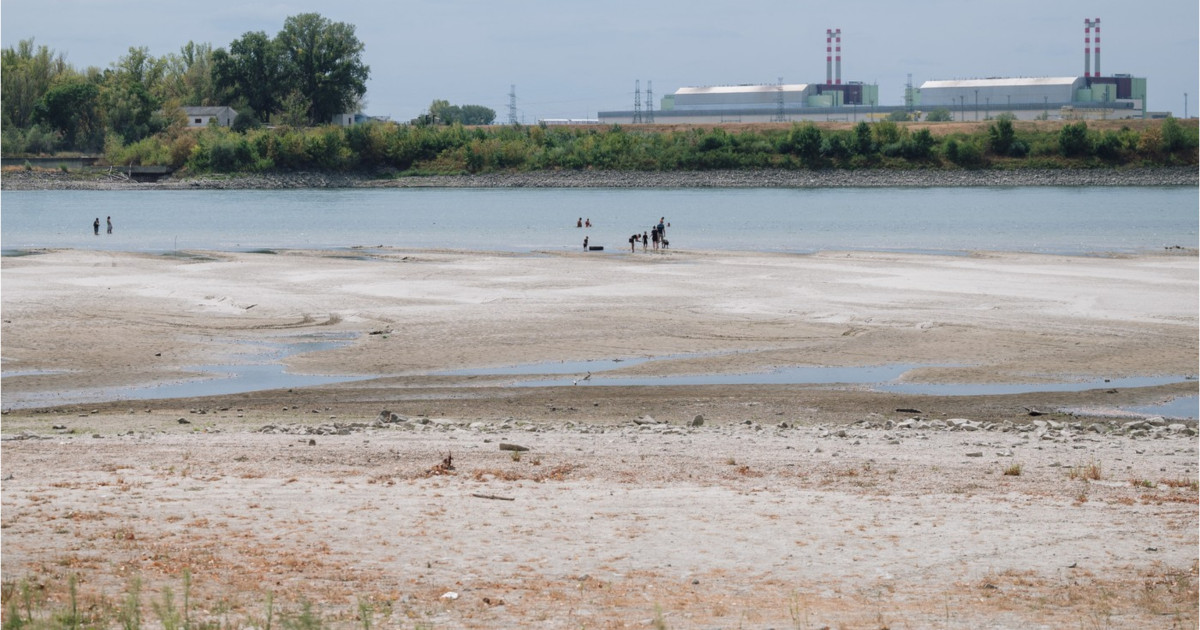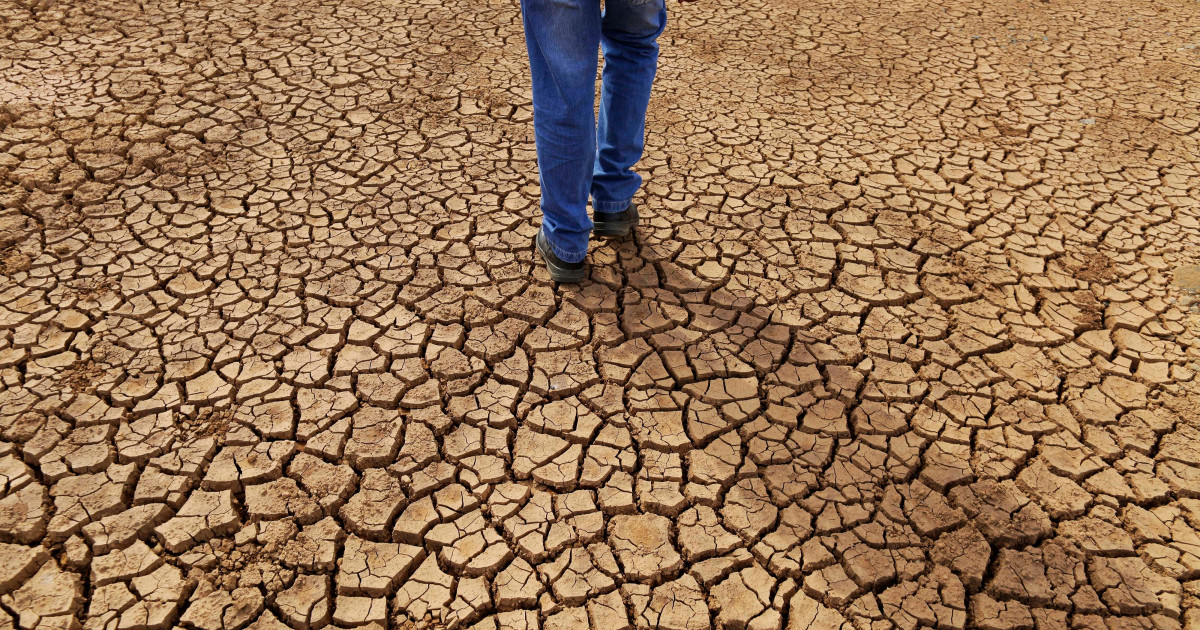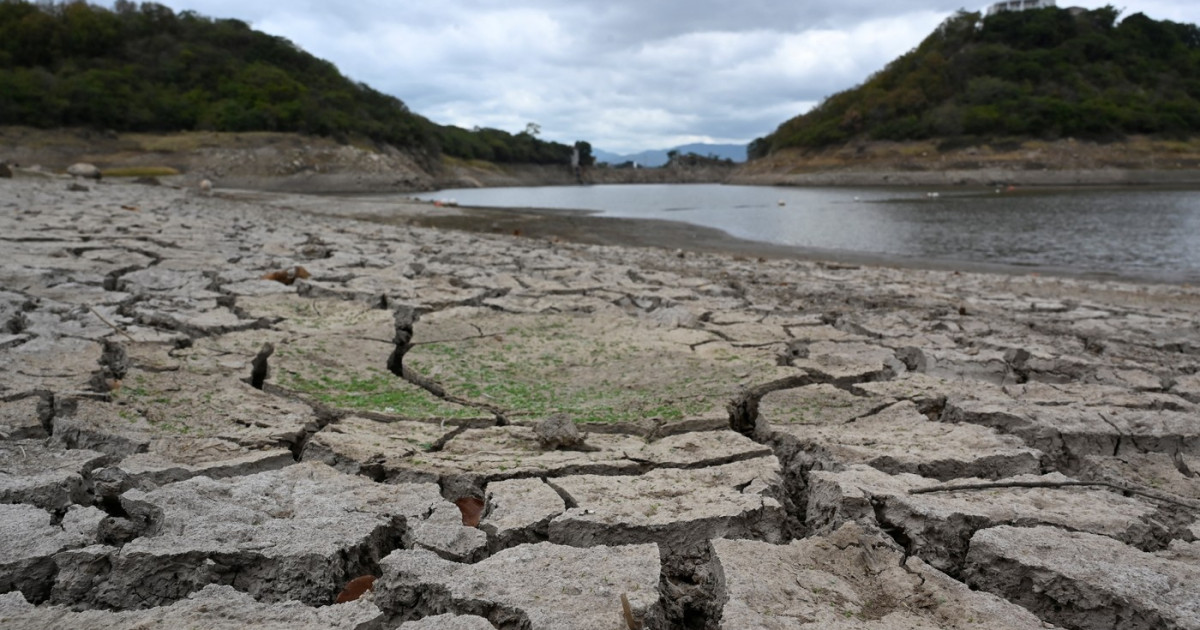
UN meteorologists warn that the El Niño phenomenon will intensify until 2027, generating high risks of extreme weather events, including droughts, floods, and fires, and having the potential to cause a global food crisis. (translated)

UN meteorologists warn that the El Niño phenomenon will intensify until 2027, generating high risks of extreme weather events, including droughts, floods, and fires, and having the potential to cause a global food crisis. (translated)

The El Niño phenomenon is intensifying and could cause significant changes in global weather, impacting temperatures and precipitation, with the peak expected at the end of 2026, according to meteorologists. (translated)

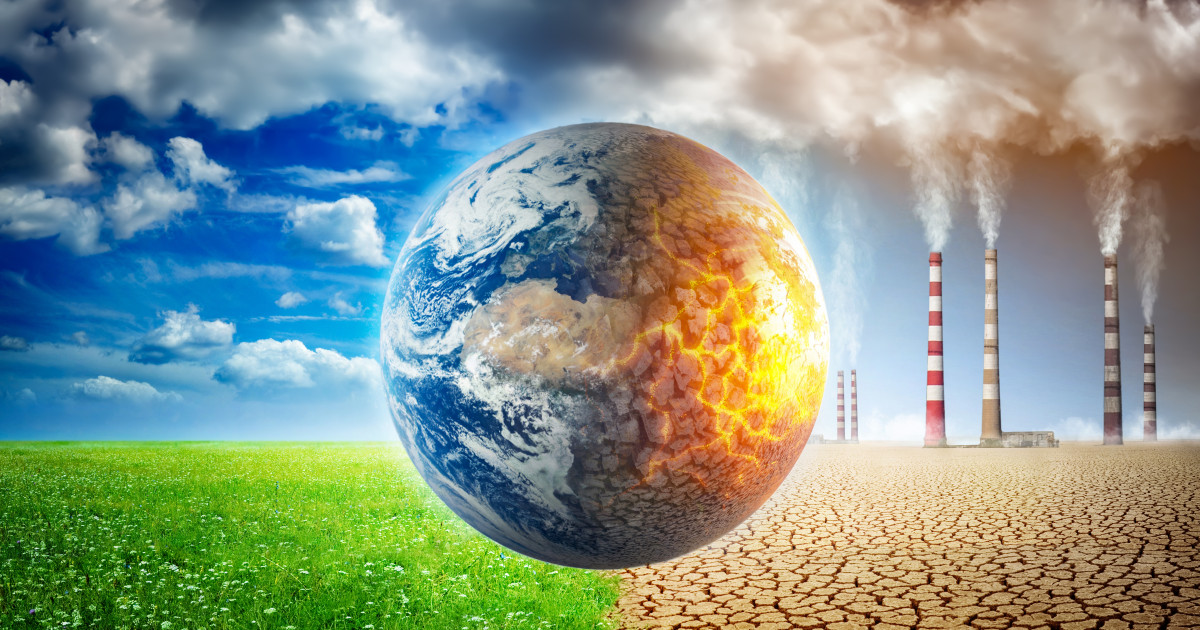
The United Nations warns that exceeding the threshold of 1.5°C in global warming is inevitable and urges the management of the impact of this reality, emphasizing that future climate strategies must be rethought. (translated)

The United Nations warns that the 1.5°C threshold for global warming could be exceeded in a few years, which would intensify extreme weather events and require urgent reductions in greenhouse gas emissions to limit the negative effects on the environment and population. (translated)
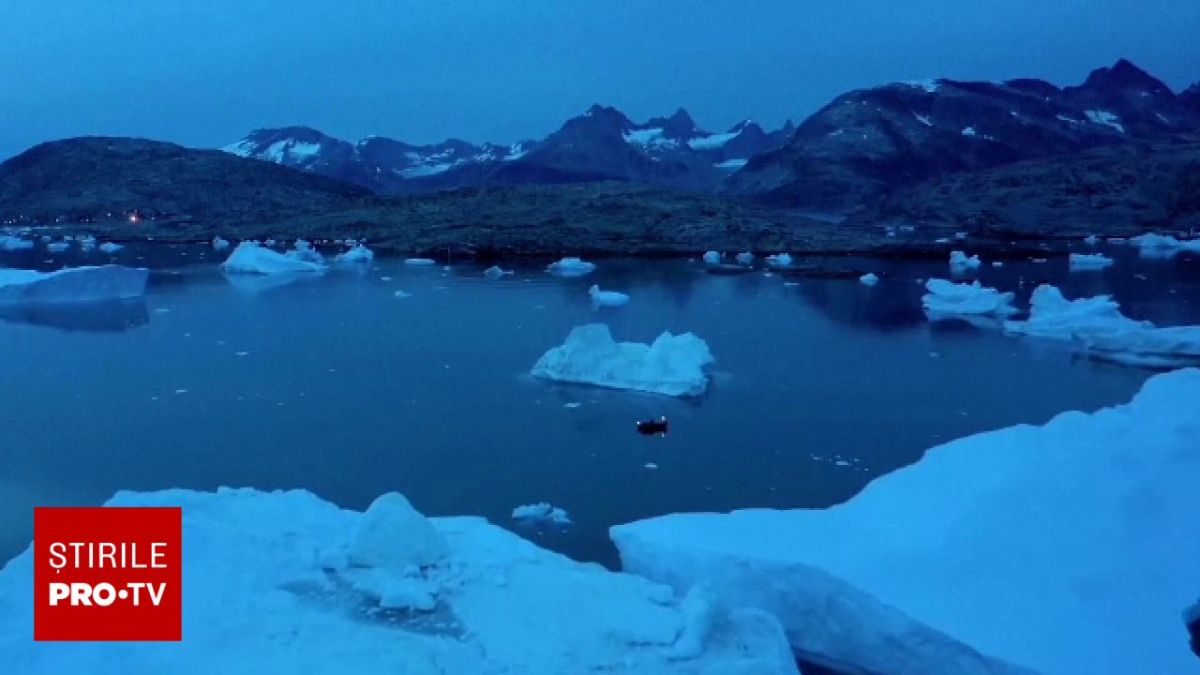
The world's oceans recorded an absolute temperature record of 21.1°C, influenced by climate change and the El Niño phenomenon, an unusual event during this period, with serious implications for marine ecosystems and coastal communities. (translated)

The year 2027 could become the hottest year ever recorded due to the intensification of the El Nino climate phenomenon, which threatens to cause extreme weather conditions globally, amplified by climate change induced by human activities. (translated)

The seas of Europe are experiencing an alarming increase in temperatures, with marine heat waves having up to 6°C above normal values, a phenomenon mainly driven by climate change and fossil fuel burning, which could have serious consequences for ecosystems and coastal communities. (translated)
Human-induced climate change has led to record temperatures in European waters, such as those in the Mediterranean Sea, with severe consequences for marine ecosystems and coastal communities, according to a study conducted by the World Weather Attribution group. (translated)

The seas around Europe have recorded record temperatures this summer, with values in the Mediterranean exceeding 33 degrees Celsius, a phenomenon fueled by climate change, which affects marine ecosystems and can contribute to the intensification of storms on land. (translated)

Jakarta, the most populous city in the world, is facing a severe sinking crisis, with nearly 40% of the metropolis below sea level due to rapid urbanization, uncontrolled extraction of groundwater, and rising sea levels, which has led to frequent flooding and major environmental problems. (translated)

The devastating wildfires and extreme temperatures have had a significant impact on the European economy, generating costs of billions of euros and threatening future economic growth, which calls into question the European Union's strategy of relaxing environmental measures in favor of competitiveness. (translated)
Climatologist Roxana Bojariu warns that Europe is facing devastating effects of climate change, such as extreme heatwaves and droughts, which may occur increasingly earlier, including in the autumn season, and emphasizes the importance of statistical analyses for understanding these phenomena. (translated)

Europe is warming twice as fast as the rest of the world due to changes in weather patterns, accelerated Arctic warming, reduced snow cover, and decreased air pollution, and the effects of the climate crisis are becoming increasingly severe, with heatwaves causing tens of thousands of deaths. (translated)

The world's oceans reached record temperatures in July of this year, becoming the second hottest July in history, partially influenced by the El Niño phenomenon, according to the EU's climate monitoring service report. (translated)
July 2026 was the hottest month ever recorded in the United States, with an average temperature of 24.9 degrees Celsius, surpassing previous records and highlighting the impact of climate change, as 48% of the territory is facing drought. (translated)

July 2026 marked the highest average sea surface temperature globally, surpassing previous records, and brought an extreme heatwave to Western Europe, causing devastating wildfires and significant economic losses in agriculture. (translated)

A study by World Weather Attribution concluded that climate change has doubled the risk of extreme wildfires in Canada, resulting in a higher frequency of these events, especially in the year 2026, favored by high temperatures and drought. (translated)

A recent analysis by the World Weather Attribution consortium highlights that climate change has increased the likelihood of extreme heat, drought, and strong wind conditions in Spain by 20 times, contributing to the intensification of devastating wildfires in Europe, affecting hundreds of thousands of people and destroying homes. (translated)

Viața în Banda, unul dintre cele mai călduroase orașe din India, este marcată de provocări extreme datorate temperaturilor insuportabile, care ajung până la 48,2 grade Celsius, și mulți locuitori preferă să doarmă în gara orașului în speranța de a găsi puțină răcoare, în timp ce spitalele se confruntă cu un număr crescut de pacienți afectați de problemele cauzate de caniculă. #Banda #caniculă #încălzireglobală

Un val de caniculă extremă afectează coasta estică a SUA, amenințând peste 100 de milioane de oameni cu temperaturi record, în timp ce Donald Trump neagă existența schimbărilor climatice, evidențiind impactul devastator al acestei crize asupra sănătății și evenimentelor publice. #canicula #incalzireglobală #SUA