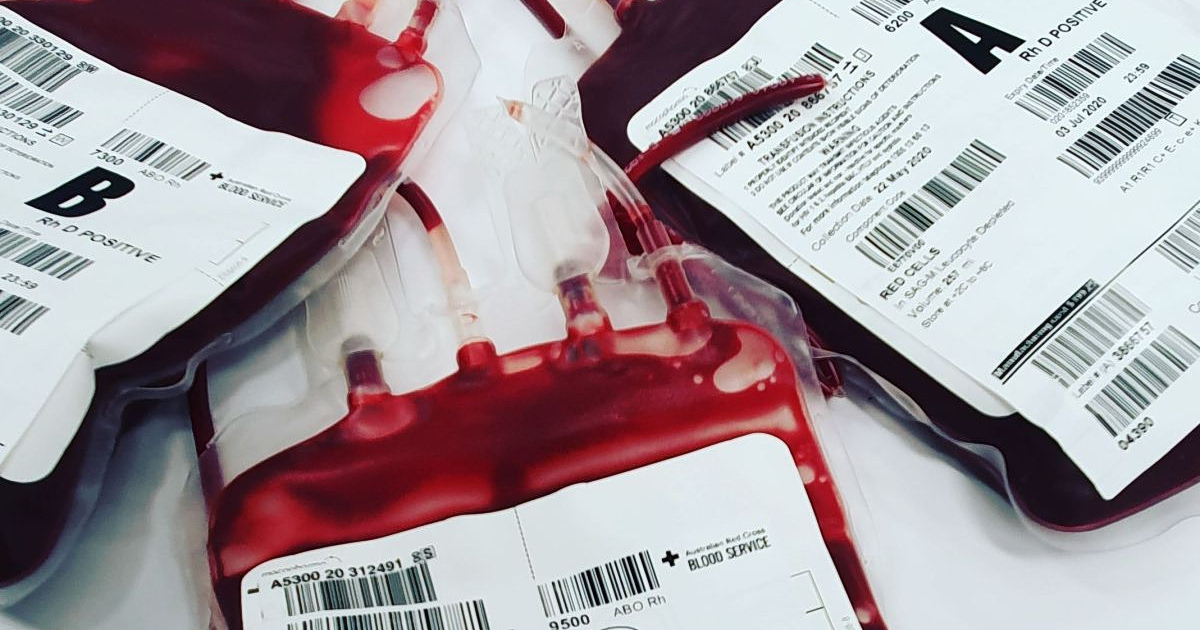
The Cabinet approved the National Blood Strategy in Cyprus, aimed at modernizing and upgrading blood services through five key axes that include inventory management, quality, and innovation. #ΔημόσιαΥγεία #ΕθνικήΣτρατηγική #Αίμα (translated)
Hackers breached the blood bank of France, raising the temperature in the refrigerated chambers from -30°C to 110°C, without causing issues in hospitals. #χάκερ #Γαλλία #αίμα (translated)

The post stated that hackers attempted to raise the temperature to 110 degrees Celsius in blood storage facilities in France. https://t.co/yERw9ZMi5z #Κυβερνοεπίθεση #Γαλλία #Ασφάλεια #FR (translated)
A cyberattack hit the National Blood Organization of France, with the attackers changing the temperature in the blood storage refrigerators to 110 degrees Celsius, but the situation was detected in time, preventing operational impacts. #Κυβερνοεπίθεση #ΕθνικόςΟργανισμόςΑίματος #Γαλλία (translated)
The author of the post stated that he had earlier communicated with the Patriarch of Jerusalem Theophilus and had expressed his condolences for the victims of the attack on the Greek Orthodox Church of St. George in Hamoud, in Al-Karak, Jordan. In the post, he described the act as abominable. #Θρησκεία #Εκκλησία #Συλλυπητήρια #JO (translated)
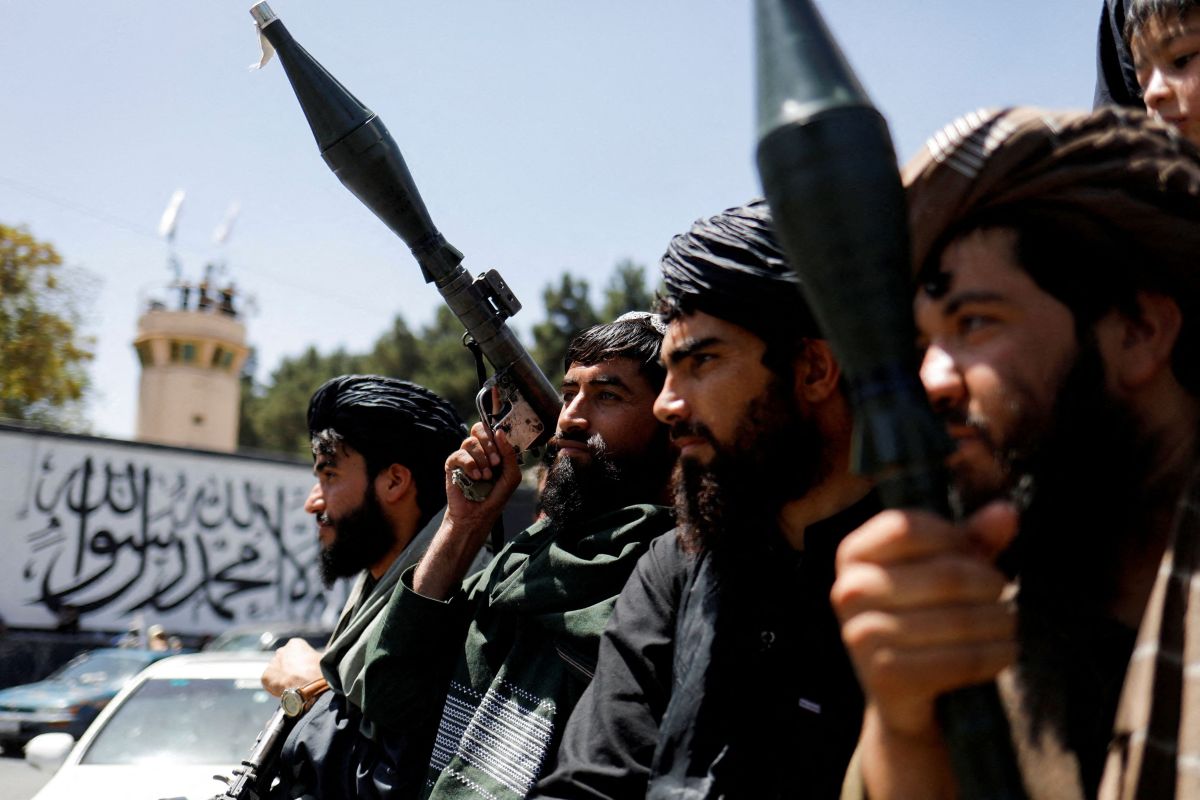
The war between Afghanistan and Pakistan continues with bloody clashes and diplomatic deadlock, as a recent attack by the Pakistani army on a military base under Taliban control has highlighted the intensity of the dispute. #Αφγανιστάν #Πακιστάν #πολεμικήσύγκρουση (translated)

Elenasagiadinou mentioned that a small thrombosis led her to the hospital and, as she wrote, her instinct saved her from the worst. She humorously remarked that the suggestion to get her blood circulating didn't refer to movement and urged others to take care of their health. https://t.co/lISivrtJvt #Υγεία #Θρόμβωση #Ευεξία (translated)
The Ambassador 13 wrote that sports journalists and YouTube shows were presenting the issue with the PAO BC player's tooth as a possible heart surgery. He contrasted that, as he mentioned, there was no similar mention of Fournier's hematoma or Montero's sprain, while Dorsey's intensity on the bench was presented as if there was no problem, even though he was smiling. #paobc #μπάσκετ #αθλητικά #πονόδοντος (translated)
Nikolaos Zervas mentioned that Fournier would be out for twenty days due to a bruise on his shoulder and a strain on his knee. As for Montero, he said that his participation in the game against Fener would be decided at the last moment. #ποδόσφαιρο #Φενέρ #injury (translated)
The need for blood remains high in Cyprus, with the Blood Center calling on citizens to participate in blood donations, as blood from all groups is required. #Αιμοδοσία #Κύπρος #Εθελοντές (translated)
The shepherd wrote that a lot of blood would be shed for Europe to return to its original state and argued that the longer this development was delayed, the worse things would become. #Ευρώπη #ΑιματηρέςΑλλαγές #Βιομηχανία (translated)
VIoannou mentioned that Hol continued to compete despite the sprain in his left foot. He wrote that Milutinov took a knee to the midsection in the match against Valencia and would play if necessary. According to him, Montero competed with a sprain and continued despite the discomfort he felt in his left knee during the match, while Endjai continued despite the bruise on his left eye. VIoannou described the image as "the definition of the team." #μπάσκετ #τραυματισμοί #αθλητισμός (translated)
SteliosK wrote that the Olympiakos team coached by Bartzokas played without Dorsey and Miloutinov, with Hol having a sprain, Montero facing a problem, and Edjai having a bruise on his eye. He also mentioned the fatigue from the consecutive away games and referred to officiating that was again against the team. Despite the difficulties, he described Olympiakos as a team with the heart of a champion and enormous courage. https://t.co/Zbh3tjLN86 #OlympiacosBC #Basketball #EuroLeague (translated)
Sh⭕t Vetakis mentioned that Donda Hol suffered a sprain in his left leg but would continue to compete. Regarding Nikola Milutinov, he wrote that he received a knee to the back in the match against Valencia and would only play if deemed necessary. According to the post, Montero had suffered a sprain in his right leg in the match against Valencia and felt discomfort in his left knee in tonight's game, while efforts were being made for him to continue. Sh⭕t Vetakis added that Embai N'Jai had a bruise on his left eye but would continue. #olympiacosbc #μπάσκετ #τραυματισμοί #σπορ (translated)
Amalia challenged the leftist narrative regarding the participation of women in the Democratic Army of Greece (DSE) during the Civil War, arguing that their enlistment did not necessarily indicate emancipation. She cited data indicating that about 10,000 women served in the DSE, approximately a quarter of its total strength. Of these, she wrote, 30% participated in combat units while the rest worked in the rear. At the time of the posting, 3,000 of the women were "Slavo-Macedonians." Amalia mentioned that these women were connected to the Anti-Fascist Women’s Front of Macedonia (AFŽ), which was established in Skopje on December 14, 1944, and functioned as the women's section of the NOF. The NOF, she wrote, was founded in Skopje in April 1945 with the initiative and support of Tito and, after an agreement between the KKE and Tito, was incorporated into the DSE. She argued that these organizations aimed for the incorporation of Greek Macedonia into the "Yugoslav Republic of Macedonia." Amalia stated that after the Stalin-Tito split in 1948, the KKE established the Nationwide Democratic Women’s Union (PDEG), as it could no longer control the AFŽ. According to the posting, the first event of the PDEG took place on October 25, 1948, in Kallithea Prespa, with 44 women, seven of whom were "Slavo-Macedonians." Chrysa Chatzivassiliou was elected president, who, as she wrote, was described in a misogynistic manner by party officials. She also cited a report by Nikos Zachariadis to Stalin on October 17, 1950, regarding the condemnation of Chatzivassiliou by the 3rd Conference. Regarding the other 7,000 women, Amalia argued that the majority were forcibly recruited. She referenced Markos Vafeiadis's estimate that from mid-1947, recruitment into the DSE had become "entirely violent" and that volunteers did not exceed 10%. She also cited research by the author Tasoula Ververioti on the educational level of women, as well as testimonies about difficult living conditions, shortages of clothing and hygiene products, and health issues. She added that many had suffered sexual assaults. As sources, Amalia cited works by Tasoula Ververioti and Margarita Lazaridou, as well as material from the Philip Hiliou Archive at the ASKI. In the end, she mentioned Mirka Ginova (Irene Gkin), Katina Andrejeva (Andreopoulou), Afrodita Dovalovska, and Jordana Slatnikova, along with their places of origin. #Γυναίκες #Αριστερά #Ιστορία (translated)
Enzo wrote that the death of an industrialist who, according to him, exploited the world was treated as a sorrow for the country, while the deaths of workers were presented as something ordinary, as if it were just Friday. #εργατικάδικαιώματα #κοινωνία #οικονομία (translated)
The toxicological tests of George Mazonakis revealed the presence of several pharmaceutical substances in his blood, with the family's technical advisor, Dr. George Fitsialos, noting that this combination can have a tenfold effect. #Θάνατος #Τοξικολογία #Μαζωνάκης (translated)

The post stated that, after the death of Giorgos Mazonakis, cocaine had been found in his blood along with seven other substances and referred to what an expert for the family had said. https://t.co/vKbnhFevwQ #Θάνατος #Νέα #Ειδήσεις #GR (translated)
A new two-hour investigation was conducted at the office of Karneadou to examine the circumstances of the death of Giorgos Mazonakis, with authorities searching for pharmaceutical products related to anesthesia and the presence of specific substances in his blood. #Μαζωνάκης #θάνατος #ιατρικήέρευνα (translated)

The article states that, after the massacres on Chios in 1822, women and children were transported as captives to the slave markets of Smyrna and Constantinople. It invoked a letter sent that spring from Constantinople by Dutch diplomat Gaspar Testa, in which he described captured children and women from Chios, some of whom had papers with the name and address of their owners. According to the post, by May 1, 1822, more than 41,000 slave ownership documents, known as "teskeredes," had been issued. The article mentioned that, according to the French-language newspaper of Smyrna, Spectateur Oriental, by May 10, customs duties for about 40,000 slaves had been paid at the city's customs. It also cited English sources, stating that the population of Chios before the destruction was approximately 110,000: about 20,000 fled or remained on the island to cultivate mastic, approximately 45,000 were killed, and the rest were sold as slaves. The post stated that the attack began on March 30, 1822, and that, according to the orders attributed to the Sultan, boys aged 3–12 and women aged 12–40 would be captured, while the others would be slaughtered. It described rapes, torture, and murders of civilians, as well as women who committed suicide or resisted to avoid capture. Citing the account of the priest Welsh from the English embassy in Constantinople, the article noted that about 500 women from Chios were sold in the fish market and that their prices ranged from 100 groats to 3 pounds per person. It added that similar scenes unfolded in Smyrna, where women and children were transported in chains and sent to the homes of those who had bought them. Finally, it cited Chian journalist Panagiotis Xenakis and "The Machine of Time," mentioning that the island remained devastated for years after 1822. #Χίος #ΕλληνικήΕπανάσταση #Σκλαβιά (translated)