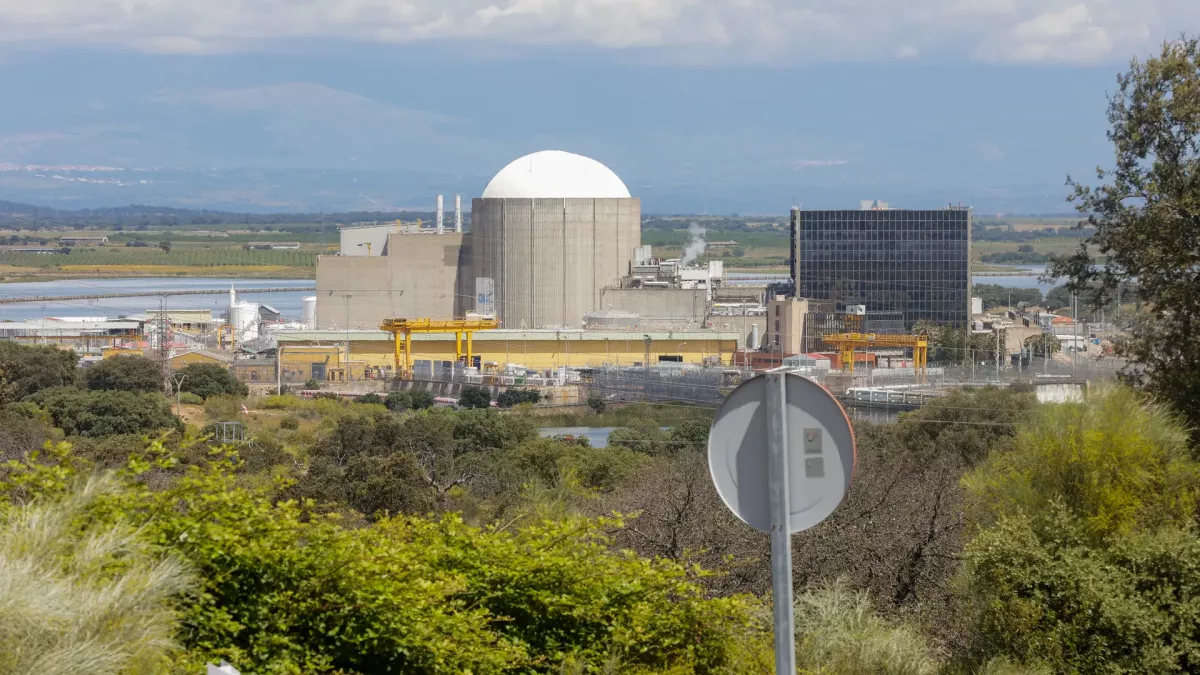
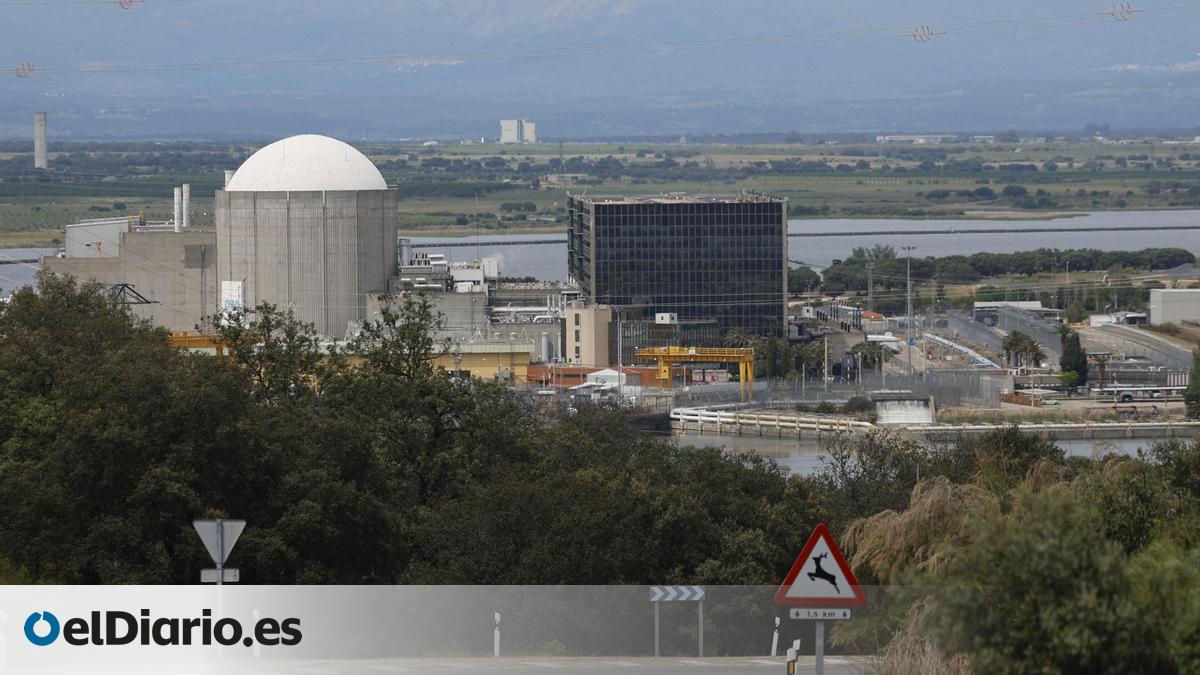
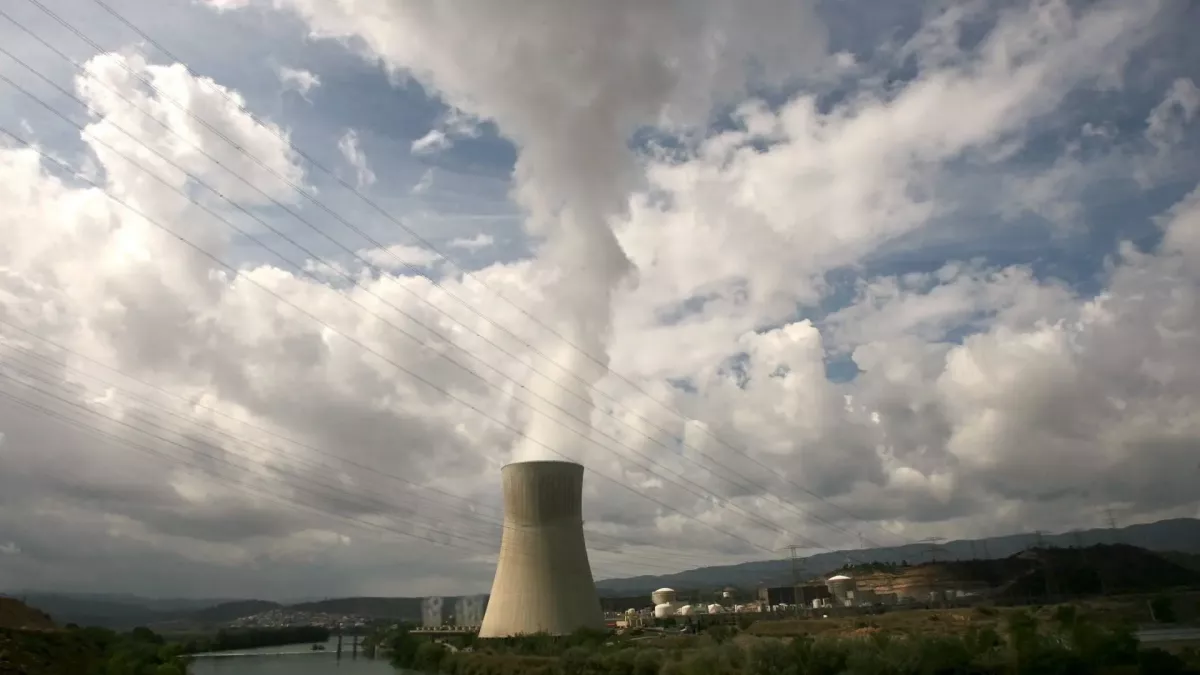
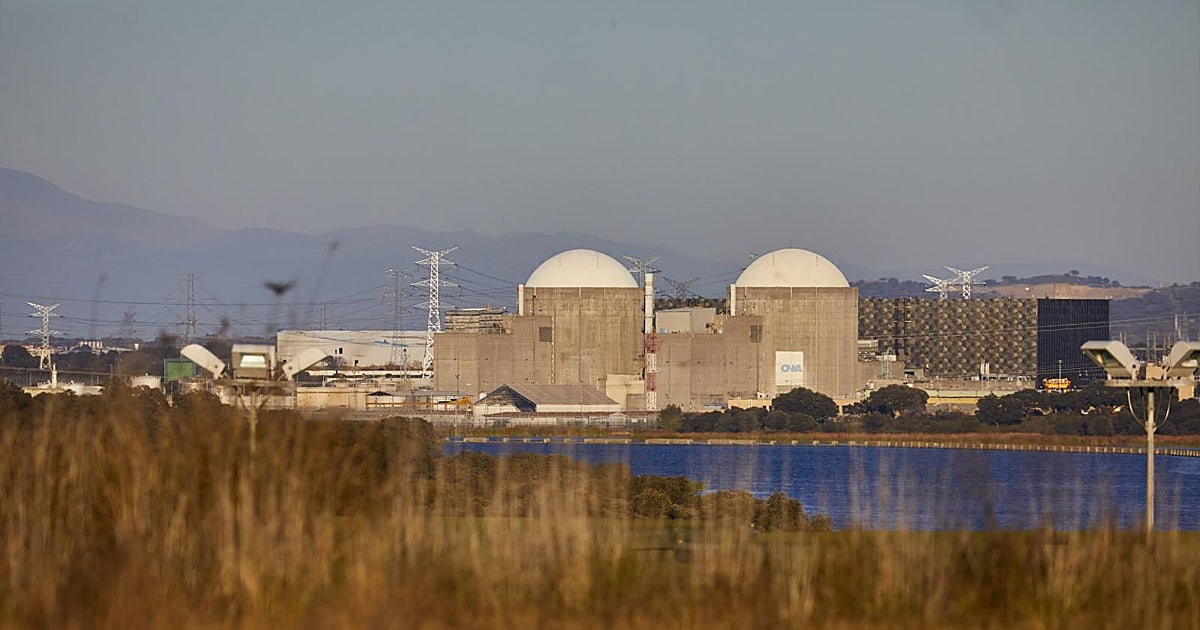
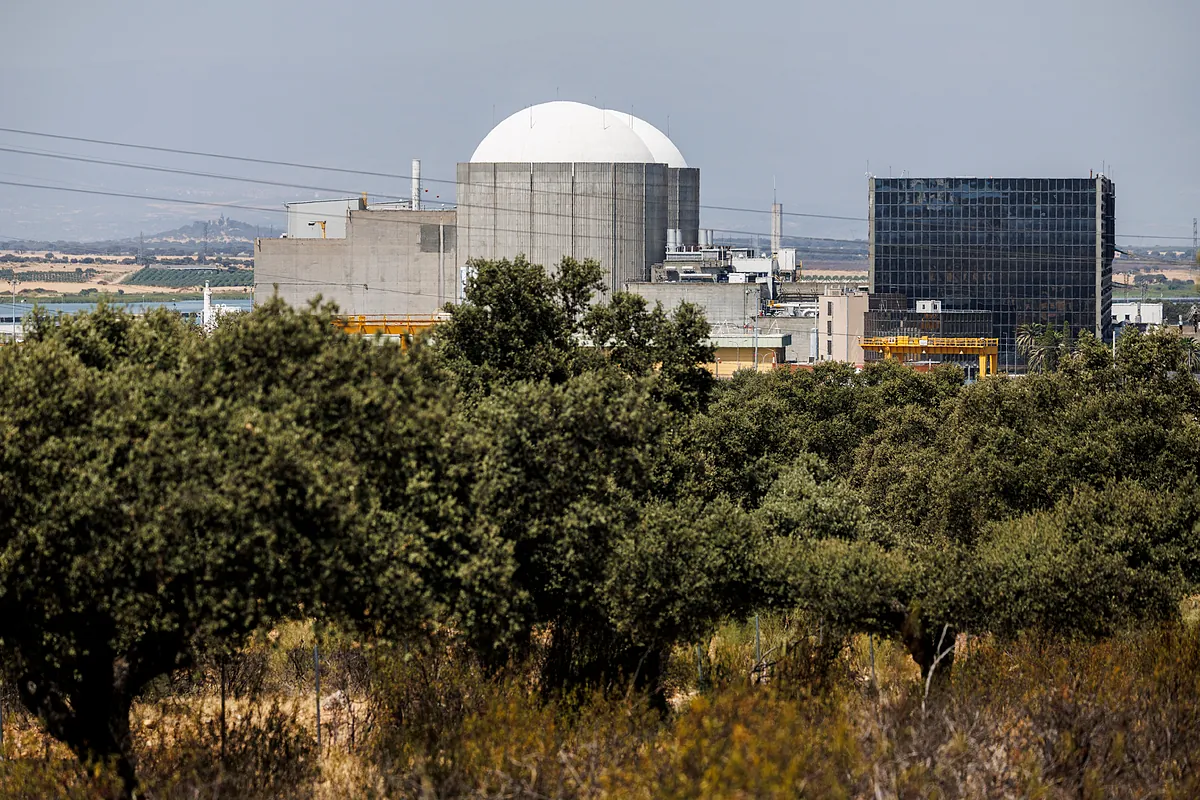
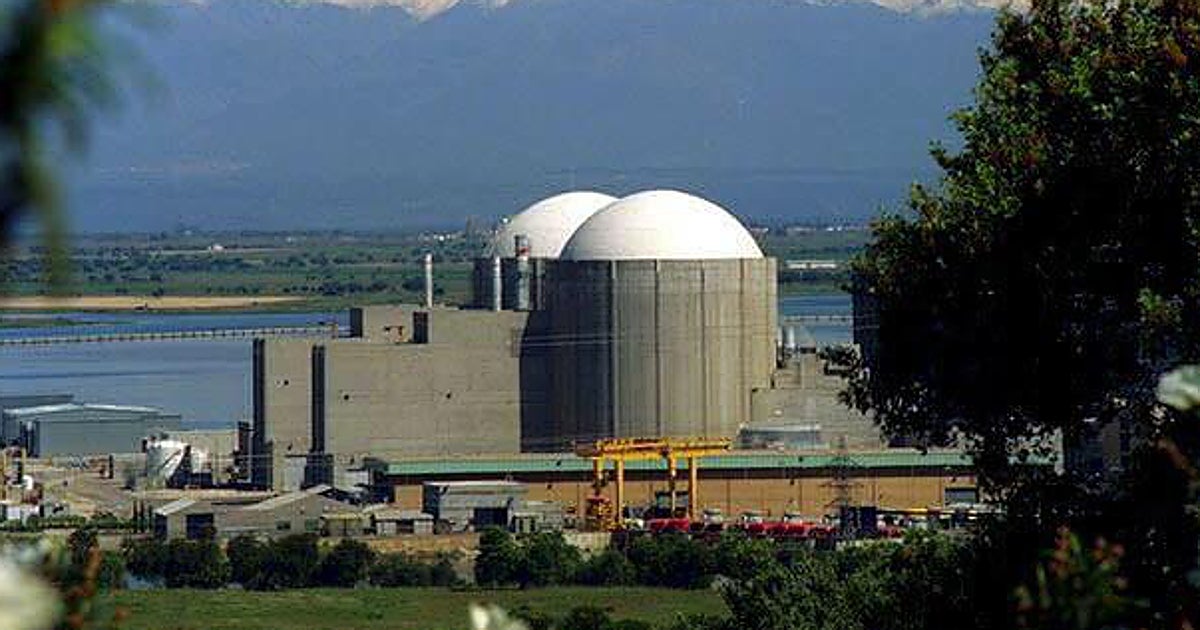
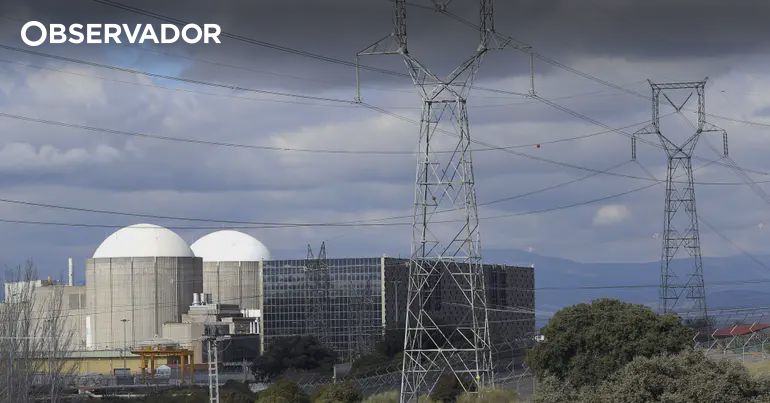
The extension of the Almaraz Nuclear Power Plant raises debates about safety and sensibility, highlighting that the age of the design does not determine its safety, but rather its effective condition, regulated by rigorous inspections. (translated)
The Socialist Party (PS) of Portugal requested clarifications from the government regarding Spain's decision to extend the operation of the Almaraz nuclear power plant until 2030, questioning the involvement and prior knowledge of the Portuguese government in the process, as well as the actions that have been or will be taken in this regard. (translated)
Environmental groups have expressed their outrage over the extension of the Almaraz nuclear power plant, which they see as a concession to the economic interests of utility companies and a threat to the nuclear shutdown timetable in Spain, undermining the credibility of the Government and potentially perpetuating the use of nuclear energy instead of advancing towards renewable energy sources. (translated)

🇪🇸 FLASH - L’Espagne repousse de 2027 à 2030 la fermeture de la centrale nucléaire d’Almaraz pour limiter les risques de flambée des prix de l’électricité. (Euractiv) #Energie #Nucléaire #Espagne
A pesar de la prórroga de Almaraz, el Gobierno afirma seguir adelante con el cierre de los 7 reactores nucleares entre 2030 y 2035, confiando en sustituirlos con renovables, almacenamiento, bombeo, interconexiones y gestión de la demanda. El PNIEC prevé para 2030 nada menos que 76 GW fotovoltaicos, 62 GW eólicos y 22,5 GW de almacenamiento y pretende retirar 4,2 GW nucleares de golpe. Unos objetivos que no se cree nadie medianamente informado. Ningún país industrializado comparable a España está siguiendo esta estrategia. Francia mantiene su enorme parque nuclear y construirá nuevos reactores. Reino Unido combina renovables con nueva nuclear. Suecia abandonó el objetivo «100% renovable» por «100% libre de fósiles» para incorporar más nuclear. Finlandia la mantiene, Países Bajos proyecta nuevas centrales y Polonia y Chequia también apuestan por combinar renovables y nuclear. Bélgica ha revertido su abandono nuclear, Suiza quiere levantar la prohibición de construir nuevos reactores, Eslovenia prepara un segundo gran reactor, Hungría construye dos nuevos, Rumanía y Bulgaria proyectan ampliar su capacidad y hasta Italia prepara el regreso de la nuclear. Canadá, con enormes recursos hidroeléctricos y renovables, prolonga y renueva sus reactores mientras desarrolla nueva capacidad nuclear, incluidos SMR. La tendencia global no es renovables o nuclear, sino cada vez más renovables y nuclear. Sin embargo, el Gobierno de España quiere hacer el experimento contrario: retirar 7,4 GW de generación firme, síncrona y baja en emisiones de dióxido de carbono confiando en que tecnologías e infraestructuras todavía por desplegar puedan sustituir a tiempo todas sus funciones. ¿Cuál es el objetivo? Sin necesidad de pensar mal, existen incentivos políticos y económicos. El cierre nuclear procede de una decisión política trasladada al PNIEC y, en el mercado marginalista, todos los productores cobran el precio que fija la última tecnología necesaria para cubrir la demanda, casi siempre el gas. Mantener los ciclos combinados mientras desaparece la nuclear permite que el gas siga siendo necesario y marcando precios altos durante muchas horas, lo que beneficia a los productores de renovables. Lo de luchar contra el cambio climático, solo de cara a la galería. Mientras tanto, las advertencias al Gobierno se acumulan. La Agencia Internacional de la Energía lleva años avisando al Gobierno de que prescindir de la energía nuclear dificulta y encarece la transición y plantea desafíos para la seguridad eléctrica. El Consejo General de Colegios Oficiales de Ingenieros Industriales también ha advertido de que cerrar Almaraz sin una alternativa técnica equivalente puede perjudicar la estabilidad del sistema, aumentar la dependencia energética, las emisiones y los precios. Y ya hemos tenido avisos muy serios. España sufrió el apagón del 28 de abril de 2025 y Red Eléctrica ha tenido que activar varias veces el SRAD. Este mecanismo de interrupción del suministro a grandes consumidores industriales, es necesario, como el airbag de un coche: que funcione cuando hace falta es una buena noticia, pero necesitar utilizarlo repetidamente es señal de que algo no funciona bien. Ahora el propio Gobierno reconoce que prolongar Almaraz hasta 2030 reducirá un 7% la generación con gas respecto al PNIEC, mientras Red Eléctrica reconoce su aportación favorable a la estabilidad del sistema. ¿En qué quedamos? Las renovables y el almacenamiento son imprescindibles. Despleguémoslos junto a la nuclear, como hacen el resto de países avanzados. Cerrar lo que funciona y confiar en que después llegue todo lo necesario para sustituirlo es experimentar irresponsablemente con la seguridad eléctrica de un país entero. #EnergíaNuclear #Renovables #TransiciónEnergética
The Spanish government has renewed the operational authorization for the reactors at the Almaraz nuclear power plant until at least 2030, despite the initial plan that envisaged their phased shutdown for 2027 and 2028, which reinforces the role of nuclear energy in the Spanish electricity system in a context of international energy uncertainty. (translated)

The Minister of the Environment of Portugal, when commenting on Spain's decision to postpone the closure of the Almaraz nuclear power plant, expressed confidence in the Spanish authorities and requested information about radiological protection measures and security guarantees, emphasizing that Portugal was not consulted regarding this extension due to its temporary nature and the applicable legislation. (translated)

The Spanish government has decided to extend the life of the Almaraz nuclear power plant until June 2030, which represents a truce in the political tensions between the Extremadura government and the national government, despite pressure from the PP to review the nuclear closure plan and ensure the continuity of employment in the region. (translated)

The extension of the Almaraz nuclear power plant until 2030 complicates the closure schedule of other nuclear plants in Spain due to waste management problems, forcing a revision of the planning and increasing pressure on the company responsible for decommissioning. (translated)

The recent agreement by the Spanish Government to extend the operation of the Almaraz nuclear power plant until 2030 has generated a strong reaction from Sumar, as they believe this decision violates the commitment to close nuclear plants between 2027 and 2035, highlighting a credibility crisis in their relationship with the PSOE and affecting their political identity in the context of the energy transition. (translated)

The Spanish government has decided to postpone the closure of the reactors at the Almaraz nuclear power plant, from 2027 and 2028 to June 2030, due to the gas market situation caused by international conflicts, although it assures that this extension does not affect supply security or imply costs for citizens. (translated)

The government has decided to extend the operation of the reactors at the Almaraz nuclear power plant until June 2030, recognizing their importance in the context of the international energy crisis, although this is considered insufficient and generates uncertainty about the future of the nuclear industry in Spain. (translated)

The Iberian Antinuclear Movement (MIA) described the decision to extend the operation of the Almaraz nuclear power plant until 2030 as illegal, as there is an agreement to close it in 2027, and warned of potential ecological risks for Portugal, especially for Lisbon. (translated)

The environmental association Zero demanded that the Portuguese government speak out against the extension until June 2030 of the operation of the Almaraz nuclear power plant, classified as a high-risk industrial infrastructure, emphasizing the importance of a critical stance and the pursuit of a safe closure of its operations. (translated)
Alberto Núñez Feijóo, president of the PP, celebrates the extension until 2030 of the Almaraz nuclear power plant, considering it a late and incomplete rectification by the Government, which acknowledges its failure in energy policy, and criticizes that the news was announced without prior notice. (translated)

La continuidad de Almaraz es una gran noticia para todos: en primer lugar, para las 4.000 familias extremeñas cuyo futuro dependía de esta decisión. Celebro el éxito de su lucha. Buena noticia también para nuestro sistema energético: la energía nuclear es imprescindible para evitar nuevos apagones y para no depender de terceros. Lo dijimos desde el primer día y ahora el Gobierno nos da la razón. Una rectificación, en pleno agosto para que no se note mucho, tardía e incompleta. El próximo Gobierno desterrará el sectarismo ideológico y garantizará su permanencia más allá de 2030. Es mi compromiso. #EnergíaNuclear #FuturoSostenible #CompromisoPolítico
The Sumar Party rejected the extension of the operation of the Almaraz nuclear power plant until 2030 and accused PSOE of violating the coalition agreement, criticizing that maintaining nuclear energy is the result of corporate pressures at the expense of ecological transformation and energy affordability. (translated)

The extension for the operation of the Almaraz nuclear power plant has generated a deep division in the Spanish government, with Sumar accusing the PSOE of conceding to the energy oligopoly and of shifting the commitment to energy transition towards the far right. (translated)

The Spanish government has decided to extend the operation of the Almaraz nuclear power plant until June 2030, despite the debates on phasing out nuclear energy, due to concerns about the country's energy supply. (translated)
The Spanish government has authorized the continuation of the Almaraz nuclear power plant until 2030, despite having promised its closure for 2027 and 2028, which has generated a context of contradictions after more than a decade of electoral promises regarding the dismantling of nuclear facilities, while civil society and the regional government defend its maintenance due to the more than 4,000 jobs that the industry sustains in a rural area. (translated)