WRLD

Search

#Anniversary
Euronews English 1d

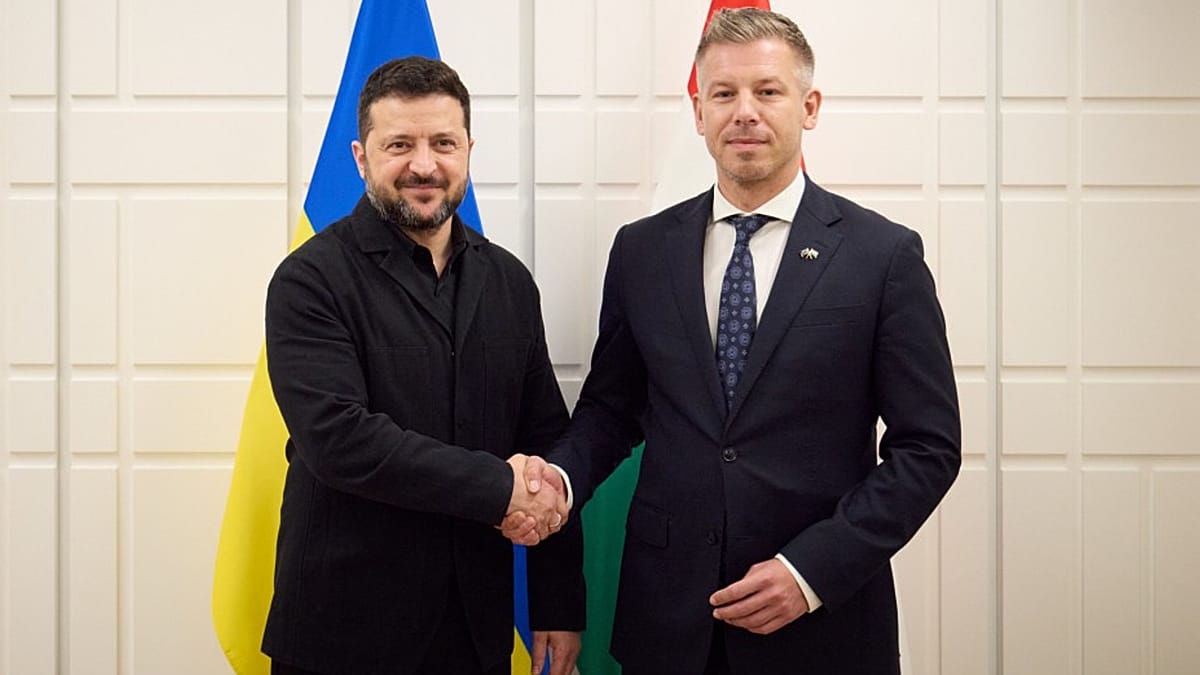
Zelenskyy's deputy chief of staff told Euronews earlier this week that the Ukrainian leader had been invited to Budapest on 23 October, to join events commemorating the 70th anniversary of the 1956 Hungarian Revolution. #Zelenskyy #Hungary #Diplomacy
www.euronews.com
Hungarian PM Péter Magyar says Zelenskyy unlikely to visit Budapest later this month
2493
Irish Independent 2d

Munster has defended its decision to relocate the match against Racing, scheduled on the anniversary of Anthony Foley's death, after receiving criticism from Ronan O'Gara. #cookies #security #cloudflare

www.independent.ie
Munster defend decision to move Racing clash on Anthony Foley’s anniversary from Thomond Park after Ronan O’Gara criticism
2444
Irish Independent 5d

Munster is set to honor the 10-year anniversary of rugby legend Axel at Páirc Uí Chaoimh, promising an emotional night filled with love and remembrance for the beloved figure. #seguridad #acceso #cookies

www.independent.ie
‘The win will show our love for Axel’ — Munster set for emotional night at Páirc Uí Chaoimh as they honour legend’s 10-year anniversary
2591
Luciano Magaldi Sardella (PhD) 7d

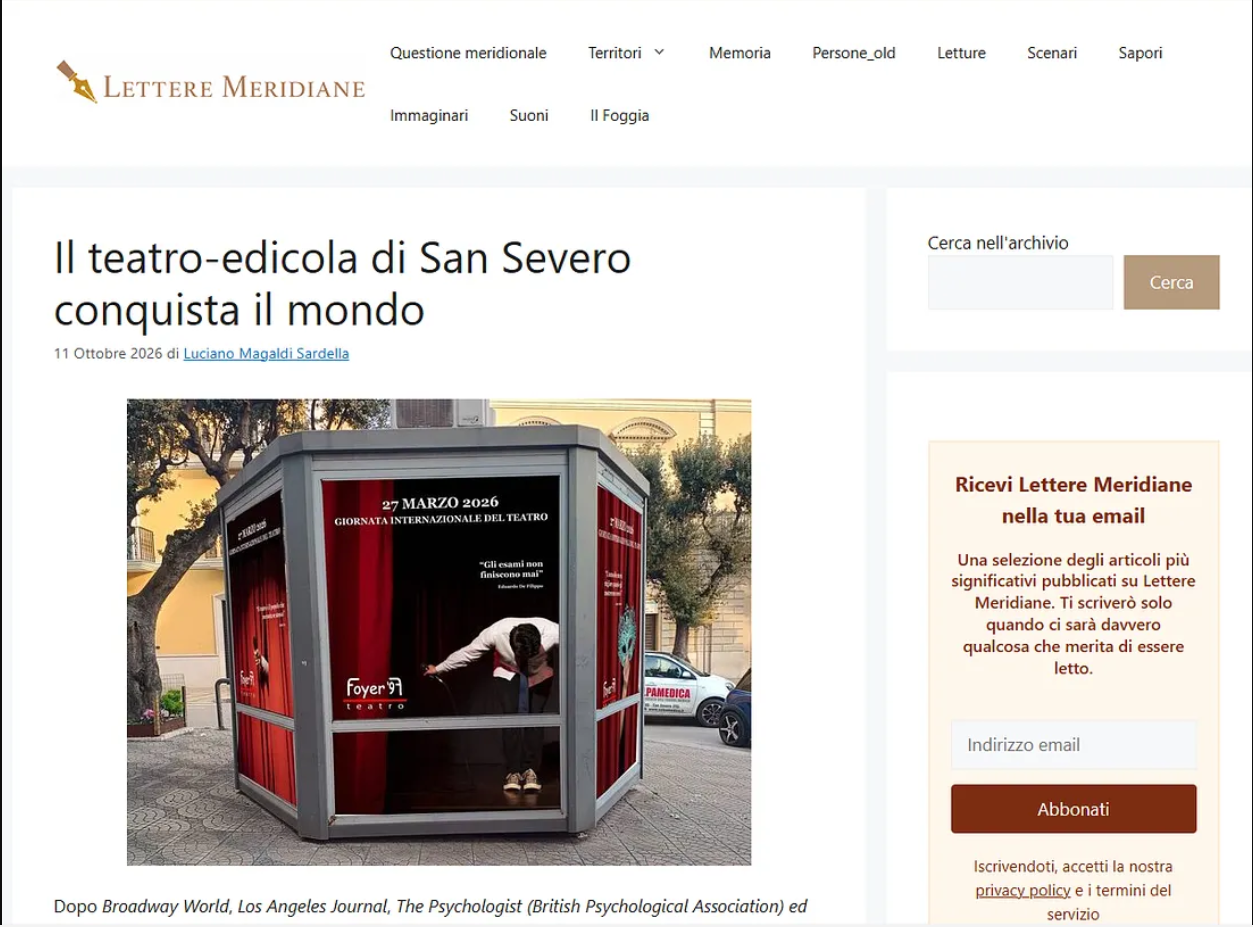
LETTERE MERIDIANE — “TEATRO-EDICOLA” OF SAN SEVERO CONQUERS THE WORLD SOURCE: https://www.letteremeridiane.org/2026/10/il-teatro-edicola-di-san-severo-conquista-il-mondo/?fbclid=IwY2xjawU4oqFleHRuA2FlbQIxMQBwZG9mAXNydGMGYXBwX2lkEDIyMjAzOTE3ODgyMDA4OTIAAR5rVEwYs6UUXg7v-P0SyIQ_DRb_F6ZiY58OcseYoV4J7atcTiERnhWaqKM2pw_aem_Njle1jq1XLzHr93KLBUcVA After “Broadway World”, the “Los Angeles Journal”, “The Psychologist (British Psychological Association)” and Hollywood Beat Magazine, its “academic consecration” has now arrived courtesy of Stanford University. As I have already emphasised in my article on the revival of the GIO Festival in Foggia, celebrated by BroadwayWorld for the world stage premiere of the Giordano’s opera Marina (1888), the province of Foggia has long ceased to be peripheral. It happens when it finds an idea that shifts the coordinates: well, in San Severo, 40 kilometres from Foggia, it has happened again. Only this time an orchestra was not needed; six chairs were enough. The celebrated Teatro-Edicola of San Severo artistic director Francesco Gravino of the theatre company Foyer ’97 has been featured in the academic journal “Stanford Social Innovation Review (SSIR)” as an academic case study. The news, relayed on 19 September 2026 by ANSA Nazionale, looked like a misprint. Then it became clear that it was not. SSIR, an award-winning publication covering multisectoral solutions to global problems, included the project in its Dispatches section with the reportage “The Six-Seat Revolution”. It is the inverse trajectory to that of the GIO Festival: not a forgotten opera returning to a grand historic Italian horseshoe theatre, but an entire theatre reborn inside a disused place, forgotten by man. There are moments when past and future intertwine to create something visionary, innovative, artistically “revolutionary”: San Severo experienced one of those moments on the morning of 27 March 2026, during World Theatre Day, when the shutter of a newsstand closed for six years in Via Matteo Tondi was reopened “not to sell newspapers, but to offer stirring stories”, to quote Gravino’s motto. The idea of the visionary Francesco Gravino, artistic director, stage director and actor of the San Severo company Foyer ’97, active for at least 30 years in Capitanata, centred on the kiosk, hexagonal in metal and glass, granted free of charge by its owner Pino Frau, by now an urban relic created by the publishing crisis of the early 2000s: today in Italy active newsstands have fallen from about 35,000 in 2005 to about 20,000 in 2024, a decline of 42.8%. Gravino and eleven other actors restructured it in two weeks of work, without institutional funding, and transformed it into what is now under examination by the London commission of Guinness World Records as the “world’s smallest theatre”. The formula is deliberately austere: six spectators at a time outside, actors inside at less than a metre’s distance, 15-minute performances, continuous rotation from 11:00 to 20:45, texts ranging from Goldoni to Chekhov, from Ibsen to Dacia Maraini. On the door a QR code with an original theatrical warning: “Warning! This QR code transforms passers-by into actors. Scan only if ready.” The numbers immediately showed that it was no boutade: more than 60 people in a single afternoon, three inaugural days that sold out. But above all a positive echo that went beyond the borders of San Severo. “Broadway World” (just as in the previous case of the GIO Festival), the world’s most influential theatre criticism outlet with over 5.5 million monthly views, devoted exclusive coverage to it on 27 April 2026: “An Abandoned Italian Newsstand Just Became the World’s Smallest Theatre”. Not a mere listing, but an analysis: “There is no foyer, there is no balcony, there is no grid. There is barely a wing. What there is is something almost unrecognisable as an evening at the theatre, and for that very reason it is all the more powerful.” “Broadway World” captured Gravino’s manifesto idea: “This is a theatre of proximity. In an era of digital distance, we are putting human contact back at the centre,” framing it as “More than a clever exercise in site-specific theatre. It is a reappropriation.” All of this, in a Mezzogiorno of Italy often narrated only in terms of organised crime and marginalisation. To that seal of approval was added another, even more disorienting for a newsstand in San Severo: the “Los Angeles Journal”, one of the most influential publications on the West Coast for the performing arts. On 12 May 2026, it headlined thus: “San Severo’s Teatro-Edicola as an Innovative Model for Los Angeles Theaters?” opening as follows: “In a city in southern Italy that Hollywood has never heard of, a theatre director has just built the smallest stage in the world: six seats, fifteen minutes, zero distance. Los Angeles should pay attention.” The “Los Angeles Journal” does not indulge in folklore, but places the kiosk in Via Matteo Tondi alongside the prestigious 1,600-seat Ahmanson Theatre in Los Angeles, the Pantages of Broadway in Hollywood, the 99-seat plan of Rogue Machine, the Odyssey, the Victory Theatre and the Hollywood Fringe. It even recalls Ethan Marks’s Electrical Box Theatre, a veritable electrical box lined with red velvet in downtown Los Angeles, to argue that Gravino has taken to the extreme the question Los Angeles has been asking itself for decades: How small can a stage become before it ceases to be a stage? And it recognizes the San Severo urban model: almost zero cost, two weeks of work and six chairs, in return for immediate provincial, regional and national media coverage, recognition by the San Severo’s Municipal Administration, and a format exportable anywhere. Then, the third American piece came from “Hollywood Beat Magazine” on 20 April 2026: Six seats. Fifteen minutes. One actor. No stage. The magazine recounts the kiosk in Via Tondi left disused for almost six years, the contemporary six-seat cultural outpost, placing Francesco Gravino in a distinguished genealogy: Richard Schechner and environmental theatre, Jerzy Grotowski and poor theatre, Nicolas Bourriaud and relational aesthetics. But it closes with pragmatism: it is not a thesis, it is fixing a street corner, that is, repairing an urban street corner by asking not how large a theatre can become, but how small it must become again to recover its original power. And finally, the celebrated London-based “The Psychologist”, the journal of the “British Psychological Society (BPS)”, the oldest psychological society in the world, transformed the Teatro-Edicola into a scientific case study: on 30 July 2026 it published “The world’s smallest theatre — and Psychologists’ next act”, starting from the same detail, the morning of 27 March when the metal shutter of the hexagonal kiosk in Via Tondi reopened after six years, six people inside, an actor at less than a metre’s distance beginning Chekhov. It describes the formula: six spectators, 15 minutes, 11 actors over 10 hours, from Goldoni to Euripides, inside a kiosk where the fourth wall does not break because architecturally it never existed. But the BPS goes a step further: it cites the 2025 studies by Damien Gabriel in IBRO Neuroscience Reports, that live performance generates measurably stronger emotional and physiological activation than video, and introduces Edward Hall’s proxemics: below one metre is intimate space, reserved for doctors, close friends, lovers. In that one-square-metre space, the actor’s breath is audible, micro-expressions legible, the self-other boundary becomes permeable. The Teatro-Edicola “does not make theatre better, it makes it inevitable”. And it is here that one understands why Stanford is studying it as an academic case study in social innovation, not as a case of artistic originality. In Italy, meanwhile, the national media circuit had already picked up the phenomenon: RaiNews — TG2 Storie brought it to RaiDue at midnight on 19 April. RTL 102.5 devoted space to the format conceived by Gravino and developed by Foyer ’97 in the heart of San Severo in Via Tondi, defining it as a permanent micro-stage capable of bringing theatre into public space. ANSA.it, Gazzetta del Mezzogiorno, La Repubblica, TG2000, Radio Capital, Swiss RSI, ANSA Brazil and many others followed. And for the record: Fiorello praised it in La Pennicanza as an artistic case inspired by his Edicola Fiore, and Biagio Antonacci, on his tour in the Augustan amphitheatre of Lucera, made a “fact-finding” stop at the Teatro-Edicola singing the celebrated and nostalgic Iris in front of an audience certainly larger than the “six seats”. Francesco Gravino’s theatre company Foyer ’97 was not born yesterday: behind it lie the Teatro-Cantina of 2016, the underground theatre, and in 2011 a performance on the bell tower of a church in the centre of San Severo at 45 metres high. The Teatro-Edicola completes, in Gravino’s words, “the entire vertical extension of theatre: underground, street level, rooftop”. And it is preparing for its thirtieth anniversary in 2027 aiming to purchase the kiosk to make it permanent, exporting the “San Severo Model” to Rome, Lucca, and to the festivals of Santarcangelo and Todi. As with the GIO Festival, someone might dare to claim that it is merely a stunt, but when BroadwayWorld places you alongside the Los Angeles Opera House, the “Los Angeles Journa”l proposes you as a model for Hollywood, “Hollywood Beat Magazine” reads you through Grotowski and the “British Psychological Society” uses you to explain mirror neurones, it is no longer a stunt but an excellent artistic and academic positioning. To those who still whisper that Foggia and Capitanata are provincial, the answer is now written on two opposite and complementary fronts: on 5 June in Foggia a 138-year-old opera found the stage again at the Giordano ending up on BroadwayWorld; on 27 March in San Severo a 4-square-metre kiosk invented a stage that did not exist, ending up at Stanford, in Los Angeles, in Hollywood and in London. The periphery, when it has a precise idea, becomes the centre. Even with six chairs. Luciano Magaldi Sardella

www.letteremeridiane.org
Il teatro-edicola di San Severo conquista il mondo
794
Sam van Rooy MP 1w

The author criticized a mayor of a city with nearly one million Jewish residents across its five boroughs, saying he had not used the word “Jew” on the anniversary of what the author called the greatest loss of Jewish life since the Nazi genocide. #JewishCommunity #NewYork #HolocaustRemembrance #DE #US

3191
BBC 2w

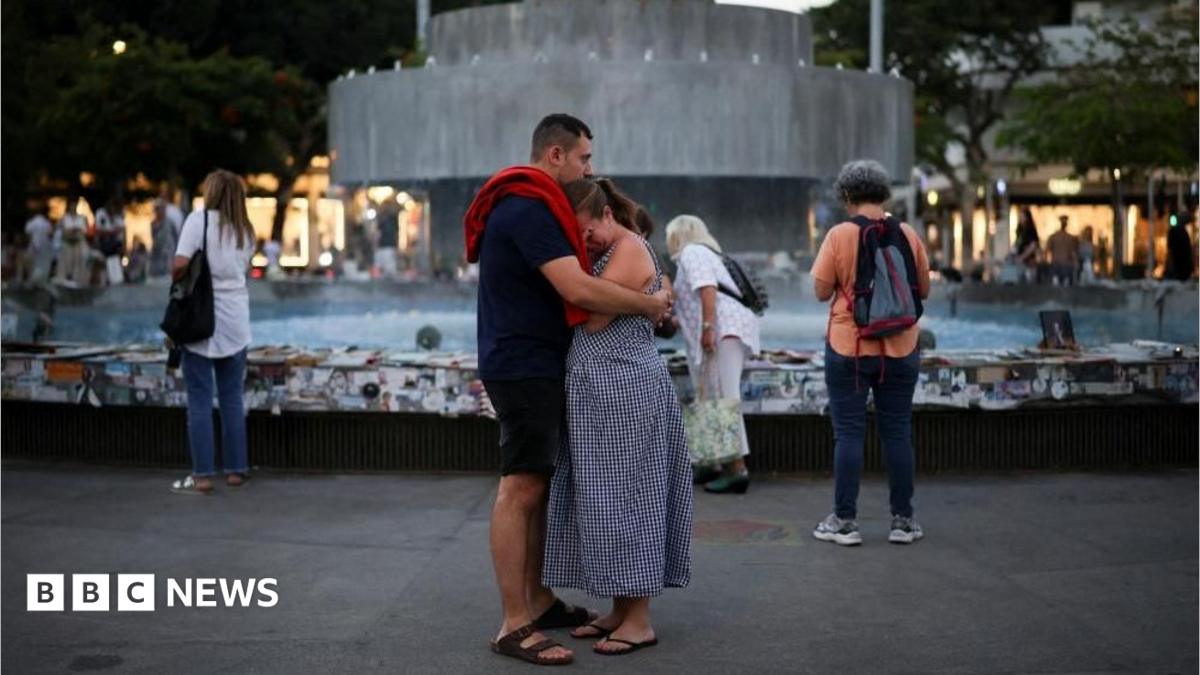
Memorial events have taken place in Israel on the third anniversary of the Hamas-led attack that sparked the devastating Gaza war. #Israel #Hamas #Memorial

www.bbc.co.uk
Israelis mourn 7 October attack victims three years after deadly Hamas raid
2402
Euronews English 2w

A one-minute siren sounded in Tel Aviv as Israelis gathered to mark the third anniversary of the October 7 attacks and remember those killed. #October7 #Israel #Memorial

www.euronews.com
One-minute siren sounds in Tel Aviv to mark October 7 anniversary
2175
Nintendo France 3w

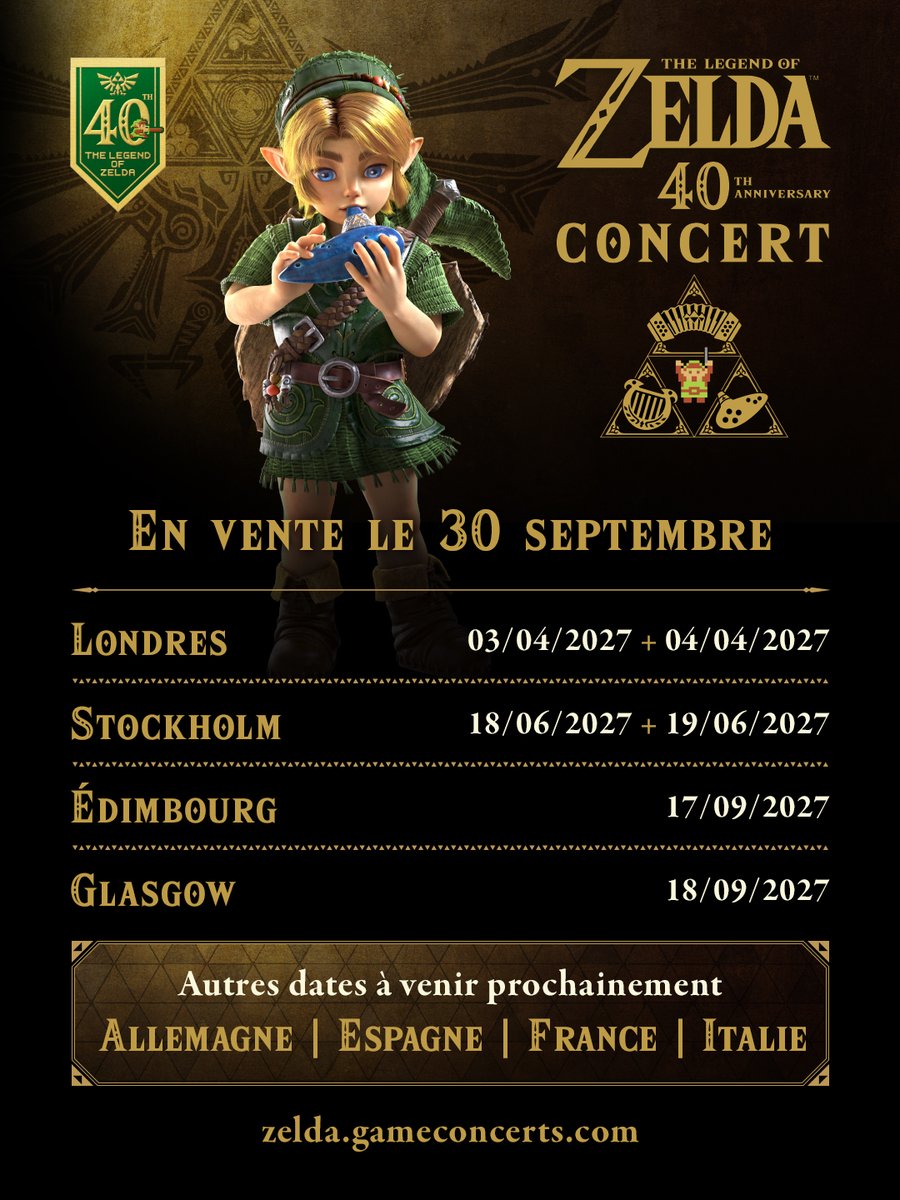
Les billets pour les concerts The Legend of Zelda 40th Anniversary à Londres, Stockholm, Édimbourg et Glasgow seront mis en vente à partir du 30 septembre à 13:00. 👉 https://t.co/0idTRTK9mR Les concerts en Allemagne, Espagne, France et Italie seront annoncés prochainement. https://t.co/2cy5N7BXIL #Zelda #Concerts #Anniversaire

18832
Katarina Mathernova 🇪🇺 3w

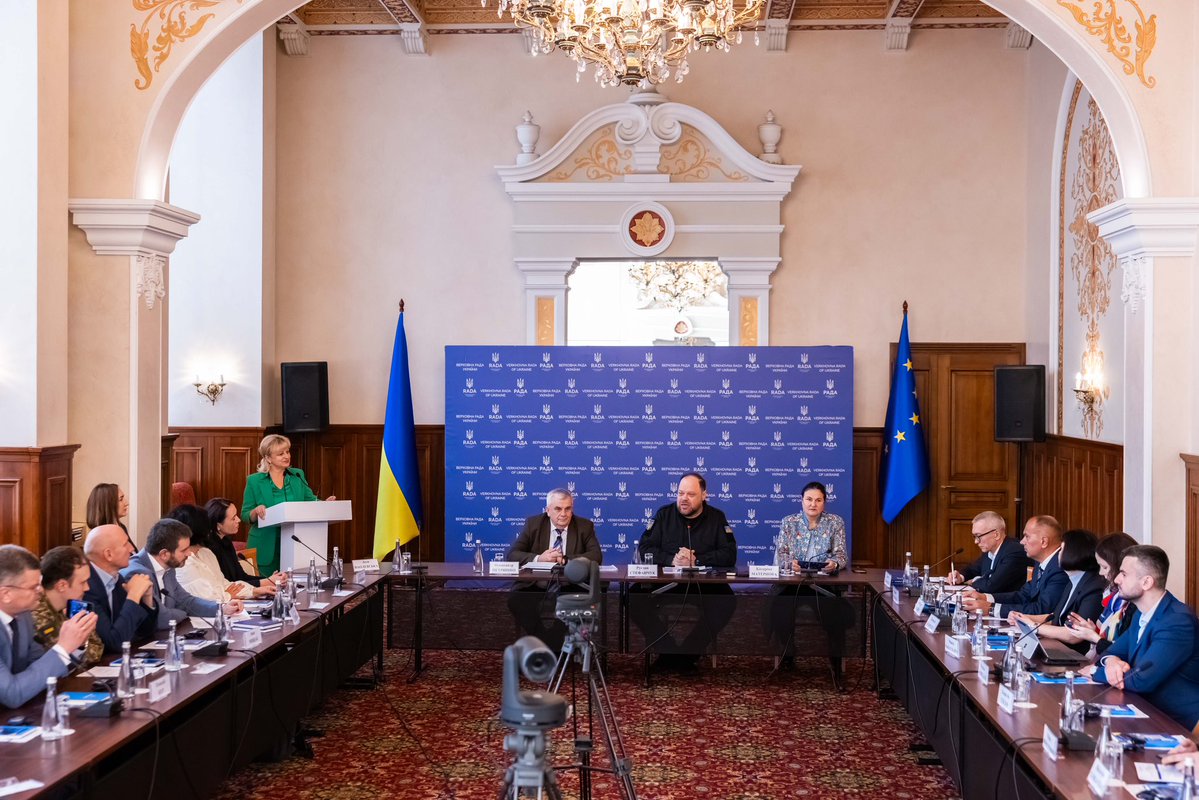
Glad to open this important discussion on Ukraine’s constitutional transformation, EU integration and post-war recovery, together with @r_stefanchuk . Congratulations to the Research Service of the Verkhovna Rada on its 4th anniversary. As Ukraine marks 30 years of its https://t.co/X46d4h15xJ #Ukraine #EUintegration #ConstitutionalReform #UA #EU

116
Luciano Magaldi Sardella (PhD) 3w

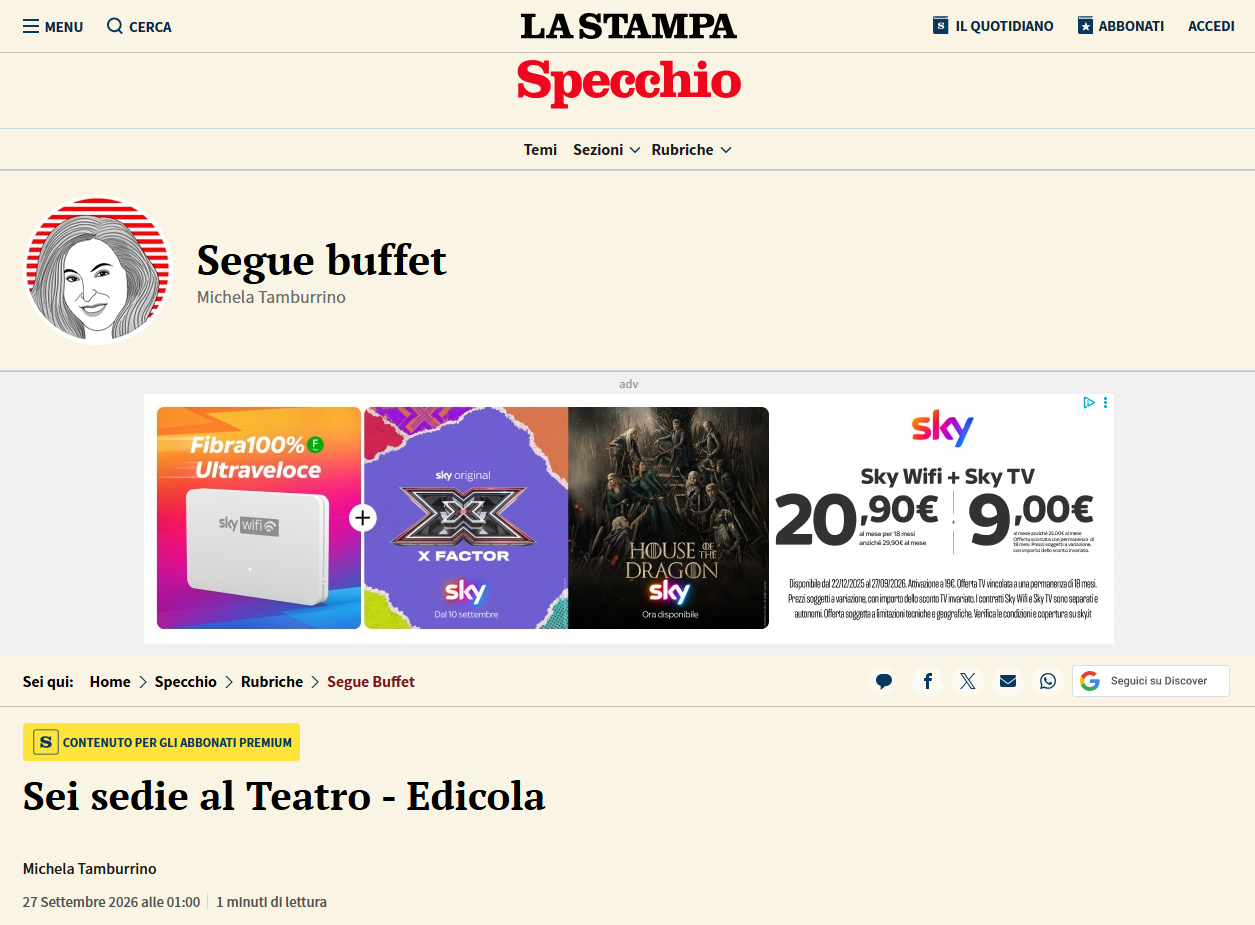
IL TEATRO-EDICOLA (FRANCESCO GRAVINO) SU “LA STAMPA (SPECCHIO)”, “SIX CHAIRS AT THE TEATRO-EDICOLA” by FRANCESCA TAMBURRINO SOURCE: https://www.lastampa.it/specchio/rubriche/segue-buffet/2026/09/27/news/sei_sedie_al_teatro_-_edicola-15748967/ To the delight of lovers of the genre, the news is reassuring: theatres are back in fashion. Perhaps they had never gone out of fashion but were slightly tarnished by interest in other genres considered more contemporary. Wrong, theatre after millennia withstands wear and negativity reinvigorates it. Halls thought lost are reopening and new spaces are flourishing. Because theatre can be made anywhere, in houses, in streets, on the ashes of spaces born for other purposes. For example in newsstands: in many cities these kiosks sell everything except what they were conceived for, newspapers. The ingenious wheeze is to be found in the Foggia area with the Teatro-Edicola, the smallest theatre in the world, six chairs, less than two square metres, careful programming, performances every fifteen minutes and sold-out is easily guaranteed. A happy experiment that has intrigued even the noble journal of the American Stanford University. The wheeze from San Severo in the Foggia area pleased the students of Stanford so much that they made it a case study. The result was published in the “Stanford Social Innovation Review (SSIR)” quarterly journal and award-winning website given its specific specialisation in covering multisectoral solutions to global problems, considered one of the world reference points for social innovation. The article “The Six-Seat Revolution”, that is to say the Revolution of the Six Chairs, was curated by the Foggian (Orta Nova) researcher Luciano Magaldi Sardella, supervised by editor David V. Johnson and can be retrieved in the Dispatches section of the “Stanford Social Innovation Review”. Imagine the satisfaction of the theatre company Foyer 97 which sees itself projected into global fame and planetary interest, matured into a shower of requests for duplication. After all, who does not have a disused space in a state of abandonment to be recovered worthy of rising to a cultural garrison? Meanwhile the meritorious creators of the winning idea will return to the stage in October and are already preparing the thirtieth anniversary of the company which falls next year. On those six chairs, they assure us, young and old have sat in equal albeit meagre measure. An experiment which in the universe of entertainment is followed with attention. So much so that Biagio Antonacci made a surprise stop at the Teatro-Edicola where he sang his “Iris”. Passers-by in a huddle beyond the sold-out.

www.lastampa.it
Sei sedie al Teatro - Edicola
1041
TrashTalk 3w

Bob Pettit est décédé ce jeudi soir à l’âge de 93 ans. Légende absolue des années 50 et 60. Un palmarès parmi les plus prestigieux de l’histoire de la ligue. Leader de l’équipe qui a apporté le seul titre des Hawks, en 1958. Premier MVP de l’histoire de la ligue (il le gagnera 2 fois), 11x All-Star. All-NBA First Team pendant 9 ans de suite. Hall of Famer, naturellement. Et juste : l’un des quatre joueurs à faire partie des 4 NBA Anniversary teams (25, 35, 50, 75). Monstre parmi les monstres, RIP 🙏 #NBA #BobPettit #RIP

17741
Xavier Bettel 4w

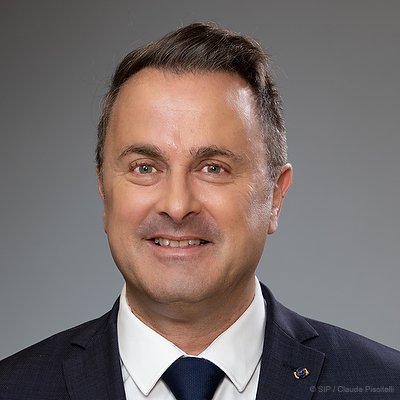
2026 marks the 75th anniversary of the 1951 Convention relating to the Status of Refugees – the cornerstone of international refugee protection. Luxembourg continues to support agencies and organisations supporting refugees, including @Refugees. @cooperation_lu https://t.co/MoyMjcKwhW #Refugees #HumanRights #InternationalProtection #LU

348
Luciano Magaldi Sardella (PhD) 4w

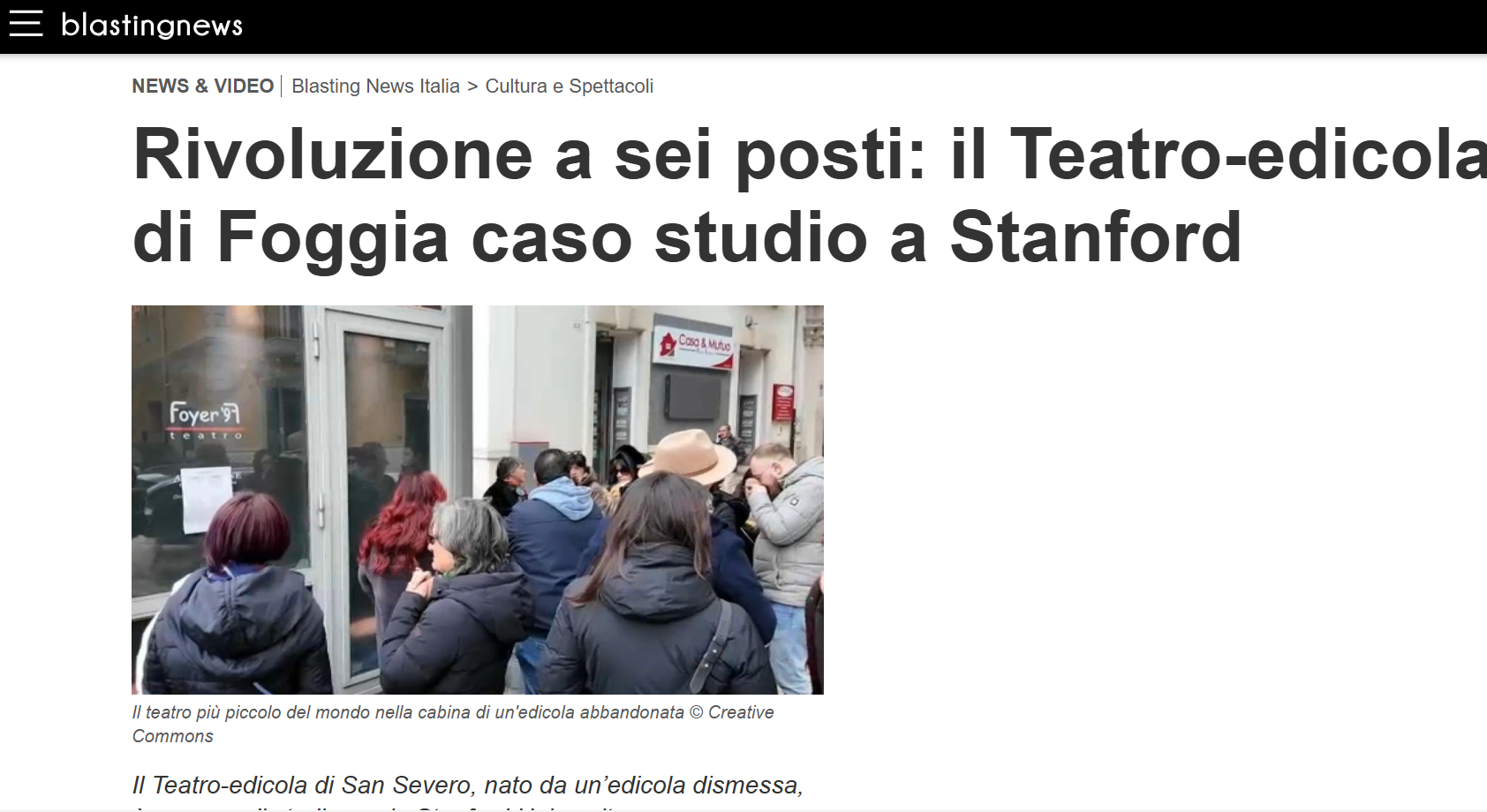
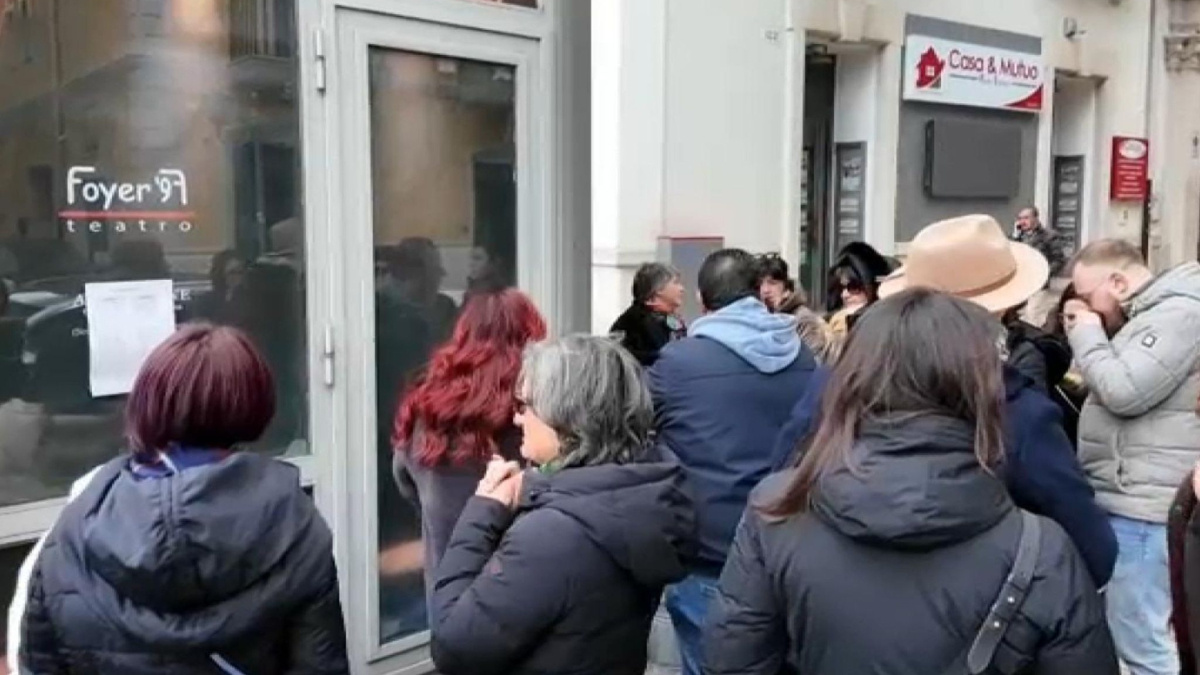
"BLASTING NEWS ITALIA": SIX-SEAT REVOLUTION: FOGGIA'S NEWSSTAND THEATRE BECOMES A CASE STUDY AT STANFORD SOURCE: https://it.blastingnews.com/cultura-spettacoli/2026/09/rivoluzione-a-sei-posti-il-teatro-edicola-di-foggia-caso-studio-a-stanford-004141773.html SAN SEVERO (FG) - The Newsstand Theatre of San Severo, created from a disused news-stand, is a case study for Stanford University by Chiara Valentini The Newsstand Theatre of San Severo, in the province of Foggia, known as the smallest theatre in the world, has become a prestigious case study for Stanford University. The news, released on 19 September 2026, concerns the publication in the Stanford Social Innovation Review of the reportage entitled "The Six-Seat Revolution". The feature is entirely devoted to the innovative cultural project of the theatre company Foyer 97 and its artistic director, Francesco Gravino. The article, authored by the Foggia-born researcher Luciano Magaldi and supervised by editor David V. Johnson, appears in the magazine's Dispatches section. The Stanford Social Innovation Review is a publication that focuses on cross-sectoral solutions to global problems. The Apulian project, at the heart of this international recognition, was born from the transformation of a disused and abandoned site into a vibrant space dedicated to very small-scale theatrical performances. A six-seat stage for a unique experience The Newsstand Theatre is distinguished by its extremely small dimensions: it has just six chairs and occupies less than two square metres. Its innovative format provides for performances every 15 minutes, ensuring a high turnover of audiences. Attendance has been sold out, attracting a heterogeneous audience of young people and adults. This particular configuration drastically reduces the distance between actors and spectators, concentrating the theatrical experience in an intimate and original space created from a former news-stand. Francesco Gravino expressed his pride, linking this important recognition to the journey undertaken by the Foyer 97 company. The artistic director also mentioned the numerous requests to replicate the model received from other Italian cities, including Lucca and Rome. Gravino emphasised the urgent need to introduce specific regional regulations to facilitate the reconversion of disused sites into cultural activities, describing them as genuine "cultural outposts" for the community. Currently, Gravino and the company's actors are engaged in preparing the new programme. Foyer 97: thirty years of activity and new challenges The theatre company Foyer 97 is about to celebrate a significant anniversary. Francesco Gravino announced that "next year our company will be 30 years old", a milestone that will be celebrated with the introduction of some important innovations. This anniversary is closely linked to the resumption of activities scheduled for October and to the presentation of the new programme for the Newsstand Theatre. The "Stanford Social Innovation Review" reportage recalled that the Newsstand Theatre was inaugurated on the morning of 27 March 2026, coinciding with World Theatre Day. This event marked the beginning of a project that continues to generate interest and to demonstrate the potential of urban regeneration through culture.

it.blastingnews.com
Rivoluzione a sei posti: il Teatro-edicola di Foggia caso studio a Stanford
581
Luciano Magaldi Sardella (PhD) 4w

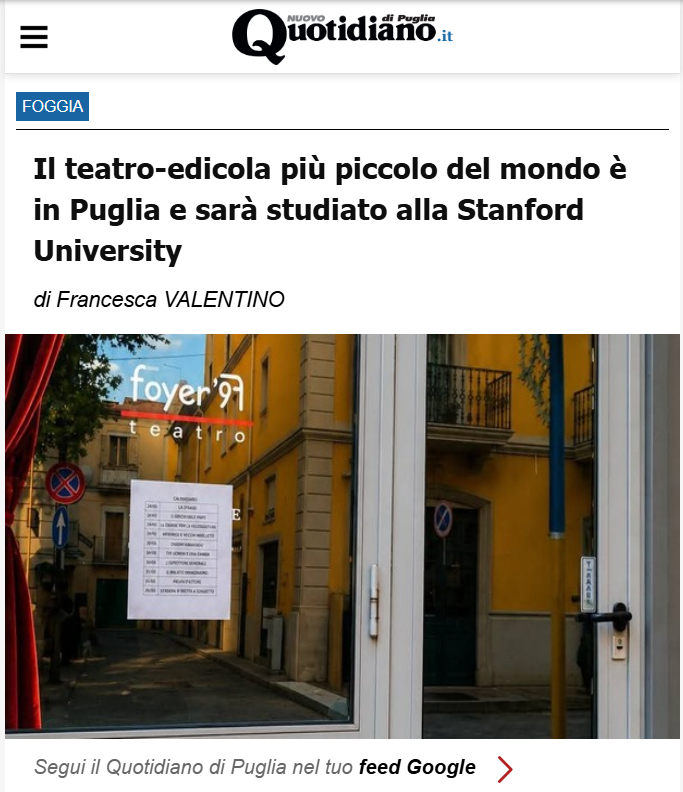
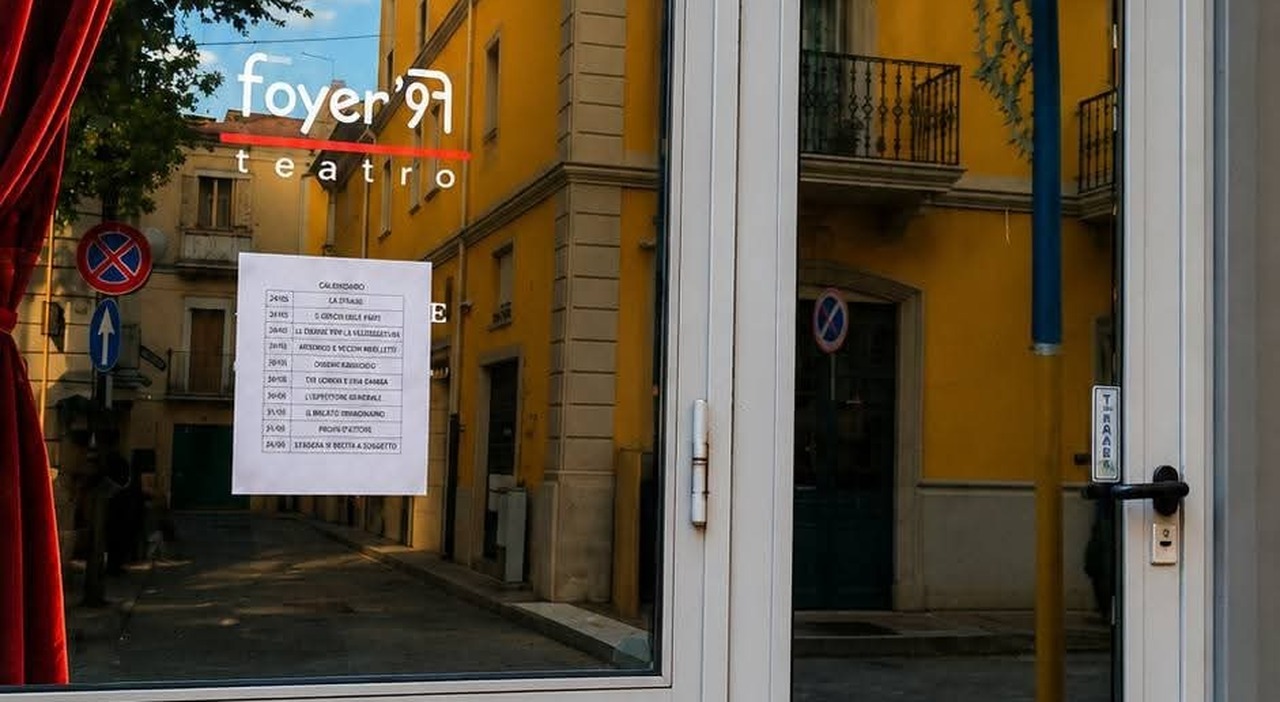
"QUOTIDIANO DI PUGLIA": THE WORLD'S SMALLEST KIOSK-THEATRE IS IN PUGLIA AND WILL BE STUDIED AT STANFORD UNIVERSITY SOURCE: https://www.quotidianodipuglia.it/AMP/foggia/san_severo_teatro_edicola_puglia_stanford_university-9773347.html SAN SEVERO (FG) - On the eve of the new season, worldwide recognition has come for the kiosk-theatre, the smallest theatre in the world, built in San Severo, in the Province of Foggia: it is to become a case study at Stanford University. The concept of the kiosk-theatre was published in SSIR - the multi-award-winning publication covering cross-sector solutions to global problems - in the article 'The Six-Seat Revolution' by the Foggian researcher Luciano Magaldi Sardella, supervised by editor David V. Johnson. The article appears in the 'Dispatches' section of the Stanford Social Innovation Review. 'It is an achievement that rewards our work,' said Francesco Gravino, artistic director of the theatre company Foyer 97, with pride. In the meantime, he announced that requests have been made to replicate the model in other Italian cities. 'Requests to replicate our theatre model have come from Lucca and Rome. We thought of creating a cultural activity from a place that had been decommissioned and abandoned. What is needed is a regional law that allows for the reconversion of these disused places, in which numerous activities could be brought to life. Genuine cultural outposts.' The new programme, which Francesco Gravino and the actors of the company are preparing, is already in the pipeline. 'Next year our company will celebrate its 30th anniversary,' he said, 'an important milestone that we shall mark with some new developments.' Six chairs, less than two square metres, performances repeated every 15 minutes, and sold-out audiences of young people and adults. An experiment that has aroused curiosity and interest even in the world of show business. Amongst the curious theatre enthusiasts, last summer they also welcomed Biagio Antonacci as a guest. In Lucera, in the Province of Foggia, with his new tour between July and August, during his travels he made a surprise stop at the kiosk-theatre and sang 'Iris'. 'It was truly a wonderful encounter that captivated the attention of passers-by,' Gravino concluded.

www.quotidianodipuglia.it
Il teatro-edicola più piccolo del mondo è in Puglia e sarà studiato alla Stanford University
1047
Luciano Magaldi Sardella (PhD) 4w

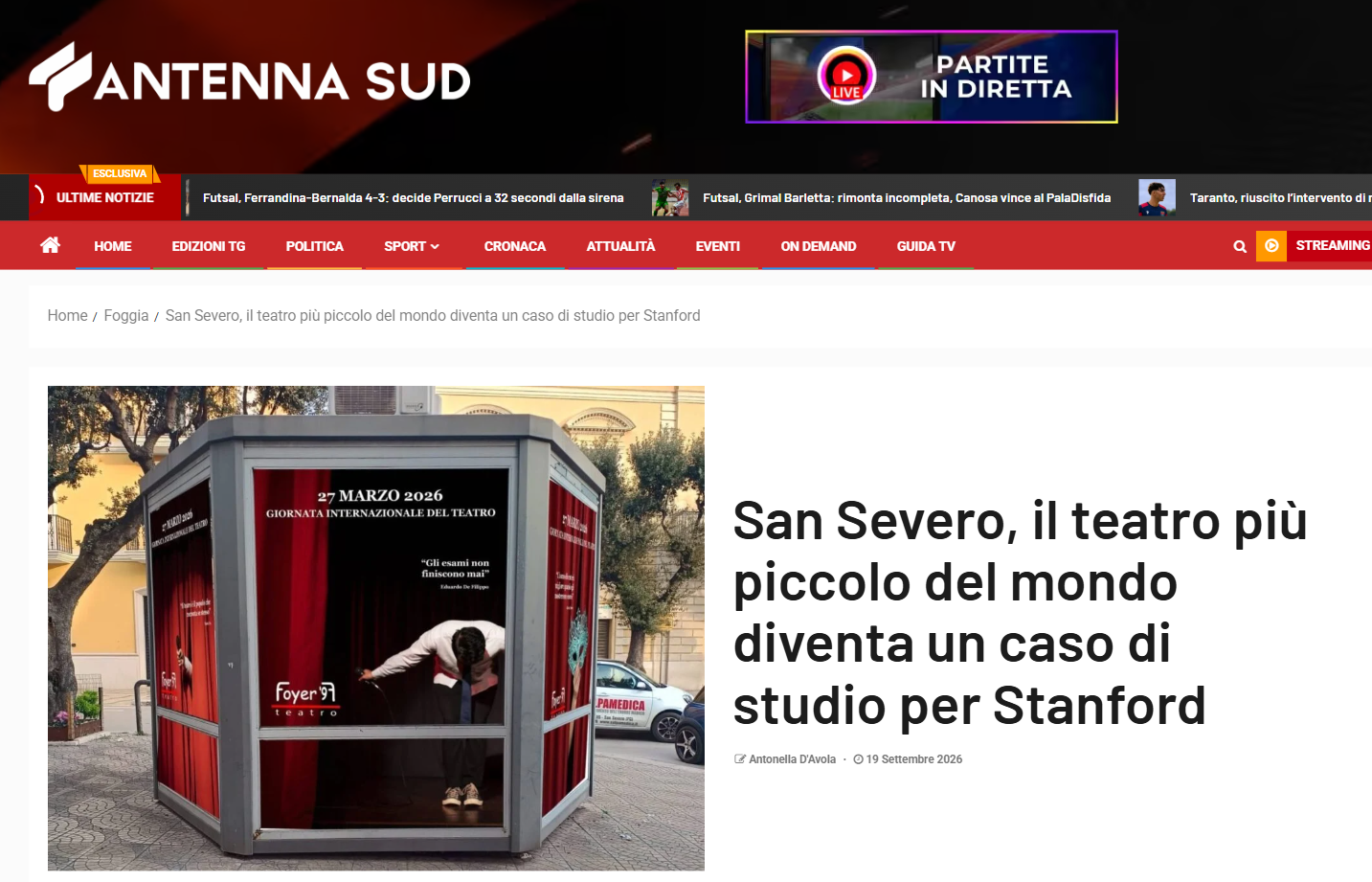
"ANTENNA SUD": SAN SEVERO - THE WORLD'S SMALLEST THEATRE BECOMES A STANFORD CASE STUDY SOURCE: https://www.antennasud.com/san-severo-il-teatro-piu-piccolo-del-mondo-diventa-un-caso-di-studio-per-stanford/ SAN SEVERO (FG) - Six chairs, fewer than two square metres, and performances reprised at intervals of fifteen minutes. It was upon such unassuming premises that there came into being, at San Severo, in the province of Foggia, the teatro edicola - the "kiosk theatre" - a diminutive cultural space wrought from a disused and long-abandoned news-stand, which today draws audiences, curiosity, and attention far beyond Italy's borders. The enterprise has been elevated to the dignity of a case study by Stanford University. In the "Stanford Social Innovation Review (SSIR)", the international journal dedicated to innovative solutions to social problems, there has been published the article "The Six-Seat Revolution", authored by the Foggia-based researcher Luciano Magaldi and supervised by editor David V. Johnson. The contribution is featured in the journal's Dispatches section. "It is an achievement which rewards our labour," emphasises Francesco Gravino, artistic director of the theatrical company Foyer 97, the protagonist of the undertaking. The idea is as simple as it is original: to transform a space fallen into disuse into a cultural outpost capable of accommodating petite spectacles and of forging an immediate rapport with the public. The format has already excited interest in other Italian cities. "Requests to replicate the model have reached us from other parts of Italy, such as Lucca and Rome," Gravino recounts. Hence also the appeal for intervention upon disused spaces: "What is required is a regional law affording the possibility of reconverting these places, wherein one might give life to manifold activities. Veritable cultural garrisons." In the kiosk theatre, performances endure but a few minutes, and the public is admitted in small parties. Six seats are available, performances follow one another in close succession, and an audience composed of the young and the adult has responded with constancy, frequently to the extent of being sold out. An experiment which has attracted the attention of the world of entertainment itself. Between the end of July and the first days of August, during his tour in Lucera, even Biagio Antonacci paid a surprise visit to the kiosk theatre. The singer-songwriter tarried within the space and sang Iris, drawing the attention of passers-by. "It was truly a most beautiful encounter which captivated the attention of all," Gravino recalls. Foyer 97 is now preparing its forthcoming programme. Next year, indeed, the company shall celebrate a significant milestone: "It shall attain its thirtieth anniversary, and it is an occasion we shall mark with sundry novelties," Gravino announces.

www.antennasud.com
San Severo, il teatro più piccolo del mondo diventa un caso di studio per Stanford
1280
Luciano Magaldi Sardella (PhD) 4w

"LOCAL NEWS": FOGGIA-PROVINCE-BASED NEWSSTAND THEATRE IN A STANFORD UNIVERSITY REVIEW SOURCE: https://www.newslocali.it/foggia/teatro-edicola-foggiano-su-rivista-stanford-university SAN SEVERO (FG) - The 'smallest theatre in the world' in San Severo becomes an international case study. Its singularity has been chronicled in the prestigious journal of Stanford University, thereby commanding global attention. A diminutive theatre conquers Stanford University The innovative teatro edicola of San Severo, in the Province of Foggia, has attained an extraordinary milestone. This space, styled the 'smallest theatre in the world', is now the subject of academic study. Its history and operational model have been expounded in a publication of considerable international repute. The journal Stanford Social Innovation Review (SSIR), renowned for its much-lauded analyses of global solutions, has devoted attention to the initiative. The article, entitled "Six-Seat Revolution", was authored by the Foggian researcher Luciano Magaldi Sardella. Editorial supervision was entrusted to David V. Johnson. The piece appears in the 'Dispatches' section of the review. This publication constitutes a point of reference for social innovations and impact strategies. The success of the model and future prospects Francesco Gravino, artistic director of the theatrical company Foyer 97, has expressed profound satisfaction. "It is an achievement that rewards our labour," Gravino declared. The notion of transfiguring a disused site into a cultural centre has met with resounding success. The newsstand theatre model has generated requests for replication from sundry Italian cities. Amongst these, Lucca and Rome have evinced interest. The objective was to create a cultural enterprise within a derelict space. Gravino advocates for regional legislation that would facilitate the reconversion of disused areas. These might become veritable 'cultural outposts' for communities. The Foyer 97 company is already labouring upon its forthcoming programme. The coming year shall mark a significant anniversary for the company. It shall indeed celebrate 30 years of activity. This milestone shall be commemorated with sundry novelties. A success with public and critics alike The newsstand theatre is distinguished by its diminutive dimensions. It comprises but six chairs and occupies less than two square metres. Notwithstanding its limited space, performances are reprised every 15 minutes. This frequency ensures a substantial influx of spectators, with consistently sold-out houses. The experiment has captured the interest of young and old alike. It has also aroused curiosity within the world of entertainment. A significant episode occurred between late July and early August. During a stop of his tour in Lucera, the singer Biagio Antonacci paid a surprise visit. Antonacci paused at the newsstand theatre and performed his song 'Iris'. "It was truly a most beautiful encounter," Gravino remarked. The event captivated the attention of passers-by, demonstrating the capacity of the diminutive theatre to engender memorable moments. Questions and Answers What is the newsstand theatre of San Severo? The newsstand theatre of San Severo is a cultural space of exceedingly reduced dimensions, defined as 'the smallest theatre in the world'. It affords a mere six seats and offers continuous reprises of performances. Why was the newsstand theatre published in the Stanford University journal? The newsstand theatre was the subject of a study published in the Stanford Social Innovation Review by virtue of its innovative model for reconverting disused spaces into successful cultural centres. The article The Six-Seat Revolution analyses its uniqueness and its impact.

www.newslocali.it
Teatro edicola foggiano su rivista Stanford University
1163
Luciano Magaldi Sardella (PhD) 4w

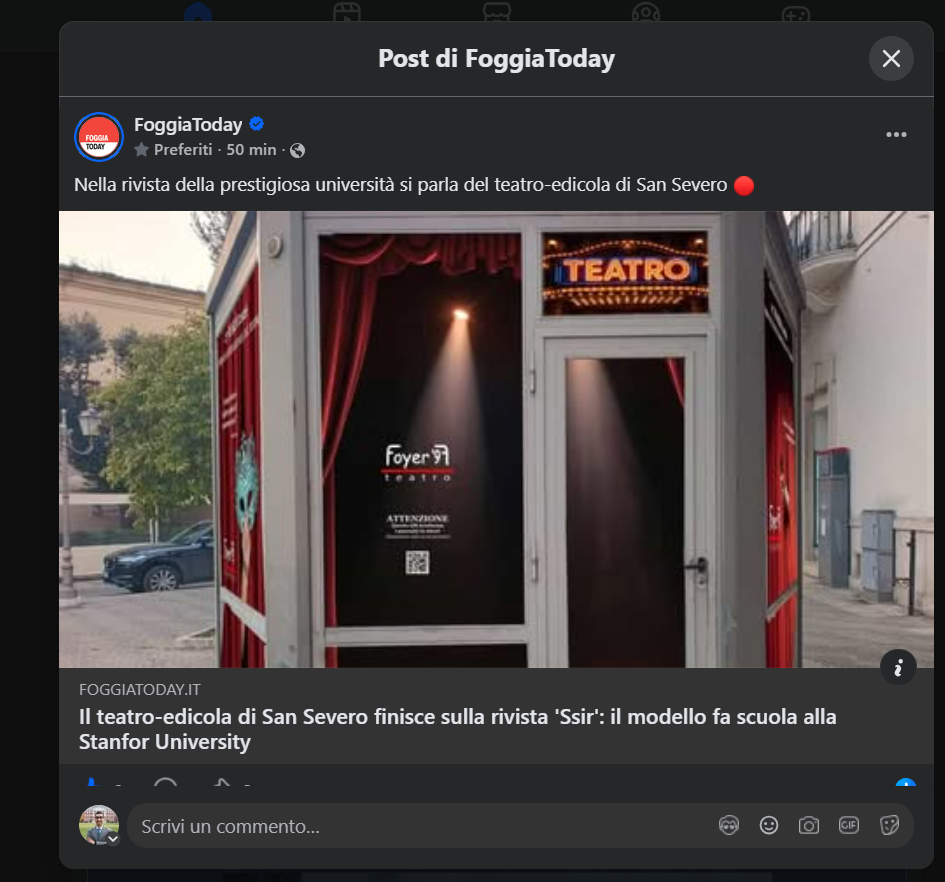
"FOGGIATODAY": SAN SEVERO'S KIOSK THEATRE FEATURED IN THE "STANFORD SOCIAL INNOVATION REVIEW": THE MODEL WAS A CASE STUDY AT STANFORD UNIVERSITY SOURCE: https://www.foggiatoday.it/attualita/teatro-edicola-san-severo-rivista-stanford-university.html SAN SEVERO (FG) - An article authored by the researcher Luciano Magaldi Sardella in the Stanford Social Innovation Review analyseth the experience of the company 'Foyer 97'. The Artistic Director, Gravino: "Requests for replication have been received from Lucca and Rome; a regional statute for the reconversion of abandoned sites is required." The initiative of the kiosk theatre of San Severo, situated in the Province of Foggia and renowned as the smallest theatre in the world, hath become the object of scholarly analysis at Stanford University. In SSIR - an award-winning periodical devoted to innovative solutions to global problems - there had indeed been published the article The Six-Seat Revolution, written by the Foggia-based researcher Luciano Magaldi under the supervision of the editor David V. Johnson. The article appeareth in the Dispatches section of the "Stanford Social Innovation Review". "It is an achievement that crowneth our labour upon labour," emphasised to ANSA Francesco Gravino, artistic director of the theatre company Foyer 97. "Requests to replicate the model have reached us from other parts of Italy, such as Lucca and Rome. We conceived the idea of engendering a cultural enterprise from a place hitherto disused and in a state of dereliction. What is requisite is a regional law that affordeth the possibility of reconverting these disused places, wherein one might engender a multitude of activities. Veritable cultural outposts." Gravino and the actors of the company are preparing the new programme. "Next year our company shall attain its thirtieth anniversary," he said, "a momentous occasion which we shall celebrate with sundry novelties." Six chairs assembled in less than two square metres, performances repeated every quarter of an hour, and audiences at full capacity, amongst both the young and the adult. An experiment that hath attracted attention and curiosity even within the profession of the stage. Between the end of July and the beginning of August, during the engagement at Lucera (Foggia), Biagio Antonacci paid a surprise visit to the kiosk theatre and performed his Iris. "It was truly a most beautiful encounter that captivated the attention of passers-by," Gravino concluded.

www.foggiatoday.it
Il teatro-edicola di San Severo finisce sulla rivista 'Ssir': il modello fa scuola alla Stanfor University
698
Micheál Martin Sep 12

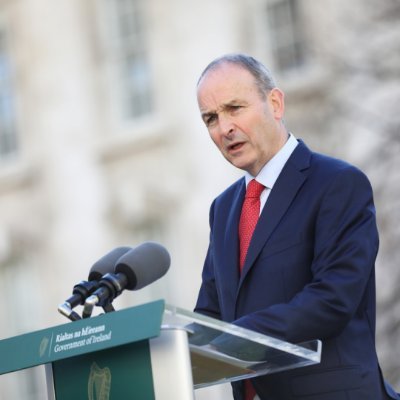
Today at Farmleigh, I expressed our deep solidarity with President Trump and the American people on the 25th anniversary of 9/11. We remember all those who lost their lives and the extraordinary courage of the first responders who sacrificed everything. https://t.co/MDd2vhyFUZ #NeverForget #911Anniversary #Solidarity #US

117
Dubravka Šuica Sep 11

On the 25th anniversary of 9/11, we pay tribute to the thousands of people whose lives were taken and to the remarkable bravery of those who came to the aid of others. The shock of that day reached far beyond the United States and profoundly shaped a generation. Today, #NeverForget #September11 #HonorTheBrave #US