Austria plans to lift the storage ban on CO₂ to reduce emissions through Carbon Capture and Storage (CCS), which could be crucial for the goal of climate neutrality by 2040, despite criticism from environmental organizations. (translated)

Austria plans to lift the storage ban on CO₂ to reduce emissions through Carbon Capture and Storage (CCS), which could be crucial for the goal of climate neutrality by 2040, despite criticism from environmental organizations. (translated)

As part of the new climate law, the Austrian government plans to abolish the CO2 storage ban, which is celebrated by supporters as a necessary "future technology" for reducing industrial emissions, but rejected by critics as an expensive "pseudo-solution" that poses serious environmental and cost risks. (translated)

The Austrian federal government plans to introduce CO₂ storage technologies to achieve climate neutrality by 2040, while this measure is criticized by environmental organizations and deemed overdue by the cement industry; although the process could contribute to the reduction of unavoidable emissions, it is under discussion regarding its economic viability and sustainability. (translated)

The debate over the planned repeal of the CO₂ storage ban in Austria is rekindled in light of the climate target for 2040, with the cement industry hoping for potential benefits while Greenpeace warns of environmental risks and the industry demands a cost-sharing arrangement with the state for the necessary infrastructure. (translated)

The Austrian government plans to lift the ban on Carbon Capture and Storage (CCS) to store CO2 emissions from industry, especially cement production, which is considered a key measure for climate protection by the industry, while the law is currently under coordination and broad industrial application does not seem realistic before 2040. (translated)

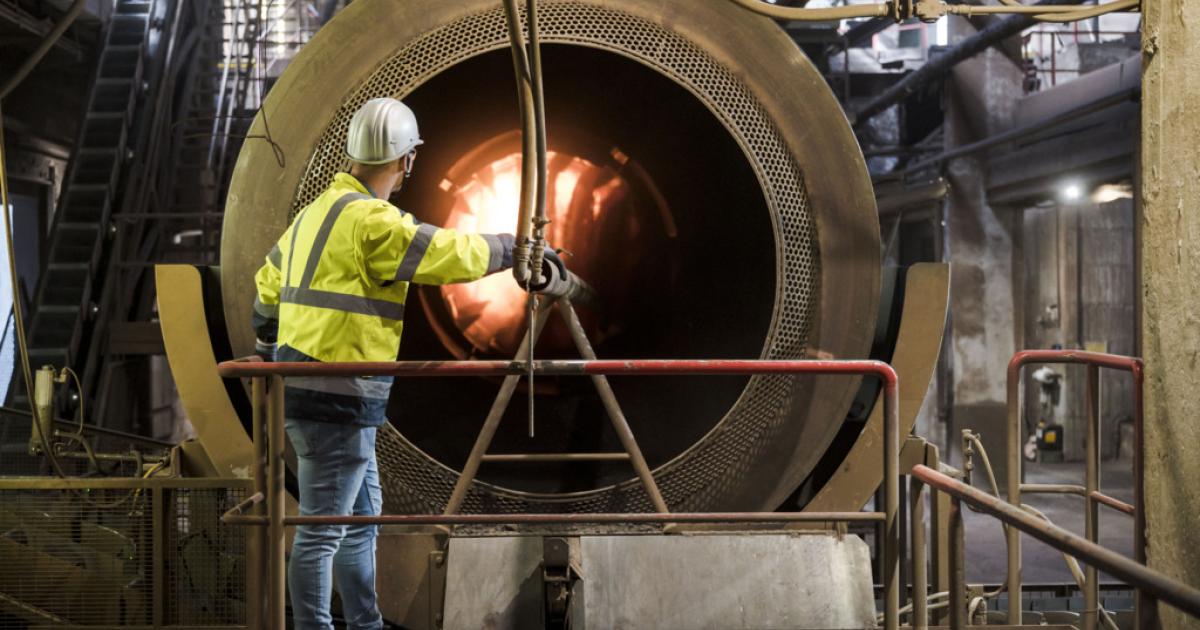
In Baden-Württemberg wird an einer innovativen Pilotanlage geforscht, die klimafreundlichen Zement mit nahezu null CO2-Emissionen produziert, indem sie reinen Sauerstoff anstelle von Luft nutzt, wodurch das entstehende CO2 leichter abgetrennt und potenziell gespeichert oder weiterverwendet werden kann. #KlimafreundlicherZement #CO2Speicherung #BadenWürttemberg

Klimaforscher Daniel Huppmann betont, dass die Speicherung von CO2 zwar wichtig, aber nicht ausreichend ist, und fordert dringende Maßnahmen zur Reduktion von Emissionen, um den Klimawandel, der durch extreme Wetterereignisse und neue Szenarien weiterhin akut ist, wirksam zu bekämpfen. #Klimawandel #CO2Speicherung #Klimaforschung

Umweltsenatorin Katharina Fegebank erläutert im Interview, wie Hamburg bis 2040 klimaneutral werden will, während eine Studie zeigt, dass die Stadt weiterhin hohe CO₂-Emissionen verursachen wird, und sie hebt die Erfahrungen Dänemarks im Bereich CO₂-Abscheidung und -Speicherung als potenzielle Lösungen hervor. #Klimaneutralität #CO2Speicherung #Hamburg