BETA nonprofit public democratic european moderated

Search

#CiudadesSostenibles

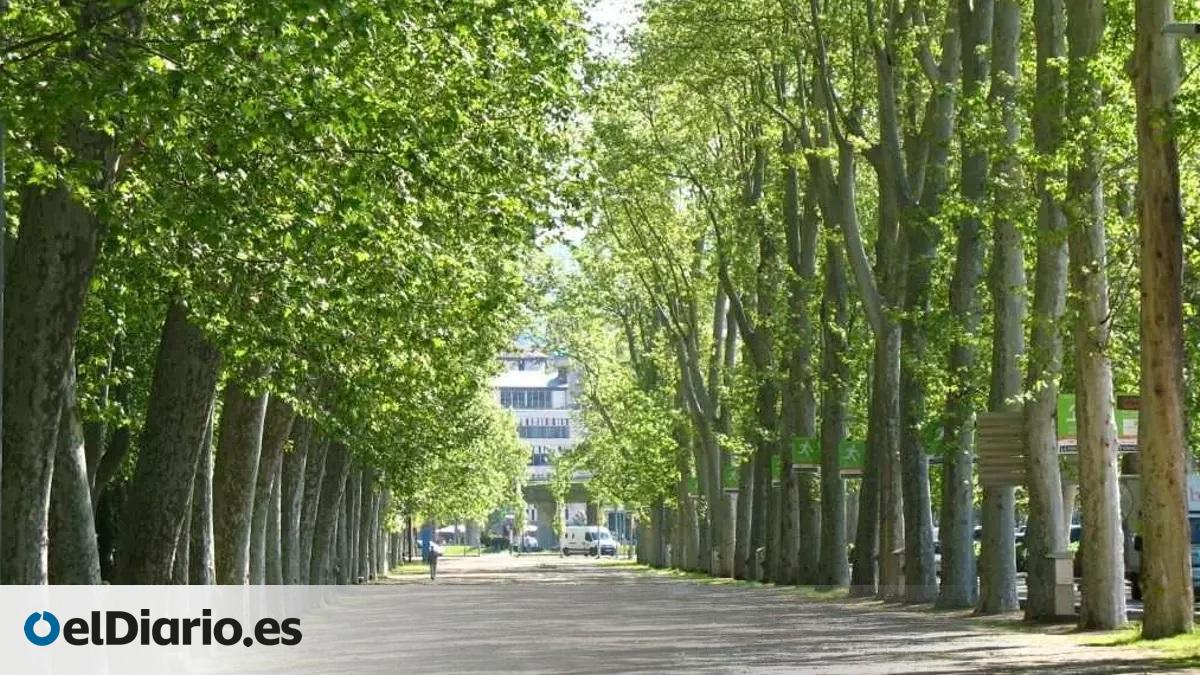
A study from the University of Granada highlights that the olive, ash, sycamore, medlar, and bitter orange are the most effective tree species for reducing temperatures in urban environments, and suggests that the key to combating heat in future cities lies in connecting green areas rather than simply increasing the number of trees. (translated)

Los árboles que mejor combaten el calor revelan cómo deberían diseñarse las ciudades del futuro
20 minutos Jul 25

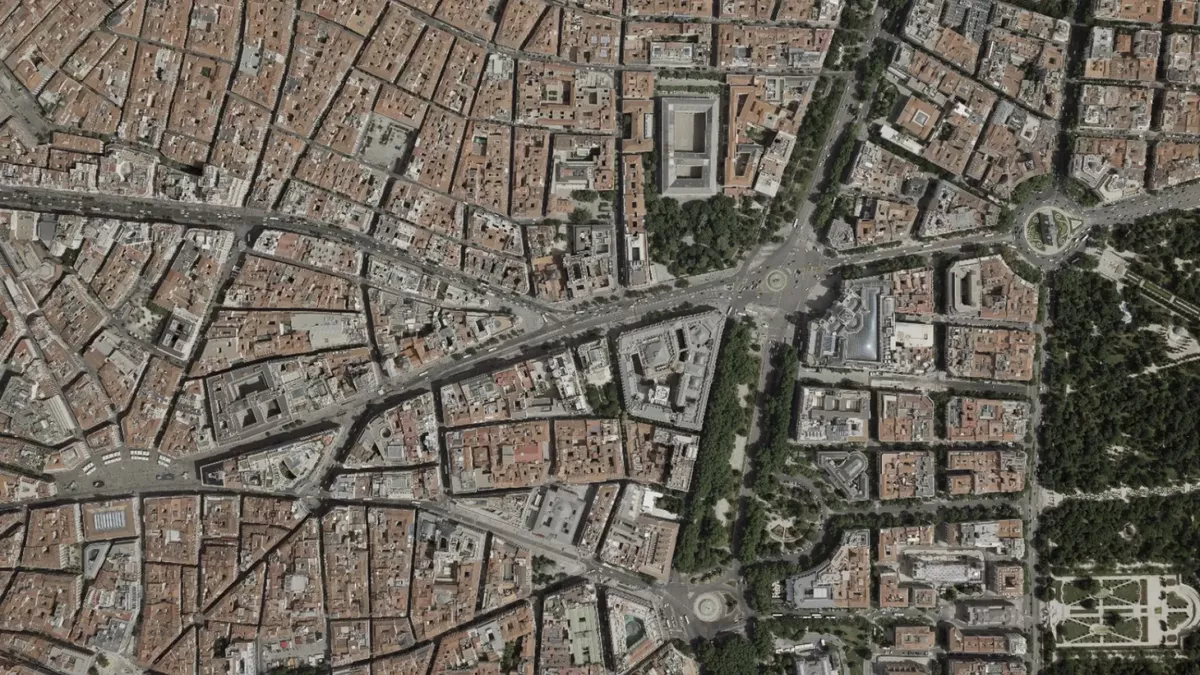
Madrid plánuje schválit nový Strategický městský plán v roce 2027, jehož cílem je přetvořit město na dynamickou metropoli s vyváženou kombinací bydlení, obchodních aktivit a veřejných služeb, aby se zabránilo tomu, že se stane městem na spaní pro přilehlé oblasti. #Madrid #Urbanismo #CiudadesSostenibles

Madrid rediseñará su urbanismo para no convertirse en 'ciudad dormitorio' del área metropolitana

A park covered in rubber and concrete can become a heat island. In Más Madrid, we propose replacing them with natural surfaces, trees, and shade. Adapting our cities to climate change is also a public health policy. (translated)

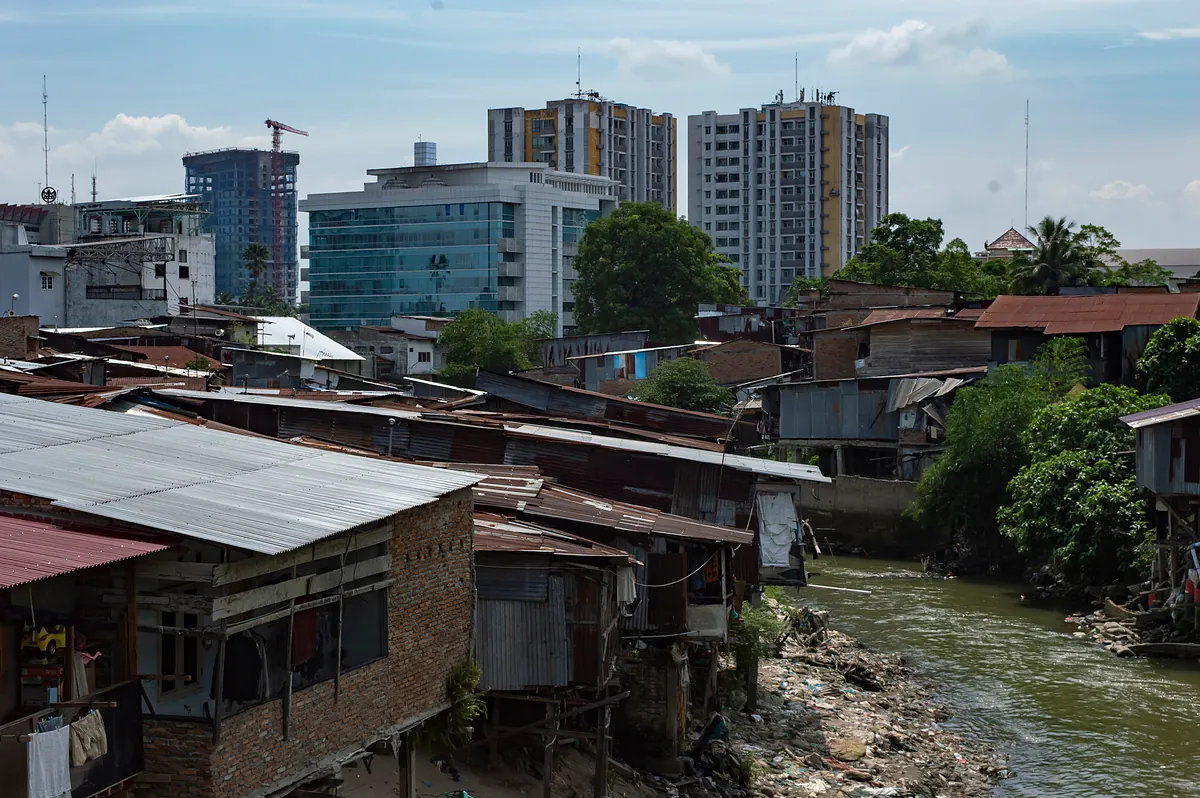
Why do the poorest neighborhoods have barely any nature? Why are green spaces becoming more and more expensive? How much concrete do we have left in the cities? More than 60% of the population in Spanish cities does not have sufficient access to green spaces, despite access to the (translated)

More than 60% of the population in Spanish cities does not have sufficient access to green areas, despite the fact that access to nature is vital for lowering the temperature of the cities and its lack is associated with depression, anxiety, and other diseases. (translated)

Between the global and the local, there is no longer a border. Cities are now the last mile of international cooperation: where the big decisions turn into everyday life. (translated)