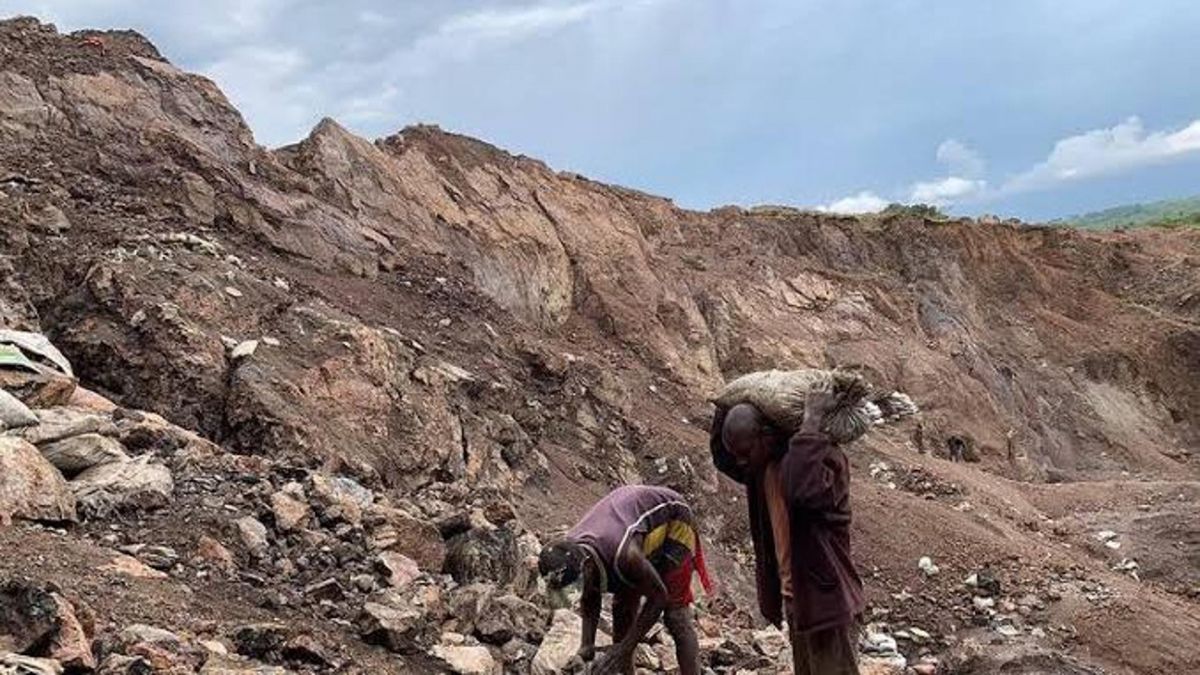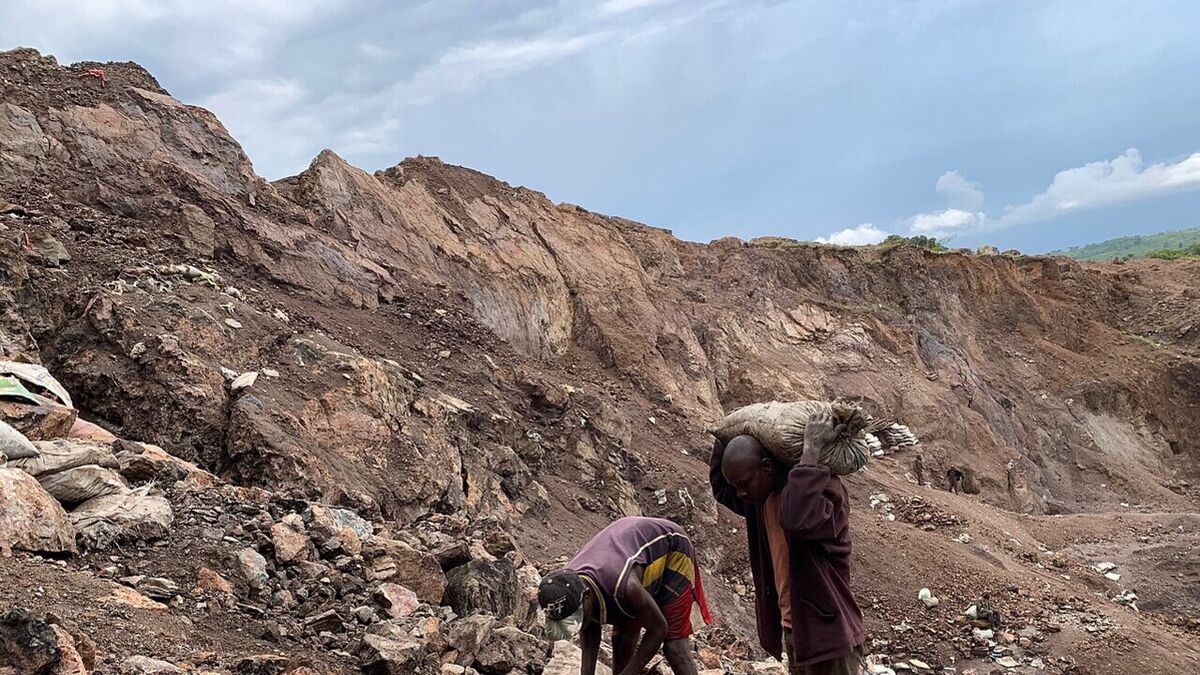
Mehdi (e/λ) wrote that while observing Shenzhen, he felt sadness thinking that the DRC, Zambia, Guinea, and Gabon could have experienced comparable development if their leaders had not sacrificed their future to corruption. He cited the resources of several African countries: cobalt and coltan from the DRC, Zambian copper, lithium from Zimbabwe and Mali, graphite from Mozambique, as well as rare earth elements from Madagascar and Tanzania. He notably claimed that these minerals were essential for batteries, electronic chips, power grids, humanoid robot motors, and precision robotics. Mehdi believed that a more science-focused education, strong energy infrastructure, and accessible innovation workshops could have enabled a generation of young Africans, aided by the internet and artificial intelligence, to transform these resources locally. He mentioned the development of clean refining processes, battery manufacturing, agricultural drone programming, the creation of robots, and the emergence of local industrial groups. He wrote that the main problem was not, in his opinion, the external pillaging by China, but the short-sighted vision of African leaders who would sell off mineral resources for immediate commissions instead of building local industrial sectors. He also argued that Africa sells its raw materials at low prices before buying back high-cost finished products made from its minerals, which keeps it in a state of dependence. #RDC #Corruption #Innovation (translated)