BETA nonprofit public democratic european moderated

Search

#Diagnosis
H

When Therapy Replaces Morality: The Rise of the Therapy State By replacing religious frameworks with therapy speak, Western society may have lost its moral “grammar” and traded it for clinical language—though moral and psychological categories work differently. The DSM has expanded dramatically: in 1952 it listed 102 disorders; by 2013 it had over 400. Meanwhile, young adults report worsening mental health: poor mental-health days among 18–25-year-olds rose from 3.5 to 6 per month between 1993 and 2020, and depression diagnoses more than doubled from 2006 to 2020. Yet the most striking shift is self-diagnosis. About one in four American adults suspect they have ADHD, while actual prevalence is around 6%. Social media fills the gap: many popular ADHD and autism clips include misleading or unsupported claims. The label persists because it serves a function. A diagnosis increasingly becomes identity—and identity becomes a shield. When someone claims ADHD, anxiety, or trauma, they may be drawing a boundary others are not allowed to cross. Where moral language asks what we should become, therapeutic language labels what we are; once the label becomes identity, the conversation often ends. Religious language framed forces as external, preserving agency—you could resist. Therapeutic culture internalizes them: you don’t have weakness to overcome; you have ADHD. Jung argued that old gods and demons didn’t vanish; they became neuroses, anxieties, and addictions—turning questions of conscience and choice into labels to accept. The result isn’t greater freedom but greater control. If a civilization can’t say “wrong,” it doesn’t necessarily become more tolerant. Moral language permits disagreement and growth; therapeutic language can pathologize it and end discussion. The therapy state is the successor to moral authority—and it may be easier to enforce.

H

Compassion as a Weapon Western civilization is increasingly trapped in a culture of entitlement, where victimhood can become a route to status, privilege, and power. Some elite universities report unusually high disability registrations—e.g., 20%+ at Brown and Harvard and around 40% at Stanford—far above community colleges. Whatever the causes, it raises a troubling question: when systems meant to protect the truly vulnerable become incentives, what happens to everyone else? Rob Henderson describes how accommodations can turn into “status games.” Extra time, special housing, and exemptions can make diagnosis feel like the logical choice, and the lesson travels outward: tomorrow’s leaders in journalism, HR, law, academia, and politics may learn that displaying weakness is rewarded. Research links habitual victimhood displays with traits associated with the Dark Triad (narcissism, Machiavellianism, psychopathy). That doesn’t mean genuine victims are manipulative—it means rewarding victimhood gives manipulators an incentive to enter. In the “virtue game,” grievance becomes currency. Pity can also function as covert power: the weak person gains leverage, while the giver gains moral superiority. When compassion is treated like a currency, it can become a mutually reinforcing racket. The danger isn’t helping the weak. It’s teaching that appearing weak is the surest way to gain power.

H

The Victimhood Economy: Why Young People Prefer Socialism Western civilization is increasingly shaped by entitlement and a culture that rewards displays of victimhood. At elite universities, disability claims have risen: 18% of male and 22% of female undergraduates report a disability, and 54% of non-binary students, with higher rates at some wealthy schools than at community colleges. The issue isn’t genuine disability; it’s what happens when accommodations become status and advantage. Extra time, separate housing, and exemptions can turn diagnosis into leverage. When weakness is rewarded, some will learn to perform it. This matters because today’s students become tomorrow’s institutional elites. If grievance produces rewards, the lesson may spread into journalism, government, HR, academia, and business, letting beneficiaries inherit the power to expand the system. Research on victimhood signaling raises uncomfortable questions: people who habitually emphasize victim status, on average, show higher narcissism, Machiavellianism, and psychopathy—not to say genuinely suffering people are manipulative, but that systems rewarding victimhood create incentives for manipulators to exploit the category. Rob Henderson describes this as a status game: in elite institutions, grievance can become the currency of virtue signaling. For some, the rational strategy is to manufacture grievance and convert it into status. Nietzsche similarly argued that displays of helplessness can become covert power, while pity can create moral superiority for the caregiver. The danger isn’t compassion; it’s a culture that turns suffering into currency and teaches ambitious people that the easiest route to power is to claim they are powerless.

H

The Therapy State Western society has traded moral language for therapy-speak, losing moral grammar and replacing it with clinical categories that don’t work the same way. About 25% of American adults suspect they have ADHD, though prevalence is 6%; on TikTok, most top ADHD videos include unsupported claims. People misdiagnose themselves far more often than they correctly identify mental illness—and yet self-diagnosis persists because it serves a social function. Moral categories allow disagreement: you can argue about right and wrong, measure choices against standards, and debate what those standards require. Psychological categories pathologize disagreement: diagnosis becomes identity, and identity becomes a shield. When someone claims ADHD, anxiety, or trauma, they’re not just describing symptoms—they’re setting a boundary you’re not allowed to question. The shift from “what we should aim for” to “what we are” ends the conversation. Jung saw this displacement mechanism: modern gods and demons don’t vanish; they become neuroses, anxieties, addictions, and therapeutic labels. The question of conscience and choice becomes a fixed identity that must be accepted. Unlike religious frameworks that locate forces outside you and invite struggle, therapy culture internalizes the forces—so the label replaces agency. You don’t resist weakness; you *are* it. And because boundaries can’t be crossed, change becomes harder. When a civilization loses the ability to say “wrong,” it doesn’t become more tolerant—it becomes more rigid. The therapy state replaces moral authority, with disastrous results.

Mario Draghi is a serious man and an Italian federalist. His report offered a strong diagnosis of Europe’s economic decline. But some elements of his prescription could prove fatal: they would accelerate the construction of a European superstate. Such a superstate is not in the #MarioDraghi #EuropeanSuperstate #EconDecline #IT #EU

ChatGPT Pro is remarkably good at solving rare-disease diagnostic puzzles. When working with fully anonymized, non-identifiable clinical vignettes, its ability to generate and refine a differential diagnosis can be genuinely impressive. It does not replace clinical judgment - #ChatGPTPro #RareDiseases #DifferentialDiagnosis #Nospecificcountrycodesarementionedinthetweet.

Saw an interesting @edfringe show yesterday, Breathe. Soprano Katy Lees was diagnosed with mesothelioma & given months to live. 20 years later, she tells her story through 5 arias that helped her get through the lows and highs of diagnosis, treatment & recovery. An inspiring https://t.co/ROdwSOyKFY #edfringe #Breathe #mesothelioma #Nospecificcountriesarementionedinthetweet.

24.hu Jul 27

Ákos, who was diagnosed with thyroid cancer, publicly spoke about his experience before an important surgery, sharing his emotional journey, the diagnosis process, and the sense of divine intervention he felt that led him to seek timely medical help. #pajzsmirigyrák #műtét #hit

Ákos az utolsó kenetet is felvette az életmentő műtétje előtt

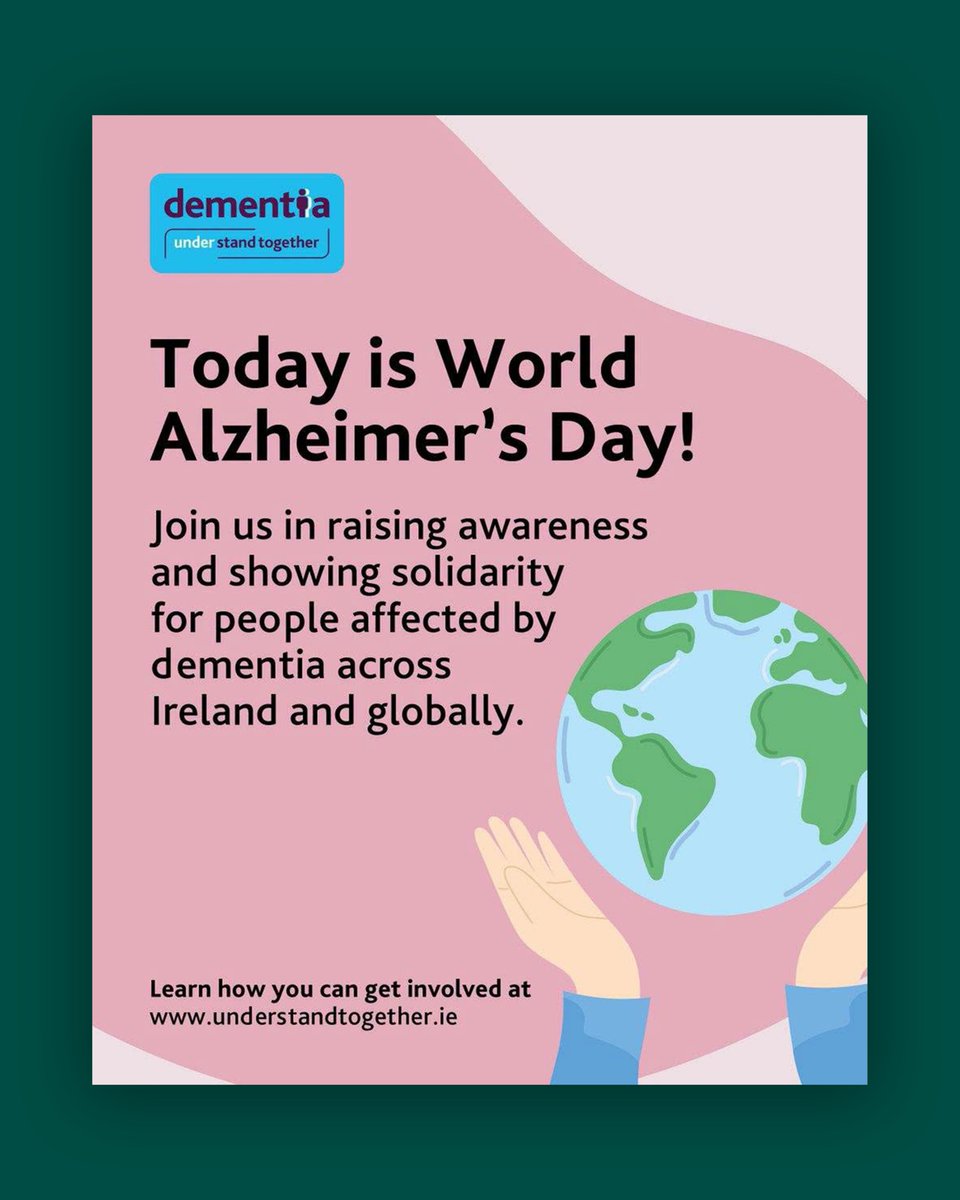
Alzheimer’s affects memory, identity & independence with a huge impact on patients, families & caregivers. In my message at MindShift in 🇮🇹, I underlined 🇪🇺 support for prevention, diagnosis & care from brain health research to the #SafeHeartsPlan, #medicaldevices & #BiotechAct. https://t.co/fPIE8Q5LKT #Alzheimers #BrainHealth #Caregiving #IT #EU

Steph Kegels Jun 12

I’ve had so many autistic allegations from my loved ones that I’ve taken 6 online quizzes. I thought I was just very particular but maybe I need a proper diagnosis. Like, what do you mean “regular” people don’t have to train themselves to make eye contact with others while having #AutismAwareness #Neurodiversity #MentalHealth #Nocountrycodesfoundinthetweet.

Sven Clement Jun 7

Women's Health Week is a reminder that effective healthcare starts with good data. Understanding gender-specific risks leads to better prevention, diagnosis, and treatment. 🏥📊 #SemaineDeLaSantéDeLaFemme #WomensHealth #HealthcareData #GenderHealth #Nocountrycodes.

🚨 BREAKING: Lennart Karl suffered an injury in training today, announces Julian Nagelsmann. “It doesn't look good. He went to the hospital and will have scans. We have to wait for the diagnosis and see if he can play at the World Cup or if we have to call up a replacement”, https://t.co/cdKImWY0zT #InjuryUpdate #LennartKarl #WorldCup2023 #Nospecificcountrycodesarementionedinthetweet.

The registry gives us robust, comparable data to identify disparities and guide targeted action at EU and national level. Our goal remains clear: turn evidence into action - so that everyone in Europe has access to early detection, diagnosis and high-quality cancer care. #CancerCare #HealthEquity #EarlyDetection #EU #Europe

🎗️Ahead of European Week Against Cancer, I delivered opening remarks at the @EU_Commission webinar on reducing cancer inequalities. The European Cancer Inequalities Registry shows where gaps remain - from vaccination to timely diagnosis and treatment. https://t.co/3tDA7Qclhq #CancerAwareness #HealthEquity #EuropeanWeekAgainstCancer #EU

RT @statsforgender: Medical records of 10,270 trans-identified patients found 58% had at least 1 psychiatric diagnosis. This compares to ju… #TransHealth #MentalHealth #LGBTQ #Thetweetdoesnotmentionanyspecificcountries.Therefore #therearenocountrycodestoreturn.

Maurice Quinlivan: I've been at the hospital recently. I'm sure you have as well with relatives and friends. There’s trolleys everywhere, all over the place. People have been treated in corridors. I unfortunately overheard people’s diagnosis. I overheard people in stress. I heard people talking to doctors and nurses, who are doing their very, very best in overcrowded situations.

Ceuta ha vuelto a vivir una madrugada de intensa actividad migratoria

On #EuropeanCancerNursingDay, we honour cancer nurses who support patients through diagnosis, treatment, recovery and life beyond cancer. Your expertise and compassion make a difference every day. #ECND26 #EuropeanCancerNursingDay https://t.co/rQTS5kQZhz #ECND26 #CancerNursing #NurseAppreciation #Thetweetdoesnotspecificallymentionanycountries.Itreferences"European"inthecontextofadaydedicatedtocancernursingbutdoesnotspecifyanyparticularcountries.Therefore #therearenocountrycodestoreturn.

BBC May 17

The article discusses Annika Waheed's experiences with Premenstrual Dysphoric Disorder (PMDD), a severe condition that leads to debilitating psychological and physical symptoms, highlighting the lack of awareness and diagnosis among women, the complex relationship between hormonal fluctuations and suicidal thoughts, and the need for improved understanding and treatment options in healthcare. #MentalHealth #WomensHealth #PMDD #GB

Premenstrüel Disforik Bozukluk (PMDB) kadınları nasıl etkiliyor? - BBC News Türkçe
BBC May 17

Aurélie Boas reflects on her journey of grief following the terminal throat cancer diagnosis of her husband, Simon, who passed away in July 2024 at the age of 47, highlighting their strong bond, the challenges of coping with loss, and her commitment to continuing his legacy through projects like a documentary based on his posthumously published book, *A Beginner's Guide to Dying*. #Grief #Legacy #CancerAwareness #FR #PS #JE

Simon Boas widow: 'If I resist grief it comes back even stronger'
BBC May 17

The article discusses Annika Waheed's experience with Premenstrual Dysphoric Disorder (PMDD), a severe psychiatric condition that causes intense psychological distress linked to hormonal changes, revealing how it has affected her mental health, including suicidal thoughts, and highlighting the need for better awareness and diagnosis among healthcare providers, as well as ongoing discussions about treatment options for those affected. #MentalHealth #WomensHealth #PMDD #GB

Premenstrüel Disforik Bozukluk (PMDB) kadınları nasıl etkiliyor? - BBC News Türkçe