WRLD

Search

#Economice
Mediafax.ro 39m

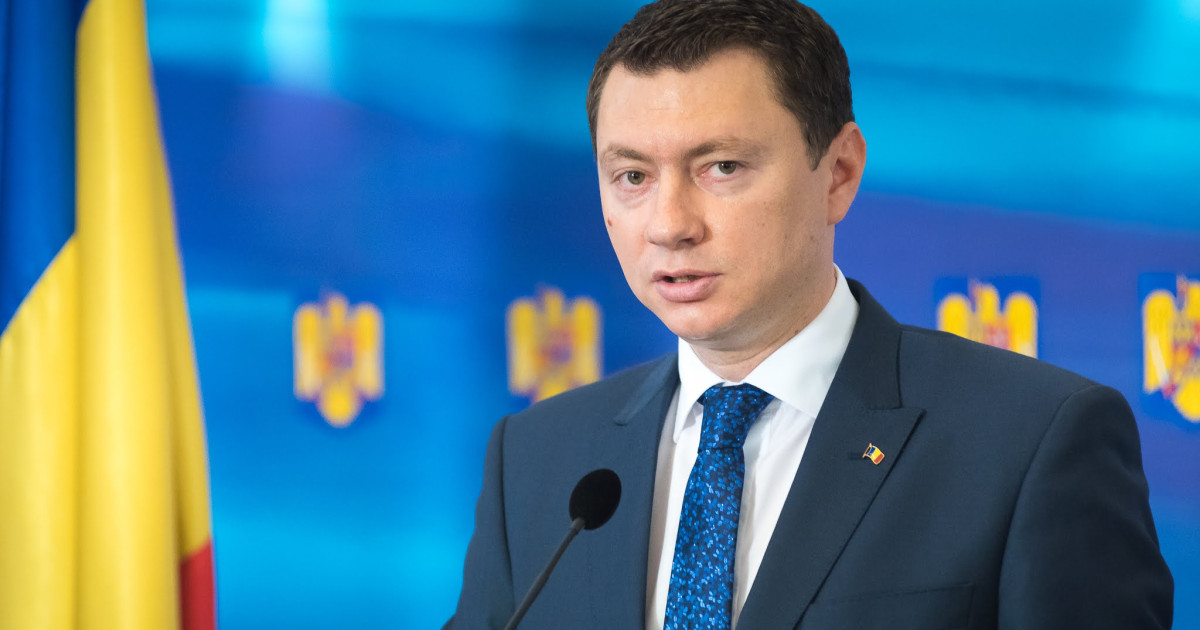
The Ministry of Finance, led by Alexandru Nazare, presented the plans for 2027, including compensating the excise duty on diesel, measures to accelerate VAT refunds, and supporting the business environment through new financial instruments and investments. #Economice #Finanțe #Investiții (translated)

www.mediafax.ro
Planurile Finanțelor pentru 2027: compensarea accizei la motorină, bani pentru investiții și noi finanțări pentru firme

1302
Mediafax.ro 4h

The European Union is seeking new trade partners in Asia and aims to improve economic relations with countries in this region, according to statements by German Chancellor Friedrich Merz, who emphasized the importance of free trade and adherence to international rules. #uniuneaeuropenă #comertinternational #asean (translated)

www.mediafax.ro
Europa își caută noi parteneri în Asia. Merz: Există o cale mai bună
1708
HotNews.ro 23h

The Government of Romania and the National Bank of Romania discussed the development of a multi-year loan plan to manage the budget deficit and to address current economic pressures. #Împrumuturi #Economie #DeficitBugetar (translated)

hotnews.ro
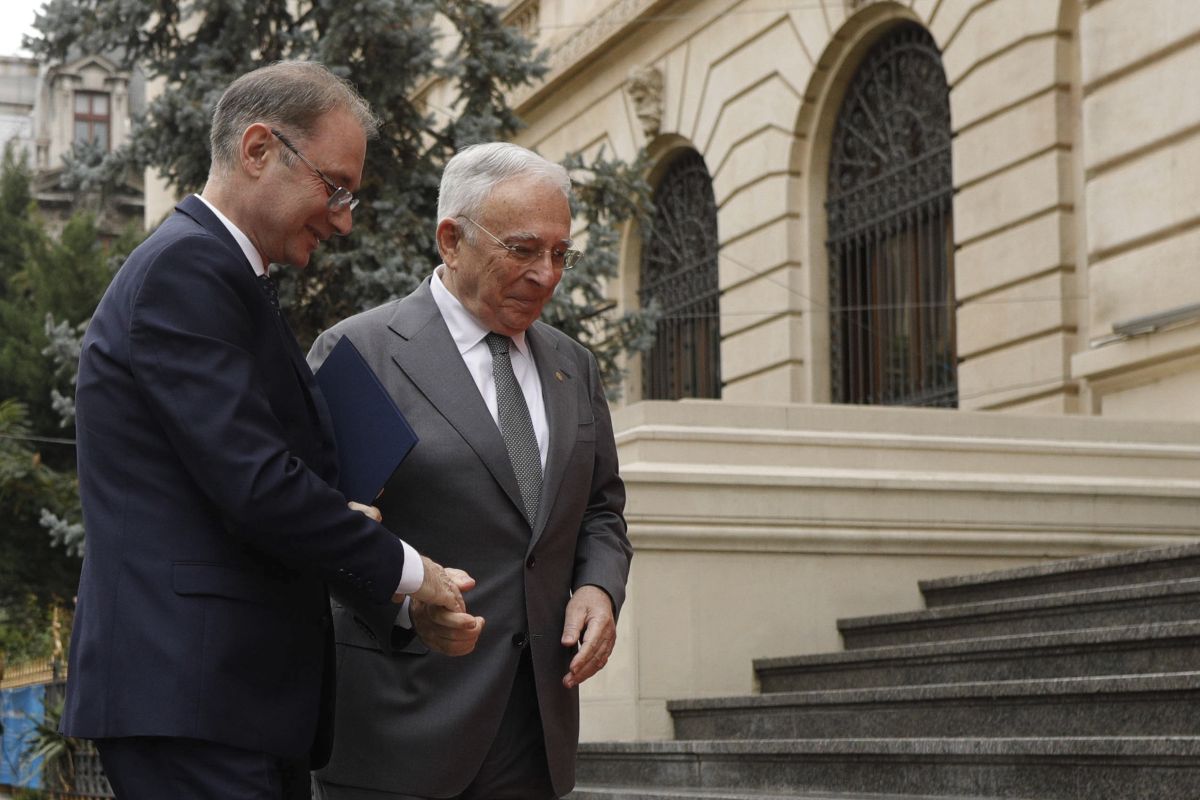
Guvernul și BNR au discutat despre un plan multianual de împrumuturi
2308
Digi24 23h

The BNR vice-governor, Cosmin Marinescu, stated that Romania could set a European record for maintaining the key interest rate at 6.5% for more than two years, due to high inflation and economic imbalances. #dobandacheie #BNR #inflatie (translated)

www.digi24.ro
Cosmin Marinescu, viceguvernator BNR: „România este pe cale să înregistreze un record european de menținere a dobânzii-cheie”
2326
adevarul.ro 1d

General Adriean Pârlog analyzes the risks of drone attacks from the Black Sea, emphasizing that a major escalation of the conflict between NATO and Russia is unlikely in the current context, marked by political and economic complexities. #Securitate #MareaNeagră #Drone (translated)

adevarul.ro
Unde pot duce atacurile cu drone din Marea Neagră. Un general român de Intelligence analizează riscurile
2629
Digi24 2d

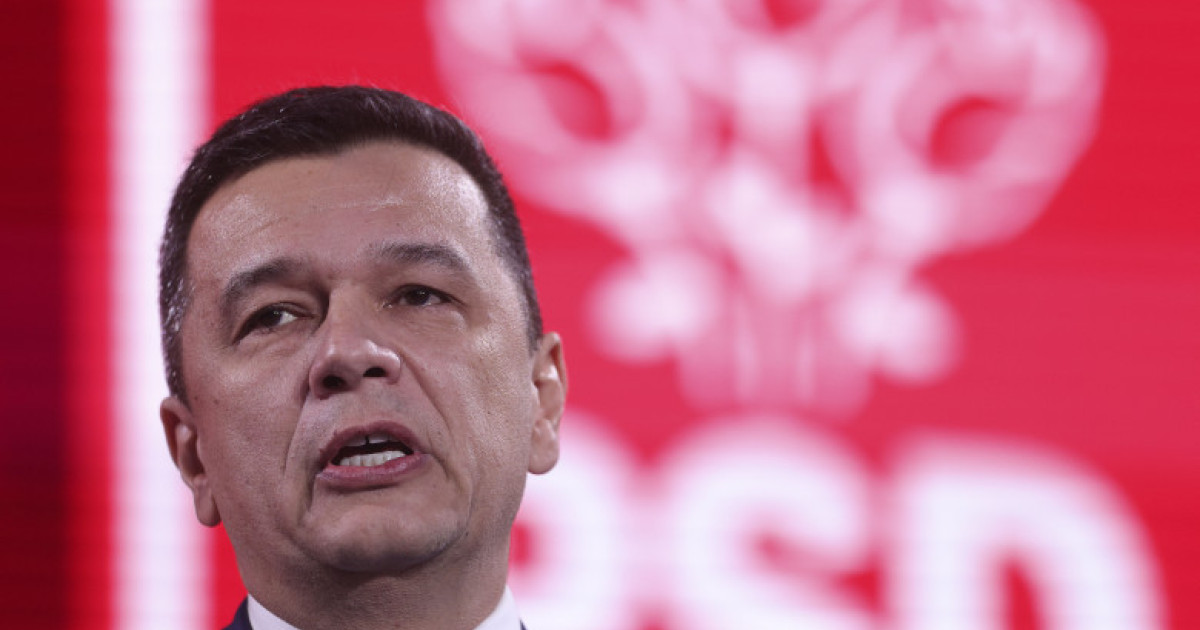
Sorin Grindeanu, the leader of the PSD, accuses the government of former Prime Minister Ilie Bolojan of leaving Romania with huge debts and promises a change in the economic direction to reverse the negative trend generated by him. #SorinGrindeanu #PSD #CrizaEconomica (translated)

www.digi24.ro
Sorin Grindeanu acuză: Guvernul Bolojan a lăsat România cu datorii uriașe. Liderul PSD face promisiuni: „Acest trend trebuie inversat”
2666
adevarul.ro 2d

The article analyzes the impact of the rapid increase in prices compared to wages on the standard of living of Romanians, highlighting the need to monitor real incomes to evaluate the economic effects on families. #inflatie #salarii #economieromaneasca (translated)

adevarul.ro
Prețurile cresc mai repede decât salariile. Ce trebuie să se întâmple pentru ca românii să o ducă mai bine
2557
Digi24 2d

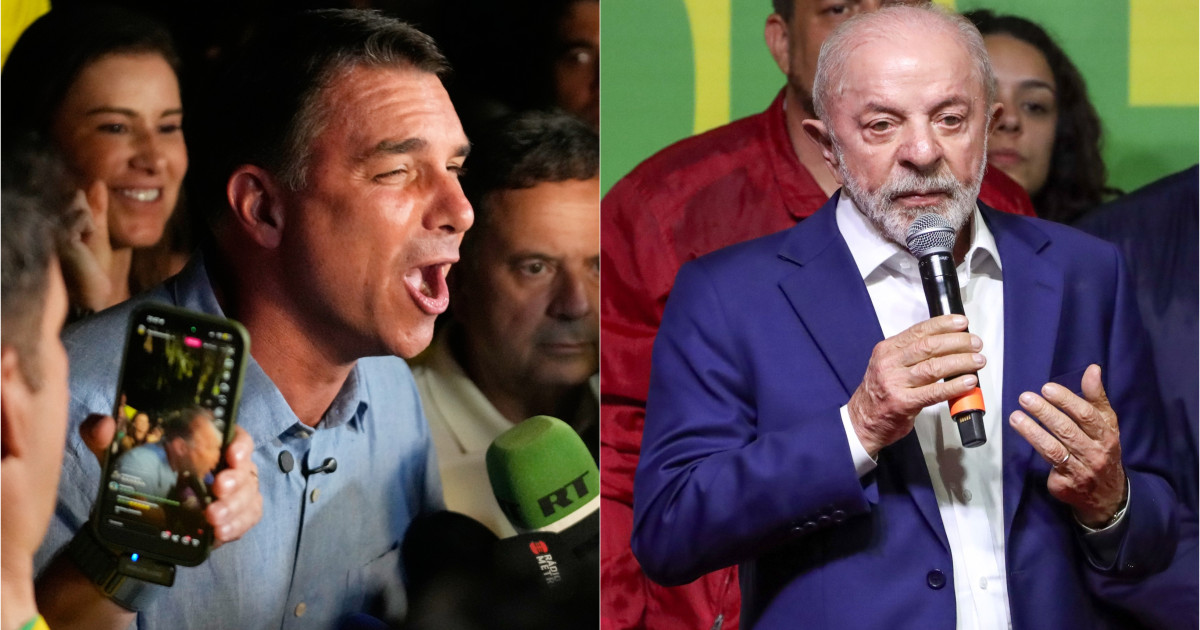
In the context of the polarized elections in Brazil, young workers are losing faith in Lula and are shifting their support towards Flavio Bolsonaro, seeing him as a more suitable alternative to the current economic realities. #AlegeriBrazilia #Bolsonaro #Lula (translated)

www.digi24.ro
Răzbunarea lui „Trump de la tropice”. Alegeri în Brazilia: tinerii muncitori îi întorc spatele lui Lula și pariază pe Bolsonaro
3224
Digi24 2d

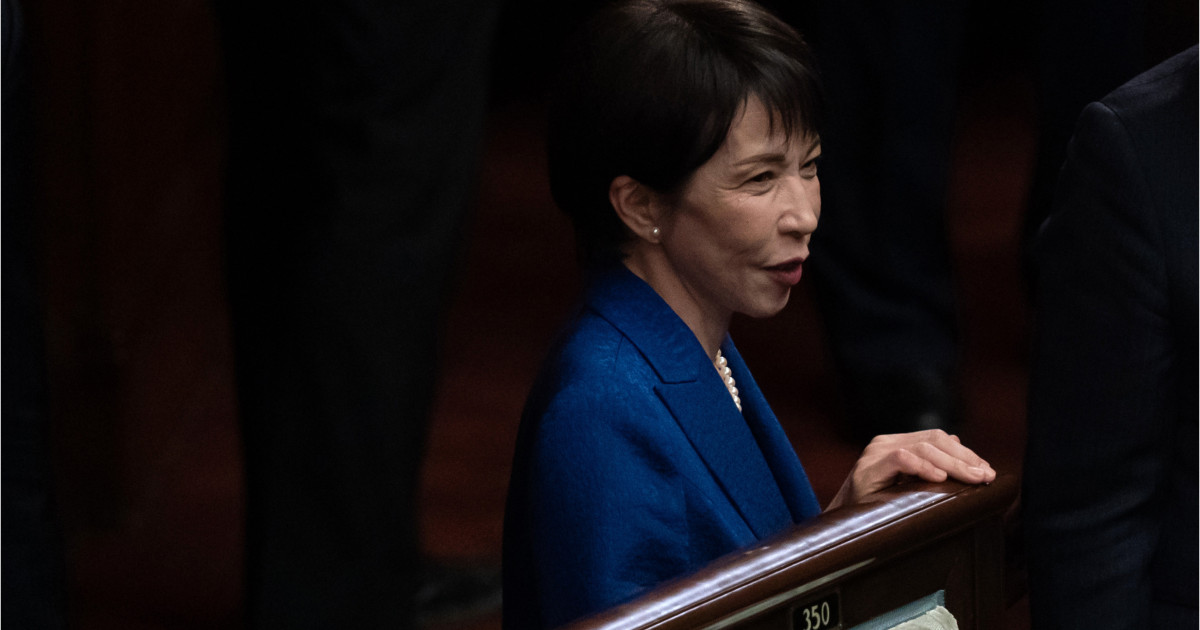
Sanae Takaichi, the first female prime minister of Japan, is celebrating a year in office in a complex context, facing government scandals, economic pressures, and diplomatic challenges, yet managing to maintain a high level of popularity among voters. #SanaeTakaichi #politicajaponeză #femeileînpolitică (translated)

www.digi24.ro
Sanae Takaichi, mâna forte cu un stil politic atipic: cum gestionează prima femeie premier a Japoniei cele mai grele provocări
3113
G
Gelu 2d

Don't change the time! Change the schedule, not the time! The biological rhythm is regulated by the Sun, not the clock. Time is not a work schedule that we can shift at will. Time is the measure by which we organize our lives, and nature has its own rhythm. The Earth does not change its rotation twice a year. The sun does not rise earlier because we decided to move the clock forward. Animals, birds, insects, and plants follow their biological rhythms related to light, darkness, and the natural succession of seasons. Humans are part of this nature. Our bodies have their own biological clock, fundamentally influenced by light. And when we officially move the clocks by one hour, we are not changing the course of nature, but rather asking humans to abruptly adapt to an administrative convention. Why do this every spring and reverse it every autumn? Is it natural to change the time or to adapt our schedules? Let's consider the majority of people: workers, farmers, students, teachers, parents, retirees, people who must adhere to a schedule set by others. They cannot always modify their schedules at will. They need to wake up at a certain hour, get to work, take a child to school, or comply with the public transport timetable. In contrast, there are people and organizations that have the opportunity to adapt their schedules based on the season, natural light, or the needs of their activities. If, for some people, changing their schedule is feasible, why impose the time change on everyone? Let's take a hypothetical example: if 10% of people have the freedom to adapt their schedule, is it fair to change the time for all those who do not have this freedom? Would it not be more logical to change the schedule where needed, rather than change the time by which the entire society organizes itself? Stores can modify their opening hours. Factories can adapt their shifts. Institutions can adjust their schedules, and schools and public transport can analyze timetables according to local conditions and people's needs. We do not all have to operate on the same schedule to live by the same time. Nature does not need our approval to follow its rhythm. In spring, the days lengthen. In autumn, the days shorten. This is the natural rhythm of the Earth, which we can observe without moving even a single clock hand. If we want to start activities earlier in summer, we can start sooner. If winter requires a different schedule, we can adapt it. But why change the official time, get used to a new convention, and then revert to the old one? Would it not be simpler to keep the same time all year round and organize our activities according to the season? I do not claim that all living beings measure time in hours and minutes. I assert something more important: their biological rhythms are linked to the natural cycle of light and darkness, not to the numbers we display on the clock. And humans should take this truth into account when organizing their lives. The economy must serve people, not people be permanently forced to adapt to the economy. One argument presented in favor of changing the time is the more efficient use of natural light or the reduction of energy consumption. But the actual effects depend on the country, season, population habits, and how energy is used. If we want to save energy, let's examine actual consumption. If we want more light during activities, let's adapt the schedules. If we want to improve work organization, let's change the timetables where possible. There is no need to change the time for the whole society to achieve flexibility in certain areas. The schedule is a tool we can adapt. The time should be a stable reference. We cannot stop the seasons. We cannot modify the Earth's rotation. We cannot ask nature to adapt to our clock. But we can organize our lives more wisely. Instead of moving the clock hands twice a year, we can learn to adapt our schedules to the reality around us. Instead of changing the time for everyone, we can allow each field to find the appropriate schedule, within the bounds of the law and with respect for people's rights. Let's keep the time stable and make the schedules flexible! Let's leave time in peace. Twice a year, millions of people are forced to change their clocks, schedules, and biological rhythms to adapt to an administrative decision. It is said that changing the time brings economic or energy benefits. However, in modern society, these advantages are increasingly contested, while the disadvantages are felt by nearly the entire population. People, animals, and plants do not live by the clock on the wall, but by the natural rhythms of the Earth. The human body is regulated by the alternation of light and darkness. When we artificially move the time forward or back, we disturb this balance. Many people sleep worse, feel more tired, and need days or weeks to readjust. Living beings do not change their schedules twice a year. Birds do not migrate by the clock, cows do not produce milk according to the official hour, and dogs do not understand why their owner takes them for a walk an hour earlier. Nature follows the sun, not administrative decisions. There is also a principle issue. For a relatively small percentage of people and activities that would benefit from more light in the evening, the schedule of the entire society is modified. About 90% of people are forced to adapt, even though they did not ask for this and do not gain direct advantages. It would be more logical for the sectors that need a different schedule to adapt it themselves. Stores can open earlier or later. Factories can modify their work shifts. Schools, institutions, and companies can adjust their schedules as needed. It is much easier for certain organizations to change the schedule in a targeted manner than to change the official time for the entire population. Moreover, modern technology has greatly diminished the argument for saving energy. Lighting now represents a smaller proportion of total consumption, while air conditioning, computers, and other equipment operate regardless of time changes. The time should serve people, not people be obliged to serve the time. A modern society can function efficiently without moving the clock hands twice a year. Stability, health, and respect for natural rhythms are stronger arguments than the tradition of a measure introduced in another era. Therefore, the most rational solution is to keep the same time throughout the year and adapt schedules where necessary, rather than changing the lifestyle rhythm of an entire population. Why should we keep the same time all year? Changing the time twice a year represents an artificial intervention in the natural rhythm of society. Although it was introduced with the intention of saving energy, numerous modern studies show that the benefits are minimal, while the social, medical, and economic costs are significant. 1. The biological rhythm is regulated by the Sun, not the clock. The human body operates according to an internal biological clock, synchronized with the natural alternation of day and night. Research in chronobiology shows that artificial changes in time disrupt sleep, concentration, and metabolism. In the days following the switch to summer time: - sleep disorders increase; - more traffic accidents occur; - productivity at work decreases; - there is an increase in the risk of heart attacks and other cardiovascular problems. In practice, millions of people are forced to suffer a slight "jet lag" without having traveled anywhere. 2. Nature does not change the time. Animals and plants regulate their activity according to light. Birds, insects, domesticated and wild animals do not change their schedules just because the government decides to move the clock forward by one hour. Farmers often observe that cows continue to adhere to their biological schedule regardless of the change in official time. The same happens with many other living beings. In reality, we are changing the clock display, not the position of the Sun in the sky. 3. Economic benefits are diminishing. Changing the time was introduced in an era when lighting consumed a significant proportion of the energy used by the population. Today: - lighting is much more energy-efficient; - the main consumption comes from air conditioning, heating, servers, computers, and appliances; - estimated savings are very low or even nonexistent in many states. In contrast, the economic costs are real: - employee productivity decreases after the time change; - absenteeism increases; - additional costs associated with accidents and medical problems arise; - computer and logistics systems need to be periodically adjusted. 4. It is unfair to change the schedule of all for the needs of a minority. If certain economic sectors find it useful to start activities earlier in summer, they can adapt their schedules. For example: - stores can operate from 07:00 to 21:00 instead of 08:00 to 22:00; - factories can alter shifts; - public institutions can temporarily adjust working hours; - schools and companies can decide locally what schedule is optimal. It is much simpler for 10% of organizations to change their schedule than for 100% of the population to change their biological clock. 5. Stability means efficiency. Transport, information systems, international economic activities, and public services function more smoothly when the official time remains constant. One hour throughout the year: - reduces scheduling errors; - simplifies transport and communications; - eliminates confusion regarding timetables; - provides predictability for citizens and companies. Conclusion The sun does not change its time. The Earth does not change its time. Nature does not change its time. Only humans move the clock hands and then endure the consequences of this decision. Instead of modifying the schedule of an entire society twice a year, it is more logical to keep the same time constantly and allow those fields that need a different schedule to adapt their programs individually. This way, natural biological rhythms are respected, economic costs are reduced, and the comfort of the majority of the population is increased. A modern society needs flexibility in scheduling, not the constant change of the clock. (translated)

556
Mediafax.ro 4d

The Ukrainian hryvnia has reached its lowest level in history, depreciating to 45.20 hryvnias for a dollar, due to the economic crisis caused by the war with Russia and rising inflation. #Hrivna #EconomiaUcrainei #CursValutar (translated)

www.mediafax.ro
Moneda Ucrainei se prăbușește. Hrivna a ajuns la cel mai scăzut nivel din istorie
2469
adevarul.ro 4d

Cristian Popa, a member of the Board of Directors of the BNR, stated that Romania must reduce the budget deficit to below 3% of GDP and meet all the convergence criteria of the European Union in order to advance towards joining the euro area, emphasizing that, although the central bank is technically prepared, the process requires sustained political and economic efforts. #ZonaEuro #Romania #BNR (translated)

adevarul.ro
Cristian Popa, BNR, despre aderarea la zona euro: „Nu toate lucrurile sunt roz”. Ce trebuie să facă România
3031
HotNews.ro 4d

The Ministry of Energy warns of an increased risk in the operation of the national energy system, with serious economic and social consequences, as the Cernavodă power plant remains non-functional and a decrease in photovoltaic energy production is anticipated, amidst a regional energy crisis. #Energie #CrizaEnergetică #România (translated)

hotnews.ro
Risc crescut în funcționarea sistemului energetic național. Avertisment al Ministerului Energiei: „Pot apărea consecințe economice și sociale grave”
2806
HotNews.ro 4d

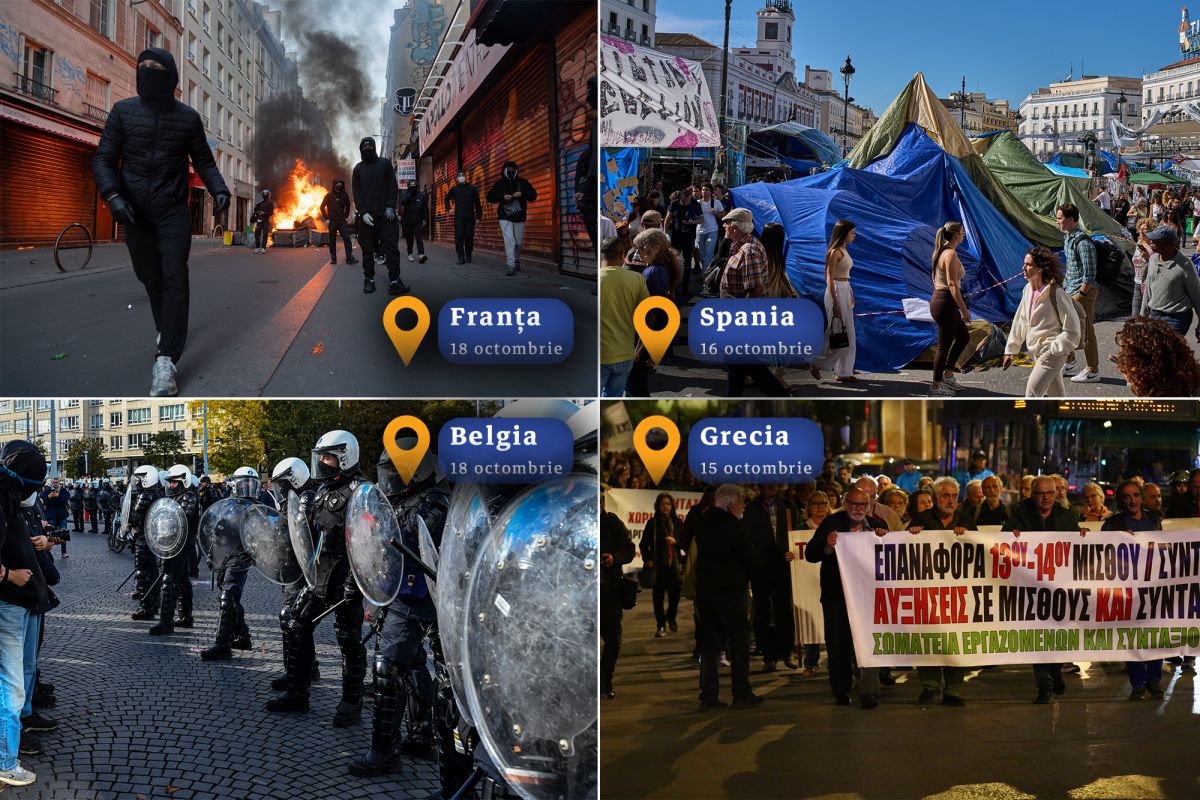
The article analyzes the social crisis in Europe, where discontent regarding pensions, salaries, housing, and austerity highlights a deeper economic problem and raises the question of the benefits of economic growth in the context of increasing financial pressures on the population. #proteste #Europa #crizaeconomică (translated)

hotnews.ro
Europa descoperă costul economic al speranței pierdute. De ce prosperitatea nu mai cumpără pacea socială. Trei scenarii
2695
Mediafax.ro 4d

Germany's economy grew more slowly than the market had anticipated in October, with a declining services sector and an industry that continues to hold up, highlighting the fragility of the economic recovery. #economiegermană #industrie #securitateeconomica (translated)

www.mediafax.ro
Economia Germaniei, sub așteptările analiștilor. Serviciile pierd teren, industria rezistă
2922
Digi24 5d

The Kremlin confirmed the conduct of negotiations between Lukoil and the USA, highlighting discussions about a variety of economic projects, in the context of the expansion of sanctions and a possible agreement on the international assets of the Russian oil giant valued at 22 billion dollars. #Lukoil #SUA #negocieri (translated)

www.digi24.ro
Kremlinul confirmă negocierile dintre Lukoil și Washington. „Cele două guverne iau în considerare o gamă largă de proiecte economice”
3047
Digi24 5d

Romania is facing the risk of a diesel shortage this winter, due to rising prices and the inefficiency of strategic reserves, which, although sufficient on paper for 90 days, do not ensure a constant supply at gas stations, which could severely affect vital economic sectors. #motorină #alimentare #crizăenergetică (translated)

www.digi24.ro
România riscă să rămână fără motorină în această iarnă. De ce rezervele pentru 90 de zile nu garantează aprovizionarea
2708
HotNews.ro 6d

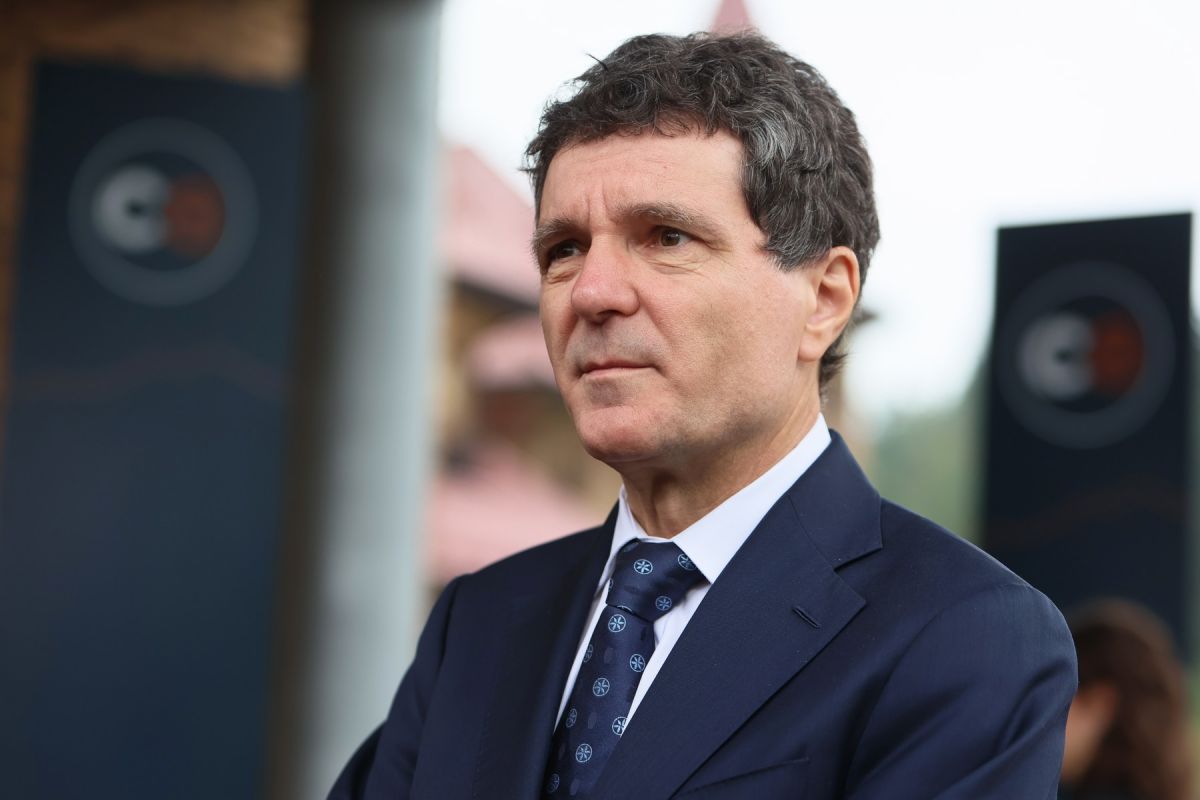
In an interview for Newsmax, President Nicușor Dan stated that Russia is not ready for dialogue and that economic sanctions against it must continue, while also welcoming Donald Trump's call to NATO European states to take greater responsibility for their own defense. #NicușorDan #RăzboiulDinUcraina #SecuritateaRegională (translated)

hotnews.ro
Nicușor Dan, interviu în presa conservatoare din SUA: „Nu cred că Rusia e pregătită să se așeze la masa dialogului”. În ce privință spune că Trump are dreptate
2827
Digi24 6d

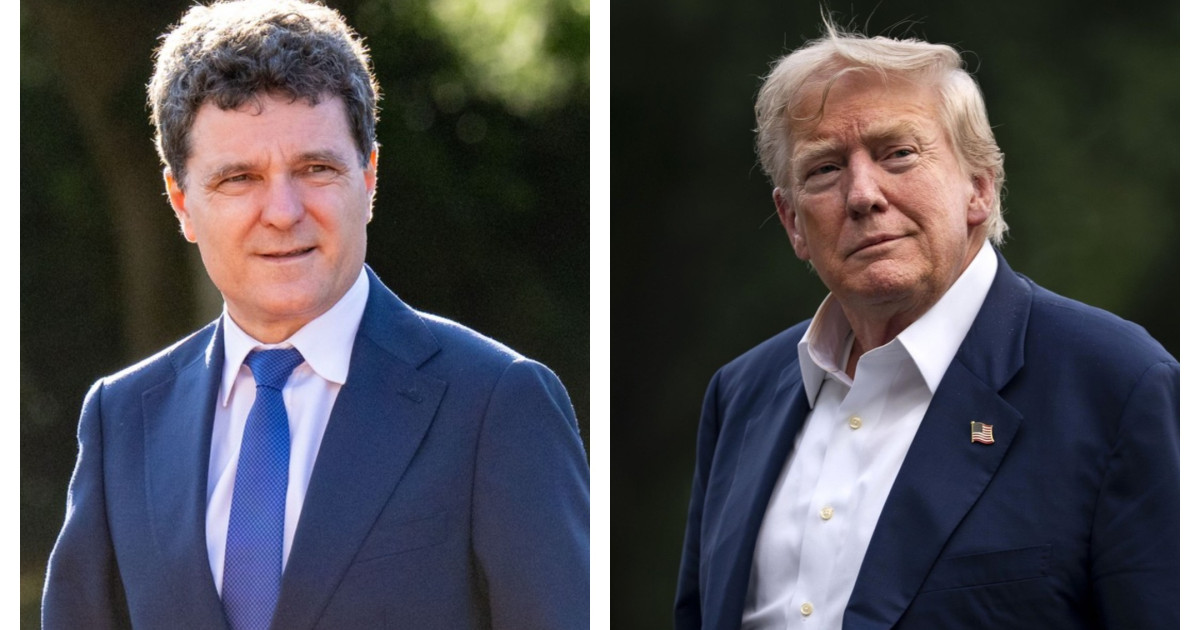
Nicușor Dan supports Donald Trump's efforts to end the war in Ukraine, but he is skeptical about Russia's willingness to negotiate a peace agreement, stating that the continuation of economic sanctions against Moscow is necessary. #NicușorDan #DonaldTrump #RusiaUcraina (translated)

www.digi24.ro
Nicușor Dan susține eforturile lui Trump, dar nu crede că Rusia e pregătită să negocieze. Interviu la un post TV conservator american
2941
HotNews.ro 6d

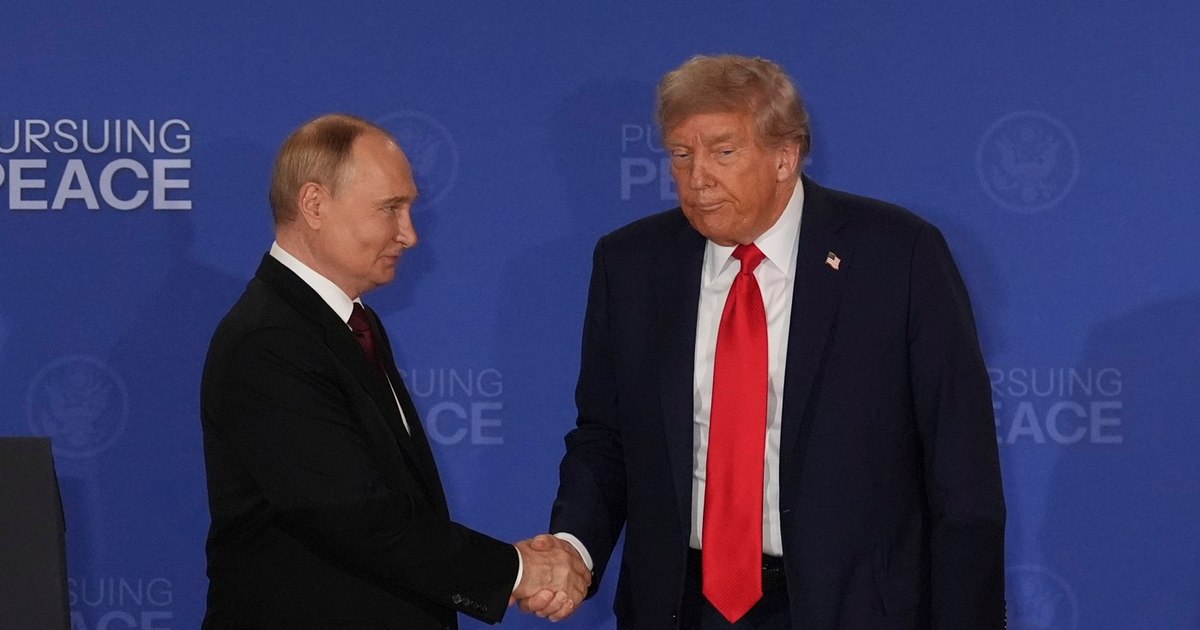
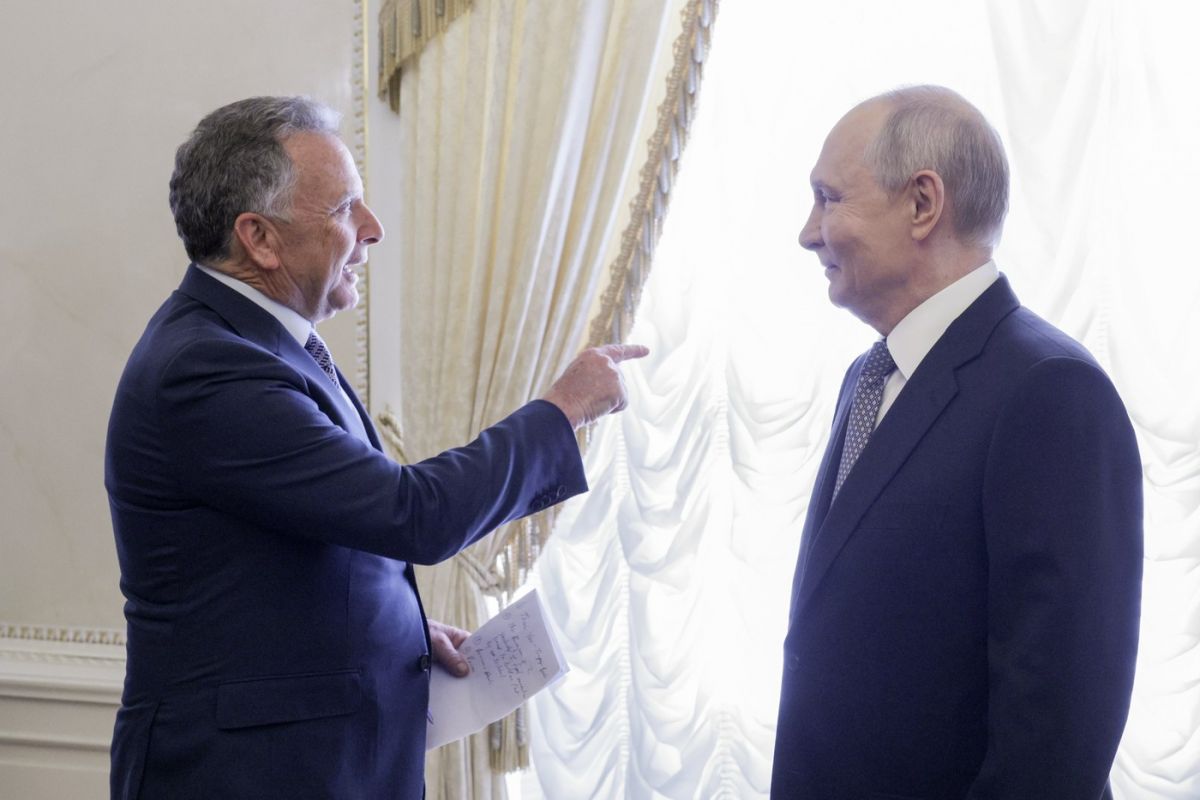
At the ninth meeting between the US envoy Steve Witkoff and Russian President Vladimir Putin, held in an imperial palace in St. Petersburg, discussions were held about resuming peace negotiations with Ukraine, in the context of promoting post-war economic collaboration and recent events in the war. #Rusia #Ucraina #NegocieriPace (translated)

hotnews.ro
VIDEO Emisarul lui Trump către Putin: „Sunteți un om cu spirit umanitar, domnule”. Ce s-a întâmplat la palatul imperial din Sankt Petersburg
3168