A mathematician has accused OpenAI of plagiarism regarding its alleged solution to the Millennium Problem of the Navier-Stokes equations, in a context that highlights the dynamics of competition in the field of artificial intelligence. (translated)
A mathematician has accused OpenAI of plagiarism regarding its alleged solution to the Millennium Problem of the Navier-Stokes equations, in a context that highlights the dynamics of competition in the field of artificial intelligence. (translated)

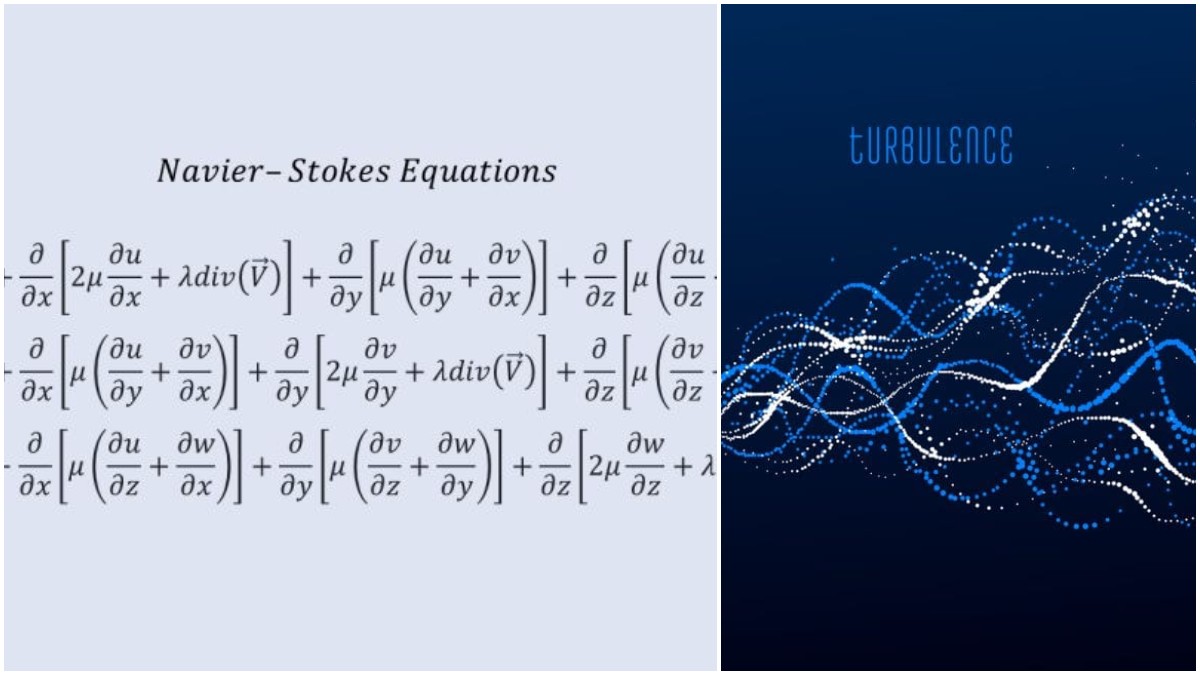
Artificial intelligence has recently successfully tackled one of the seven Millennium Problems concerning the Navier-Stokes equations, raising questions about the authorship of the discovery and the awarding of the one million dollar prize offered by the Clay Institute. (translated)

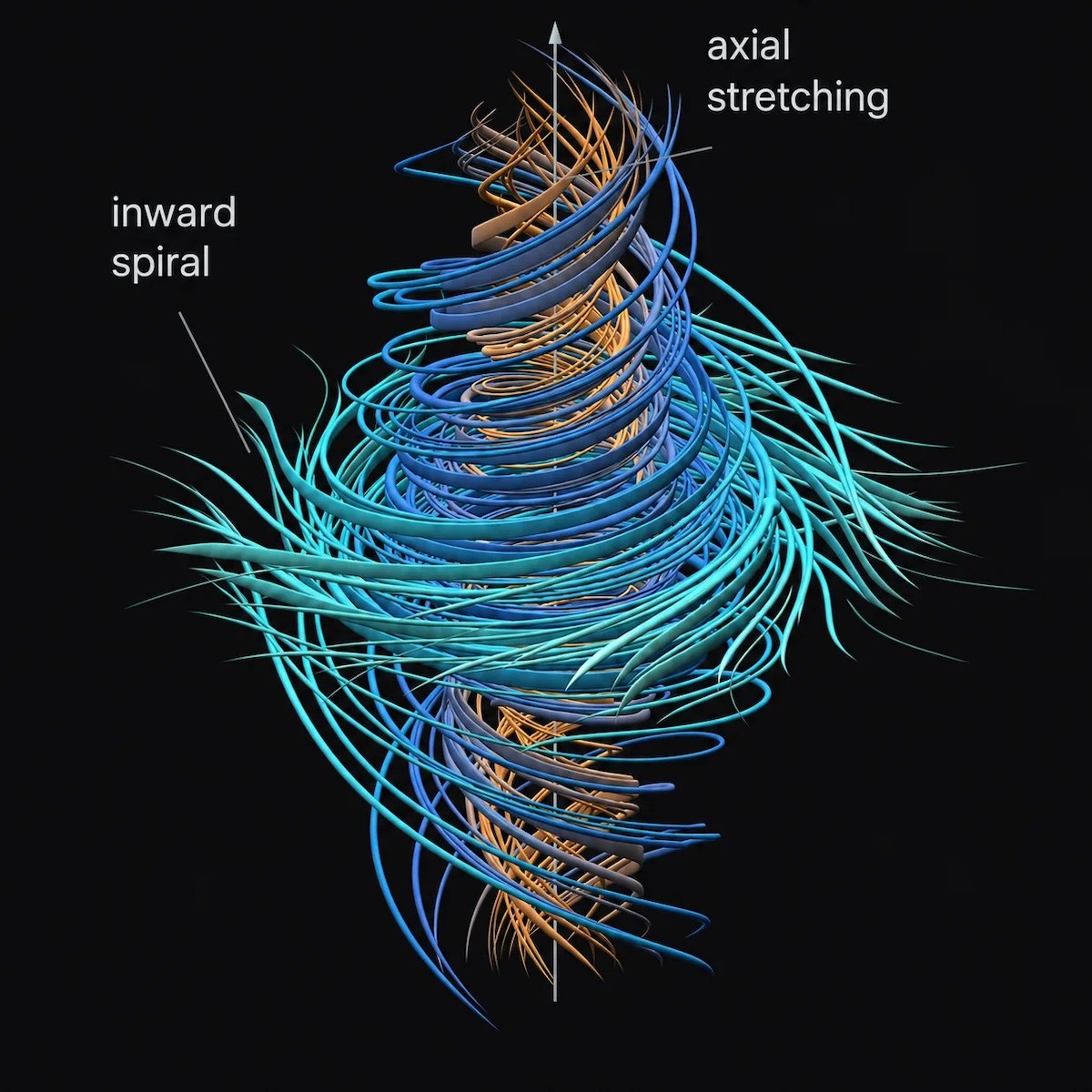
OpenAI sostiene di aver risolto il problema di esistenza e regolarità delle equazioni di Navier-Stokes, uno dei sette Problemi del Millennio, utilizzando un modello di IA non ancora disponibile al pubblico. La soluzione, prodotta in circa 88 ore, non è stata ancora verificata indipendentemente dalla comunità matematica. Sul risultato sono emersi dubbi dopo che due ricercatori, Tristan Buckmaster e Levent Alpöge, hanno accusato la società di aver utilizzato indirettamente il loro lavoro #OpenAI #Matematica #Equazioni
OpenAI announces that it has solved the complex problem of the Navier-Stokes equations, sparking a controversy with two mathematicians who claim that the company used their work without permission. (translated)

An artificial intelligence model developed by OpenAI has solved one of the 'millennium problems', particularly the Navier-Stokes equations, sparking debates on transparency and sharing in mathematical research. (translated)

OpenAI announced that it has resolved the existence and regularity of solutions to the Navier-Stokes equations, one of the seven "Millennium Problems," but two researchers accuse it of stealing their work. (translated)

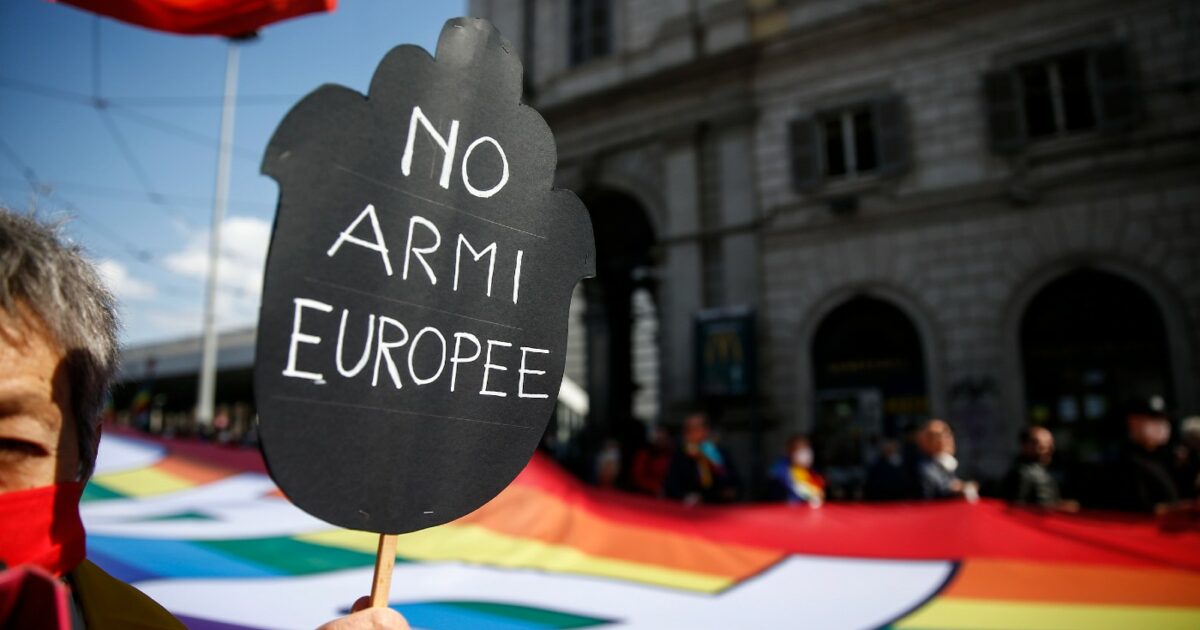
Renzo Rosso's article analyzes Lewis Fry Richardson's equations regarding the arms race and warns how Europe is repeating the mistakes of 1914, suggesting that modern dynamics of rearmament and mutual suspicion could lead to conflicts again. (translated)