Estral Esports stated that two people made history by becoming the first Latin Americans to win a series on the main stage. #SomosEstral https://t.co/MeFyuTfwg6 #Latinos #Historia #Esports (translated)

Estral Esports stated that two people made history by becoming the first Latin Americans to win a series on the main stage. #SomosEstral https://t.co/MeFyuTfwg6 #Latinos #Historia #Esports (translated)

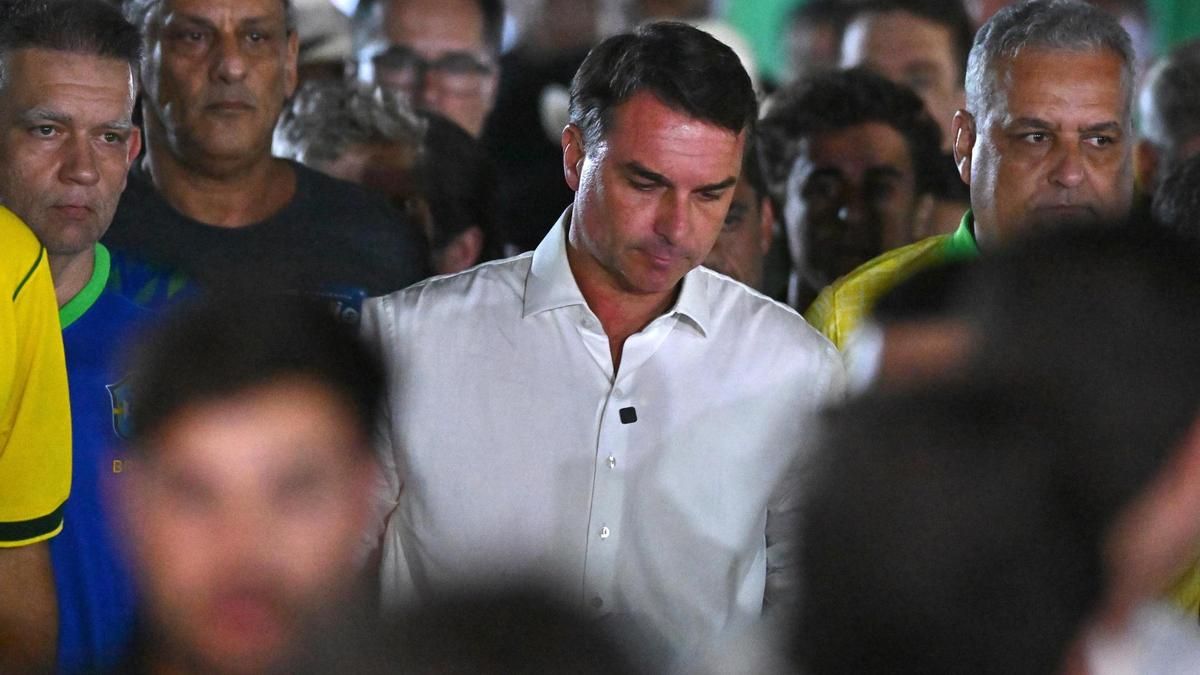
The far-right's reaction to Bolsonaro's defeat in Brazil is characterized by the silence of its leaders and the agitation of its base, which is demanding to disregard the electoral results, while the majority of Latin American and Western leaders have congratulated Lula on his victory. #Brasil #Lula #Ultraderecha (translated)

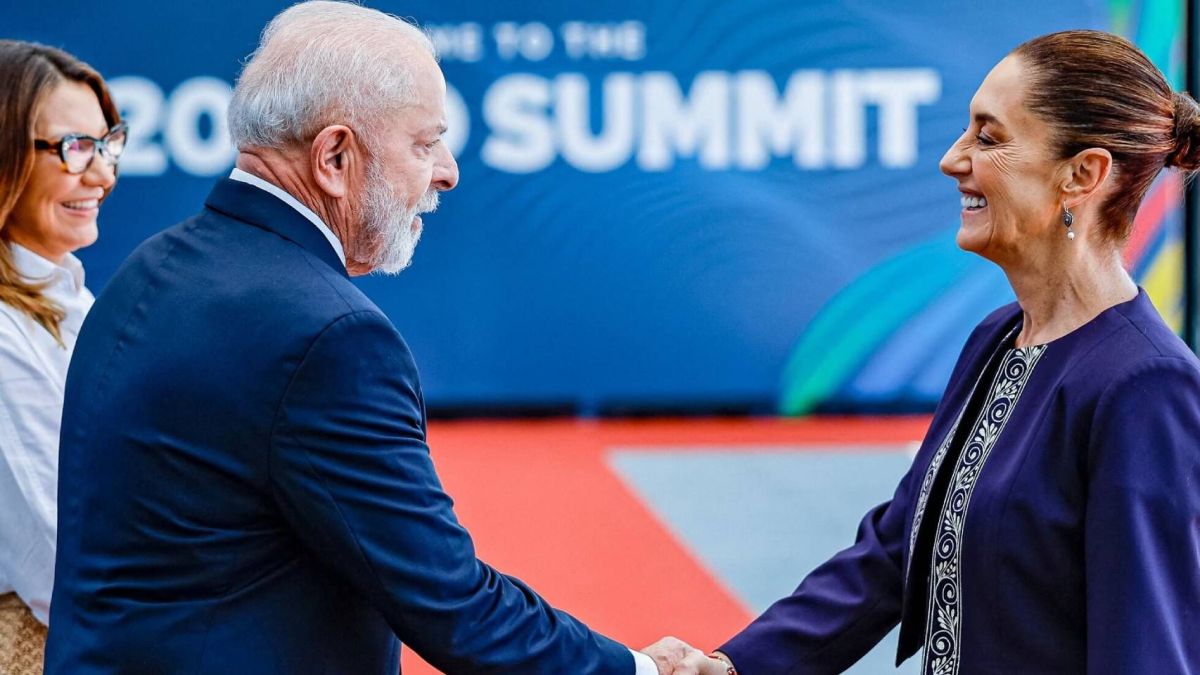
Lula da Silva's victory in Brazil reinforces the alliance with Mexican President Claudia Sheinbaum, consolidating a leftist front in Latin America against the rise of conservatism in the region. #Lula #Sheinbaum #Latinoamérica (translated)

IKARI DOTA stated that the Latino influencer Komanche had passed away at 30 years old. #komanche https://t.co/SkX9jI1SmS #influencer #noticias #fallecimiento (translated)


THE "BATTLE OF CERIGNOLA (1503)" ON "POPULAR ARCHAEOLOGY USA" (by LUCIANO MAGALDI SARDELLA) SOURCE 1: https://popular-archaeology.com/author/sardella/ SOURCE 2: https://popular-archaeology.com/article/the-2026-battlefield-archaeology-of-the-battle-of-cerignola-1503/ -------------------------------------------------------------------- CERIGNOLA (FG) — On April 28, 1503, at sunset, a shallow trench cut between the vineyards outside Cerignola rendered heavy cavalry obsolete. For five centuries, its exact location has only been conjectured, its archaeology ignored, its most important sources never translated into English. We are on the Tavoliere of Puglia, a corridor of battles for two thousand years: from Cannae in 216 BC to the falcon hunt of Frederick II from Torre Alemanna. Cerignola, at that time, was not a city but a rural village of 350 families at 120 meters above sea level, custodian of the Mena della Dogana delle Pecore, the great pastoral system of transhumance that financed the Kingdom of Naples. Its possession was fiercely contested. Facing each other were two worlds. Louis d’Armagnac, Duke of Nemours, Viceroy of Naples for Louis XII, in his thirties, splendidly armored, confident of victory. On the other side was Gonzalo Fernández de Córdoba, the Gran Capitán, who on April 27-28 marched from Barletta with about 9,000 exhausted men and decided to settle on a low ridge. He deepened what was already there: not an invention, but an agricultural ditch. The French gendarmes, the last heirs of the medieval knight, lowered their lances and never reached the line. From behind a parapet reinforced with vine stakes, over 1,000 Spanish arquebusiers opened fire. Nemours fell, almost certainly the first European army commander to die from a portable firearm. With him, the charge of cavalry as a dominant tactic died. And here is the scandal denounced by the article: no cartographer of the 17th-18th centuries ever mapped the battlefield. No monument commemorates it. It is not protected as a cultural landscape under the Code of Cultural Heritage. Every deep plowing of the Tavoliere, standard practice since the Bourbon reforms, destroys an archaeology never recorded. Yet the perimeter can be reconstructed. By cross-referencing the 16th-century descriptions of "vine-covered slopes fifteen miles north of the Ofanto" with the Via Traiana, the engagement area is a rectangle of 3-4 square kilometers northeast of the current settlement. With the 1m LiDAR DTM from ISPRA, it could reveal anomalous linear depressions, and the lower filling of a ditch 2-3 meters deep, under the plowed layer, is still readable with magnetometry and ground radar. Why did we arrive late? Not for lack of sources, but for lack of translation. The Municipality of Cerignola and the Torre Alemanna Research and Study Center of Prof. Matteo Stuppiello, who in 1978 obtained the first monumental protection for Torre Alemanna, have digitized a corpus that has never entered Anglophone historiography. Here are the 3 pillars: 1. The letter that still smells of gunpowder. The “Letter from Consalvo de Córdoba to the Spanish royals dated April 29, 1503,” edited by Stuppiello in 2003 and updated to 2025 on comune.cerignola.fg.it/biblioteche-digitali. A handwritten page written in Cerignola the day after the battle, “rich in flashes, twilight lights, and gunfire.” Not a polished chronicle like that of Giovio, but a field dispatch: the fatigue of the night march, the decision to entrench upon arrival, the recovery and honorable burial of Nemours, the intact capture of the French artillery. 2. The graffiti, a monument inside the monument. In the 14th-century church of Santa Maria delle Grazie, known as the Incoronatella, on the Via Trinitapoli Vecchia, where tradition holds that the body of Nemours was brought. On the triumphal arch, a 1503 graffiti gives, in almost notarized form, the date, sixth indiction, Friday at the hour XXIII-XXIIII. It was indeed Friday, as confirmed by the perpetual calendar of Cappelli. Decoded in 1995 by Prof. Francesco Magistrale, Latin paleographer at the University of Bari, in *The Battle of Cerignola (1993)* and in the municipal monograph *S.M. delle Grazie (1999)*. Today it is fading due to humidity and neglect. 3. The land registry that explains the ditch. The Survey of 1672 preserved at the State Archive of Naples, Pignatelli Aragona Cortes fund, Scanzia 63, fasc.1: “At the time of the battle, thick vineyards covered the hill reaching to the plain, and were distinctly separated from the rest of the countryside by a not very deep ditch.” Córdoba did not improvise; he adapted. This is confirmed by the catasti of the Giustiniani: 277 households in 1532, 699 in 1595. The landscape of 1503 was intensely horticultural, not the deeply plowed monoculture of today. In addition to these, there is the first monograph by Vincenzo Buonassisi, *The Battle of Cerignola* (1908, died in Via Fanfulla 10 on June 27, 1928), and the first modern military analysis by Piero Pieri, “Consalvo de Córdoba and the Battle of Cerignola,” Archivio Storico Pugliese 1952, which 30 years before the Anglophone rediscovery of the “pike-and-shot” defined Cerignola as an engineered killing ground. While Cerignola forgot, others remembered. The “Regimiento de Infantería Cerinola n.42”, later “Fuerteventura n.56”, carried the name of Cerignola until the 20th century. The coat of arms, described in *Heraldica e Historiales del Ejercito, Tomo V” (Madrid, 1981): silver field, dying white swan entangled in a hedge, golden wall crown, with the scroll “Cerignola.” Dossier officially transmitted on April 30, 1986, prot. 4565/509, from the Servicio Histórico Militar of Madrid to the Torre Alemanna Center thanks to Col. Alessio Antonutti and Gen. José Cifuentes. And in Amsterdam, at the Rijksmuseum, the anonymous bronze commemorative medal: Hercules with lion skin and club and Janus with the keys next to an eagle-armed coat of arms, legend “Consalvus Agidarius… Janum clausit,” on the reverse a battle scene “Consalvi Agidari Victoria de Gallis ad Cannas,” an artist's mistake that confuses Cerignola with Cannae. It belonged to Mrs. J.M. van Gelder-Nijhoff, donated in 1885. The author's conclusion is clear: Gonzalo's ditch is the most consequential earthwork in European military history. It inaugurates the infantry armed with firearm and conditions the Mediterranean for 160 years. It may still be there, filled, plowed, invisible to the naked eye but accessible to a magnetometer. It is not a matter of medieval archaeology but of the will to protect. (translated)


Many Latinos are turning away from the Republicans and favoring the Democrats due to Trump's immigration policy before the congressional elections. #Latinos #Trump #Wahlen (translated)

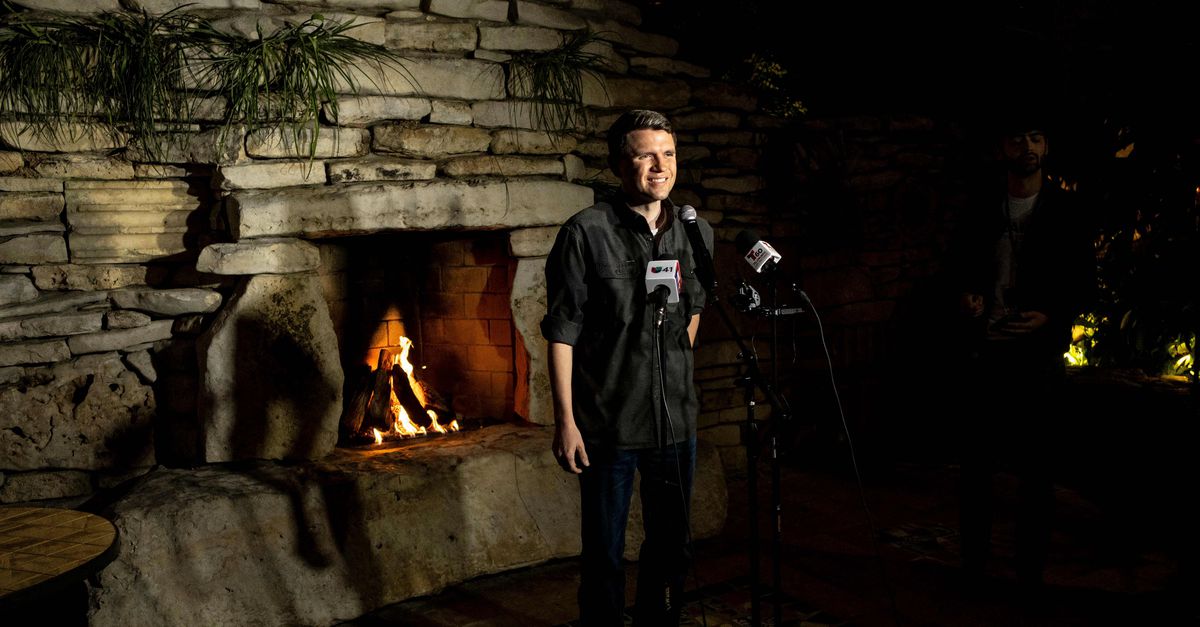
A gentle preacher, James Talarico, is leading a campaign to convince Latino voters in Texas to vote Democratic, as they increasingly turn away from Trump, and his victory could be crucial for the dynamics in the Senate. #Democraten #Texas #LatinoStemmers (translated)

The Vatican has banned traditionalist Catholics linked to the Latin Mass from entering St. Peter's, creating tension ahead of the annual procession scheduled for tomorrow, amid uncertainty regarding the security measures that may be adopted by the Vatican authorities. #Vaticano #Tradizionalisti #MessaInLatino (translated)

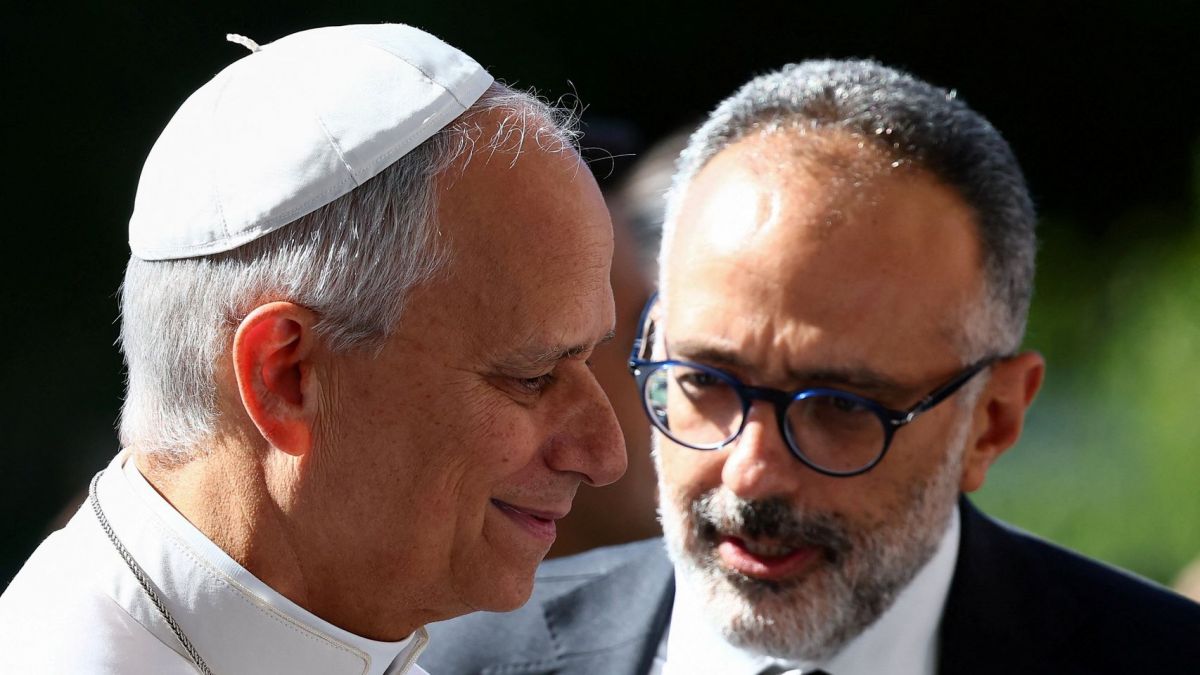
The author wondered if Lana Nusseibeh could resolve the lack of consensus on who the next UN Secretary-General would be. He also noted that the United Arab Emirates was ramping up its efforts and considered it possible that her candidacy could displace the Latin Americans, although he said that would be very painful. #ONU #Diplomacia #EmiratosÁrabesUnidos #AE #LA (translated)
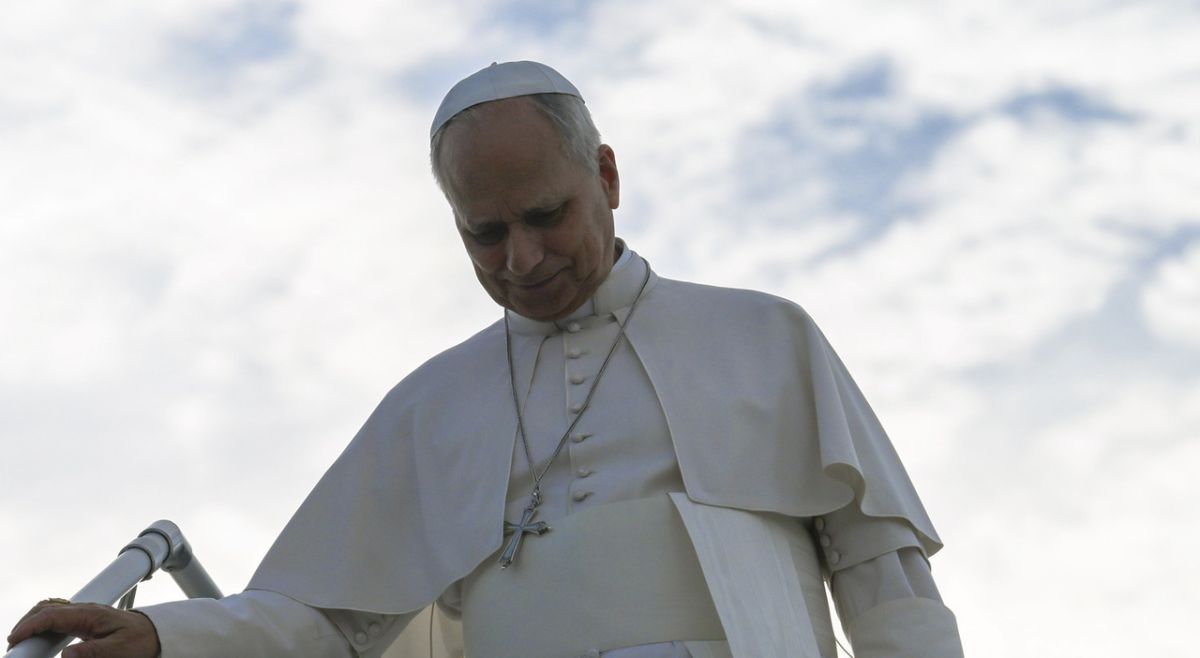
Pope Leo XIV will not require additional treatment after the removal of a localized lung adenocarcinoma, according to medical tests, and will gradually resume his activities, including a tour of Latin America. #PapaLeónXIV #CáncerDePulmón #SaludPontificio (translated)

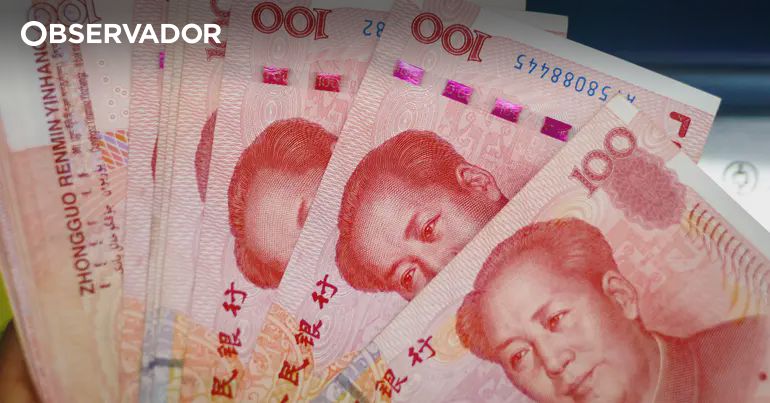
Brazil is preparing for its first public debt issuance in China, with a value of up to 1.5 billion dollars, becoming the first Latin American country to enter the panda bond market, while the presidential elections may influence the future of the plan. #EleiçõesPresidenciais #Brasil #China (translated)

Flavio Bolsonaro, son of former president Jair Bolsonaro, won the first round of elections in Brazil and is seen as a candidate representing the far right, facing Lula in the second round, which could signify a major turning point for the right in the Latin American continent. #Brésil #ExtrêmeDroite #Élections (translated)
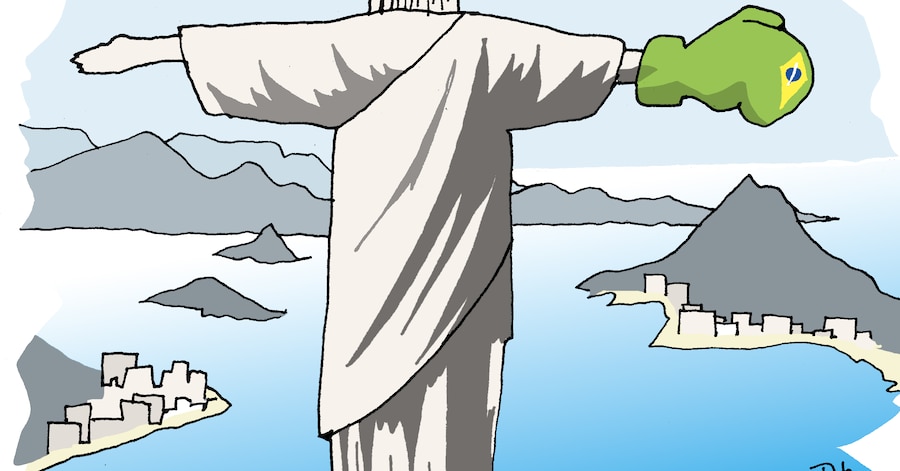

VIOLETA NEWS reported that VIOLETA would arrive for the first time in Latin America with a tour that would include performances in Argentina and Chile. https://t.co/UhnQNauTIS #Violeta #Gira #Latinoamérica (translated)

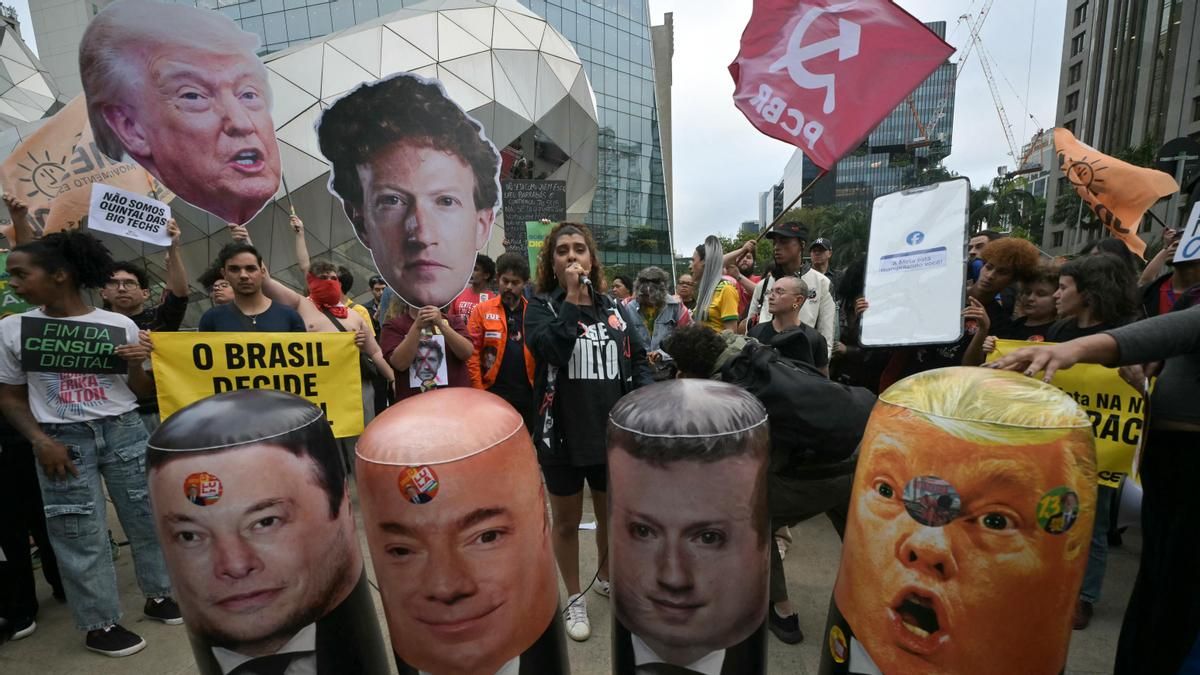
The article analyzes electoral interference in Brazil and other Latin American countries through the use of bots and misinformation by tech oligarchs supporting Donald Trump, highlighting the manipulation of platforms like Meta to influence political outcomes. #Desinformación #Tecnoligarcas #Elecciones2026 (translated)

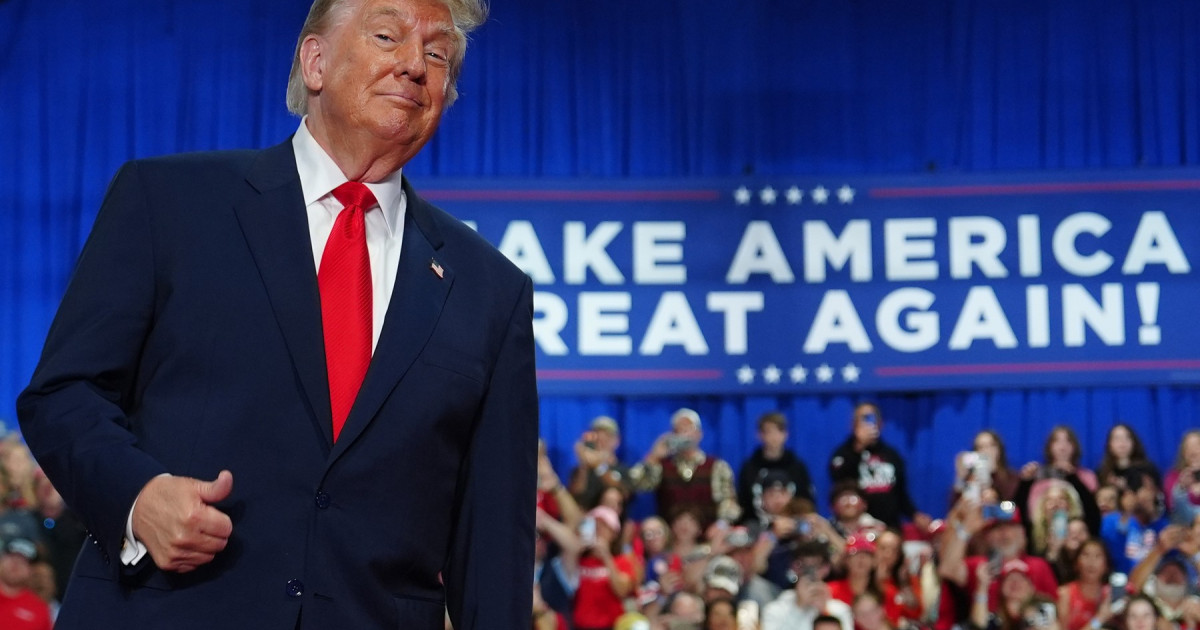
More and more Latino voters are expressing their dissatisfaction with President Trump, considering the negative impact of his immigration policies on immigrant communities, which could influence the 2024 elections. #Trump #imigrație #latinoamericani (translated)

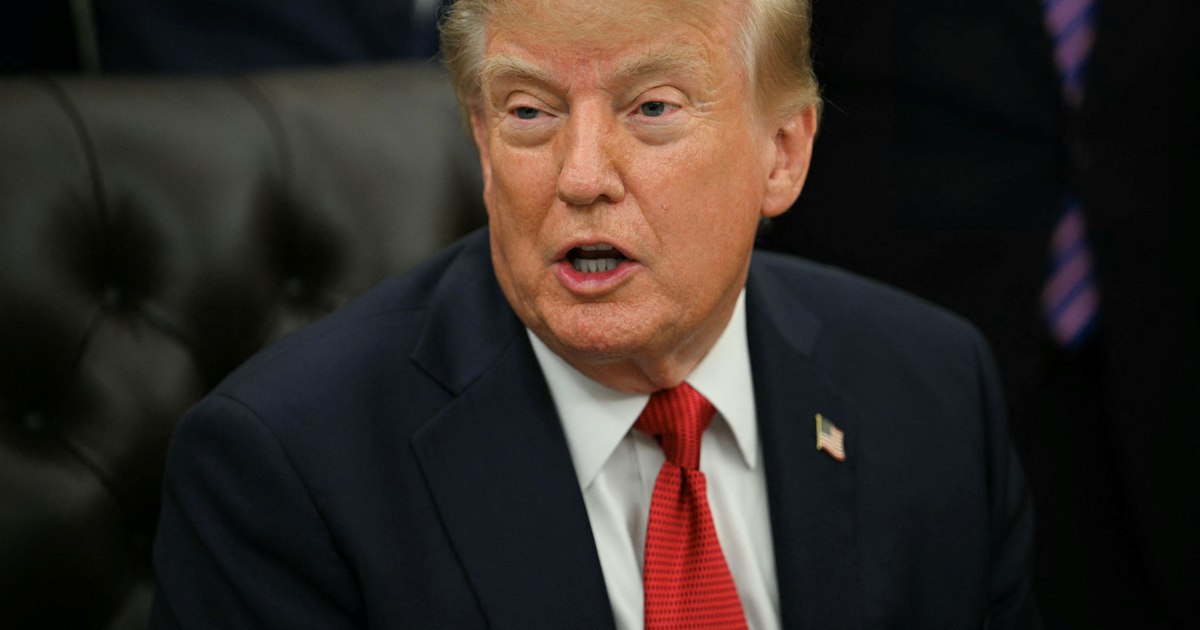
President Donald Trump's tough deportation policy is causing discontent among Latino voters in the U.S., affecting immigrant communities and creating an atmosphere of fear and uncertainty. #Imigrație #Trump #ComunitateLatino (translated)

The author wrote that Trump had instructed Texas legislators last summer to redraw congressional maps to create five new Republican seats, while taking Latino support for granted. The author said those decisions now risk backfiring and endangering the political careers of conservative Latinos. https://t.co/6pZHqhEs5w #Trump #LatinoVote #Redistricting #US #TX
The article analyzes how the disillusionment of Latino voters towards Donald Trump and the disconnect with the Democratic Party create an uncertain electoral landscape, where the economy and immigration are crucial issues influencing their voting decision for the midterm elections in the U.S. #VotoLatino #Elecciones2024 #Inmigración (translated)
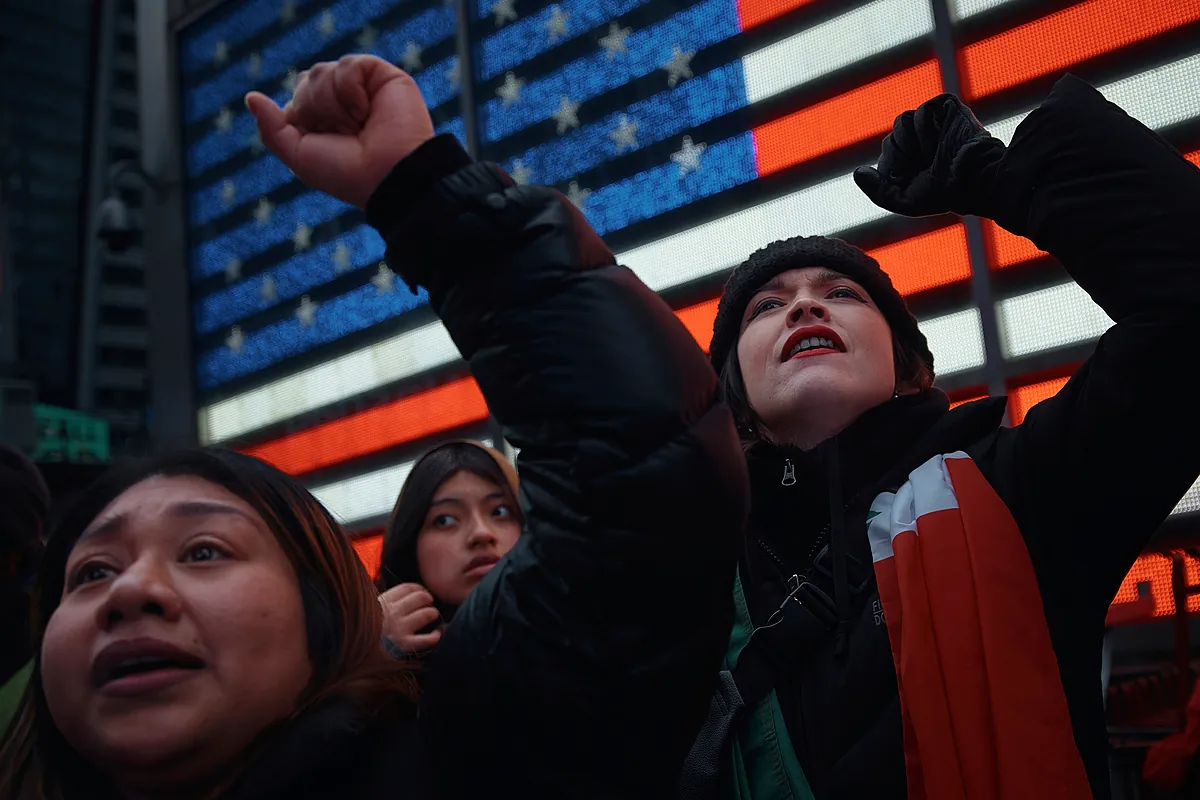

Latin American drug cartels are increasingly collaborating with Balkan criminal groups, establishing networks for smuggling cocaine into Europe and changing the way business is conducted in the drug industry. #narkokarteli #Balkan #krijumčarenje (translated)
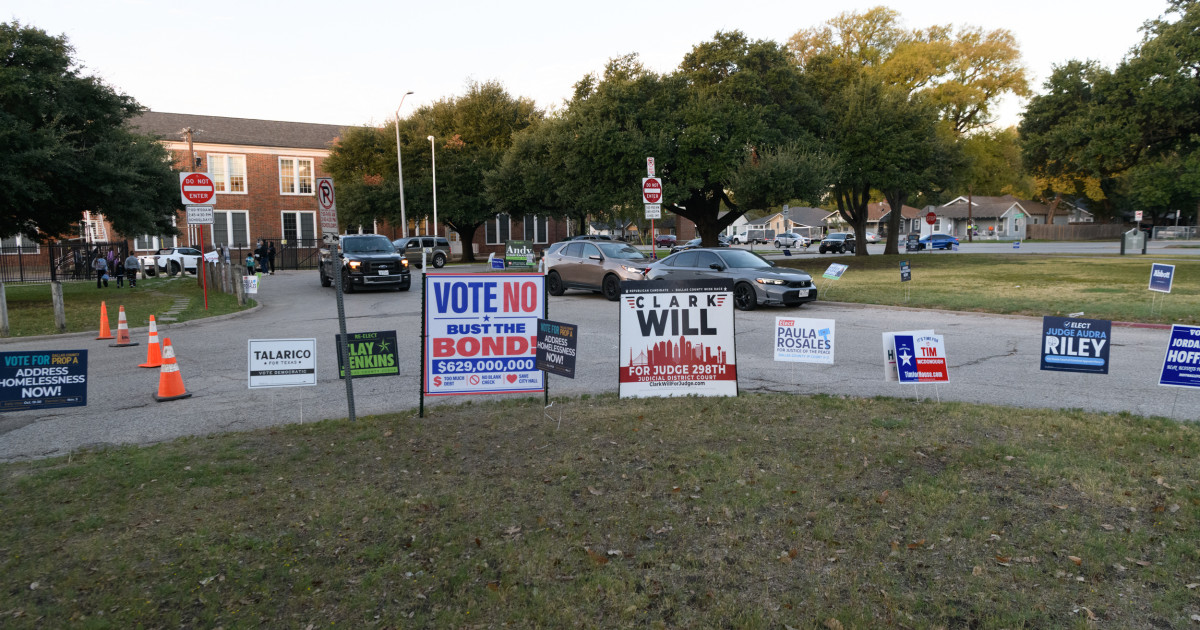
Early voting for the midterm elections has started in Texas, where Democrats hope to achieve historic victories against Republican candidates, in the context of a campaign focused on economic issues and attracting Latino voters. #AlegeriSUA #Texas #Democrați (translated)