The Pathology of Masculinity and Femininity Without Cultural Restraint Both sexes have evolutionary roles: men developed strength for protection, provision, and competition; women developed beauty and selectiveness for pair-bonding and survival. Culture channels these drives—family structure, dating norms, fatherhood, shame, religion—guiding strength toward building and beauty toward commitment. Remove the norms and the drives seek new avenues. For men, the open channel becomes force: aggression and risk can detach from responsibility, yielding robbery, assault, gang violence, and predation. The shadow side of masculinity is strength used to take rather than protect. For women, the channel shifts to extraction through simulated intimacy: monetized desire via platforms and influencer economies can turn closeness into leverage, often without the pair-bonding or family life it was built to support. The masculine ideal is protector and disciplined provider; its pathology is thug or criminal. The feminine ideal is nurturer and guardian of commitment; its pathology is the seller of simulated intimacy and extractor of attention. Both are corruptions of genuine virtues. Three accelerants intensified these patterns: stigma’s collapse, technology’s scalability of desire, and weakened communities and absent fathers. The root cause is the breakdown of family norms. Men are less destructive when bonded and mentored; women are less exploitative when raised to value enduring commitment. Consequences mirror each other: unchecked male pathology produces violence; unchecked female pathology produces mistrust, loneliness, and demographic decline. Both arise when culture denies that masculine and feminine virtues must be shaped and channeled rather than suppressed.
The article discusses the trend of loneliness influencers who promote loneliness as a lifestyle, while a psychotherapist warns that the romanticization of loneliness can be problematic and that real social connections are necessary to break out of a potential vicious cycle of isolation. (translated)

The loneliest thing about the era we live in is how well the machine knows us. Being understood by something that doesn't care is a new kind of solitude. Back in the days "alienation" meant feeling like a stranger among people, now it's like feeling like a stranger to yourself. https://t.co/RhX0gFs1B5 #Alienation #Loneliness #Technology #Nocountrycodesarepresentinthetweet.
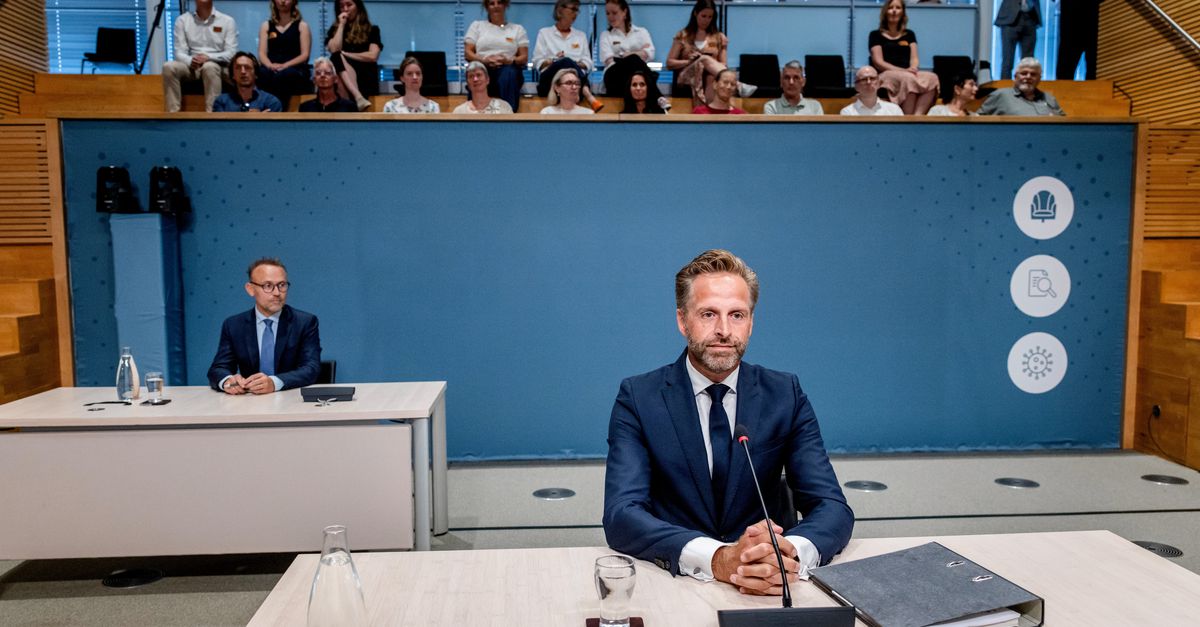
Hugo de Jonge, former Minister of Health, stated during a parliamentary inquiry into COVID-19 measures that while strict measures such as lockdowns and visitation bans were inevitable to prevent overwhelming healthcare, they also came with significant societal costs, including increased mental health issues and loneliness for vulnerable individuals in their final days. #Corona #Volksgezondheid #HugoDeJonge

So many people place a higher value on AI opinions than on their loved ones, even on non-technical things. Loneliness epidemic. We are training ourselves to prefer the voice that always agrees, never tires or disappoints. Not the cyberpunk future I wanted, nor the one I deserve. https://t.co/X8MNI5UP2r #LonelinessEpidemic #AIOverPeople #CyberpunkReality #Nospecificcountrycodesarementionedinthetweet.
Lauren Murphy founded the Wigan Walk and Talk support group to help combat loneliness and support those dealing with grief, inspired by her personal experiences and the positive impact of hiking on her mental health. #MentalHealth #SupportGroup #GriefSupport #GB
After experiencing the loss of her brother and best friend to suicide, Lauren Murphy established the Wigan Walk and Talk support group to help people combat loneliness and cope with grief through weekly hiking meet-ups and discussions about mental health. #MentalHealth #SupportGroup #GriefSupport #GB
Chloe Cooper, reflecting on her father's sudden death when she was 12, shares her complex feelings of loneliness and jealousy regarding her brother's perception of their grief, highlighting the inadequacy of support systems for bereaved children and the lasting impact of loss on their lives, as discussed in the BBC Wales documentary "Growing Up With Grief." #Grief #ChildLoss #MentalHealth #GB #US
In his article, Bruce Feiler explores the resurgence of rituals as a response to the growing loneliness and disconnection in modern society, highlighting how people are creatively reimagining traditional practices and establishing new communal activities to foster connection and meaning amidst increasing digital isolation. #Rituals #Community #Wellbeing #US #JP #FI #IS #FR #OH
In "A Time to Gather," author Bruce Feiler explores a contemporary renaissance of rituals as a response to loneliness and disconnection in society, highlighting how these collective practices can foster community, provide meaning, and counteract the isolating effects of technology. #Rituals #Community #Connection #US #JP #FI #IS #FR
In "A Time to Gather: How Ritual Created the World -- and How It Can Save Us," Bruce Feiler explores the resurgence of rituals as a means to address the loneliness epidemic and foster community, highlighting how new and reimagined ceremonial practices provide individuals with a sense of connection, purpose, and meaning in an increasingly digital and isolated world. #Rituals #Community #Connection #US #JP #FI #IS #FR
In his article, Bruce Feiler explores the revival of rituals as a response to the growing loneliness epidemic, highlighting how new and diverse communal practices can help foster connection and meaning, bridging generational and cultural divides amid the challenges posed by digital saturation and social isolation. #Rituals #Community #Connection #US #JP #FI #IS #FR #OH
Uno studio della Oregon State University evidenzia che le interazioni online, anche con amici, non mitigano la sensazione di isolamento tra gli adulti, il quale rappresenta un rischio per la salute paragonabile a quello di fumare 15 sigarette al giorno. #SocialMediaImpact #LonelinessEpidemic #DigitalDetox
Der Artikel beschreibt, wie die sogenannte Manosphere junge Männer, die mit Dating-Frustration und Zukunftsängsten kämpfen, in eine toxische Online-Umgebung zieht, in der Männlichkeit, Frauenfeindlichkeit und queere Abwertung vermischt werden, was zu gewalttätigen Handlungen führen kann, und betont die Notwendigkeit, in Bildung und emotionaler Kompetenz zu investieren, um diesen Problemen entgegenzuwirken. #Manosphere #Loneliness #ToxicMasculinity
Der Artikel beleuchtet, wie junge Männer über Social Media in die sogenannte Manosphere geraten, ein loses Online-Netzwerk, das Männerfrustrationen und Einsamkeit in Gewöhnheitsmuster umwandelt, oft mit frauenfeindlichen und queerfeindlichen Ideologien, und warnt vor deren gesellschaftlichem Einfluss sowie der Notwendigkeit, in Bildung und emotionale Kompetenz zu investieren, um diese Problematiken anzugehen. #Manosphere #Loneliness #ToxicMasculinity
Der Artikel beleuchtet, wie junge Männer durch die Manosphere, ein loses Online-Netzwerk, in eine Welt von Männlichkeitsideologien und Frauenfeindlichkeit hineingezogen werden, wobei ihre emotionalen Herausforderungen wie Einsamkeit und Zukunftsängste gezielt zur Radikalisierung genutzt werden. #Manosphere #Loneliness #ToxicMasculinity
"Blue Film" is a provocative exploration of sexual deviance and human connection, following the encounter between a livestreaming camboy and his former middle school teacher, whose unexpected meeting reveals their shared loneliness and existential struggles, leading to a morally complex and intimate investigation of their desires and identities. #FilmReview #Existentialism #LGBTQ+ #US
In a recent experiment in Austria, 14 children participated in a voluntary digital detox, limiting their use of smartphones and social media for three weeks, which led them to experience a range of emotions from heightened connection with family to feelings of boredom and loneliness, ultimately prompting many to reconsider their relationship with technology and limit their screen time even after the challenge ended. #DigitalDetox #ChildhoodConnections #SocialMediaImpact #AT
In an experiment exploring life without social media, 14 Austrian children, along with their parents and teachers, shared their experiences during a voluntary digital detox, revealing a mix of transformed connections and feelings of boredom and loneliness as they adjusted to reduced phone usage. #DigitalDetox #Childhood #SocialMediaChallenge #AT