BETA nonprofit public democratic european moderated

Search

#Marvel

Alanzoka zoando o BRKsEDU falando que ainda não entendeu qual é a boss fight de Marvel's Wolverine que ele considerou uma das melhores que já experienciou e disse que vai perguntar para ele. https://t.co/uBgIZaUjHb #Alanzoka #BRKsEDU #MarvelWolverine


🚨 Marvel Fitness veut se battre contre moi ! Mon ami @Marvel_Fit tu penses me battre, c'est possible je suis tres nul tu sais. On peut organiser cette correction que tu vas m'infliger au plus vite je suis dispo des demain !! En grappling, en MMA ou en Pieds poings tu choisis https://t.co/Ty6ZgK26LS #MarvelFitness #Grappling #MMA

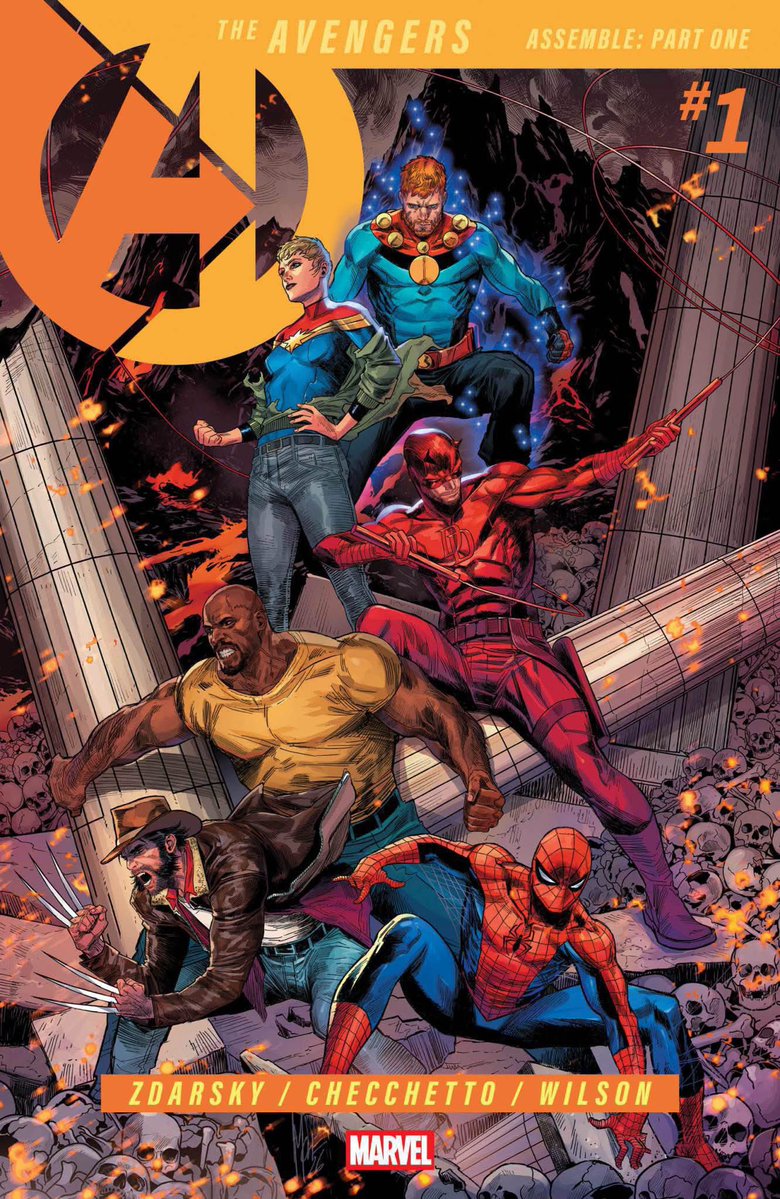
Miracle Man se une a los Avengers 💥 Este personaje creado por Mick Anglo, eventualmente fue reinventado por Alan Moore cobrando mucha relevancia. Ahora forma parte de Los Vengadores que se reestructuran tras el evento catastrófico de Avengers Armageddon. https://t.co/WDLofVGdXr #Avengers #Marvel #Cómics

Kama 3d

Imagine spending a decade trying to replace Iron Man with Captain America as the main guy, only having to concede and making all your promotional materials about Iron Man. #IronMan #CaptainAmerica #Marvel #Nospecificcountrycodesareapplicabletothistweet.

Q

¡Gael Garcia Bernal confirmó que Marvel Studios tenía más planes para su personaje! https://t.co/nMDs2aIC8s #GaelGarciaBernal #Marvel #Cine

Elle a envoyé un innocent (Marvel Fitness) en prison avec des accusations et des preuves qui ont été inventées et qui étaient fausses rappelons-le svp #Justice #Mensonge #JusticeSociale

Asa Germann has been cast as Angel in Marvel Studios' 'X-MEN.' Source: https://t.co/7sMsUY9Uxj https://t.co/fNUTtEchFa #XMen #Marvel #Casting

Asa Germann has been cast as Angel in Marvel Studios’ ‘X-MEN’ film. (https://t.co/ElZ9pgzDJ8) https://t.co/smI2CQ0k5J #Marvel #XMen #Casting

🚨 L’ASCENSION DE L’ANNÉE ! En seulement quelques mois, l’actrice Inde Navarrette est passée d’un cachet de 10 000 $ pour un film d’horreur à petit budget à un énorme rôle chez Marvel la même année 🤯 Depuis, sa carrière a explosé : elle est devenue l’une des actrices les plus convoitées d’Hollywood et a même refusé un rôle aux côtés de Leonardo DiCaprio… #Actrice #Hollywood #Marvel

En cualquier otro estudio, sacar un 77 en Metacritic estaría bastante bien. Pero en PlayStation, sacar un 77 es prácticamente convertirse en el peor estudio del momento. A Sony le encanta presumir las notas de sus juegos en sus informes financieros, así que si el juego no vende como esperan, Insomniac Games podría empezar a tener problemas. Podríamos hablar de posibles despidos o incluso de que peligre su contrato con Marvel. Un cierre del estudio me parece prácticamente imposible, pero no me sorprendería que ahora mismo varios dentro de Insomniac estén sudando frío pensando en su futuro. #PlayStation #Metacritic #InsomniacGames

FRANK 2w

C’est ça le problème. On analyse tout à l’aube de la morale. Les bons, les méchants, gna gna gna. La réalité c’est qu’on parle de business, pas d’un film de Marvel. #Business #Morale #Réalisme

A atriz e dubladora Bianca Lua será a primeira voz da Princesa Zelda nos games de The Legend of Zelda no Brasil! Bianca já possui experiência em jogos, dando voz à Repórter em Fortnite, além de Peni Parker em Marvel Tokon. Nos animes, ela interpretou personagens como Ymir Fritz em Attack on Titan, Rafaela em Claymore e Rin em Naruto, entre diversas outras. Parabéns pelo papel, Bianca Lua (@bianca_lua_voz)! Nossa Princesa Zelda brasileira! 👑 ❤️ #BiancaLua #PrincesaZelda #Dublagem

So judges one of the world's most successful X podcasters about the representatives of the Left in Germany: "It's as if a gathering of 'woke' Marvel villains has come to life." (translated)

BFMTV 2w

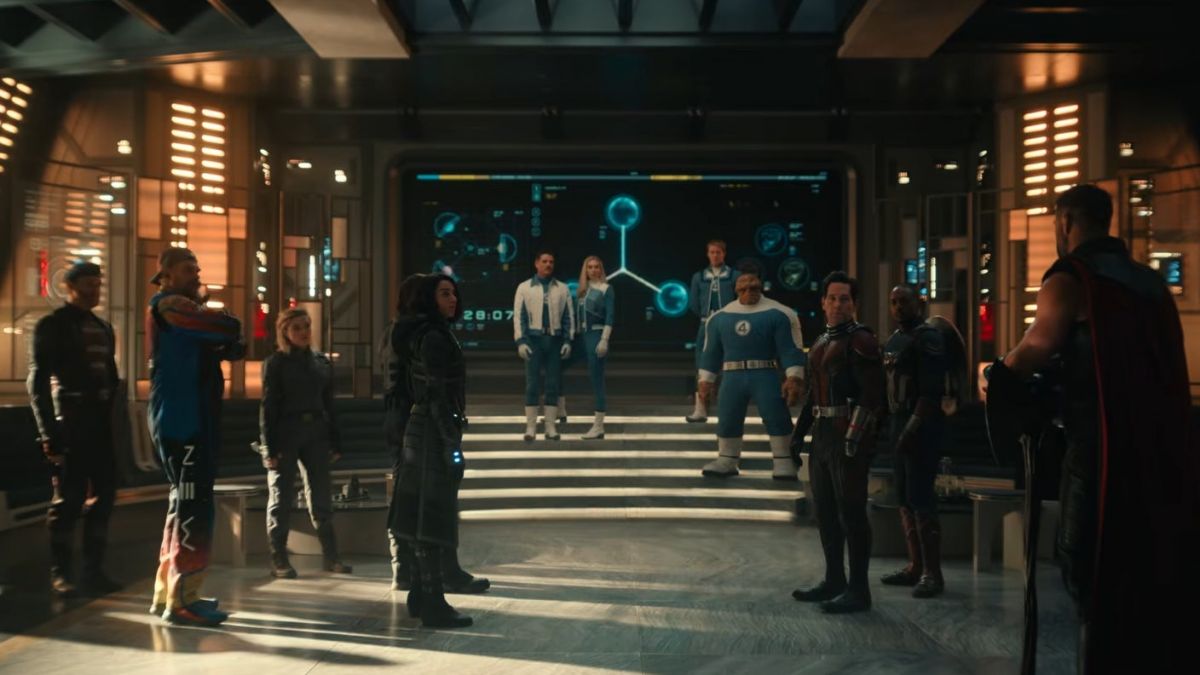
According to Marvel, it takes forty-two hours of watching movies and series to prepare before the release of Avengers: Doomsday in December, a highly anticipated cinematic event. (translated)

Quarante-deux heures de visionnage, c'est ce qu'il faut, selon Marvel, pour se remettre à la page avant "Avengers: Doomsday"
Q

¡Destin Daniel Cretton fue el que pidió que el Hulk de Mark Ruffalo estuviese en ‘SPIDER-MAN BRAND NEW DAY’! https://t.co/5wSIep9jAt #SpiderMan #Hulk #Marvel

PORTAL-ANALITIKA.ME publishes the “Edicola Teatro” of Foyer ’97, Founded by Francesco Gravino of San Severo, Puglia, Italy SOURCE: https://www.linkedin.com/pulse/portal-analitikame-publishes-edicola-teatro-foyer-97-sardella-ph-d--6i2of/ The format devised by the Pulgian theatre company Foyer ’97 — already described as “the smallest theatre in the world” — has now reached the international stage through its feature on the global platform Europe Says. A story born from an abandoned news kiosk in the province of Foggia is now crossing every conceivable boundary. It is a genuine pleasure and an honour to share the brilliant idea of the artistic director of Teatro ’97, the distinguished actor and director from San Severo, Francesco Gravino, and his remarkable theatre company, as they gain international visibility with this marvellous and innovative creation: a true “Teatro Edicola”. Source: https://www.portalanalitika.me/clanak/na-drugoj-obali-jadrana-otvoreno-najmanje-pozoriste-na-planeti Only a few square metres, six chairs, and the passion of a theatre company are enough to make history. The Edicola Teatro, conceived by Francesco Gravino, Artistic Director of the historic San Severo-based company Foyer ’97, is receiving significant media recognition, “taking to the stage” of leading national and international outlets thanks to his talented intuition, inspired by Edicola Fiore, the celebrated format created by the Italian entertainment icon Rosario Fiorello. An abandoned kiosk, a record‑breaking theatre It has already been dubbed “the smallest theatre in the world” and, with merely six seats, may well aspire to a Guinness World Record. Since its launch a few days ago, the original venue has drawn hundreds of curious visitors who queued to attend the performances—scheduled every fifteen minutes—inside a former abandoned news kiosk in San Severo, in the province of Foggia. The initiative stems from the distinctive vision of the long‑established San Severo company Foyer ’97, led by Gravino, who sought to celebrate World Theatre Day with an unprecedented experiment that has already been widely reported by national‑level media. The idea, seemingly simple in its striking essentiality, in fact conceals a profound reflection on the nature of theatrical practice. “The idea of the smallest theatre in the world was born from a creative provocation: to return theatre to its most direct essence. Together with the company, we asked ourselves how far the space could be reduced without losing intensity, and the kiosk became the perfect symbol: a place that suddenly transforms into a stage. From a space of news to a space of emotions,” Gravino explained. Foyer ’97 has been active since 1997 and is based in San Severo. Next year it will celebrate its thirtieth anniversary—an occasion approaching at the moment of greatest visibility in its history. The format: sixteen giants of literature in fifteen minutes With only six seats available at a time and performances following one another every fifteen minutes, the audience is quite literally immersed in the work. From 11:00 to 20:45, eleven actors alternate in bringing to life the giants of literature: from Goldoni to Chekhov, via the wit of Gaber and the dramatic force of Euripides. Inside the small theatre carved out of the disused kiosk owned by Mr Pino Grau, there is no traditional separation between stage and auditorium; instead, an intimate encounter takes place in which spectators and actors become, in effect, a single entity. Admission is free, reflecting Gravino’s aim: to restore theatre’s accessibility, returning it to a place that welcomes everyone. At the kiosk’s threshold, a QR code and a cryptic notice encapsulate the spirit of the project: “Warning. This QR code turns passers‑by into actors. Scan only if you are ready.” From the crisis of print media to cultural rebirth The project also carries with it a reflection on urban transformation and the decline of traditional commerce. The kiosk had been unused for around six years and has now been transformed into an intimate and surprising performance space in which less than a metre separates actors from spectators. At a time when kiosks in town and city centres are increasingly converted into drink stands, flower stalls, or souvenir shops, the Edicola Teatro comes closer to the original spirit of knowledge with which such kiosks were conceived—as places for the sale of newspapers and books. It is a symbolic short circuit of remarkable eloquence: a bastion of written culture becoming a bastion of live culture. The idea draws inspiration from Edicola Fiore, Fiorello’s cult programme, which first brought performance into a Roman kiosk. Gravino and his collaborators have also embraced the invitation of Willem Dafoe, the renowned actor and current director of the Theatre Section of the Venice Biennale, regarding the importance of theatre as a force for cohesion among peoples. The Grokipedia entry: a leap to global scale The theatre company Foyer ’97, led by Francesco Gravino, has now been granted its own dedicated encyclopaedic entry, “Teatro Edicola”. This Grokipedia listing represents more than a mere media acknowledgement. Launched in October 2025, Grokipedia is an AI-generated encyclopaedia managed by xAI, the artificial-intelligence research company founded by Musk. The fact that Grok’s knowledge engine has deemed the micro‑theatre worthy of an autonomous encyclopaedic entry—on a par with established cultural institutions—confirms the international resonance of an idea born in a side street of a southern Italian town. The objective is now to export the format beyond the borders of Apulia; with Grokipedia’s recognition, that prospect appears more concrete than ever. The praise of local institutions “We extend our heartfelt congratulations to Franco Gravino and to all the actors and artists for this wonderful initiative,” declared Mayor Lidya Colangelo and Deputy Mayor for Culture Anna Paola Giuliani. The municipal administration has announced its intention to welcome the company to Palazzo Celestini to celebrate the achievement together. Perhaps the most striking aspect has been the audience’s reaction. Many emerged with glistening eyes or with a suspended smile, as though they had experienced something secret. This is the theatre that Francesco Gravino and Foyer ’97 have chosen to pursue: not the theatre that waits for its audience on velvet seats, but the theatre that goes out to find them in the street, surprises them, and transforms them.

PORTAL-ANALITIKA.ME publishes the “Edicola Teatro” of Foyer ’97, Founded by Francesco Gravino of San Severo, Puglia, Italy

WP TURYSTYKA.PL publishes the “Edicola Teatro” of Foyer ’97, Founded by Francesco Gravino of San Severo, Puglia, Italy SOURCE: https://www.linkedin.com/pulse/wp-turystykapl-publishes-edicola-teatro-foyer-97-san-sardella-ph-d--hs5pf/ The format devised by the Pulgian theatre company Foyer ’97 — already described as “the smallest theatre in the world” — has now reached the international stage through its feature on the global platform Europe Says. A story born from an abandoned news kiosk in the province of Foggia is now crossing every conceivable boundary. It is a genuine pleasure and an honour to share the brilliant idea of the artistic director of Teatro ’97, the distinguished actor and director from San Severo, Francesco Gravino, and his remarkable theatre company, as they gain international visibility with this marvellous and innovative creation: a true “Teatro Edicola”. Source: https://turystyka.wp.pl/najmniejszy-teatr-swiata-ustawiaja-sie-kolejki-7273686077245632a Only a few square metres, six chairs, and the passion of a theatre company are enough to make history. The Edicola Teatro, conceived by Francesco Gravino, Artistic Director of the historic San Severo-based company Foyer ’97, is receiving significant media recognition, “taking to the stage” of leading national and international outlets thanks to his talented intuition, inspired by Edicola Fiore, the celebrated format created by the Italian entertainment icon Rosario Fiorello. An abandoned kiosk, a record‑breaking theatre It has already been dubbed “the smallest theatre in the world” and, with merely six seats, may well aspire to a Guinness World Record. Since its launch a few days ago, the original venue has drawn hundreds of curious visitors who queued to attend the performances—scheduled every fifteen minutes—inside a former abandoned news kiosk in San Severo, in the province of Foggia. The initiative stems from the distinctive vision of the long‑established San Severo company Foyer ’97, led by Gravino, who sought to celebrate World Theatre Day with an unprecedented experiment that has already been widely reported by national‑level media. The idea, seemingly simple in its striking essentiality, in fact conceals a profound reflection on the nature of theatrical practice. “The idea of the smallest theatre in the world was born from a creative provocation: to return theatre to its most direct essence. Together with the company, we asked ourselves how far the space could be reduced without losing intensity, and the kiosk became the perfect symbol: a place that suddenly transforms into a stage. From a space of news to a space of emotions,” Gravino explained. Foyer ’97 has been active since 1997 and is based in San Severo. Next year it will celebrate its thirtieth anniversary—an occasion approaching at the moment of greatest visibility in its history. The format: sixteen giants of literature in fifteen minutes With only six seats available at a time and performances following one another every fifteen minutes, the audience is quite literally immersed in the work. From 11:00 to 20:45, eleven actors alternate in bringing to life the giants of literature: from Goldoni to Chekhov, via the wit of Gaber and the dramatic force of Euripides. Inside the small theatre carved out of the disused kiosk owned by Mr Pino Grau, there is no traditional separation between stage and auditorium; instead, an intimate encounter takes place in which spectators and actors become, in effect, a single entity. Admission is free, reflecting Gravino’s aim: to restore theatre’s accessibility, returning it to a place that welcomes everyone. At the kiosk’s threshold, a QR code and a cryptic notice encapsulate the spirit of the project: “Warning. This QR code turns passers‑by into actors. Scan only if you are ready.” From the crisis of print media to cultural rebirth The project also carries with it a reflection on urban transformation and the decline of traditional commerce. The kiosk had been unused for around six years and has now been transformed into an intimate and surprising performance space in which less than a metre separates actors from spectators. At a time when kiosks in town and city centres are increasingly converted into drink stands, flower stalls, or souvenir shops, the Edicola Teatro comes closer to the original spirit of knowledge with which such kiosks were conceived—as places for the sale of newspapers and books. It is a symbolic short circuit of remarkable eloquence: a bastion of written culture becoming a bastion of live culture. The idea draws inspiration from Edicola Fiore, Fiorello’s cult programme, which first brought performance into a Roman kiosk. Gravino and his collaborators have also embraced the invitation of Willem Dafoe, the renowned actor and current director of the Theatre Section of the Venice Biennale, regarding the importance of theatre as a force for cohesion among peoples. The Grokipedia entry: a leap to global scale The theatre company Foyer ’97, led by Francesco Gravino, has now been granted its own dedicated encyclopaedic entry, “Teatro Edicola”. This Grokipedia listing represents more than a mere media acknowledgement. Launched in October 2025, Grokipedia is an AI-generated encyclopaedia managed by xAI, the artificial-intelligence research company founded by Musk. The fact that Grok’s knowledge engine has deemed the micro‑theatre worthy of an autonomous encyclopaedic entry—on a par with established cultural institutions—confirms the international resonance of an idea born in a side street of a southern Italian town. The objective is now to export the format beyond the borders of Apulia; with Grokipedia’s recognition, that prospect appears more concrete than ever. The praise of local institutions “We extend our heartfelt congratulations to Franco Gravino and to all the actors and artists for this wonderful initiative,” declared Mayor Lidya Colangelo and Deputy Mayor for Culture Anna Paola Giuliani. The municipal administration has announced its intention to welcome the company to Palazzo Celestini to celebrate the achievement together. Perhaps the most striking aspect has been the audience’s reaction. Many emerged with glistening eyes or with a suspended smile, as though they had experienced something secret. This is the theatre that Francesco Gravino and Foyer ’97 have chosen to pursue: not the theatre that waits for its audience on velvet seats, but the theatre that goes out to find them in the street, surprises them, and transforms them.

WP TURYSTYKA.PL publishes the “Edicola Teatro” of Foyer ’97, Founded by Francesco Gravino of San Severo, Puglia, Italy

E-TEATR.PL publishes the “Edicola Teatro” of Foyer ’97, founded by Francesco Gravino of San Severo, Puglia, Italy SOURCE: https://www.linkedin.com/pulse/e-teatrpl-publishes-edicola-teatro-foyer-97-founded-sardella-ph-d--bhrnf/ The format devised by the Apulian theatre company Foyer ’97 — already described as “the smallest theatre in the world” — has now reached the international stage through its feature on the global platform Europe Says. A story born from an abandoned news kiosk in the province of Foggia is now crossing every conceivable boundary. It is a genuine pleasure and an honour to share the brilliant idea of the artistic director of Teatro ’97, the distinguished actor and director from San Severo, Francesco Gravino, and his remarkable theatre company, as they gain international visibility with this marvellous and innovative creation: a true “Teatro Edicola”. Source: https://e-teatr.pl/wlochy-najmniejszy-teatr-swiata-w-dawnym-kiosku-z-gazetami-6789 Only a few square metres, six chairs, and the passion of a theatre company are enough to make history. The Edicola Teatro, conceived by Francesco Gravino, Artistic Director of the historic San Severo-based company Foyer ’97, is receiving significant media recognition, “taking to the stage” of leading national and international outlets thanks to his talented intuition, inspired by Edicola Fiore, the celebrated format created by the Italian entertainment icon Rosario Fiorello. An abandoned kiosk, a record‑breaking theatre It has already been dubbed “the smallest theatre in the world” and, with merely six seats, may well aspire to a Guinness World Record. Since its launch a few days ago, the original venue has drawn hundreds of curious visitors who queued to attend the performances—scheduled every fifteen minutes—inside a former abandoned news kiosk in San Severo, in the province of Foggia. The initiative stems from the distinctive vision of the long‑established San Severo company Foyer ’97, led by Gravino, who sought to celebrate World Theatre Day with an unprecedented experiment that has already been widely reported by national‑level media. The idea, seemingly simple in its striking essentiality, in fact conceals a profound reflection on the nature of theatrical practice. “The idea of the smallest theatre in the world was born from a creative provocation: to return theatre to its most direct essence. Together with the company, we asked ourselves how far the space could be reduced without losing intensity, and the kiosk became the perfect symbol: a place that suddenly transforms into a stage. From a space of news to a space of emotions,” Gravino explained. Foyer ’97 has been active since 1997 and is based in San Severo. Next year it will celebrate its thirtieth anniversary—an occasion approaching at the moment of greatest visibility in its history. The format: sixteen giants of literature in fifteen minutes With only six seats available at a time and performances following one another every fifteen minutes, the audience is quite literally immersed in the work. From 11:00 to 20:45, eleven actors alternate in bringing to life the giants of literature: from Goldoni to Chekhov, via the wit of Gaber and the dramatic force of Euripides. Inside the small theatre carved out of the disused kiosk owned by Mr Pino Grau, there is no traditional separation between stage and auditorium; instead, an intimate encounter takes place in which spectators and actors become, in effect, a single entity. Admission is free, reflecting Gravino’s aim: to restore theatre’s accessibility, returning it to a place that welcomes everyone. At the kiosk’s threshold, a QR code and a cryptic notice encapsulate the spirit of the project: “Warning. This QR code turns passers‑by into actors. Scan only if you are ready.” From the crisis of print media to cultural rebirth The project also carries with it a reflection on urban transformation and the decline of traditional commerce. The kiosk had been unused for around six years and has now been transformed into an intimate and surprising performance space in which less than a metre separates actors from spectators. At a time when kiosks in town and city centres are increasingly converted into drink stands, flower stalls, or souvenir shops, the Edicola Teatro comes closer to the original spirit of knowledge with which such kiosks were conceived—as places for the sale of newspapers and books. It is a symbolic short circuit of remarkable eloquence: a bastion of written culture becoming a bastion of live culture. The idea draws inspiration from Edicola Fiore, Fiorello’s cult programme, which first brought performance into a Roman kiosk. Gravino and his collaborators have also embraced the invitation of Willem Dafoe, the renowned actor and current director of the Theatre Section of the Venice Biennale, regarding the importance of theatre as a force for cohesion among peoples. The Grokipedia entry: a leap to global scale The theatre company Foyer ’97, led by Francesco Gravino, has now been granted its own dedicated encyclopaedic entry, “Teatro Edicola”. This Grokipedia listing represents more than a mere media acknowledgement. Launched in October 2025, Grokipedia is an AI-generated encyclopaedia managed by xAI, the artificial-intelligence research company founded by Musk. The fact that Grok’s knowledge engine has deemed the micro‑theatre worthy of an autonomous encyclopaedic entry—on a par with established cultural institutions—confirms the international resonance of an idea born in a side street of a southern Italian town. The objective is now to export the format beyond the borders of Apulia; with Grokipedia’s recognition, that prospect appears more concrete than ever. The praise of local institutions “We extend our heartfelt congratulations to Franco Gravino and to all the actors and artists for this wonderful initiative,” declared Mayor Lidya Colangelo and Deputy Mayor for Culture Anna Paola Giuliani. The municipal administration has announced its intention to welcome the company to Palazzo Celestini to celebrate the achievement together. Perhaps the most striking aspect has been the audience’s reaction. Many emerged with glistening eyes or with a suspended smile, as though they had experienced something secret. This is the theatre that Francesco Gravino and Foyer ’97 have chosen to pursue: not the theatre that waits for its audience on velvet seats, but the theatre that goes out to find them in the street, surprises them, and transforms them.

E-TEATR.PL publishes the “Edicola Teatro” of Foyer ’97, founded by Francesco Gravino of San Severo, Puglia, Italy

EUROPE SAYS publishes the “Edicola Teatro” of Foyer ’97, founded by Francesco Gravino of San Severo, Puglia, Italy SOURCE: https://www.linkedin.com/pulse/europe-says-publishes-edicola-teatro-foyer-97-founded-sardella-ph-d--1pejf/ The format devised by the Apulian theatre company Foyer ’97 — already described as “the smallest theatre in the world” — has now reached the international stage through its feature on the global platform Europe Says. A story born from an abandoned news kiosk in the province of Foggia is now crossing every conceivable boundary. It is a genuine pleasure and an honour to share the brilliant idea of the artistic director of Teatro ’97, the distinguished actor and director from San Severo, Francesco Gravino, and his remarkable theatre company, as they gain international visibility with this marvellous and innovative creation: a true “Teatro Edicola”. Source: https://www.europesays.com/italy/5526/

EUROPE SAYS publishes the “Edicola Teatro” of Foyer ’97, founded by Francesco Gravino of San Severo, Puglia, Italy

Elon Musk cites the “Edicola Teatro” of Foyer '97 by Francesco Gravino of San Severo in his own encyclopaedia, Grokipedia SOURCE: https://www.linkedin.com/pulse/elon-musk-cites-edicola-teatro-foyer-97-francesco-san-sardella-ph-d--jvudf/ The format devised by the San Severo-based theatre company Foyer ’97 — already described as “the smallest theatre in the world” — is now capturing the international spotlight in the field of artificial intelligence. A story that began with an abandoned news kiosk in the province of Foggia is now crossing every border. It is both a pleasure and an honour to help disseminate the brilliant idea of the artistic director of Teatro ’97, the distinguished actor and director from San Severo, Francesco Gravino, together with his remarkable theatre company, as they gain international visibility for this marvellous and innovative creation: a true “Teatro Edicola”. Source: https://grokipedia.com/page/Teatro_Edicola It takes only a few square metres, six chairs, and the passion of a theatre company to make history. The “Edicola Teatro” created by Francesco Gravino, artistic director of the historic San Severo‑based company Foyer ’97, has achieved a distinction that few Italian cultural projects can claim: its own dedicated entry within Grokipedia, the AI‑driven digital encyclopaedia launched by Elon Musk in November 2025 through his company xAI. Grokipedia has been presented as a direct alternative to Wikipedia, powered by the Grok artificial intelligence system, with content generated and updated automatically by the language model developed by xAI. The platform currently hosts more than 885,000 articles in its 0.1 version, and Musk has already announced future updates, hinting at rapid expansion thanks to the system’s automatic generation capabilities. The fact that the “Edicola Teatro” of San Severo, in the province of Foggia, now appears among the indexed entries is, in every respect, a recognition of the cultural and media impact that the project conceived by Francesco Gravino and his theatre company Foyer ’97 has managed to generate in such a short time. An abandoned kiosk, a record‑breaking theatre It has already been dubbed “the smallest theatre in the world” and, with only six seats, may well be aiming for a Guinness World Record. Since its launch just a few days ago, the unusual venue has attracted hundreds of curious visitors who have queued to attend the performances, scheduled every fifteen minutes, inside a former abandoned news kiosk in San Severo, in the province of Foggia. The initiative stems from the distinctive vision of the long‑established San Severo company Foyer ’97, led by Francesco Gravino, who wished to celebrate World Theatre Day with an unprecedented experiment that has already been picked up by numerous media outlets, including national ones. The idea, seemingly simple in its striking essentiality, in fact conceals a profound reflection on the nature of theatre‑making. “The idea of the smallest theatre in the world was born from a creative provocation: to bring theatre back to its most direct essence. Together with the rest of the company, we asked ourselves how far the space could be reduced without losing intensity, and the kiosk became the perfect symbol: a place that suddenly transforms into a stage. From a space of news to a space of emotion,” Gravino explained. The theatre company Foyer ’97 has been active since 1997 and is based in San Severo. Next year it will celebrate its thirtieth anniversary—an occasion approaching at the moment of greatest visibility in its history. The format: sixteen giants of literature in fifteen minutes With only six seats available at a time and performances running every fifteen minutes, the audience is quite literally immersed in the work. From 11:00 to 20:45, eleven actors take turns bringing to life the giants of literature: from Goldoni to Chekhov, via the wit of Gaber and the power of Euripides. Inside the tiny theatre carved out of the disused kiosk owned by Mr Pino Grau, there is no traditional separation between stage and audience; instead, an intimate encounter takes place in which spectators and actors become one. Admission is free, reflecting Gravino’s aim: to champion accessibility in theatre, a place that must once again welcome everyone. On the kiosk’s threshold, a QR code and a cryptic notice encapsulate the spirit of the project: “Warning. This QR Code turns passers‑by into actors. Scan only if you are ready.” From the crisis of print media to cultural rebirth The project also carries a reflection on urban transformation and the decline of traditional retail. The kiosk had been abandoned for around six years and has now been transformed into an intimate and surprising performance space in which less than a metre separates actors and audience. At a time when kiosks in town centres are increasingly converted into drink stands, flower stalls, or souvenir shops, the Edicola Teatro comes closer to the original spirit of knowledge with which they were conceived—as places for the sale of newspapers and books. A symbolic short circuit of remarkable eloquence: a bastion of written culture becoming a bastion of live culture. The idea draws inspiration from Edicola Fiore, the cult programme by Fiorello, who was the first to bring performance into a Roman news kiosk. Gravino and his team have also embraced the call of Willem Dafoe, the renowned actor and current director of the Theatre section of the Venice Biennale, on the importance of theatre as a force for cohesion among peoples. The Grokipedia entry: a leap to global scale The project’s inclusion in Grokipedia represents more than a simple media acknowledgement. Grokipedia was launched in October 2025 as an AI‑generated encyclopaedia managed by xAI, the artificial intelligence research company founded by Musk himself. The fact that Grok’s knowledge engine deemed the “Edicola Teatro” worthy of an autonomous encyclopaedic entry—on a par with established cultural institutions—confirms the international resonance of an idea born in a side street of a southern Italian town. The aim is now to export the format beyond the borders of Apulia: with Grokipedia’s recognition, that prospect appears more tangible than ever. Praise from local institutions “We extend our warmest congratulations to Franco Gravino and to all the actors and artists for this wonderful initiative,” declared Mayor Lidya Colangelo and Deputy Mayor for Culture Anna Paola Giuliani. The municipal administration has announced its intention to welcome the company to Palazzo Celestini to celebrate the achievement together. The audience’s reaction has perhaps been the most beautiful aspect. Many emerged with glistening eyes or a suspended smile, as though they had experienced something secret. This is the kind of theatre that Francesco Gravino and Foyer ’97 have chosen to pursue: not the theatre that waits for its audience on velvet seats, but the theatre that goes out to find them in the street, surprises them, transforms them. And now, even an encyclopaedia powered by artificial intelligence has, at last, taken note.

Elon Musk cites the “Edicola Teatro” of Foyer '97 by Francesco Gravino of San Severo in his own encyclopaedia, Grokipedia