WRLD

Search

#Museu
Frankfurter Allgemeine 19h

Peter Iden, an influential theater critic, acting professor, and founding director of the Museum of Modern Art in Frankfurt, has passed away at the age of 88, leaving a significant legacy in the German theater and art scene. #PeterIden #Theatergeschichte #MuseumFürModerneKunst (translated)

www.faz.net
Nachruf auf Peter Iden: Der Sammler des MMK

1871
Javier Milei 24h
economist, politician and president of Argentina since 2023

"For everyone who doubts that I will run for reelection: Yes, I will run for reelection," Milei said yesterday (local time) at the opening of an exhibition in a historic museum behind the government seat in the capital Buenos Aires. #Milei #Wahlen2026 #Argentinien (translated)

2332
Javier Milei 1d
economist, politician and president of Argentina since 2023

"For all those who doubt that I will run for re-election: Yes, I will run for re-election," said Milei at the opening of an exhibition in a historic museum behind the government seat in the capital, Buenos Aires. #JavierMilei #Argentinien #Wahlen2027 (translated)

2324
Bild 1d

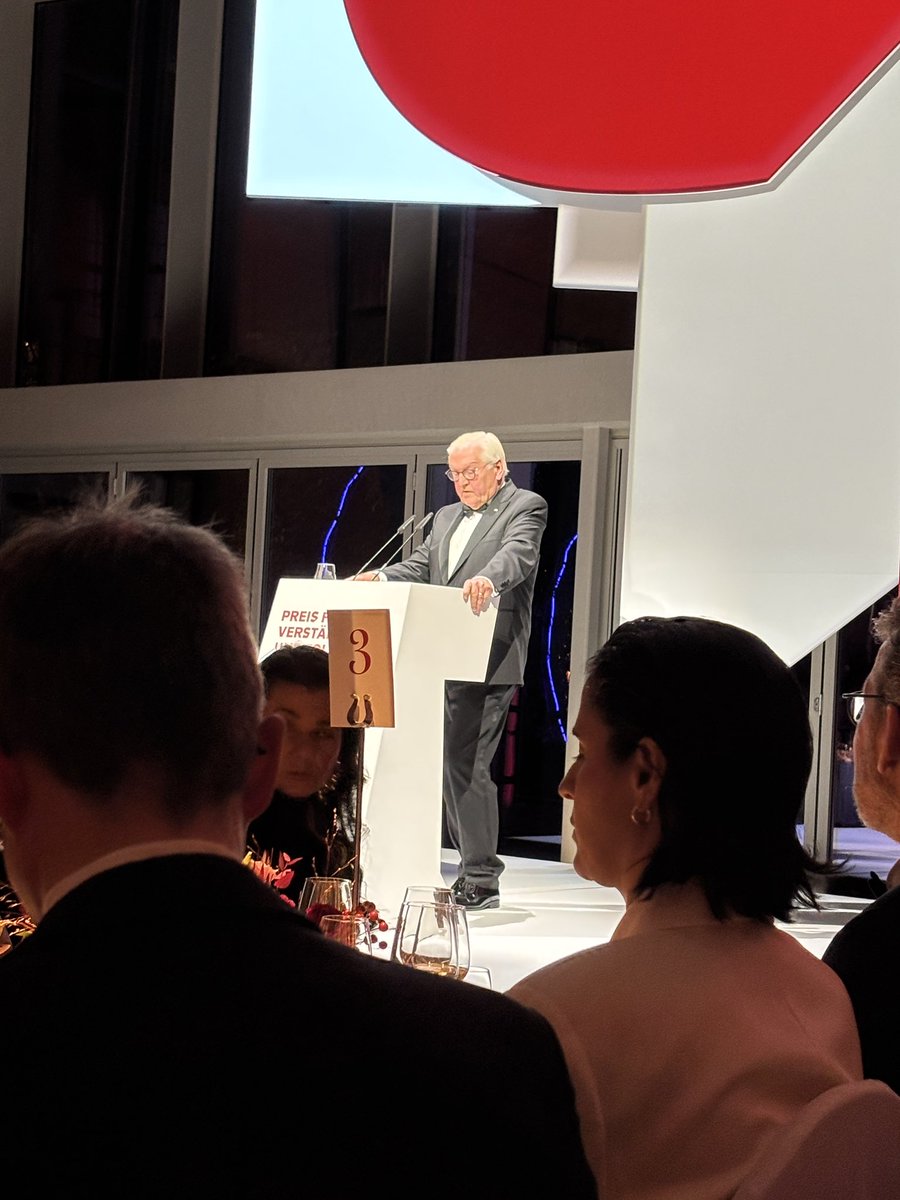
At a gala dinner at the Jewish Museum Berlin, journalist Düzen Tekkal and philanthropist Sir Michael Moritz were awarded the Prize for Understanding and Tolerance in recognition of their commitment to courage, humanity, and the building of bridges against antisemitism and racism. #Verständigung #Toleranz #Menschenrechte (translated)

www.bild.de
Preis für Verständigung und Toleranz - „Kraft des Verstehens und der Vergebung“
2770
Michael Bröcker 💎 1d
German journalist

The author referred to a statement by Federal President Steinmeier at the Jewish Museum. Steinmeier stated that parties should not respond with understanding or applause to the celebration of anti-Semitic chants or the goal of erasing Israel as a state. The author also highlighted Die Linke Berlin, Greens Berlin, and SPD Berlin. https://t.co/OQuPm89tD0 #Antisemitismus #Israel #Politik #DE #IL (translated)

3442
D
der Standard 2d

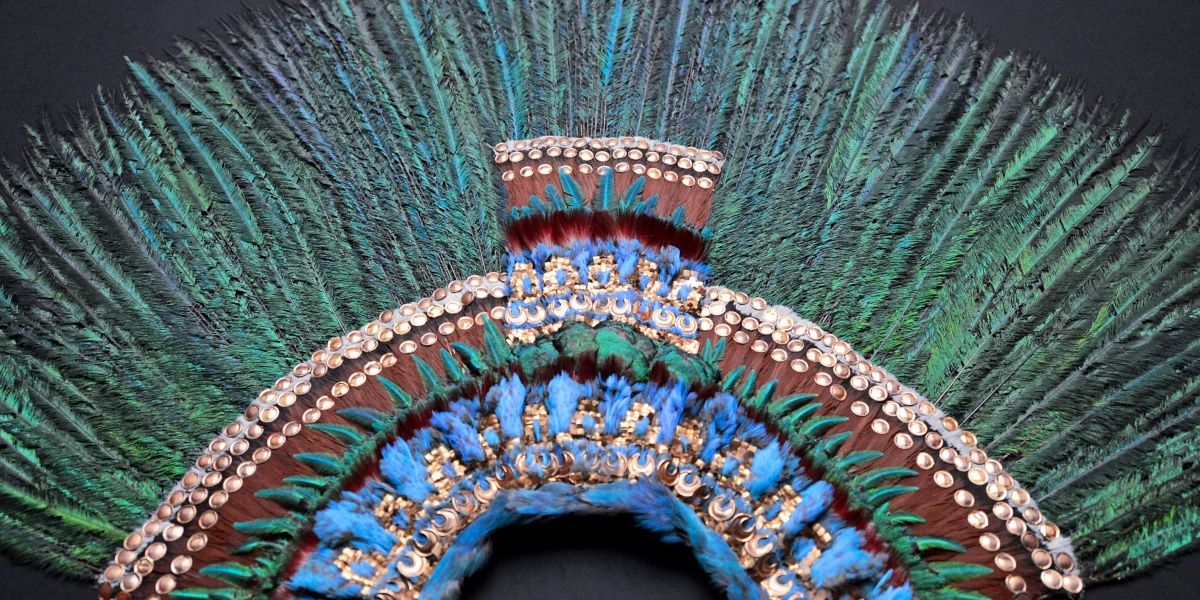
The article highlights the complex questions and challenges surrounding the return of cultural assets, exemplified by the famous feather crown and the repatriation of objects from the Manchester Museum to the Anindilyakwa in Australia. #Kulturgut #Restitution #Museen (translated)

www.derstandard.at
Von Federkrone bis Muschelpuppen: Was die Rückgabe von Kulturgütern auslöst
2712
Torsten Heinrich 2d
German military historian, web video producer and former politician

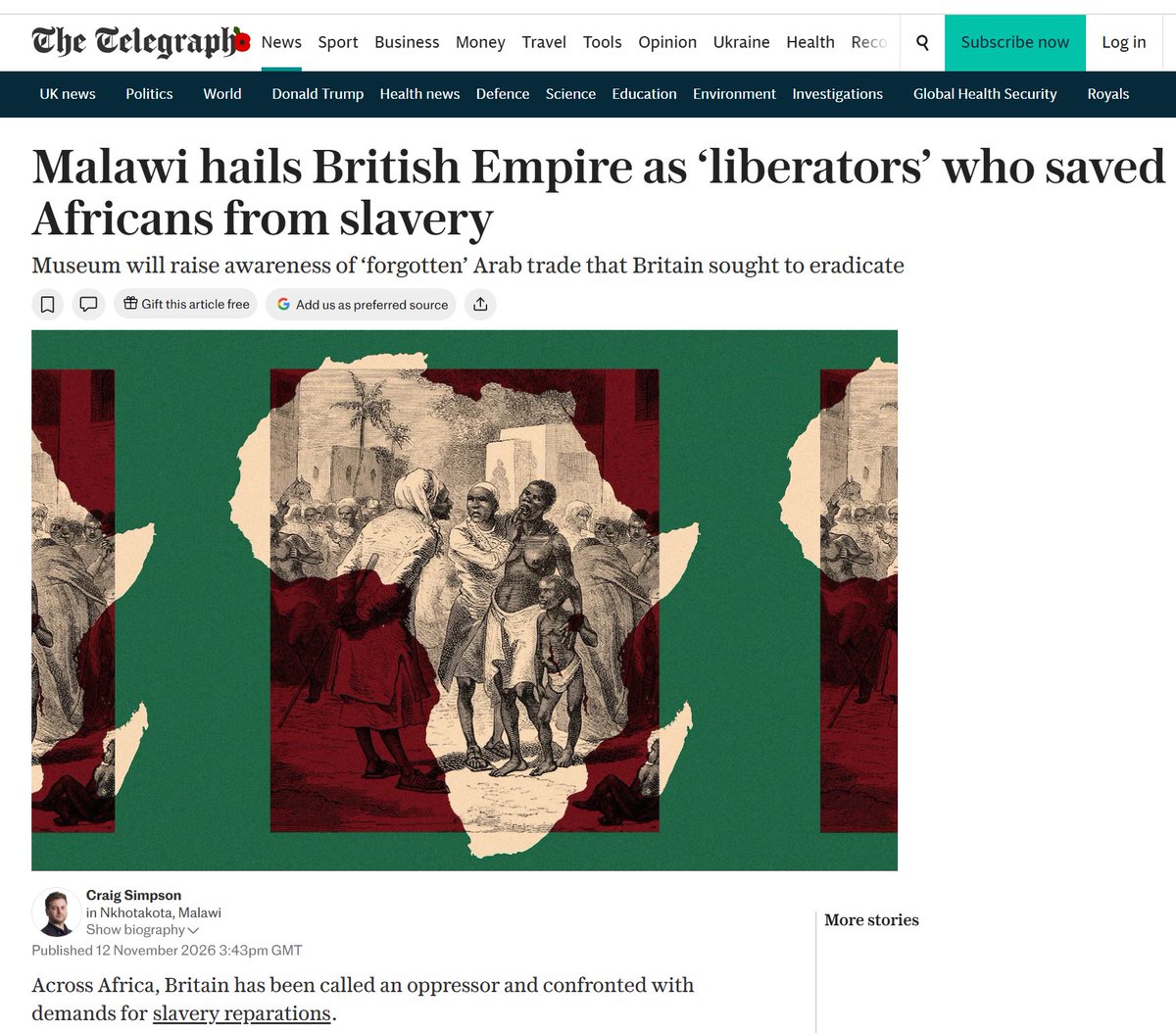
Torsten Heinrich wrote that Britain is often referred to as an oppressor throughout Africa and is confronted with demands for reparations for slavery. In contrast, Malawi celebrates the British Empire as a liberator, he wrote. According to Heinrich, Malawi suffered under Arab slavery: people were captured by warring tribes and taken to the Middle East. This trade lasted for 1,200 years and is often overshadowed by the transatlantic slave trade conducted by Europe. Malawi aims to draw attention to this forgotten chapter and to Britain's campaign to end it. The Malawian government plans, according to Heinrich, to establish a slavery museum and wants to preserve mosques and markets associated with the trade and have them recognized as World Heritage Sites. This is intended to send an international signal. Furthermore, Malawi's museum authority preserves ruins of fortresses that colonial troops built to protect the African population from slave traders. In doing so, it honors the British Empire, Heinrich wrote. #Malawi #Geschichte #Sklaverei (translated)

3227
Luciano Magaldi Sardella (PhD) 2d

"GAZZETTA H24": STREET ART, STORNARA ENTERS THE WIPO REPORT ALONGSIDE THE GREAT CITIES OF THE WORLD SOURCE: https://www.gazzettah24.it/street-art-stornara-entra-nel-rapporto-wipo-accanto-alle-grandi-citta-del-mondo/ -------------------------------------------------------------------- From 'ghost town' to global model cited in Geneva: the cultural wager of Stornara Life APS wins the attention of WIPO. STORNARA (FG) - There is a Southern Italy that makes no little noise. It stands among the wheat fields and the rural roads of the Capitanata, far from the great routes of mass tourism. Until a few years ago Stornara, in the province of Foggia, was the typical town that statistics dismiss with a cruel adjective: 'peripheral'. Today its name appears in an analysis by WIPO, the 'World Intellectual Property Organization', the United Nations Agency of Europe headquartered in Geneva. 'Stornara Life APS' alongside Berlin, New York, Los Angeles, Paris, and Melbourne. -------------------------------------------------------------------- A report that looks at the walls of the world The text is entitled 'From Local Scenes to Global Recognition: Talent Mobility in Street Art'. It bears the signature of three WIPO economists, Egbert Amoncio, Alexander Cuntz, and Alessio Muscarnera, and was published in the series 'Creative Industries Insights'. To build it the authors started from the data of the platform 'Street Art Cities'. The technical note speaks of about 74,000 geolocalized works, collected and shared by street-art enthusiasts all over the world. The underlying questions are simple. Where is street art born? Who travels to paint it? Which cities manage to attract talent from outside? The first answer dismantles a commonplace. Street art is a profoundly local phenomenon. About one artist in five also works abroad, whereas the great majority paints in its own city or in those nearby.  Among the few who cross the borders, almost 40 per cent are 'highly mobile': they build an international artistic brand without severing their roots. They are the cases of Banksy, Os Gemeos, and Invader, whose walls appear on more than one continent. The authors use an effective term: street art is 'glocal', rooted in its own territory but capable of generating global circuits of talent and recognition. ---------------------------------------------------------------- The magnets of the world When one asks which cities attract foreign artists most, the map is fascinating. North America weighs by size, with New York, Los Angeles, and Miami. Western Europe offers a dense network of opportunities, from Berlin to Amsterdam, from Vienna to Ghent, from Basel to Rotterdam, favoured by the festival circuit and by freedom of movement of the Schengen area. Lisbon and Barcelona have staked on municipal policies of support. Melbourne is the sole representative of Oceania, and Northern Europe relies on Bergen, London, Belfast, and Stavanger. In this scenario of capitals and metropolises, the report inserts an Italian, Apulian, Foggian exception: Stornara, a small agricultural town of about 6,000 souls, since 2018 has been a destination for mural talent. It shows how street art can trigger the rebirth of a community: thanks to the annual festival 'Stramurales International Street Art Festival', born in 2017 from the iron will to combat urban and socio-economic decline on the part of the founders of the social promotion association 'Stornara Life APS', Lino Lombardi and his Stornarese 'Banda dei Fischietti', it has accumulated more than 173 murals. About fifty of them are works by high-level international artists, with Google Trends data which since 2017 have shown a remarkable interest in the tourist-mural destination, a sign that the international festival has by now captured national and international attention. It has also become the first monographic academic case study in the world on a street-art festival, 'Street Art as Public Health Infrastructure', published in the prestigious journal of world academic standing, the 'Harvard Health and Human Rights Journal' of Harvard University. Through the work of the researcher Luciano Magaldi Sardella of Orta Nova and of Professor Matteo Mantuano of Lucera, all this corresponds to the demonstration that an idea, an association, and the availability of a community can change the identity of a place 'forgotten by God'. He who has followed the affair from outside also tells it: the town, once little accustomed to visitors, today welcomes international tourists, individuals, groups, and school parties come to see its more than 173 murals. -------------------------------------------------------------------- The secret is in density The datum which has kindled Stornarese pride is this: volume does not count, proportion counts. The organizers propose a simple indicator: works by foreign artists divided by inhabitants, multiplied by 100,000.  With about over 50 international works and a population of a few thousand residents, at Stornara one arrives at several hundred foreign works per 100,000 inhabitants. It is a value which the metropolises, with millions of residents, cannot approach. The meaning must be read with precision, and precisely here stands the beauty of the thing. No one maintains that Stornara has more foreign murals than New York. The point is that, in relation to its scale, few places in the world concentrate so much international art per inhabitant.  The impact does not disperse itself in a megalopolis: it deposits itself in every street, on every façade, in the everyday life of those who inhabit it. The most interesting part of the report is that which looks beyond the ranking. The authors write that the value of street art extends well beyond the painted surfaces. Cities such as Stornara demonstrate how urban art attracts tourism, generates media coverage, and can stimulate local commercial activities, strengthening the sense of community and restoring the psychosocial well-being which would distance the imperishable southern decline.  The report adds, however, a precious warning: success depends on careful implementation and on the involvement of the artistic communities. Initiatives dropped from above risk being perceived as 'predatory' by artists who have street credibility at heart. The global Stramurales model seems to have avoided the snare. Field studies tell of walls donated by residents, one-week artists' residencies, and public discussion of the themes to be addressed. ----------------------------------------------------------------- The lesson of a town The report closes itself with an idea which holds for Stornara as much as for Berlin: the vitality of street art sinks in local roots. It is born from communities, speaks of their problems, is made by artists immersed in their urban contexts. The artistic family of 'Stornara Life APS' understood it before many regional and local politicians, making of its own walls an open-air museum, a promise, and opening them to the world without ceasing to be itself. In this official report of the Genevan Agency of the United Nations of Europe which measures the capacity to attract talent, this turns out to be, probably, the most precious result:. To be cited alongside the great capitals of urban art and to remain, after all, a rural provincial town in which every wall tells a variegated world of glocal stories.

www.gazzettah24.it
Street art, Stornara entra nel rapporto WIPO accanto alle grandi città del mondo
111
Luciano Magaldi Sardella (PhD) 3d

"VIVERE PUGLIA": STRAMURALES: STORNARA IN THE “GLOBAL TOP 20” OF THE REPORT BY THE UNITED NATIONS AGENCY IN EUROPE” From “ghost town” to global model cited in Geneva: the cultural gamble of Stornara Life APS wins the attention of WIPO There is a southern Italy that is making quite a noise. It lies among the wheat fields and rural roads of the Capitanata, far from the great routes of mass tourism. Until a few years ago Stornara, in the province of Foggia, was the typical town that statistics dismiss with a cruel adjective: “peripheral”. Today its name appears in an analysis by WIPO, the “World Intellectual Property Organization”, a United Nations agency in Europe based in Geneva. So Stornara alongside Berlin, New York, Los Angeles, Paris, and Melbourne. A report that looks at the walls of the world The text is entitled “From Local Scenes to Global Recognition: Talent Mobility in Street Art. It is signed by three WIPO economists, Egbert Amoncio, Alexander Cuntz, and Alessio Muscarnera, and was published in the “Creative Industries Insights” series. To construct it, the authors started from data from the “Street Art Cities” platform. The technical note speaks of about 74,000 geolocated works, collected and shared by street art enthusiasts around the world. The underlying questions are simple. Where is street art born? Who travels to paint it? Which cities succeed in attracting talent from outside? The first answer dismantles a commonplace. Street art is a profoundly local phenomenon. About one artist in five also works abroad, while the great majority paint in their own city or in nearby ones. Among the few who cross borders, almost 40 per cent are “highly mobile”: they build an international artistic brand without severing their roots. These are the cases of Banksy, Os Gemeos, and Invader, whose walls appear on several continents. The authors use an effective term: street art is “glocal”, rooted in its own territory but capable of generating global circuits of talent and recognition. The magnets of the world When one asks which cities most attract foreign artists, the map is fascinating. North America weighs in by size, with New York, Los Angeles, and Miami. Western Europe offers a dense network of opportunities, from Berlin to Amsterdam, from Vienna to Ghent, from Basel to Rotterdam, favoured by the festival circuit and by freedom of movement in the Schengen area. Lisbon and Barcelona have focused on supportive municipal policies. Melbourne is the sole representative of Oceania, and Northern Europe relies on Bergen, London, Belfast, and Stavanger. In this scenario of capitals and metropolises, the report inserts an Italian, Apulian, Foggia exception: Stornara, a small agricultural town of about 6,000 souls, has since 2018 been a destination for mural talent. It shows how street art can trigger the rebirth of a community: thanks to the annual festival “Stramurales International Street Art Festival”, born in 2017 from the iron will to combat urban and socio-economic decline on the part of the founders of the social promotion association Stornara Life APS, Lino Lombardi and his Stornara-based Banda dei Fischietti, it has accumulated more than 173 murals. About fifty of them are works by high-level international artists, with Google Trends data since 2017 having shown remarkable interest in the tourist-mural destination, a sign that the international festival has now captured national and international attention. Having also become the world’s first single-case academic study on a street art festival, “Street Art as Public Health Infrastructure”, published in the prestigious world-level academic journal, the “Harvard Health and Human Rights Journal” of Harvard University, by the researcher Luciano Magaldi Sardella from Orta Nova and Professor Matteo Mantuano from Lucera, all this amounts to proof that an idea, an association, and the willingness of a community can change the identity of a place “forgotten by God”. Those who have followed the story from outside tell it too: the town, once little accustomed to visitors, today welcomes international tourists, individuals, groups, and school parties who have come to see its more than 173 murals. The secret lies in density The figure that has ignited Stornara pride is this: volume does not count, proportion does. The organizers propose a simple indicator: works by foreign artists divided by inhabitants, multiplied by 100,000. With more than 50 international works and a population of a few thousand residents, Stornara reaches several hundred foreign works per 100,000 inhabitants. It is a value that metropolises, with millions of residents, cannot approach. The meaning must be read precisely, and precisely here lies the beauty of the thing. Nobody claims that Stornara has more foreign murals than New York. The point is that, in relation to its scale, few places in the world concentrate so much international art per inhabitant. The impact is not dispersed in a megalopolis: it settles in every street, on every façade, in the daily life of those who live there. The most interesting part of the report is the one that looks beyond the ranking. The authors write that the value of street art extends far beyond painted surfaces. Cities like Stornara show how urban art attracts tourism, generates media coverage, and can stimulate local commercial activities, strengthening the sense of community and restoring psychosocial well-being that would drive away the perennial southern decline. The report adds, however, a valuable warning: success depends on careful implementation and on the involvement of artistic communities. Top-down initiatives risk being perceived as “predatory” by artists who care about street credibility. The global Stramurales model seems to have avoided the pitfall. Field studies tell of walls donated by residents, week-long artist residencies, and public discussion of the themes to be addressed. The lesson of a town The report closes with an idea that holds for Stornara as much as for Berlin: the vitality of street art is rooted in local roots. It is born from communities, speaks of their problems, and is made by artists immersed in their urban contexts. The artistic family of Stornara Life APS understood this before many regional and local politicians, making its own walls an open-air museum, a promise, and opening them to the world without ceasing to be itself. In this official report by the Geneva-based United Nations agency in Europe that measures the capacity to attract talent, this turns out to be, probably, the most precious result: to be cited alongside the great capitals of urban art and to remain, after all, a rural provincial town in which every wall tells a colourful world of glocal stories. (translated)

447
Spiegel Online 3d

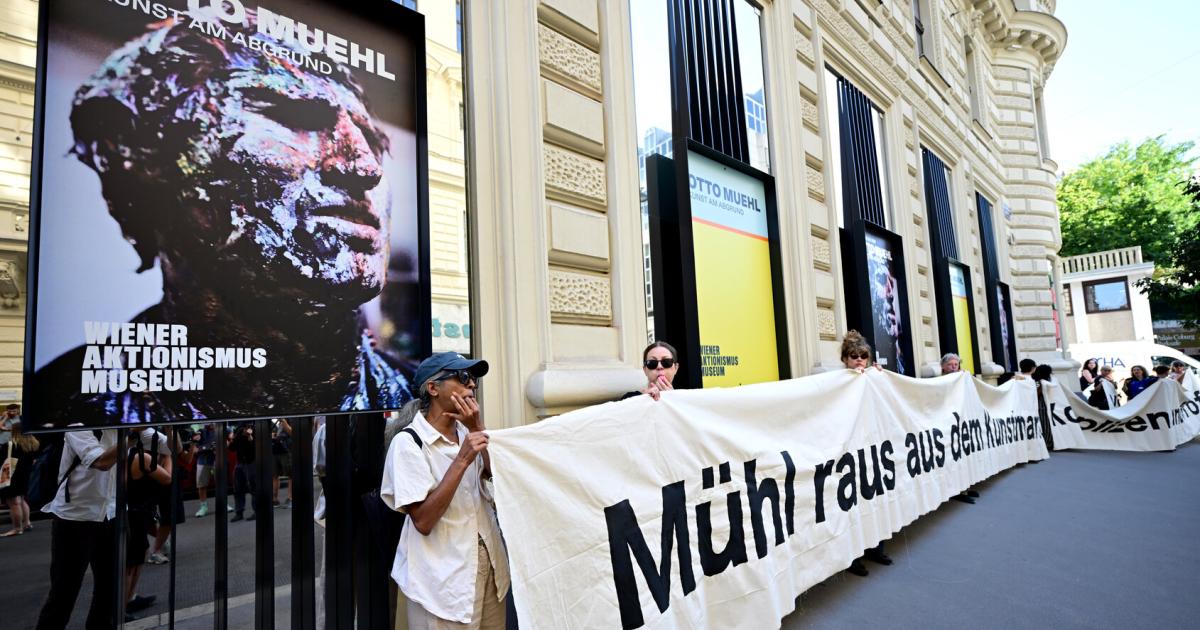
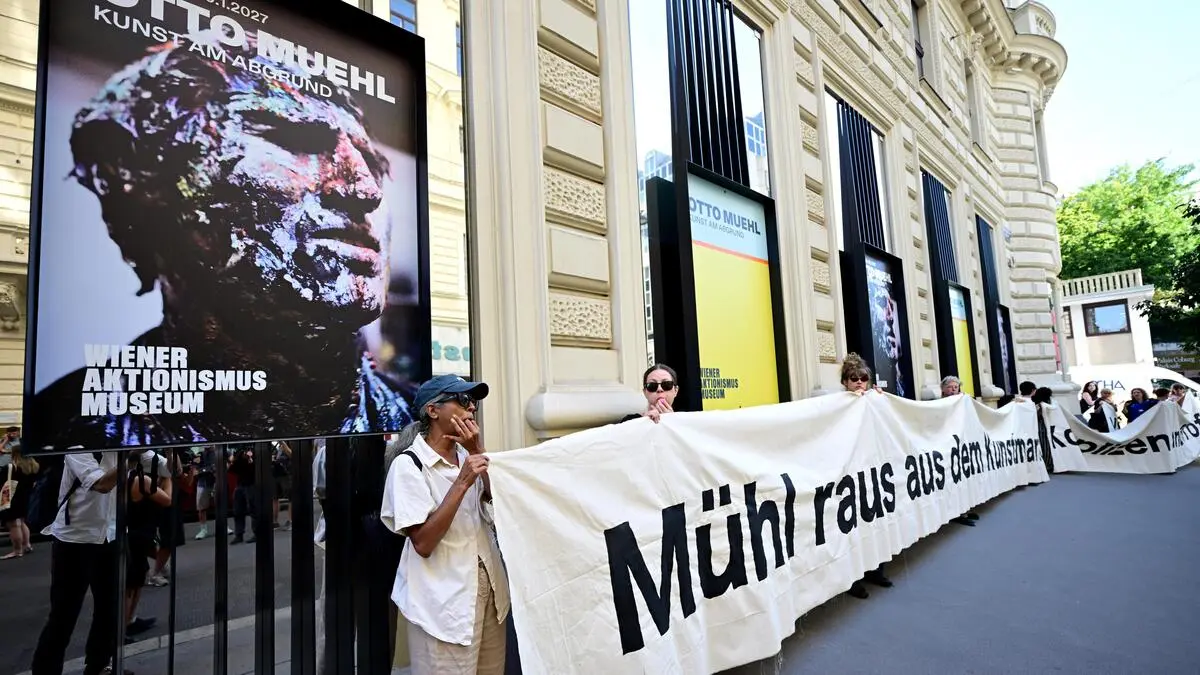
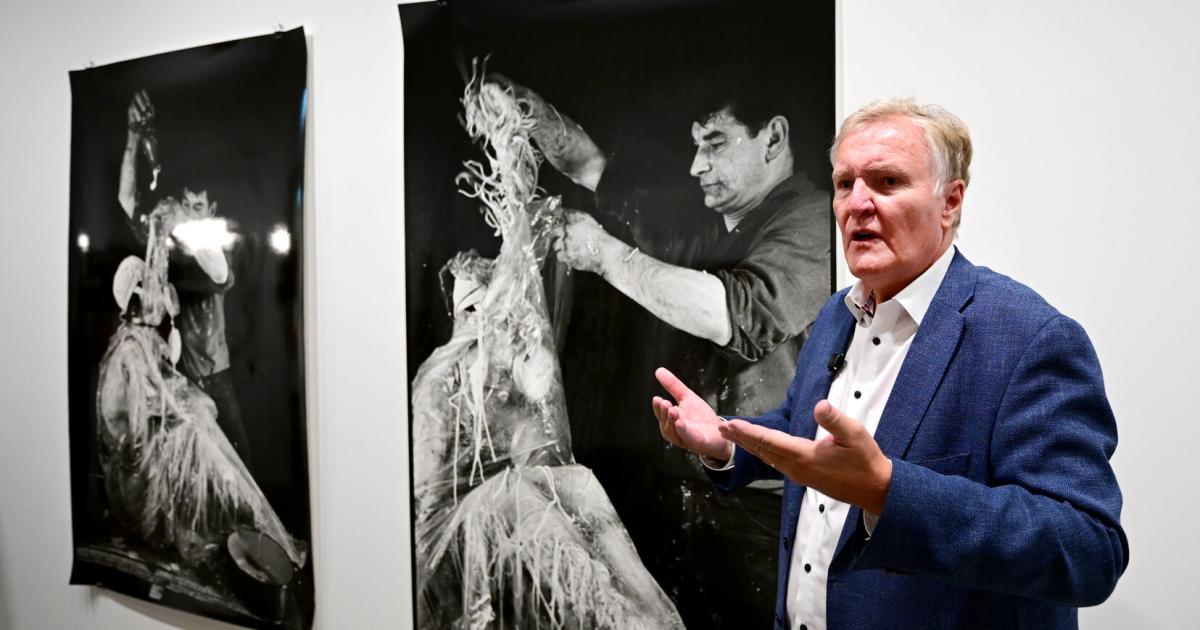
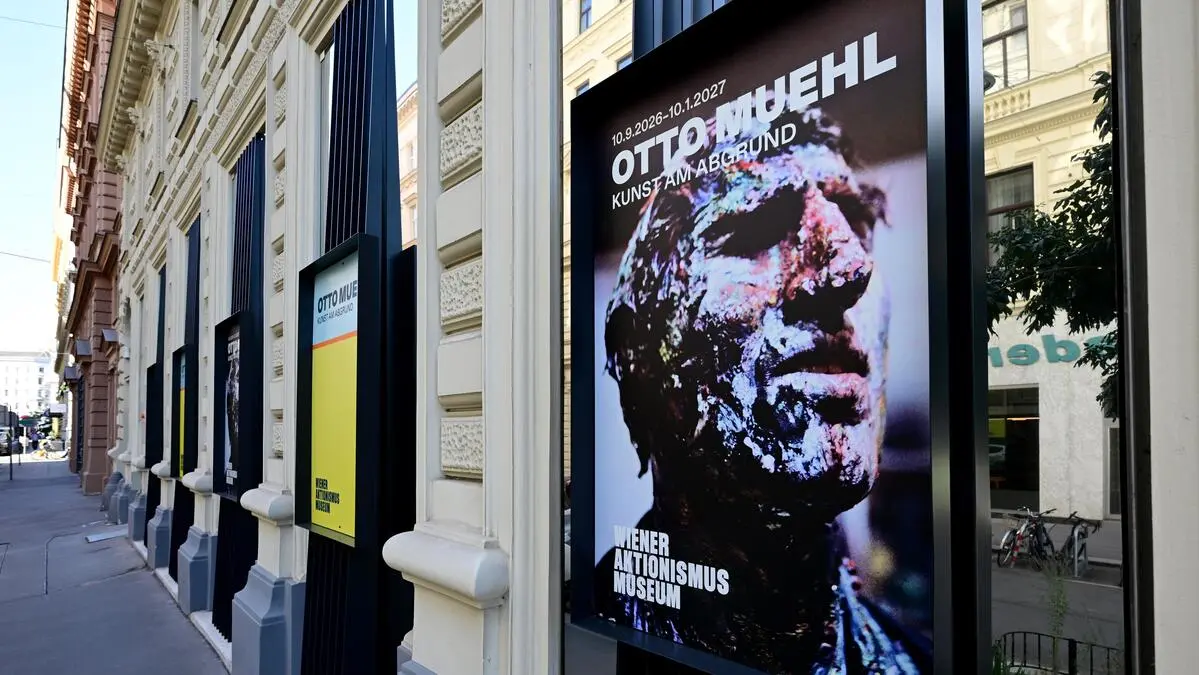
The Vienna Actionism Museum is closing due to the controversial presentation of works by the convicted sex offender Otto Muehl, as the moral condemnation of his person has now shaped the perception of his art. #OttoMuehl #WienerAktionismus #Kunstdebatte (translated)

www.spiegel.de
Werke von Sexualstraftäter ausgestellt – Wiener Aktionismus Museum schließt
2577
Kurier 3d

The Vienna Actionism Museum is shutting down after protests against an exhibition about Otto Muehl, as a museum presentation of his work is deemed untenable under the current conditions. #OttoMuehl #WienerAktionismus #Kunstkritik (translated)

kurier.at
Muehl zieht Wiener Aktionismus-Museum in den Abgrund
2691
Die Presse 4d

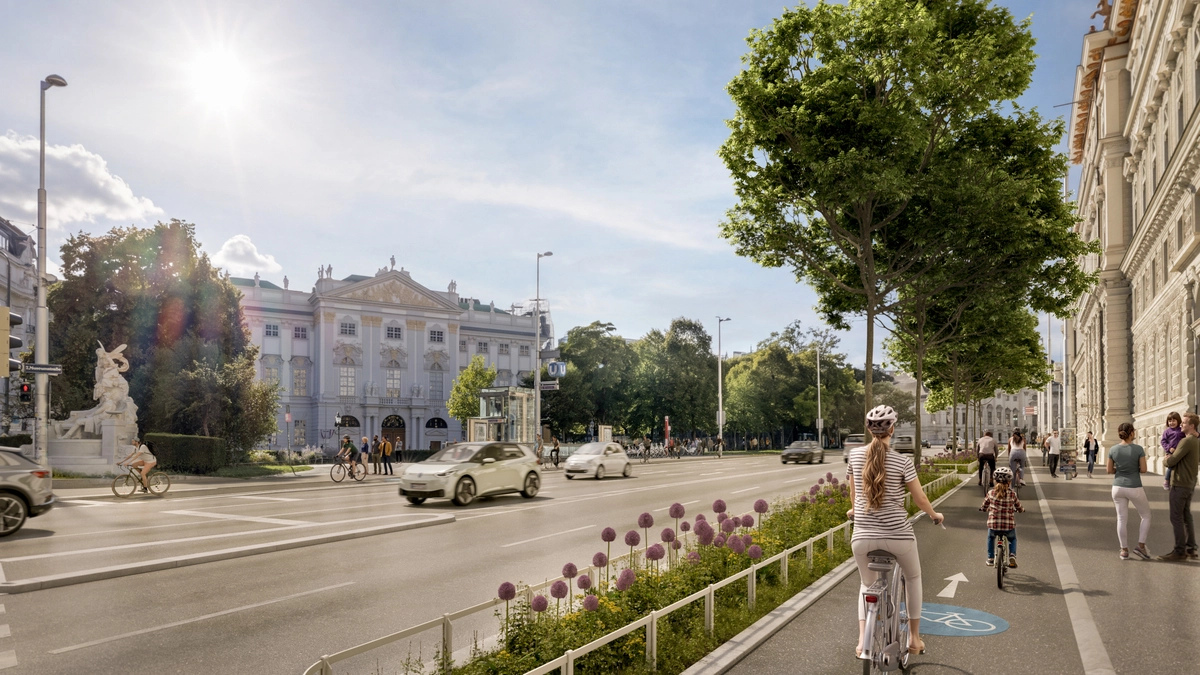
The second line in Vienna will be redesigned starting in spring 2027, with less space for cars and more room for cyclists and pedestrians, while the forecourt of the Museum Quarter is also set to be refurbished and greened. #Zweierlinie #Radverkehr #Wien (translated)

www.diepresse.com
Weniger Platz für Autos, mehr Raum für Radfahrer: Das neue Outfit der Zweierlinie [premium]
3028
Luciano Magaldi Sardella (PhD) 4d

"MY PUGLIA": STORNARA IN THE WORLD TOP 20 FOR STREET ART: THE 'STRAMURALES' MODEL CONQUERS THE UN AGENCY IN GENEVA SOURCE: https://lamia-puglia.com/stornara-nella-top-20-mondiale-della-street-art-il-modello-stramurales-conquista-lagenzia-onu-di-ginevra/ From a small agricultural centre in the Capitanata, often relegated to the margins of the major tourist flows, to an international case study cited in Geneva alongside the world's cultural capitals. Stornara, a municipality of around 6,000 inhabitants in the province of Foggia, officially enters the global élite of urban art thanks to an analysis by the World Intellectual Property Organization (WIPO), the United Nations agency based in Switzerland. ------------------------------------------------------------------- The International Study and the Data The recognition comes via the report From Local Scenes to Global Recognition: Talent Mobility in Street Art, authored by economists Egbert Amoncio, Alexander Cuntz, and Alessio Muscarnera and published in the "Creative Industries Insights" series. Analyzing around 74,000 geolocated works on the "Street Art Cities" platform, the scholars mapped the migratory flows of mural talent around the world. The study highlights how street art is a 'glocal' phenomenon: although only one artist in five works outside national borders, centres capable of attracting international creatives become genuine hubs of regeneration. Alongside metropolises such as New York, Los Angeles, Berlin, Paris, London, and Melbourne, the document singles out Stornara as the sole Italian rural exception. ------------------------------------------------------------------- The Success of Stramurales and Its Academic Impact The turning point for the Puglian village bears the signature of the social promotion association Stornara Life APS, led by Lino Lombardi and the local 'Banda dei Fischietti'. Since 2017, through the annual Stramurales festival, the community has transformed the town's façades into an open-air museum that today counts more than 173 murals, around fifty of which were created by internationally renowned foreign artists. A path of social redemption that had already attracted the attention of the global scientific community: the festival was indeed the subject of the monographic study "Street Art as Public Health Infrastructure", authored by Apulian researchers Luciano Magaldi Sardella and Matteo Mantuano and published in the "Harvard Health and Human Rights Journal" of the prestigious American university. ------------------------------------------------------------------ The Density Factor and the Bottom-Up Lesson According to the WIPO analysis, Stornara's primacy does not lie in absolute numbers, but in proportion: relating the more than fifty international works to the resident population, the Foggia municipality achieves a density of foreign art per 100,000 inhabitants that is unattainable for the great megalopolises. In this way, art is not dispersed but becomes an integral part of daily life. The Geneva economists further emphasize how the Stornara model has succeeded in avoiding the risk of top-down initiatives perceived as artificial. The direct involvement of residents, who spontaneously make the walls of their own homes available, combined with artist residencies and open dialogue on social themes, demonstrates how culture can trigger tourism, economic spillover, and psychosocial well-being, offering a concrete response to the depopulation of the inland areas of the Mezzogiorno. (translated)

561
Die Presse 4d

Klaus Albrecht Schröder, the managing director of the Vienna Actionism Museum, announces the closure of the museum on January 10 and states that this decision, which resulted from internal pressure, does not mean that art history will be rewritten under the pressure of the zeitgeist. #WienerAktionismus #OttoMuehl #Kunstgeschichte (translated)

www.diepresse.com
„Kapitulation? Das ist nicht ganz falsch“: Schröder zum Ende des Wiener Aktionismus Museums [premium]
2582
Kurier 4d

The Vienna Actionism Museum is suspending its exhibition operation after a controversial exhibition on Otto Muehl and is instead planning to establish a new research institution, as the moral condemnation of the artist makes the museum's presentation of his work appear no longer tenable. #WienerAktionismus #OttoMuehl #KunstundEthik (translated)

kurier.at
Nach umstrittener Otto-Muehl-Schau: Aktionismus Museum stellt Ausstellungsbetrieb ein
2583
Luciano Magaldi Sardella (PhD) 4d

"IL SIPONTINO": STRAMURALES: STORNARA IN THE 'GLOBAL TOP 20' OF THE REPORT OF THE UNITED NATIONS AGENCY IN EUROPE. SOURCE: https://www.lagazzettadisansevero.it/stramurales-stornara-nella-global-top-20-del-rapporto-dellagenzia-delle-nazioni-unite-deuropa/?fbclid=IwY2xjawVibZVleHRuA2FlbQIxMABwZG9mAWJyaWQRMHE3R3FDUWVMVnBtN1NiRGRzcnRjBmFwcF9pZBAyMjIwMzkxNzg4MjAwODkyAAEfJpk9OBrbzNPPuzmmZTsbvjf1RRRRwgltWvqpPTryHt2mv-Z5rTEy1ifxBXU_aem_ciFpxVBzVKZmCZU0twovqQ From 'ghost town' to global model cited in Geneva: the cultural gamble of Stornara Life APS wins the attention of WIPO. There is a Southern Italy that is making quite a noise. It lies among the wheat fields and the rural roads of the Capitanata, far from the great routes of mass tourism. Until a few years ago Stornara, in the province of Foggia, was the typical town that statistics dismiss with a cruel adjective: 'peripheral'. Today its name appears in an analysis by WIPO, the World Intellectual Property Organization, the United Nations agency in Europe based in Geneva, alongside Berlin, New York, Los Angeles, Paris, and Melbourne. A report that looks at the walls of the world The text is entitled From Local Scenes to Global Recognition: Talent Mobility in Street Art. It is signed by three WIPO economists, Egbert Amoncio, Alexander Cuntz, and Alessio Muscarnera, and was published at the end of May 2026 in the Creative Industries Insights series. To build it, the authors started from the data of the Street Art Cities platform. The technical note speaks of around 74,000 geolocated works, collected and shared by street art enthusiasts all over the world. The underlying questions are simple. Where is street art born? Who travels to paint it? Which cities manage to attract talent from outside? The first answer dismantles a commonplace. Street art is a profoundly local phenomenon. Around one artist in five also works abroad, while the great majority paint in their own city or in those nearby. Among the few who cross borders, almost 40 per cent are 'highly mobile': they build an international artistic brand without severing their roots. Such are the cases of Banksy, Os Gemeos, and Invader, whose walls appear on several continents. The authors use an effective term: street art is 'glocal', rooted in its own territory but capable of generating global circuits of talent and recognition. The magnets of the world When one asks which cities attract foreign artists most, the map is fascinating. North America weighs in by size, with New York, Los Angeles, and Miami. Western Europe offers a dense network of opportunities, from Berlin to Amsterdam, from Vienna to Ghent, from Basel to Rotterdam, favoured by the festival circuit and by freedom of movement in the Schengen area. Lisbon and Barcelona have bet on supportive municipal policies. Melbourne is the only representative of Oceania, and Northern Europe relies on Bergen, London, Belfast, and Stavanger. In this scenario of capitals and metropolises, the report inserts an Italian, Apulian, Foggian exception: Stornara, a small agricultural town of around 6,000 souls, since 2018 a destination for mural talents. It shows how street art can trigger the rebirth of a community: thanks to the annual Stramurales International Street Art Festival, born in 2017 from the iron will to fight urban and socio-economic decline on the part of the founders of the social promotion association Stornara Life APS, Lino Lombardi and his Stornara Banda dei Fischietti, it has accumulated more than 173 murals. Around fifty of them are works by high-level international artists, with Google Trends data that since 2017 have shown considerable interest in the tourist-mural destination, a sign that the international festival has now captured national and international attention. Having also become the world's first monographic academic case study on a street art festival, 'Street Art as Public Health Infrastructure', published in the prestigious world-level academic journal, the 'Harvard Health and Human Rights Journal' of Harvard University, by the researcher Luciano Magaldi Sardella from Orta Nova and Professor Matteo Mantuano from Lucera, all this amounts to proof that an idea, an association, and the willingness of a community can change the identity of a place 'forgotten by God'. Those who have followed the story from outside also tell it: the town, once little accustomed to visitors, today welcomes international tourists, individuals, groups, and school parties who have come to see its more than 173 murals. The secret lies in density The figure that has ignited Stornara pride is this: volume does not count, proportion counts. The organizers propose a simple indicator: works by foreign artists divided by inhabitants, multiplied by 100,000. With around more than 50 international works and a population of a few thousand residents, in Stornara one reaches several hundred foreign works per 100,000 inhabitants. It is a value that metropolises, with millions of residents, cannot approach. The meaning must be read precisely, and precisely here lies the beauty of it. Nobody claims that Stornara has more foreign murals than New York. The point is that, relative to its scale, few places in the world concentrate so much international art per inhabitant. The impact is not dispersed in a megalopolis: it settles in every street, on every façade, in the daily life of those who live there. The most interesting part of the report is the one that looks beyond the ranking. The authors write that the value of street art extends far beyond the painted surfaces. Towns like Stornara demonstrate how urban art attracts tourism, generates media coverage, and can stimulate local commercial activities, strengthening the sense of community and restoring the psychosocial well-being that would drive away the perpetual southern decline. The report adds, however, a valuable warning: success depends on careful implementation and on the involvement of artistic communities. Top-down initiatives risk being perceived as 'predatory' by artists who care about street credibility. The global Stramurales model seems to have avoided the pitfall. Field studies tell of walls donated by residents, one-week artist residencies, and public discussion of the themes to be addressed. The lesson of a town The report closes with an idea that holds for Stornara as much as for Berlin: the vitality of street art is rooted in local roots. It is born from communities, speaks of their problems, and is made by artists immersed in their urban contexts. The artistic family of Stornara Life APS understood this before many regional and local politicians, making its own walls an open-air museum, a promise, and opening them to the world without ceasing to be itself. In this official report of the Geneva agency of the United Nations in Europe that measures the capacity to attract talent, this turns out to be, probably, the most precious result: to be cited alongside the great capitals of urban art and to remain, after all, a rural provincial town in which every wall tells a colourful world of glocal stories. (translated)

www.lagazzettadisansevero.it
Stramurales: Stornara nella “Global Top 20” del Rapporto dell’Agenzia delle Nazioni Unite d’Europa - La Gazzetta di San Severo - News di Capitanata
225
Luciano Magaldi Sardella (PhD) 4d

“LA GAZZETTA DI SAN SEVERO”: STRAMURALES: STORNARA IN THE ‘GLOBAL TOP 20’ OF THE REPORT OF THE UNITED NATIONS AGENCY IN EUROPE SOURCE: https://www.lagazzettadisansevero.it/stramurales-stornara-nella-global-top-20-del-rapporto-dellagenzia-delle-nazioni-unite-deuropa/?fbclid=IwY2xjawVibZVleHRuA2FlbQIxMABwZG9mAWJyaWQRMHE3R3FDUWVMVnBtN1NiRGRzcnRjBmFwcF9pZBAyMjIwMzkxNzg4MjAwODkyAAEfJpk9OBrbzNPPuzmmZTsbvjf1RRRRwgltWvqpPTryHt2mv-Z5rTEy1ifxBXU_aem_ciFpxVBzVKZmCZU0twovqQ From ‘ghost town’ to global model cited in Geneva: the cultural gamble of Stornara Life APS wins the attention of WIPO. There is a Southern Italy that is making quite a noise. It lies among the wheat fields and the rural roads of the Capitanata, far from the great routes of mass tourism. Until a few years ago Stornara, in the province of Foggia, was the typical town that statistics dismiss with a cruel adjective: ‘peripheral’. Today its name appears in an analysis by WIPO, the World Intellectual Property Organization, the United Nations agency in Europe based in Geneva, alongside Berlin, New York, Los Angeles, Paris, and Melbourne. A report that looks at the walls of the world The text is entitled From Local Scenes to Global Recognition: Talent Mobility in Street Art. It is signed by three WIPO economists, Egbert Amoncio, Alexander Cuntz, and Alessio Muscarnera, and was published at the end of May 2026 in the Creative Industries Insights series. To build it, the authors started from the data of the Street Art Cities platform. The technical note speaks of around 74,000 geolocated works, collected and shared by street art enthusiasts all over the world. The underlying questions are simple. Where is street art born? Who travels to paint it? Which cities manage to attract talent from outside? The first answer dismantles a commonplace. Street art is a profoundly local phenomenon. Around one artist in five also works abroad, while the great majority paint in their own city or in those nearby. Among the few who cross borders, almost 40 per cent are ‘highly mobile’: they build an international artistic brand without severing their roots. Such are the cases of Banksy, Os Gemeos, and Invader, whose walls appear on several continents. The authors use an effective term: street art is ‘glocal’, rooted in its own territory but capable of generating global circuits of talent and recognition. The magnets of the world When one asks which cities attract foreign artists most, the map is fascinating. North America weighs in by size, with New York, Los Angeles, and Miami. Western Europe offers a dense network of opportunities, from Berlin to Amsterdam, from Vienna to Ghent, from Basel to Rotterdam, favoured by the festival circuit and by freedom of movement in the Schengen area. Lisbon and Barcelona have bet on supportive municipal policies. Melbourne is the only representative of Oceania, and Northern Europe relies on Bergen, London, Belfast, and Stavanger. In this scenario of capitals and metropolises, the report inserts an Italian, Apulian, Foggian exception: Stornara, a small agricultural town of around 6,000 souls, since 2018 a destination for mural talents. It shows how street art can trigger the rebirth of a community: thanks to the annual Stramurales International Street Art Festival, born in 2017 from the iron will to fight urban and socio-economic decline on the part of the founders of the social promotion association Stornara Life APS, Lino Lombardi and his Stornara Banda dei Fischietti, it has accumulated more than 173 murals. Around fifty of them are works by high-level international artists, with Google Trends data that since 2017 have shown considerable interest in the tourist-mural destination, a sign that the international festival has now captured national and international attention. Having also become the world’s first monographic academic case study on a street art festival, ‘Street Art as Public Health Infrastructure’, published in the prestigious world-level academic journal, the ‘Harvard Health and Human Rights Journal’ of Harvard University, by the researcher Luciano Magaldi Sardella from Orta Nova and Professor Matteo Mantuano from Lucera, all this amounts to proof that an idea, an association, and the willingness of a community can change the identity of a place ‘forgotten by God’. Those who have followed the story from outside also tell it: the town, once little accustomed to visitors, today welcomes international tourists, individuals, groups, and school parties who have come to see its more than 173 murals. The secret lies in density The figure that has ignited Stornara pride is this: volume does not count, proportion counts. The organizers propose a simple indicator: works by foreign artists divided by inhabitants, multiplied by 100,000. With around more than 50 international works and a population of a few thousand residents, in Stornara one reaches several hundred foreign works per 100,000 inhabitants. It is a value that metropolises, with millions of residents, cannot approach. The meaning must be read precisely, and precisely here lies the beauty of it. Nobody claims that Stornara has more foreign murals than New York. The point is that, relative to its scale, few places in the world concentrate so much international art per inhabitant. The impact is not dispersed in a megalopolis: it settles in every street, on every façade, in the daily life of those who live there. The most interesting part of the report is the one that looks beyond the ranking. The authors write that the value of street art extends far beyond the painted surfaces. Towns like Stornara demonstrate how urban art attracts tourism, generates media coverage, and can stimulate local commercial activities, strengthening the sense of community and restoring the psychosocial well-being that would drive away the perpetual southern decline. The report adds, however, a valuable warning: success depends on careful implementation and on the involvement of artistic communities. Top-down initiatives risk being perceived as ‘predatory’ by artists who care about street credibility. The global Stramurales model seems to have avoided the pitfall. Field studies tell of walls donated by residents, one-week artist residencies, and public discussion of the themes to be addressed. The lesson of a town The report closes with an idea that holds for Stornara as much as for Berlin: the vitality of street art is rooted in local roots. It is born from communities, speaks of their problems, and is made by artists immersed in their urban contexts. The artistic family of Stornara Life APS understood this before many regional and local politicians, making its own walls an open-air museum, a promise, and opening them to the world without ceasing to be itself. In this official report of the Geneva agency of the United Nations in Europe that measures the capacity to attract talent, this turns out to be, probably, the most precious result: to be cited alongside the great capitals of urban art and to remain, after all, a rural provincial town in which every wall tells a colourful world of glocal stories.

www.lagazzettadisansevero.it
Stramurales: Stornara nella “Global Top 20” del Rapporto dell’Agenzia delle Nazioni Unite d’Europa - La Gazzetta di San Severo - News di Capitanata
337
Die Presse 4d

The Vienna Actionism Museum will cease its exhibition operations in January 2027 and instead plans to establish a foundation for the study of Vienna Actionism, which will remain accessible by appointment. #WienerAktionismus #OttoMuehl #Kunstgeschichte (translated)

www.diepresse.com
Wiener Aktionismus Museum stellt im Jänner Ausstellungsbetrieb ein
2471
Frankfurter Allgemeine 4d

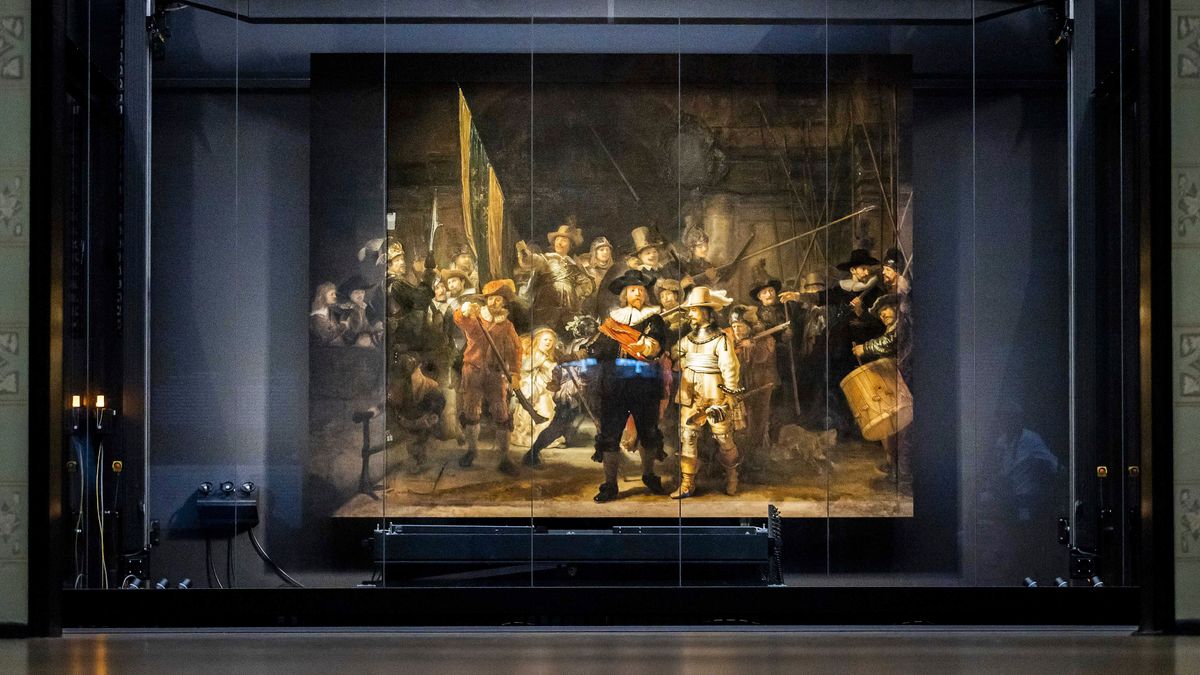
Microbiologists have discovered more than 20 different types of bacteria on Rembrandt's nearly 400-year-old "Night Watch" in the Rijksmuseum, including some from Japan, which are being studied as part of a research project and presented in the first microbe museum Micropia in Amsterdam. #Nachtwache #Rembrandt #Mikrobiologie (translated)

www.faz.net
Rijksmuseum: „Nachtwache“ von Rembrandt wird von Bakterien bevölkert
2703
Spiegel Online 5d

Scientists discovered a total of 20 species of bacteria during the restoration of Rembrandt's The Night Watch, including an unusual species originally found in a Japanese sugar refinery, which is now on display at the Micropia microbiome museum in Amsterdam. #Nachtwache #Rembrandt #Mikrobiologie (translated)

www.spiegel.de
Rembrandt: Auf der »Nachtwache« tummeln sich 20 Bakterienarten
2704