
The author argued that those who claimed that the pension system needed to be privatized because it was going to collapse had imagined it, and that they had not said that. (translated)
The author argued that those who claimed that the pension system needed to be privatized because it was going to collapse had imagined it, and that they had not said that. (translated)

The author suggested that readers unfollow accounts they said were misleading them by claiming a Secret Service agent was preparing to draw his weapon while adjusting the gain on a radio on his left side. The author noted that the weapon was on the agent’s right side.

The author wrote that mass baths, patriotic aesthetics, institutional liturgy, cheers, flags, and crowded streets evoked a past he preferred not to remember. He also compared courtly enthusiasm and exalted reports to panegyrics. (translated)

The author described the judiciary as political and wrote that innocent people have been sitting in prison without a court verdict for years. (translated)

The author addressed the protesters, who gathered in the squares and those who supported the cause of housing from home. He told them that they would also win that struggle and pointed out that that of their grandparents had been democracy and that of their parents, the welfare state, before leaving the comparison unfinished. (translated)

The author accused the progressive judges of refusing to support Judge Biedma, who, he wrote, had suffered threats and brutal pressure and had been the subject of a conspiracy against her life for fulfilling her duty. He added that, in his opinion, they could hardly sink any lower. (translated)

The author wrote that medical cannabis could help people with chronic pain, spasticity and severe chemotherapy side effects, but said access depended on finding an authorised prescriber. They argued that GPs should be able to refer patients to the appropriate specialists.

The author described AI’s ability to make cognitive empathy more practical as an overlooked benefit, writing that biases such as confirmation bias and the curse of knowledge often made it difficult for people to see another person’s perspective. They began to suggest that AI could help with material available as text, but the post ended before the thought was complete.

The author claimed that he could never smile at someone who, as he wrote, had defended a victim in the past and who, over the years, had allied with what he described as their executioner. (translated)
The author claimed that polls were giving more than 200 seats to parties that, he said, could commit all kinds of abuses and were already revealing some of their intentions. He also maintained that Feijóo's fear of the electoral call pointed to changes, although he did not specify which. (translated)

The author said new sanctions against the International Criminal Court marked a further escalation, describing it as the world’s only permanent international criminal court and saying it held those responsible for genocide, crimes against humanity and war crimes to account.

The author responded to LMPardoAbogado and IustitiaEuropa that, in his opinion, it made sense to suspend the elections. He argued that otherwise, people without the right to vote could participate, and the elections would be "in vain." (translated)
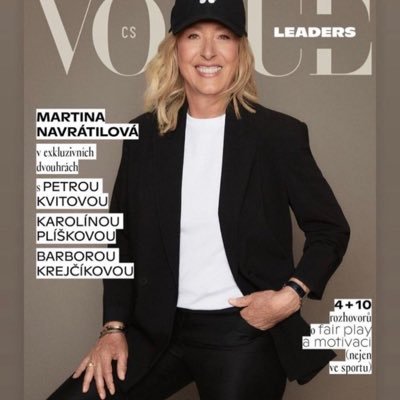
The author argued that girls should not have to give up their opportunities or the results of their hard work when boys choose to compete in the girls’ category, saying this was unfair and wrong.

The author wrote that those who once sought weapons of mass destruction were now looking for knives and cobblestones, and that the blame they previously attributed to ETA was now assigned to Correos. He added that, despite this, it was said that the left was in crisis. (translated)
The author argued that there was no room for equidistant positions and stated that a victory for the PP and Vox would mean an unacceptable reduction of rights in favor of privileged elites. He also defended the formation of a progressive government with clear and courageous objectives. (translated)
The author stated that 21 measures had been approved to facilitate access to affordable rental and home purchase, expand supply, provide stability to the population, and combat speculation. He also announced a funding line of 10 billion euros, with loans of up to 50,000 euros. (translated)

Javier Gil stated on Carne Cruda, from the camp in Sol, that the path towards a general strike for housing was marked. (translated)

The author noted that the head of the BIS, whom he described as the central bank of central banks, warned that global public debt, close to post-war highs, could leave central banks without room to curb the next financial crisis. (translated)

The author said conversations revealed in the Cornel rape case, involving men at a prestigious university, showed how so-called elites helped enable the rise of the manosphere. They described the case as reflecting a broader shift towards what they called “the thinly veiled”, but the post ended mid-sentence.

The post reported, citing a statement, that OPEC+ had agreed to keep quotas unchanged in November and that its sub-group would next meet on Nov. 1. (translated)





