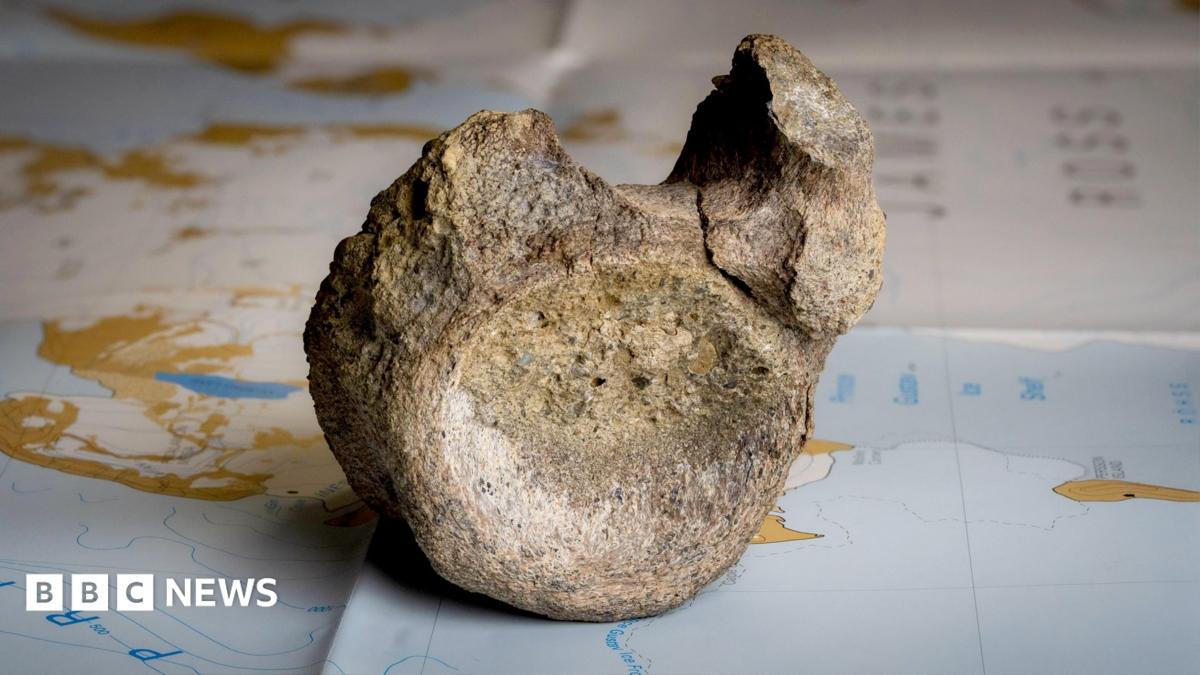
A previously unknown species of long-necked dinosaur, named Nagatitan chaiyaphumensis, has been discovered in Thailand, measuring 27 meters in length and weighing 27 tons, making it the largest dinosaur found in Southeast Asia, and it existed around 100 to 120 million years ago during a time of rising carbon dioxide levels. #DinosaurDiscovery #Paleontology #Sauropod #TH #GB #US

Scientists have identified a new species of giant long-necked dinosaur named Nagatitan chaiyaphumensis from fossils found in Thailand, which is the largest dinosaur ever discovered in Southeast Asia, weighing approximately 27 tons and measuring 27 meters in length, and providing insights into how ancient climate conditions allowed such massive dinosaurs to thrive. #Dinosaur #Paleontology #Fossils #TH #GB #GR

Researchers have identified a new species of giant long-necked dinosaur named Nagatitan chaiyaphumensis from fossils found in Thailand, making it the largest dinosaur discovered in Southeast Asia, estimated to weigh 27 tons and reach a length of 27 meters. #DinosaurDiscovery #Paleontology #Nagatitan #TH #GB #AS

Researchers have identified a new species of giant long-necked dinosaur, named Nagatitan chaiyaphumensis, from fossils found in Thailand, making it the largest dinosaur ever discovered in Southeast Asia, with an estimated weight of 27 tons and a length of 27 meters, while offering new insights into the evolution of dinosaurs amidst changing ancient climatic conditions. #Dinosaur #Paleontology #Fossils #TH #GB

Scientists have identified a new giant long-necked dinosaur named Nagatitan chaiyaphumensis from fossils found in Thailand, measuring 27 meters long and weighing 27 tonnes, making it the largest dinosaur discovered in Southeast Asia, and potentially the last large sauropod from the region due to changing ancient climatic conditions. #Dinosaurs #Paleontology #Nagatitan #TH #UK

Scientists have identified a new giant long-necked dinosaur named Nagatitan chaiyaphumensis, the largest dinosaur ever discovered in Southeast Asia, which lived between 100 and 120 million years ago and weighed 27 tonnes, shedding light on the adaptations of colossal dinosaurs to ancient climatic conditions. #DinosaurDiscovery #Paleontology #Nagatitan #TH #UK

Scientists have identified a new giant long-necked dinosaur named Nagatitan chaiyaphumensis from fossils found in Thailand, which is the largest dinosaur discovered in South-East Asia, measuring 27 meters long and weighing 27 tonnes, and this discovery provides insights into how ancient climate changes influenced the evolution of massive dinosaurs. #DinosaurDiscovery #Paleontology #Nagatitan #TH #UK

Scientists in Thailand have identified a new giant long-necked dinosaur named Nagatitan chaiyaphumensis, the largest ever found in Southeast Asia, weighing 27 tonnes and measuring 27 meters in length, which provides insights into how ancient climatic changes allowed such massive creatures to thrive. #DinosaurDiscovery #Paleontology #Nagatitan #TH #UK

Scientists have identified a new giant dinosaur species named Nagatitan chaiyaphumensis from fossils discovered in Thailand, which is twice the size of a tyrannosaurus rex, weighing 27 tonnes and measuring 27 meters in length, shedding light on how ancient climatic changes contributed to the evolution of these massive sauropods. #Dinosaurs #Paleontology #Nagatitan #TH #UK

Scientists have identified a new giant long-necked dinosaur named Nagatitan chaiyaphumensis from fossils found in Thailand, measuring 27 meters long and weighing 27 tonnes, making it the largest dinosaur discovered in Southeast Asia and providing insights into how ancient climatic changes facilitated the development of such massive creatures. #DinosaurDiscovery #Paleontology #Nagatitan #TH #UK

In 1996, the discovery of a feathered dinosaur fossil in China provided the first confirmed evidence supporting the theory that dinosaurs may have evolved into modern birds, sparking significant scientific debate and highlighting access challenges for Western researchers studying fossils in China. #Dinosaurs #Paleontology #History #CN #CA #HT #MV

A recent study revealed a new myriapod species, Waukartus muscularis, from 425 million years ago, showcasing its advanced adaptations for life on land long before its ancestors left aquatic environments, thus providing insights into the evolutionary transition of myriapods from the sea to terrestrial habitats. #Evolution #Paleontology #Myriapods #US

Un equipo de arqueólogos ha descubierto en la Cova 338, en los Pirineos orientales, evidencias de actividad humana continua hace 5.500 años, lo que redefine la historia de la alta montaña como un entorno estratégico para la extracción de minerales y sugiere una organización social y cultural más compleja de lo que se pensaba. #Paleontology #HumanEvolution #ArchaeologicalDiscovery

A newly described fossil species, Waukartus muscularis, sheds light on the early evolutionary adaptations of myriapods, revealing that these ancient creatures were already well-suited for land life while still residing in the ocean around 437 million years ago. #Paleontology #Evolution #Myriapods #US

A study of jaw fossils discovered in Japan and Canada suggests that giant octopuses may have existed as colossal predators in the Cretaceous seas while dinosaurs ruled the land, challenging the prevailing view of marine ecosystems during that era. #MarineLife #Paleontology #Cephalopods #JP #CA

A study of jaw fossils found in Japan and Canada suggests that giant octopuses may have dominated the Cretaceous seas, reaching lengths of up to 20 meters and occupying top positions in the marine food chain during the era of dinosaurs, challenging the prevailing view that large marine reptiles were the primary predators of that time. #Fossils #MarineLife #Paleontology #JP #CA