WRLD

Search

#SistemaSolar
20 minutos 3d

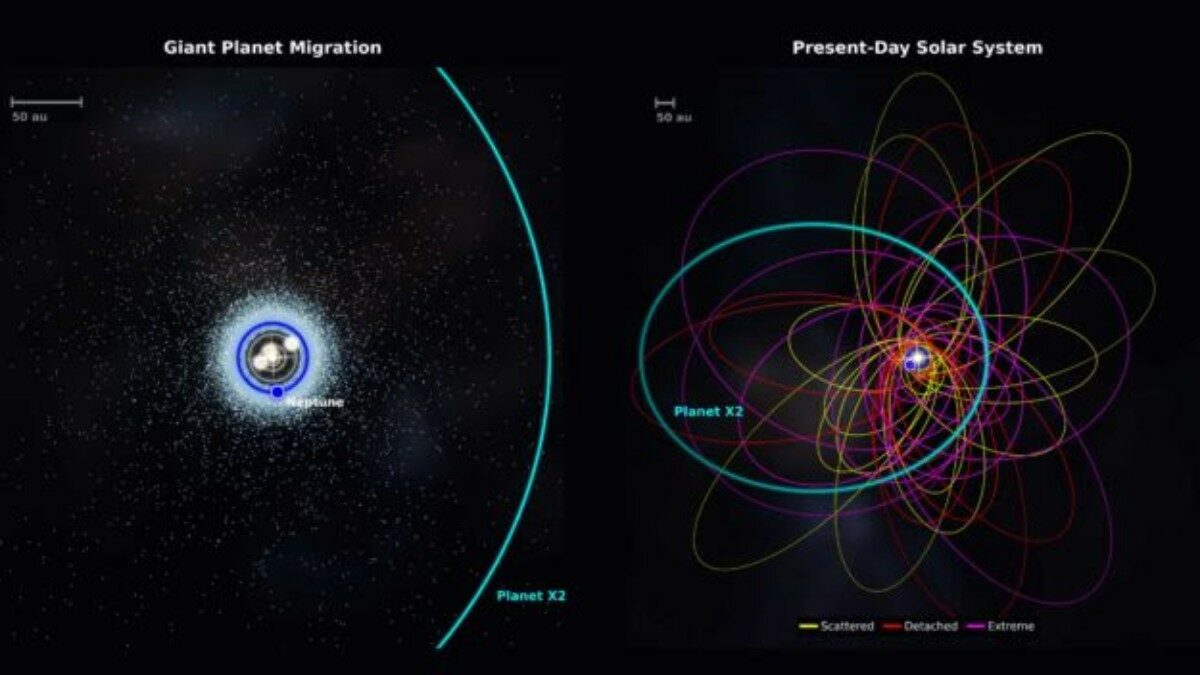
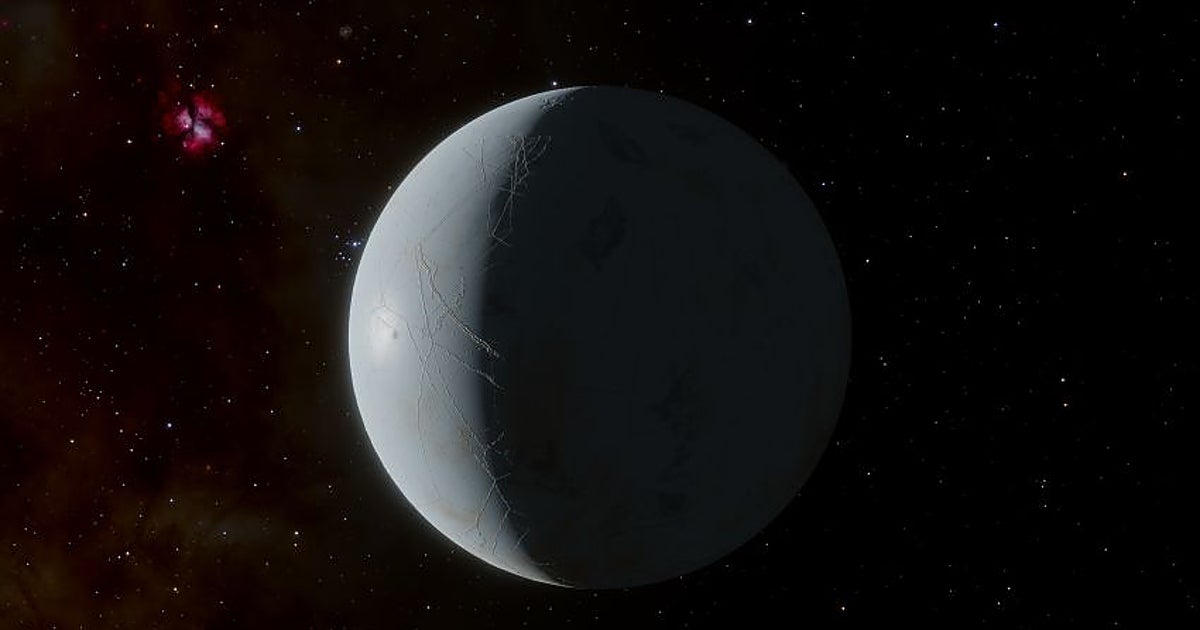
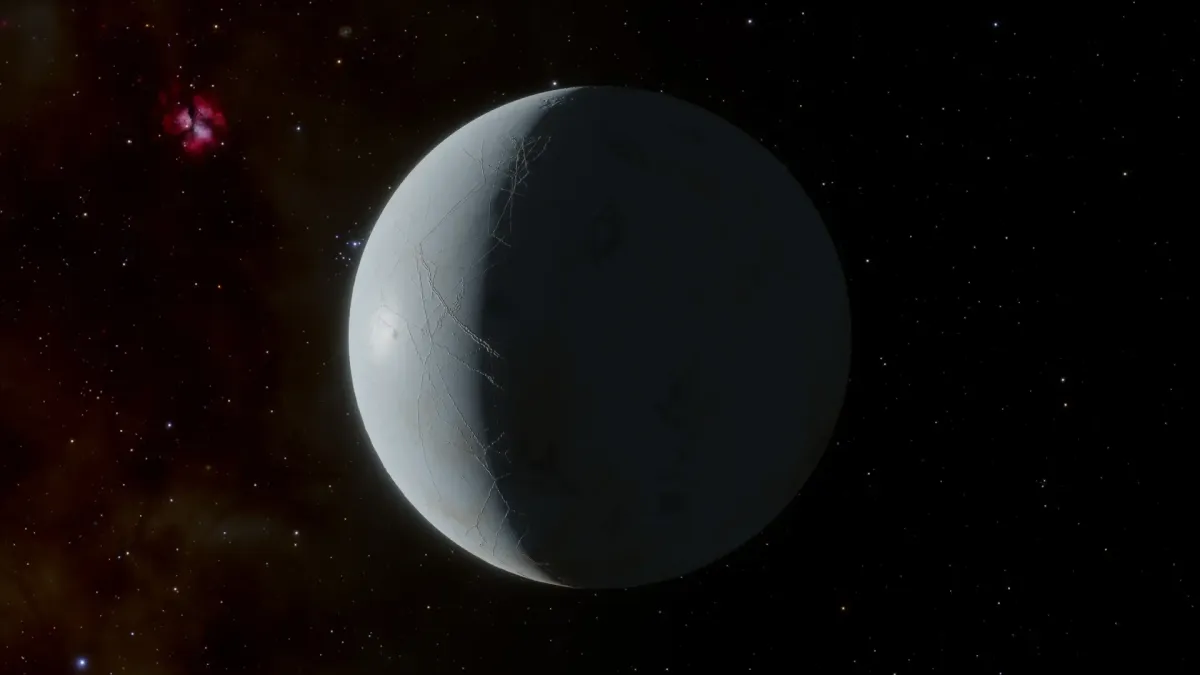
A study suggests the existence of a hypothetical planet twice the size of Earth, called Planet X2, located in the outer reaches of the Solar System, whose gravity could explain the strange orbits of bodies like Sedna. #PlanetaX2 #SistemaSolar #Astrofísica (translated)
www.20minutos.es
Un estudio plantea la existencia de un planeta dos veces más grande que la Tierra escondido en los confines del Sistema Solar

2910
Il Fatto Quotidiano 3d

New simulations have led to the proposal of a possible candidate for Planet Nine, known as X2, which would have a mass between 1.5 and 2 times that of Earth and an extremely elliptical orbit, potentially capable of explaining the anomalous trajectories of some trans-Neptunian objects. #Astronomia #PianetaNove #SistemaSolare (translated)

www.ilfattoquotidiano.it
Pianeta Nove, nuove simulazioni svelano un possibile candidato: sarebbe grande il doppio della Terra
2914
ABC TU DIARIO EN ESPAÑOL 3d

Researchers have proposed the existence of a hypothetical 'Planet X2', a world twice as massive as Earth, located beyond Neptune, which could explain the unusual orbits of certain objects at the edges of the Solar System. #PlanetaX2 #SistemaSolar #Astronomía (translated)

www.abc.es
'Planeta X2', un mundo dos veces la Tierra oculto en los confines del Sistema Solar

2914
eldiario.es 3w

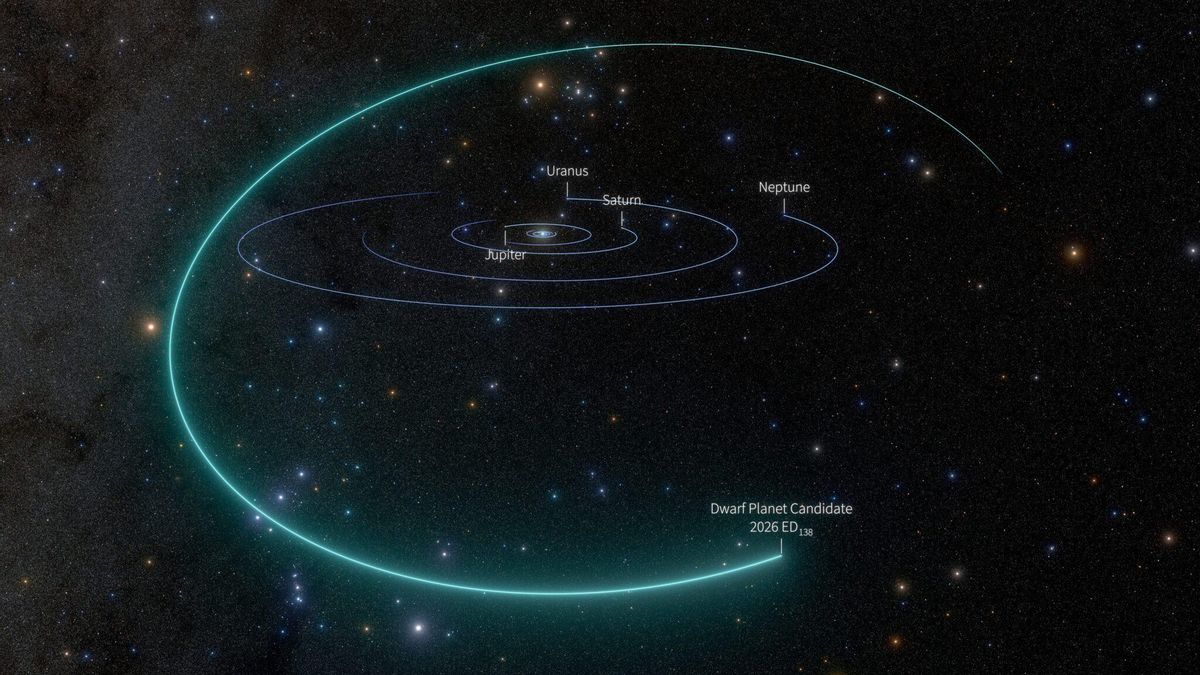
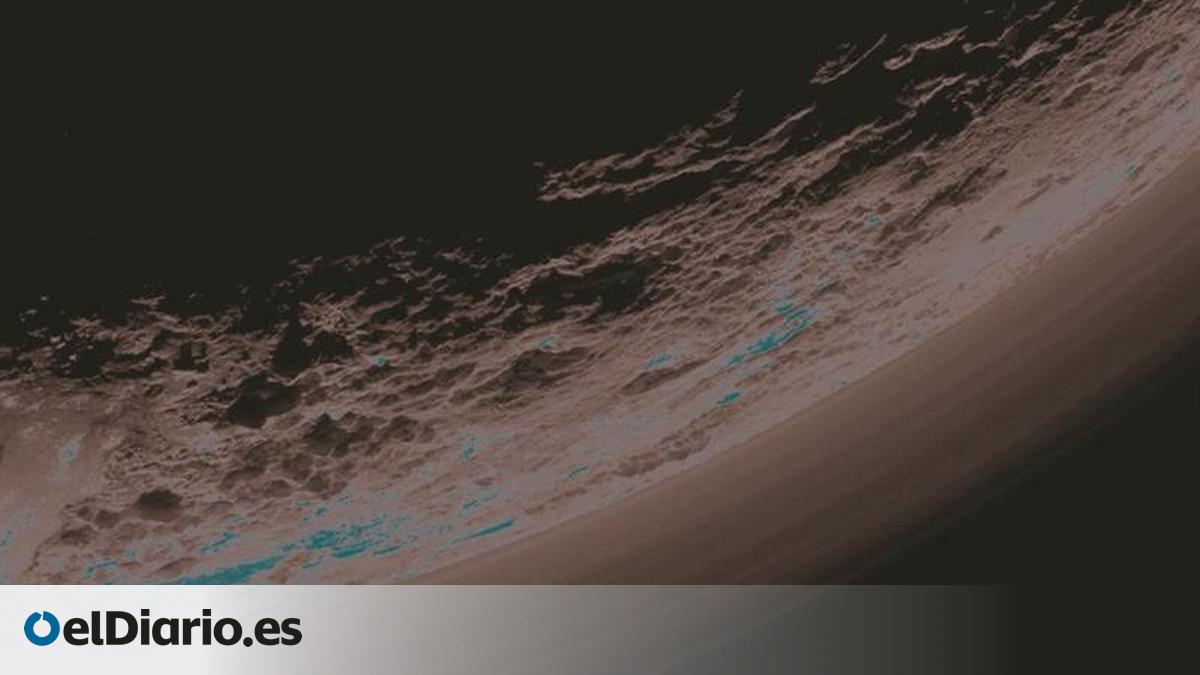
A possible new dwarf planet named 2026 ED138 has been discovered by astronomers in the Solar System beyond Pluto, with an estimated diameter between 600 and 1,500 kilometers, although more observations are still needed to confirm its nature and dimensions. #PlanetaEnano #SistemaSolar #Astronomía (translated)

www.eldiario.es
Un posible nuevo planeta enano en el Sistema Solar sorprende a los astrónomos tras permanecer oculto más allá de Plutón
3130
Observador 4w

Astronomers have discovered a double debris disk around the white dwarf J1328-1450, suggesting that planets may survive the death of their stars and indicating a possible future for the Solar System. #SistemaSolar #Astronomia #Espaço (translated)

observador.pt
Anã branca com disco de restos antevê fim do Sistema Solar
3375
ANSA.it 4w

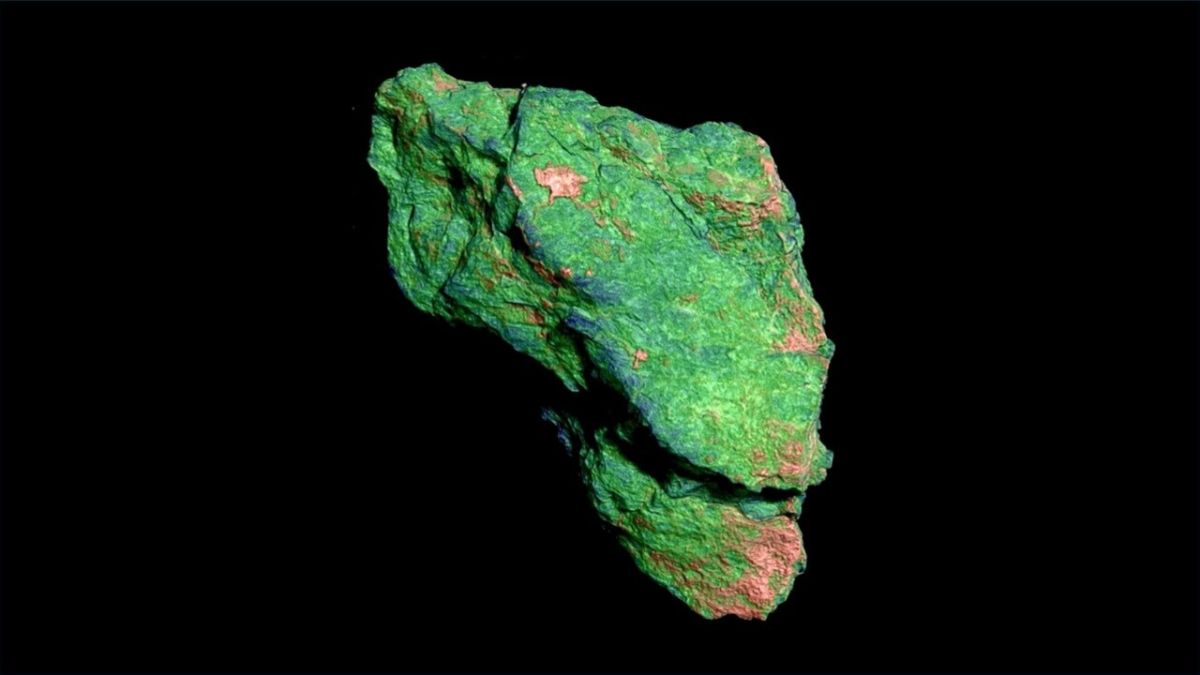
Hypatia, a dark stone of extraterrestrial origin found in the Egyptian desert, could contain traces of materials dating back to the dawn of the Solar System, suggesting a unique and revolutionary history that challenges current hypotheses about its formation and composition. #Hypatia #SistemaSolare #Cosmochemica (translated)

www.ansa.it
Hypatia, da una piccola pietra una storia inattesa del Sistema solare
3260
ANSA.it Oct 25

The end of the Solar System could occur in a much shorter and more chaotic timeframe than expected, with the outer planets at risk of fatal instability within three billion years after the death of the Sun, according to a study by the California Institute of Technology published in The Astrophysical Journal Letters. #SistemaSolare #EvoluzioneStellare #RicercaAstronomica (translated)

www.ansa.it
La fine del Sistema Solare potrebbe essere più rapida del previsto
2914
J
Jim Fuller Oct 17

We do not know exactly what will happen because the process is chaotic. The professor Jim Fuller, theoretical physicist at Caltech and one of the authors of the study, stated: "We do not know exactly what will happen because the process is chaotic." #SistemaSolar #FinDelSol #Astrofísica (translated)

Realizan 700 simulaciones del final de la vida del Sol y concluyen que el sistema solar colapsará mucho antes de lo previsto
www.20minutos.es
3042
20 minutos Oct 17

A study from the California Institute of Technology reveals that, after conducting 700 simulations, the solar system could collapse much earlier than expected, just 1 billion years after the Sun becomes a white dwarf. #SistemaSolar #FinDelSol #Astrofísica (translated)

www.20minutos.es
Realizan 700 simulaciones del final de la vida del Sol y concluyen que el sistema solar colapsará mucho antes de lo previsto
3042
eldiario.es Oct 9

A study reveals that the stability of the Solar System could be seriously compromised in the 3 billion years following the transformation of the Sun into a white dwarf, due to expulsions of solar material that would affect the orbits of the giant planets. #SistemaSolar #Astronomía #InestabilidadOrbital (translated)

www.eldiario.es
El Sistema Solar parecía casi intocable a largo plazo, pero las estrellas cercanas pueden acortar drásticamente su estabilidad
2934
eldiario.es Sep 9

Los telescopios Hubble y Webb han descubierto pequeños objetos transneptunianos que conservan características primordiales de la historia del Sistema Solar, revelando que sus colores y reflectancias son similares a las de cuerpos mucho mayores. #Transneptunianos #SistemaSolar #TelescopiosEspaciales

www.eldiario.es
Hubble y Webb descubren objetos más allá de Neptuno que conservan intacta la historia del sistema solar
16567
eldiario.es Aug 11

Dne 24. srpna 2006 byla Plutón, historicky považovaný za devátou planetu Sluneční soustavy, přeřazena do kategorie trpasličích planet Mezinárodní astronomickou unií, což vyvolalo dlouhotrvající debaty a kontroverze ohledně jeho statusu, zejména kvůli jeho velikosti. #Plutón #SistemaSolar #IAU

www.eldiario.es
El día que Plutón dejó de ser un planeta: las razones que llevaron a la Unión Astronómica Internacional a su reclasificación
15466
ABC TU DIARIO EN ESPAÑOL Jul 9

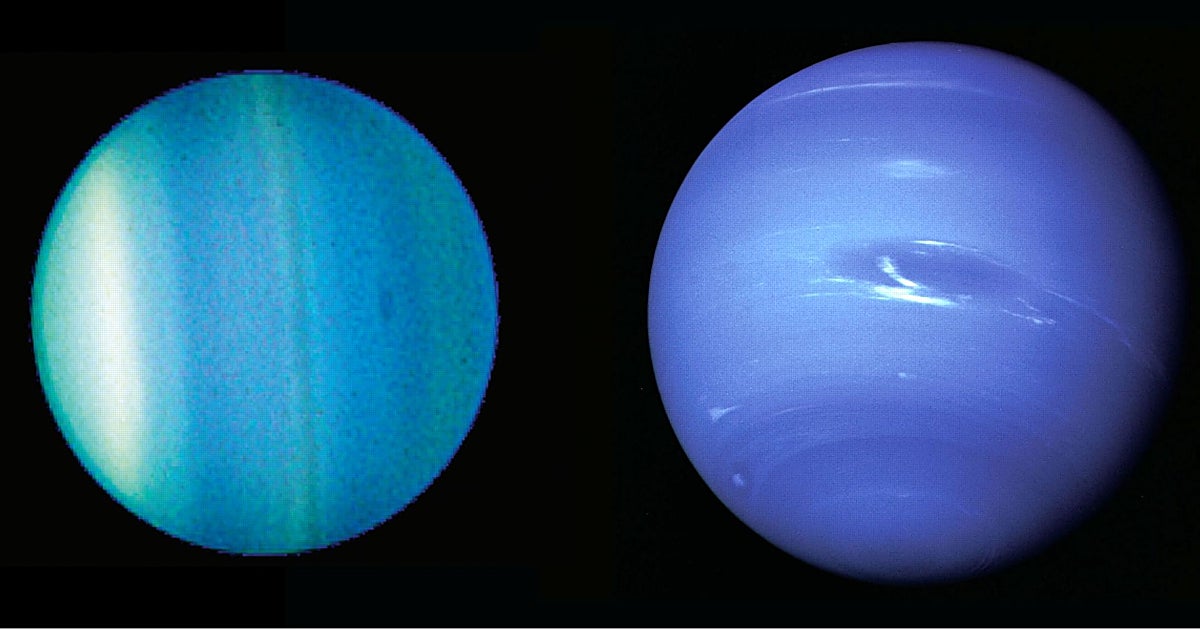
Nuevos estudios sugieren que Urano y Neptuno, tradicionalmente considerados 'gigantes de hielo', podrían estar compuestos en su mayoría por roca fundida y metano, lo que desafía nuestra comprensión actual del Sistema Solar. #Urano #Neptuno #SistemaSolar

www.abc.es
Definitivamente, Urano y Neptuno no son lo que parecen
17328
eldiario.es Jul 5

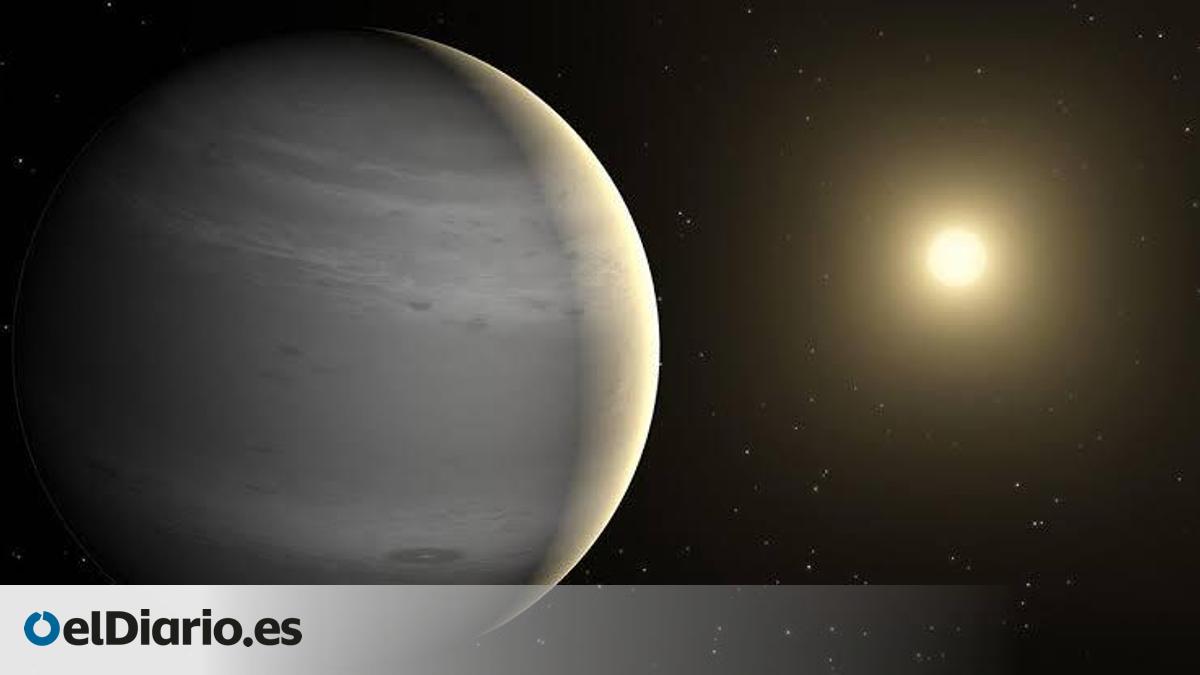
Un equipo internacional de astrónomos ha descubierto que el planeta WD1856 b ha sobrevivido a la muerte de su estrella y continúa orbitando en una inusual proximidad, lo que ofrece nuevas perspectivas sobre la evolución de los sistemas planetarios y el posible destino del Sistema Solar tras la extinción del Sol. #Astronomía #SistemaSolar #Planeta

www.eldiario.es
Un planeta ha sobrevivido a la muerte de su estrella y podría ser un reflejo del futuro del Sistema Solar
18532
Il Fatto Quotidiano Jun 29

Un nuovo studio pubblicato su Astronomy & Astrophysics suggerisce che la Terra potrebbe evitare di essere inghiottita dal Sole morente, contrariamente alle convinzioni precedenti, mentre Mercurio e Venere sono già condannati. #Terra #SistemaSolare #Astronomia

www.ilfattoquotidiano.it
“La Terra potrebbe salvarsi dalla furia del Sole morente, Mercurio e Venere sono invece già condannati”: il nuovo studio che ribalta le convinzioni sul destino del nostro pianeta
17347
ABC TU DIARIO EN ESPAÑOL Jun 9

Un nuevo estudio sugiere que el Sistema Solar primitivo pudo haber albergado un tercer planeta gigante de hielo que, tras una serie de interacciones gravitacionales caóticas, fue expulsado al espacio, lo que llevó a la configuración actual de los planetas. #SistemaSolar #Júpiter #ModeloDeNiza

www.abc.es
El Sistema Solar pudo tener, y expulsar, un tercer planeta gigante de hielo
15586
ANSA.it Jun 7

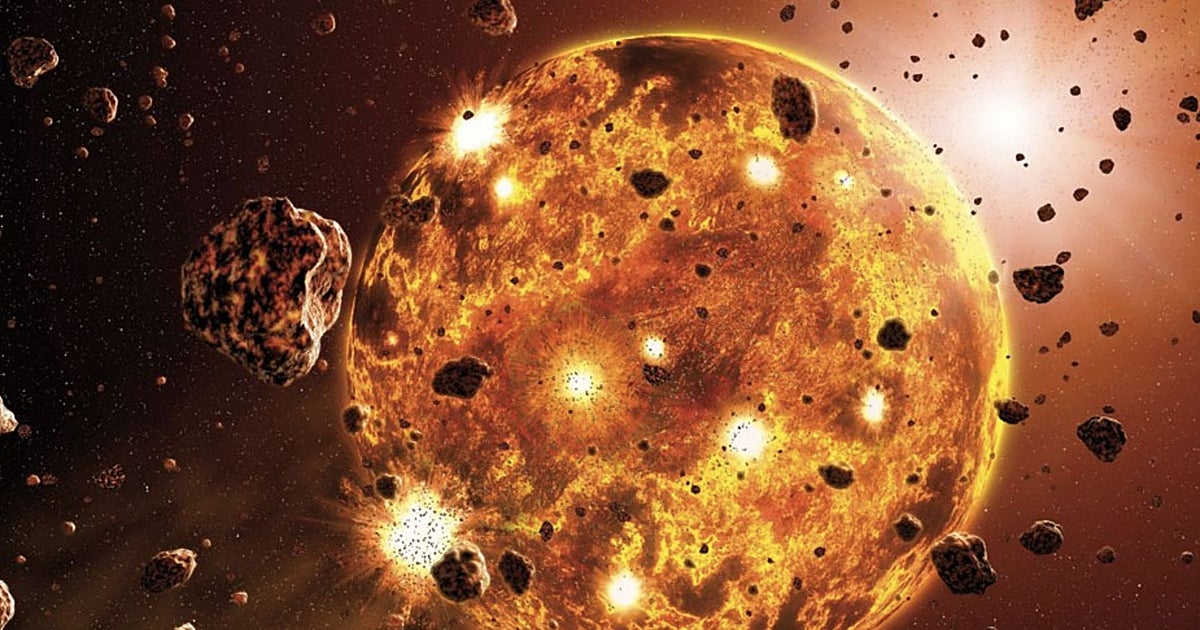
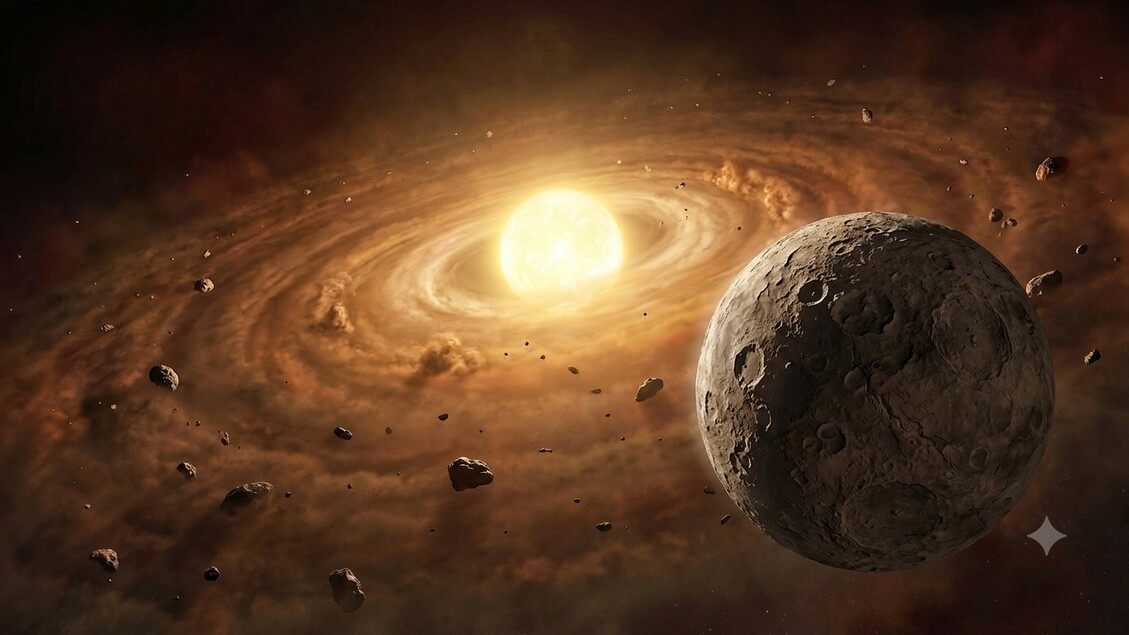
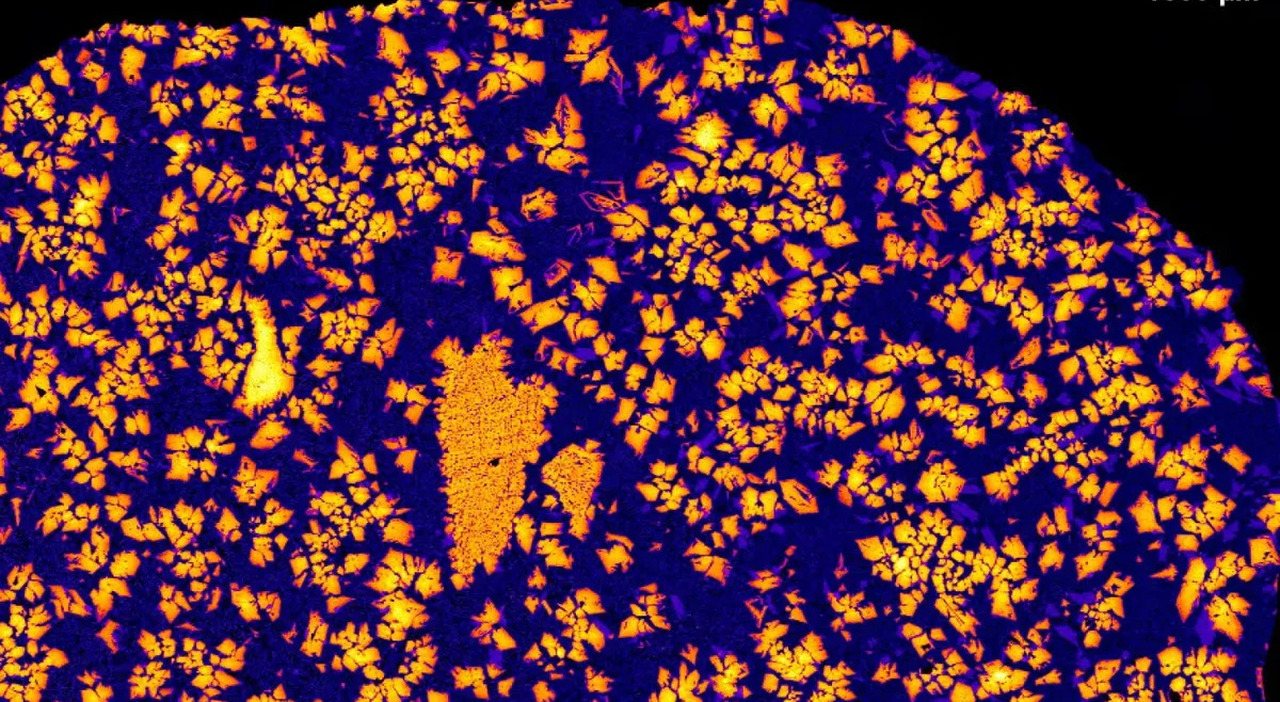
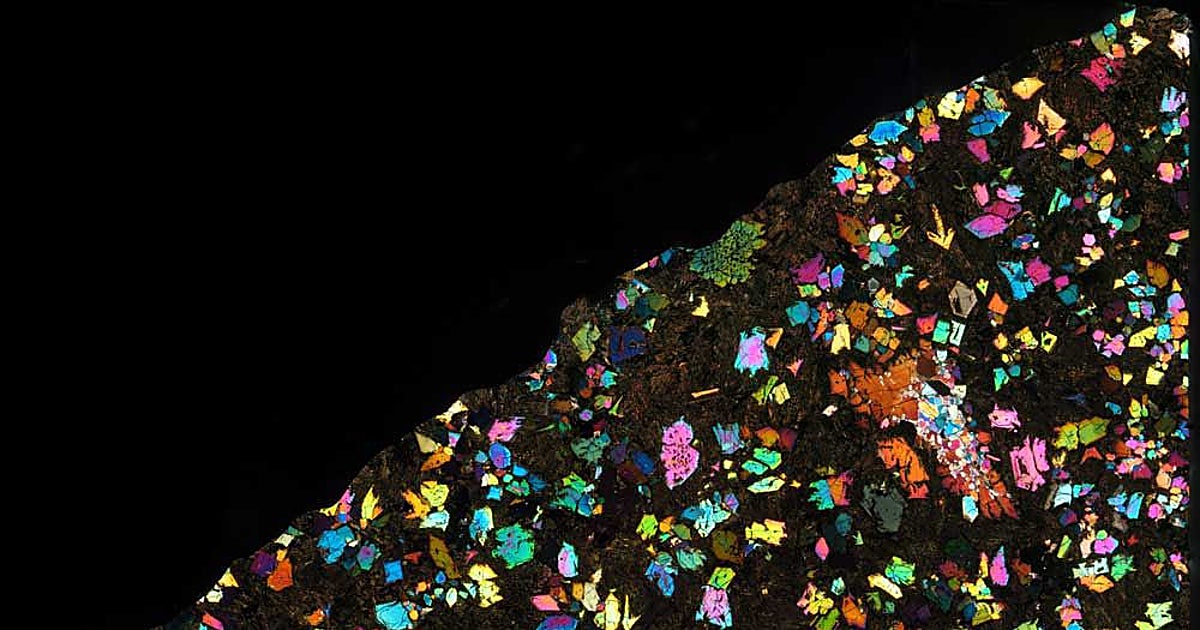
Un meteorite scoperto nel Sahara, chiamato Northwest Africa 12774, potrebbe essere un frammento di un pianeta perduto del Sistema Solare, risalente a 4,5 miliardi di anni fa, e le analisi chimiche indicano che si è formato in condizioni di altissima pressione, suggerendo che il corpo celeste originario era significativamente più grande di un piccolo asteroide. #meteorite #SistemaSolare #angriti

www.ansa.it
In un meteorite trovato nel Sahara gli indizi di un pianeta perduto
16788
Il Messaggero Jun 5

Un meteorite rinvenuto nel Sahara, noto come NWA 12774, potrebbe rappresentare un frammento di un antico pianeta scomparso del sistema solare, rivelando attraverso le sue anomale caratteristiche chimiche che corpi planetari complessi e massicci si sono formati rapidamente durante le prime fasi del nostro sistema solare, prima di essere distrutti da catastrofici impatti cosmici. #Meteorite #SistemaSolare #Astronomia

www.ilmessaggero.it
Il mistero del pianeta scomparso del sistema solare, gli indizi nel meteorite trovato nel Sahara
16191
ABC TU DIARIO EN ESPAÑOL Jun 5

En el desierto del Sáhara se ha encontrado un raro meteorito, NWA 12774, que proporciona evidencia de la existencia de un colosal protoplaneta, comparable en tamaño a la Luna o Marte, que fue destruido hace 4.500 millones de años, desafiando así las teorías previas sobre la formación de los planetas en nuestro Sistema Solar. #Meteorito #SistemaSolar #Protoplaneta

www.abc.es
Hallan, en el Sahara, restos de un planeta gigante destruido en los albores del Sistema Solar
19790