BETA nonprofit public democratic european moderated

Search

#Textil

Huang, en 39-årig människa som söker dagjobb i en textilfabrik i södra Kina, upplever en hård konkurrens och sjunkande löner i en bransch som tidigare blomstrade, men nu präglas av oro och osäkerhet bland arbetare. #Kina #Arbetsmarknad #Textilindustrin

Smockan hänger i luften när Huang söker jobb

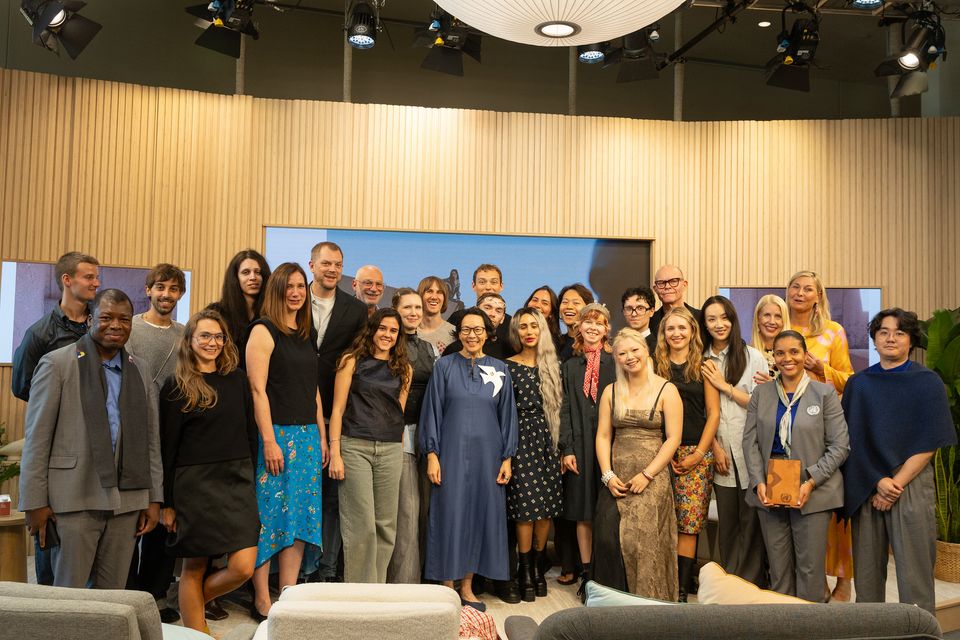
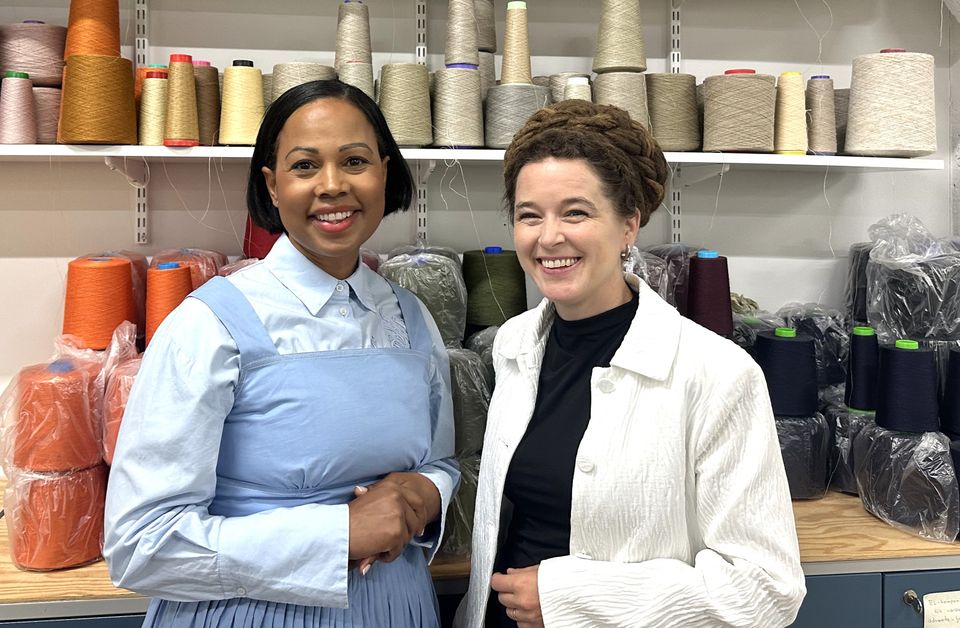
Studenter från Textilhögskolan vid Högskolan i Borås och Central Saint Martins i London har samarbetat för att utveckla en ny kollektion av accessoarer för FN:s guider, som presenterades i New York under Fashion Week. #Textilhögskolan #FN #Modeinnovation

Från Borås till FN – framtidens designers utvecklar nästa del av guidekollektionen
BBC 2w

Since taking control in 1965, Buffett grew a struggling textile mill into a global conglomerate. #WarrenBuffett #BerkshireHathaway #CorporateLeadership

Warren Buffett steps down after six decades at Berkshire - 'Father Time always wins'
BBC 2w

Since taking control in 1965, Buffett grew a struggling textile mill into a global conglomerate. #WarrenBuffett #BerkshireHathaway #ValueInvesting

Warren Buffett steps down after six decades at Berkshire - 'Father Time always wins'
L'Obs 2w

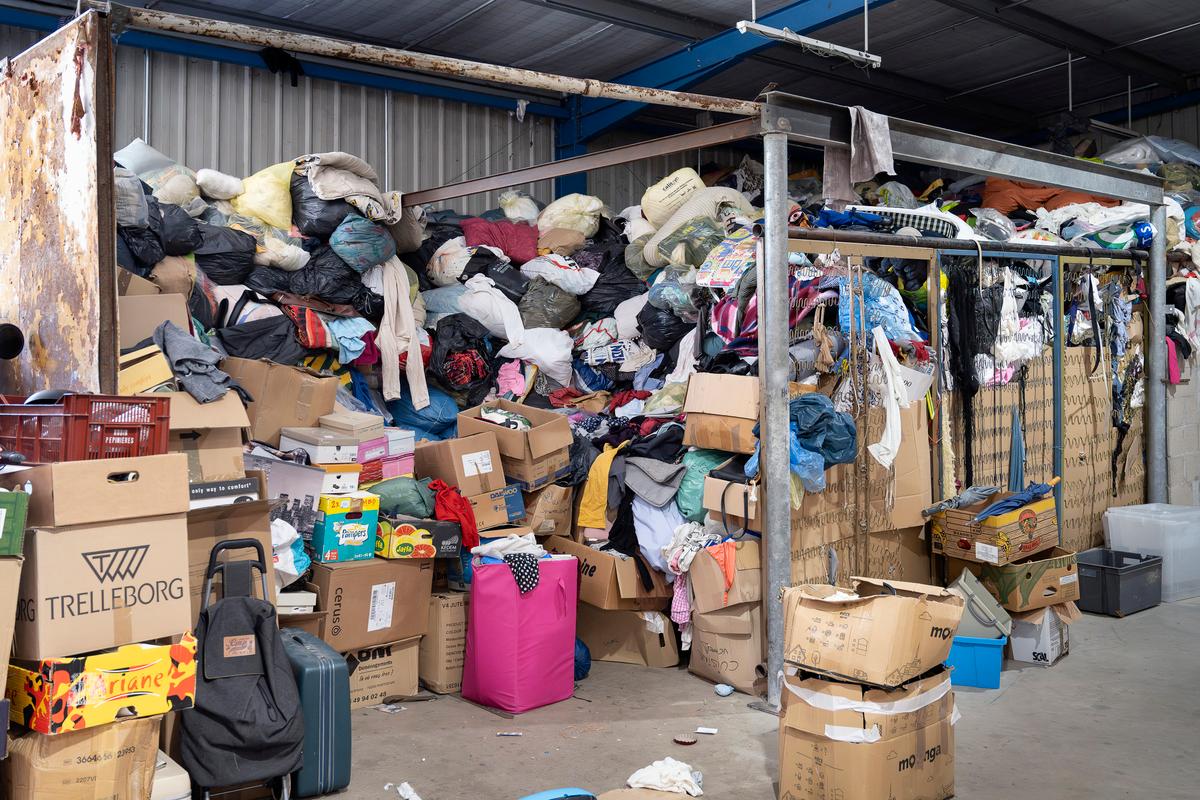
Cécile Duflot et Tarek Daher mettent en garde contre le risque que la seconde main soit exploitée par la fast-fashion, soulignant la crise que traverse la filière de tri textile et l'importance de soutenir le modèle d'économie solidaire. #SecondeMain #FastFashion #ÉconomieSolidaire

« La seconde main ne doit pas devenir le nouveau terrain de jeu de la fast-fashion »

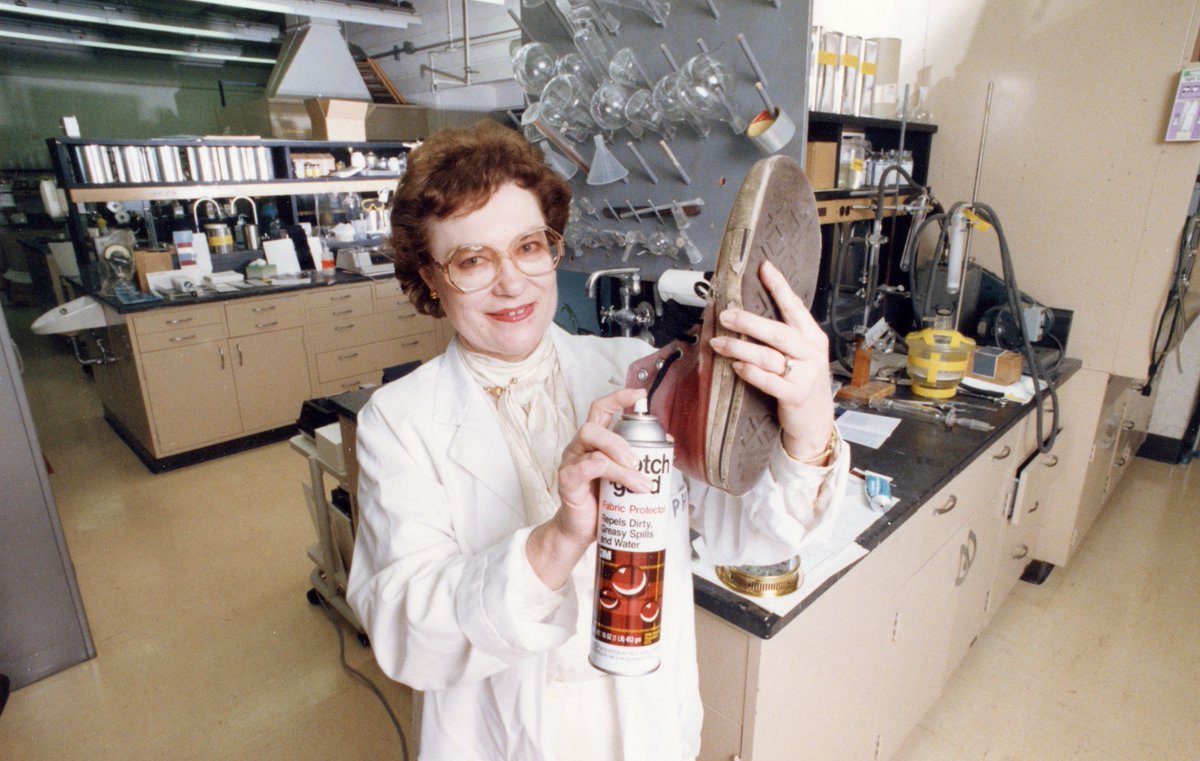
Když v laboratoři omylem ukápla na plátěnou tenisku kapka chemické směsi, nešla smýt vodou, olejem ani rozpouštědlem. Z nešťastné nehody se nakonec zrodila nejslavnější impregnace světa. Radost z toho ale nemáme. Tento díl seriálu #ZenyVeVede jsem vybral s ohledem na včerejší narozeniny protagonistky. Je zajímavý a aktuální ale i důsledky jejího objevu. Patsy Shermanová (za svobodna O’Connellová) se narodila 15. září 1930 v Minneapolis. Na střední škole jí dívčí test studijních předpokladů přisoudil jedinou ideální dráhu: hospodyni. Požádala proto o chlapeckou verzi testu. Ta jí předpověděla kariéru zubařky nebo vědkyně. Vydala se studovat chemii a matematiku na Gustavus Adolphus College (@gustavus) ve městě St. Peter. V roce 1952 tam úspěšně promovala jako první žena, která získala bakalářský titul v obou oborech současně. Firma 3M (@3M) ji téhož roku přijala do laboratoře fluorové chemie. Smlouva byla jen dočasná. Ženy v laboratořích se tehdy vnímaly jako přechodná pracovní síla: vdají se, založí rodinu a odejdou. Chemičky byly jasnou výjimkou – v amerických laboratořích jich pracovalo zhruba šest procent a odnášely si v průměru jen 60 % mužského platu. Patsy se v srpnu 1953 vdala za Huberta Shermana a narodily se jim dvě dcery. Z firmy 3M však neodešla – zůstala v ní čtyřicet let. Úkol zněl téměř vojensky. Nová paliva proudových letadel rozkládala pryžové hadice. Shermanová připravila fluorochemickou latexovou emulzi, která měla agresivnímu palivu odolat. Asistentka Joan Mullinová však při práci upustila skleněnou láhev a kapky emulze dopadly na její bílé plátěné tenisky. Mýdlo, voda, alkohol ani organická rozpouštědla nepomohly. Plátno se však nezbarvilo ani nezhrublo – a v místech, kde směs zaschla, špína vůbec nechytala. Její šéf George Rathmann reagoval věcně: zasažené tenisky na základnu Wright-Patterson sice nepoletí, ale co kdyby se ta samá látka nanesla na tkaninu? Shermanová s ním vzorek namočila, usušila a podržela pod tekoucím kohoutkem. Voda od povrchu odskakovala téměř v pravém úhlu a stejně se zachovala i rozpouštědla. Fluorochemikálie totiž výrazně snižují povrchovou energii vlákna. Kapalina ho díky tomu nesmáčí, sbalí se do kuličky a sklouzne – olej i voda se chovají přesně tak, jako by tkaninu pokrývalo kachní peří. Látka, která měla původně chránit palivovou hadici, tak mohla chránit kabáty, koberce i čalounění. Jejím spolupracovníkem a mentorem se stal Samuel Smith. Tři roky společně ladili recepturu i výrobní náklady. První produkt se dostal na pulty v roce 1956 jako ochrana vlny. Shermanová později vzpomínala, že první zkoušky v textilkách dopadly „naprosto katastrofálně“, protože směs držela výhradně na vlně. Trvalo další léta, než zvládli úpravu bavlny, syntetiky, koberců, autočalounění či tkanin s trvalou úpravou, z nichž se mastná skvrna uvolnila až po praní. Produktová řada Scotchgard nakonec čítala kolem čtyřiceti položek a firmě v nejlepších letech vynášela přes 300 milionů dolarů ročně – v dnešním kurzu zhruba 6,3 miliardy korun. Když se v padesátých letech zkoušela odolnost tkanin přímo v provozu textilky, Shermanová musela čekat venku. Do výrobních hal ženy nesměly, a tak jí výsledky musel vynášet kolega. Patent US 3 574 791 na blokové a roubované kopolymery s polárními a fluoroalifatickými skupinami získala se Smithem 13. dubna 1971. Společně drželi třináct patentů, celkově je její jméno podepsáno pod šestnácti. Jeden z nich se týkal i optických zjasňovačů, díky nimž mohly prací prášky slibovat prádlo „bělostnější než bílé“. V roce 1974 přijala firma 3M Shermanovou jako první ženu do své Carlton Society, interní síně slávy vědců společnosti. V roce 1989 byla jako první žena uvedena do Minnesotské síně vynálezců a v roce 2001 do Národní síně vynálezců. V osmdesátých letech vedla firemní technické vzdělávání a nakonec řídila celý útvar technického rozvoje. Do důchodu odešla v roce 1992. Dcery se vydaly v jejích šlépějích: starší vystudovala chemii a pracovala v 3M, mladší se stala bioložkou. Skupina chemických sloučenin, ze které Scotchgard vyrostl, však měla i druhý život, který už Shermanová neovlivnila. Původní receptury stavěly na perfluoroktansulfonátu (PFOS). Tato látka se v přírodě téměř nerozkládá, hromadí se ve vodě i v krvi a patří mezi takzvané „věčné chemikálie“. Americká agentura EPA začala rizikovost PFOS prověřovat na konci devadesátých let. Společnost 3M ohlásila v roce 2000 útlum výroby a od roku 2003 Scotchgard přešel na látky s kratším (a tedy bezpečnějším) uhlíkovým řetězcem. Minnesotský spor o znečištěnou pitnou vodu skončil v roce 2018 vyrovnáním ve výši 850 milionů dolarů (přibližně 18 miliard korun). Patsy se toho nedožila, zemřela o 10 let dříve na následky cévní mozkové příhody. Výrobu celé nadřazené skupiny látek PFAS (Per- a polyfluorované alkylové látky) 3M definitivně ukončila na konci roku 2025. Značka Scotchgard ale žije dál – jako impregnace na obuv, čalounění či antimlžná úprava brýlí. Problémem všech PFAS jsou jejich závažná rizika zdravotních komplikací (onkologická onemocnění, hormonální a imunitní poruchy, metabolické a reprodukční poruchy). Což rozhodně nechcete u látek které v prostředí i tělech živočichů přetrvávají stovky let a neumíme je ani spolehlivě a levně filtrovat. V Česku se jejich koncentrace plošně měří v povrchových vodách; v kohoutkové vodě je studie zatím nacházejí jen v minimálním množství. Tento stín však nesnižuje hodnotu jejího objevu. Ukazuje spíše odvrácenou tvář chemie, která v roce 1953 nedovolila skvrně zmizet z tenisky. Shermanová ji nevyhodila – viděla v ní unikátní vlastnost a příležitost. Společnost z této vlastnosti vybudovala celé obchodní impérium. Svět si zapamatoval praktický sprej. Chemička, která jej vymyslela, zůstala v laboratorním plášti na firemní fotografii. Často říkala, že vynálezcem může být kdokoli, kdo neignoruje nehodu a zdánlivý neúspěch. Mladým dívkám vzkazovala, ať jdou odhodlaně za svým cílem, protože dokážou totéž co všichni ostatní. Sama to musela dokázat testu, který jí přisoudil jen péči o domácnost, pracovní smlouvě, jež počítala s jejím brzkým odchodem, i vrátnici v textilce, přes kterou ji nepustili k vlastnímu experimentu. P.S.: Každý den sem dávám příběh o opomíjené vědkyni. Pomozte sérii #ZenyVeVede šířit – like, komentář, sdílení a follow @tkapler, ať vám neuteče další díl. Slyšeli jste už o PFAS a jejich rizicích? #Chemie #Vynálezkyně #ŽenyVeVede

Kurier 2w

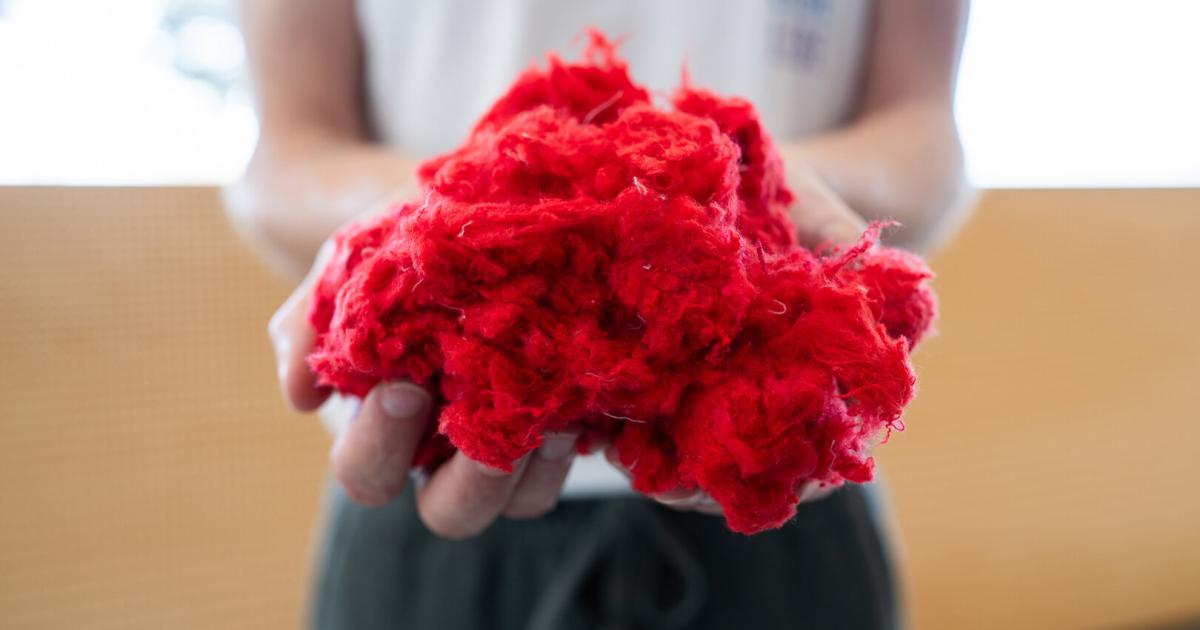
Ein steirisches Unternehmen entwickelt innovative Lösungen zur Verbesserung der Textilrecyclingmethoden, indem es aus alten Polyesterkleidern neue Stoffe herstellt und diese auf der Vienna Fashion Week präsentiert, um das Bewusstsein für nachhaltige Mode zu fördern. #Textilrecycling #Plastikmode #Kreislaufwirtschaft

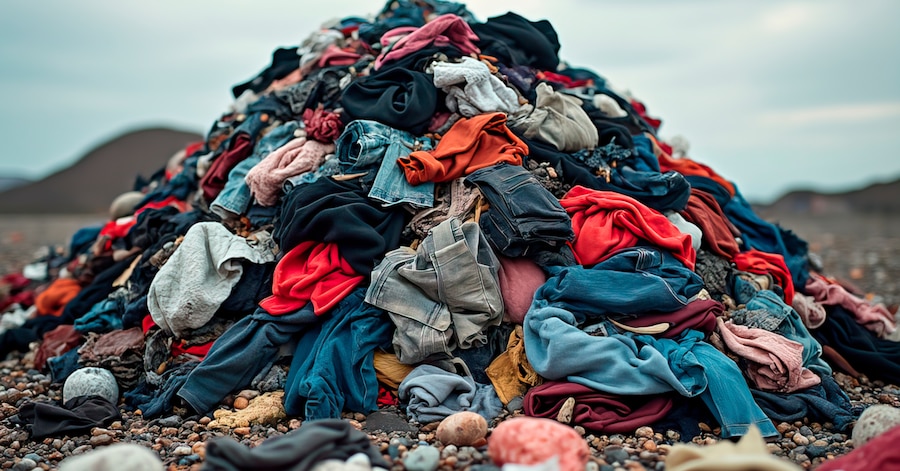
Gegen Textilmüll: Neue Lösungen für die Zukunft von Plastikmode

El conjunto de industrias manufactureras creció 2.3%, destacando la producción de alimentos elaborados y bebidas, productos minerales no metálicos y maquila no textil, así como productos químicos y farmacéuticos. https://t.co/PCWvh6D1OF #Industria #Manufactura #CrecimientoEconómico

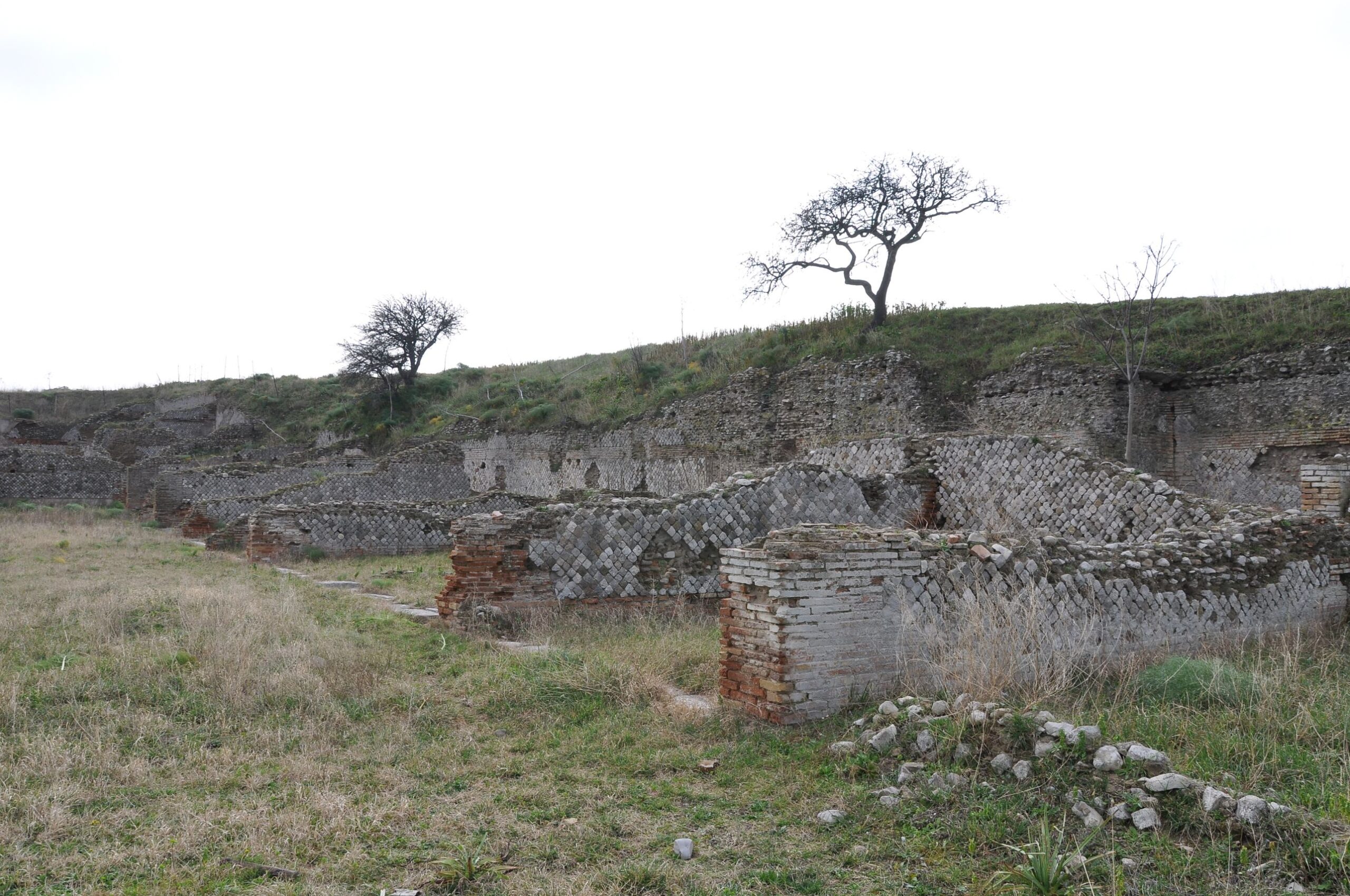
IlSipontino.net: Herdonia, the “Pompeii of Apulia”, featured on Popular Archaeology (USA) SOURCE: https://www.ilsipontino.net/herdonia-la-pompei-di-puglia-in-un-articolo-pubblicato-oggi-su-popular-archaeology-usa/ In the golden heart of the Tavoliere delle Puglie, where the wheat still ripples beneath the very sky that once witnessed the passage of Hannibal’s armies and Trajan’s legions, Herdonia at last emerges onto the international stage: the ancient city that scholars, with equal admiration and regret, have long described as “the Pompeii of Puglia". Published in Popular Archaeology, the article by Dr Luciano Magaldi Sardella retraces, with both passion and scholarly rigour, the entire epic of this extraordinary site: from its Daunian origins in the Iron Age, marked by its celebrated anthropomorphic stelae and the earliest textile embroideries known in Italy, through the tragedy of the Punic Wars – two battles of Herdonia in the aftermath of Cannae – the Roman refoundation along the Via Traiana, and finally the hunting retreat of Frederick II of Swabia of the Hohenstaufen dynasty. Only 20 per cent of its 20–24 hectares has been brought to light over sixty years of Belgian (Joseph Mertens, 1962–1992) and Italo‑Belgian excavations (University of Bari, Giuliano Volpe, 1993–2000). The remaining 80 per cent, preserved intact beneath the thin Puglian mantle, constitutes a living archive of history that could occupy archaeologists for the next century. After twenty‑two years of enforced silence due to a protracted legal dispute, the year 2022 marked a decisive turning point: the State acquired the entire area, allocating more than €2.7 million for restoration, enhancement, and the creation of the Archaeological Park of Herdonia. The HerMA Museum, inaugurated in 2017 just a short distance from the site, already welcomes thousands of visitors with its Daunian and Roman masterpieces, while the Polytechnic University of Bari has produced the first complete 3D model of the ruins. “Herdonia is not merely a site of the past; it is a place capable of narrating the whole of Italy, from prehistory to the Middle Ages, without being overlaid by a modern city,” writes Magaldi Sardella. “It now finally possesses the conditions to become one of the great archaeological parks of our country.” The field lies open. Puglia has rediscovered its Pompeii. It is now for the world to uncover it.

Herdonia, la Pompei di Puglia, in un articolo pubblicato oggi su Popular Archaeology Usa

SanGiovanniRotondoFree.it — Herdonia, the “Pompeii of Apulia”, Captivates America: Popular Archaeology Shines a Spotlight on the Tavoliere’s Hidden Treasure SOURCE: https://sangiovannirotondofree.it/2026/02/28/herdonia-la-pompei-di-puglia-conquista-lamerica-riflettori-di-popular-archaeology-sul-tesoro-nascosto-del-tavoliere/ In the golden heart of the Tavoliere delle Puglie, where the wheat still ripples beneath the very sky that once witnessed the passage of Hannibal’s armies and Trajan’s legions, Herdonia at last emerges onto the international stage: the ancient city that scholars, with equal admiration and regret, have long described as “the Pompeii of Puglia”. Published in Popular Archaeology, the article by Dr Luciano Magaldi Sardella retraces, with both passion and scholarly rigour, the entire epic of this extraordinary site: from its Daunian origins in the Iron Age, marked by its celebrated anthropomorphic stelae and the earliest textile embroideries known in Italy, through the tragedy of the Punic Wars – two battles of Herdonia in the aftermath of Cannae – the Roman refoundation along the Via Traiana, and finally the hunting retreat of Frederick II of Swabia of the Hohenstaufen dynasty. Only 20 per cent of its 20–24 hectares has been brought to light over sixty years of Belgian (Joseph Mertens, 1962–1992) and Italo‑Belgian excavations (University of Bari, Giuliano Volpe, 1993–2000). The remaining 80 per cent, preserved intact beneath the thin Puglian mantle, constitutes a living archive of history that could occupy archaeologists for the next century. After twenty‑two years of enforced silence due to a protracted legal dispute, the year 2022 marked a decisive turning point: the State acquired the entire area, allocating more than €2.7 million for restoration, enhancement, and the creation of the Archaeological Park of Herdonia. The HerMA Museum, inaugurated in 2017 just a short distance from the site, already welcomes thousands of visitors with its Daunian and Roman masterpieces, while the Polytechnic University of Bari has produced the first complete 3D model of the ruins. “Herdonia is not merely a site of the past; it is a place capable of narrating the whole of Italy, from prehistory to the Middle Ages, without being overlaid by a modern city,” writes Magaldi Sardella. “It now finally possesses the conditions to become one of the great archaeological parks of our country.” The field lies open. Puglia has rediscovered its Pompeii. It is now for the world to uncover it.

Herdonia, la Pompei di Puglia conquista l’America: riflettori di Popular Archaeology sul tesoro nascosto del Tavoliere - San Giovanni Rotondo Free

StatoQuotidiano.it — Herdonia, the “Pompeii of Apulia”, Captivates America SOURCE: https://www.statoquotidiano.it/28/02/2026/herdonia-la-pompei-di-puglia-conquista-lamerica/1289894/ The site, renowned for its millennia‑old history and its extraordinary archaeological heritage, takes centre stage in an in‑depth feature published today in Popular Archaeology by Dr Luciano Magaldi Sardella. In the golden heart of the Tavoliere delle Puglie, where the wheat still ripples beneath the very sky that once witnessed the passage of Hannibal’s armies and Trajan’s legions, Herdonia at last emerges onto the international stage: the ancient city that scholars, with equal admiration and regret, have long described as “the Pompeii of Puglia”. Published in Popular Archaeology, the article by Dr Luciano Magaldi Sardella retraces, with both passion and scholarly rigour, the entire epic of this extraordinary site: from its Daunian origins in the Iron Age, marked by its celebrated anthropomorphic stelae and the earliest textile embroideries known in Italy, through the tragedy of the Punic Wars – two battles of Herdonia in the aftermath of Cannae – the Roman refoundation along the Via Traiana, and finally the hunting retreat of Frederick II of Swabia of the Hohenstaufen dynasty. Only 20 per cent of its 20–24 hectares has been brought to light over sixty years of Belgian (Joseph Mertens, 1962–1992) and Italo‑Belgian excavations (University of Bari, Giuliano Volpe, 1993–2000). The remaining 80 per cent, preserved intact beneath the thin Puglian mantle, constitutes a living archive of history that could occupy archaeologists for the next century. After twenty‑two years of enforced silence due to a protracted legal dispute, the year 2022 marked a decisive turning point: the State acquired the entire area, allocating more than €2.7 million for restoration, enhancement, and the creation of the Archaeological Park of Herdonia. The HerMA Museum, inaugurated in 2017 just a short distance from the site, already welcomes thousands of visitors with its Daunian and Roman masterpieces, while the Polytechnic University of Bari has produced the first complete 3D model of the ruins. “Herdonia is not merely a site of the past; it is a place capable of narrating the whole of Italy, from prehistory to the Middle Ages, without being overlaid by a modern city,” writes Magaldi Sardella. “It now finally possesses the conditions to become one of the great archaeological parks of our country.” The field lies open. Puglia has rediscovered its Pompeii. It is now for the world to uncover it.

Herdonia, la 'Pompei di Puglia' conquista l’America

FoggiaReporter.it: Ordona, the “Pompeii of Apulia”: Dr Luciano Magaldi Sardella’s contribution on Popular Archaeology USA SOURCE: https://www.foggiareporter.it/ordona-la-pompei-di-puglia-su-popular-archaeology-lintervento-del-dr-luciano-magaldi-sardella.html Destined to become one of the largest archaeological parks in Italy. In the golden heart of the Tavoliere delle Puglie, where the wheat still ripples beneath the very sky that once witnessed the passage of Hannibal’s armies and Trajan’s legions, Herdonia at last emerges onto the international stage: the ancient city that scholars, with equal admiration and regret, have long described as “the Pompeii of Puglia”. Published in Popular Archaeology, the article by Dr Luciano Magaldi Sardella retraces, with both passion and scholarly rigour, the entire epic of this extraordinary site: from its Daunian origins in the Iron Age, marked by its celebrated anthropomorphic stelae and the earliest textile embroideries known in Italy, through the tragedy of the Punic Wars — two battles of Herdonia in the aftermath of Cannae — the Roman refoundation along the Via Traiana, and finally the hunting retreat of Frederick II of Swabia of the Hohenstaufen dynasty. Only 20 per cent of its 20–24 hectares has been brought to light over sixty years of Belgian (Joseph Mertens, 1962–1992) and Italo‑Belgian excavations (University of Bari, Giuliano Volpe, 1993–2000). The remaining 80 per cent, preserved intact beneath the thin Puglian mantle, constitutes a living archive of history that could occupy archaeologists for the next century. After twenty‑two years of enforced silence due to a protracted legal dispute, the year 2022 marked a decisive turning point: the State acquired the entire area, allocating more than €2.7 million for restoration, enhancement, and the creation of the Archaeological Park of Herdonia. The HerMA Museum, inaugurated in 2017 just a short distance from the site, already welcomes thousands of visitors with its Daunian and Roman masterpieces, while the Polytechnic University of Bari has produced the first complete 3D model of the ruins. “Herdonia is not merely a site of the past; it is a place capable of narrating the whole of Italy, from prehistory to the Middle Ages, without being overlaid by a modern city,” writes Magaldi Sardella. “It now finally possesses the conditions to become one of the great archaeological parks of our country.” The field lies open. Puglia has rediscovered its Pompeii. It is now for the world to uncover it.

Ordona, la Pompei di Puglia: su “Popular Archaeology” l’intervento del Dr. Luciano Magaldi Sardella - Foggia Reporter

FOGGIASERA.it, HERDONIA SU POPULAR ARCHAEOLOGY USA SOURCE: https://foggiasera.it/2026/02/27/the-archaeological-site-of-herdonia-the-pompeii-of-puglia-su-popular-archaeology-usa/ In the golden heart of the Tavoliere delle Puglie, where the wheat still sways beneath the very sky that once witnessed the passage of Hannibal’s armies and Trajan’s legions, Herdonia at last steps onto the international stage: the ancient city that scholars, with equal admiration and regret, have long described as “the Pompeii of Puglia". Published in Popular Archaeology, the article by Dr Luciano Magaldi Sardella retraces with both passion and scholarly rigour the full epic of this extraordinary site: from its Daunian origins in the Iron Age, with its celebrated anthropomorphic stelae and the earliest textile embroideries known in Italy, through the tragedy of the Punic Wars (two battles of Herdonia following Cannae), the Roman refoundation along the Via Traiana, and finally the hunting retreat of Frederick II of Swabia. Only 15-20 per cent of its twenty-twenty-five hectares has been brought to light across sixty years of Belgian (Joseph Mertens, 1962–1992) and Italo‑Belgian excavations (University of Bari, Giuliano Volpe, 1993–2000). The remaining 80 per cent, preserved intact beneath the thin Apulian mantle, constitutes an archive of living history that could occupy archaeologists for the next century. After twenty‑two years of enforced silence due to a protracted legal dispute, the year 2022 marked a decisive turning point: the State acquired the entire area, allocating more than €2.7 million for restoration, enhancement, and the creation of the Archaeological Park of Herdonia. The HerMA Museum, inaugurated in 2017 a short distance from the site, already welcomes thousands of visitors with its Daunian and Roman masterpieces, while the Polytechnic University of Bari has produced the first complete 3D model of the ruins. “Herdonia is not merely a site of the past: it is a place capable of narrating the whole of Italy, from prehistory to the Middle Ages, without being overlaid by a modern city,” writes Magaldi Sardella. “It now finally possesses the conditions to become one of the great archaeological parks of our country.” The field lies open. Puglia has rediscovered its Pompeii. It is now for the world to uncover it.

L’industrie textile européenne réclame une nouvelle taxe visant notamment les géants de l’ultra-fast fashion comme Shein, Temu ou AliExpress - VIDEO https://t.co/TU2lQeJizZ #FastFashion #TaxeTextile #EconomieEurope #EU #CN

L'article exhorte la Belgique à adopter des réglementations durables pour contrer l'industrie de la fast fashion et à promouvoir la seconde main, en soulignant l'impact environnemental et social de la surproduction textile. #SecondeMain #ModeDurable #FastFashion

La mode jetable n’est pas une fatalité : la Belgique doit choisir une autre voie

"Cette proposition est issue d'une loi parlementaire. (...) La concurrence déloyale des Chinois fait peser un risque très important sur l'emploi français, l'industrie textile française et, évidemment, la planète"

La France continue sa guerre face à l'ultra fast-fashion chinoise, pourquoi pas la Belgique ?
www.lalibre.be
L'Obs 4w

La nouvelle loi sur l'ultra-fast-fashion en France impose depuis le 1er septembre des malus financiers aux principaux pollueurs de l'industrie textile, tels que Shein et Temu, afin de réduire leur impact environnemental. #UltraFastFashion #PollutionTextile #LoiEnvironnementale

Ultra-fast-fashion : en France, les pires pollueurs de l’industrie textile vont (enfin) passer à la caisse !

Po odchodu do důchodu po 50 letech práce jsem se těšil na klid. Moje žena ale rozhodla jinak a začala mě každý den tahat do nákupního centra. Jelikož mě nakupování k smrti nudilo, musel jsem si najít vlastní zábavu. ​Včera žena dostala z obchodního domu tento dopis: ​Vážená paní, ​za posledních šest měsíců způsobil váš manžel v našem obchodě značný rozruch. Toto chování nemůžeme tolerovat, a proto vám oběma zakazujeme vstup. ​Přehled jeho zdokumentovaných prohřešků: ​15. června: Náhodně strkal lidech do vozíků krabičky kondomů. ​2. července: Nastavil všechny budíky v domácích potřebách, aby zvonily po 5 minutách. ​7. července: Udělal na podlaze k dámským toaletám cestičku z rajčatové šťávy. ​14. srpna: Přesunul ceduli „POZOR - MOKRÁ PODLAHA“ na koberec. ​15. srpna: Postavil v kempingu stan a řekl okolním dětem, že je pustí dovnitř, jen když si z bytového textilu přinesou polštáře. Dvacet dětí ho poslechlo. ​23. srpna: Na otázku prodavače, zda potřebuje pomoct, se rozbrečel a křičel: „Proč mě všichni pořád otravujete?!“ Musela přijet záchranka. ​10. září: V oddělení se zbraněmi se prodavače zcela vážně zeptal, kde najde antidepresiva. ​3. října: Podezřele pobíhal po obchodě a hlasitě si broukal znělku z Mission Impossible. ​18. října: Schoval se mezi stojany s oblečením a na zákazníky křičel: „VYBER SI MĚ! VYBER SI MĚ!“ ​22. října: Při hlášení z rozhlasu padl k zemi, chytil se za hlavu a řval: „UŽ ZASE TY HLASY!“ ​A na závěr 23. října: Vešel do zkušební kabinky a po chvíli na celé kolo zakřičel: „A kde je jako toaletní papír?!“ Jedna z prodavaček omdlela. #důchod #zábava #humor

H
Sandfeen Aug 28

The Elite Origins of Marxist Revolution Bertrand Russell, a socialist who visited Moscow in 1920, observed that the Bolsheviks resembled religious fanatics more than political theorists. Lenin quoted Marx and Engels as a pastor recites Scripture. In his *History of Western Philosophy*, Russell described the parallels: dialectical materialism replaces God, the Communist Party becomes the church, communist revolution the Second Coming, punishment for capitalists hell, and the communist commonwealth heaven. The *Communist Manifesto* declares that its aims can be achieved only through “the forcible overthrow of all existing social conditions.” Marx sought to destroy the existing world and assumed that an undefined utopia would rise. If Marxism claims to speak for the oppressed, why has it so often been adopted by elites? Marx came from an upper-middle-class family that owned vineyards and employed servants. Friedrich Engels, his chief supporter and financier, inherited wealth from his family’s textile business. Lenin’s family owned property and employed servants, while Mao Zedong’s family was considerably wealthier than ordinary Chinese peasants. Fidel Castro’s family owned a large estate, Che Guevara came from an affluent background, and Pol Pot’s family had connections to Cambodia’s royal court. Pol Pot encountered Marxism while studying in Paris. These men went on to create, support, or lead revolutions that killed millions of the people they claimed to represent. This was no accident. The *Communist Manifesto* states that “a portion of the bourgeoisie goes over to the proletariat,” especially those who understand “the historical movement as a whole.” Marx therefore incorporated an explanation for his own class position into the movement’s founding text. Lenin expanded this idea, arguing that workers left to themselves could achieve only “trade-union consciousness.” Socialist theory, he believed, had to be brought to them by educated elites—the revolutionary vanguard. Although Marxism and communism are commonly portrayed as movements created for the poor, the men who developed and led them were, almost without exception, members of the elite.

via.tt.se Aug 28

Miljöpartiet presenterar en ny politik för att minska utsläppen från kläder och textil, med en strategi som fokuserar på cirkularitet, hållbar produktion och ökad transparens, för att stärka den svenska textilindustrin och skapa en mer hållbar framtid. #HållbarTextil #Klimatpolitik #Cirkularitet

Miljöpartiet presenterar politik för minskade utsläpp från kläder och textil