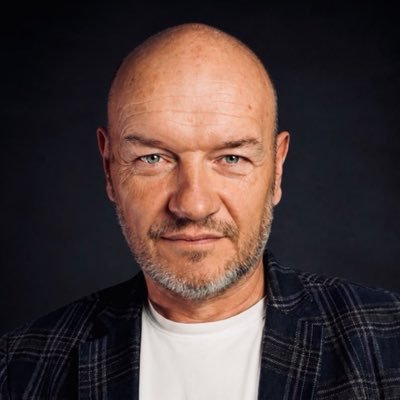
Redbad wrote that he knew Waldek, Myślozbira, from the internet and found it hard to come to terms with the fact that the deceased would not write another sentence. He valued his precision and the way he defined his views and spoke up despite the consequences. According to Redbad, Waldek advocated for the right to an individual voice, independent of origin, gender, or orientation. Redbad found beliefs in his texts that were close to his own, particularly concerning the biological and binary nature of sex, the independence of orientation from ideology, and the responsibility of adults to protect children from experiments with irreversible effects. Redbad also described his own experience of attacks after he questioned the meaning of the "plus" sign. He wrote that he faced attempts to exclude him, loss of work, and challenges to his right to participate in the debate, and some of these actions proved effective. He added that this only allowed him to imagine the price Waldek paid for his stance. Redbad mentioned that as a person of two cultures, he understood how important the right to self-define one's identity and express one's views was to Waldek. He wrote that the voice of the deceased would remain with others and might give courage to those who had remained silent until now. #Waldka #WalkaOSwojePrawa #Tożsamość (translated)