WRLD

Search

#accidentelor
Stirile ProTV 23h

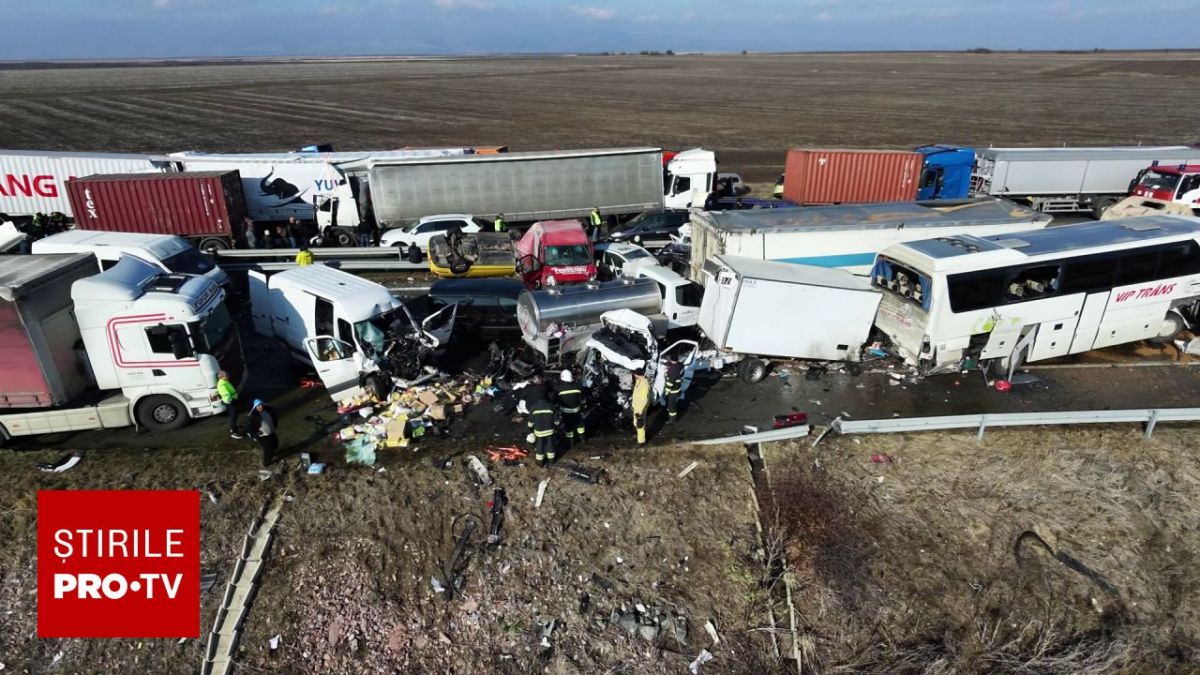
The toll of the pile-up on the Trakia highway has reached 13 dead, after a man died in the hospital following the chain collisions that occurred on November 10, involving 86 vehicles. #carambol #accidentelor #tragedie (translated)
stirileprotv.ro
Bilanțul carambolului de pe autostrada Trakia a ajuns la 13 morți. Un bărbat a decedat la spital

2135
Digi24 2w

The article discusses safety issues related to Tesla vehicle doors that cannot be opened by either the drivers or rescue teams in the event of fire accidents, highlighting tragic cases from South Korea and the USA, where there were victims due to this deficiency. #Tesla #siguranță #accidente (translated)

www.digi24.ro
Mașini în flăcări, victime, anchete, procese peste tot pe glob. Ce se întâmplă când nici șoferii, nici salvatorii nu pot deschide ușile
2529
G
Gelu 3w

Don't change the time! Change the schedule, not the time! The biological rhythm is regulated by the Sun, not the clock. Time is not a work schedule that we can shift at will. Time is the measure by which we organize our lives, and nature has its own rhythm. The Earth does not change its rotation twice a year. The sun does not rise earlier because we decided to move the clock forward. Animals, birds, insects, and plants follow their biological rhythms related to light, darkness, and the natural succession of seasons. Humans are part of this nature. Our bodies have their own biological clock, fundamentally influenced by light. And when we officially move the clocks by one hour, we are not changing the course of nature, but rather asking humans to abruptly adapt to an administrative convention. Why do this every spring and reverse it every autumn? Is it natural to change the time or to adapt our schedules? Let's consider the majority of people: workers, farmers, students, teachers, parents, retirees, people who must adhere to a schedule set by others. They cannot always modify their schedules at will. They need to wake up at a certain hour, get to work, take a child to school, or comply with the public transport timetable. In contrast, there are people and organizations that have the opportunity to adapt their schedules based on the season, natural light, or the needs of their activities. If, for some people, changing their schedule is feasible, why impose the time change on everyone? Let's take a hypothetical example: if 10% of people have the freedom to adapt their schedule, is it fair to change the time for all those who do not have this freedom? Would it not be more logical to change the schedule where needed, rather than change the time by which the entire society organizes itself? Stores can modify their opening hours. Factories can adapt their shifts. Institutions can adjust their schedules, and schools and public transport can analyze timetables according to local conditions and people's needs. We do not all have to operate on the same schedule to live by the same time. Nature does not need our approval to follow its rhythm. In spring, the days lengthen. In autumn, the days shorten. This is the natural rhythm of the Earth, which we can observe without moving even a single clock hand. If we want to start activities earlier in summer, we can start sooner. If winter requires a different schedule, we can adapt it. But why change the official time, get used to a new convention, and then revert to the old one? Would it not be simpler to keep the same time all year round and organize our activities according to the season? I do not claim that all living beings measure time in hours and minutes. I assert something more important: their biological rhythms are linked to the natural cycle of light and darkness, not to the numbers we display on the clock. And humans should take this truth into account when organizing their lives. The economy must serve people, not people be permanently forced to adapt to the economy. One argument presented in favor of changing the time is the more efficient use of natural light or the reduction of energy consumption. But the actual effects depend on the country, season, population habits, and how energy is used. If we want to save energy, let's examine actual consumption. If we want more light during activities, let's adapt the schedules. If we want to improve work organization, let's change the timetables where possible. There is no need to change the time for the whole society to achieve flexibility in certain areas. The schedule is a tool we can adapt. The time should be a stable reference. We cannot stop the seasons. We cannot modify the Earth's rotation. We cannot ask nature to adapt to our clock. But we can organize our lives more wisely. Instead of moving the clock hands twice a year, we can learn to adapt our schedules to the reality around us. Instead of changing the time for everyone, we can allow each field to find the appropriate schedule, within the bounds of the law and with respect for people's rights. Let's keep the time stable and make the schedules flexible! Let's leave time in peace. Twice a year, millions of people are forced to change their clocks, schedules, and biological rhythms to adapt to an administrative decision. It is said that changing the time brings economic or energy benefits. However, in modern society, these advantages are increasingly contested, while the disadvantages are felt by nearly the entire population. People, animals, and plants do not live by the clock on the wall, but by the natural rhythms of the Earth. The human body is regulated by the alternation of light and darkness. When we artificially move the time forward or back, we disturb this balance. Many people sleep worse, feel more tired, and need days or weeks to readjust. Living beings do not change their schedules twice a year. Birds do not migrate by the clock, cows do not produce milk according to the official hour, and dogs do not understand why their owner takes them for a walk an hour earlier. Nature follows the sun, not administrative decisions. There is also a principle issue. For a relatively small percentage of people and activities that would benefit from more light in the evening, the schedule of the entire society is modified. About 90% of people are forced to adapt, even though they did not ask for this and do not gain direct advantages. It would be more logical for the sectors that need a different schedule to adapt it themselves. Stores can open earlier or later. Factories can modify their work shifts. Schools, institutions, and companies can adjust their schedules as needed. It is much easier for certain organizations to change the schedule in a targeted manner than to change the official time for the entire population. Moreover, modern technology has greatly diminished the argument for saving energy. Lighting now represents a smaller proportion of total consumption, while air conditioning, computers, and other equipment operate regardless of time changes. The time should serve people, not people be obliged to serve the time. A modern society can function efficiently without moving the clock hands twice a year. Stability, health, and respect for natural rhythms are stronger arguments than the tradition of a measure introduced in another era. Therefore, the most rational solution is to keep the same time throughout the year and adapt schedules where necessary, rather than changing the lifestyle rhythm of an entire population. Why should we keep the same time all year? Changing the time twice a year represents an artificial intervention in the natural rhythm of society. Although it was introduced with the intention of saving energy, numerous modern studies show that the benefits are minimal, while the social, medical, and economic costs are significant. 1. The biological rhythm is regulated by the Sun, not the clock. The human body operates according to an internal biological clock, synchronized with the natural alternation of day and night. Research in chronobiology shows that artificial changes in time disrupt sleep, concentration, and metabolism. In the days following the switch to summer time: - sleep disorders increase; - more traffic accidents occur; - productivity at work decreases; - there is an increase in the risk of heart attacks and other cardiovascular problems. In practice, millions of people are forced to suffer a slight "jet lag" without having traveled anywhere. 2. Nature does not change the time. Animals and plants regulate their activity according to light. Birds, insects, domesticated and wild animals do not change their schedules just because the government decides to move the clock forward by one hour. Farmers often observe that cows continue to adhere to their biological schedule regardless of the change in official time. The same happens with many other living beings. In reality, we are changing the clock display, not the position of the Sun in the sky. 3. Economic benefits are diminishing. Changing the time was introduced in an era when lighting consumed a significant proportion of the energy used by the population. Today: - lighting is much more energy-efficient; - the main consumption comes from air conditioning, heating, servers, computers, and appliances; - estimated savings are very low or even nonexistent in many states. In contrast, the economic costs are real: - employee productivity decreases after the time change; - absenteeism increases; - additional costs associated with accidents and medical problems arise; - computer and logistics systems need to be periodically adjusted. 4. It is unfair to change the schedule of all for the needs of a minority. If certain economic sectors find it useful to start activities earlier in summer, they can adapt their schedules. For example: - stores can operate from 07:00 to 21:00 instead of 08:00 to 22:00; - factories can alter shifts; - public institutions can temporarily adjust working hours; - schools and companies can decide locally what schedule is optimal. It is much simpler for 10% of organizations to change their schedule than for 100% of the population to change their biological clock. 5. Stability means efficiency. Transport, information systems, international economic activities, and public services function more smoothly when the official time remains constant. One hour throughout the year: - reduces scheduling errors; - simplifies transport and communications; - eliminates confusion regarding timetables; - provides predictability for citizens and companies. Conclusion The sun does not change its time. The Earth does not change its time. Nature does not change its time. Only humans move the clock hands and then endure the consequences of this decision. Instead of modifying the schedule of an entire society twice a year, it is more logical to keep the same time constantly and allow those fields that need a different schedule to adapt their programs individually. This way, natural biological rhythms are respected, economic costs are reduced, and the comfort of the majority of the population is increased. A modern society needs flexibility in scheduling, not the constant change of the clock. (translated)

926
Stirile ProTV Sep 6

Sângerările nazale pot semnala hipertensiunea arterială, având un rol protector împotriva accidentelor vasculare cerebrale prin reducerea tensiunii arteriale. #hipertensiune #sângerareNazală #AVC

stirileprotv.ro
Sângerarea nazală poate fi un semnal de alarmă pentru hipertensiune. Ce legătură are cu riscul de AVC
19492
Digi24 Aug 3

O rețea infracțională formată dintr-un polițist, angajați din spitale și avocați a fost destructurată de procurori, aceștia fiind acuzați că accesau ilegal datele personale și medicale ale victimelor accidentelor auto pentru a le contacta și a le încheia contracte de asistență juridică, obținând astfel comisioane semnificative și facilitând evaziune fiscală. #accidentauto #evaziune #avocati

www.digi24.ro
Un polițist, angajați din spitale și avocați făceau bani de pe urma victimelor accidentelor auto: cum acționa rețeaua destructurată
12486
Digi24 Jul 25

Articolul oferă un rezumat al celor mai semnificative evenimente petrecute pe 25 iulie de-a lungul istoriei, inclusiv analiza unui incident recent de apărare aeriană românească și o retrospectivă asupra unor tragedii aviatice și realizări notabile, evidențiind atât realizările din domeniul aviației, cât și impacturile tragice ale accidentelor aeriene. #Digistoria #evenimente #25iulie

www.digi24.ro
Digistoria - cele mai importante evenimente petrecute pe 25 iulie
17267
Digi24 Jul 22

Grecia a implementat o legislație strictă privind utilizarea trotinetelor electrice, interzicându-le persoanelor sub 17 ani și instituind amenzi severe pentru încălcări, ca răspuns la creșterea accidentelor grave, în special în rândul tinerilor și turiștilor. #Grecia #trotineteElectrice #accidente

www.digi24.ro
Grecia ia măsuri drastice pentru folosirea trotinetelor electrice: amenzi usturătoare și interdicție pentru persoanele sub 17 ani
14891
HotNews.ro Jul 20

Irlanda va crește vârsta minimă pentru utilizarea trotinetelor electrice de la 16 la 18 ani, va impune obligativitatea deținerii unui permis și a purtării căștii, în contextul unei creșteri alarmante a accidentelor, în special în rândul copiilor, fără a exclude posibilitatea unei interdicții totale în viitor. #TrotineteElectrice #SiguranțăRutiere #Reglementări

hotnews.ro
Încă o țară europeană ia măsuri împotriva trotinetelor electrice din cauza accidentelor
15491
Mediafax.ro Jul 18

Comisia Europeană examinează posibilitatea implementării unei tehnologii care ar limita automat viteza mașinilor prin reducerea accelerației atunci când depășesc limita de viteză, având în vedere că sistemele actuale de avertizare nu sunt suficiente pentru a reduce numărul accidentelor rutiere. #siguranțarutieră #limitareavitezei #tehnologie

www.mediafax.ro
Sfârșitul excesului de viteză? Bruxelles-ul ia în calcul limitarea automată a accelerației
16092
adevarul.ro Jul 12

Începând cu 7 iulie 2026, toate autoturismele noi din Uniunea Europeană vor fi dotate cu un sistem de camere inteligente care monitorizează atenția șoferului și emit avertismente în cazul în care acesta este distras de la drum, ca parte a măsurilor de siguranță pentru reducerea accidentelor rutiere. #siguranțărutieră #tehnologieauto #distrațiidecondus

adevarul.ro
Camere inteligente în toate mașinile noi. Noul sistem impus de UE detectează când șoferul este distras de la drum
16702
adevarul.ro Jul 9

Două tragedii au marcat ziua de joi în România, cu un copil de aproximativ 6-7 ani ucis de un tren în Ialomița și o femeie de 31 de ani prinsă și decedată sub o freză agricolă în Vrancea, ambele cazuri generând anchete pentru stabilirea circumstanțelor accidentelor. #accidentferoviar #tragedie #copilmort

adevarul.ro
Două familii distruse: copil mort sub roțile trenului în Ialomița și femeie sfâșiată de o freză agricolă în Vrancea
8951
Digi24 Jun 26

Aproape de sezonul vacanțelor, aglomerația de pe șoselele din Brașov crește riscul accidentelor, iar autoritățile au instalat semafoare inteligente pentru a tempera șoferii vitezomani, România având în continuare cele mai multe decese cauzate de accidente rutiere în Uniunea Europeană. #accidente #trafic #viteza

www.digi24.ro
„Nu au răbdare”. Graba spre vacanță crește riscul accidentelor pe șosele. Cum sunt temperați șoferii vitezomani, pe șoselele din Brașov
17333
Stirile ProTV Jun 17

Compania Națională de Drumuri va implementa benzi de urgență pe drumurile expres, după o analiză care a arătat o creștere alarmantă a accidentelor, cu 34 de incidente pe tronsonul Craiova – Pitești, dintre care 9 grave, cauzate în principal de mașinile oprite pe acostamente înguste. #accidente #drumuriExpres #siguranțaRutiere

stirileprotv.ro
34 de accidente pe un singur traseu. Drumurile expres vor avea benzi de urgență după valul de tragedii
10171
Stirile ProTV Jun 13

Bruxelles a anunțat interzicerea trotinetelor electrice în regim de self-service începând din 2027, invocând creșterea alarmantă a accidentelor și problemele legate de utilizarea și parcarea necorespunzătoare a acestora. #bruxelles #trotinetelectrice #interzicere

stirileprotv.ro
Încă o capitală europeană interzice trotinetele electrice. Ce probleme nu au mai putut fi ignorate
13767
Digi24 Jun 12

Bruxelles va interzice începând din 2027 trotinetelor electrice de închiriat din cauza creșterii accidentelor, problemelor de parcare și utilizării acestora în activități infracționale, afectând astfel operatorii Bolt și Dott, ale căror licențe expiră la sfârșitul anului 2026. #Bruxelles #trotineteelectrice #accidente

www.digi24.ro
Trotinetele electrice de închiriat dispar de pe străzile din Bruxelles din 2027: „Prea multe accidente”
11374
Stirile ProTV Jun 12

Bruxelles va interzice trotinetelor electrice de închiriat începând cu 2027 din cauza creșterii accidentelor, a abuzurilor și a obstructării traficului, măsura fiind similară cu cele adoptate recent de alte capitale europene precum Paris, Madrid și Praga. #trotinetaelectrica #Bruxelles #interdictie

stirileprotv.ro
Încă o capitală europeană va interzice trotinetele electrice de închiriat. Măsura intră în vigoare din 2027
10775
Digi24 Jun 9

Articolul subliniază riscurile și manifestările crizei de hipoglicemie la pacienții diabetici, în special cei care utilizează insulină, evidențiind impactul negativ asupra reflexelor și capacității de concentrare, precum și importanța educării acestora pentru prevenirea accidentelor, în contextul unui recent accident grav provocat de un șofer aflat în criză diabetică. #hipoglicemie #diabet #insulina

www.digi24.ro
Cum se manifestă o criză de hipoglicemie și cât de periculoasă poate deveni. Medic: „Pacientul poate pierde orice fel de reflex”
17365
Stirile ProTV May 31

Articolul discută despre importanța asigurării RCA în România, explicând că aceasta este obligatorie pentru a proteja victimele accidentelor rutiere și a preveni costurile ridicate pentru șoferii vinovați care circulă fără asigurare, subliniind, de asemenea, sancțiunile legale care pot fi aplicate în cazul nerespectării acestei obligativități. #RCA #asigurare #amendă

stirileprotv.ro
Ce se întâmplă dacă nu ai asigurare la mașină. Ce prevede legea
16782
Digi24 May 27

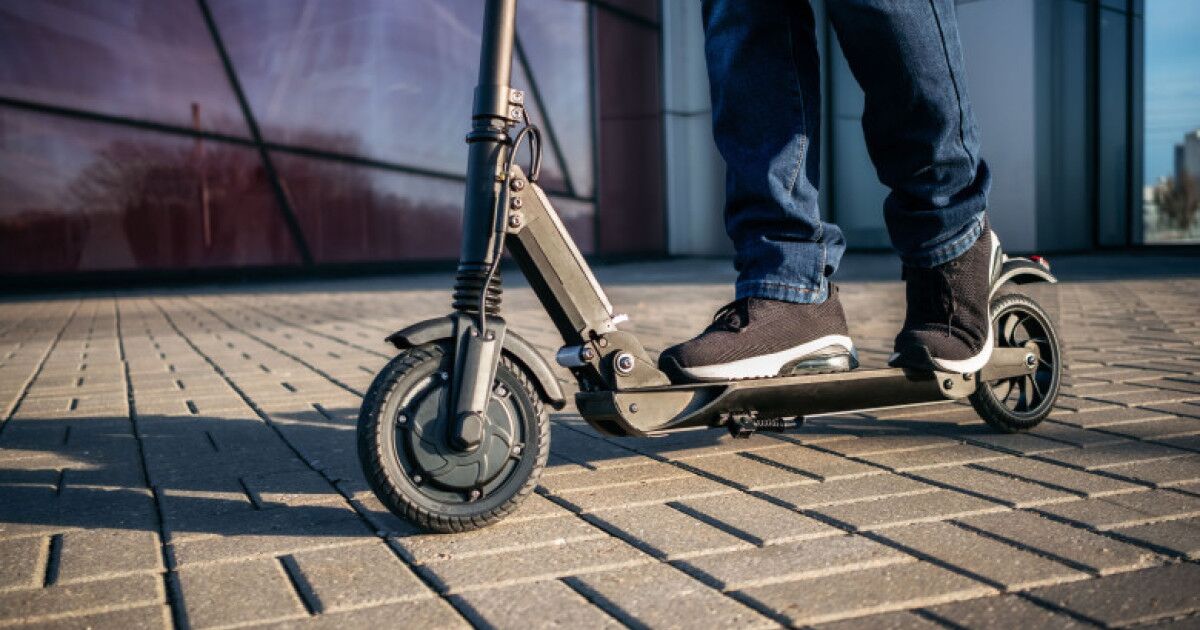
Articolul discută despre creșterea accidentelor grave în rândul copiilor care utilizează trotinete electrice, subliniind riscurile generate de eliminarea limitei de viteză din fabrică, iar polițiștii avertizează că modificarea vitezei constituie o infracțiune. #trotinete #copii #accidente

www.digi24.ro
„Copiii pot să deblocheze”. Eliminarea restricției de viteză la trotinetele electrice, la modă printre adolescenți. Ce spun polițiștii
12592
Digi24 May 27

Articolul discută despre creșterea accidentelor grave în rândul copiilor care utilizează trotinete electrice, subliniind riscurile generate de eliminarea limitei de viteză din fabrică, iar polițiștii avertizează că modificarea vitezei constituie o infracțiune. #trotinete #copii #accidente

www.elespanol.com
Trump asegura que ha dado orden de "cortar todo el comercio" con España porque es un socio "terrible" de la OTAN
12592