
The taboo is broken. For the first time, the Corinthians women's team loses at the Neo Química Arena. Congratulations to Emily Lima and the players involved. Corinthians has to change A LOT to be champions next week! (translated)
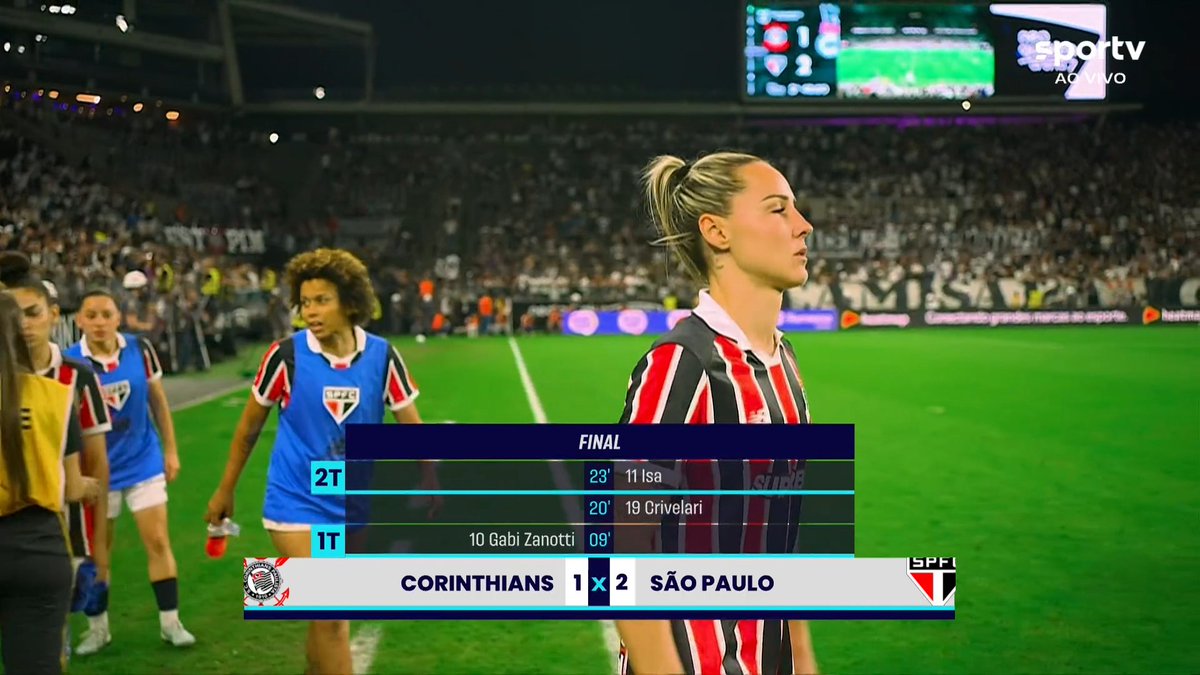
The taboo is broken. For the first time, the Corinthians women's team loses at the Neo Química Arena. Congratulations to Emily Lima and the players involved. Corinthians has to change A LOT to be champions next week! (translated)
Gabi Zanotti opens the proceedings at the Neo Química Arena. Corinthians 1 x 0 São Paulo. (translated)


The only thing we ask of our beautiful community on a day like this: refrain from posting hate comments on the accounts of the pilots and their families 🙏🏻 We already know that there will be people who will continue to do it, but let's do our part. Now let's disconnect and think about Malaysia. 💪🏻 (translated)

Corinthians expects a loss of nearly HALF A BILLION reais due to restrictions on bets; the impact could be greater. The Timão understands that it would lose at least R$ 480 MILLION from the master sponsorship contract related to 2027, 2028, and 2029. The loss could increase due to amounts such as bonuses for titles. Other revenues may also be affected. The club fears a "rebound effect" on the contract with Brax, responsible for the advertising boards at the Neo Química Arena in the Brasileirão, due to the presence of the bets on the boards. This agreement guarantees R$ 330 MILLION until 2029. The TV share is also a concern: the contract with FFU yields just over R$ 1 billion until 2029. It amounts to about R$ 210 million per year, potentially reaching R$ 250 million with performance bonuses. In Series A, 14 of the 20 clubs have betting companies as main sponsors. The companies paid R$ 1.145 billion in sponsorships to the 20 clubs with the highest revenue in Brazil last year. (translated)
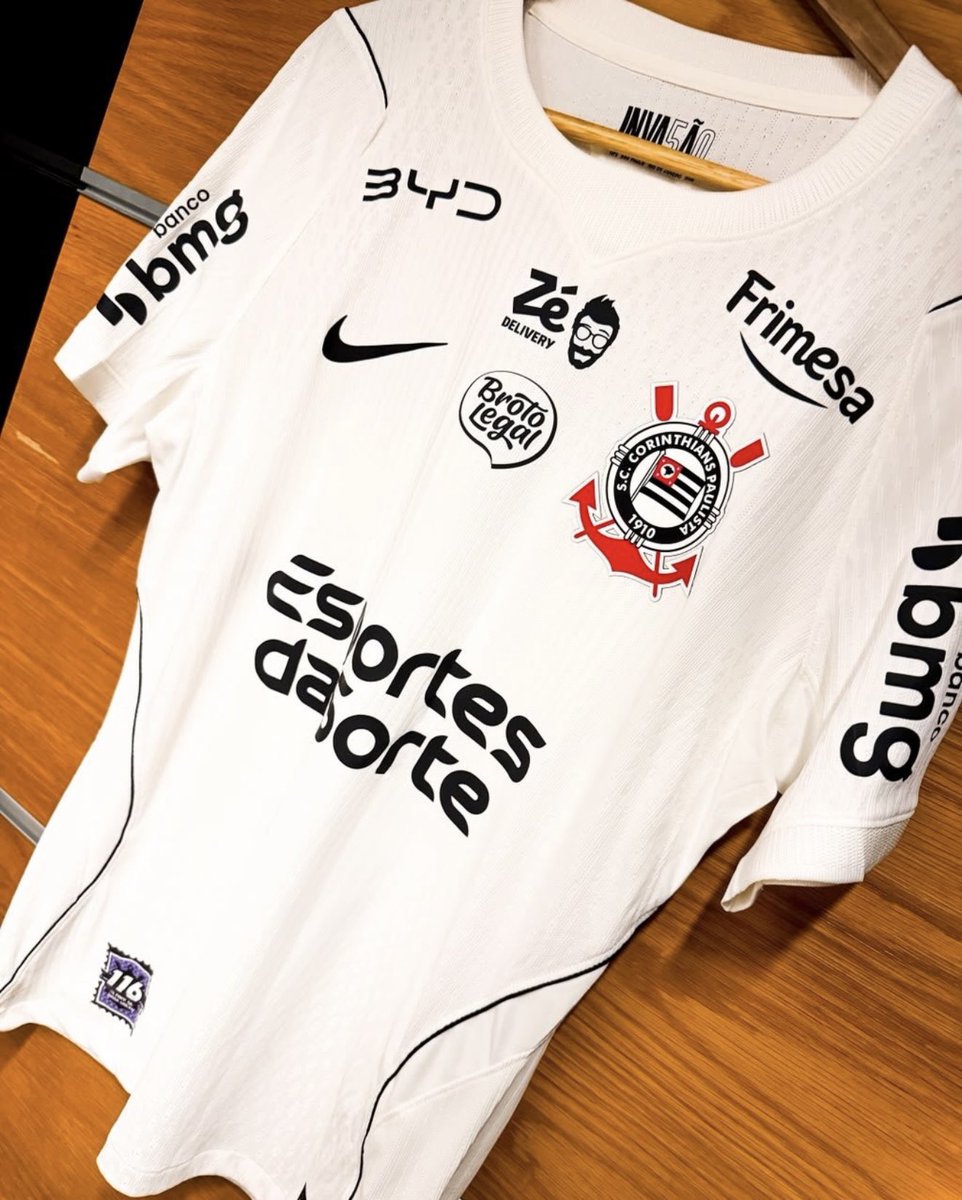

Meeting with Gohar Nourian, president of the Arena association, which is fighting alongside the Council of Armenian Organizations of France, to ensure that at a minimum, Armenian heritage is preserved in the territory of Artsakh conquered by the Azerbaijani autocratic regime. Since the 19th. (translated)

"It is concerning the blatant use of the Justice System by the candidate Flávio Bolsonaro against citizens who express themselves on social media, turning the courts into a mere extension of political dispute. Judicial provocation about content specific to the political arena, especially during electoral campaigns, should be measured and guided by objective, justifiable, and easily understood criteria by society. The Judiciary is not a place for candidates to vent their frustrations at the expense of freedom of expression." (translated)

Brazil spent years discussing how to regulate sports betting. Congress approved it, the government regulated it, companies paid to operate legally in the country, made investments, and began to comply with rules for supervision, taxation, and consumer protection. One cannot create a rule, get companies and institutions to commit based on it, and then overnight change the entire regulatory framework. No regulation is untouchable. If there are problems, the rules need to be improved. If they need to be stricter, let them be. Those who violate the law should be punished. But there is a fundamental difference between improving regulation and simply dismantling it. This is a matter of legal certainty. And legal certainty is not only of interest to betting companies. It matters to anyone, company, or institution that invests, contracts, and makes long-term plans in Brazil trusting in the rules established by the state itself. The change heavily impacts Brazilian sports. A decision of this magnitude affects professional football, youth categories, women's football, Olympic sports, and championships. Brazilian sports cannot be analyzed solely from the financial reality of the highest-earning clubs. And it is not just the clubs that are affected; it is a chain that receives an immediate impact: direct and indirect jobs, communication, marketing, and technology companies, suppliers, arenas, service providers, and an entire economic chain. It also affects public revenue. The regulated market generates resources through taxes and allocations provided by law, which reach the public coffers and are directed to areas of societal interest. Weaken the legal market can produce a particularly bad combination: less resources for sports and less revenue for the country. And will the Brazilian be better protected? This may be one of the central questions of this discussion. Prohibiting companies that operate legally does not mean ending betting. The game does not disappear, and the underground market, which represents a significant portion of the activity, will grow and occupy this space. A survey by the Locomotiva Institute, conducted in May 2026 across the country with 2,291 bettors, indicates the relevant presence of practices associated with the illegal market. A study by LCA Consultores, based on this research, estimates that between 38% and 44% of the value bet online in Brazil currently occurs on clandestine platforms. There is one particularly important piece of data: the estimated share of the illegal market decreased after regulation, moving from the range of 41% to 51% in 2025 to 38% to 44% in the first half of 2026. The game will not end with a stroke of a pen. What ends is the part that Brazil can regulate, supervise, tax, and hold accountable. And the result may be less security for investors, fewer resources for sports and the country, and less capacity for oversight of the activity. Brazil needs to combat illegal gambling. It needs to protect its population. But it also needs to preserve legal certainty, investment capacity, and the sustainability of its sports institutions. Brazilian sports cannot be weakened by a decision that does not eliminate gambling, does not eliminate the illegal market, and still puts at risk the investments, jobs, and commitments built within the rules that the country itself established. (translated)

🚨 NOW! Official statement from Flamengo: "Brazil spent years discussing how to regulate sports betting. Congress approved it, the government regulated it, companies paid to operate legally in the country, made investments, and began to comply with oversight, taxation, and consumer protection rules. One cannot create a rule, lead companies and institutions to make commitments based on it, and then, overnight, change the entire regulatory framework. No regulation is untouchable. If there are problems, the rules need to be improved. If they need to be stricter, then let them be. Those who violate the law must be punished. But there is a fundamental difference between improving regulation and simply dismantling it. This is a matter of legal certainty. And legal certainty is not only of interest to betting companies. It matters to anyone, company, or institution that invests, contracts, and makes long-term plans in Brazil relying on the rules established by the State itself. The change hits Brazilian sports hard. A decision of this magnitude affects professional football, the youth categories, women's football, Olympic sports, and championships. Brazilian sport cannot be analyzed solely based on the financial reality of the highest-revenue clubs. It is not just the clubs that are affected; it is a chain that receives an immediate impact: direct and indirect jobs, communication, marketing and technology companies, suppliers, arenas, service providers, and an entire economic chain. It also affects public revenue. The regulated market generates resources through taxes and legal allocations, which reach public coffers and are directed to areas of interest to society. Weakening the legal market can produce an especially bad combination: fewer resources for sports and less revenue for the country. And will the Brazilian be more protected? This may be one of the central questions of this discussion. Prohibiting legally operating companies does not mean ending betting. The game does not disappear, and the clandestine market, which represents a significant portion of the activity, will grow and occupy that space. Research from Instituto Locomotiva, conducted in May 2026 nationwide with 2,291 bettors, points to the relevant presence of practices associated with the illegal market. A study by LCA Consultores, based on this research, estimates that between 38% and 44% of the online betting value in Brazil currently takes place on clandestine platforms. There is a particularly important data point: the estimated participation of the illegal market decreased after regulation, dropping from that range of 41% to 51% in 2025 to 38% to 44% in the first half of 2026. The game will not end with a stroke of a pen. What ends is the part that Brazil can regulate, oversee, tax, and hold accountable. And the result may be less security for investors, fewer resources for sports and the country, and less oversight capacity over the activity. Brazil needs to combat illegal gambling. It needs to protect its population. But it also needs to preserve legal certainty, investment capacity, and the sustainability of its sports institutions. Brazilian sports cannot be weakened by a decision that does not eliminate gambling, does not eliminate the illegal market, and still puts at risk the investments, jobs, and commitments built within the rules that the country itself established." 🗞️ @simpraisa (translated)


Official note from Flamengo: Brazil spent years discussing how to regulate sports betting. Congress approved it, the government regulated it, companies paid to operate legally in the country, made investments, and began to comply with oversight, taxation, and consumer protection rules. One cannot create a rule, lead companies and institutions to commit based on it, and then, overnight, change the entire regulatory framework. No regulation is untouchable. If there are problems, the rules need to be improved. If they need to be stricter, then let them be. Those who violate the law should be punished. But there is a fundamental difference between improving regulation and simply dismantling it. This is a matter of legal security. And legal security is not only of interest to betting companies. It is of interest to anyone, company, or institution that invests, contracts, and makes long-term plans in Brazil, trusting the rules established by the State itself. The change strikes at the heart of Brazilian sports. A decision of this magnitude affects professional football, youth categories, women's football, Olympic sports, and championships. Brazilian sports cannot be analyzed solely from the financial reality of the clubs with the highest revenue. And it is not only the clubs that are affected; it is a chain that receives an immediate impact: direct and indirect jobs, communication, marketing and technology companies, suppliers, arenas, service providers, and an entire economic chain. It also impacts public revenue. The regulated market generates resources through taxes and allocations provided by law, which go to public coffers and are allocated to areas of societal interest. Weakening the legal market could produce a particularly bad combination: less funding for sports and less revenue for the country. And will Brazilians be better protected? This may be one of the central questions of this discussion. Prohibiting companies that operate legally does not mean ending betting. The game does not disappear, and the underground market, which represents a significant portion of the activity, will grow and fill that space. A survey by the Locomotiva Institute, conducted in May 2026 across the country with 2,291 bettors, points to a significant presence of practices associated with the illegal market. A study by LCA Consultores, based on this research, estimates that between 38% and 44% of the value bet online in Brazil currently occurs on clandestine platforms. There is one particularly important piece of data: the estimated share of the illegal market fell after regulation, moving from the range of 41% to 51% in 2025 to 38% to 44% in the first half of 2026. The game will not end with a stroke of a pen. What will end is the part of the activity that Brazil can regulate, oversee, tax, and hold accountable. The result may be less security for investors, fewer resources for sports and for the country, and less oversight capacity over the activity. Brazil needs to combat illegal gambling. It needs to protect its population. But it also needs to preserve legal security, investment capacity, and the sustainability of its sports institutions. Brazilian sports cannot be weakened by a decision that does not eliminate gambling, does not eliminate the illegal market, and still jeopardizes investments, jobs, and commitments built within the rules established by the country itself. (translated)


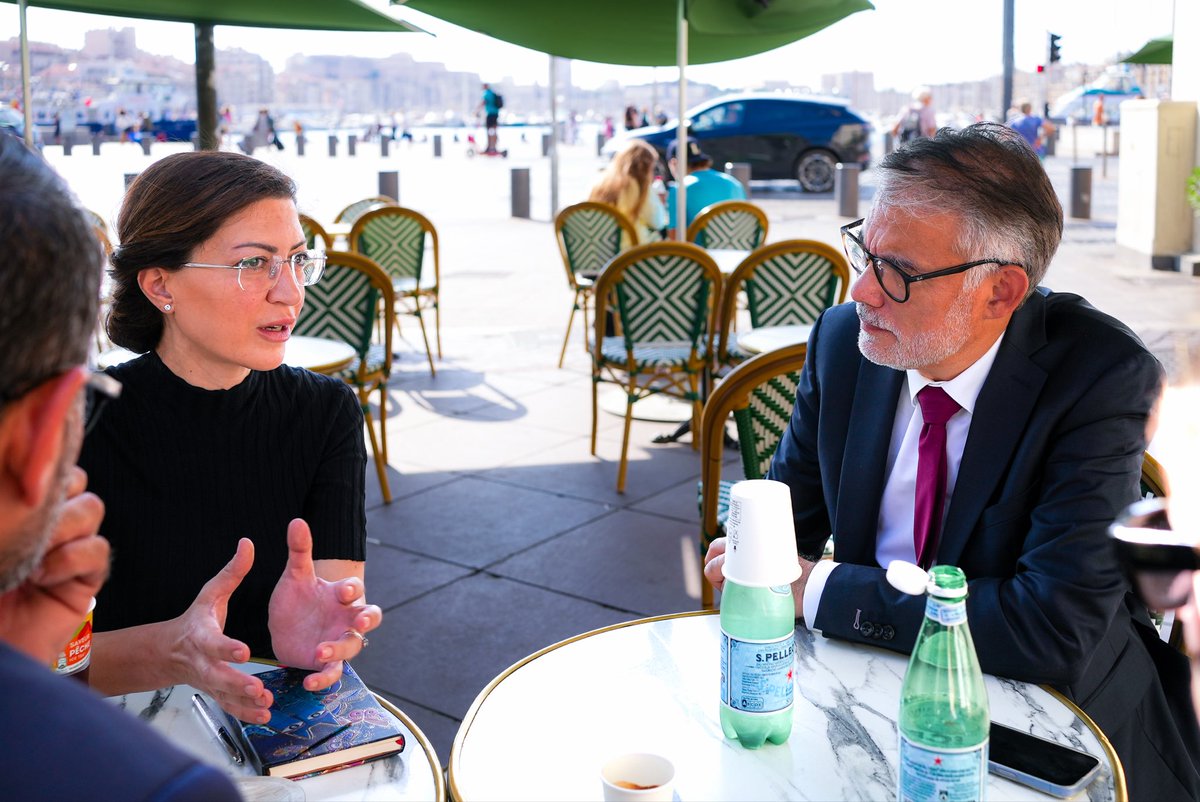
At this moment, a lecture is taking place at IDP, given by Gilmar Mendes' daughter, Laura Mendes, about "the new arena of Democracy." It is being broadcast on YouTube. In the photo, a summary of what is being discussed. 🤡🤡🤡🤡 (translated)
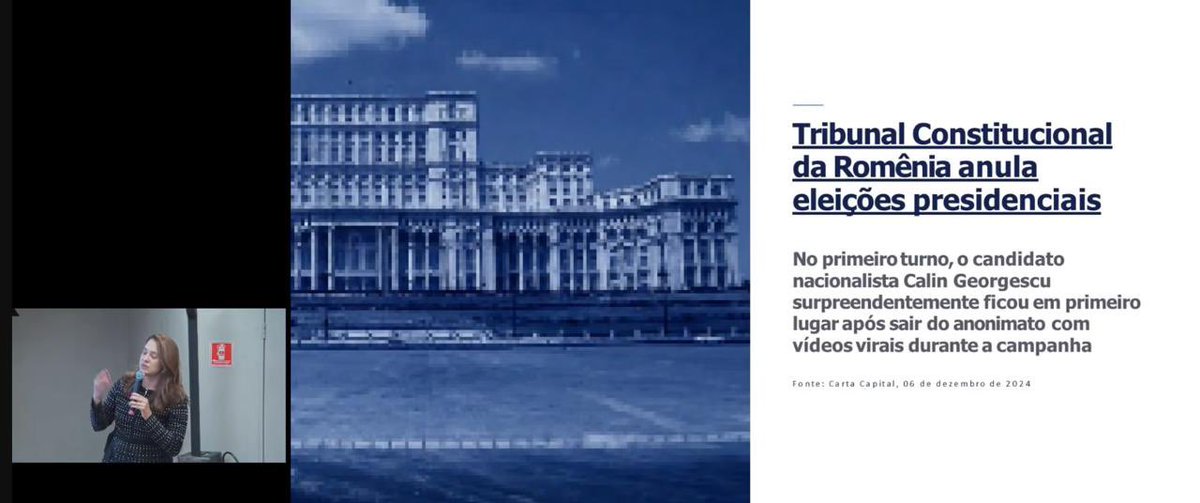

Removing Arena cannot start with a promise. For SAFiel, it starts with commitment. First, contract. Then, fulfillment of obligations. Is that how it should work? And now, Corinthians? (translated)
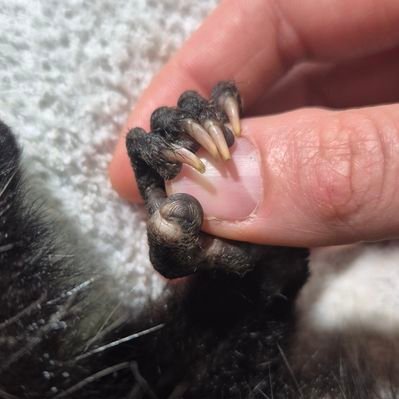
I will have a little calm time to write my point of view on so many comments that I have the misfortune of reading 🤢 I have the fortune to be able to contribute my grain of sand here and I will make the most of it because the days go by quickly. Thanks to you for being here🫂 (translated)
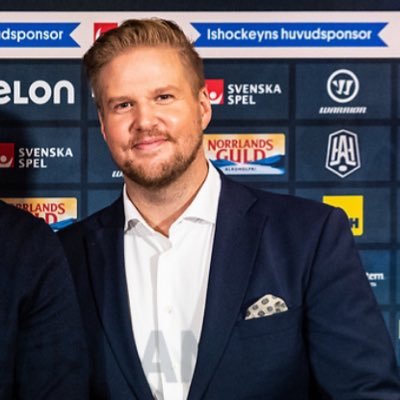
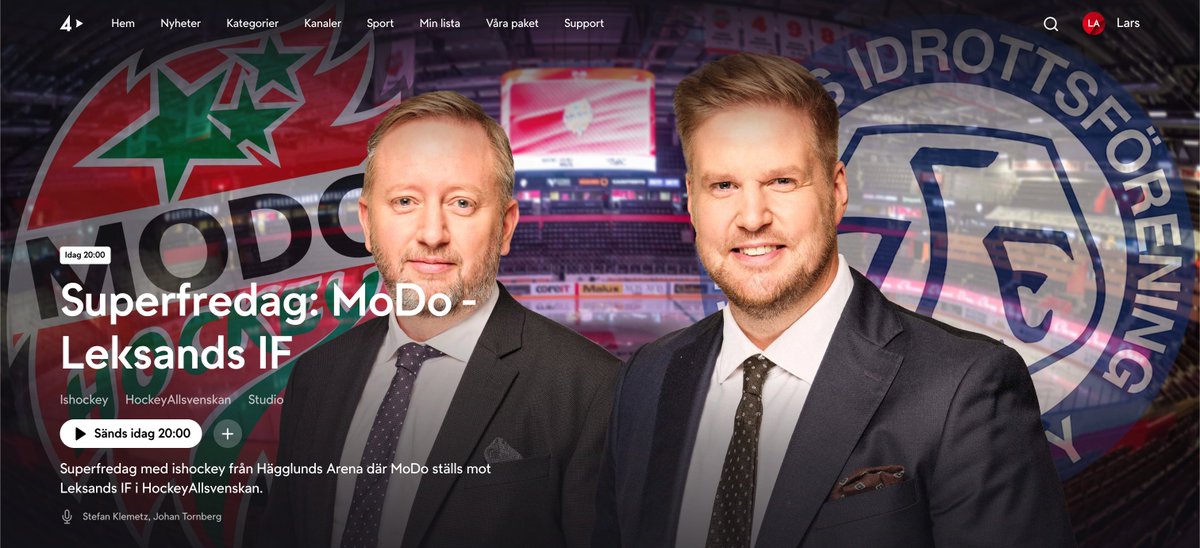
A lovely Friday evening awaits at Hägglunds Arena. MoDo vs Leksand. 2016. Father and son Karlbergs meet with Leksand, Johan Hedlund and Örjan Lindmark face off on the coaching bench, Kelleher meets his old gang, payday Friday, a lot of people, the first against the second in HA. You can hear it. We start at 20.00. (translated)

Red Bull League of Its Own arrives at the Olympic Arena in Badalona. T1 is coming to Spain to play against MKOI, G2, and KC in person. Don't miss it. Come with your friends to watch a Faker vs Elyoya live. Let's welcome international League of Legends with open arms. (translated)

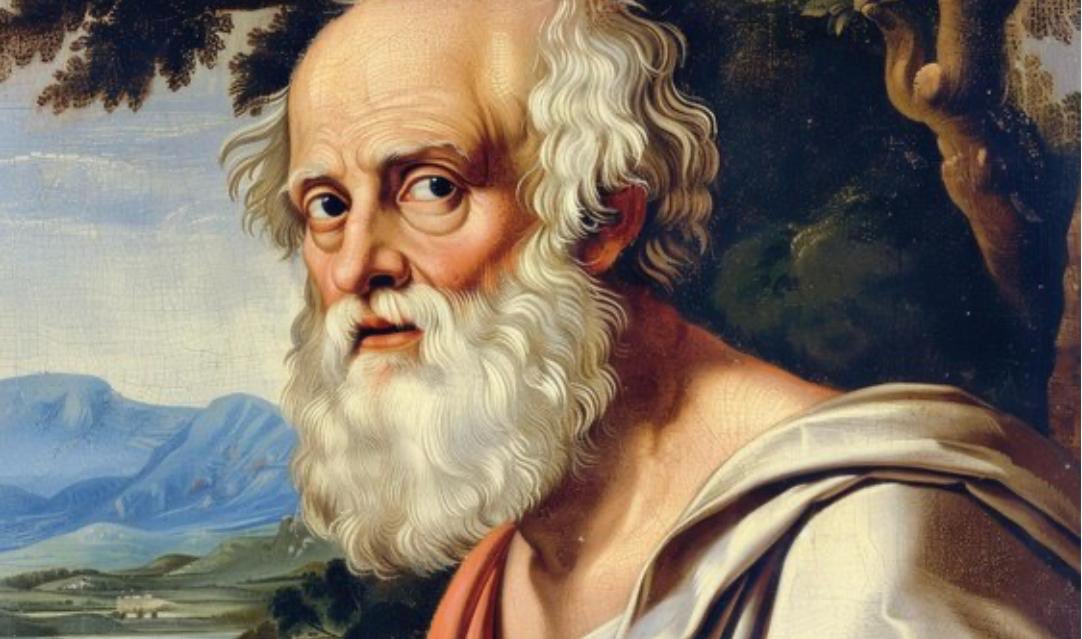
Plato was simply right. We often hear that democracy is the best political system we have. But is that so? More than 2,400 years ago, the Greek philosopher Plato already warned of a fundamental flaw in this system. And if you look at the political landscape today, his analysis is more relevant than ever. In his masterpiece 'The Republic', Plato argued that a democracy almost never chooses the wisest or most knowledgeable leader. And that is evident. In fact, the wisest expert leaders do not even run for office! Because the truth is often complex and uncomfortable. And the political arena is filled with people with whom it is impossible to cooperate. Due to a lack of knowledge and experience. Due to a lack of quality. In a democracy, he argued, and it also proves true in practice, the politician who can flatter, manipulate, and deceive the best wins. Not the best leader but the best liar is chosen. The man or woman who masters perception the best and tells the people exactly what they want to hear — regardless of whether it is true. With his famous 'Ship of State' analogy, he explained this: you would want your ship to be navigated by an experienced captain who can steer, not by the most popular sailor who promises the passengers free drinks, right? In an era of “metaphors,” filter bubbles, soundbites, memory loss, differences in interpretation, and the “clearing of backlogs,” we can’t escape it anymore: Plato was simply right and saw the pitfalls of our modern democracy centuries ago. The question is not how we solve it, but whether it can be solved? It starts with determining a vote not only based on a program but also based on the quality of the candidate list. Where reliability and integrity must take precedence over rhetoric. It starts with the voter then. And those who give the candidates a voice. The Press. An election debate in which leadership is tested instead of dossier knowledge and rehearsed one-liners? I would value that dearly. #philosophy #politics #plato #democracy #leadership #currentevents #D66 #VVD #CDA #PRO #NPO #RTL #Press (translated)
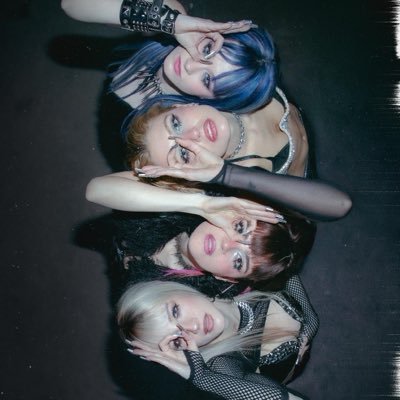
our FIRST MOVISTAR ARENA 🖤 see you on DECEMBER 15!! MONDAY 28/9 - 16 HS PRE-SALE BBVA WITH 6 INSTALLMENTS WITHOUT INTEREST @bbva_argentina TUESDAY 29/9 - 16 HS GENERAL SALE WITH ALL PAYMENT METHODS AT https://t.co/ygLi6p1wTH https://t.co/tKImZVC25G (translated)

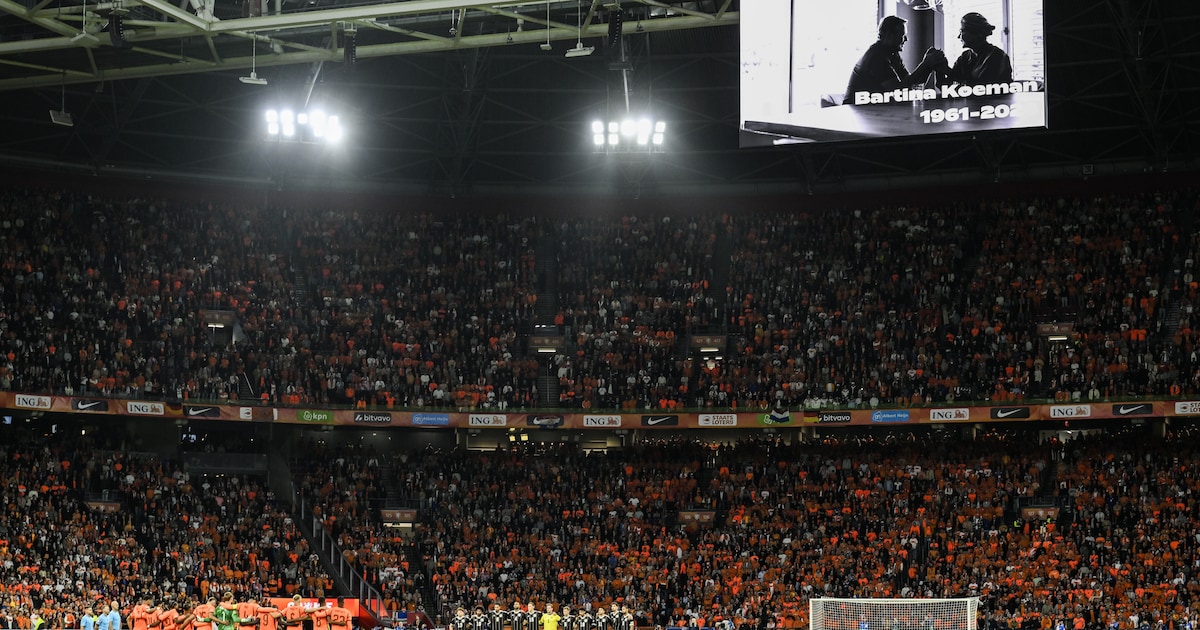
For the Nations League match between the Netherlands and Germany, a minute of silence was held at the Johan Cruijff Arena in memory of Bartina Koeman, who passed away last week. (translated)
“The relationship with President BAP is very good, very positive. Many times clubs are managed from the outside in, and we do not allow that to happen,” José Boto. The football director of Flamengo, José Boto, participated this Thursday (24) in the Portugal Football Summit, an event that brings together professionals and leaders from the football industry at the FPF Arena Portugal, integrated into the City of Football in Oeiras, in the Lisbon region. “The sporting director is not just the person who hires players during the transfer windows and then disappears. It is a daily management job of the various multidisciplinary teams of the club, putting them all at the service of the football team and the performance we want.” (translated)

🚨 MAURO ICARDI 🇦🇷 IS SUSPENDED FROM DRIVING UNTIL 2099 !!! ❌🤯 It all started after the broadcast of a video where his partner, China Suárez, was leaning out of the window of a moving vehicle, without a seatbelt. Authorities discovered that Icardi did not have a valid driver's license in Argentina. When the ban ends, he will be… 105 YEARS OLD! 😳 🗞️ via @SkySports (translated)


Van Bommel boy.. you're becoming very great! Already a kryptonite and the savior of the day in ArenA. (translated)





