Former astronomer from Cambridge, Martin Rees, emphasizes in his opinion that the Universe is dominated by mysterious dark matter, the study of which could shed new light on its structure and evolution. (translated)
The spectrograph Moons, a new instrument installed at the VLT telescope in Chile with Portuguese contribution, has made its first observation, being considered essential for understanding the formation and evolution of galaxies, including the Milky Way. (translated)

The case of Pluto, which lost its status as a planet, raises fundamental questions about the definition of a planet and its specific criteria, as Pluto does not meet the condition of clearing its orbit, which led to its reclassification as a dwarf planet. (translated)

Nancy Grace Roman, born in 1925, stood out from her childhood as a pioneer in astronomy by founding an astronomy club and later becoming an executive at NASA, being recognized as the mother of the Hubble telescope, despite facing severe gender barriers in the academic field. (translated)

The debate over the removal of Pluto from the list of planets, which was initiated by the decision of the International Astronomical Union twenty years ago, continues and still provokes intense disputes among experts about the definition of a planet and Pluto's status within the solar system. (translated)

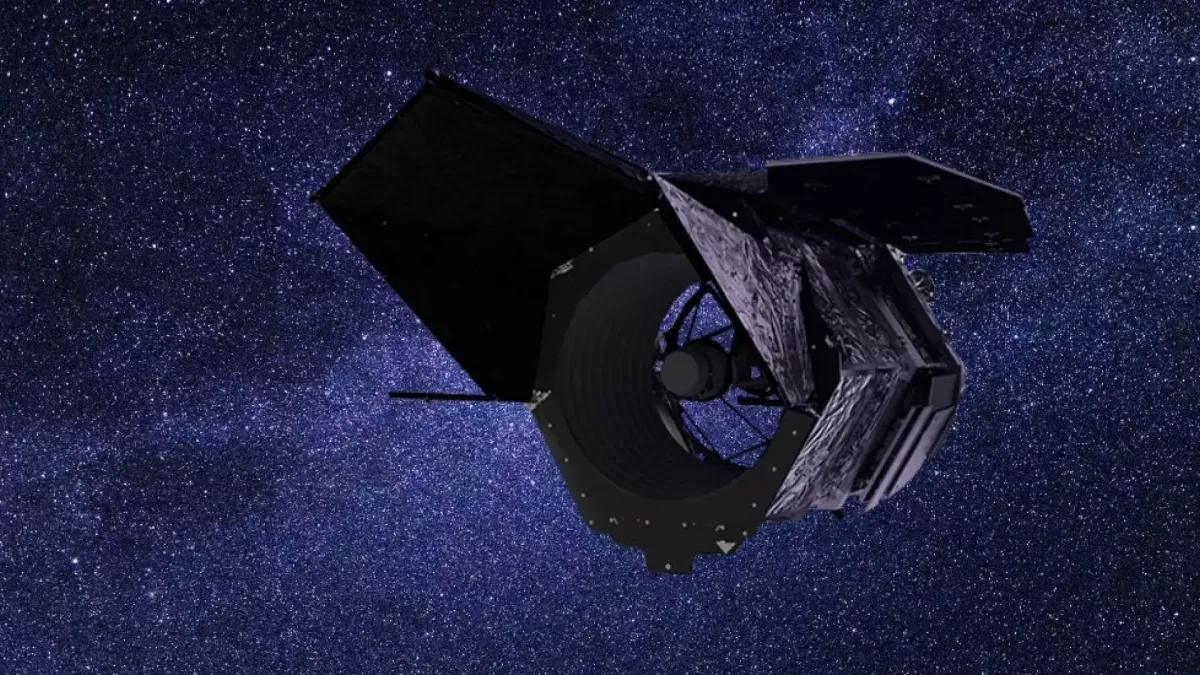
NASA has launched the Nancy Grace Roman Space Telescope, a $4.3 billion observatory that will study billions of galaxies and search for new planets from a point located 1.6 million kilometers from Earth. (translated)

Nancy Grace Roman, known as the mother of Hubble, was a pioneer in astronomy and became the first woman to hold an executive position at NASA, where she played a crucial role in the development of large space observatories such as the space telescope that bears her name. (translated)

NASA has launched the Nancy Grace Roman Space Telescope into orbit, which is expected to deliver its first images in 2027 and will enable the exploration of exoplanets, black holes, and the mysteries of dark matter and dark energy. (translated)

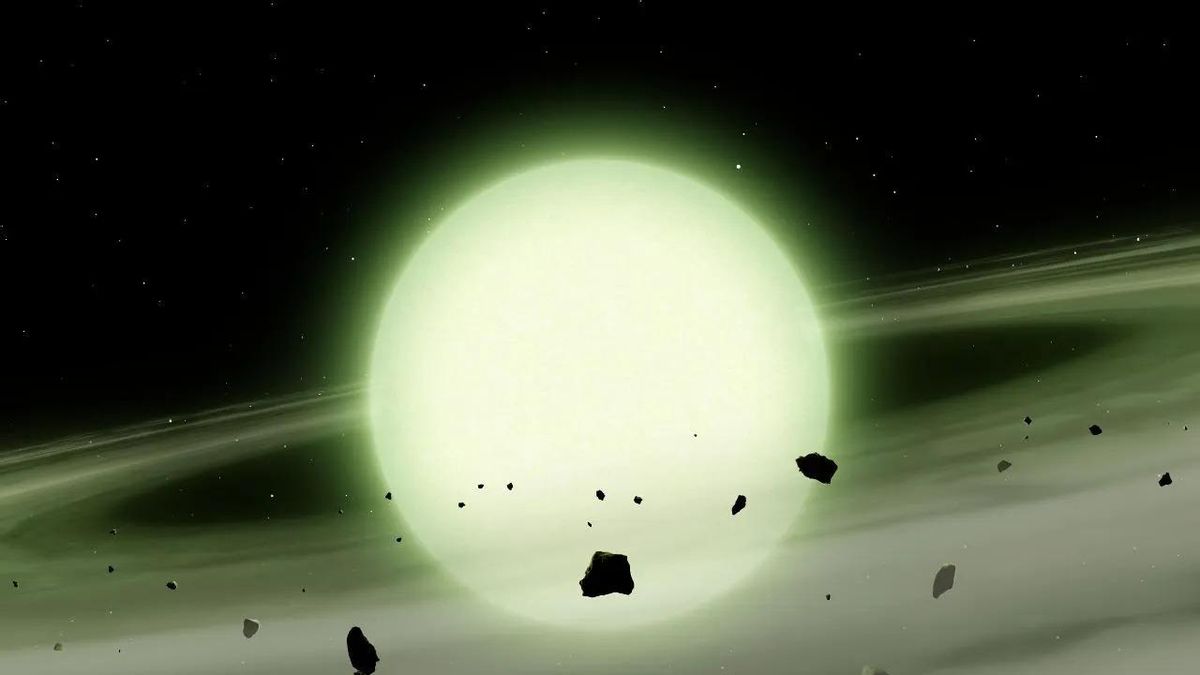
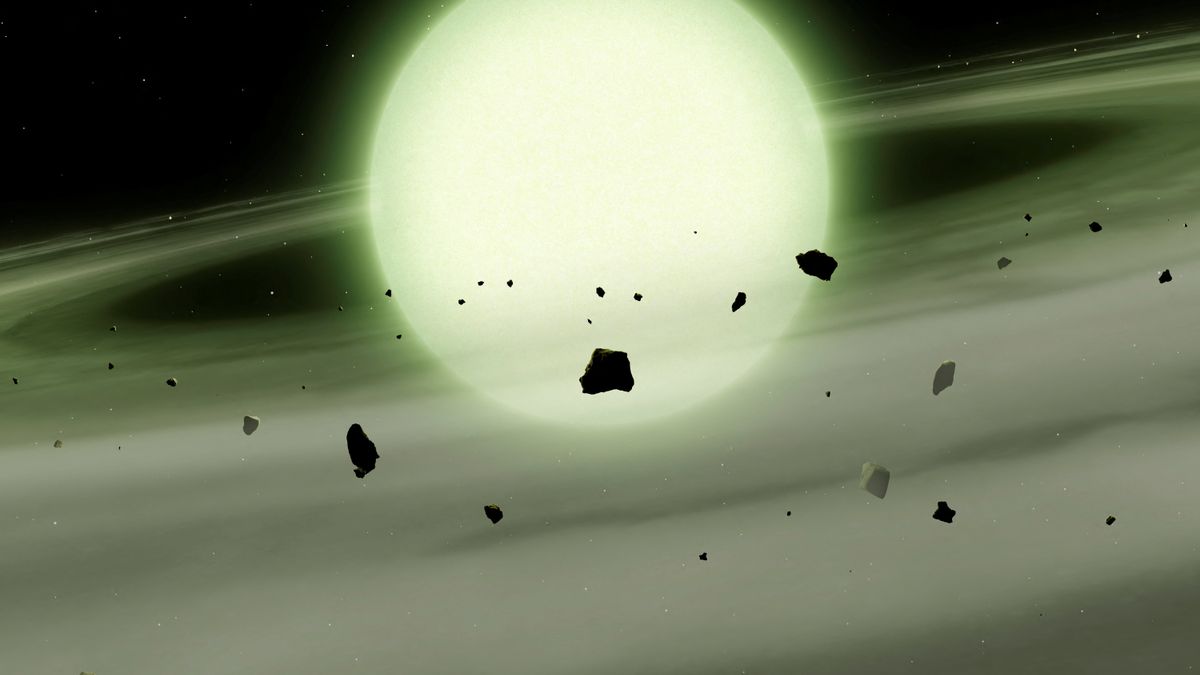
The planetary system TOI-1752, located 337 light-years from Earth, harbors two planets with radically different characteristics: one, TOI-1752 b, is a lava world due to its proximity to the star, while the other, TOI-1752 c, is located in the optimistic habitable zone, where liquid water could exist under certain conditions. (translated)

The most distant blazar ever observed, OP 313, at eight billion light-years from Earth, thanks to the Magic and Lst-1 telescopes, providing new information on extragalactic background radiation and the evolution of the universe. (translated)

NASA has successfully launched the new space telescope Roman, which will allow scientists to study distant regions of the universe and seek answers to questions about its structure and evolution. (translated)

The article explores the fascinating story of José Veiga, a football businessman who, after accumulating wealth in Congo-Brazzaville, faces corruption charges involving astronomical amounts and peculiar counter-offers, including ostriches and ponies. (translated)

To nieprawda, że rząd nic nie zrobił. Owszem, zrobił. Zadłużył nas na astronomiczną kwotę, przekazał Ukrainie wiele miliardów i oddał sprzęt wojskowy, podniósł podatki i wprowadził chorą politykę klimatyczną Do tego kolegom załatwił paśniki, a pacjentom kazał umierać w kolejkach. #Polska #rząd #polityka
NASA has launched the Nancy Grace Roman space telescope, a mission that could revolutionize our understanding of the Universe, with a budget of over four billion dollars and superior capabilities compared to the Hubble telescope. (translated)

NASA's recently launched Roman Space Telescope will map the cosmos and explore key questions about the expansion of the universe and dark matter, with the aim of revolutionizing our understanding of the universe. (translated)

The new NASA Roman Telescope, launched today, has a field of view one hundred times greater than the Hubble telescope and will be used to explore dark energy and dark matter, as well as search for new exoplanets. (translated)

The new space telescope "Nancy Grace Roman" from NASA, which was launched with a SpaceX rocket, will reach its orbit in about a month and will collect astronomical data at a speed that far exceeds that of the predecessor model "Hubble." (translated)

15 minutes to go for until a Falcon Heavy launches the @NASARoman Space Telescope. The size of a school bus, the wight of a T-Rex, and able to execute the biggest astronomical census of our universe. @NASA is America First once more thanks to President @realDonaldTrump. https://t.co/7QzPBvT7Vc #FalconHeavy #NASARoman #SpaceExploration #US