BETA nonprofit public democratic european moderated

Search

#compassion

Dear readers. We call for moderation in the attacks against Thélyson Orélien. First, there is a non-zero chance (even if it is tiny) that he is acting in good faith. Moreover, Orélien undoubtedly played in a morally gray area, exploiting a period of confusion during which our institutions and our practices (as well as our literary awards) have not yet adapted to this new and transformative technology. But he probably did not think that the success of his book would gain national prominence; and while it seemed important to us to point out the scam, it also seems important to have compassion and empathy for him, and even to support him during this difficult time he must be experiencing. The best thing would, of course, be for him to start writing again! The lessons of this affair go beyond his personal case, and that is what we must focus on. We reported this book because it is successful, but it is far from being the only one. On this network, hundreds of politicians and slop accounts have their posts written by AI without disclosing that it is AI, deliberately deceiving their readers all year long. And it has been a long time since the bestsellers on Amazon (the leading book distributor in France) have been dominated by books written directly by AI, sometimes very crudely, and with results not as good as Thélyson's (who thus has a degree of merit for managing to produce a coherent narrative that has satisfied many readers). The Parisian intelligentsia still likely underestimates the capabilities of AI and uses LLMs little or not at all (and does not hang out on LinkedIn), which is why they have not recognized the stereotypical formulas. Formulas that, if we were not tired of seeing them incessantly, would probably please us: language models learned them because they appealed to humans who supervised their training via RLHF! In the comments, some express that they do not see the point of authenticity; perhaps what should be taken away from this controversy is that, given the scale of the scandal, the majority places a lot of importance on authenticity. If you believe you are providing value by having your works written by AI, go ahead! But at least mention it, so as not to betray your readers, because lying, in this case, is morally reprehensible. (translated)

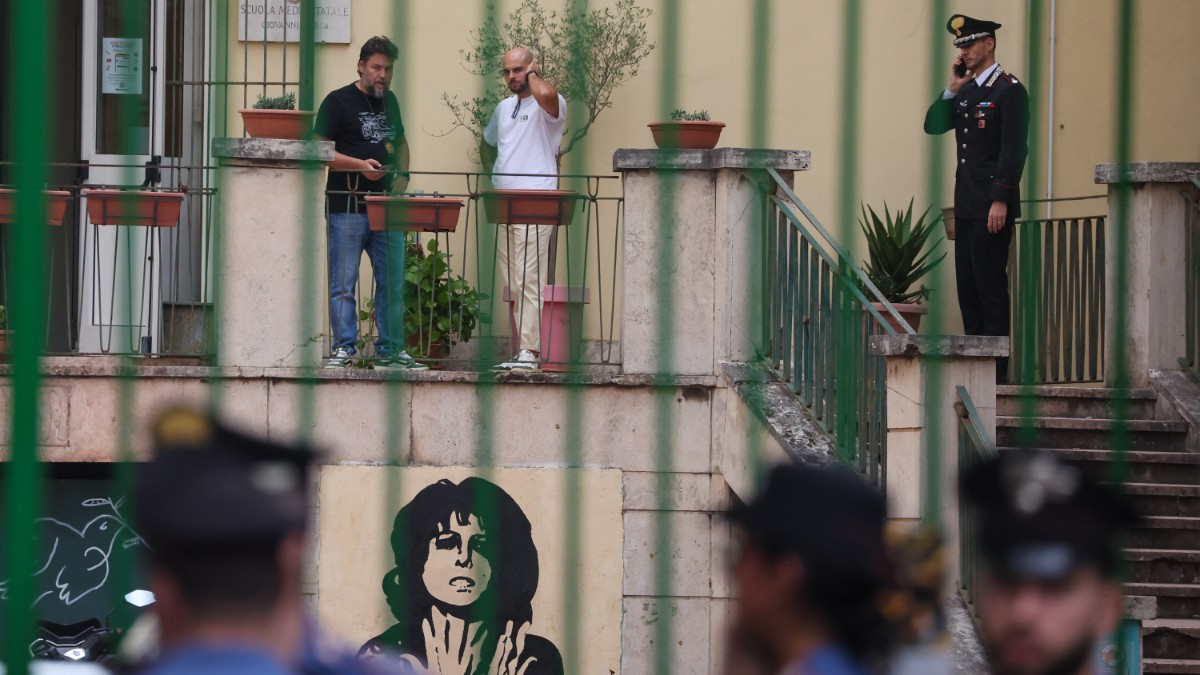
Professor Isabella Marsilio, stabbed by a 13-year-old student in Rome, expresses compassion for the boy and wishes to meet him to understand the reasons for his anger, while one of her Congolese students intervened to save her, despite her political opinions on immigration remaining unchanged. (translated)

La prof accoltellata a Roma: “Voglio bene al 13enne che mi ha colpito, mi spiace per lui”. A salvarla uno studente del Congo: “Ma io resto a favore della remigrazione”

For several days, Kylian Mbappé has been targeted by the far right because he refuses to oppose support for the people of Ceuta and solidarity with migrants. His position honors him. Our compassion goes to all. Support for him! (translated)

Pénurie de larmes et stock de compassion épuisé face à la situation de Salah Abdeslam. Ni oubli, ni pardon. #SalahAbdeslam #compassion #mémoire

“Abbi pazienza con me e ti restituirò ogni cosa” Il padrone ebbe compassione di quel servo, lo lasciò andare e gli condonò il debito. #Vangelo Mt 18,21s "Rimetti a noi i nostri debiti, come noi li rinettiamo..." Molte volte ripetiamo queste parole di #Gesù senza pensarci... Buona domenica 😇⛪

The Embers of Europe are Dying—a stunning Wake Up ballad by Michael Walsh. So many people appreciate your music, and I am sure your sales and exposure will only grow because of your hard work and compassion for truth and justice for all. Good luck on the rest of your journey. Thanks for being along for the ride. Yours truly, Carey Wong. https://www.youtube.com/watch?v=LRWJ9jpROso&feature=youtu.be

The Embers of Europe are Dying. Michael Walsh
H

The Erosion of Western Civilization’s Social Fabric It is hard to fathom how much of Western civilization’s social fabric has eroded in just a single decade. No healthy society debates whether “the system” is to blame for a child murderer’s crimes and then expresses support for the monster. Such a society certainly does not celebrate the assassinations of moderate and respectable political figures, nor does it allow repeat violent offenders back onto the streets to terrorize the general public. The best explanation I have heard for this phenomenon of macrosocial insanity is *Political Ponerology* by Andrew Lobaczewski—the study of how pathological personalities infiltrate and transform social institutions. This process does not require an entire population of psychopaths. In fact, it is often only a small minority that forms the core of the pathological movement. A relatively small party or group is led by psychopaths, who are natural experts at manipulation, deception, intimidation, and ruthlessness. The ideologues are the ones who design the system. They create abstract ideologies, often criticizing reality for falling short of their arbitrary expectations. Human beings become nothing more than nodes in a network, to be organized and managed by supposedly more intelligent minds. Then there are the spellbinders, who serve as the movement’s salespeople. They package tyranny as safety, envy as justice, and coercion as compassion. Their primary tool of persuasion is emotional alignment rather than truth or logic. These three types rely on three other groups to normalize their totalitarian system: the spellbound, adapted conformists, and bystanders. The spellbound are true believers who experience participation in the movement as a kind of moral crusade. Adapted conformists support the system because of the security, status, or comfort it provides—or because they fear ostracism. Bystanders are generally aloof and avoid conflict at all costs, believing that ignorance and cowardice will spare them.

H

The Daycare Governance Model Something sinister is lurking behind the curtain of compassion. We have told ourselves that caring for others is the highest good, but there is a pathological side to it that we refuse to acknowledge. There is a phenomenon known as Munchausen syndrome by proxy. It is a form of child abuse in which a caregiver—typically the mother—fabricates or induces illness in someone under her care in order to gain attention or sympathy. The mother is not indifferent to the child’s well-being, and that is the most disturbing part. She is devoted to the child. Around the clock, she visibly tends to the infant’s needs. This is depicted in *The Sixth Sense*. A young boy who can see and speak to the dead is brought to the wake of a girl named Kyra. She leads him to a box containing a videotape. The tape shows Kyra’s mother quietly lacing her daughter’s food with poison, only to play the role of a saint at her bedside for the gathered relatives—absorbing their pity and praise for how selflessly she cared for her dying daughter. The town saw a devoted mother, but the reality was manufactured sickness. We have scaled this pathology up to the level of civilization. The will to care is one of the most powerful drives in women. Properly channeled, it is deeply necessary and virtuous. But as social institutions—therapy, academia, law, NGOs, and bureaucracies—are increasingly comprised of women, this instinct is redirected from individual children, where it can be extremely beneficial, toward society at large, where it becomes disastrous. I call this the daycare governance model. It has only three roles: infants to be protected, or the oppressed; caregivers to administer care, or the dissenters. The caretaking class, or its allies, gains power and influence by managing human suffering. They are rewarded with prestige, funding, and greater authority—all of which increase in proportion to the number of victims under their care. Those incentives resemble the logic of Munchausen syndrome by proxy: increasing the number of sick people under their supervision will, in the end, produce more sick people.

« ne doivent pas servir de décor à des messages de compassion officielle sans aucune action concrète »

Drame en RDC : un incendie tue au moins 26 écoliers
www.lesoir.be

The Embers of Europe are Dying—a stunning Wake Up ballad by Michael Walsh. So many people appreciate your music, and I am sure your sales and exposure will only grow because of your hard work and compassion for truth and justice for all. Good luck on the rest of your journey. Thanks for being along for the ride. Yours truly, Carey Wong. https://www.youtube.com/watch?v=LRWJ9jpROso&feature=youtu.be

The Embers of Europe are Dying. Michael Walsh

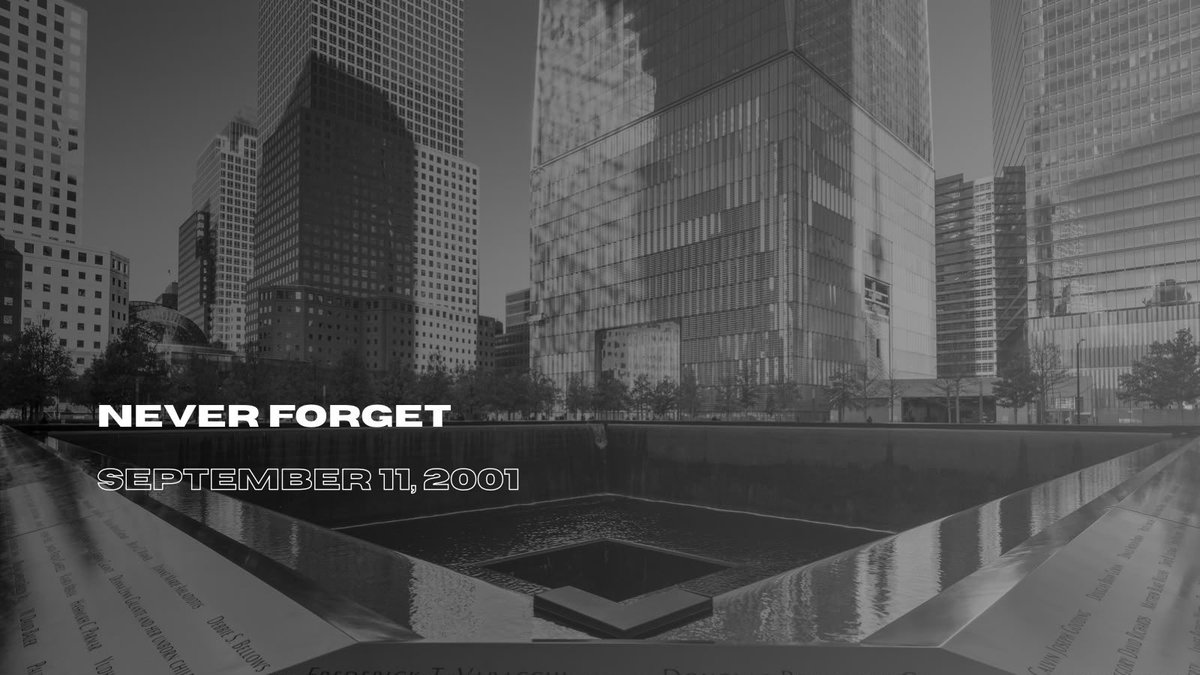
25 years later. Sometimes it feels like yesterday, but a quarter century has passed since the 9/11 attacks. A day that changed the city that I love & the lives of so many people, forever. Never forget. Hate can never win. Solidarity, compassion, unity & love must always prevail. https://t.co/J9SL2YFv0H #NeverForget #911Anniversary #Unity #US

H

The Erosion of Western Civilization’s Social Fabric It is hard to fathom how much of Western civilization’s social fabric has eroded in just a single decade. No healthy society debates whether “the system” is to blame for a child murderer’s crimes and then expresses support for the monster. Such a society certainly does not celebrate the assassinations of moderate and respectable political figures, nor does it allow repeat violent offenders back onto the streets to terrorize the general public. The best explanation I have heard for this phenomenon of macrosocial insanity is *Political Ponerology* by Andrew Lobaczewski—the study of how pathological personalities infiltrate and transform social institutions. This process does not require an entire population of psychopaths. In fact, it is often only a small minority that forms the core of the pathological movement. A relatively small party or group is led by psychopaths, who are natural experts at manipulation, deception, intimidation, and ruthlessness. The ideologues are the ones who design the system. They create abstract ideologies, often criticizing reality for falling short of their arbitrary expectations. Human beings become nothing more than nodes in a network, to be organized and managed by supposedly more intelligent minds. Then there are the spellbinders, who serve as the movement’s salespeople. They package tyranny as safety, envy as justice, and coercion as compassion. Their primary tool of persuasion is emotional alignment rather than truth or logic. These three types rely on three other groups to normalize their totalitarian system: the spellbound, adapted conformists, and bystanders. The spellbound are true believers who experience participation in the movement as a kind of moral crusade. Adapted conformists support the system because of the security, status, or comfort it provides—or because they fear ostracism. Bystanders are generally aloof and avoid conflict at all costs, believing that ignorance and cowardice will spare them.

The Embers of Europe are Dying—a stunning Wake Up ballad by Michael Walsh. So many people appreciate your music, and I am sure your sales and exposure will only grow because of your hard work and compassion for truth and justice for all. Good luck on the rest of your journey. Thanks for being along for the ride. Yours truly, Carey Wong. https://www.youtube.com/watch?v=LRWJ9jpROso&feature=youtu.be

The Embers of Europe are Dying. Michael Walsh

Freeman della City di Londra: Onoreficenza Ordinaria per Tutti, Onoraria per Pochi. SOURCE: https://www.linkedin.com/pulse/freeman-della-city-di-londra-dal-1996-unonoreficenza-sardella-ph-d--qlt0f/ Abstract La Freedom della City of Londra è un'istituzione di origini medievali documentata fin dal 1237, originariamente concepita per garantire ai cittadini liberi protezione dai vincoli feudali, diritto al commercio e proprietà fondiaria entro le mura della Square Mile (la denominazione del territorio della City londinese). Progressivamente trasformatasi da privilegio economico concreto a riconoscimento civico e simbolico, essa ha mantenuto nel tempo la propria rilevanza attraverso successive riforme normative (notevolmente l'apertura a tutte le nazionalità nel 1996) e conta oggi circa 1.800-2.000 nuove ammissioni annue. Il presente articolo esamina l'evoluzione storico-giuridica del titolo, illustra le molteplici vie di accesso previste dalla normativa vigente (servitù per apprendistato, patrimonio, riscatto per nomina diretta, presentazione tramite le Livery Company (o Compagnie di Livrea) e iscrizione al registro elettorale), e analizza il profilo contemporaneo dei Freemen alla luce di ammissioni recenti a figure di spicco dei mondi della finanza, della cultura, dello sport e delle istituzioni. Contrariamente all'immagine elitaria che circonda molte onorificenze britanniche, la Freedom ordinaria si rivela accessibile a qualsiasi persona, indipendentemente da nazionalità o condizione economica, a fronte di requisiti minimi e di una quota amministrativa di £180-185. Il contributo conclude riflettendo sul significato contemporaneo dell'istituzione: non nei privilegi residuali ormai perlopiù simbolici, ma nella sua funzione identitaria, civico-partecipativa e di connessione con la lunga storia della città più antica e autorevole d'Europa. Parole chiave: Freedom of the City of London; Livery Companies; City of London Corporation; onorificenze britanniche; identità civica urbana. Contenuto dell’articolo Introduzione Nel panorama delle onorificenze storiche britanniche, poche istituzioni evocano un immaginario così ricco come la Freedom della City di Londra. Menzionata in film, romanzi e articoli di costume con toni di esclusività e mistero, essa appare frequentemente associata a figure di altissimo profilo: sovrani, capi di Stato, comandanti militari di ritorno dalle guerre. Eppure, a uno sguardo più ravvicinato e metodicamente documentato, emerge un quadro assai diverso: quello di un titolo che, nella sua dimensione ordinaria e non onorifica, è oggi accessibile a un numero considerevole di persone ogni anno, senza che siano richiesti meriti straordinari né mezzi economici elevati. Il presente contributo si propone di esaminare l'istituzione nella sua duplice valenza, storica e contemporanea, con l'obiettivo di sfatare l'equivoco più diffuso: quello che confonde la Freedom ordinaria con la Honorary Freedom (o Freeedom onoraria) quest'ultima effettivamente rara e riservata a figure di standing internazionale. L'articolo ripercorre le origini medievali e l'evoluzione normativa (§ 2), illustra le vie di accesso vigenti (§ 3), discute requisiti, costi e procedimento (§ 4), analizza la composizione contemporanea del corpo dei Freemen (§ 5), esamina diritti, privilegi e obblighi (§ 6), passa in rassegna i destinatari più illustri degli ultimi decenni (§ 7), e conclude con alcune riflessioni sul significato odierno dell'istituto (§ 8). Origini e Sviluppo Storico dell'Istituzione La Freedom della City di London è documentata fin dal 1237, durante il regno di Enrico III, come forma di status civico che designava gli individui non soggetti a un signore feudale e quindi titolari delle protezioni garantite dalle carte della City. In questa accezione originaria, il termine freeman indicava l'uomo libero in senso pieno: colui che poteva commerciare liberamente nel perimetro della Square Mile, il Miglio Quadrato, possedere beni e aderire alle corporazioni di mestiere senza interferenze esterne. I privilegi pratici erano di portata concreta e direttamente funzionali all'economia medievale: esenzione da determinati pedaggi, tra cui il celebre diritto di condurre greggi di pecore attraverso il London Bridge senza pagamento, concessione radicata nel commercio della lana che dominava l'economia inglese, protezione contro l'arresto arbitrario fuori dalla giurisdizione della City, e accesso ai mercati regolamentati dalle corporazioni. Come confermato dalle successive riemissioni della Magna Carta da parte di Enrico III nel 1225, tali libertà erano intrinsecamente legate all'autogoverno della City, che le difendeva dall'ingerenza regia e baronale. La progressiva codificazione dell'istituzione avvenne attraverso ordinanze regie a partire dal XIV secolo: nel 1319 Edoardo II emanò costituzioni che limitavano l'accesso alla Freedom ai membri delle corporazioni di mestiere, vietando l'ammissione di estranei non affiliati e formalizzando così la "servitù per apprendistato" come via principale per i nuovi entrati, mentre la via patrimoniale garantiva la continuità per le famiglie già stabilite. I monarchi successivi , da Edoardo III in poi, confermarono ripetutamente le libertà cittadine attraverso carte concesse spesso in cambio di prestiti finanziari, consolidando l'autonomia della City e il suo ruolo di creditore della Corona. Nel XIX secolo, con l'industrializzazione e l'espansione demografica di Londra, il controllo corporativo sul commercio si rivelò sempre meno applicabile: il Municipal Corporations Act del 1835 ampliò l'eligibilità a chiunque vivesse, lavorasse o avesse un legame significativo con Londra, sganciando parzialmente il titolo dall'appartenenza corporativa e trasformandolo progressivamente in una distinzione onorifica a carattere civico. Nel corso del Novecento ulteriori riforme inclusivizzarono l'accesso: le donne, già ammesse informalmente come vedove ereditiere in epoche precedenti, ma formalmente escluse dalle vie standard, videro riconosciuto il diritto all'ammissione ordinaria, con Angela Burdett-Coutts che aveva già ricevuto la Honorary Freedom (Freeedom Onoraria) nel 1872 e Florence Nightingale nel 1908, mentre la parità formale si consolidò nel XX secolo. Infine, nel 1996, fu abolito il requisito della cittadinanza britannica o del Commonwealth, aprendo il titolo a qualsiasi nazionalità. Le Vie di Accesso: Quadro Normativo Vigente La normativa vigente, gestita dalla Corte del Ciambellano della City of London Corporation, prevede cinque principali modalità di accesso alla Freedom della City londinese, che riflettono i diversi legami storici tra l'individuo e le istituzioni cittadine. Per servitù (by servitude) conferisce il titolo al completamento di un apprendistato formale secondo la Consuetudine di Londra, tradizionalmente della durata di sette anni, presso un maestro freeman di una Compagnia di Livrea (Livery Company). Questa via, la più antica e di maggior portata storica, verifica il merito attraverso la competenza pratica e la lealtà alla corporazione; gli apprendisti finali vengono ammessi senza necessità di approvazione della Court of Common Council qualora iscritti al registro elettorale della City da almeno un anno, e in tal caso non è previsto alcun contributo economico. Per patrimonio (by patrimony) conferisce l'eligibilità automatica ai figli di Freemen, purché il genitore detenesse questo titolo al momento della nascita del candidato e sia fornita adeguata documentazione. Storicamente limitato ai figli maschi, fu esteso alle figlie con il Municipal Corporations Act del 1835. Il candidato doveva aver compiuto il diciottesimo anno di età, non essere un "fallito non riabilitato" e non avere condanne penali rilevanti. Per riscatto (by redemption) costituisce la via aperta a chiunque: il candidato presenta domanda alla Corte del Ciambellano, supportato da due garanti, i Consiglieri Comunali, Aldermen o Liverymen con almeno un anno di atttvità che attestano la sua reputazione, e la pratica è esaminata dal Vicecomitato delle Ammissioni alla Freedom (Freedom Applications Sub-Committee) e approvata dalla Corte del Consiglio Comunale. La quota amministrativa (Freedom Fine) ammonta a £180 dalla revisione tariffaria del 1° aprile 2024 (£185 nella modalità per nomina diretta). Per i candidati iscritti al Ward List, il registro elettorale della City, la procedura è gratuita. La presentazione tramite Compagnia di Livrea (Livery Company) è la via più frequentemente percorsa nella prassi contemporanea: il candidato diviene dapprima membro della propria corporazione di riferimento, a sèguito di una procedura variabile per ciascuna delle 113 Compagnie di Livrea attualmente attive, e successivamente invia la domanda online alla Corte del Ciambellano per il passaggio alla Freedom della City, con approvazione nella quasi totalità dei casi di carattere routinario. Requisiti, Costi e Procedimento I requisiti per l'accesso alla Freedom ordinaria sono di una semplicità sorprendente rispetto all'aura di esclusività del titolo. Il candidato deve aver compiuto diciotto anni, non essere un "fallito non ristabilito" e non avere condanne penali non ancora estinte ai sensi del Rehabilitation of Offenders Act del 1974. Non è previsto alcun requisito di nazionalità, residenza, livello di istruzione o stato patrimoniale. La documentazione richiesta è di carattere anagrafico standard: certificato di nascita integrale, eventuale certificato di matrimonio o documento attestante il cambio di nome, e se mediante presentazione, il certificato di appartenenza della corporazione di riferimento. La domanda viene inoltrata online tramite il portale della City of London Corporation. La cerimonia di ammissione si svolge alla Guildhall di Londra, nell'Aula Tribunalizia del Ciambellano, ogni giorno feriale tra le 10:30 e le 12:00 e tra le 14:00 e le 15:30. Il neo-Freeman è invitato a leggere ad alta voce la Dichiarazione di un Freeman (Declaration of a Freeman) e a firmare il Registro delle Ammissioni, ricevendo al termine il certificato calligrafato su pergamena e una copia delle Regole di Condotta di Vita (Rules for the Conduct of Life), il documento settecentesco di orientamento morale che invita il titolare a condurre una vita retta, compassionevole e socialmente attiva. Per chi non possa recarsi fisicamente a Londra, la City Corporation ha mantenuto la possibilità di svolgere la cerimonia in modalità virtuale, introdotta durante la pandemia e successivamente conservata. Composizione Contemporanea del Corpo dei Freemen Un dato empirico significativo contribuisce a ridimensionare la dimensione elitaria del titolo: ogni anno vengono ammesse tra le 1.800 e le 2.000 nuove persone, in un corpo complessivo che conta oltre 300.000 ammissioni documentate nel corso dei secoli. Come rileva la stessa City of London Corporation, i Freemen contemporanei comprendono "un'ampia sezione trasversale della popolazione", includendo professionisti, studenti, artigiani, imprenditori, personale militare e cittadini stranieri. Il crescente apporto di studenti universitari, spesso presentati in gruppi dalle proprie istituzioni accademiche e di professionisti internazionali, ha ulteriormente ampliato la base demografica. La cerimonia di gruppo del 2024, in cui 40 individui provenienti da settori che spaziano dalla scienza alla medicina, dall'imprenditoria alle iniziative per la diversità, hanno ricevuto il titolo simultaneamente, esemplifica questa apertura. Va ribadita, tuttavia, una distinzione fondamentale: la Freedom Onoraria della City di Londra costituisce un'istituzione del tutto separata e di portata radicalmente diversa. Concessa dalla Corte of Consiglio Comunale con una risoluzione speciale, è riservata a figure di eccezionale statura internazionalte tipicamente meno di una dozzina di concessioni annue e rappresenta, nelle parole della stessa City Corporation, il massimo onore che essa possa conferire. È questa la Freedom di cui hanno goduto Winston Churchill, la regina Elisabetta II e, più di recente, la presentatrice televisiva Rachel Riley (ottobre 2025) per il suo impegno nell'educazione alla Shoah e nella lotta all'antisemitismo. La confusione tra le due forme è la principale responsabile della percezione distorta dell'istituto nel dibattito pubblico. Il Significato Contemporaneo: tra Identità e Partecipazione Se la quasi totalità dei privilegi pratici un tempo associati alla condizione di Freeman è oggi scomparsa o ridotta a forma cerimoniale solenne, ciò che persiste è il potente valore simbolico e identitario del titolo. La cerimonia conserva elementi di solennità rituale la lettura della Dichiarazione, la firma sullo storico Registro delle Ammissioni, il ricevimento del certificato calligrafato su pergamena, che inscrivono il nuovo Freeman in una catena di continuità di quasi otto secoli, collegando figure eterogenee attraverso un legame condiviso con la storia del Miglio Quadrato (o Square Mile). La nobile istituzione londinese svolge altresì una funzione di coesione nell'ecosistema della City e delle Compagnie di Livrea: le 113 corporazioni attive hanno erogato collettivamente oltre 81 milioni di sterline in attività benefiche nel 2024, con programmi di formazione professionale, borse di studio e apprendistati tecnici che preservano competenze specializzate in settori economicamente rilevanti. Essere Freeman costituisce un prerequisito formale per l'avanzamento a Liveryman, e quindi per l'esercizio dei diritti elettorali nella governance della City: un residuo di democrazia corporativa che, per quanto distante dai modelli di suffragio universale, mantiene una sua logica istituzionale nell'architettura giuridica unica del Miglio Quadrato londinese. Critici di orientamento progressista hanno rilevato che il sistema favorisce reti consolidate e accessi per via ereditaria o professionale, potenzialmente escludendo strati più ampi della popolazione londinese con un bacino di Freemen viventi ben inferiore all'1% dei nove milioni di residenti nella Grande Londra (Great London). Tuttavia, i dati sulle ammissioni recenti, con riconoscimenti che spaziano dall'imprenditoria africana allo sport comunitario, dalla radiofonia alla medicina, suggeriscono una traiettoria di apertura progressiva che, pur senza raggiungere la piena rappresentatività demografica, testimonia la volontà istituzionale di mantenere l'istituto come tradizione viva piuttosto che reliquia esclusiva. Conclusioni L'analisi condotta permette di formulare alcune considerazioni conclusive. La Freedom della City, quella ordinaria, è oggi un'onorificenza accessibile a una platea ben più ampia di quanto l'immaginario collettivo suggerisca: i requisiti di ammissione sono minimi, i costi contenuti, le procedure relativamente snelle e aperte a qualsiasi nazionalità. La persistente confusione con la Freedom Onoraria, riservata a figure di eccezionaleelevatura internazionale, è la principale responsabile di una percezione distorta che merita di essere corretta. Il valore contemporaneo del titolo non risiede nei privilegi residuali, ormai perlopiù solenni e cerimoniali, ma in tre dimensioni complementari: quella identitaria, che connette il titolare a quasi otto secoli di storia istituzionale; quella civico-partecipativa, che attraverso l'accesso alle Livery Companies e al sistema elettorale della City inserisce il Freeman in reti realmente operative; e quella comunitaria, che attraverso i meccanismi di riconoscimento onorifico celebra contributi di portata e provenienza sempre più eterogenee. In questo senso, la Freedom rappresenta un caso di studio istruttivo su come le istituzioni storiche possano reinventarsi senza perdere autenticità, mantenendo vivo il proprio significato attraverso l'inclusione piuttosto che l'esclusione. Riferimenti e Fonti: City of London Corporation. (2024). Freedom of the City of London. https://www.cityoflondon.gov.uk/about-us/law-historic-governance/freedom-of-the-city Guild of Freemen of the City of London. (2025). Freedom of the City. https://www.guild-freemen-london.co.uk/freedom-of-the-city Livery Committee. (2025). Freedom of the City. https://liverycommittee.org/about/membership-freedom-and-livery-clothing/freedom-of-the-city/ Municipal Corporations Act 1835. UK Parliament. Rehabilitation of Offenders Act 1974. UK Parliament. Grokipedia. (2025). Freedom of the City of London. https://grokipedia.com/page/Freedom_of_the_City_of_London City Solicitors' Educational Trust. (2025). Applying for the Freedom of the City of London. LondradaVivere.com. (2025). La "Freedom of the City of London": un'antica libertà ancora viva. City of London Corporation. (2023). Livery Companies: Charitable Activities Report 2024. ONS / City of London Corporation. (2023). Financial Services Contribution to UK GDP.

Freeman della City di Londra: Onoreficenza Ordinaria per Tutti, Onoraria per Pochi.

Freeman of the City of London: An Ordinary Honour for All, an Honorary One for Few SOURCE: https://www.linkedin.com/pulse/freeman-city-london-ordinary-honour-all-honorary-one-sardella-ph-d--m1alf/ Abstract The Freedom of the City of London is an institution of mediaeval origin, attested as far back as 1237, originally conceived to afford freeborn citizens protection from feudal obligations, the right to trade, and the ownership of property within the bounds of the Square Mile — the territory of the City of London proper. Having evolved progressively from a concrete economic privilege into a civic and symbolic distinction, it has preserved its relevance over the centuries through successive legislative reforms — most notably the extension of eligibility to all nationalities in 1996 — and today records approximately 1,800 to 2,000 new admissions annually. The present article examines the historical and juridical evolution of the title, sets out the several routes of access provided by current regulation (by servitude through apprenticeship, by patrimony, by redemption through direct nomination, by presentation through the Livery Companies, and by registration on the electoral roll), and analyses the contemporary profile of the Freemen in the light of recent admissions of prominent figures from the worlds of finance, culture, sport, and public life. Contrary to the elitist image surrounding many British honours, the ordinary Freedom proves accessible to any person whatsoever, regardless of nationality or financial standing, upon the satisfaction of minimal requirements and the payment of an administrative fee of £180–185. The article concludes by reflecting upon the contemporary significance of the institution: not in the residual privileges, now largely ceremonial, but in its identity-forming, civic-participatory function and its connection to the long history of the oldest and most venerable city in Europe. Keywords: Freedom of the City of London; Livery Companies; City of London Corporation; British honours; urban civic identity. Contenuto dell’articolo Introduction Amongst the historic honours of Britain, few institutions evoke an imaginative world as rich as the Freedom of the City of London. Cited in films, novels, and articles on manners and custom with tones of exclusivity and mystery, it is frequently associated with figures of the very highest standing: sovereigns, heads of state, military commanders returning from the wars. Yet, upon closer and more methodical scrutiny, a markedly different picture emerges: that of a title which, in its ordinary and non-honorary dimension, is today accessible to a considerable number of persons each year, without the requirement of extraordinary merit or elevated financial means. The present contribution aims to examine the institution in its twofold aspect, historical and contemporary, with the object of dispelling the most prevalent misconception: that which confounds the ordinary Freedom with the Honorary Freedom — the latter genuinely rare and reserved for figures of international standing. This article traces the mediaeval origins and legislative evolution (§ 2), sets out the current routes of access (§ 3), discusses requirements, costs, and procedure (§ 4), analyses the contemporary composition of the body of Freemen (§ 5), examines rights, privileges, and obligations (§ 6), reviews the most distinguished recipients of recent decades (§ 7), and concludes with some reflections upon the contemporary significance of the institution (§ 8). Origins and Historical Development of the Institution The Freedom of the City of London is attested from 1237, during the reign of Henry III, as a form of civic status designating individuals not subject to a feudal lord, and therefore entitled to the protections guaranteed by the City's charters. In this original sense, the term freeman denoted the free man in the fullest sense of the word: one who might trade freely within the perimeter of the Square Mile, hold property, and join the trade guilds without external interference. The practical privileges were of concrete scope and directly functional to the mediaeval economy: exemption from certain tolls, including the celebrated right to drive flocks of sheep across London Bridge without payment — a concession rooted in the wool trade that dominated the English economy — protection against arbitrary arrest beyond the jurisdiction of the City, and access to the markets regulated by the guilds. As confirmed by the subsequent reissues of Magna Carta by Henry III in 1225, such liberties were intrinsically bound to the self-governance of the City, which defended them against royal and baronial interference. The progressive codification of the institution took place through royal ordinances from the fourteenth century onwards. In 1319, Edward II issued constitutions restricting access to the Freedom to members of the trade guilds, prohibiting the admission of unaffiliated outsiders, and thereby formalising servitude through apprenticeship as the principal route for new entrants, whilst the patrimonial route ensured continuity for established families. Subsequent monarchs, from Edward III onwards, repeatedly confirmed the civic liberties through charters granted often in exchange for financial loans, consolidating the City's autonomy and its role as creditor to the Crown. In the nineteenth century, with industrialisation and the demographic expansion of London, corporate control over trade proved increasingly unenforceable. The Municipal Corporations Act of 1835 extended eligibility to any person living, working in, or having a significant connection with London, partially detaching the title from corporate membership and progressively transforming it into an honorary distinction of a civic character. During the twentieth century, further reforms rendered access more inclusive. Women, already admitted informally as widows by inheritance in earlier periods but formally excluded from the standard routes, saw their right to ordinary admission recognised — Angela Burdett-Coutts having already received the Honorary Freedom in 1872, and Florence Nightingale in 1908 — while formal equality was consolidated in the twentieth century. Finally, in 1996, the requirement of British or Commonwealth citizenship was abolished, opening the title to any nationality whatsoever. Routes of Access: The Current Regulatory Framework The current regulations, administered by the Court of the Lord Chamberlain of the City of London Corporation, provide for five principal modes of access to the Freedom of the City of London, each reflecting different historical ties between the individual and the City's institutions. By servitude confers the title upon the completion of a formal apprenticeship under the Custom of London, traditionally of seven years' duration, under a master freeman of a Livery Company. This route, the oldest and of the greatest historical significance, verifies merit through practical competence and loyalty to the guild. Completing apprentices are admitted without the need for approval by the Court of Common Council, provided they have been registered on the City's electoral roll for at least one year, and in such cases no financial contribution is required. By patrimony confers automatic eligibility upon the children of Freemen, provided the parent held the title at the time of the candidate's birth and appropriate documentation is furnished. Historically restricted to sons, it was extended to daughters by the Municipal Corporations Act of 1835. The candidate must have attained the age of eighteen, must not be an undischarged bankrupt, and must not have relevant unspent criminal convictions. By redemption constitutes the route open to any person whatsoever. The candidate submits an application to the Court of the Lord Chamberlain, supported by two sponsors — Common Councillors, Aldermen, or Liverymen of at least one year's standing who attest to their reputation — and the matter is examined by the Freedom Applications Sub-Committee and approved by the Court of Common Council. The administrative fee (the Freedom Fine) amounts to £180 following the tariff revision of 1 April 2024 (£185 in the case of direct nomination). For candidates registered on the Ward List, the City's electoral roll, the procedure is free of charge. By presentation through a Livery Company is the route most frequently taken in contemporary practice. The candidate first becomes a member of their relevant guild, following a procedure that varies amongst each of the 113 Livery Companies currently active, and subsequently submits an online application to the Court of the Lord Chamberlain for admission to the Freedom of the City, with approval in the vast majority of cases being a matter of routine. Requirements, Costs, and Procedure The requirements for access to the ordinary Freedom are of a simplicity that may well surprise, given the aura of exclusivity surrounding the title. The candidate must have attained the age of eighteen, must not be an undischarged bankrupt, and must not have unspent criminal convictions within the meaning of the Rehabilitation of Offenders Act of 1974. No requirement of nationality, residence, educational attainment, or financial standing is imposed. The documentation required is of a standard biographical character: a full birth certificate, a marriage certificate or name-change document where applicable, and, where admission is by presentation, the certificate of membership issued by the relevant Livery Company. The application is submitted online through the City of London Corporation's portal. The admission ceremony is held at the Guildhall in London, in the Court Room of the Lord Chamberlain, on every working day between 10.30 and 12.00, and between 14.00 and 15.30. The newly admitted Freeman is invited to read aloud the Declaration of a Freeman and to sign the Admissions' Book, receiving upon its conclusion a calligraphed certificate on vellum and a copy of the Rules for the Conduct of Life — the eighteenth-century document of moral guidance that enjoins the holder to lead a life of rectitude, compassion, and social engagement. For those unable to attend in person, the City Corporation has retained the option of conducting the ceremony virtually, a facility introduced during the pandemic and subsequently preserved. The Contemporary Composition of the Body of Freemen One significant empirical datum serves to diminish the elitist dimension of the title: between 1,800 and 2,000 new persons are admitted each year, within a body that counts over 300,000 documented admissions across the centuries. As the City of London Corporation itself observes, contemporary Freemen comprise 'a broad cross-section of the population', encompassing professionals, students, craftspeople, entrepreneurs, military personnel, and foreign nationals. The growing contribution of university students, frequently presented in groups by their academic institutions, and of international professionals, has further broadened the demographic base. The group ceremony of 2024, in which 40 individuals drawn from fields ranging from science and medicine to entrepreneurship and diversity initiatives received the title simultaneously, is illustrative of this openness. A fundamental distinction must, however, be emphasised. The Honorary Freedom of the City of London constitutes an entirely separate institution of radically different scope. Granted by the Court of Common Council by special resolution, it is reserved for figures of exceptional international stature — typically fewer than a dozen conferred annually — and represents, in the words of the City Corporation itself, the highest honour it is able to bestow. It is this Freedom that has been enjoyed by Winston Churchill, Her Majesty Queen Elizabeth II, and, more recently, the television presenter Rachel Riley (October 2025), in recognition of her commitment to Holocaust education and the combating of antisemitism. The confusion between the two forms is the principal source of the distorted public perception of the institution. The Contemporary Significance: Between Identity and Participation While the great majority of the practical privileges once associated with the condition of Freeman have today disappeared or been reduced to solemn ceremonial form, what persists is the powerful symbolic and identity-forming value of the title. The ceremony retains elements of ritual solemnity — the reading of the Declaration, the signing of the historic Admission Register, the receipt of the calligraphed certificate on vellum — which inscribe the new Freeman within a chain of continuity of nearly eight centuries, linking diverse figures through a shared bond with the history of the Square Mile. This venerable London institution also performs a cohesive function within the ecosystem of the City and the Livery Companies. The 113 active guilds collectively disbursed over £81 million in charitable activities in 2024, through programmes of vocational training, scholarships, and technical apprenticeships that preserve specialist skills in economically significant sectors. Being a Freeman constitutes a formal prerequisite for advancement to Liveryman, and therefore for the exercise of voting rights in the governance of the City: a vestige of corporate democracy which, however distant from the models of universal suffrage, retains its own institutional logic within the unique legal architecture of the London Square Mile. Critics of a progressive persuasion have observed that the system favours established networks and access by hereditary or professional routes, potentially excluding broader strata of the London population, with the pool of living Freemen well below one per cent of the nine million residents of Greater London. Nevertheless, the data on recent admissions — encompassing recognition spanning African entrepreneurship, community sport, broadcasting, and medicine — suggest a trajectory of progressive opening which, whilst falling short of full demographic representativeness, attests to the institutional will to maintain the institution as a living tradition rather than an exclusive relic. Conclusions The foregoing analysis permits the formulation of several concluding observations. The Freedom of the City — the ordinary Freedom — is today an honour accessible to a far wider audience than the collective imagination suggests. The admission requirements are minimal, the costs modest, the procedures relatively streamlined and open to any nationality. The persistent confusion with the Honorary Freedom, reserved for figures of exceptional international eminence, is the principal source of a distorted perception that merits correction. The contemporary value of the title resides not in the residual privileges, now largely solemn and ceremonial, but in three complementary dimensions: the identity-forming, which connects the holder to nearly eight centuries of institutional history; the civic-participatory, which through access to the Livery Companies and the City's electoral system inserts the Freeman into genuinely operative networks; and the communitarian, which through the mechanisms of honorary recognition celebrates contributions of an ever more varied scope and provenance. In this respect, the Freedom represents an instructive case study in how historic institutions may reinvent themselves without losing authenticity, preserving their significance through inclusion rather than exclusion. References and Sources: City of London Corporation. (2024). Freedom of the City of London. https://www.cityoflondon.gov.uk/about-us/law-historic-governance/freedom-of-the-city Guild of Freemen of the City of London. (2025). Freedom of the City. https://www.guild-freemen-london.co.uk/freedom-of-the-city Livery Committee. (2025). Freedom of the City. https://liverycommittee.org/about/membership-freedom-and-livery-clothing/freedom-of-the-city/ Municipal Corporations Act 1835. UK Parliament. Rehabilitation of Offenders Act 1974. UK Parliament. Grokipedia. (2025). Freedom of the City of London. https://grokipedia.com/page/Freedom_of_the_City_of_London City Solicitors' Educational Trust. (2025). Applying for the Freedom of the City of London. LondradaVivere.com. (2025). La 'Freedom of the City of London': un'antica libertà ancora viva. City of London Corporation. (2023). Livery Companies: Charitable Activities Report 2024. ONS / City of London Corporation. (2023). Financial Services Contribution to UK GDP.

Freeman of the City of London: An Ordinary Honour for All, an Honorary One for Few

The Embers of Europe are Dying. A stunning Wake Up ballad by Michael Walsh. Your music is appreciated by so many, and I am sure your sales and exposure will only increase due to your hard work and compassion for truth and justice for all. Good luck on the rest of your journey. Thanks for being along for the ride. Yours truly, Carey Wong. https://www.youtube.com/watch?v=LRWJ9jpROso&feature=youtu.be

The Embers of Europe are Dying. Michael Walsh

++HA SCARCERATO IL PEDOFILO sicuramente fa parte della schiera di coloro che hanno votato NO al Referendum. Mi chiedo solo cosa avrebbe fatto se la 13enne abusata fosse stata sua nipote!!!!! [no offese per favore, solo compassione]. #Giustizia #Infanzia #Abusi

Le père spirituel de l'éducation moderne a méthodiquement condamné ses cinq enfants à une mort quasi certaine par pur confort personnel. L'Histoire a fait de Jean-Jacques Rousseau l'idole des humanistes et le grand théoricien de la bienveillance. Son célèbre traité L'Émile est encore aujourd'hui la bible des pédagogues progressistes. La réalité est celle d'un égoïsme effroyable. Entre 1746 et 1752, Rousseau partage la vie d'une lingère, Thérèse Levasseur. Le couple donne naissance à cinq enfants. Le grand philosophe de la compassion n'en gardera pas un seul. Dès leur naissance, il les arrache à leur mère pour les déposer anonymement à l'hospice des Enfants-Trouvés de Paris. À l'époque, cette institution n'est pas un orphelinat classique, c'est un mouroir. Les registres historiques établissent que le taux de mortalité infantile y dépassait allègrement les 70 %. Que sont-ils devenus ? Absolument personne ne le sait. Ils ont purement et simplement disparu de l'Histoire. Des années plus tard, la maréchale de Luxembourg, une riche protectrice du philosophe, tentera de mener l'enquête pour les retrouver et les sauver de la misère. Ses recherches se heurteront à un mur sordide. Rousseau n'avait même pas pris la peine de conserver les dates exactes de leurs naissances ou de glisser un signe distinctif dans leurs langes, comme cela se faisait couramment pour espérer les récupérer un jour. Ses cinq enfants ont été engloutis dans l'anonymat absolu. Statistiquement, ils ont probablement fini dans la fosse commune de l'hospice avant l'âge de savoir marcher. S'ils ont survécu, ils ont grossi les rangs des vagabonds dans les caniveaux de Paris. Le père de l'éducation ne s'en cache même pas. Dans ses propres Confessions, il assume cet abandon avec une froideur terrifiante. Ses justifications officielles ? Les enfants faisaient trop de bruit, son travail de penseur nécessitait le calme, et il refusait d'assumer la charge financière de sa propre descendance. D'un côté, le philosophe écrivait des milliers de pages pour apprendre à l'humanité entière comment élever, écouter et chérir la jeunesse. De l'autre, il effaçait méthodiquement sa propre progéniture pour ne pas être dérangé pendant son processus créatif. Le mythe du grand éducateur humaniste s'effondre. L'idole absolue des Lumières a bâti sa légende de moraliste sur l'abandon méthodique de ses propres enfants. #Éducation #Philosophie #Histoire

The Embers of Europe are Dying. A stunning Wake Up ballad by Michael Walsh. Your music is appreciated by so many, and I am sure your sales and exposure will only increase due to your hard work and compassion for truth and justice for all. Good luck on the rest of your journey. Thanks for being along for the ride. Yours truly, Carey Wong. https://www.youtube.com/watch?v=LRWJ9jpROso&feature=youtu.be

The Embers of Europe are Dying. Michael Walsh

Il y a quelque chose de profondément cruel dans notre façon d’accompagner la mort. Alors que la peine accable ceux qui restent, on leur impose une montagne de démarches administratives : courriers, formulaires, factures, organismes à contacter, comptes à clôturer… Comme si, au milieu du chagrin, il fallait encore avoir la force de gérer l’administratif. Et comme si cela ne suffisait pas, il faut parfois découvrir que des sommes folles sont réclamées pour régler les dernières choses, jusqu’à donner l’impression qu’après avoir perdu une personne, on vient aussi effacer ce qu’il restait d’elle. Dans ces moments-là, on devrait pouvoir pleurer, se recueillir, se souvenir et prendre le temps de dire au revoir. Personne ne devrait avoir à porter le poids de toute cette bureaucratie alors qu’il porte déjà celui du deuil. #Deuil #Bureaucratie #Compassion