BETA nonprofit public democratic european moderated

Search

#futebolbrasileiro

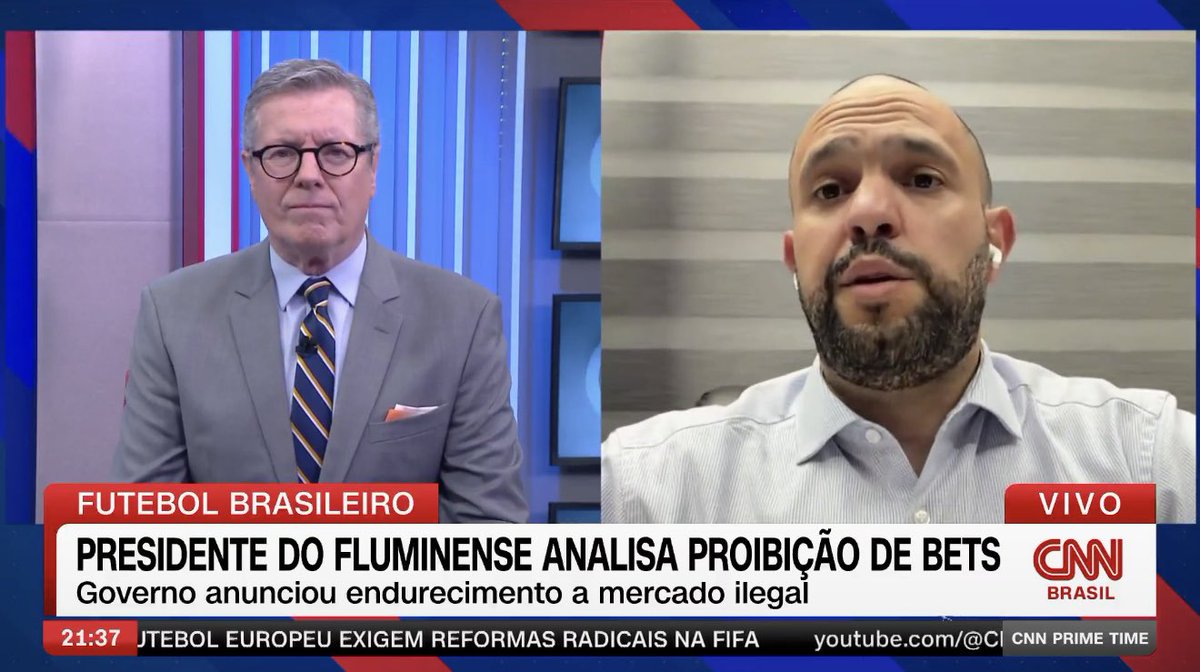
President of Fluminense, Mattheus Montenegro criticizes the Provisional Measure that prohibits bets in Brazil: "What worries Fluminense and all of Brazilian football is the impact of a measure taken overnight. Here (at Fluminense), the impact exceeds R$ 100 million. It is a major concern for the club." "This measure causes most Brazilian clubs to lose sponsorship at the same time. This devalues the asset because interested companies will have almost all clubs available, reducing the market value of the shirts." "There is the issue of legal security, since the measure was taken overnight, without transition, and may violate laws and the Constitution. In addition, bets raised R$ 9 billion for the Government between January and August 2026, and the measure does not estimate the impact on this revenue. There is also the risk of strengthening the underground market, in addition to the lack of urgency, as the topic has been discussed in Congress." (translated)

DataFut 8h

I believe that if Brazilian clubs work well, this break with the bets can be a moment of innovation and lead to an improvement of the "product". Brazilian clubs have the capacity to do this; the problem often (almost always) is who is in charge. Brazilian football is too big to depend on just one segment. (translated)

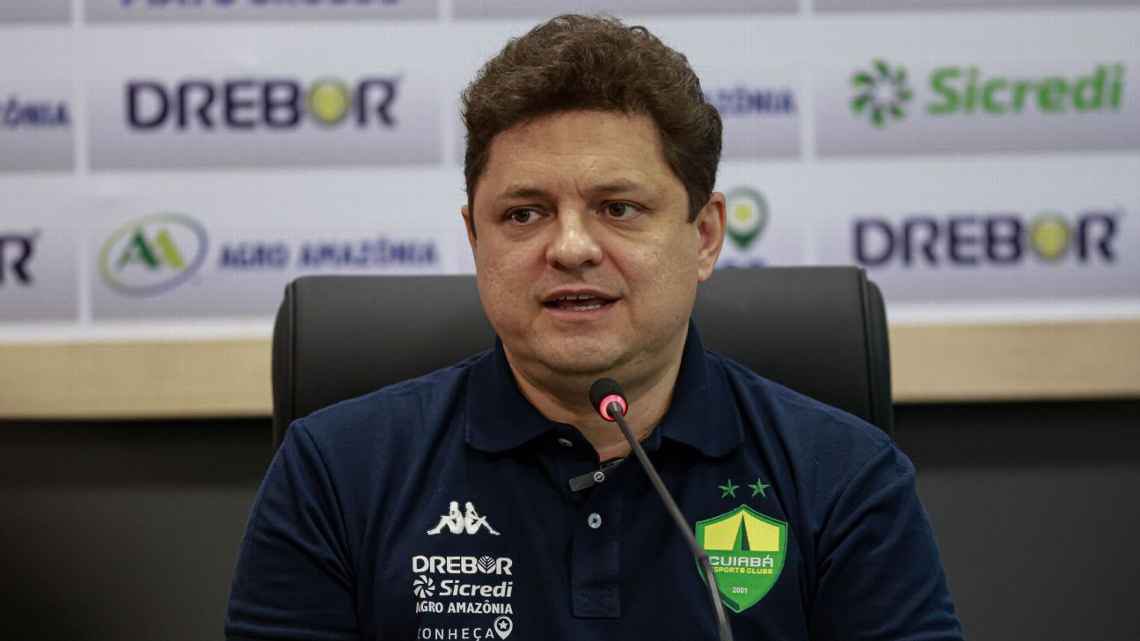
"Passing the tractor on the big deadbeats, the president of Cuiabá should be more heard in Brazilian football. For Cristiano Dresch, Corinthians needs to lose points for its defaults. Vasco is promoting a 'sports scam' to stay in Série A, and Santos paying salaries of R$ 2 million monthly is absurd. The long time Corinthians has been under FIFA's transfer ban. The heavy investments of Santos and Vasco. The defaults of Grêmio and Inter... All of this seems increasingly normalized. It's good that there is Dresch to point out the wound and expose the irresponsibility of those who owe billions. And it's not valid to say that Cuiabá also doesn't pay now. The club got to this situation precisely because it has a truckload of money to receive from big clubs for player sales. May more people have the courage of Dresch to denounce 'the land of make-believe' of so many big clubs in Brazil." (translated)

One thing no one is talking about: ending the regulated betting market will make Brazilian football more vulnerable to manipulation. Authorized betting houses are part of the oversight system. Regulated operators are obliged to report suspicious movements. If an amount completely outside the norm appears for betting on a player receiving a card, for example, that raises an alert and generates a report. That's how recent cases began to emerge and were investigated. Betting on Brazilian football will continue to exist on illegal sites and outside Brazil. It is not possible to sell the idea that manipulation arose because Brazil regulated the bets. In 2005, there was the biggest scandal in Brazilian football: the Whistle Mafia, at a time when there was no regulated sports betting market in Brazil. Referees manipulated matches to benefit bettors who played on illegal betting sites. The scandal ended with 11 matches in the Brazilian league being annulled. In other words: prohibiting the legal market does not end the demand for betting, and it increases and facilitates the possibility of manipulation. It will precisely eliminate one of the tools that currently help FIND and curb manipulation. The person who wants to buy a player or referee will not give up just because the regulated bet has closed. (translated)

⚠️ Now! FFU clubs in Serie A will receive an advance of R$ 10 million in October. Athletico-PR, Botafogo, Chapecoense, Corinthians, Coritiba, Cruzeiro, Fluminense, Internacional, Mirassol, and Vasco will each receive R$ 10 million as an advance on rights linked to audience goals. The installment was scheduled for the end of the season, but the R$ 10 million is already guaranteed to the 10 clubs. The remainder will be calculated after the end of the Brasileirão. The decision was made today in an assembly with the 33 members of the FFU. The 18 clubs in Serie B will also receive an advance of R$ 1 million each, in this case related to revenues from 2027. 🗞️ @geglobo (translated)

Santos is sentenced to pay nearly R$ 20 million to Cuiabá. Peixe was sentenced by CNRD from CBF to pay R$ 18.6 million to Cuiabá for a debt for defender Joaquim. The clubs had agreed on the payment in 5 installments, but Santos only paid. Cuiabá is now awaiting the total amount, although Santos can still appeal to the Brazilian Center for Mediation and Arbitration (CBMA). In a statement, Cuiabá stated that it will not accept appeals used only to delay a debt of nearly 2 years. Dourado also cited cases in which Santos only paid after suffering a transfer ban from FIFA. (translated)

🚨 Clubs support the CBF's thesis that there are too many foreigners in the Brasileirão; managers defend more space for young Brazilians. • ALEXANDRE MATTOS (football director of Santos): "Brazil has always been a training country, but in recent years, it has become a buyer. This movement reduces the space for the emergence of new Brazilian talents and reverses a historical characteristic of our football, which is to reveal and produce stars. It is necessary to find a balance, with more criteria in hiring." • FÁBIO MOTA (president of Vitória): "I voted for it because Vitória is a training club. The measure encourages the training of athletes, and these athletes gain more opportunities." • GRÊMIO'S POSITION: The club sees the measure as an "attempt to strengthen the training process in the country" and to "expand the use of base athletes." • CRISTIANO DRESCH (president of Cuiabá): "Today, the amount of foreign players in Brazil is excessive. I think this is a measure that can benefit training, but it is important that it comes along with initiatives that encourage this work." • JOÃO PAULO SILVA (president of Ceará): "We need to give these boys opportunities so they can perform on the field and financially. Brazilian football continues to be a good trainer of talents. The more Brazilians play in our leagues, the greater and faster the evolution of football in the country will be." DORIVAL JÚNIOR believes that the massive presence of foreign players in Brazil penalizes an 'entire generation.' "In the future, we will pay a very high price. We are not realizing this. Italy paid a very high price in two World Cups," said the coach earlier this year when he was still coaching Corinthians. • PALMEIRAS AND FLAMENGO DEFEND ANOTHER CHANGE Palmeiras, which has 8 foreigners, believes the new rule will stimulate investments in training and provide more opportunities for young players. The club is also talking to the CBF about mechanisms to protect base athletes from being approached by European teams. Among its proposals is to allow 16-year-old players to sign 5-year contracts with the training club; today, the limit is 3 years. Palmeiras and Flamengo also advocate for the end of the match limit in the Brasileirão for transfers between clubs in the country. Bap, president of Fla, suggested voting on this change, but it was not accepted. Therefore, he voted against reducing the foreign limit. Bahia and Londrina were the other opposing votes. The CBF promised to evaluate Bap's suggestion and should bring it to a vote in the future. (translated)

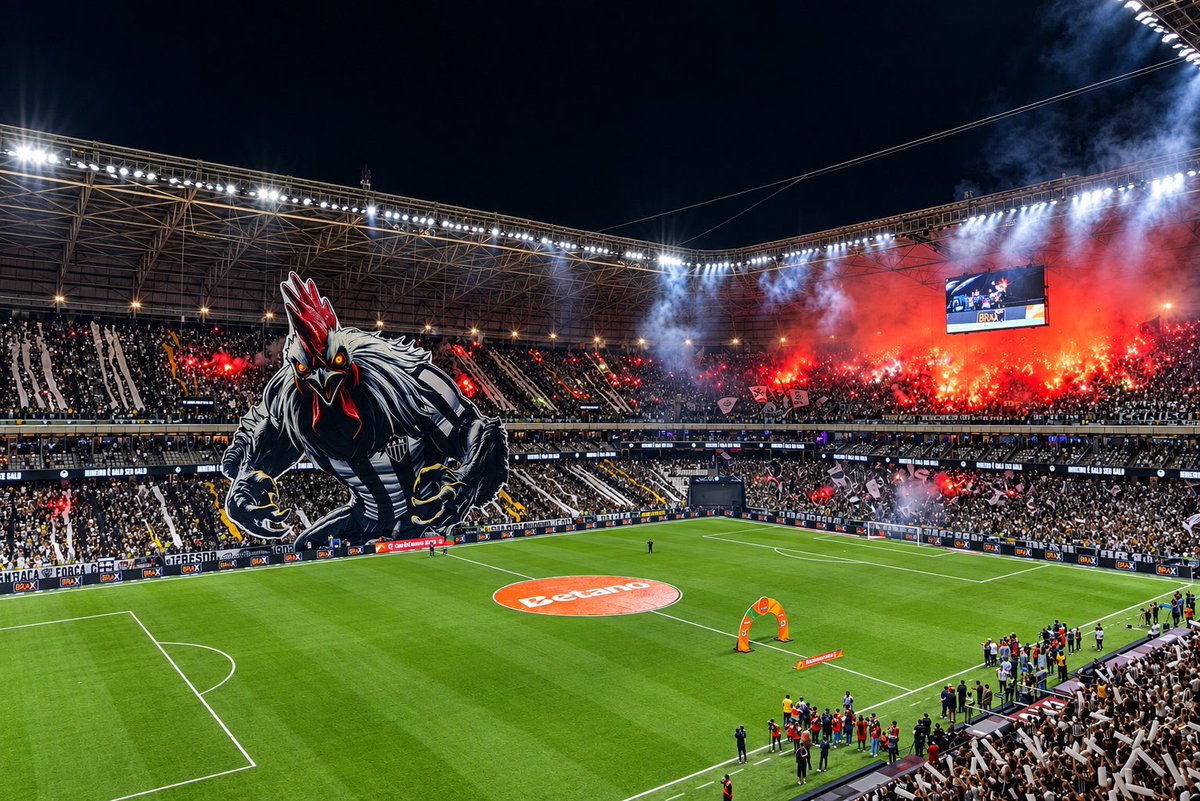
In the coming weeks, Galo will be in 2 semifinals, we need the support of the fans to create a party never seen before in Brazilian football, to inspire our team and show the strength of our supporters to the world. (translated)

For those who live the passion for Santos in every step. A launch that unites identity, tradition, and the flair of Vila. (translated)

🚨 Without money, Santos is left 'with a hat in hand' to settle debts. The team already owes 2 months of image rights and admits to not having money or a timeframe to pay. Behind the scenes, a person connected to the management stated that the club is "with a HAT IN HAND." Santos tried to advance revenues from the Paulistão but was unsuccessful. The amount would help pay at least one month of the payroll, which is close to R$ 30 MILLION. The elimination against Atlético-MG in the South American Cup worsened the situation. The club planned to reach the FINAL but lost out on about R$ 4.1 million simply for not advancing. The total would exceed R$ 5 million with ticket sales. The title would yield around R$ 50 million. One of the options being considered is to sell home games or move matches to São Paulo, but there is strong RESISTANCE from the players. • NEW AND OLD PROBLEMS The club still needs to pay R$ 15 million in cash to Pedro Caixinha and his coaching staff. The crisis also affects the company that cares for the field at Vila Belmiro and that has not been paid for 5 months. The Fiscal Council pointed out a deficit in the 2nd quarter 62% higher than budgeted and an additional R$ 119.6 million in accumulated debts. The total liabilities reached R$ 1.2 BILLION on June 30. The club will also have to pay R$ 17.3 million to midfielder Zé Rafael for the contract termination, divided into 48 installments. 🗞️ @placar 📸 Raul Baretta/SFC (translated)

🚨 BEHIND THE SCENES: Ancelotti approved CBF's plan to reduce the limit of foreigners in the Brasileirão. The measure aims to give more space to young Brazilians and prevent the early departure of great talents, such as Endrick and Estêvão. The CBF's management and the national team coaching staff participated in discussions about the problems in player development. Ancelotti took part in the conversations and ADMITTED THE DIFFICULTY in finding athletes ready to renew the national team after the 2026 World Cup. The elimination to Norway accelerated CBF's plan, which aims for a strong renewal by the 2030 World Cup. The CBF sees problems mainly in the training of MIDFIELDERS and understands that jewels leave the country before an important stage of development in Brazilian football. There is also an understanding that clubs prioritize FORWARDS, especially wingers, as they generate higher sales. With fewer foreigners in other positions, the expectation is that these teams will increase investment in the training of young Brazilians. (translated)

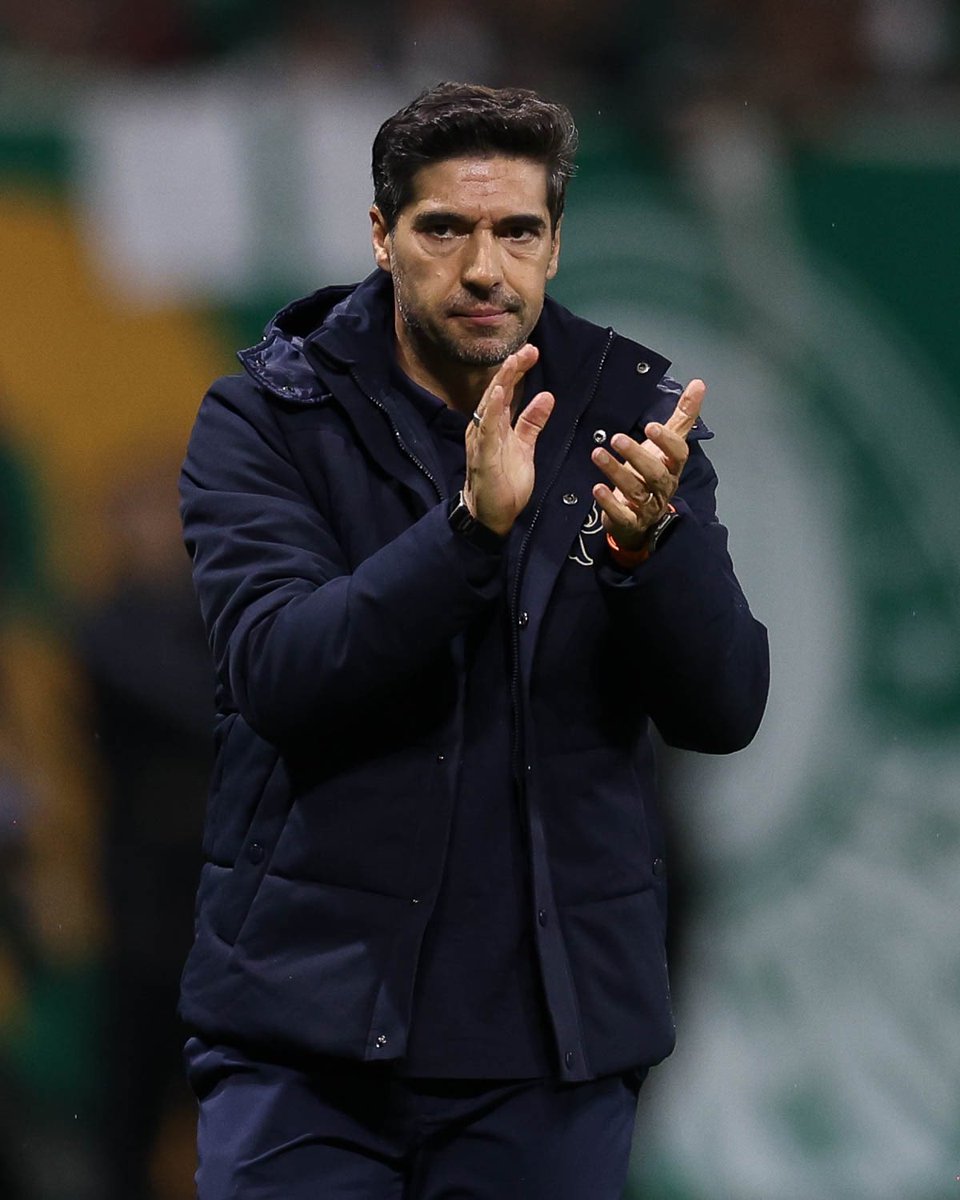
Palmeiras 'meets' Abel Ferreira with a reduction of foreigners, but the coach demands a change in the transfer rule. The club voted in favor of reducing the limit of foreigners, a topic already criticized by Abel. Today, the club has 8 foreigners in the squad, while the limit is 9 per game. For Abel, however, the measure needs to be accompanied by a change in the rule that restricts player transfers between clubs after 12 matches in the Brasileirão. The coach relates the two issues: he would like to hire more Brazilians, especially young ones, but he claims that the match limit leads clubs to seek reinforcements from abroad. The limit of foreigners will decrease to 8 in 2027, 7 in 2028, 6 in 2029, and 5 in 2030. (translated)

⚠️ CBF proposes to use an additional quota from the Copa do Brasil to help clubs pay debts. The entity proposed that part of the increase in revenue from the Copa do Brasil be distributed as a fixed quota to clubs in Series A and B, regardless of how far they advance in the tournament. This measure is expected to generate just under R$ 1 billion between 2027 and 2030. The competition will have an 80% increase in revenue with the new TV contracts, which will yield more than R$ 1 billion per year. Currently, broadcasting rights generate around R$ 600 million for the CBF, and approximately 80% of that amount is allocated to awards by round. The idea is to maintain this award model, which currently pays R$ 78 million to the champion and concentrates 24% of the total between the champion and runner-up, while adding the new fixed quota. However, the use of this extra money will have rules. Clubs with overdue salaries or significant debts must use the funds to pay salaries, debts in the CNRD, or tax liabilities. Clubs that are up to date with their accounts will be able to invest in infrastructure, such as building training centers and renovating stadiums. The use of the funds would be monitored by the CBF's Financial Fair Play agency. The final format and the amount of each quota will still be defined. The proposal seeks to prevent the extra revenue from being used to increase salaries in the market again without resolving the financial problems of the clubs. (translated)

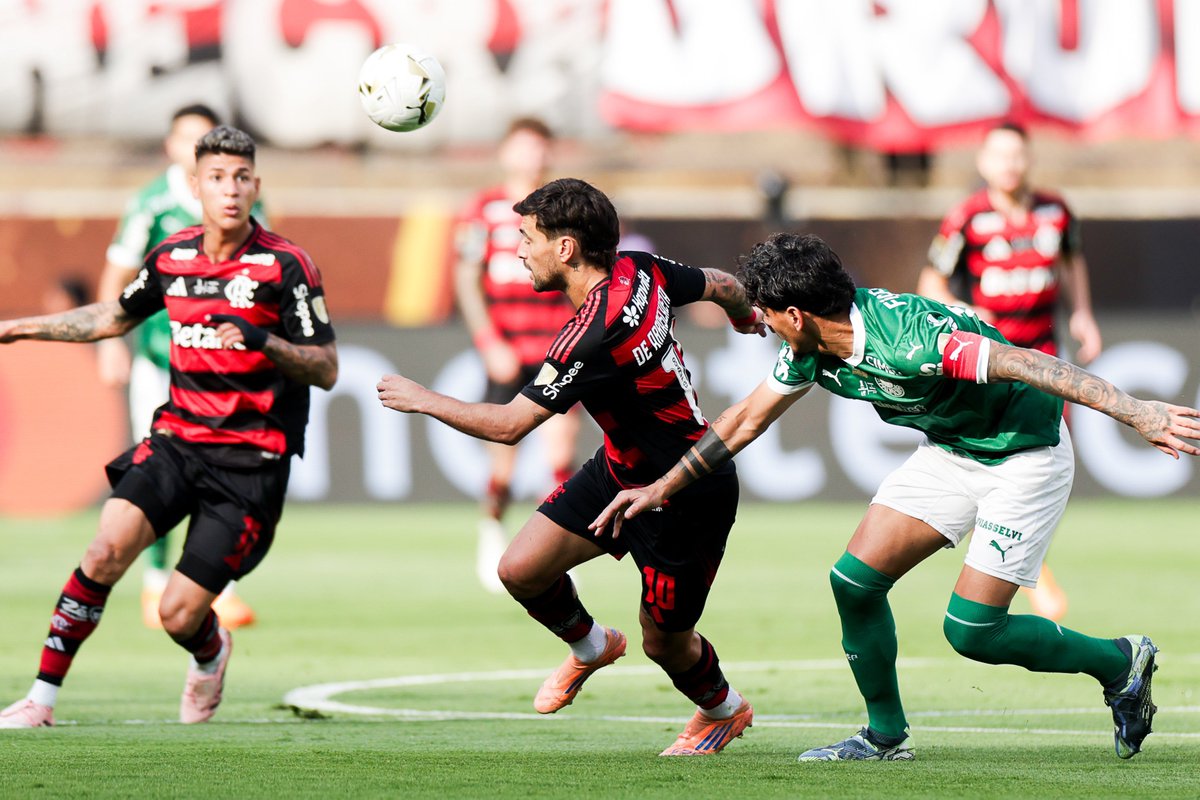
⚠️ Clubs fear inflation and devaluation of a future League with new measures in Brazilian football. Although the majority approve the reduction of foreigners, some Serie A clubs have raised objections. Flamengo and Bahia, who voted against, believe that the measure could raise the cost of Brazilian players and complicate signings in the mid-year transfer window. Therefore, they tried to eliminate the limit on games for negotiations between Brazilian clubs, but the discussion has been postponed. The CBF argues that the reduction will create opportunities for local talent and boost the Brazilian football ecosystem. The change will be gradual until 2030, when the organization intends to renegotiate the clubs' rights in a future League it aims to organize. However, the clubs assess that the product will become devalued. Even Palmeiras, which voted in favor and has a strong grassroots program, raised concerns. There are leaders who argue that the CBF should prioritize, for example, the training of coaches. The Football Athletes Union of the State of Rio de Janeiro (SAFERJ) wants to broaden the measure to prohibit foreigners also in the youth categories and in Series C and D. Among businesspeople, there were even more reservations. One opposing argument cites Spain, the current World Cup champion, which allows a maximum of 3 non-EU players registered but does not limit players from other European Union countries. 🗞️ @OGlobo_Esportes | @diogodantas 📸 Adriano Fontes/CRF (translated)

Completely against this. We will continue to lose our great prospects at 18 years old, the Brasileirão will technically weaken (and as a product) and our real problem of failed player development will not be solved. Blaming this on foreigners is like putting a band-aid on a problem and closing our eyes to our work in grassroots development. Where is our number 9, our number 10, our midfielder who controls everything, and our wingers who are not just physical and make three hundred wrong decisions? Are we really developing these guys, and are we missing opportunities for them because of athletes from other countries? No way. Meanwhile, countries with foreigners in the league are winning the World Cup and developing grassroots talents. Regression. (translated)

"We are thinking about young Brazilians and the development of Brazilian football." "Yes, that must be why the preference is to call up young players only when they are in European football." "Rayan scored 20 goals in 2025, including the Brasileirão, Sudamericana, and Copa do Brasil, at 18 years old, and was only called to the Brazilian National Team after scoring 3 goals at Bournemouth in the Premier League." "You can be sure that if he had been called up while still in Brazil, the sale value would have been higher and the player would think twice before going to play at Bournemouth. Just like Rayan, there are many in Brazilian football..." (translated)

MP NA PAREDE PELO MARACANÃ O sócio do Vasco da Gama Pablo Ramadas da Cruz apresentou ao Ministério Público do Rio de Janeiro um pedido de apuração sobre a concessão e a administração do Complexo Maracanã. O documento questiona se Flamengo e Fluminense, integrantes do consórcio concessionário, recebem tratamento privilegiado em relação ao Vasco e a outros clubes interessados em utilizar o estádio. Os principais pontos são: Verificar se existem critérios objetivos e isonômicos para autorizar jogos de clubes que não integram a concessionária. Apurar eventuais pedidos do Vasco em 2026, as respostas recebidas e os fundamentos técnicos de possíveis negativas. Comparar preços, custos operacionais e condições oferecidas a Vasco, Flamengo e Fluminense. Analisar as 77 datas apresentadas pelo Consórcio Fla-Flu na licitação e a meta contratual de 70 jogos. Solicitar o calendário completo de 2026, incluindo jogos, eventos comerciais, períodos de manutenção e datas sem utilização. Requisitar o Plano de Manutenção, cronogramas, ordens de serviço e laudos sobre o gramado. Verificar se a manutenção foi usada como justificativa técnica válida para impedir partidas de terceiros. Avaliar o impacto da partida da NFL sobre o gramado e sua compatibilidade com o calendário do futebol. Solicitar relatórios do Estado e do Verificador Independente sobre fiscalização, manutenção e utilização esportiva. O pedido não afirma que houve irregularidade nem reivindica utilização automática do estádio pelo Vasco. Ele solicita que o Ministério Público investigue se houve tratamento discriminatório, restrição indevida de acesso a um equipamento público, descumprimento contratual ou falha na fiscalização da concessão. #Maracanã #VascoDaGama #FutebolBrasileiro

Matheus 1w

então quer dizer que se o Lula acabar com as bets o futebol brasileiro acaba também? é o maior presidente da história desse país mesmo!!! TRAGAM A URNA AGORA #Lula #FutebolBrasileiro #Eleições2022

DataFut 1w

futebol brasileiro não precisa das bets. futebol brasileiro precisa de uma liga única e de um trabalho sério de publicidade do campeonato a gente ter cerca de 36% de pessoas no país que não acompanham o esporte. essa galera provavelmente só vê em mundial olha o que acontece com esse país quando tem copa do mundo e o nível de engajamento que podemos ter toda semana. como ser mais atrativo? como chegar a essas pessoas? como melhorar a minha imagem pra ser atrativo para mais marcas de alto nível? essas são as perguntas que deveríamos fazer. o ideal seria não precisar do caos que o fim das bets gerariam no futebol brasileiro, mas talvez assim ao menos mais clubes percebam isso. enfim, essa crise aí também é responsabilidade dos clubes. eles abriram as portas pra um mercado que desde o começo pessoal especializado falava dos riscos e ao invés de pegar esse dinheiro e montar estrutura (pelo menos deixa um legado ao clube) e pagamento de dívidas, muitos gastaram em contratações com o objetivo de tentar vencer um título na sua gestão, deixando mais dívidas ainda. veremos os próximos capítulos dessa crise. opiniões? #FutebolBrasileiro #LigaÚnica #PublicidadeEsportiva

🚨 AGORA! NOTA OFICIAL EMITIDA POR VÁRIOS CLUBES: "O FIM DO FUTEBOL BRASILEIRO O futebol acompanha as discussões sobre o mercado de apostas no Brasil e reconhece os desafios que sua expansão traz. Os impactos sociais sobre as pessoas mais vulneráveis exigem atenção do Poder Público, das empresas e de todos os setores envolvidos. É fundamental aprimorar as medidas de proteção, fiscalização, educação e prevenção, para reduzir riscos e garantir um mercado responsável. O Brasil escolheu enfrentar esse desafio pela regulamentação. A regulamentação estabeleceu regras rígidas para as empresas autorizadas a atuar no país, com regras claras que permitem ao Estado fiscalizar o mercado, responsabilizar quem descumpre a lei e combater a atuação de plataformas clandestinas. O investimento das empresas de apostas autorizadas tornou-se uma das principais fontes de receita do esporte. Este investimento impulsionou o futebol brasileiro a dominar o cenário sul-americano em competições como CONMEBOL Libertadores e CONMEBOL Sul Americana e a colocar clubes brasileiros em posição de protagonismo. Os recursos alcançam equipes de menor expressão, divisões de acesso e competições com menor exposição comercial. Para muitos destas agremiações, especialmente aquelas localizadas no interior do país, não existe outro segmento econômico capaz de substituir esse investimento. Essas receitas são fundamentais para manter estruturas administrativas, centros de treinamento, profissionais, projetos sociais e departamentos que não gerem recursos suficientes para se sustentar, como parte do futebol feminino e a formação de futuros talentos, os primeiros investimentos ameaçados quando a receita cai de forma abrupta. Assim, os rumores sobre mudanças abruptas na regulamentação do mercado de apostas têm gerado preocupação em todos os clubes, federações e entidades do esporte. Uma mudança abrupta nas regras reduziria a capacidade de investimento dos clubes e criaria desequilíbrios. Contratos firmados, planejamentos plurianuais e compromissos financeiros foram estabelecidos sob um marco regulatório construído pelo próprio Estado. Para responder a um mercado que já existia e movimentava ilegalmente bilhões de reais, o país instituiu um ambiente regulado. Empresas foram autorizadas, passaram a recolher impostos e assumiram obrigações relacionadas à proteção do consumidor, ao bloqueio de menores, à prevenção de práticas abusivas e ao combate à lavagem de dinheiro e à manipulação de competições. Foi justamente a regulamentação do mercado que retirou o Brasil da liderança do ranking mundial de casos de manipulação. Inviabilizar esse modelo não fará com que as apostas deixem de existir. Apenas abrirá o caminho para que os consumidores migrem integralmente para plataformas clandestinas, que não pagam impostos, não respeitam limites, não oferecem instrumentos de proteção e não colaboram com as autoridades. A consequência não será apenas uma porta escancarada para as apostas clandestinas, mas um golpe fatal para o futebol brasileiro, levando muitos clubes à insolvência. Isso, sem falar na insegurança jurídica e profissional que a medida acarretaria, especialmente para contratos firmados e planejamentos construídos sob o marco regulatório aprovado pelo Congresso Nacional e estabelecido pelo próprio Estado. O que o futebol entende que deve ser feito, com o máximo rigor, é combater a ilegalidade, fortalecer a fiscalização e aperfeiçoar os mecanismos de proteção, sem colocar em risco um mercado que foi regulamentado pelo próprio Estado. O futebol se coloca à disposição do Governo Federal, do Congresso Nacional, das Autoridades Estaduais e Municipais para colaborar em mecanismos mais eficientes de educação e conscientização. O futebol está mobilizado, reconhece suas responsabilidades e quer participar da solução, de uma forma racional e consciente. O TORCEDOR NÃO PODE PAGAR ESSA CONTA. SE ACABAR COM O MERCADO REGULADO, AS APOSTAS NÃO ACABAM. O FUTEBOL É QUEM ACABA." #FutebolBrasileiro #Apostas #Regulamentação