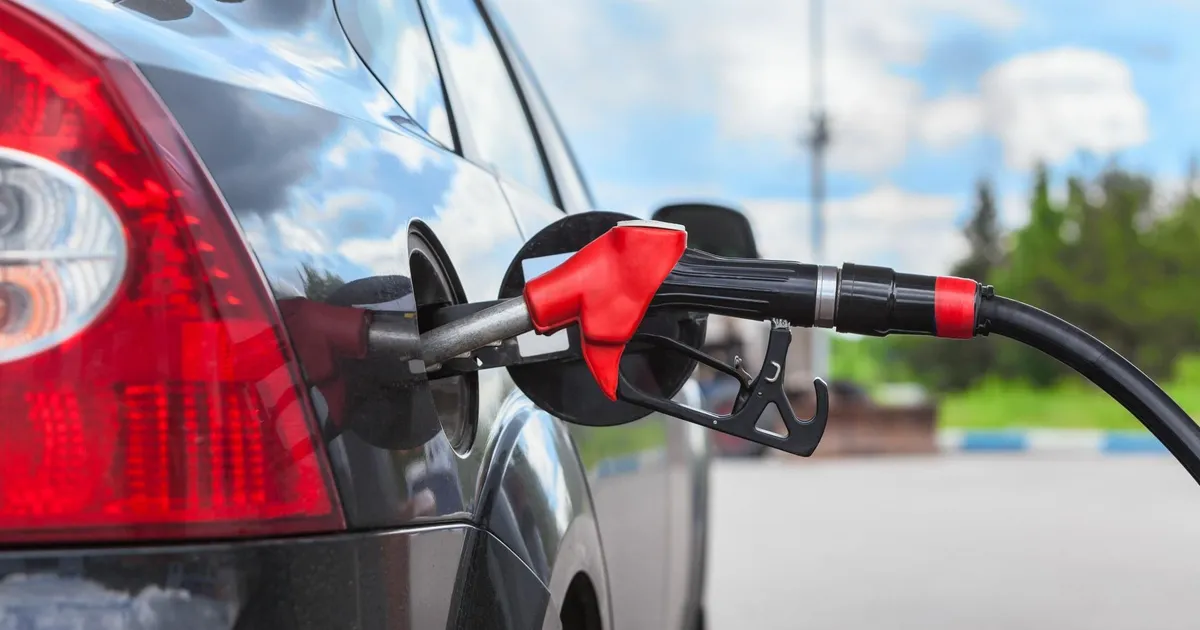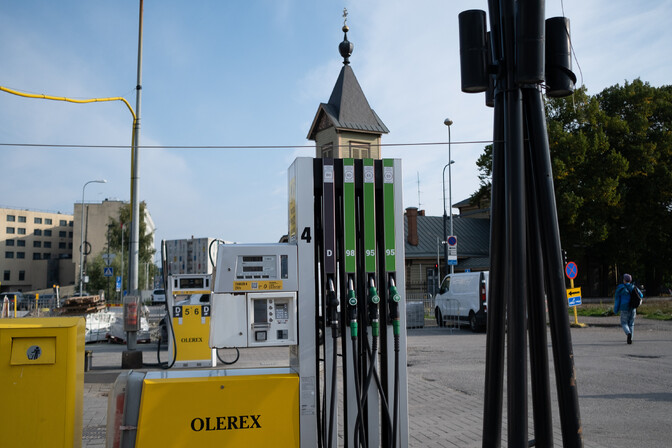
The ongoing price war between fuel chains in the Estonian fuel market is causing daily and even multiple price changes, the impact of which is stronger due to local competition than the fluctuations in the world market. (translated)

The ongoing price war between fuel chains in the Estonian fuel market is causing daily and even multiple price changes, the impact of which is stronger due to local competition than the fluctuations in the world market. (translated)

The wholesale price of diesel fuel in Europe has risen to the highest level in recent months, and geopolitical tensions, including attacks in the Strait of Hormuz and Russia's export restrictions, increase the risk of a sudden price spike, linked to growing fuel demand and tight refining capacity. (translated)

Scientists are developing new technology under the REDUCE project to transform 94,000 tons of radioactive nuclear waste into valuable fuel, which could significantly increase energy production efficiency. (translated)

Russia's fuel crisis is deepening, reaching Moscow and already affecting over twenty-five regions, where sales restrictions are being applied and gas stations are closed, which could lead to a social collapse. (translated)

US President Donald Trump announced that the US has reached an agreement with Venezuela to take control of 65 billion barrels of oil reserves, which could revitalize Venezuela's economy and lower fuel prices in America, but the details of the agreement and its feasibility remain unclear. (translated)

Protests are starting again in Iran, where oil workers, pensioners, and teachers express discontent over economic conditions, including inflation and fuel shortages, while the US seeks to use the situation to its advantage by tightening sanctions, but analysts warn that this may only increase poverty among the population without bringing about political change. (translated)

The fourth largest oil refinery in Russia, located in Nizhny Novgorod, is halting operations due to a drone attack from Ukraine, which has caused fuel shortages and long queues at gas stations in several regions of the country. (translated)

The Estonian government was granted the right to take control of poorly protected private infrastructure, including fuel, energy, and logistics facilities, to ensure the country's security against attacks from Ukraine and other threats. (translated)

Ukrainian armed forces attacked the Afipsk oil refinery located in Russia's Krasnodar region, resulting in a large fire, while an air alert was declared in the area, and the attacks continue Ukraine's strategy to disrupt Russian fuel supplies and reduce the revenue funding the war. (translated)

Colonel Lieutenant Marten Suur raised that Ukraine's successful attacks on Russian oil infrastructure and online shopping platforms have caused supply problems for Russian forces and have had a negative impact on the situation at the front, including the availability of fuel and electronic components. (translated)

According to a survey by the Public Opinion Research Center of Russia, the pessimism among Russians has risen to the level seen during the breakup of the USSR, with 66% of citizens expecting serious economic and social difficulties, reflecting the protracted war, deteriorating economic situation, and fear of mobilization. (translated)

Restrictions on fuel purchases have been reintroduced in Moscow due to a growing fuel shortage caused by drone attacks in Ukraine and an increase in seasonal demand, leading to long queues at gas stations and sales limits on various fuel types. (translated)

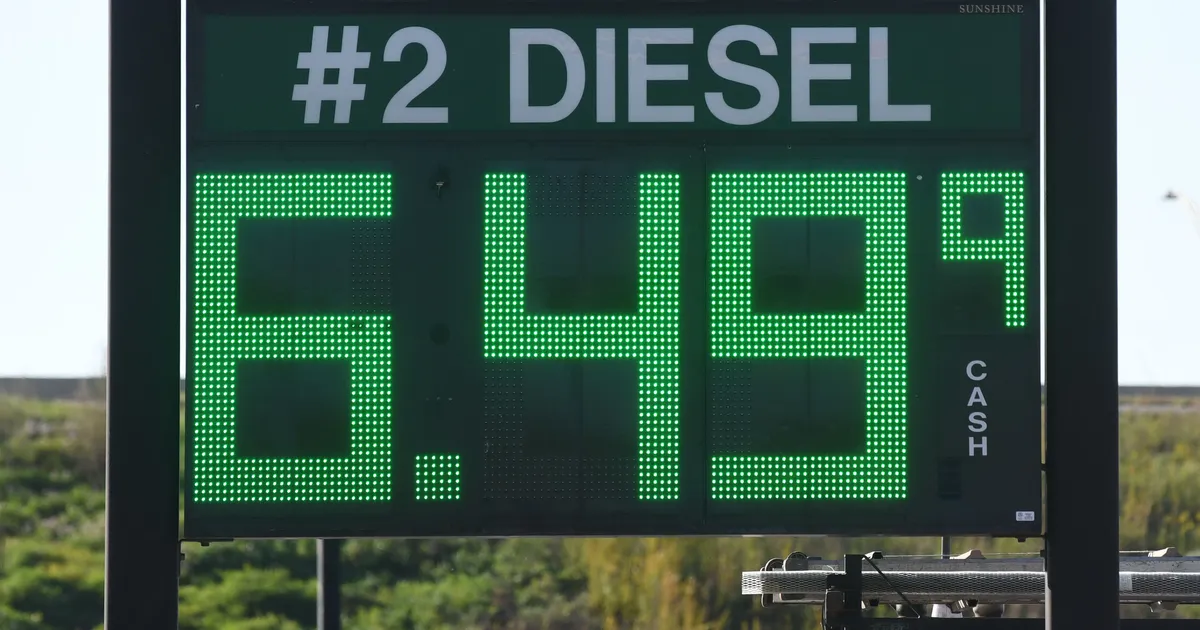
The sharp rise in diesel prices, caused by decreasing Russian exports and the impact of the war in Iran, challenges carriers and farmers, forcing Europe to increasingly rely on U.S. refiners. (translated)

The British government warns of the possibility of a gas shortage in the 2030s if necessary measures to secure gas supply are not taken, although the uptake of renewable energy reduces gas consumption, it remains an important fuel for households and industry. (translated)

The rising tensions between the United States and Iran, along with the changing messages from Tehran and Washington, have pushed diesel prices to their highest level of the month, creating nervousness in the oil and fuel market and jeopardizing the European economy and supply chains. (translated)

The article addresses the growing problems in Russia, including the increase in the scale of airstrikes in Ukraine, fuel infection, and the difficulties of economic survival, resulting from both the failure of negotiations and the collapse of Kremlin diplomatic efforts. (translated)

Russia's economy has likely turned to growth again in the second quarter, but Ukrainian drone attacks threaten its fragile recovery, causing tensions in the oil refining and fuel market. (translated)

Attacks on Russian oil refineries in Ukraine have once again caused a fuel shortage, resulting in long queues and sales restrictions at gas stations in several regions, including the Orenburg region and Sochi. (translated)

Diesel fuel supplies in Europe have sharply decreased, influenced by export restrictions from Russia and production disruptions in the Middle East, which is rapidly driving up fuel prices, putting consumers, farmers, and businesses at risk in the upcoming heating season. (translated)

Regional and rural minister Hendrik Johannes Terras is requesting approximately 4.8 million euros from the government's reserve to ensure the sustainability of public transport, including buses, trains, and ferries, due to rising fuel prices, as otherwise, a funding shortfall of 4.779 million euros may occur by 2026. (translated)